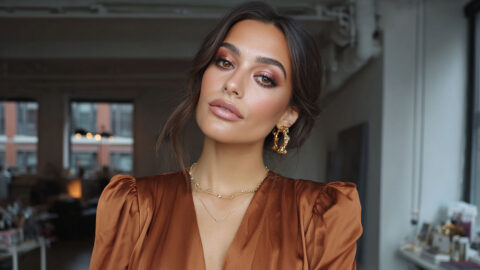
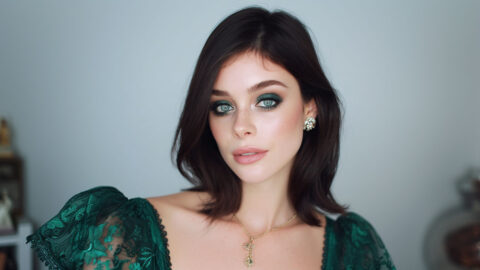
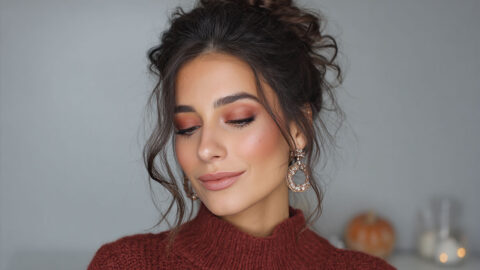
Your prom dress is picked. Your shoes are sorted. Now comes the part that ties everything together, and honestly, the part most people stress about the most: prom makeup looks.
Getting your face right for prom night is trickier than regular going-out makeup. The look has to survive flash photography, hours of dancing, and whatever happens at the after-party. It also has to match your dress, flatter your skin tone, and actually stay on.
This guide breaks down every major prom makeup style, from classic glam and soft natural looks to bold color, smoky eyes, and glitter. You’ll also find product recommendations across every budget, tips for making everything last, and honest advice on whether to DIY or book a professional.
What Is a Prom Makeup Look?
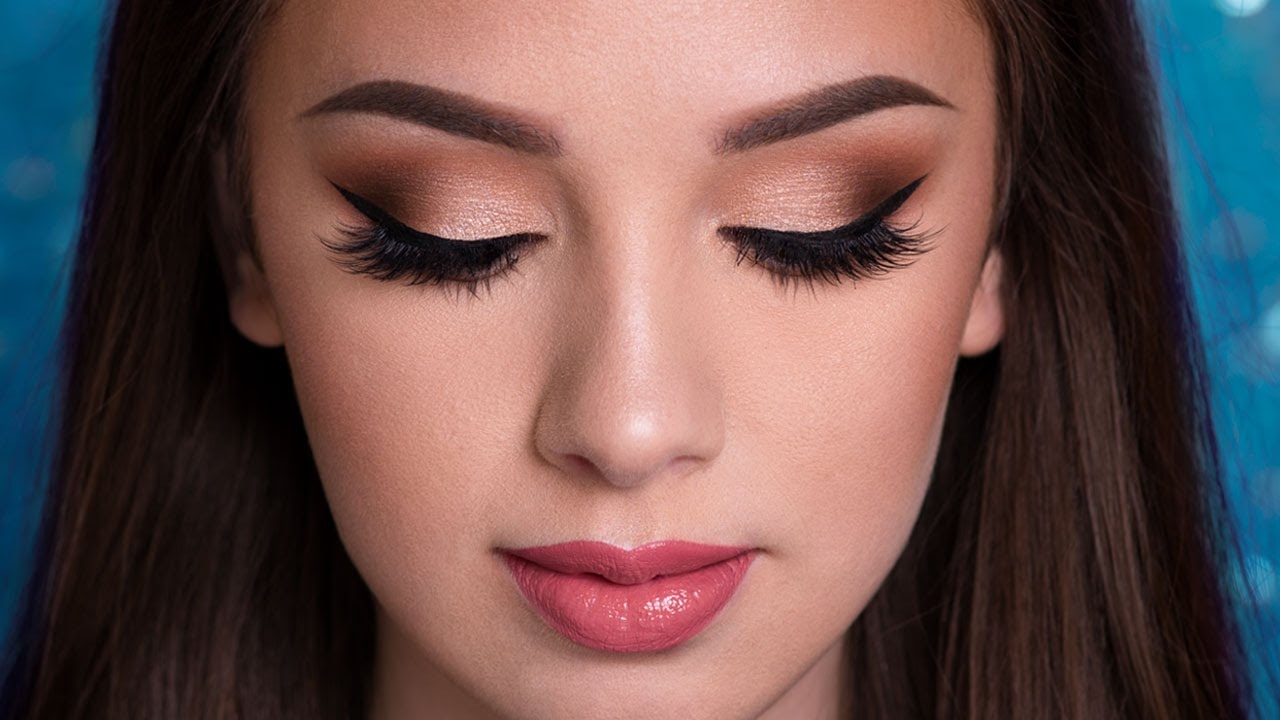
A prom makeup look is a full-face style built to last through hours of dancing, flash photography, and whatever happens after the last slow song. It sits somewhere between everyday makeup and wedding makeup, leaning heavier on trend and personal expression than either one.
The difference comes down to intent. Bridal makeup prioritizes timelessness and soft tones that won’t look dated in photos 20 years from now. Formal event makeup plays it safe. Prom? It’s one of the few occasions where a teenager can go full creative without anyone raising an eyebrow.
According to Piper Sandler’s 2025 Taking Stock With Teens survey, Gen Z consumers now spend $374 per year on beauty, up 10% from the previous year. Color cosmetics spending alone jumped 28% year-over-year in their spring 2024 data, with 41% of teen respondents wearing makeup daily.
Prom night is where that spending peaks for a lot of younger shoppers.
What makes a prom look different from a night out look or party makeup really boils down to three things:
- Longevity: the look has to hold from 5 PM photos through midnight without a full redo
- Coordination: dress color, jewelry, and accessories all factor into shade choices
- Photography: flash can wash out subtle details or make shimmer look chalky, so product finishes matter more than usual
Skin prep drives everything. Young skin tends to be oilier, which means primer selection and setting powder technique are more important than piling on heavy foundation. Took me years to learn that lesson myself, but it’s the single biggest difference between a prom look that holds and one that slides off by 9 PM.
Classic Glam Prom Makeup

Classic glam is the most requested prom style and has been for over a decade. Winged eyeliner, defined lashes, warm eyeshadow, and a bold lip. It photographs beautifully and works with nearly every dress color.
The building blocks haven’t changed much, but the products have gotten significantly better. Long-wear liquid liners from brands like Stila and NYX Professional Makeup hold a sharp wing through humidity that would have wrecked older formulas. Tubing mascaras stay on the lashes instead of migrating south.
Circana data from 2024 shows the prestige lip segment grew 19% that year, driven largely by hybrid products that blend skincare and color. That trend filters straight down to prom. Teens want a bold lip that feels comfortable, not one that dries their mouth out after an hour.
For the lip, you’ve got real options now. Different lipstick types give you totally different vibes. Matte formulas photograph clean and don’t transfer as much (huge for prom hugs and group photos). Satin finishes split the difference between matte and shine, giving you that polished look without the dryness.
Picking the right lipstick shade for classic glam depends heavily on your undertone. Warm undertones pull off coral reds and brick tones. Cool undertones look better in blue-based reds and berry shades. And if you’re unsure, a true red with neutral undertones works on basically everyone.
Matte vs. Satin Finish for Classic Glam
This is one of those decisions that should be practical, not just aesthetic.
| Finish | Best For | Pros | Cons |
|---|---|---|---|
| Matte | Oily skin, humid venues, outdoor photos | Transfer-resistant, clean look on camera | Can feel drying after 3+ hours |
| Satin | Dry skin, indoor venues, candlelit settings | Comfortable wear, subtle dimension | May need touch-ups for photos |
If you’re going matte, keeping your lips moisturized throughout the night matters. Exfoliate gently the day before, apply a hydrating balm, and blot it off before applying matte lipstick.
For satin, the trick is making your lipstick last longer by layering. Apply one coat, blot with tissue, dust a tiny bit of translucent powder over the blot, then apply a second coat. That sandwich technique works every single time.
Soft Glam and Natural Prom Makeup

Soft glam has become the default for prom-goers who want to look polished without looking like they’re trying too hard. And honestly? It’s tricky to get right. Looking like you’re barely wearing anything actually takes more technique than a full beat.
The shift is real. Looking at what’s trending on Pinterest and TikTok for prom 2025, soft glam looks and natural makeup dominate the boards. Dewy skin, flushed cheeks, feathered brows, and lip gloss or tinted balm instead of a full lip.
According to an Advanced Dermatology survey from 2024, Americans spend an average of $25 per month on makeup. For teens on a tighter budget, soft glam has an extra perk. Fewer products, lower cost.
The skin-first approach:
- Tinted moisturizer or skin tint instead of full-coverage foundation
- Cream blush tapped onto the cheeks for a flush that looks like it came from the inside
- Cream highlighter on the high points of the face, blended with fingers
Eyeshadow stays minimal. Two, maybe three shades max. A wash of warm shimmer on the lid, a soft matte in the crease, and a highlight on the inner corner. That’s it.
For lips, tinted lip balm or a sheer lipstick does the job. Rare Beauty and Glossier built their entire brands around this kind of look. Charlotte Tilbury’s Pillow Talk range basically owns the “soft glam lip” category at this point.
One thing people don’t realize: soft glam actually photographs better under flash than heavy makeup. Less powder means fewer harsh lines and less flashback in photos. The camera picks up that natural skin texture and it reads as “real” instead of “filtered.”
Bold and Colorful Prom Makeup Looks

Colorful makeup at prom used to get you weird looks. Not anymore.
Gitnux data from 2023 reports that eyeliner usage among Gen Z increased 22% specifically for graphic eye looks. Bright pigments, unexpected placements, and monochromatic color stories have gone from editorial-only to mainstream prom. TikTok did that.
The most wearable version of this trend is the monochromatic look. Pick one color family and carry it through eyes, cheeks, and lips. Pink across everything reads cohesive, not clownish. Same with purple or gold tones.
For bolder moves:
- Graphic liner in cobalt, emerald, or white (yes, white eyeliner is having a moment)
- Glitter eyeshadow packed onto the center of the lid over a matching cream base
- A bright lipstick paired with otherwise clean skin and barely-there eye makeup
Palettes from ColourPop, Morphe, and Danessa Myricks Beauty actually deliver the pigment intensity these looks require. Drugstore shadows have gotten better, sure, but for saturated color on darker skin tones especially, formula matters a lot.
Color Matching Makeup to Your Prom Dress
This is where most people overthink it.
You don’t have to match your eyeshadow to your dress. Actually, please don’t. A teal dress with teal eyeshadow just looks costume-y. Complementary colors work better than identical ones.
Quick reference:
- Red dress: warm neutral eyes, nude or red lip, minimal blush
- Blue dress: warm bronze or copper eyes, peach lip, golden highlighter
- Black dress: literally anything goes, this is your blank canvas
- Green dress: plum or mauve eyes, berry lip tones
- Pink dress: soft rose gold eyes, nude pink lip, matching blush
Under venue lighting (usually warm or yellow-toned), cool-toned makeup can look grayish. Something to keep in mind if your prom is in a banquet hall versus an outdoor tent.
Smoky Eye Variations for Prom

The smoky eye has survived every trend cycle since the 1920s. It’s the one look that works at literally any formal event, and prom is no exception.
Gitnux reports that smoky eye tutorial views hit 1.2 billion on YouTube in 2023 alone. That’s not a fading trend. The technique has just evolved.
Here’s the thing most tutorials don’t tell you: a smoky eye does not mean black eyeshadow. That’s one version. Probably the hardest one to pull off, actually. Start anywhere else and you’ll have a much easier time.
Brown and bronze smoky eye: The most universally flattering version. Uses warm browns, taupes, and a shimmer bronze on the center lid. Perfect with nude lipstick or a matte nude shade.
Classic charcoal: Tight-lining with black pencil, layering charcoal and silver shadows, and blending upward into a soft gray. Pair this with a clean face and a lip that doesn’t compete for attention.
Colored smoky eye: Plum, navy, or olive shades smudged out using the same technique. This is where things get interesting for prom because you can pull a color from your dress and soften it into a smoky gradient. A plum smoky eye with a purple dress looks ridiculously good without being matchy.
Common mistakes that ruin a good smoky eye look:
- Going too dark too fast (build in thin layers, always)
- Skipping the transition shade between your crease and brow bone
- Ignoring the lower lash line (a little shadow smudged underneath ties the whole thing together)
- Using powder shadow without a cream or pencil base (it won’t stick or blend right)
For doing smoky eye makeup at prom, the Urban Decay Naked palettes and Anastasia Beverly Hills Modern Renaissance still set the standard for the kind of shade range you need.
Glitter and Shimmer Prom Makeup

Glitter makeup at prom isn’t new. What’s changed is how people use it.
The old approach was packing as much sparkle as possible onto every surface. The 2025 version is more targeted. A single glitter element against an otherwise clean face creates way more impact than an all-over disco ball effect.
Gitnux data shows glitter eyeshadow usage surged 48% during festival and event seasons in recent years. That demand pushed brands to develop better formulas. Stila’s Glitter & Glow liquid shadows, Lemonhead LA’s spacepaste, and ColourPop’s Super Shock shadows all deliver real sparkle without the fallout issues older products had.
Safety note that actually matters: craft glitter and cosmetic-grade glitter are not the same thing. Craft glitter has sharp edges that can scratch your cornea. Only use products specifically labeled for cosmetic use around your eyes. This isn’t just being cautious. People have lost vision from this mistake.
Where shimmer and glitter work best for prom:
- Inner corner of the eye (a tiny pop of sparkle opens up the entire face)
- Center of the eyelid over a matte base (the classic “halo eye” technique)
- High point of the cheekbone with powder or cream highlighter
- Glossy lip products with subtle shimmer for light-catching lips
Full glitter lids are absolutely an option if that’s your vibe. The key is using a glitter adhesive primer underneath, not just regular eyeshadow primer. Products like NYX Glitter Primer or Too Faced Glitter Glue create a tacky base that stops fallout from settling into your foundation.
If you’re going all-out glitter on the eyes, keep everything else toned down. Clean skin, soft brow, simple lip. Let the sparkle do the talking. The Euphoria makeup aesthetic proved that one dramatic element reads as intentional while glitter everywhere reads as chaotic.
Prom Makeup for Different Skin Tones

The biggest mistake in prom makeup isn’t picking the wrong eyeshadow color. It’s picking the wrong foundation shade.
Before Fenty Beauty launched with 40 shades in 2017 (now expanded to 50), most drugstore brands offered maybe 12 to 20 options. That left a lot of people, especially those with deeper complexions, mixing two or three bottles together just to get close. The “Fenty Effect” pushed brands like L’Oreal, Maybelline, CoverGirl, and Tarte to expand their ranges to 40+ shades each.
But shade count alone doesn’t solve the problem. Undertone matters just as much as depth.
Foundation Matching for Prom Night
Test foundation in two lighting conditions: natural daylight and indoor artificial light. Prom venues are usually lit warm or yellow, which shifts how foundation reads on your face.
Matching your makeup to your skin tone starts with identifying your undertone. Check the veins on your inner wrist. Blue or purple veins suggest cool. Green veins suggest warm. A mix of both means neutral.
Foundation oxidation is another issue, especially on a long night. Some formulas darken 1 to 2 shades after a couple hours on the skin. To prevent foundation from oxidizing, use a primer with a pH-balancing formula and apply thinner layers.
Shade Selection by Skin Tone
| Skin Tone | Eyeshadow That Shows Up | Lip Shades That Work | Watch Out For |
|---|---|---|---|
| Fair | Most shades; pastels pop | Pinks, mauves, light berries | Flashback from SPF in photos |
| Medium | Warm coppers, bronze, plum | Rose, mauve, warm reds | Orange-pulling bronzer |
| Deep | Rich jewel tones, metallics | Berry, wine, deep reds, bold nudes | Ashy-looking powders |
For fair skin, softer tones keep the overall look balanced. For dark skin, richly pigmented formulas from brands like Danessa Myricks Beauty, Pat McGrath Labs, and Fenty Beauty deliver the color payoff you actually need.
Highlighter placement changes too. On lighter skin, a champagne or pink-toned highlight on the cheekbones works. On deeper skin, gold or bronze highlighters show up without looking chalky. The point is, doing makeup for darker skin requires different products, not just darker shades of the same ones.
Long-Lasting Prom Makeup Techniques

Prom runs 5 to 7 hours on a typical night. Add pre-prom photos and an after-party, and you’re looking at 8+ hours of wear. That’s where most prom makeup falls apart.
Gitnux reports that 49% of makeup users now use setting spray to extend wear time by 4 to 6 hours. The global setting spray market was valued at $966 million in 2023, according to Grand View Research, and is growing at 7.6% annually. People are clearly investing in longevity.
The foundation of long-lasting makeup (literally) starts before you open a single product.
Prep your skin first. Cleanse, moisturize with something lightweight, and wait 5 minutes before applying primer. Rushing this step is the number one reason makeup pills or slides.
- Oily skin: silicone-based, mattifying primer
- Dry skin: hydrating, water-based primer
- Combination: mattifying on T-zone, hydrating on cheeks
After your full face is done, dust translucent powder on the areas that tend to get oily first (forehead, nose, chin). Then finish with setting spray in an X and T pattern from about 8 inches away.
Making makeup last all day (or all night, in this case) is really about layering correctly. Cream products first, powder products on top to set them, then spray to lock everything together.
Waterproof and Transfer-Proof Product Swaps
You will cry at prom. Or sweat. Or both. Either way, waterproof versions of three products make the biggest difference.
Mascara: Non-negotiable swap. Waterproof tubing formulas from Maybelline (Sky High) or L’Oreal (Telescopic) hold a curl all night and don’t smudge. To stop mascara from smudging, layer waterproof over a regular coat for extra hold.
Eyeliner: Gel or waterproof liquid only. Pencil liner will migrate within two hours on most skin types. If your eyeliner tends to run, set it with a matching eyeshadow pressed on top with an angled brush.
Lip products: Liquid lipstick is the most transfer-resistant option for prom. It dries down and stays through talking, eating, and photos. To make any lipstick transfer-proof, blot after the first coat, set with a light layer of translucent powder, then apply a second coat.
DIY Prom Makeup vs. Professional Makeup Artist Booking

This decision usually comes down to budget and stress tolerance.
Thumbtack data shows the average cost for professional prom makeup is $170, with most appointments running between $130 and $180. Rates for individual makeup artists range from $55 for a basic look to $100+ for a full glam application. Factor in lashes ($10 extra at most studios) and airbrush ($10 to $25 extra), and a professional prom face can cost anywhere from $55 to over $200.
That’s a big chunk when the average American student already spends roughly $818 total on prom, according to spending estimates from industry sources.
When to Go Professional
Book a pro if:
- You want airbrush foundation or a full glam look with false lashes
- You have a skin concern (acne, hyperpigmentation) that needs expert concealing technique
- Your prom is in less than a month and you haven’t practiced
Book months ahead. Prom season floods salon schedules between March and June. A trial run beforehand is worth the extra cost, especially if you’ve never had your makeup done professionally.
When DIY Makes Sense
Piper Sandler’s survey data shows e.l.f. commands 35% market share among Gen Z females, proving that affordable brands deliver results teens actually trust.
DIY works well when you want a softer look or clean girl aesthetic that doesn’t require complex techniques. YouTube and TikTok tutorials for beginner makeup looks have gotten so detailed that you can learn how to do soft glam in a weekend of practice.
The key is practicing the full look at least twice before prom night. Photograph it under flash both times. What looks good in bathroom lighting can look completely different on camera.
The Hybrid Approach
Pay a professional for the base (foundation, contour, highlight) and do your own lips and touch-ups throughout the night. This cuts the appointment time (and cost) while giving you the hardest part handled by someone with experience.
Pack a touch-up kit in your clutch: blotting papers, the lipstick you’re wearing, a pressed powder compact, and a cotton swab for eyeliner fixes. That’s it. Anything more and you’ll never use it.
Prom Makeup Product Kits and Budget Options

You don’t need to spend $200 on products to look great at prom. You do need to buy the right things.
According to an Advanced Dermatology survey from 2024, Americans spend an average of $25 per month on makeup. For a teen building a prom kit from scratch, that’s roughly one month’s beauty budget for a full face. But it’s doable if you know where to put the money.
Where to Spend vs. Where to Save
| Category | Spend More | Save Here |
|---|---|---|
| Base | Primer, setting spray | Foundation (drugstore formulas are excellent now) |
| Eyes | Mascara (waterproof matters) | Eyeshadow palette (ColourPop rivals high-end) |
| Lips | Lip liner (prevents feathering all night) | Lip color (drugstore liquid lipsticks hold up great) |
| Cheeks | Blush (cream formula lasts longer) | Highlighter (affordable options perform well) |
Circana reported that prestige makeup sales grew 5% in 2024, but the real story is in mass market performance. Drugstore brands like e.l.f., NYX Professional Makeup, and Maybelline now compete directly with prestige formulas on staying power and pigmentation.
Drugstore Starter Kit
e.l.f. Power Grip Primer has become a cult favorite among Gen Z for good reason. It holds makeup without the silicone slip that cheaper primers have.
Pair that with Maybelline Fit Me foundation, NYX lip products, and an L’Oreal Voluminous mascara. Total cost for a full prom kit at the drugstore sits around $40 to $60.
If you want to bump things up a tier, Rare Beauty and ColourPop sit in the $8 to $24 range per product. Rare Beauty’s Soft Pinch Liquid Blush alone has been one of the most viral beauty products of the last two years.
Multi-Use Products That Cut the List
Gitnux reports 62% of consumers now use multi-purpose products (lip-and-cheek sticks, tinted moisturizers with SPF) for convenience. For prom, this is smart for a different reason: fewer products means fewer things that can go wrong.
- A cream blush stick that doubles on lips saves you one product and keeps the color story cohesive
- A tinted moisturizer replaces both skincare and foundation steps
- Lip gloss layered over lipstick gives you two looks from the same tube
Buying timeline tip: Get your products at least two weeks before prom. Patch test everything, especially foundation and primer. New products on sensitive skin plus stress equals breakouts at the worst possible time. Start a lip care routine a week before too, so your lips aren’t flaky when you apply color.
FAQ on Prom Makeup Looks
What makeup look is best for prom?
Soft glam works for most people. It photographs well, flatters every skin tone, and doesn’t require advanced technique. If you want more drama, a smoky eye with a nude lip is a reliable choice.
How do I make my prom makeup last all night?
Start with primer matched to your skin type. Layer cream products under powder. Finish with setting spray in an X and T pattern. Carry blotting papers and your lip color for quick touch-ups throughout the night.
Should I do my own prom makeup or hire a professional?
DIY works great for natural or soft looks, especially with YouTube tutorials available. Hire a pro if you want airbrush foundation, false lashes, or a complex glam look. Practice at least twice if going the DIY route.
How much does professional prom makeup cost?
The average sits around $170, with rates ranging from $55 for a basic application to $200+ for full glam with lashes and airbrush. Bundling hair and makeup together often saves money on the total appointment cost.
What makeup goes with a red prom dress?
Warm neutral eyeshadow, defined lashes, and either a classic red lip or a nude shade. Keep blush minimal since the dress already brings color close to your face. Bronze highlighter ties everything together.
Can I wear bold eyeshadow and bold lipstick together?
You can, but it’s tricky to balance. Most makeup artists recommend picking one bold feature. A dramatic eye look pairs better with a subtle lip. A bold lip works best against simpler eyes.
What drugstore products work for prom makeup?
e.l.f., NYX Professional Makeup, and Maybelline all perform well for prom. The e.l.f. Power Grip Primer, Maybelline Sky High mascara, and NYX Lip Liner are popular picks among Gen Z. A full drugstore kit runs $40 to $60.
How do I prevent my makeup from creasing at prom?
Use an eyeshadow primer on lids before applying color. Set under-eye concealer with a light dusting of translucent powder. Avoid applying too much product in areas that move, like the crease and smile lines.
What is the best lip product for prom?
A liquid lipstick lasts longest and resists transfer. For a more comfortable feel, try a lip stain topped with gloss. Always line your lips first to prevent feathering and bleeding.
How early should I start planning my prom makeup?
Start at least three to four weeks before prom. This gives you time to buy products, patch test for reactions, practice the full look twice, and book a professional if needed. Last-minute planning almost always leads to stress.
Prom Makeup FAQ
Conclusion
The best prom makeup looks aren’t about following every trend or buying the most expensive products. They’re about picking a style that fits your face, your dress, and how you actually want to feel that night.
Whether you go with a classic winged eyeliner and red lip, a dewy skin-first approach, or full glitter on the eyes, commit to it. Half-hearted looks always fall flat on camera.
Start your skin prep early. Test your foundation under flash. Practice your eyeshadow blending more than once. And invest in a good setting spray, because nothing ruins a prom photo faster than a melted base at 10 PM.
Your prom makeup should feel like you, just turned up a notch. Pick what makes you confident, practice it until it feels easy, and then go have fun.

She started writing on the site after fielding the same questions from clients and friends often enough to just write the answers down: which red won't turn orange on a warm undertone, how to keep lipstick from feathering into fine lines, why a "12-hour" formula rarely survives dinner.
Every review on the site follows the same rule she uses with paying clients: wear it first, then decide if it's worth recommending.
- How to Make Eyeliner Last Longer Without Smudging - August 31, 2026
- How to Make Eyeshadow Last Longer All Day - August 29, 2026
- How to Find Your Undertone in 5 Easy Steps - August 27, 2026