Most people never check the PAO symbol on their primer. They just keep using it.
How long does primer last is a question with two different answers depending on whether the product is sealed or opened, and most guides mix them up entirely.
Primer shelf life, wear time on skin, and expiration date are three separate things. Getting them confused leads to wasted product, breakouts, and makeup that stops performing the way it should.
This article covers all of it: unopened and opened timelines by formula type, how to read the period after opening symbol, signs of primer degradation, storage habits that extend longevity, and how specific types like eye primer, lip primer, and powder primer each behave differently.
What Is Primer’s Shelf Life?
Primer shelf life is the period during which the formula stays stable, safe, and performs as intended. Most people use the term loosely, but it actually covers 2 separate timelines that behave very differently.
The first is unopened shelf life, which counts from the manufacture date. The second is the Period After Opening (PAO), which starts the moment you first use the product.
Confusing the two is the most common mistake. A primer sitting untouched in a drawer for 18 months may still be fine. That same primer, opened and left on a humid bathroom shelf, could be compromised in 6.
The PAO symbol looks like a small open jar icon on the packaging, followed by a number and the letter “M” (for months). Common values are 12M and 24M. If your primer has no PAO symbol, cosmetic industry guidance suggests treating the product as having a 2-year shelf life from the date of manufacture (Eco Nurtura, 2024).
There is also a difference between a primer that has expired and one that has simply become ineffective. Expired means the preservative system has broken down and microbial growth is possible. Ineffective means the formula has degraded but may not yet pose a safety risk. Both matter, but for different reasons.
| Timeline | What It Measures | When It Starts |
|---|---|---|
| Unopened shelf life | Chemical and physical stability of the product in sealed packaging | From manufacturing date |
| Period After Opening (PAO) | Safe and stable usability window after first exposure to air and contaminants | From first use |
How Long Does Unopened Primer Last?
Properly stored, sealed primer lasts 2 to 3 years from the manufacture date (Elizabeth Mott, 2025). The main reason sealed products last longer is simple: no air, no bacteria, no contamination.
But not all formulas age at the same rate. The base ingredient determines how quickly degradation sets in.
How Long Does Silicone-Based Primer Last Unopened?
Silicone-based primers last up to 3 years unopened. Silicone has very low water activity, which means bacteria have almost nothing to feed on inside the formula.
Oxidation is still possible over time, but it moves slowly in an airtight tube or pump. Silicone formulas are the most stable of the 3 base types when sealed.
How Long Does Water-Based Primer Last Unopened?
Water-based primers are the most vulnerable. Even sealed, the water phase creates conditions where preservative systems work harder to maintain stability.
- Typical unopened range: 1 to 2 years
- Key risk: Preservative breakdown before the seal is broken
- Storage matters more here than with any other primer type
Heat exposure above 25 degrees Celsius accelerates preservative degradation in water-based formulas, even in sealed packaging (FDA, 2024).
How Long Does Oil-Based Primer Last Unopened?
Oil-based primers carry a different risk: oxidation rather than bacterial growth.
Typical range is 2 years unopened. Oxidation darkens the formula and produces a rancid smell over time. Keeping oil-based primers away from direct light and heat slows this process considerably.
| Primer Type | Unopened Shelf Life | Primary Degradation Risk |
|---|---|---|
| Silicone-based | Up to ~3 years | Slow oxidative breakdown of volatile silicones and gradual texture change |
| Oil-based | ~1–2 years | Lipid oxidation leading to rancidity and odor changes |
| Water-based | ~1–2 years | Preservative system depletion, microbial contamination risk if compromised |
How Long Does Primer Last After Opening?

Once you open a primer, the PAO clock starts. Across most face primers, the average PAO is 12 months, with silicone-based formulas often reaching 24 months (Red Apple Lipstick, 2025).
The chemistry behind this is straightforward. Every time you open the cap, air and potential contaminants enter. The preservative system fights them off, but it has a finite capacity. As one cosmetic brand guide noted, a preservative system that held up at month 3 of stability testing can be exhausted by month 10 on a bathroom shelf (eFulfillment Service, 2026).
How Long Does Eye Primer Last After Opening?
Eye primer PAO: 6 to 12 months (Red Apple Lipstick, 2025).
The shorter window exists because eye primers are used in direct proximity to mucous membranes. Bacterial or fungal contamination near the eye area carries a higher risk of infection than contamination on the rest of the face.
A 2025 Frontiers in Public Health study found that prolonged use of eye makeup products beyond 6 months of regular use was among the key risk factors for adverse eye reactions.
Does Primer Packaging Affect How Long It Lasts After Opening?
Packaging type directly controls contamination rate. This is one of the most overlooked factors in primer longevity.
- Pump bottles: Minimize air exposure with each use. Best for extending PAO.
- Tube packaging: Good. Limited finger contact, low air entry.
- Jar packaging: Highest contamination risk. Every dip introduces bacteria.
If your primer comes in a jar, use a clean spatula instead of your fingers. It genuinely extends how long the product stays usable.
How Long Does Primer Last on the Face?

On-skin wear time is a completely separate question from shelf life. A primer sitting in your drawer for 10 months is still within PAO. A primer on your face at hour 9 may have already broken down.
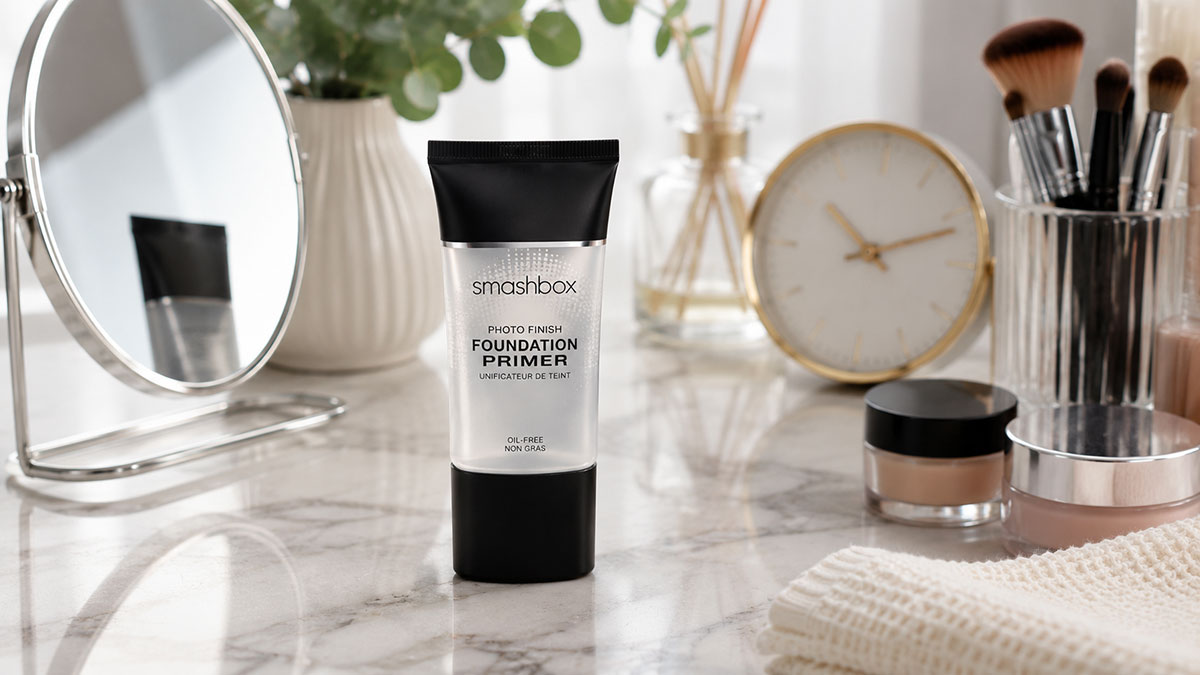
Most silicone-based face primers provide 6 to 8 hours of effective wear under typical conditions. Pore-filling formulas like Smashbox Photo Finish and Benefit POREfessional are regularly tested at 8 hours in consumer wear trials.
Hydrating primers tend to fall shorter, around 4 to 6 hours before the skin returns to its baseline texture. The formula loses its grip as skin oils accumulate on the surface.
3 factors reliably cut wear time regardless of primer type:
- Oily skin type (excess sebum breaks down the primer layer faster)
- High humidity environments
- Skipping setting powder over the top
One detail worth knowing: applying primer over a heavy moisturizer reduces direct adhesion to the skin surface. The primer bonds to the moisturizer, not the skin, which shortens wear time noticeably. Prepping skin correctly before applying any base product makes a bigger difference than most people expect.
How Do You Know When Primer Has Expired?
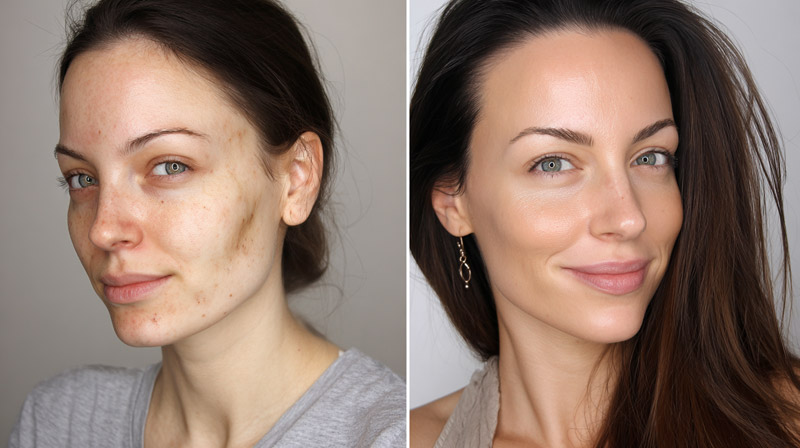
Your senses are the most reliable detection tool. 5 observable signs tell you a primer has expired before any date on the packaging does.
Texture change: Separation, clumping, unusual thickness, or a watery consistency that was not there before. These indicate the emulsion has broken down.
Smell change: A rancid, sour, or sharp chemical odor that did not exist when the product was new. Oil-based primers tend to smell rancid when oxidized. Water-based formulas can develop a sour or fermented note.
Color shift: Yellowing or darkening of a previously clear or lightly tinted formula. This is especially common in color-correcting primers, where pigment oxidation accelerates discoloration.
Foundation behavior changes: If your foundation suddenly starts pilling, fading faster, or sitting unevenly, the primer underneath may have lost its adhesion properties. You might want to check out why makeup pills and whether an expired primer is the cause.
Skin reactions: New stinging, redness, or breakouts after applying a primer you have used without issue before. This is the preservative system failing, not a formula change.
What Happens If You Use Expired Primer?
The risk depends on the formula type and how far past the PAO date the product is. But there are 2 categories of consequence: skin safety risks and performance failure.
Skin Safety Risks
Water-based primers past their PAO are the highest-risk category. The water phase supports bacterial and fungal growth once the preservative system is exhausted.
A 2025 study on opened cosmetic testers found that 60% of opened products showed bacterial colonies, while none of the sealed products did (MDPI Cosmetics, 2025). The same contamination mechanism applies to any opened water-based cosmetic kept past its PAO.
Specific outcomes from using contaminated primer include:
- Contact dermatitis (preservatives are the second most common allergen in cosmetics, per DermNet NZ, 2024)
- Folliculitis from bacterial growth on pore-filling silicone primers
- Eye infections from expired eye primer specifically
Performance Failure
Expired silicone primers frequently pill under foundation rather than smooth. The dimethicone chains that create the blurring effect break down over time, and instead of filling pores they sit on top of skin and drag with the foundation brush.
SPF primers deserve a specific warning. Once the UV filters in an SPF primer have degraded, the product provides no sun protection even if the texture appears unchanged. This is not visible and cannot be detected without lab testing.
People with acne-prone or sensitive skin face higher risk from all expired formulas, not just water-based ones. A degraded preservative system in any formula is enough to trigger a flare.
What Factors Make Primer Expire Faster?

PAO dates are calculated under controlled storage conditions. In real use, 5 variables consistently shorten the time a primer stays usable.
Heat exposure: Storing primer in rooms above 25 degrees Celsius accelerates both preservative breakdown and oxidation. The FDA notes that heat is one of the primary drivers of cosmetic degradation. A car glove box in summer, a sunny windowsill, or a bathroom that heats up during showers all qualify.
Direct sunlight: UV exposure degrades active ingredients and can compromise packaging integrity. Tinted or opaque packaging helps, but is not a full solution if the product sits in direct light.
Contaminated applicators: This is the most controllable factor. Wet or dirty brushes and fingers introduced directly into the product are the primary source of microbial contamination in opened cosmetics (FDA, 2024). Clean tools, every time.
Jar vs. pump format: Jar packaging exposes the entire product to air each time it is opened. A pump releases only what is needed, keeping the rest sealed.
Bathroom storage: Daily shower steam raises both temperature and humidity consistently. Moving primer to a cool, dry drawer can meaningfully extend its usable life. For water-based primers specifically, some cosmetic chemists recommend refrigerator storage to slow preservative breakdown.
Urban Decay moved several of its eye primers to airtight pump applicators partly in response to contamination concerns with the original wand-and-jar format. The format change was a practical acknowledgment that packaging directly affects how long a product stays safe to use around the eyes.
How Should You Store Primer to Make It Last Longer?
The optimal storage range for any face primer is between 15 and 24 degrees Celsius, in a dry space away from direct light (IBA Cosmetics, 2025).
Anything above 25 degrees Celsius starts breaking down the preservative system, even before you open the product. A bathroom shelf, a sunny vanity, and a car are all outside that safe range.
Best storage practices:
- Store in a cool bedroom drawer, not the bathroom
- Keep lids fully closed between every use
- Use a clean spatula for jar formats, never fingers
- Avoid any spot where the product sits near a window or in direct light
The bathroom question comes up constantly, and the answer is pretty clear. Daily shower steam raises both temperature and humidity in ways that actively shorten primer longevity, especially water-based formulas prone to preservative breakdown.
On refrigeration: a small cosmetic fridge can help in warm climates for water-based primers, but there is a catch. Beauty professionals note that taking products in and out of the fridge creates temperature fluctuations that can cause emulsions to separate (Homes and Gardens, 2024). If you refrigerate, keep the primer there consistently rather than cycling it in and out.
For primers in jar packaging, the hygiene rule is the most impactful single habit you can change. A 2025 MDPI study found that 60% of opened cosmetic products tested positive for bacterial colonies. Every finger-dip into a jar is a potential contamination event.
Does Packaging Format Affect Storage Needs?
Pump bottles: lowest maintenance. Minimal air entry per use, no direct contact with the formula. Fine on a cool shelf.
Tubes: squeeze out only what you need. Cap tightly after every use. Reasonable shelf storage works well here.
Jars: highest maintenance. Use a sanitized spatula. Store in the coolest, driest spot you have. These benefit most from consistent cool storage.
Does Primer Last Longer Than Foundation?
Generally, yes. Primers in tube or pump packaging have a longer unopened shelf life than liquid foundations in equivalent formats. The Zoe Report quotes a professional makeup artist noting that primers in airtight packaging can last up to 3 years, on par with pump-format foundations but longer than open-jar liquid formulas.
The comparison gets more nuanced once both are opened.
| Product | PAO (Liquid / Cream) | PAO (Powder) |
|---|---|---|
| Face primer | 12–24 months | 24–36 months |
| Liquid foundation | 6–12 months | Up to 24 months |
| Concealer | 6–12 months | 18–24 months |
Liquid foundation contains more emulsifiers than most primers, and emulsifiers break down faster once exposed to air. That is the main reason foundations tend to separate, oxidize, and expire before a comparable primer does (Red Apple Lipstick, 2025).
Powder primer is its own category. No water content means almost no bacterial growth risk. Powder primers last 24 to 36 months after opening, making them the longest-lasting of all primer formats by a significant margin.
The hybrid primer-foundation is worth flagging. When a product tries to do both jobs, the shelf life follows the shorter-lived component. That is almost always the foundation side, meaning these hybrids expire closer to 6-12 months after opening rather than the 24 months you might expect from a standalone primer.
Practically speaking: in a typical daily routine, primer is less likely to expire before foundation. You are more likely to use primer more consistently, apply less per use, and keep it in better storage conditions than a foundation you shake and open multiple times a day. Learning how to make foundation last longer and applying the same care to primer storage is the most straightforward way to get the most from both products.
How Long Do Specific Primer Types Last?

PAO timelines and on-skin wear time differ across the 5 main primer categories. Most people know the general rules for face primers. Eye, lip, and powder primers each follow their own logic.
How Long Does Eye Primer Last on the Eyes?
Urban Decay Eyeshadow Primer Potion is rated for 8 hours of crease-free wear on the lid, and user testing consistently confirms this range (Urban Decay, 2024; Prevail Beauty, 2024).
Eye primer PAO after opening sits at 6 to 12 months. Too Faced Shadow Insurance carries a PAO of 6M on packaging. Users who push past that window frequently report formula separation, where a clear oil separates from the cream before application.
If you want to get the most out of an eyeshadow primer, applying it to completely dry lids and waiting 30 seconds before shadow makes a measurable difference in how long it holds.
How Long Does Lip Primer Last on the Lips?
Lip primer wear time averages 2 to 4 hours of extended hold before the lip area needs attention (LipstickQueen.com, 2026).
It does not last as a standalone product for a full day. What it does is extend the wear of the lip color on top of it by filling fine lines and creating a grip surface that lipstick or liner can bond to. Pairing it with a long-wearing lip liner gives the whole application noticeably better longevity than lip color alone.
PAO: 12 months after opening. Discard earlier if the texture becomes sticky or the smell changes.
How Long Does Powder Primer Last?
Powder primer is the outlier in every shelf life discussion. No water activity means almost no risk of bacterial growth, and oxidation moves very slowly in a dry formula.
PAO: 24 to 36 months after opening (Red Apple Lipstick, 2025). Powder primers are the most forgiving format in terms of storage and longevity.
On-skin wear: 4 to 6 hours before texture control starts to fade. Shorter than silicone-based primers, but the extended shelf life and lower contamination risk make powder primer a practical choice for occasional use or travel.
The main risk with powder primer is moisture contamination. A wet brush introduced into the powder starts the clock on bacterial growth in a product that otherwise would have lasted years.
| Primer Type | PAO After Opening | On-Skin Wear Time |
|---|---|---|
| Silicone face primer | ~24 months | 6–8 hours |
| Eye primer (cream) | 6–12 months | 8–12 hours |
| Lip primer | ~12 months | 2–4 hours |
| Powder primer | 24–36 months | 4–6 hours |
| Color-correcting primer | ~12 months | 6–8 hours |
Color-correcting primers expire faster than standard face primers because pigment oxidation accelerates formula degradation. Discard at 12 months post-opening, even if the texture still looks normal, as pigment breakdown is not always visible before skin reactions appear.
If your routine includes both a face primer and eye primer, layering your base products correctly and replacing them on their individual PAO schedules keeps your full routine within safe use timelines.
FAQ on How Long Does Primer Last
How long does unopened primer last?
Sealed primer stored in a cool, dry place lasts 2 to 3 years from the manufacture date. Silicone-based formulas hold up longest. Water-based primers are more vulnerable, even sealed, and should be used within 1 to 2 years.
How long does primer last after opening?
Most face primers have a PAO of 12 months after opening. Silicone-based primers can reach 24 months. Check the open jar symbol on the packaging for the exact period after opening specified by the brand.
How long does primer last on your face?
Silicone-based primers typically hold for 6 to 8 hours on skin. Hydrating primers fade faster, around 4 to 6 hours. Oily skin, humidity, and skipping setting powder all reduce wear time significantly.
How do you know when primer has expired?
Look for texture separation, a rancid or sour smell, color changes, or new skin irritation after application. If your foundation starts pilling on top, that is often a sign the primer underneath has degraded.
Does primer expire if unopened?
Yes. Even sealed products degrade over time, especially water-based formulas. Preservative breakdown can occur before you ever open the product if it is stored in heat or direct sunlight for extended periods.
How long does eye primer last?
Eye primer has a PAO of 6 to 12 months after opening. On the lid, formulas like Urban Decay Eyeshadow Primer Potion deliver up to 8 hours of crease-free wear. Discard earlier if formula separation appears.
How long does lip primer last?
Lip primer wear time averages 2 to 4 hours before the lip area needs a touch-up. The PAO after opening is 12 months. Pairing lip primer with a long-wearing lip liner extends the overall longevity of your lip look.
How long does powder primer last?
Powder primer is the most durable format. With no water activity, the PAO reaches 24 to 36 months after opening. On-skin wear is 4 to 6 hours. Keep brushes dry to avoid introducing moisture contamination.
Does primer last longer than foundation?
Generally yes. Liquid foundation has a PAO of 6 to 12 months, shorter than most face primers. Powder primer outlasts all liquid foundation formats by a wide margin. Hybrid primer-foundations expire on the shorter timeline of the two.
What makes primer expire faster?
Heat above 25 degrees Celsius, direct sunlight, humid bathroom storage, dirty applicators, and jar packaging all shorten primer longevity. Pump and tube formats stay cleaner longer. Storing primer in a cool drawer is the single most effective habit change.
Conclusion
This conclusion is for an article presenting a full breakdown of primer longevity across every format, from silicone face primer to powder primer to eye and lip formulas.
The core takeaway is simple: primer expiration date and on-skin wear time are not the same thing, and treating them as interchangeable leads to real problems.
Oxidation, preservative breakdown, and bacterial contamination all follow predictable patterns. Storage habits, packaging format, and formula type determine how fast those patterns play out.
Check the PAO symbol on every product you own. Move primers out of the bathroom. Use clean applicators.
Small habits, applied consistently, are the difference between a primer that performs and one that causes a breakout three months before you thought it would.

She started writing on the site after fielding the same questions from clients and friends often enough to just write the answers down: which red won't turn orange on a warm undertone, how to keep lipstick from feathering into fine lines, why a "12-hour" formula rarely survives dinner.
Every review on the site follows the same rule she uses with paying clients: wear it first, then decide if it's worth recommending.
- How to Make Eyeliner Last Longer Without Smudging - August 31, 2026
- How to Make Eyeshadow Last Longer All Day - August 29, 2026
- How to Find Your Undertone in 5 Easy Steps - August 27, 2026