You spent 20 minutes on your eye makeup. By noon, it has creased, faded, or transferred to your brow bone.
Knowing how to make eyeshadow last longer comes down to understanding why it fails in the first place. Sebum, friction, humidity, and incompatible skincare all work against pigment adhesion at the same time.
This article covers the full process, from eyelid skin prep and eyeshadow primer application to formula selection, brush technique, and midday touch-ups.
Whether you have oily lids, hooded eyes, or struggle with creasing and eyeshadow fallout, the information here gives you a clear, science-backed approach to all-day eye makeup wear.
Why Does Eyeshadow Fade During the Day?

Eyeshadow fades because the eyelid is one of the most chemically active surfaces on the face. Sebum, friction, humidity, and sweat all work against pigment adhesion at the same time, and most formulas are not built to resist all four.
The sebaceous glands underneath eyelid skin produce sebum continuously. That oily film breaks down the powder binders and emulsifiers in eyeshadow formulas, separating pigment from skin within a few hours.
Blinking creates mechanical friction roughly 15,000 to 20,000 times per day. Each blink lifts a small amount of product, especially from the mobile lid. Over time, that adds up to noticeable fading, even on primed skin.
Sweat contains salt and water that dissolves water-soluble binders quickly. Humidity above 60% accelerates this breakdown even without direct sweat, softening wax-based cream formulas and making powder shadows more prone to migration.
Glitter and chunky shimmer particles sit on top of the skin surface instead of bonding to it. They migrate toward fine lines and the crease area within 3 to 4 hours, regardless of what base is underneath.
| Fade Cause | What It Breaks Down | Most Affected Formula |
|---|---|---|
| Sebum | Powder binders, emulsifiers | Pressed powder, cream |
| Friction (blinking) | Surface pigment layer | All formulas, especially glitter |
| Sweat / humidity | Water-soluble binders | Powder, loose pigment |
| Eye cream / moisturizer residue | Primer adhesion layer | All formulas on prepped skin |
Transfer to the brow bone and under-eye area is a mechanical issue, not a formula issue. Product moves upward during blinking and downward from humidity. Fixing transfer requires sealing technique, not just a better eyeshadow.
What Role Does Eyelid Skin Play in Eyeshadow Wear?
Eyelid skin is the thinnest skin on the entire face. Research published in the Journal of Craniofacial Surgery measured eyelid skin thickness at 0.53 mm, compared to 1.43 mm on the cheek and 1.46 mm on the upper back. Thinner skin deforms more easily with movement, which directly impacts how long pigment stays put.
That thinness also means eyelid skin is more reactive. Products that cause zero irritation elsewhere on the face can disrupt the eyelid surface, changing its texture and oil output. This is one reason why face primers and eye primers behave so differently on the lid.
How Skin Type Changes Everything
Oily lids: The sebaceous glands in eyelid skin respond to the same hormonal and environmental triggers as the rest of the face. Higher testosterone levels increase sebum output (AAD). Humidity further stimulates gland activity, which is why the same products wear longer in dry climates.
Dry lids: Dry eyelid skin flakes slightly throughout the day. That texture causes powder shadows to sit unevenly and crumble at the edges rather than fade cleanly. Patchy wear and fallout are the typical signs.
Mature lids: Collagen reduction with age softens the skin structure and reduces elasticity. The mobile lid folds and unfolds more deeply with each blink, creating more friction at the crease line. This is why a cut-crease look that holds perfectly on a 25-year-old can disappear by noon on someone older.
How Hooded Eye Anatomy Affects Wear
Hooded eyes create direct surface contact between the brow bone and the mobile lid during blinking. Product transfers upward to the brow bone within the first hour in most cases. This is mechanical, not a formula failure. The solution is applying less product on the mobile lid and focusing primer application precisely at the crease line.
People with non-hooded lids have more exposed lid surface, which means better airflow and slower sebum buildup in the crease area. Wear times are naturally longer even without better products or technique.
What Is Eyeshadow Primer and What Does It Actually Do?
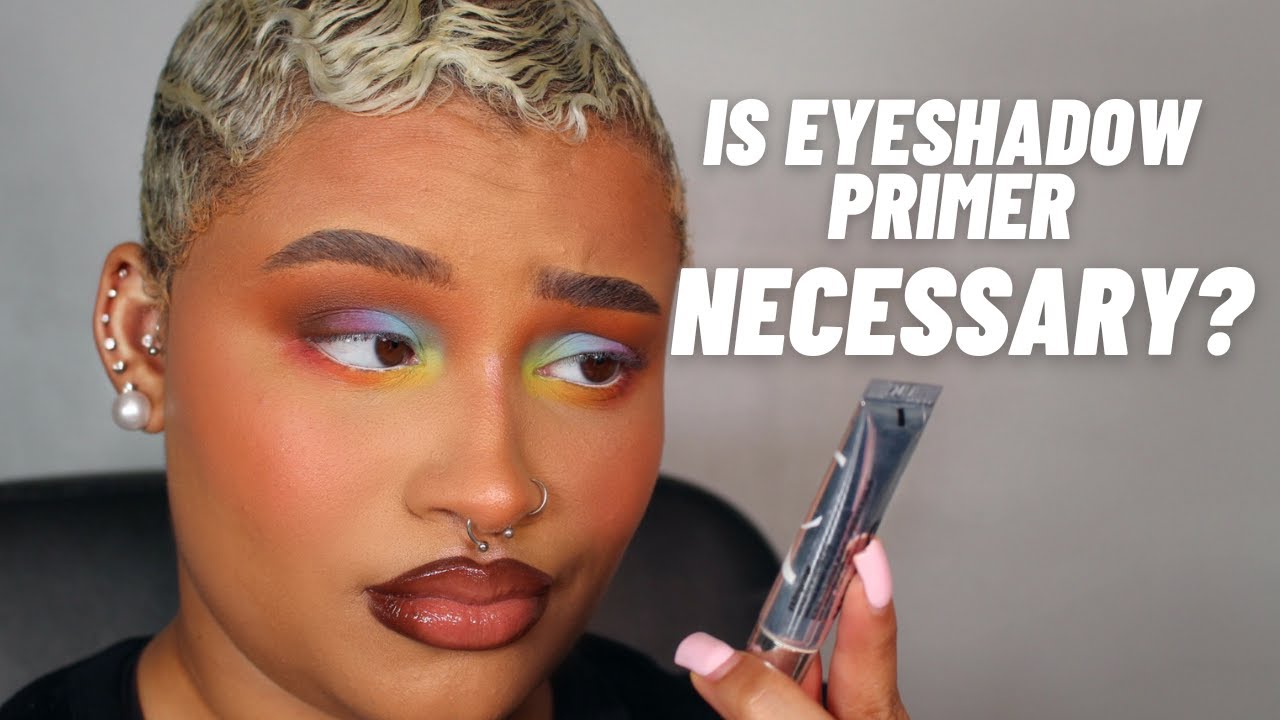
Eyeshadow primer is a base product applied to the eyelid before eyeshadow to extend wear, control oil, and intensify pigment payoff. It creates a surface the eyeshadow can grip, rather than sitting loose on skin.
The global eyeshadow primer market was valued at USD 3.58 billion in 2023 and is projected to reach USD 6.2 billion by 2032, growing at a CAGR of 6.31% (WiseGuy Reports, 2024). That growth is driven entirely by consumer demand for longer wear and better color performance.
What Eyeshadow Primer Actually Does to the Lid
Oil absorption: Silica and polymethylsilsesquioxane in primer formulas pull excess sebum away from the surface. This slows the breakdown of powder binders and keeps the lid from turning greasy within the first two hours.
Adhesion layer: The tacky surface of a semi-dried primer physically grips pigment particles. This is different from how eyeshadow sits on bare skin, where it rests loosely and migrates with friction.
Texture smoothing: Dimethicone fills in fine lines and skin texture before shadow application. Without it, powder shadow collects in creases and looks patchy by midday.
How to Apply Eyeshadow Primer for Maximum Adhesion
Apply a pea-sized amount with a fingertip, pressing rather than swiping. Then wait 30 to 60 seconds before applying eyeshadow. Applying shadow immediately onto wet primer reduces grip, the same way paint applied over wet primer peels faster.
Coverage area matters. Primer should cover the full mobile lid and the lower crease. Stopping at the natural lid fold leaves the crease unprotected, which is usually where fading starts first.
Best Eyeshadow Primers by Skin Type
| Skin Type | Best Formula | Key Ingredient to Look For |
|---|---|---|
| Oily lids | Matte, oil-absorbing | Silica, polymethylsilsesquioxane |
| Dry lids | Cream-based, slightly moisturizing | Dimethicone, glycerin |
| Mature lids | Smoothing, grip-focused | Nylon-12, dimethicone |
| Sensitive lids | Fragrance-free, minimal formula | Kaolin, minimal actives |
Urban Decay Eyeshadow Primer Potion and Too Faced Shadow Insurance consistently rank as top performers for oily skin types. Both use silicone-based formulas with grip polymers that create a matte, tacky surface. The MAC Painterly Paint Pot is a go-to for dry and mature lids because of its cream texture and dimethicone base.
Which Eyeshadow Formulas Last the Longest?

Not all formulas are equal. Cream-to-powder and waterproof liquid eyeshadows outlast pressed powder in sebum resistance because they use film-forming polymers that physically bond to the skin surface instead of relying on dry adhesion.
How Film-Forming Polymers Change Wear Time
Waterproof formulas use acrylates copolymer and PVP (polyvinylpyrrolidone) as film-forming agents. These polymers create a continuous flexible film on the skin that resists sweat, humidity, and friction (Alfa Chemistry, 2025).
Acrylates copolymer adds water resistance directly to the formula. When it dries on the lid, it forms a barrier that prevents moisture and sebum from penetrating the pigment layer. This is why waterproof eyeliner and mascara require a silicone-based remover. The film is genuinely resistant to water-based cleansers.
Pressed Powder vs. Cream vs. Baked: Wear Comparison
Pressed powder has the lowest sebum resistance of the 3. The binder-to-pigment ratio is lower, and the dry adhesion breaks down as soon as sebum reaches the surface. Best used over primer on non-oily lids.
Cream-to-powder formulas start as a cream (high grip, bonds to skin) and dry to a powder finish. The transition phase is when adhesion is strongest. Disturbing the formula during this window reduces wear. Let it set fully before blending.
Baked eyeshadows have a higher pigment-to-binder ratio than traditional pressed formulas. The baking process removes excess moisture, resulting in denser pigment packing. They perform better in humidity than standard pressed shadows and last longer when applied with a damp brush.
Why Finish Type Predicts Wear
Matte formulas wear longest. Matte pigments are finely milled and pack tightly against the primer surface. There is no reflective particle migration.
Glitter and chunky shimmer are the opposite. The particles are large, sit on top of the adhesion layer, and move with friction. Applying a clear glitter glue base before loose glitter adds a dedicated adhesion layer and extends wear significantly. Applying loose glitter directly over regular eyeshadow primer alone results in loss within 2 to 3 hours.
Does Setting Eyeshadow with Powder or Spray Extend Its Wear?
Yes, both work. But they work differently, and using the wrong one for your formula type can actually reduce wear time. The global setting spray market was valued at USD 966.4 million in 2023 and is growing at 7.6% CAGR through 2030, driven largely by demand for makeup that holds through humidity and sweat (Grand View Research, 2023).
How Setting Spray Works on Eyeshadow
Setting spray forms a micro-film over the surface of applied makeup. Long-lasting formulas account for 29.40% of the setting spray market, reflecting consumer preference for products that specifically resist humidity, sweat, and environmental stress (Future Market Insights, 2024).
The correct technique is important. Spritz from 8 to 10 inches away and let the mist settle without touching. Wiping or pressing the lid after spraying breaks the film before it sets. Urban Decay’s All Nighter Ultra Glow Setting Spray, launched in 2023, combines hold polymers with hyaluronic acid, making it work for dry lids without the tight film that matte-only sprays can produce.
The Damp Brush Trick That Actually Works
Spraying setting spray onto a flat shader brush before applying pressed or baked eyeshadow intensifies pigment and bonds the formula to the primer surface simultaneously. The moisture activates binders in the shadow that otherwise sit dormant in dry application.
This is the single most effective technique for getting long wear from pressed powder without switching to a cream formula. One or two spritzes on the brush is enough. A soaked brush picks up too much product and creates patchy application.
When Powder Seals Better Than Spray
Translucent powder pressed over a cream or concealer base locks it in place by absorbing surface moisture before it can move. This works specifically for cream eyeshadow and cream-based bases like the NYX Jumbo Eye Pencil or MAC Painterly.
Powder over powder adds no real benefit. It just adds more product. Spray over cream is the high-performance combination. Powder over cream is the practical everyday version that most people skip.
How Does Skin Prep Before Eyeshadow Application Affect Wear Time?
Skin prep is where most long-wear routines fail. Residual eye cream or moisturizer on the mobile lid creates a slip layer under primer that breaks down adhesion within 2 to 3 hours, no matter how good the primer is.
According to a December 2023 YouGov survey, 38% of U.S. women report wearing makeup at least a few times a week or daily. Prep steps are skipped most often, even among regular makeup wearers. That directly affects how long products hold.
What to Do Before You Prime
Remove residual oil: Micellar water on a cotton pad, pressed gently on the closed lid, removes sebum and any product residue left from skincare. This takes 10 seconds and adds 2 to 3 hours of wear. It is the highest return prep step that most people skip.
Keep eye cream off the mobile lid: Eye cream should be applied only to the orbital bone area, tapping inward toward the inner corner. Applying it directly onto the mobile lid leaves a silicone and humectant residue that prevents primer from adhering properly.
Wait before priming: Allow 10 to 15 minutes after skincare before applying primer. Skincare products absorb and settle during this window. Priming over still-wet products layers incompatible textures and reduces grip.
The Translucent Powder Base Method for Oily Lids
On very oily lids, apply a thin layer of translucent powder to the lid before primer. This creates a dry base that absorbs the initial sebum surge. Then apply primer on top as normal.
It sounds counterintuitive. You’d expect powder under primer to reduce grip. But on oily skin, the first thing that contacts the primer is sebum, not skin. The powder intercepts that layer and gives the primer a dry surface to bond with instead.
Why Skincare Product Order Changes Eye Makeup Wear
Vitamin C serums and water-based toners do not interfere with eye makeup adhesion once absorbed. They are safe to use as part of the morning routine.
Oil-based products (facial oils, heavy balms, rich ceramide moisturizers) applied anywhere near the orbital area create migration onto the lid surface within 20 to 30 minutes. These are best saved for nighttime routines when no eye makeup is worn.
What Brushes and Application Techniques Make Eyeshadow Last Longer?
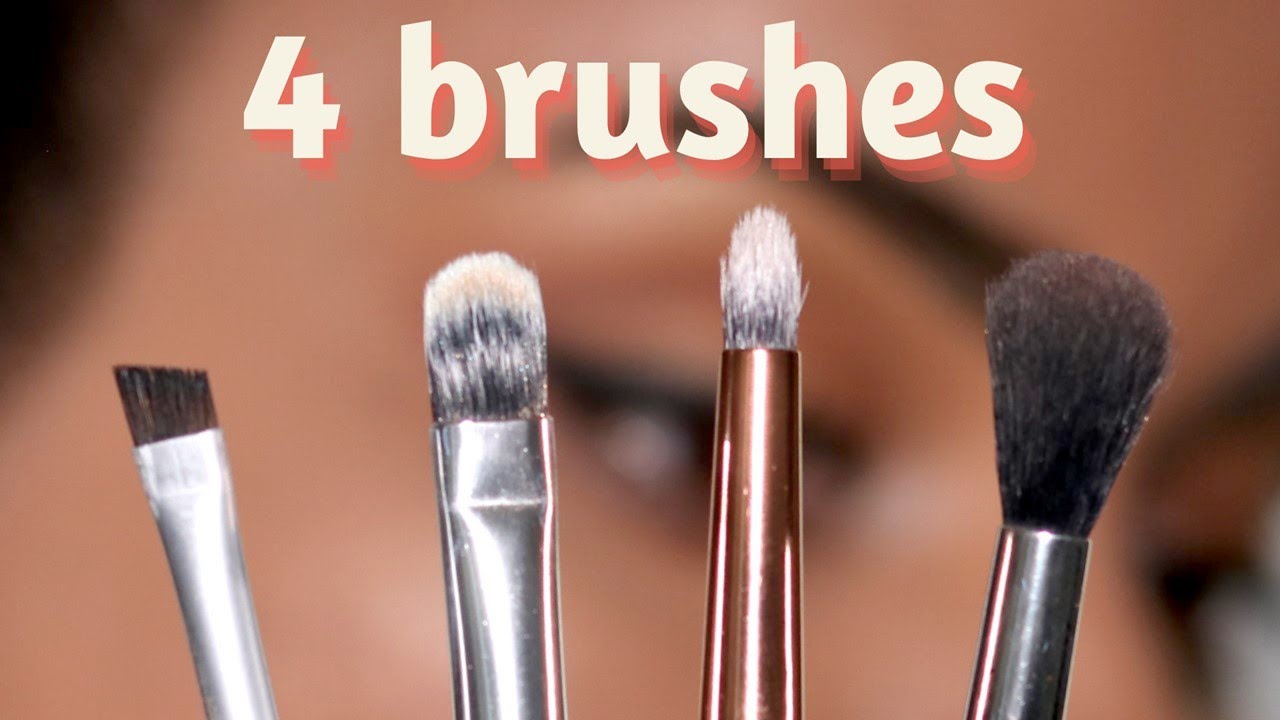
Technique affects wear time as much as primer does. The way pigment is deposited on the lid determines how well it bonds to the adhesion layer underneath.
Packing vs. Blending: Which Comes First?
Pack first, blend second. Always.
Packing means pressing pigment directly onto the lid with a flat shader brush using a stamping or pressing motion. This pushes the shadow into the primer surface. Blending with a fluffy brush after packing diffuses the edges without disturbing the packed base layer.
Doing it in reverse, blending first and then packing, deposits less product overall and creates a diffuse base that fades faster. The packed layer is the structural part of the look. The blended edges are cosmetic.
How to Use a Damp Brush to Intensify and Lock Pigment
Spritz a flat shader brush with setting spray or plain water. Press it into a pressed or baked eyeshadow. The moisture activates the binders in the formula, which then reactivate on the primer surface as they dry.
The result is denser pigment, more intense color, and significantly better adhesion compared to dry application of the same product. Milani and Charlotte Tilbury baked formulas in particular respond well to this technique. The baking process leaves activated binders in the formula that dry application does not fully engage.
Fallout Management and Application Order
Apply eyeshadow before foundation and concealer. Fallout from eyeshadow lands on bare skin and gets wiped away cleanly. Fallout landing on finished base makeup requires blending to remove, which disturbs the base and adds unnecessary layers.
A flat shader brush deposits significantly more product than a fluffy blending brush in the initial application step. Use the fluffy brush only for blending transitions. Using it to build color on the lid is one of the most common reasons shadow looks sheer and fades quickly.
Layer thin coats rather than one heavy deposit. Multiple thin layers bond together as they dry. One thick layer sits too heavy on the adhesion surface and tends to migrate in the crease from its own weight.
Does Concealer Work as an Eyeshadow Base?

Concealer can work as a temporary eyeshadow base. But it is not a substitute for dedicated primer. Concealer lacks the adhesive polymers and oil-control agents that keep eyeshadow intact for hours on an active lid (BuyCosmetics, 2025).
The core issue is formulation intent. Concealer is designed for coverage and color correction, not grip. Most full-coverage concealers contain oils and moisturizing ingredients that actively reduce surface adhesion on the mobile lid.
Why Concealer Falls Short on Oily Lids
Christina Korouchtsidi, a skincare specialist with 10 years in cosmetic formulation, notes that concealer lacks the adhesive and oil-controlling properties that true primers provide, and in humid climates or on oily lids it breaks down faster and causes patchiness (BuyCosmetics, 2025).
Oily lids accelerate this breakdown within the first 2 to 3 hours. The sebum the lid continuously produces mixes with the emollient ingredients in concealer, creating a slip layer that eyeshadow migrates across.
When Concealer as a Base Actually Makes Sense
3 specific scenarios where it performs acceptably:
- Correcting visible eyelid discoloration before a bold or saturated shadow (the color-correcting benefit is real)
- Dry skin types with low sebum output, where the emollient content does not cause significant slip
- Traveling light with no room for a separate primer product
When using concealer as a base, set it with translucent powder before applying eyeshadow. The powder absorbs surface moisture and partially compensates for the lack of grip. For mature skin, skip the powder layer entirely; it builds up in fine lines and can shift cooler shadow shades warmer (Yahoo Shopping, 2026).
How Do Environmental Factors Affect Eyeshadow Longevity?
Humidity, heat, and physical activity are the 3 external variables with the most direct impact on eyeshadow wear. Color cosmetics degrade faster when skin temperature rises, ambient humidity increases, or sweat reaches the product surface (USPTO patent literature).
The global setting spray market grew at 7.6% CAGR through 2023 to 2030, driven primarily by consumer demand for products that resist humidity and sweat, which shows how widely these environmental factors affect everyday wear (Grand View Research, 2023).
What Humidity Does to Different Formulas
Above 60% relative humidity: water-soluble binders in powder eyeshadow begin to dissolve. The dry adhesion that holds pressed pigment against primer breaks down significantly faster in coastal or tropical climates.
Cream formulas in heat above 30 degrees Celsius: wax-based binders soften. The cream layer that was packed against the primer surface during application becomes pliable again and migrates toward the crease.
Switching to powder-only looks in high heat reduces this risk. Powder sits drier against the lid surface and does not have a wax phase that responds to temperature change.
Sweat vs. Ambient Humidity: Different Problems
| Factor | How It Damages Wear | Best Counter |
|---|---|---|
| Sweat | Salt dissolves water-soluble emulsifiers fast | Waterproof formula + setting spray |
| Ambient humidity | Slowly degrades powder binders over hours | Double-priming, powder-only formula |
| Heat (30°C+) | Softens wax binders in cream formulas | Powder base, avoid cream shadows |
Double-priming is the most practical adjustment for consistently humid climates. Apply a thin coat of primer, let it set fully, then apply a second thin coat. The second layer fills any gaps in the first and creates a denser oil-absorbing surface before eyeshadow goes on.
Which Ingredients in Eyeshadow Formulas Improve Wear Time?
Ingredient knowledge lets you evaluate products based on actual formulation performance rather than marketing claims. 4 ingredient categories determine how long eyeshadow holds: film formers, oil absorbers, binders, and base fillers.
Film-Forming Polymers
Acrylates copolymer and PVP (polyvinylpyrrolidone) create a flexible, continuous film on the skin surface that resists moisture, sweat, and friction (Alfa Chemistry, 2025).
These are the backbone of long-wear and waterproof formulas. Silicone-based film formers, including dimethicone derivatives, add water resistance by forming a hydrophobic barrier. Products containing these require a silicone-specific makeup remover to fully dissolve the film (NIH, Journal of Cutaneous and Aesthetic Surgery, 2023).
Oil Absorbers and Binders
Silica: absorbs sebum directly, reducing surface slip between the eyeshadow layer and skin.
Polymethylsilsesquioxane: used in primers and some pressed shadows for its oil-absorbing properties combined with a smooth sensory feel.
Boron nitride: improves pigment adhesion and color intensity in eyeshadow formulas. It also prevents creasing and fallout in both matte and shimmer formulations (Alfa Chemistry, 2025).
Nylon-12: provides slip control and fine-milling properties that improve how densely pigment packs against the adhesion surface.
Base Fillers: Talc vs. Talc-Free
Talc is the most common eyeshadow filler. It aids blending and general wear time, but it is sensitive to heat and humidity above average levels.
Talc-free formulas replace it with kaolin clay, boron nitride, or rice powder. Kaolin absorbs moisture well and adds opacity, making it a strong performer in humid conditions. These alternatives behave differently at high temperatures because they lack the wax phase that talc-based formulas typically include (Let’s Make Beauty, 2024).
bareMinerals MINERALIST Talc-Free Eyeshadow Palette uses a kaolin and mica base specifically for improved adhesion and oil absorption. This makes it a practical option for oily lids without requiring a separate primer step in low-intensity situations.
How to Revive Eyeshadow Mid-Day Without Removing Everything?
Midday eyeshadow fading has 2 causes: sebum buildup on top of the primer layer, and physical pigment loss from friction. They need different fixes. Treating both the same way is the most common touch-up mistake.
When Shadow Has Faded but Not Transferred
Pressing a dry flat brush over the faded area re-packs the existing pigment against the primer surface without adding visible fallout. The pigment is still there; sebum has just lifted it slightly off the adhesion layer.
After pressing, spritz setting spray from 8 to 10 inches away. Let it settle without touching. This reactivates and seals the re-packed pigment in one step. No new product is needed.
When Shadow Has Transferred to the Crease or Brow Bone
Step 1: press a dry tissue gently against the closed lid. No wiping. This lifts the sebum layer without disturbing the remaining product.
Step 2: apply a thin layer of the same matte shade used in the original look over the crease fade area. Using the same formula avoids texture conflicts that create visible layering.
Step 3: set with a spritz of setting spray, not additional powder. Additional powder over an already-layered look creates buildup that ages the look visibly.
What Not to Do During a Touch-Up
Rubbing or vigorous blending mid-day is the fastest way to destroy what remains of the primer adhesion layer. Once the primer grip is disturbed, it cannot be rebuilt without full removal and reapplication.
Adding new eyeshadow directly over an oily lid surface without first blotting causes the fresh layer to sit on top of the sebum film rather than bonding to any adhesion surface. It fades within 30 to 45 minutes.
What Eyeshadow Looks and Colors Are Harder to Make Last?

Some looks are structurally harder to hold regardless of technique. Knowing which ones helps you either set expectations correctly or adjust the application approach before starting.
Light and Sheer Shades
Low pigment concentration means fading becomes visible faster. A shade that starts at 30% opacity looks noticeably different once even a small amount of product lifts from the surface. Deep and saturated tones have a larger margin before fading becomes noticeable, which is why smoky eye looks tend to outlast soft, sheer looks even at identical wear times.
Pastel and White Eyeshadows
Pastel shades contain high concentrations of titanium dioxide (CI 77891) to achieve their opacity and lightness. Research published in the Journal of Cosmetic Dermatology (2024) found TiO2 concentrations in eyeshadows ranging from 0.04% up to 36%, with lighter shades carrying the highest loads.
High TiO2 content creates a specific problem. When sebum contacts the white pigment particles, the formula turns slightly gray or patchy rather than simply fading. The discoloration makes wear look worse than it is. A dedicated primer specifically formulated for oil control extends pastel wear more than any other technique adjustment.
Glitter and Chunky Shimmer
Glitter particles are too large to bond to primer adhesion surfaces. They sit on top and migrate with every blink.
Applying a dedicated glitter glue base (separate from eyeshadow primer) before loose glitter or chunky shimmer adds a second, glitter-specific adhesion layer. Without it, chunky shimmer loses up to 60% of its surface coverage within 3 to 4 hours regardless of how good the underlying primer is.
Cut-Crease Looks
Cut-crease definition relies on a dry, sharp pigment edge. Any moisture, including humidity or sebum, softens that edge within 1 to 2 hours. This is not fixable with primer alone. Setting the crease line with a fine, dry brush loaded with a deeply pigmented matte shade (re-applying the cut after the base is fully set) delays softening significantly. Re-cutting the crease immediately after the look is finished, before primer has fully dried, is the most common reason cut creases fade early.
FAQ on How To Make Eyeshadow Last Longer
Does eyeshadow primer actually make a difference?
Yes, significantly. Eyeshadow primer creates an oil-absorbing, tacky surface that pigment bonds to directly. Without it, sebum breaks down powder binders within hours. On oily lids, primer is the single most effective tool for extending wear time.
Why does my eyeshadow crease so fast?
Creasing happens when sebum lifts pigment off the lid surface and pushes it into the crease fold. Oily eyelids, residual eye cream on the mobile lid, and skipping primer are the 3 most common causes.
Can I use concealer instead of eyeshadow primer?
Concealer works as a short-term base but lacks the adhesive polymers that dedicated primers contain. It breaks down faster on oily lids. Set it with translucent powder to partially compensate, but expect shorter wear time compared to a proper eyeshadow base.
What eyeshadow formula lasts the longest?
Waterproof liquid and cream-to-powder formulas outlast pressed powder in sebum resistance. They use film-forming polymers like acrylates copolymer that bond directly to skin. Matte finishes hold longer than shimmer or glitter across all formula types.
Does setting spray help eyeshadow last longer?
Yes. Setting spray forms a micro-film over applied makeup that resists humidity and friction. Spritz from 8 to 10 inches away and let it settle without touching. Long-lasting setting spray formulas work better than hydrating mists, which add moisture and reduce hold.
How do I stop eyeshadow from fading on hooded eyes?
Hooded eyes create direct surface contact between the brow bone and mobile lid, which transfers product upward with every blink. Use less product on the mobile lid, apply eyeshadow primer precisely at the crease line, and set with a fine-mist setting spray immediately after application.
Should I apply eye cream before eyeshadow?
Keep eye cream off the mobile lid entirely. Apply it only to the orbital bone area and wait 10 to 15 minutes before priming. Residual eye cream on the lid creates a slip layer that breaks down primer adhesion within 2 to 3 hours.
Why does my eyeshadow look patchy by midday?
Patchiness mid-day is usually sebum buildup separating pigment from the primer layer unevenly. Press a dry brush over the area first, then re-apply the same shade in a thin layer. Finish with a light spritz of setting spray to re-seal without disturbing the base.
What ingredients should I look for in a long-wear eyeshadow?
Look for acrylates copolymer, PVP, silica, and polymethylsilsesquioxane. These ingredients provide film formation, oil absorption, and pigment adhesion. Boron nitride in pressed formulas improves color intensity and reduces fallout. Avoid formulas with high oil content if you have oily lids.
Does eyeshadow last longer in dry vs. humid climates?
Yes, noticeably. Humidity above 60% dissolves water-soluble binders in powder eyeshadow and softens wax binders in cream formulas. In humid weather, double-prime, switch to powder-only looks, and use a waterproof formula with film-forming polymers for reliable all-day wear.
Conclusion
This conclusion is for an article presenting how to make eyeshadow last longer, and the answer is rarely one product. It is a system.
Eyelid skin prep, formula selection, and application technique all contribute to wear time in ways that no single primer or setting spray can compensate for alone.
Opting for waterproof eyeshadow formulas with boron nitride and silica, pairing them with a dedicated long-wear eyeshadow base, and degreasing the lid before priming removes the 3 biggest failure points from most routines.
Environmental factors like heat and humidity require specific adjustments. Double-priming and powder-only looks in humid climates are practical, not optional.
Smudge-proof eye makeup that holds all day is the result of decisions made before the first brush stroke.

She started writing on the site after fielding the same questions from clients and friends often enough to just write the answers down: which red won't turn orange on a warm undertone, how to keep lipstick from feathering into fine lines, why a "12-hour" formula rarely survives dinner.
Every review on the site follows the same rule she uses with paying clients: wear it first, then decide if it's worth recommending.
- How to Make Eyeliner Last Longer Without Smudging - August 31, 2026
- How to Make Eyeshadow Last Longer All Day - August 29, 2026
- How to Find Your Undertone in 5 Easy Steps - August 27, 2026