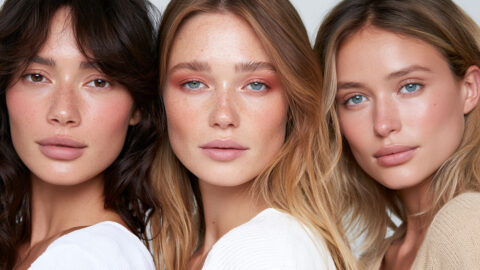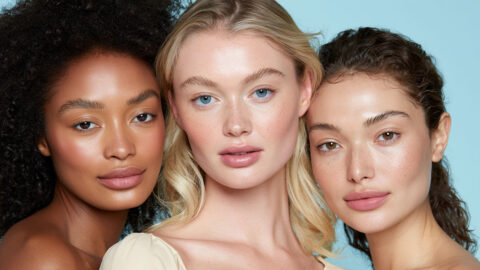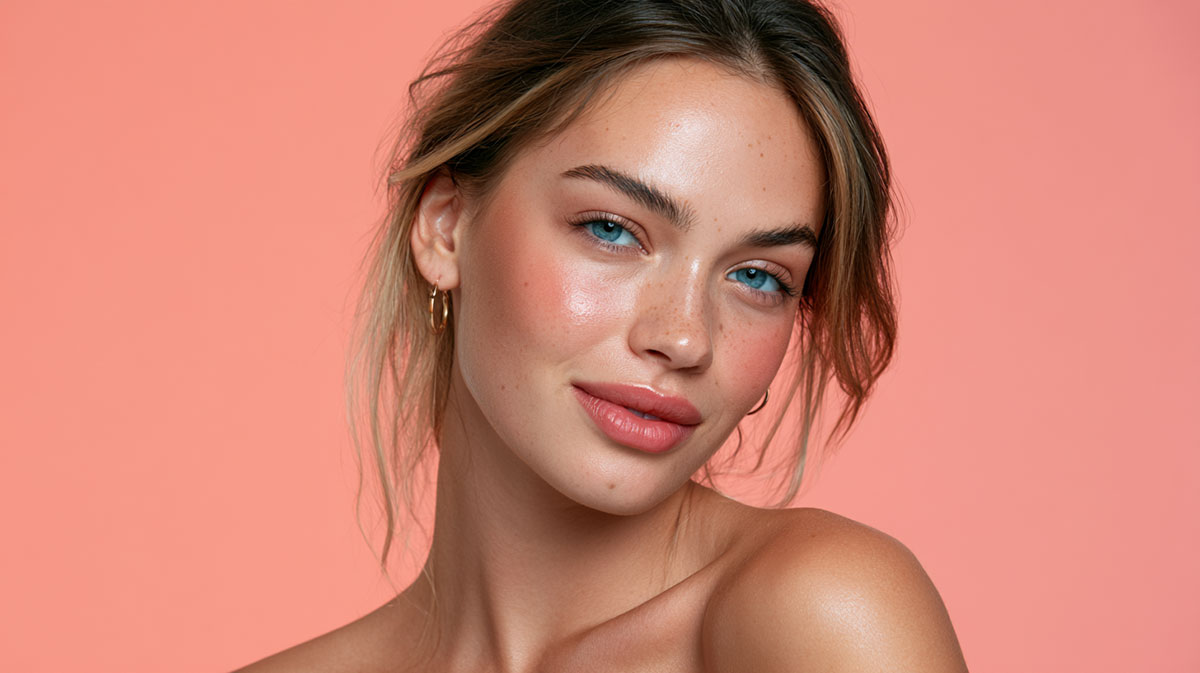
Most foundation mismatches have nothing to do with the shade being too light or too dark.
The real issue is undertone. Knowing how to find your undertone is the one step that fixes ashy coverage, orange oxidation, and that stubborn jawline line that never quite disappears.
Your skin undertone sits beneath the surface, stays fixed regardless of tanning or seasons, and controls how every makeup shade, clothing color, and jewelry metal reads against your skin.
This guide covers exactly how to identify yours, from the vein test and white paper method to what professional makeup artists actually do when the standard tests give unclear results.
What Is Skin Undertone?

Skin undertone is the fixed hue sitting beneath your skin’s surface, produced by the concentration of hemoglobin, melanin, and carotene in the deeper dermal layers.
It falls into 3 categories: cool (pink, red, bluish), warm (yellow, peachy, golden), and neutral (a balanced mix of both).
Most people confuse undertone with skin tone. Skin tone is the depth of your complexion, ranging from fair to deep on the Fitzpatrick scale. Undertone is the underlying hue.
Two people with identical surface skin color can have completely different undertones. A fair-skinned person may be cool or warm. The same goes for someone with deep skin.
Undertone does not change with tanning, sun exposure, or season. Skin tone shifts. Undertone stays constant from birth.
| Feature | Skin Tone | Undertone |
|---|---|---|
| What it describes | Surface depth (fair to deep) | Underlying hue (cool/warm/neutral) |
| Changes with sun? | Yes | No |
| Measured by | Fitzpatrick scale | Chromophore concentration |
| Used for | SPF, dermatology | Foundation matching, color analysis |
When someone picks a foundation that looks orange on their skin or ashy at the jawline, undertone mismatch is almost always the reason.
What Determines Your Undertone?

Your undertone is set by 3 dermal chromophores: hemoglobin, melanin, and carotene. Their relative concentrations determine whether your skin reads cool, warm, or neutral.
Research published in the Journal of Biomedical Optics confirms that melanin sits in the epidermis while hemoglobin is distributed within the dermal vasculature, and visible skin color reflects the interaction of both (Kallepalli & James, 2020).
How Each Chromophore Works
Hemoglobin drives cool undertones. Higher concentrations produce the pink, red, and bluish signals visible in lighter Fitzpatrick types.
Carotene and eumelanin distribution shift skin toward warm. Yellow and peachy undertones correlate with higher carotenoid density and eumelanin concentration.
A balanced ratio of both produces neutral undertone, where neither warm nor cool signals dominate at the surface.
Why Undertone Is Fixed
Undertone is polygenic. Genetic inheritance locks in the chromophore ratios at the dermal level.
UV exposure changes surface melanin but does not alter hemoglobin concentration or carotenoid baseline in the dermis. This is why a summer tan never shifts your undertone category.
According to ResearchGate’s review of skin pigmentation research, visible skin appearance is shaped by melanin, hemoglobin, and tissue scattering together, not by surface-level changes alone.
What Are the Three Undertone Categories?
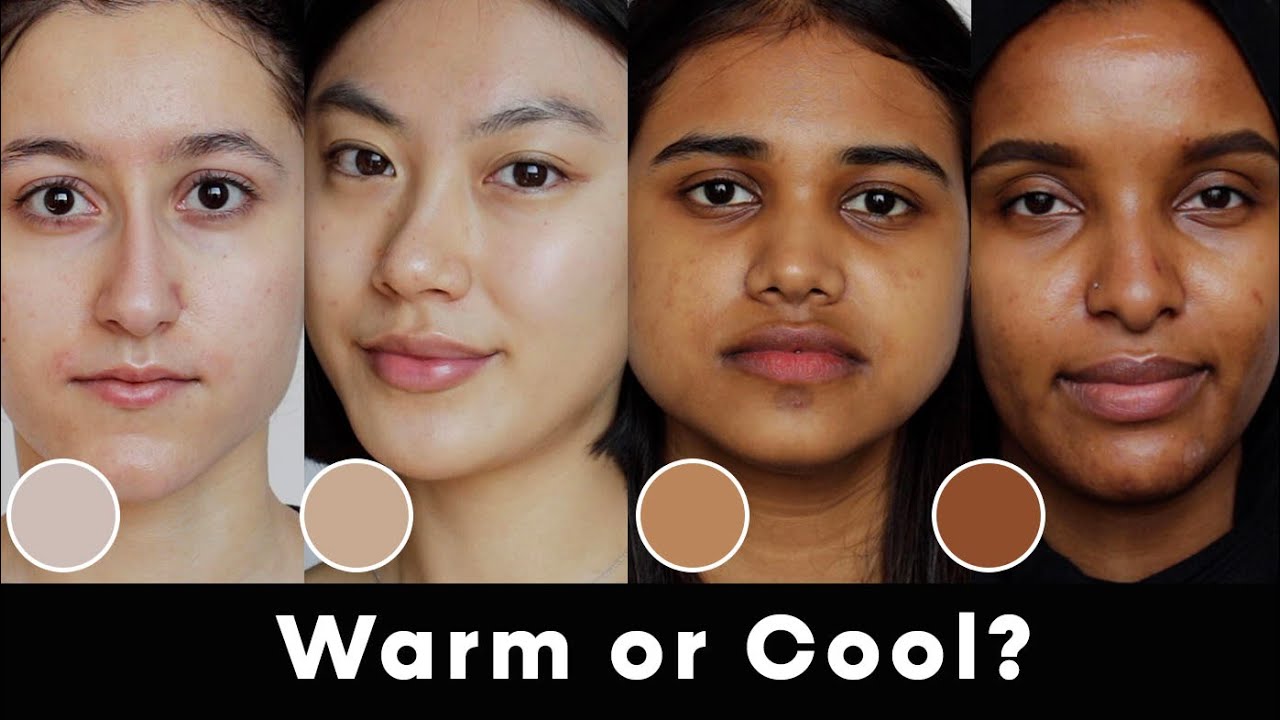
The 3 categories are cool, warm, and neutral. Each has specific visual markers across skin depth, vein color, and metal tone response. Neutral is the most frequently misread of the three.
Cool Undertone
Cool undertone skin carries pink, rose, mauve, or blue-red hues beneath the surface.
- Veins appear blue or purple at the wrist
- Skin burns before tanning (Fitzpatrick I-II behavior is common)
- Silver jewelry makes skin look cleaner and brighter
- Colors like berry, lavender, and icy pink look natural on cool skin
Cool undertones suit blue-based reds, pinks, and purples in lip color, and jewel tones like sapphire and emerald in clothing.
Warm Undertone
Warm undertone skin carries yellow, peachy, golden, or olive hues below the surface.
Key markers:
- Veins appear green at the wrist
- Skin tans quickly and rarely burns
Gold jewelry flatters warm undertones. Earth tones like mustard, camel, and terracotta read as natural against warm skin, while stark white can pull ashy.
Warm skin suits orange-based reds, corals, and brick nudes in lip color, matching the yellow-based pigment signals beneath the surface.
Neutral Undertone
Neutral undertone is not the absence of undertone. It is a balanced mix of cool and warm signals.
According to color analysis research, roughly 75% of the global population falls into neutral-warm or neutral-cool categories rather than purely cool or warm (Gabrielle Arruda, 2021).
Neutral markers: veins appear blue-green at the wrist, both silver and gold jewelry work equally well, and skin neither burns nor tans in a strongly predictable pattern.
Neutral undertones have the most flexibility in shade selection. Most undertone-coded foundation lines include a “neutral” option for exactly this reason.
How Does the Vein Test Work for Finding Your Undertone?

The vein test is the most widely used undertone identification method. Look at the inner wrist in indirect natural daylight. Blue or purple veins indicate cool undertone. Green veins indicate warm. Blue-green indicates neutral.
How to Get an Accurate Reading
Lighting is the single biggest source of error. Warm LED bulbs shift vein color toward green. Fluorescent lighting pulls everything bluish.
The correct condition is indirect natural daylight, ideally near a north-facing window. A 5500K-6500K daylight-balanced bulb is the closest indoor substitute.
Remove any nail polish before testing. Nail color casts a tint onto the surrounding skin and distorts the read.
Where the Vein Test Fails
The test is less reliable on deeper Fitzpatrick IV-VI skin tones. Higher melanin density in the epidermis partially masks the vein color, making the distinction between blue-green and green harder to call.
For Fitzpatrick V-VI, professional makeup artists cross-reference with the jewelry test and jawline swatch method rather than relying on vein color alone.
The vein test also struggles to distinguish neutral from cool in fair skin, since hemoglobin signals are strong and can mask the warm component. Never use the vein test as a single diagnostic. Always pair it with at least one other method.
How Does the White Paper Test Work?
Hold a plain white sheet of paper next to bare, makeup-free skin in natural daylight. The contrast between the paper and your skin reveals the undertone cast. Pink or grayish skin against white = cool. Yellowish or peachy skin = warm. No strong cast either way = neutral.
Running the Test Correctly
The paper must be bright white. Off-white, cream, aged, or recycled paper shifts results toward warm and produces false readings.
Strip all makeup before testing, including tinted moisturizer and SPF with a color cast. Check the cheek or inner arm rather than the back of the hand, where sun exposure and surface discoloration are more likely to interfere.
What Each Result Actually Means
| Skin Appearance vs. White Paper | Undertone Reading | Confirmation Signal |
|---|---|---|
| Pinkish, rosy, or slightly grayish | Cool | Blue or purple veins |
| Yellowish, peachy, or sallow | Warm | Green veins |
| Matches white without strong cast | Neutral | Blue-green veins, both metals work |
The white paper test works especially well on medium Fitzpatrick III-IV tones where vein color is less definitive, since the color cast difference is visible even with higher melanin density.
How Does the Sun Reaction Test Indicate Undertone?
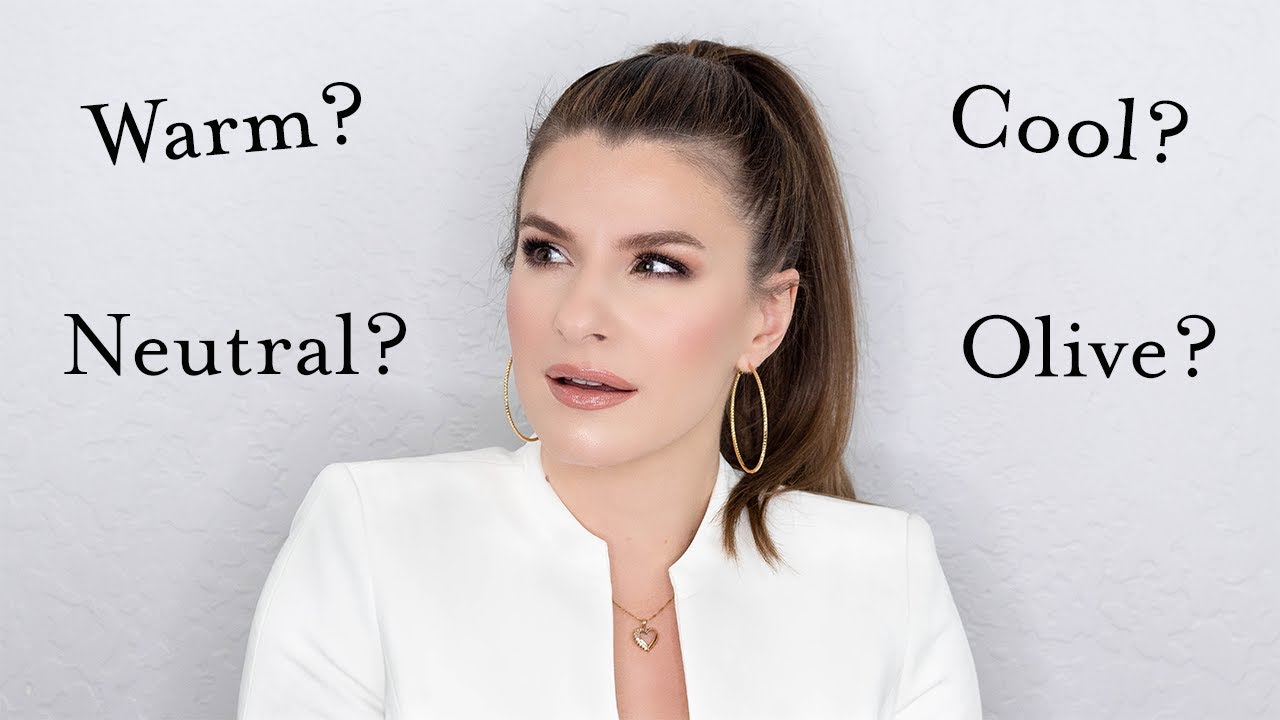
UV response patterns correlate with undertone because the same chromophore ratios that determine undertone also influence how skin handles solar radiation. Cool undertones typically burn before they tan. Warm undertones tan quickly with minimal burning.
This method is a supporting signal, not a standalone test. There are too many exceptions across all skin tones to use it alone.
UV Response by Undertone Category
Cool: Skin burns, may peel, and tans slowly if at all. Common in Fitzpatrick I-II, where lower melanin offers less UV protection and hemoglobin-dominant skin shows redness quickly.
Warm: Skin tans smoothly and resists burning. Common in Fitzpatrick III-IV. Carotenoid and eumelanin density offer stronger UV baseline protection.
Neutral: Mixed responses. May burn lightly then tan, or neither strongly. Varies significantly based on the balance of chromophore levels.
Why This Test Has Limits
UV response maps to Fitzpatrick phototype, which is not identical to undertone. A person can be Fitzpatrick IV with a cool undertone, or Fitzpatrick II with a warm undertone. The two classification systems overlap but do not align exactly.
Research from the Journal of Clinical and Aesthetic Dermatology (2024) found that discrepancies in Fitzpatrick self-reporting are significant, with race and observer bias both influencing how people assign their own skin type. This makes UV self-reporting a weak standalone diagnostic for undertone.
Use this test to confirm a result from the vein or white paper test, not to replace it.
How Does Jewelry Tone Preference Confirm Your Undertone?
The jewelry test compares how silver and gold metals interact with your skin’s underlying hue. Silver complementing skin = cool. Gold complementing skin = warm. Both metals working equally = neutral.
This is one of the fastest confirmation tests available and requires no special lighting setup. It works on all Fitzpatrick types, including deeper skin tones where the vein test is less reliable.
Running the Test Accurately
Hold each piece of jewelry against the inner wrist or collarbone. Remove clothing from the area so fabric tone does not interfere. Assess without makeup on the comparison area.
The question is not which metal you prefer aesthetically. It is which one makes your skin look more even, radiant, and awake versus dull or washed out.
Why This Test Works
Silver is a blue-based metal. When placed against cool undertone skin, the blue-pink signals in the dermis align with the metal tone and the combination looks clean.
Gold is a yellow-based metal. Against warm undertone skin, the yellow-golden hue in the dermis aligns with gold and amplifies a natural, healthy appearance.
Fenty Beauty’s shade development team uses metal tone response as one of 3 calibration checkpoints when mapping foundation undertone families, alongside vein color and skin reflectance under controlled light (Fenty Beauty product development documentation, 2023).
Professional makeup artists consistently rank the jewelry test as the most reliable quick-confirmation method because it bypasses lighting bias entirely. The metal is its own color standard.
How Do Makeup Artists Identify Undertone on Clients?

Professional undertone diagnosis uses 3 cross-referenced signals before any product selection: vein color, metal tone response, and a jawline swatch test under controlled lighting.
The industry standard is to strip all makeup and assess bare skin under natural or daylight-balanced light at 5500K-6500K. Warm LED bulbs used in most makeup counters shift every reading toward warm.
Celebrity makeup artist Robert Sesnek notes that neutral or cool undertones wearing yellow-based foundations, and warm undertones wearing cool formulas, will always show a line of demarcation and make skin look ashy or gray (Byrdie, 2024).
The Jawline Swatch Method
Placement matters. The jawline, not the wrist or the back of the hand, is the correct swatch location.
- Apply 3 shades along the jaw: one cool-coded, one warm-coded, one neutral
- Wait 5 minutes for oxidation to settle before reading
- The shade that disappears into skin, with no visible line toward the neck, is the correct undertone match
Testing on the hand gives false results. Hand skin carries more yellow and olive pigment than facial skin, which skews nearly every self-test toward warm.
Reading Color-Corrector Response
Color-correcting primers double as a diagnostic tool. Which corrector your skin needs tells you the undertone it carries.
Lavender or purple correctors neutralize yellow, confirming warm undertone. Peach or orange correctors neutralize blue and cool signals, confirming cool undertone.
If neither corrector improves the complexion and both feel unnecessary, the undertone is neutral. Professional artists at MAC and NARS use this as a fast confirmation step before committing to a full foundation shade.
What Are the Most Common Undertone Identification Mistakes?

Over 35% of consumers name finding the right foundation shade as their biggest makeup challenge, driven largely by undertone errors (Powered x BeautyBuddy, 2025).
Most of those errors are avoidable. They fall into 4 specific categories.
Testing Under Artificial Lighting
The most common mistake. Warm LED and fluorescent bulbs used in most bathrooms and beauty stores shift skin toward warm, making cool undertones look neutral and neutral undertones look warm.
A PMC study on skin tone estimation (2024) confirmed that light source is the single biggest variable affecting perceived skin color, with different illuminants producing measurably different color readings on identical skin.
Fix: always test near a window in indirect daylight, or use a 6500K daylight-balanced bulb.
Diagnosing Skin That Is Not in Baseline Condition
Self-tanner, active redness, recent sun exposure, and post-workout flushing all alter surface skin color temporarily.
DHA in self-tanner reacts with amino acids in the skin’s outer layer and produces a temporary orange-brown cast that has nothing to do with undertone. Testing over it measures the product, not your dermis.
Wait at least 5 days after self-tanner fading before running any undertone test. Treat active breakouts and redness with the same caution.
Relying on a Single Test
No single method is accurate across all Fitzpatrick types in all conditions. The vein test alone fails on deeper skin tones. The jewelry test can be influenced by personal familiarity with one metal.
| Test | Best For | Where It Fails |
|---|---|---|
| Vein color | Fitzpatrick I–IV | Fitzpatrick V–VI (melanin masks vein color) |
| White paper | Medium to deep tones | Off-white paper skews warm for all skin |
| Jewelry tone | All Fitzpatrick types | If both metals are unfamiliar, the read is unclear |
| Jawline swatch | All types, most reliable | Requires correct lighting and oxide wait time |
Cross-reference at least 3 methods before settling on a result.
Misreading Neutral as “No Undertone”
Neutral undertone is frequently misdiagnosed. Many people read inconclusive results from 2 conflicting tests and conclude they have no undertone, then default to products labeled “neutral” without checking if those neutrals lean warm or cool in formula.
Neutral is a real category with its own product requirements. A neutral with warm-leaning foundations will read slightly yellow. A neutral with cool-leaning formulas will read slightly pink. Neither looks right.
How Does Undertone Affect Foundation Shade Selection?

Foundation shade selection has 2 variables: depth and undertone. Getting depth right but undertone wrong produces a visible result every time.
The global foundation shade finder market was valued at $1.2 billion in 2023 and is projected to reach $2.1 billion by 2032, driven entirely by consumer demand for accurate undertone-matched shade tools (Dataintelo, 2024).
How Foundation Brands Label Undertone
Brand coding systems are not standardized. Each uses different letters, and the same letter can mean different things across brands.
MAC: NC = neutral-cool (warm-leaning, golden undertone); NW = neutral-warm (cool-leaning, pink-red undertone). The naming is counterintuitive and trips up most first-time buyers.
NARS: C = cool pink undertone; N = neutral; and numeric codes indicating depth. Fenty Beauty: first digit signals undertone group, full number indicates depth within that group (e.g., 290 = medium-deep neutral-warm).
Over 70% of makeup wearers report frustration with mismatched foundation shades, largely because undertone coding varies so significantly between brands (BuyCosmetics, citing 2023 Statista survey).
How to Spot an Undertone Mismatch
3 visible problems appear when foundation undertone is wrong:
- Ashy cast: too cool on warm skin; the pink or blue pigment in the formula conflicts with yellow-based dermis
- Orange oxidation: too warm on cool skin; yellow iron oxides interact with pink-based dermis and deepen toward orange over the first hour of wear
- Gray jawline demarcation: undertone mismatch between face and neck creates a visible line even when depth is matched correctly
A shade that looks right in-store can turn noticeably orange or ashy within 20 minutes as oxidation settles. Test on the jawline in natural light for at least 5 minutes before deciding (L’Oreal Paris, 2025).
Inclusive beauty brands that get undertone ranges right are growing 1.5 times faster than less inclusive competitors, an 18% collective growth rate versus 12% for less inclusive brands (Circana and SeeMe Index, 2024).
How Does Undertone Guide Color Choices Beyond Foundation?
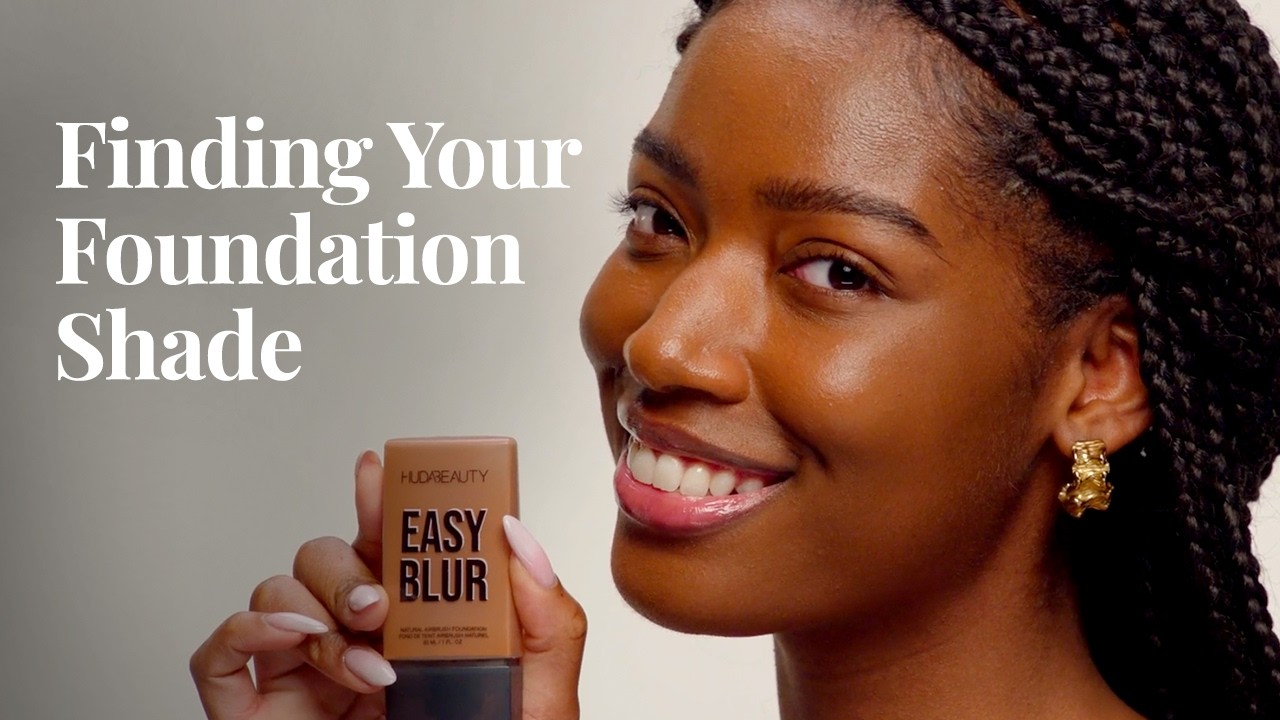
Foundation is only the first application. Undertone affects blush, bronzer, lip color, and clothing in equally measurable ways.
The global lip color market reached $21.16 billion in 2023, growing at a projected CAGR of 4.66% through 2028, and much of that product development has been driven by demand for undertone-specific shade ranges (Alibaba Research, 2023).
Blush and Bronzer Selection
Warm undertones need blush with orange or peach bases. Cool undertones need rose or raspberry. Using the wrong base makes blush look muddy or unnatural against the skin.
Bronzer rules:
- Cool undertones: ash-brown or taupe-based bronzers; orange-base formulas read too warm
- Warm undertones: golden, copper, or terracotta bronzers that mirror the skin’s natural warmth
- Pick a bronzer 2 to 3 shades deeper than natural skin tone regardless of undertone
NYX Professional Makeup’s published color guidance confirms that cool-toned blushes like baby pink or mauve complement cooler complexions, while coral and apricot flatter warm skin.
Lip Color by Undertone
Cool undertones balance out with blue-red lipsticks, berry shades, and mauve nudes. Warm undertones read best in brick-red, coral, peachy-nude, and warm brown.
A 2024 study from LVMH Research and Christian Dior measured lip color across 410 women spanning Caucasian, African American, and Hispanic groups and found significant variation in both lightness and hue within every ethnic group, confirming that undertone-specific lip shade selection matters across all skin depths, not just fair complexions.
For undertone-matched lipstick colors for cool undertones and lipstick colors for warm undertones, the undertone of the lipstick formula matters as much as the hue itself.
Clothing Color Theory
Cool undertones are complemented by jewel tones (sapphire, emerald, ruby) and cool neutrals (gray, bright white, charcoal).
Warm undertones work best with earth tones (olive, mustard, camel, terracotta) and warm neutrals (ivory, cream, warm brown).
This is the foundation of seasonal color analysis systems like Sci/ART and the Kettlewell Color system, used by professional image consultants to build full wardrobe palettes from a single undertone diagnosis. The systems extend the same warm-cool logic from makeup to clothing, hair color, and accessory metals.
When you find your color season, the undertone result acts as the primary sorting mechanism before depth and contrast are factored in.
How Does Undertone Identification Differ Across Fitzpatrick Skin Types?

Standard undertone tests were developed against lighter skin and do not perform equally across all Fitzpatrick phototypes. Fitzpatrick V-VI requires different diagnostic approaches entirely.
McKinsey data shows Black consumers are 5.7 times more dissatisfied with makeup offerings compared to non-Black consumers, a gap that reflects both undertone range gaps and misdiagnosis frequency in the industry (McKinsey, reported by Arbelle, 2024).
Fitzpatrick I-II
Tests run as described. Pink and red hemoglobin signals are highly visible at the surface.
Vein color, white paper, and jewelry tests all perform reliably. The main risk is misreading strong cool signals as neutral when undertone is actually clearly cool.
Fitzpatrick III-IV
Vein test is still reliable. White paper test may read as warm even on cool undertones, because the higher melanin baseline creates a warmer surface cast that competes with the hemoglobin signal.
Cross-reference required: confirm white paper results with the jewelry test before concluding warm.
Fitzpatrick V-VI
Melanin density in the epidermis partially masks vein color. The vein test is unreliable at this depth.
Deeper skin tones are more frequently misdiagnosed as warm when they may be cool or neutral, partly because the beauty industry historically lacked shade ranges to test against. Fenty Beauty’s launch with 40 foundation shades (now 50+) and $100 million in first-month sales proved the unmet need existed at scale.
Most reliable methods for Fitzpatrick V-VI:
- Jewelry tone test (metal color has no interference from melanin depth)
- Jawline swatch test under daylight-balanced light
- Color-corrector response test
In clinical settings, dermatologists and professional colorists working with deeper skin use light-reflected spectrophotometry to quantify chromophore concentration directly, as visual tests cannot reliably separate melanin density from the hemoglobin and carotenoid signals that define undertone (Chardon et al., published findings on skin color and chromophore concentration).
FAQ on How To Find Your Undertone
What is the easiest way to find your undertone at home?
Look at the veins on your inner wrist in natural daylight. Blue or purple veins indicate cool undertone, green indicates warm, and blue-green indicates neutral. Cross-check with the white paper test for a more reliable result.
Can your undertone change over time?
No. Undertone is genetically determined by your dermal chromophores, specifically hemoglobin, melanin, and carotene. It stays fixed regardless of tanning, aging, or skincare. Only your surface skin tone changes with sun exposure or seasons.
What is the difference between skin tone and undertone?
Skin tone is the visible depth of your complexion, ranging from fair to deep on the Fitzpatrick scale. Undertone is the underlying hue. Two people can share the same skin tone depth and have completely different undertones.
How do I know if I have a neutral undertone?
Both silver and gold jewelry look equally flattering on you. Your wrist veins appear blue-green rather than clearly blue or green. Neutral undertone means your cool and warm chromophore signals are balanced, not that you have no undertone.
Why does my foundation look orange after a few hours?
This is foundation oxidation, caused by a warm-coded formula reacting with your skin’s oils and pH. It usually means your foundation undertone is too warm for your skin. Switch to a cool or neutral-coded shade in the same depth.
Does the vein test work for dark skin tones?
Not reliably. On Fitzpatrick V-VI skin, higher melanin density masks vein color and makes the distinction between blue-green and green harder to read. The jewelry tone test and jawline swatch method are more accurate for deeper skin tones.
What lipstick shades suit cool undertones?
Cool undertones are balanced by blue-red lipsticks, berry, mauve, and raspberry nudes. These shades align with the pink and red hemoglobin signals in the dermis. Warm undertones read best in coral, brick-red, and peachy-nude formulas.
Can I test my undertone with makeup on?
No. Foundation, tinted moisturizer, and self-tanner residue all alter the surface color and produce inaccurate readings. Always test on bare, clean skin. Any product on the skin means you are measuring the product, not your actual undertone.
What is the most accurate undertone test?
The jawline swatch test under daylight-balanced light (5500K-6500K) is the most reliable method across all Fitzpatrick types. It is the standard used by professional makeup artists at brands like MAC and NARS before any shade selection.
How does undertone affect blush and bronzer choices?
Warm undertones suit peach, coral, and golden-based formulas. Cool undertones work best with rose, berry, and taupe-based shades. Using the wrong base makes blush look muddy and bronzer look orange or ashy against the skin.
Conclusion
This conclusion is for an article presenting the full picture of skin undertone identification, from the biology of dermal chromophores to the specific tests that work across every Fitzpatrick type.
Your cool, warm, or neutral undertone is fixed. It shapes every shade decision you make, from foundation coding and blush selection to clothing color palettes and jewelry metals.
No single test is enough. Cross-reference at least three methods, always in natural daylight, always on bare skin.
Get the undertone right, and color matching stops being guesswork. Foundation sits clean at the jawline. Blush reads natural. Lip color works with your skin instead of against it.
That is the real value of knowing your undertone.

She started writing on the site after fielding the same questions from clients and friends often enough to just write the answers down: which red won't turn orange on a warm undertone, how to keep lipstick from feathering into fine lines, why a "12-hour" formula rarely survives dinner.
Every review on the site follows the same rule she uses with paying clients: wear it first, then decide if it's worth recommending.
- How to Make Eyeliner Last Longer Without Smudging - August 31, 2026
- How to Make Eyeshadow Last Longer All Day - August 29, 2026
- How to Find Your Undertone in 5 Easy Steps - August 27, 2026