Most people pick mascara by packaging. That is exactly why so many end up with clumping, flaking, or lashes that collapse before noon.
Knowing how to choose mascara comes down to 4 variables: lash type, eye shape, formula, and wand shape. Get those right and the result takes care of itself.
This guide covers every decision point, from reading an INCI list to matching brush geometry to your lash type. By the end, you will know exactly which mascara formula, wand shape, and finish works for your specific eyes, not just what looked good in a campaign ad.
What Is the Right Way to Choose Mascara?
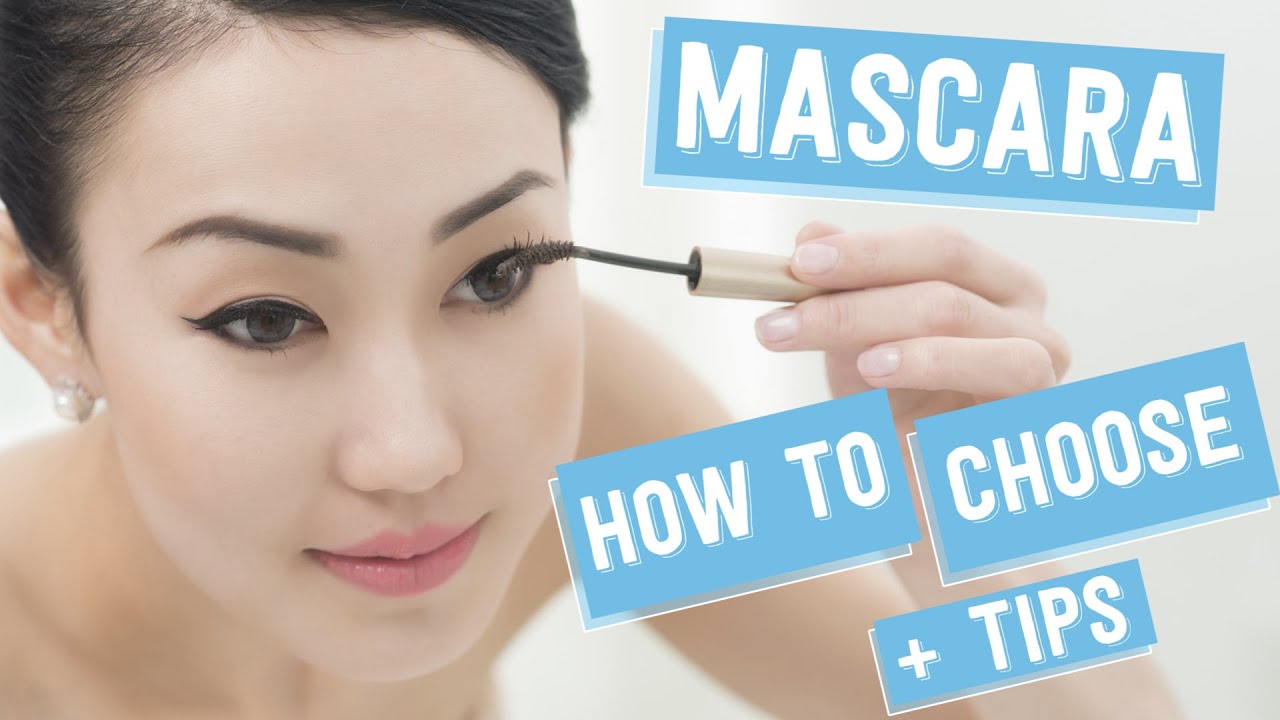
Choosing mascara is a 4-variable decision: lash type, eye shape, desired finish, and formula. Get one wrong and the result is clumping, flaking, or lashes that look flat instead of defined.
No single mascara works for every person. A volumizing formula that looks incredible on full, long lashes will weigh down fine ones. A lengthening formula that separates sparse lashes perfectly will do nothing for straight ones that need curl.
The global mascara market was valued at approximately $7.66 billion in 2025 (Research and Markets), with over 200 active brands competing in North America alone. Plenty of options means plenty of room to choose the wrong one.
The wand and formula always work together. Picking a great volumizing formula with the wrong brush shape still results in clumping. This guide covers all 4 variables in the order that makes the decision clearest.
| Variable | What It Controls | Covered In |
|---|---|---|
| Wand shape | Separation, lift, precision, and how product is distributed across lashes | Section 2 |
| Formula type | Volume, length appearance, curl retention, and wear time stability | Section 3 |
| Lash type | Determines optimal brush–formula pairing and performance outcome | Section 4 |
| Eye shape | Affects application angle, lash emphasis, and most flattering lash mapping technique | Section 5 |
What Mascara Brush Shape Does to Your Lashes

The wand shape controls the application outcome more than the formula does on the first coat. A curved wand lifts. A straight comb separates. A tapered tip reaches corners. Brush geometry determines where and how much product lands on each lash.
Technological advances in brush design have increased consumer satisfaction rates by 18% according to recent surveys (Market Growth Reports, 2024). Silicone and comb-shaped wands lead that satisfaction gain, largely because they prevent the product buildup that causes clumping on dense lashes.
Curved vs. Straight Wand: Which Controls Lift Better
Curved wands rotate the lash upward during application. The arc of the brush mimics the direction you want the lash to travel, which means less mechanical effort and more consistent curl across the full lash line.
Straight wands deposit product evenly from root to tip without pushing lashes in any direction. They work better for lashes that already hold a natural curl and need definition rather than redirection.
- Curved wand: best for straight, downward-pointing, or Asian lash types that resist curl
- Straight wand: best for lashes with existing curl that need separation and coating
- Hourglass shape (wider at ends, narrower center): deposits formula at the root and distributes to the tip for volume without clumping
Tapered Tip Wands for Short and Fine Lashes
Tapered wands narrow to a point at one or both ends. That geometry solves a real problem: standard full-size brushes skip the inner and outer corner lashes entirely because the bristles are too wide to reach them.
The pointed tip of mascaras like Make Up For Ever Aqua Smoky Extravagant places product precisely on each short lash without touching the lid.
Fine lashes get coated individually rather than in groups, which keeps the formula from overloading and dragging them down.
Oversized Brushes and When They Cause Clumping
Oversized brushes pick up more formula per pass. On dense, thick lashes, that creates volume fast. On fine or sparse lashes, it creates product buildup before the first coat even dries.
The clumping rule: if your tube deposits more than a thin, even coat on the first pull, the brush is too large for your lash density.
Nylon bristle brushes wrapped around a twisted wire core are the most common cause of overloading. A tissue wipe on the wand before application removes 20-30% of the excess formula and solves most clumping before it starts (Lilac St., 2024).
How Mascara Formula Type Affects Wear and Finish
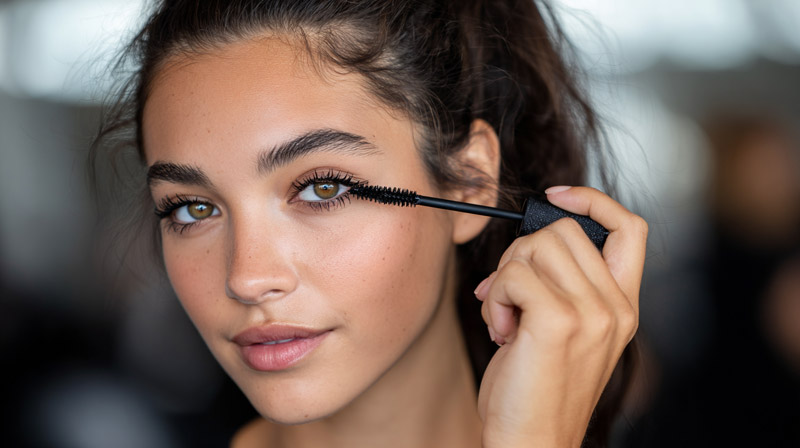
There are 4 core formula categories, and each one produces a structurally different result on the lash. Mixing them up is the most common reason a mascara “doesn’t work” for someone. The formula worked fine, just not for that lash type.
35% of new mascara products launched in 2024 used natural-derived ingredients (Business Research Insights), driven largely by clean beauty demand. But natural vs. synthetic is less important than understanding which formula category your lashes actually need.
Volumizing Formulas: Ingredients That Build Thickness
Volumizing formulas rely on waxes and polymers to coat and thicken each lash. Beeswax and carnauba wax appear near the top of most INCI lists in this category. They create the dense, creamy texture that builds up lash diameter with each coat.
L’Oreal’s patent filings show that high wax concentration (15%+ by weight) is the primary driver of visible thickness. The tradeoff: heavier formulas dry slower and clump more easily on fine lashes.
Lengthening Formulas: How Fibers Extend Lash Tips
Lengthening formulas use synthetic fibers, typically Nylon-12 or rayon, to attach to the lash tip and visually extend it. The fibers are held in place by film-forming polymers that lock them to the lash surface as the formula dries.
Not all lengthening formulas use fibers. Polymer-only systems (like those in L’Oreal lengthening patents) create extension through coating chemistry alone, with no fiber debris risk. Better option for contact lens wearers.
Tubing Mascara: Best Formula for Contact Lens Wearers and Sensitive Eyes
Tubing formulas wrap each lash in a water-resistant polymer tube rather than coating the lash surface. The tubes slide off cleanly with warm water, no oil-based remover required.
Why it matters for contact lens wearers: standard mascaras flake and shed micro-particles throughout the day. Those particles sit on contact lenses and cause irritation, cloudiness, and infection risk. Tubing formulas are dermatologist and ophthalmologist-tested as safe for lens wearers (Tarte Cosmetics clinical data, 2024).
| Formula Type | Key Ingredients | Best For | Avoid If |
|---|---|---|---|
| Volumizing | Beeswax, carnauba wax, synthetic waxes, thickening agents | Sparse or thin lashes needing density and fullness | Very fine lashes prone to clumping with heavy wax buildup |
| Lengthening | Nylon-12, rayon/synthetic fibers, film-forming resins | Short lashes needing visible extension and separation | Sensitive eyes or contact lens wearers if fibers may shed |
| Curling | Film-forming polymers, flexible resins | Straight or downward-pointing lashes needing lift retention | Naturally curled lashes that don’t require hold and may feel stiff |
| Tubing | Acrylates copolymers, flexible water-resistant polymers | Sensitive eyes, contact lens wearers, smudge-prone users | Those prioritizing maximum dramatic volume over definition |
What Mascara Works Best for Your Lash Type

Lash type narrows the formula and brush options down to 2-3 combinations that work and eliminates the rest. There are 4 primary lash types worth matching to specific products. Most people fall into one clearly, and layering two mascaras handles the edge cases.
The 25-44 age group accounts for over 55% of global mascara sales volume (Market Growth Reports, 2024), and this demographic’s lash characteristics vary significantly. Straight Asian lash types, fine European lashes, and dense Mediterranean lashes each need a different formula approach.
Sparse Lashes
Formula needed: volumizing, with a densely bristled, full-size wand.
Sparse lashes have visible gaps between each lash. The goal is to visually close those gaps by depositing maximum product at the base and building density upward. Brands like Too Faced Better Than Sex and NARS Climax use exactly this combination: dense bristles plus high-wax formula.
Apply the first coat at the root with the wand held horizontally. Wiggle it side to side before pulling upward. This deposits more formula at the base where density is needed most.
Straight Lashes
Straight lashes point forward instead of curving upward. No formula builds curl permanently. Only a curling mascara formula, ideally with a curved wand, redirects the lash growth direction temporarily.
- Curling formula first, applied with a curved wand from root to tip
- Hold the wand against the lashes at the root for 3-5 seconds before pulling upward
- A heated lash curler used before mascara gives the curl a better base to hold onto
Benefit Roller Lash is built around this exact need: the curved hook-and-eye brush grabs each lash and redirects it upward while the curling polymer sets it in place.
Short Lashes
Short lashes need precise placement at the base more than volume at the tip. A tapered or ball-end wand deposits product on lashes as short as 3-4mm, which a standard brush skips entirely.
Formula choice: lightweight lengthening. Fiber-based formulas add visible length on short lashes faster than volumizing formulas do. Apply lower lash mascara with the wand held vertically and wiggle it across the lower lash line.
Long but Fine Lashes
Fine lashes look impressive at baseline but collapse under heavy formulas. A standard volumizing mascara weighs them down within 2 hours.
Best approach: lightweight lengthening formula, thin straight wand, maximum 2 coats. ILIA Limitless Lash uses beeswax and carnauba wax at low concentration with a comb-style brush. The result is separation and definition without the weight that causes drooping.
How to Choose Mascara Based on Eye Shape
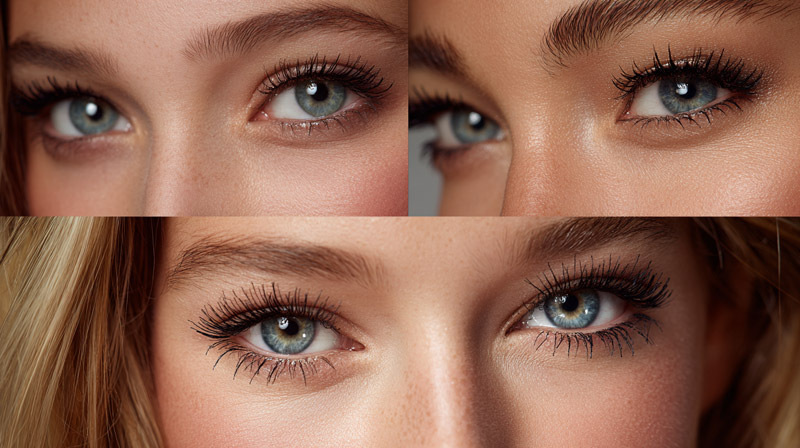
Eye shape changes which mascara finish and brush angle flatter the eye. The same volumizing formula that opens deep-set eyes can close off small eyes entirely. Shape determines placement strategy more than product choice.
Eye shapes include 8 primary types: almond, round, hooded, monolid, upturned, downturned, close-set, and wide-set (Beautyblender, 2025). Mascara decisions based on shape matter most for hooded, monolid, and deep-set eyes. Almond eyes work with almost any formula.
Mascara for Hooded Eyes: Lower Lash Application Technique
Hooded eyes have a fold of skin that covers part of the mobile lid when open. Heavy upper lash mascara increases the weight of that fold visually. The lower lash line does more optical work for hooded eyes than the upper lash line does.
Jennifer Lawrence and Blake Lively both have hooded eyes and consistently rely on strong lower lash definition to open the eye area. Makeup artists for both apply tubing mascaras on the upper lash line (smudge-proof against the hood) and lengthen lower lashes for forward projection.
- Upper lashes: smudge-proof tubing or waterproof formula, applied from root only
- Lower lashes: tapered wand, lengthening formula, applied with the wand held vertically
- Avoid full-size volumizing wands on the upper lash line; the excess formula transfers onto the hood skin within an hour
Mascara for Monolid Eyes: Curl-First Approach
Monolid eyes lack a visible crease, which means lashes point straight forward rather than upward. Without curl, even heavy mascara just pushes lashes toward the lower lid.
Curling formula is non-negotiable for monolid lash types. Giorgio Armani Beauty makeup artist Mai Quynh recommends a heated lash curler before applying mascara, followed by a curling formula reapplied within 30 seconds while lashes are still warm. The polymer locks the curl as it cools.
Lower lash definition matters here too. A smudged dark line along the lower lash line using the same mascara brush held vertically creates dimension without relying on visible lid space.
What Is the Difference Between Waterproof and Regular Mascara
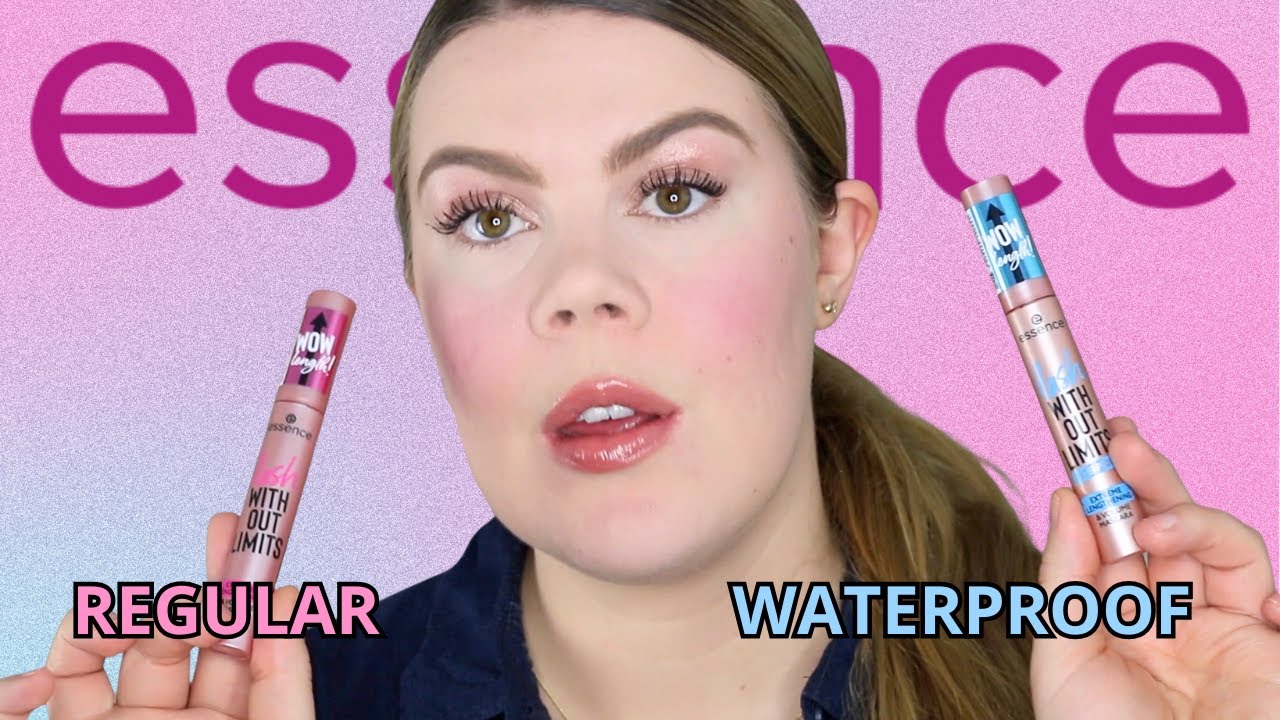
Waterproof mascara uses silicone-based polymers that form a water-repelling film over the lash. Regular mascara is water-based and washes off with warm water. The formula difference is not about quality. It is about which situation you are dressing for.
Waterproof mascara held approximately 60% of the global mascara market share in 2024 (Reports and Data), driven by demand for smudge-proof, sweat-resistant wear. But dermatologists and lash specialists consistently flag daily waterproof use as a lash health risk.
Why Daily Waterproof Use Weakens Lashes
Removing waterproof mascara requires oil-based remover or significant mechanical rubbing. Both methods stress the lash follicle. Daily repeated pulling during removal causes lash breakage and thinning over 6-8 weeks of consistent use.
The better pattern: waterproof formula for events, outdoor activities, humidity, or emotional occasions. Regular water-based formula for daily wear. Tubing mascara for the middle ground: water-resistant enough to survive sweat, but removes cleanly with warm water and zero rubbing.
When Waterproof Mascara Is the Right Call
- Outdoor events, workouts, or high-humidity environments
- Occasions where crying is possible
- Hooded eyes: smudging under the hood requires waterproof formula
- Beach or pool settings where standard formulas dissolve on contact
The waterproof mascara segment saw 228.48 million units sold in 2023 in that category alone (Research and Markets). That is not daily use driving those numbers. It is event-based and seasonal purchasing.
Regular Mascara for Daily Wear
Water-based formulas remove with warm water and a gentle cleanser, no rubbing required. This protects lash integrity over months of daily use. Most regular mascaras last 6-8 hours before smudging under normal office or indoor conditions.
Brands like Lancôme Hypnose and Charlotte Tilbury Pillow Talk offer regular formulas with enough pigmentation and hold for full-day wear without the removal stress of waterproof silicone formulas.
How Mascara Pigmentation Varies and Why It Matters
Mascara pigment load, not formula thickness, determines how black and opaque the lashes read. Iron oxides listed early in the INCI list signal higher pigment concentration. A formula with CI 77499 (black iron oxide) appearing in the first 5 ingredients delivers stronger color payoff than one where it appears near the end.
Pigment choice affects the visual impact on different skin tones and the number of coats needed. Getting this wrong means layering 4-5 coats trying to build opacity that the formula was never designed to deliver.
Black vs. Brown-Black vs. Brown
Jet black delivers the highest contrast against all skin tones. It works for every skin tone but can read as harsh on fair skin in daytime settings.
Brown-black is the compromise. It reads as dark and defined but with slightly less contrast at the lash root. Better for fair skin tones in natural light.
Brown mascara opens eyes on light lashes without the intensity of black. L’Oreal Telescopic in brown is a common recommendation from makeup artists working with fair or cool-toned clients who want definition without heaviness.
| Shade | Best Skin Tone | Ideal Use |
|---|---|---|
| Jet Black | All skin tones, especially medium to deep | Evening looks, dramatic definition, high-contrast makeup |
| Brown-Black | Fair to medium skin tones | Everyday wear, office looks, softer definition than black |
| Brown | Very fair to light skin tones, especially cool undertones | Natural “no-makeup” looks, subtle lash enhancement |
| Colored (navy, burgundy, etc.) | Medium to deep skin tones, or bold makeup styles | Accent on lower lashes, editorial looks, creative or fashion-forward makeup |
How Many Coats Pigmentation Requires
A well-pigmented mascara reaches full opacity in 2 coats. If you are applying 4-5 coats and still not getting the depth you want, the pigment load in the formula is low and no number of coats will compensate for it.
Check the INCI list before buying: iron oxides in positions 1-5 mean high pigment. Iron oxides listed after preservatives and conditioning agents mean the color is an afterthought in that formula.
Colored Mascara: When and Where It Works
Colored mascaras (navy, burgundy, forest green) read as dark and intense up close but shift slightly in the light. Apply colored mascara on the lower lash line only, not the full upper lash line.
The lower lash framing is visible when the eyes are open. A full upper lash application in navy looks dramatic in photos but reads as flat or muddy in person, especially under artificial lighting.
Pat McGrath Labs and Maybelline Lash Sensational both offer colored mascara options, with navy and burgundy being the most wearable for everyday use outside of editorial settings. If you want to experiment with how to apply mascara in colored formulas, start with the lower lash line as a single accent before committing to full application.
What to Look for in Mascara for Sensitive Eyes

Mascara for sensitive eyes is not a marketing category. It is a specific formula criteria that covers 4 ingredient avoidances and 3 formula types that reduce irritation risk.
Standard mascaras contain harsh preservatives, fragrances, and silicone-based waterproof agents that cause redness, dryness, and debris in the eye. The risk is higher for contact lens wearers, where particles sit directly on the lens surface.
Ingredients to Avoid
4 ingredients drive the majority of mascara-related eye irritation:
- Parabens: linked to allergic reactions in sensitive individuals
- DMDM hydantoin and quaternium-15: formaldehyde-releasing preservatives that trigger inflammation
- Synthetic fragrance: the top single irritant in cosmetics applied near the eye (FitFab50, 2026)
- Carbon black (CI 77266): a common black pigment and documented irritant; iron oxides (CI 77499) are the safer alternative
Formula Types That Reduce Risk
Tubing formulas are the safest option for lens wearers. The polymer tubes wrap each lash individually and do not shed micro-particles during wear.
Clinique High Impact Mascara is ophthalmologist-tested and consistently ranked as the top daily-wear option for contact lens wearers across sensitive-eye product reviews (FitFab50, 2026). The formula is fragrance-free and uses phenoxyethanol as its sole preservative.
Fiber-based mascaras are the highest-risk option for sensitive eyes. Nylon-12 and rayon fibers detach from the lash tip throughout the day and enter the eye, especially under lenses.
Mascara Shelf Life and Bacterial Risk
Replace mascara every 3 months after opening, regardless of formula or price. The U.S. FDA recommends this replacement schedule specifically for eye-area cosmetics due to repeated microbial exposure from the wand.
Every time the wand is removed and reinserted, air and bacteria enter the tube. Using mascara past 3 months significantly increases the risk of conjunctivitis, styes, and blepharitis (lens.com, 2024).
Never add water or saliva to a drying mascara tube. Both introduce bacteria directly into the formula. Discard and replace.
How Mascara Layering Changes the Final Look

Layering 2 different mascara formulas in sequence produces volume, length, and separation simultaneously. No single formula achieves all 3 at the same level. Mascara cocktailing, the professional term for this technique, is widely used by editorial makeup artists when a one-product result falls short.
The technique is not new. It has been standard in professional makeup kits for years and gained mainstream visibility when it spread on TikTok and Instagram, with Lancome formally documenting the method in their Hypnose and Monsieur Big pairing (Lancome, 2023).
The Correct Layering Order
Apply the lighter, more fluid formula first. L’Oreal Paris recommends starting with the thinner lengthening formula to separate and define each lash, then coating with the thicker volumizing formula so it builds on an already-extended base.
Wait 30 seconds between coats. Applying the second formula while the first is still wet mushes both together and creates the exact clumping layering is meant to avoid.
- Coat 1: lightweight lengthening formula, from base to tip
- Coat 2: volumizing formula, concentrated at the lash root
- Optional Coat 3: second pass of lengthening formula at tips only
What Layering Achieves That One Formula Cannot
A single all-in-one volumizing and lengthening mascara compromises on both. The wax load needed for volume slows the fibers that create length. The fibers needed for length reduce the coating density that builds volume.
Layering separates the jobs by formula, which is why professional results look different from standard single-tube application.
Editorial makeup artist Benjamin Puckey, cited by The Zoe Report (2024), puts it directly: wiggle the wand from base to tip on every coat to deposit formula to the lash end, not just the root.
When Not to Layer
Fine or sparse lashes. Three coats of any formula weigh fine lashes down within 2 hours regardless of technique.
For fine lashes, a single coat of lightweight lengthening formula and a tapered wand produces better results than layering. Learning how to fix clumpy mascara when layering goes wrong saves a full re-application.
How to Read a Mascara Ingredient List Before Buying
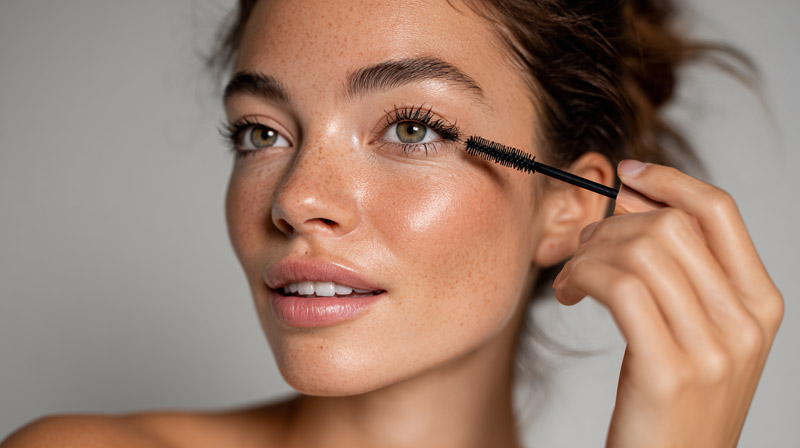
The INCI (International Nomenclature of Cosmetic Ingredients) list tells you what a mascara actually does before you open the tube. Ingredients are listed in descending order by concentration. Position in the list signals priority in the formula.
35% of new mascara products launched in 2024 emphasized natural-derived ingredients on their packaging (Business Research Insights). Reading the actual INCI list, not the marketing claims, shows whether those natural ingredients appear at meaningful concentrations or as trace additions near the bottom.
Wax Position Signals Volume Claim Validity
Beeswax (Cera Alba) and carnauba wax (Copernicia Cerifera Cera) appearing in positions 2-5 of the INCI list confirm a genuine volumizing formula. Both waxes build the coating density that thickens each lash.
If beeswax appears after preservatives like phenoxyethanol, the formula is wax-light regardless of what the packaging says. That mascara will not deliver real volume on sparse lashes.
Fiber Identification in Lengthening Formulas
Rayon and Nylon-12 are the 2 most common synthetic fiber sources in lengthening mascaras. Rayon appears on the Maybelline Lash Sensational Sky High INCI list between the conditioning agents and the colorants.
Their position matters: fibers appearing in the middle third of the list are at effective concentration. Fibers appearing in the final 5 ingredients are present as a marketing claim, not at a level that meaningfully extends the lash tip.
Preservative Safety at a Glance
Phenoxyethanol is the most common safe preservative in non-waterproof formulas. It appears near the bottom of most INCI lists because preservatives are effective at low concentrations (0.5-1%).
| Ingredient | Role | Safety / Performance Signal |
|---|---|---|
| CI 77499 (Iron Oxides) in top 5 | Pigment (black/brown colorant) | Indicates high pigment load and strong coverage; often reduces the number of layers needed |
| Phenoxyethanol | Preservative | Widely used, generally well-tolerated at regulated concentrations; helps prevent microbial growth |
| DMDM Hydantoin | Preservative (formaldehyde-releasing) | Releases small amounts of formaldehyde over time; may be sensitizing for some users, especially in leave-on or eye-area products |
| Dimethicone (high in ingredient list) | Silicone film former / texture modifier | Suggests smoother application, increased water resistance, and longer wear; may require oil-based or dual-phase removal |
What the Mascara Tube Design Tells You About the Formula
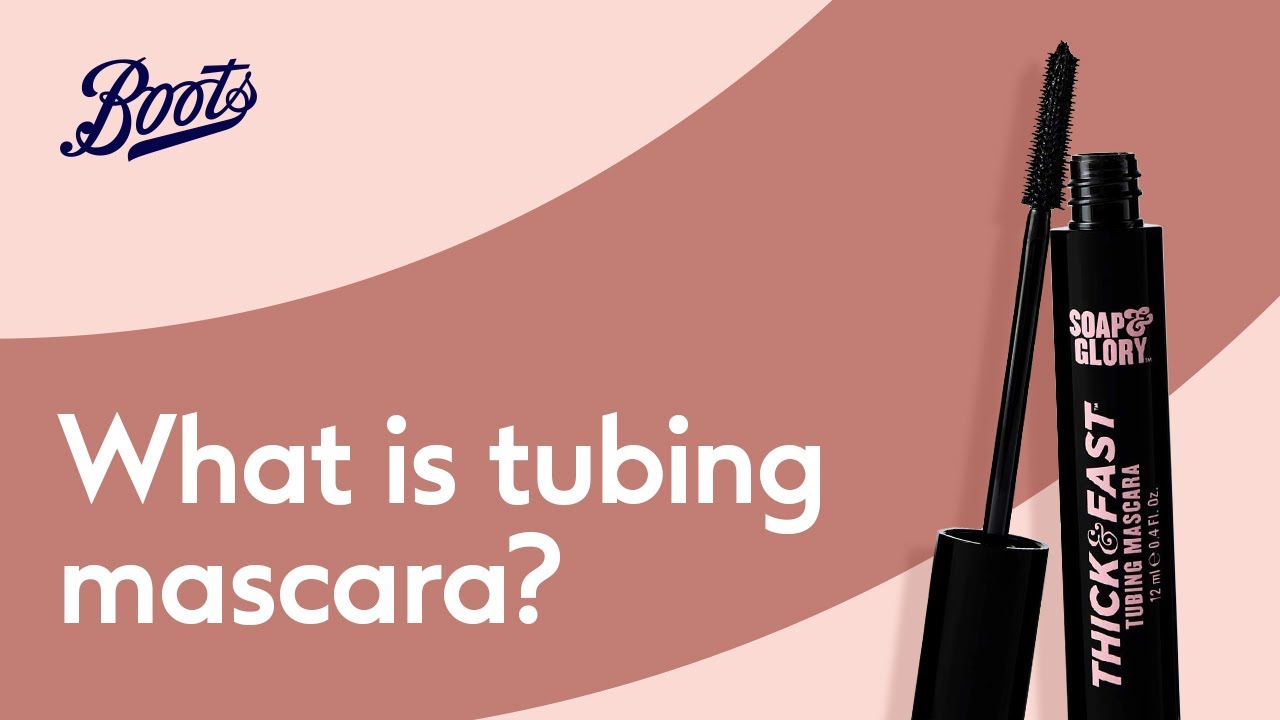
The tube design reveals practical information about formula behavior, shelf life, and how much product you can actually access before it dries out. Most consumers ignore this entirely and wonder why a formula that performed well in week 1 clumps by week 6.
Wiper Tightness and Product Control
The PE wiper insert inside the tube neck controls how much formula coats the wand on each pull. A tight wiper scrapes more product off, which reduces clumping but also means the wand exits with a thin, even coat rather than a heavy load.
Loose wipers let more formula through and create heavier coats faster. Good for volumizing formulas on sparse lashes. Problematic for fine lashes that need controlled application.
Clumping from the first use almost always indicates a loose wiper or a mismatched wiper-to-formula viscosity pairing (APG Packaging, 2024). The fix is a tissue wipe on the wand, not a different mascara.
Tube Size, Air Exposure, and Formula Freshness
Standard full-size mascaras hold 8-10ml. Every pull of the wand introduces air into the tube. As the product level drops, the air-to-formula ratio rises, which accelerates drying.
Smaller tubes (4-6ml) stay fresher longer because the air pocket above the formula stays smaller throughout the product’s life. The tradeoff is more frequent replacement.
- 4-6ml tubes: fresher formula to the end, replaced more often
- 8-10ml tubes: standard size, formula may thicken in weeks 8-12
- Squeezable tube designs: maintain even product distribution, slower drying
The Pump Mistake That Kills Formula Faster
Pumping the wand in and out of the tube does not load more product onto the brush. It forces air into the tube, accelerating formula drying and creating the environment for bacterial growth (Maybelline, 2024).
The correct technique: swirl the wand inside the tube to coat the bristles, then pull it out in a single smooth motion. This loads product without introducing air.
How to Test a Mascara Before Committing to a Full Size
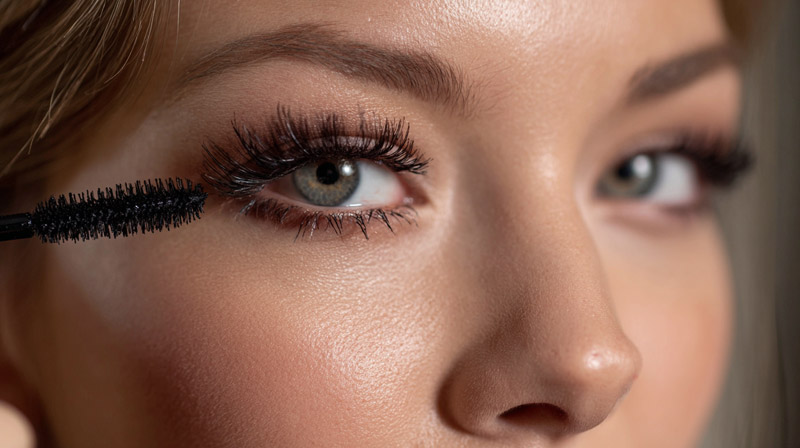
Buying a full-size mascara without testing it first is a $25-50 gamble. There are 4 testing methods that reveal formula performance before purchase, and most require nothing more than a store visit and a disposable wand.
In-Store Testing Protocol
Sephora and Ulta both keep small fresh samples on hand on request. Never use a communal tester wand that has touched other customers’ eyes. Always ask for a disposable applicator.
Swatch the wand on the back of your hand first. This shows pigmentation, fiber density, and whether the formula is thick or fluid before it touches your lashes.
What to check on the hand swatch:
- Color depth: does it read as true black or diluted gray?
- Drying time: does it set in under 30 seconds or stay tacky?
- Texture after drying: flexible and smooth, or brittle and flaky?
Single-Eye Application Test
Apply one coat to one eye only. Wait 10 minutes, then check 3 things before applying to the second eye.
Smudge check: press a clean fingertip lightly under the eye. Transfer indicates the formula will not hold through normal wear. Flake check: hold the lash line close to a mirror and look for debris on the skin beneath. Separation check: hold the lash line up to light to see whether individual lashes are defined or clumped together.
If any 1 of the 3 fails at 10 minutes, the formula will worsen over a full day of wear.
Online Research Before In-Store Visit
Reading the INCI list on INCIDecoder before going to the store takes under 2 minutes and eliminates formulas with DMDM hydantoin, high dimethicone (for daily wear), or low pigment placement.
Consumer review patterns on Sephora’s site are a reliable secondary check. Reviews consistently calling out flaking within 4 hours indicate a wiper-formula mismatch in the tube design, not individual user error.
What Are the Most Common Mascara Mistakes and How to Fix Them

Most mascara problems trace back to 5 mechanical errors, not formula quality. The same tube that produces clumped, flaking lashes for one person produces clean, defined results for another. Application technique is the variable, not the product.
Pumping the Wand
Pumping the mascara wand pushes air into the tube, dries the formula faster, and creates bubbles that translate directly into clumps on the lash (Maybelline, MAE&CO Cosmetics, 2024).
Fix: swirl the wand slowly inside the tube instead. This coats the bristles without introducing air. The formula lasts longer and applies more evenly.
Starting Mid-Lash Instead of at the Base
Placing the wand mid-shaft and pulling upward leaves the lash root uncoated. The root is where mascara deposits lift, curl, and the appearance of lash density. Missing it means the whole lash looks flat regardless of how much product you add at the tip.
Fix: press the wand against the lash root, wiggle it horizontally for 1-2 seconds to deposit formula at the base, then pull upward in a single stroke. This is the single highest-impact change for most people.
Applying Coats Before the Previous One Dries
Wet formula on top of wet formula bundles lashes together. Wait 20-30 seconds between coats. The first coat sets enough to hold separation while the second builds on it cleanly.
Three coats applied with proper drying time between them produce better results than 5 coats applied back-to-back. Beyond 3 coats on most lash types, clumping is unavoidable regardless of technique.
Skipping Lower Lashes on Hooded or Deep-Set Eyes
Lower lash mascara creates forward projection and visual depth, especially on hooded and deep-set eyes where the upper lash line disappears behind the lid crease when the eyes are open.
Technique: hold the wand vertically, use only the tip, and apply with the lightest touch. Lower lashes need a fraction of the product that upper lashes take. Overloading them causes smudging under the eye within an hour.
Pairing a good mascara technique with the right false eyelash application method on special occasions can extend definition further than any formula alone. For a full step-by-step on mascara application from start to finish, the complete guide on how to do eye makeup covers placement, layering order, and correction techniques across all eye shapes.
Using Expired Mascara
Mascara past 3 months post-opening clumps because the formula has dried and thickened, not because of application error. No technique fixes a degraded formula. The wax structure breaks down, preservatives lose effectiveness, and the wiper-to-formula viscosity no longer matches.
Mark the opening date on the tube with a marker. Replace at 3 months regardless of how much product remains.
FAQ on How To Choose Mascara
How do I choose the right mascara for my lash type?
Match the formula to the problem. Sparse lashes need a volumizing formula with a dense brush. Fine lashes need lightweight lengthening. Straight lashes need a curling formula. Short lashes need a tapered wand that reaches the root precisely.
What is the difference between volumizing and lengthening mascara?
Volumizing formulas use waxes like beeswax and carnauba wax to coat and thicken each lash. Lengthening formulas use synthetic fibers, typically Nylon-12 or rayon, to extend the lash tip. Both serve different lash concerns and work best when layered.
What mascara wand shape works best for my eyes?
Curved wands lift straight lashes. Tapered wands reach inner corner and lower lash line precisely. Straight combs separate fine or dense lashes cleanly. Wand shape controls application outcome more than formula does on the first coat.
Is waterproof mascara bad for your lashes?
Daily waterproof use weakens lashes over time. Silicone-based formulas require oil-based removal or mechanical rubbing, both of which stress the lash follicle. Reserve waterproof mascara for events, humidity, or outdoor wear. Use regular formula daily.
What is tubing mascara and who should use it?
Tubing mascara wraps each lash in a water-resistant polymer tube instead of coating the surface. It removes cleanly with warm water and does not flake. Best for contact lens wearers, sensitive eyes, and hooded eyes prone to upper-lid smudging.
How do I choose mascara for hooded eyes?
Use a smudge-proof or tubing formula on the upper lash line to prevent transfer onto the hood. Lower lash mascara does more optical work for hooded eyes than upper lashes do. Apply lower lashes with the wand held vertically.
How often should I replace my mascara?
Replace mascara every 3 months after opening. Each wand insertion introduces air and bacteria into the tube. The U.S. FDA recommends this timeline specifically for eye-area cosmetics. Expired formula clumps, flakes, and raises infection risk regardless of brand or price.
What mascara ingredients should I avoid for sensitive eyes?
Avoid DMDM hydantoin, parabens, synthetic fragrance, and carbon black (CI 77266). These are the 4 primary irritants in standard mascara formulas. Look for fragrance-free, ophthalmologist-tested options with phenoxyethanol as the preservative and iron oxides for pigmentation.
Can I layer two different mascaras?
Yes. Apply a lightweight lengthening formula first to separate and define, then layer a volumizing formula at the root for density. Wait 30 seconds between coats. This technique, called mascara cocktailing, produces results one formula alone cannot match.
What mascara works best for short or sparse lashes?
Short lashes need a tapered wand with a lengthening formula to deposit product precisely at the base. Sparse lashes need a volumizing formula with a full, densely bristled brush. Layering both formulas in sequence gives the most complete result for either concern.
Conclusion
This conclusion is for an article presenting every variable that goes into choosing mascara correctly, from wand shape and formula type to lash type, eye shape, and ingredient safety.
Waterproof vs. regular, tubing vs. fiber, volumizing vs. lengthening. These are not arbitrary product categories. Each one solves a specific problem.
Match the brush geometry to your lash density. Read the INCI list before the packaging claim. Replace the tube every 3 months.
Small decisions compound. The right mascara brush shape changes separation. The right pigmentation level changes how many coats you actually need. Getting these details right means better lashes with less product, not more.

She started writing on the site after fielding the same questions from clients and friends often enough to just write the answers down: which red won't turn orange on a warm undertone, how to keep lipstick from feathering into fine lines, why a "12-hour" formula rarely survives dinner.
Every review on the site follows the same rule she uses with paying clients: wear it first, then decide if it's worth recommending.
- How to Make Eyeliner Last Longer Without Smudging - August 31, 2026
- How to Make Eyeshadow Last Longer All Day - August 29, 2026
- How to Find Your Undertone in 5 Easy Steps - August 27, 2026