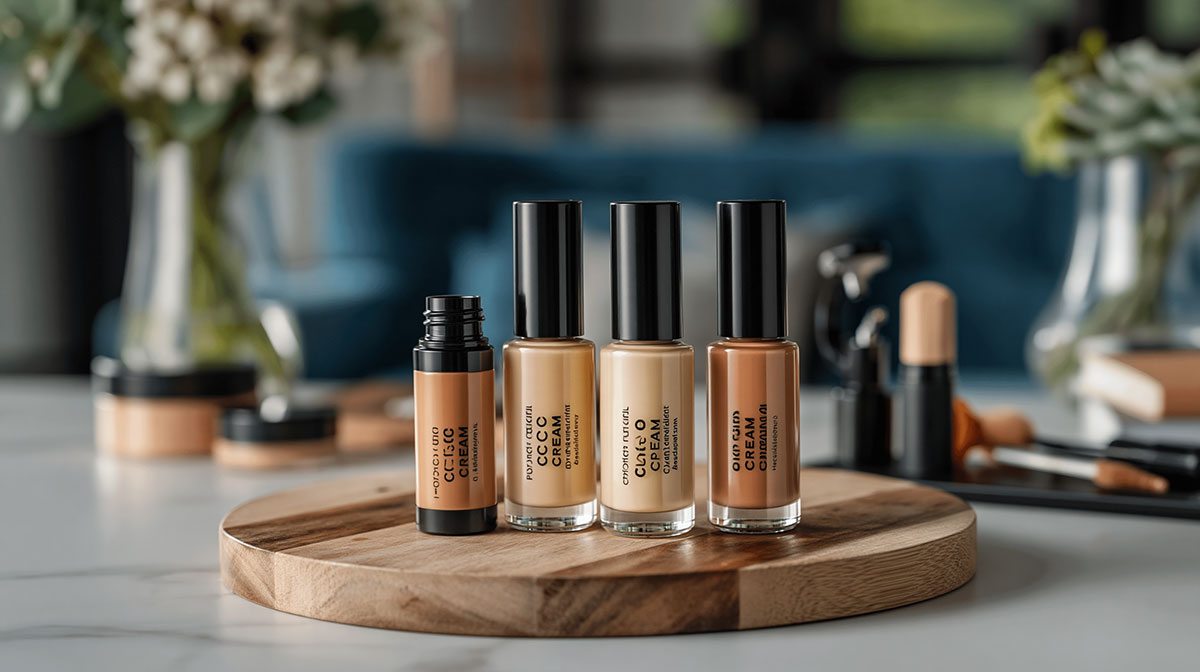
Your moisturizer, SPF, and foundation just became one product.
Understanding what CC cream is saves you money, shelf space, and the daily guesswork of layering three products that do overlapping jobs.
CC cream, short for color correcting cream, is a skincare-makeup hybrid that neutralizes redness, uneven tone, and discoloration while adding hydration and sun protection in a single step.
This article covers exactly how it works, how it compares to BB cream and foundation, which skin types benefit most, and how to pick the right formula without wasting money on the wrong one.
What Is CC Cream
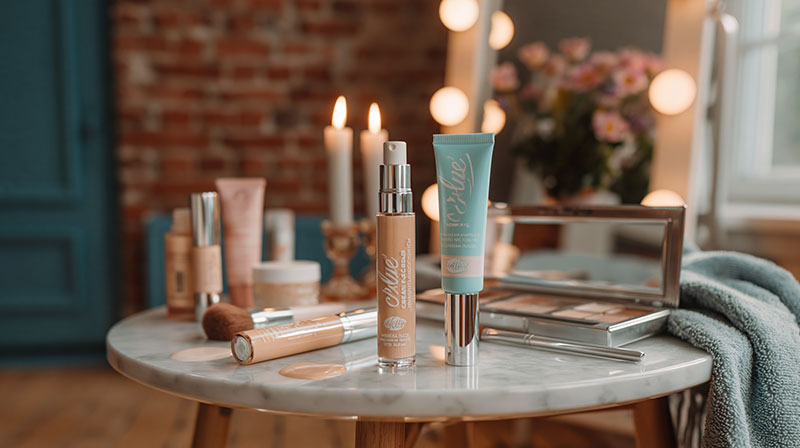
CC cream is a complexion corrector cream that combines color-correcting pigments with skincare actives in a single, lightweight formula. The “CC” stands for “color correcting” or “complexion corrector,” depending on the brand.
It is not a foundation. It is not a tinted moisturizer either, though people mix them up constantly. CC cream sits in its own category: a tinted, skin-perfecting cream with a specific job, which is to neutralize visible discoloration while adding SPF and hydration.
The product was first developed in Germany as a post-procedure skin recovery product, then picked up by South Korean brands in the early 2000s. K-beauty took it mainstream, and by the time it hit Western shelves around 2012, it already had a loyal following across Asia.
The core function: CC creams use iron oxides and titanium dioxide to visually cancel out redness, sallowness, and dark spots. That color-correcting mechanism is what separates them from every other light-coverage option on the market.
Daily-use CC creams currently hold a 73.4% share of the global CC cream market, with SPF 30+ formulas making up 70.8% of daily-use variants sold in 2024 (360 Research Reports).
The global CC cream market was valued at around $571 million in 2024 and is projected to reach $1.36 billion by 2033, growing at a CAGR of 8.9% (Global Market Statistics).
How CC Cream Differs from BB Cream and Foundation

This is the question I get asked the most. And honestly, the confusion makes sense because the products look similar in a tube.
BB cream, short for beauty balm or blemish balm, was designed to blur and hydrate. It gives sheer, skin-like coverage and works best when your skin tone is already fairly even. CC cream goes further. It targets specific tone issues: redness, hyperpigmentation, sallow patches, and uneven areas that a BB cream would soften but not actually correct.
While BB creams still hold a 40% preference share among hybrid cosmetic buyers globally, CC cream is closing the gap fast, especially among consumers over 30 dealing with visible skin discoloration (360 Research Reports, 2024).
| Product | Coverage Level | Primary Function | Best For |
| CC Cream | Light to medium | Color correcting + SPF | Redness, dullness, sallow skin |
| BB Cream | Sheer to light | Hydrate + blur + protect | Dry skin, “no-makeup” daily wear |
| Foundation | Medium to full | Uniform canvas + long wear | Events, severe scarring, full glam |
Foundation gives you the most coverage but typically contains no skincare actives. CC cream sits between BB cream and foundation in terms of coverage level, but its ingredient profile is closer to skincare than to traditional makeup.
Texture is another difference. CC creams tend to run lighter than both BB cream and foundation. They spread easily, blend quickly, and rarely feel heavy on the skin.
What CC Cream Does for the Skin
Color correction is the headline benefit. CC creams use a mix of iron oxides to neutralize discoloration before it shows through the formula. Green-tinted pigments cancel redness. Yellow-tinted pigments offset purple tones. The result is a more even base, not just a layer of coverage sitting on top of the problem.
Beyond that, most formulas do several other things at once:
- SPF protection: Most CC creams carry SPF 30 to 50, using either zinc oxide (physical) or chemical UV filters
- Hydration: Hyaluronic acid and glycerin are standard additions in mid-range and premium formulas
- Antioxidant support: Vitamin C and green tea extract show up in higher-end versions, targeting oxidative stress and dullness
- Light anti-aging properties: Niacinamide, peptides, and ceramides are increasingly common, especially in formulas aimed at skin over 35
Coverage level stays light to medium in most CC creams, with a natural or satin finish. This is not a full-glam product. The finish looks like skin, not like makeup.
Nearly 72% of CC cream products launched in 2023 featured combined SPF and anti-aging properties, reflecting how far formulas have moved beyond simple color correction (360 Research Reports).
IT Cosmetics launched the CC+ Nude Glow with SPF 40 in 2023, which includes skincare actives like peptides and antioxidants alongside buildable coverage. That kind of formulation is now the benchmark for what consumers expect from a CC cream.
Who CC Cream Works Best For
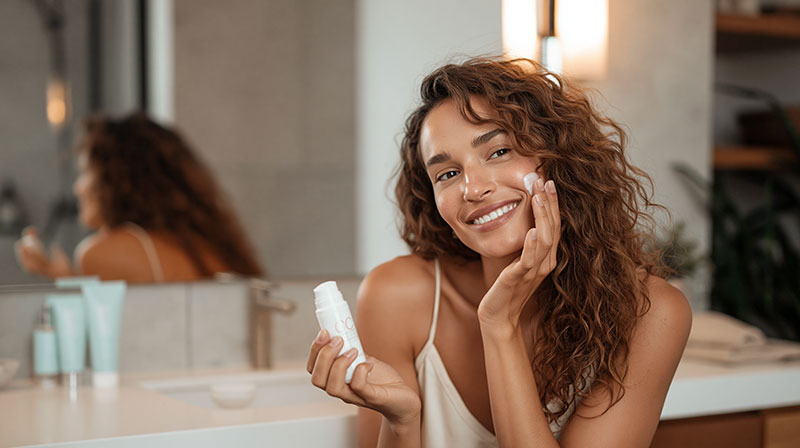
Not everyone needs a CC cream. But if your skin has any of these going on, it is worth considering.
Redness and visible discoloration are the clearest match. CC creams were specifically built around this problem. Persistent redness from rosacea, post-acne marks, or just general uneven tone all respond well to the color-correcting pigments in a good formula.
Skin type fit:
- Dry to normal skin: Most CC creams are hydrating by default. Good fit without extra layers
- Oily skin: Trickier. Look specifically for oil-free, mattifying formulas. Not every CC cream works here
- Sensitive skin: Mineral SPF (zinc oxide), fragrance-free formulas are the safer pick
- Mature skin: Dewy or satin finishes tend to look better than matte, which can settle into fine lines
Over 65% of women aged 20 to 40 in urban Asia use CC creams regularly, and in Europe, consumers over 40 specifically gravitate toward versions with peptides and collagen-boosting ingredients (360 Research Reports, 2024).
People who want a “no-makeup makeup” look are also a strong fit. CC cream gives enough coverage to feel finished without looking like you put makeup on.
CC Cream Ingredients to Look For
Knowing what to look for on the label saves a lot of trial and error. CC cream formulas vary a lot between brands, and the ingredient list tells you more than the marketing does.
SPF filters matter first. Zinc oxide gives broad-spectrum physical protection and works for sensitive skin. Chemical filters like octinoxate and avobenzone are more cosmetically elegant but can irritate reactive skin. Some formulas combine both.
Vitamin C-infused CC creams and SPF 50+ broad-spectrum formulas saw a 21.4% spike in adoption in 2023, showing where formulation priorities are heading (360 Research Reports).
| Ingredient | Function | Skin Type Benefit |
| Zinc oxide | Physical SPF, anti-inflammatory | Sensitive, acne-prone |
| Hyaluronic acid | Humectant hydration | Dry, dehydrated skin |
| Niacinamide | Tone evening, pore minimizing | Oily, combination, uneven tone |
| Iron oxides | Color correcting + Blue Light protection | All types with hyperpigmentation |
| Vitamin C | Antioxidant, brightening | Dull, hyperpigmented skin |
| Ceramides | Barrier repair | Dry, sensitive, compromised skin |
What to avoid depends on skin type. Fragrance is a common irritant in CC creams and worth skipping for sensitive skin. Heavy silicones can clog pores on oily skin. Alcohol-heavy formulas dry out anyone with a compromised barrier.
Dr. Jart+ launched a CC cream with tiger grass (centella asiatica) extract in 2023, which resulted in a 16.8% sales boost in the sensitive skin segment, showing that ingredient-specific targeting is now a genuine market driver.
How to Apply CC Cream

Application method changes the finish more than most people expect. Same product, totally different result depending on what you use to put it on.
Fingers warm up the formula and give a sheer, skin-like finish. Good for a natural look. A damp sponge blends evenly and builds coverage slightly. A brush gives the most coverage and the most product placement control, but can look slightly more “done.”
For best results:
- Apply after moisturizer, before any powder products
- Start with a small amount and build where needed rather than applying too much all at once
- Pat, do not drag, especially around the nose and chin where redness tends to concentrate
Layering CC Cream with Other Products
CC cream replaces foundation for most people, but it layers fine with other products when needed.
Under CC cream: Moisturizer always. A separate SPF if the CC cream SPF is below 30, or if you are spending extended time outdoors. Makeup primer is optional but helps with wear time on oily skin.
Over CC cream: Spot concealer for targeted coverage on blemishes or dark spots the CC cream does not fully cover. Blush, bronzer, and highlighter all layer normally on top. A light setting powder or setting powder application extends wear and reduces shine on oily skin.
One thing worth knowing: if you plan to reapply sunscreen over makeup during the day, a setting spray form works better than rubbing in a lotion SPF on top of your CC cream.
How to Choose a CC Cream by Skin Type
Shade and formula both matter. Getting one right without the other still leaves you with a product that does not work.
Most CC creams come out of the tube lighter than they appear on skin. The color-correcting pigments are suspended in a white or pale base and activate on contact with warmth and skin pH. Always swatch on your jawline, not your hand, and give it 60 seconds to settle before judging the shade.
| Skin Type | Formula to Look For | Avoid |
| Dry | Hyaluronic Multi-Complex, Polyglutamic Acid, Ceramides | Alcohol denat, high-silica matte formulas |
| Oily | Niacinamide, Oil-free, Silica, BHA/Salicylic Acid | Heavy oils (Coconut, Shea), rich emollients |
| Sensitive | Zinc Oxide, Centella Asiatica (Cica), Ectoin | Chemical SPF, fragrance, essential oils |
| Mature | Next-gen Peptides, Bakuchiol, Vitamin C (THD Ascorbate) | Heavy talc, ultra-matte finishes |
Undertone matters more than depth. A CC cream one shade too warm turns orange on cool-toned skin within an hour. Erborian’s encapsulated pigment technology is designed to adapt to individual undertones, though the brand’s limited shade range (three options in the US) is a real limitation for deeper skin tones.
Dermatologist-endorsed CC creams increased shelf presence by 33% in Western Europe between 2023 and 2024, reflecting growing consumer demand for formulas with verified skin-type suitability (360 Research Reports).
Top CC Cream Formulas Worth Knowing
These are the ones that actually show up consistently across professional and consumer reviews. Not every CC cream delivers on its claims. These do.
IT Cosmetics CC+ Cream

Coverage level: Medium to full, buildable.
SPF 50 with a satin finish. One of the most covered formulas in the category, which is both a strength and a limitation depending on what you want. IT Cosmetics CC+ Cream is the product that helped push CC cream into mainstream Western markets, and the formula has been expanded with iterations including the CC+ Nude Glow (SPF 40) and CC+ Air Tint.
Available in 12 shades. Wears 8 to 10 hours without significant fading, according to real-user testing.
Erborian CC Creme
360 Research Reports data shows CC cream videos on beauty platforms amassed over 220 million views in 2024, and Erborian’s formula is among the most referenced.
Light, luminous finish. SPF 25. The encapsulated pigment system starts white and adapts on contact with skin. Works best for those wanting a genuine no-makeup-makeup finish rather than visible coverage.
The brand recently improved the formula with better blendability and sustained hydration. Three shades available in the US (Clair, Dore, Caramel), six in the UK.
Supergoop CC Screen

Best for: SPF-focused routines and oily or acne-prone skin.
- 100% mineral formula with non-nano zinc oxide
- SPF 50, oil-free
- Irish moss and apple extract for skin conditioning
Thicker texture than Erborian. More matte finish than IT Cosmetics. Some users find it drying in winter but ideal for warm-weather wear. Strong choice when SPF performance matters more than a dewy look.
Budget Options
Not every CC cream needs to cost $40+.
e.l.f. Halo Glow: technically a skin tint, but functions similarly to a light CC cream and retails around $14. Maybelline Dream Fresh BB overlaps with CC cream territory for under $10, though the color-correcting function is more limited than dedicated CC creams.
The Clinique Moisture Surge CC Cream is the go-to recommendation for dry skin in the mid-range segment, with hydration and color correction in a single, lightweight step. Rated highly among formulas for dehydrated and sensitive skin.
Common Mistakes When Using CC Cream
Most CC cream problems come down to application errors, not the product itself.
Using Too Much Product
Over-application is the most common issue. CC cream is lightweight and buildable. Too much turns the formula heavy and cakey, which defeats the entire point.
Start with a pea-sized amount. Dot it on the cheeks, chin, and forehead, then blend outward with a patting motion. Build coverage only in specific spots that need it. A damp sponge gives the most even distribution without absorbing excess product.
Skipping Moisturizer
Dry skin under CC cream pills and flakes. No amount of blending fixes it once it is sitting on dehydrated skin.
Apply a lightweight moisturizer, let it absorb for 60 seconds, then apply CC cream. On very dry skin, a hydrating serum underneath makes a real difference. Prepping skin correctly is covered in detail in how to prep skin before makeup, and CC cream follows the same logic as any other base product.
Relying Solely on CC Cream SPF
Most CC creams offer SPF 30 to 50, which sounds sufficient. The problem is SPF from makeup only works at the amount you would never actually apply.
To get the labeled SPF protection from a CC cream, you would need about a teaspoon of product for your face alone. No one applies that much. Use a separate setting spray with SPF for reapplication, or apply a dedicated sunscreen underneath and treat the CC cream’s SPF as a secondary layer rather than your primary protection.
Wrong Shade or Shade Timing
CC cream with encapsulated pigments often appears gray or white coming out of the tube. It looks wrong. Trust the process and blend fully before deciding the shade is off.
Wait at least 90 seconds after full blending before assessing shade match. Oxidation can shift warm-toned formulas orange on certain skin types, and this usually shows up within the first hour of wear. If your CC cream consistently turns orange, the formula’s iron oxide mix is not compatible with your skin chemistry. Try a formula with a cooler undertone base, or one that uses more titanium dioxide than iron oxide in its color-correcting pigments.
Applying Immediately After Sunscreen
Layering products too quickly causes pilling. It is not a CC cream problem specifically, but it shows up often because people rush through their routine.
Wait at least 60 seconds after sunscreen before applying CC cream. Same rule applies between primer and CC cream if you are using both. If you want to understand why makeup pills and how to fix it, the issue is almost always incompatible formulas layered too fast or in the wrong order.
Around 38 million units of CC creams were sold globally in 2024 (Perbelle Cosmetics). With numbers like that, you can be sure a significant chunk of buyers are making at least one of these mistakes and blaming the product for it.
FAQ on What Is CC Cream
What does CC stand for in CC cream?
CC stands for color correcting or complexion corrector. The name refers to the product’s primary function: neutralizing visible skin discoloration using color-correcting pigments, while also delivering hydration and SPF in one formula.
Is CC cream the same as foundation?
No. CC cream is lighter, contains skincare actives, and targets discoloration specifically. Foundation focuses on full coverage and color matching. CC cream sits closer to a tinted moisturizer but with targeted color correction built in.
Can CC cream replace moisturizer?
For normal to oily skin, sometimes yes. Most CC creams contain hyaluronic acid and glycerin. Dry skin usually still needs a moisturizer underneath. Think of it as a bonus, not a guaranteed replacement.
Does CC cream have SPF?
Most do. SPF 30 to 50 is standard across mid-range and premium formulas. Products with SPF 30+ made up 70.8% of daily-use CC creams sold in 2024. Still, relying on it as your only sun protection is not recommended.
What is the difference between BB cream and CC cream?
BB cream blurs and hydrates with sheer coverage. CC cream actively corrects redness, sallowness, and hyperpigmentation. If your skin tone is already fairly even, BB cream works. If discoloration is the issue, CC cream is the better pick.
Who should use CC cream?
Anyone dealing with redness, uneven skin tone, or hyperpigmentation who wants light-to-medium coverage without heavy foundation. It works across most skin types, though oily skin needs a specifically oil-free formula to avoid midday shine.
Can you wear CC cream every day?
Yes. Daily-use CC creams hold a 73.4% share of the global market for good reason. The lightweight texture, built-in SPF, and skincare actives make it practical for everyday wear without the heaviness of traditional foundation.
Does CC cream cover acne?
It covers mild redness and post-acne marks reasonably well. Active breakouts with significant texture usually need a concealer on top for fuller coverage. CC cream handles tone correction better than it handles textural concerns.
What is the best CC cream for sensitive skin?
Look for mineral SPF with zinc oxide, a fragrance-free formula, and soothing actives like centella asiatica or niacinamide. Supergoop CC Screen (100% mineral, SPF 50) and the Clinique Moisture Surge CC Cream are two reliable options.
Is CC cream good for mature skin?
Yes, with the right formula. Dewy or satin finishes work better than matte on mature skin, as matte formulas settle into fine lines. Look for peptides, ceramides, and hyaluronic acid. Avoid heavy powders on top.
Conclusion
This conclusion is for an article presenting what is CC cream and why it has become a go-to daily complexion product for millions of people worldwide.
CC cream earns its place by doing what few beauty products actually deliver: real color correction, built-in sun protection, and skincare actives in one lightweight step.
The difference between a formula that works and one that does not comes down to matching the right ingredients to your skin type, whether that means zinc oxide for sensitive skin or niacinamide for oily.
Brands like IT Cosmetics, Erborian, and Supergoop have shown that buildable coverage and genuine skincare benefits are not a compromise.
Pick the right formula, apply it correctly, and it genuinely simplifies your routine without sacrificing results.

She started writing on the site after fielding the same questions from clients and friends often enough to just write the answers down: which red won't turn orange on a warm undertone, how to keep lipstick from feathering into fine lines, why a "12-hour" formula rarely survives dinner.
Every review on the site follows the same rule she uses with paying clients: wear it first, then decide if it's worth recommending.
- How to Make Eyeliner Last Longer Without Smudging - August 31, 2026
- How to Make Eyeshadow Last Longer All Day - August 29, 2026
- How to Find Your Undertone in 5 Easy Steps - August 27, 2026