Summarize this article with:

Perfect makeup disappears into your skin while lasting all day. Learning how to layer makeup transforms your beauty routine from guesswork into professional artistry.

Most people apply products randomly, creating cakey, uneven results that fade within hours.

The secret lies in strategic layering techniques that build coverage gradually while maintaining natural texture.

This comprehensive guide reveals professional makeup application methods used by makeup artists worldwide.

You’ll master the correct order of cosmetic layering, discover which products work together, and learn troubleshooting techniques for common problems.

What you’ll learn:

  • Skin preparation for flawless base application
  • Foundation and concealer techniques for seamless coverage
  • Eye makeup methods that prevent buildup
  • Setting strategies for all-day wear
  • Product combinations that enhance rather than compete

Transform your makeup routine from frustrating to foolproof with these proven layering strategies.

Preparing Your Skin for Flawless Layering

YouTube player

Perfect makeup starts before you touch a single cosmetic product. Your canvas determines everything.

Cleansing and Exfoliation

Remove yesterday’s makeup completely. Old foundation and concealer create barriers that prevent fresh products from blending properly.

Double cleanse when wearing heavy makeup:

  • Oil-based cleanser first
  • Water-based cleanser second

Gentle exfoliation smooths texture irregularities. Dead skin cells cause patchiness and uneven application. Use chemical exfoliants 2-3 times weekly or physical scrubs once weekly.

Time your skincare routine correctly. Wait 10-15 minutes after cleansing before applying makeup. This prevents products from sliding around on damp skin.

Moisturizing for Different Skin Types

YouTube player

Your moisturizer choice affects how every subsequent layer performs.

How big is the mascara market right now?

Explore the latest mascara statistics: sales growth, consumer trends, product preferences, and insights shaping the eye makeup industry.

See the Numbers →

Dry Skin Preparation Techniques

Apply a rich, hydrating moisturizer 15 minutes before makeup. Look for hyaluronic acid and ceramides. Dry patches will grab onto powder and create visible texture.

Focus extra product on:

  • Cheek areas
  • Around the nose
  • Forehead center

Oily Skin Balancing Methods

Use lightweight, oil-free moisturizers. Skip heavy creams that create slip. Your foundation needs grip to stay put all day.

Mattifying primers work better on properly moisturized oily skin than on bare, oil-producing skin.

Combination Skin Targeted Approach

Apply different products to different zones:

  • T-zone: Light, mattifying moisturizer
  • Cheeks and outer areas: Regular hydrating formula

Sensitive Skin Gentle Solutions

Choose fragrance-free, hypoallergenic formulas. Let each skincare layer absorb completely before adding the next. Rushing causes irritation and poor makeup application.

Primer Selection and Application

Primer Selection and Application

Primer creates the perfect surface for makeup layering. It fills pores, smooths texture, and helps products last longer.

Choosing the Right Primer Type

Silicone-based primers work with silicone foundations. Water-based primers pair with water-based foundations. Mixing formulations causes separation and patchiness.

Mattifying primers control oil breakthrough. Hydrating primers add moisture for dry skin types.

Color-Correcting Primers for Specific Concerns

  • Green: Neutralizes redness
  • Purple: Brightens dull, yellow skin
  • Pink: Adds warmth to pale complexions
  • Orange: Corrects dark spots on deeper skin tones

Proper Application Technique

Apply primer in thin layers using:

  • Clean fingers for even distribution
  • Makeup sponge for seamless blending
  • Brush for targeted application

Work from center outward. Pay attention to areas where makeup typically fades first.

Allowing Adequate Drying Time

Wait 5-10 minutes after primer application. Wet primer prevents foundation from adhering properly. Touch your skin lightly. It should feel tacky, not slippery.

Base Layer Mastery: Foundation and Concealer

YouTube player

Your base determines whether your makeup looks natural or cakey. Master these techniques for flawless results.

Foundation Selection for Layering

Choosing Buildable Formulas

Light to medium coverage foundations layer better than full coverage formulas. You can build intensity gradually without creating thickness.

Look for foundations labeled “buildable” or “customizable coverage.” These formulations blend seamlessly when layered.

Matching Undertones Correctly

Test foundation on your jawline in natural light. The right shade disappears completely into your skin.

Cool undertones: Pink, red, or blue bases Warm undertones: Yellow, golden, or peachy bases
Neutral undertones: Balanced mix of warm and cool

Considering Coverage Levels

Start with sheer coverage for natural looks. Add medium coverage for everyday wear. Reserve full coverage for special events or photography.

Mixing different coverage levels creates custom finishes.

Testing Compatibility with Other Products

Test foundation with your specific primer, setting powder, and other products. Some combinations cause pilling, separation, or poor wear time.

Apply small amounts of each product on your hand. Layer them as you would on your face. Look for smooth blending and even coverage.

Foundation Application Techniques

Thin Layer Application Methods

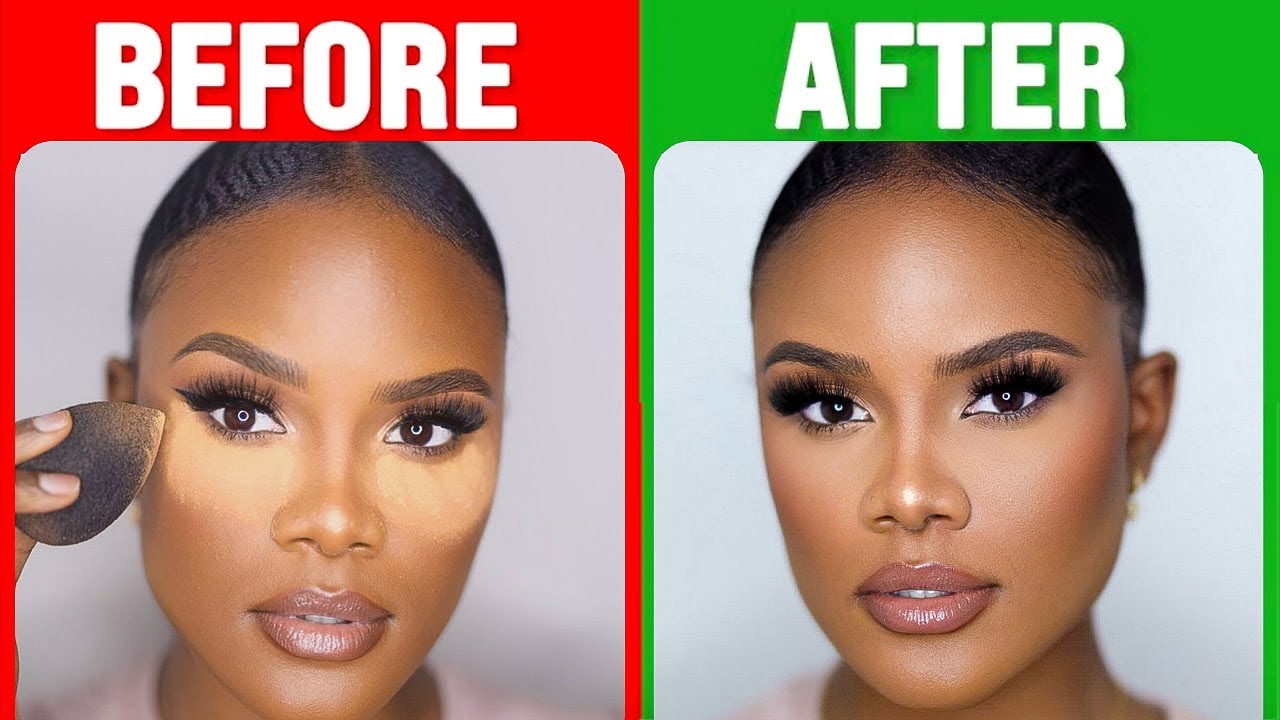
Less is always more with foundation. Build coverage gradually rather than applying thick layers that look heavy and unnatural.

Use the “stippling” method:

  1. Apply small dots across your face
  2. Blend each section before moving to the next
  3. Build coverage only where needed

Tool Selection

Brushes provide medium coverage and natural finish. Use dense, flat brushes for building coverage. Fluffy brushes blend and diffuse edges.

Sponges create seamless, airbrushed finishes. Always use damp sponges. The moisture prevents product absorption and creates smooth blending.

Fingers work well for sheer coverage and cream foundations. Your body heat warms the product for easier blending.

Blending Techniques for Seamless Coverage

Blend immediately after application. Foundation sets quickly, especially in dry environments.

Circular motions blend product evenly. Stippling motions build coverage without disturbing the layer underneath. Pressing motions set product into skin.

Working in Sections for Even Application

Divide your face into zones:

  • Forehead
  • Each cheek
  • Nose and chin
  • Under-eye area

Complete each section fully before moving to the next. This prevents uneven coverage and streaking.

Strategic Concealer Use

Concealer placement affects your entire look. Use it strategically rather than everywhere.

Spot Concealing Before or After Foundation

Before foundation: Use color-correcting concealers on dark spots, redness, or discoloration. This creates an even base for foundation application.

After foundation: Apply concealer only where you need extra coverage. This prevents over-application and maintains natural finish.

Color Correction Techniques

Orange concealer neutralizes dark circles on deeper skin tones. Peach concealer works for medium skin tones. Pink or yellow concealer brightens fair skin.

Apply color corrector first, then skin-tone concealer over top for natural finish.

Building Coverage Gradually

Start with thin concealer layers. Press product into skin with a small brush or clean finger.

Triangle method for under-eyes:

  1. Draw upside-down triangle under eye
  2. Blend upward toward temple
  3. Add more product only if needed

Blending Edges for Natural Transitions

Harsh concealer edges create obvious makeup lines. Blend edges carefully with:

  • Clean, damp sponge
  • Small fluffy brush
  • Gentle patting motions

The goal is seamless transitions between concealed and natural skin.

Pro tip: Set concealer immediately with translucent powder to prevent creasing and maintain coverage throughout the day.

Setting Your Base: Powder Techniques

YouTube player

Proper powder application locks your foundation in place and prevents makeup from sliding throughout the day.

Choosing the Right Setting Powder

Translucent vs. Tinted Powders

Translucent powders work on all skin tones without altering foundation color. Perfect for setting without adding coverage.

Tinted powders add slight coverage while setting. Choose shades that match your foundation exactly. Wrong tones create muddy, unnatural finishes.

Loose vs. Pressed Powder Benefits

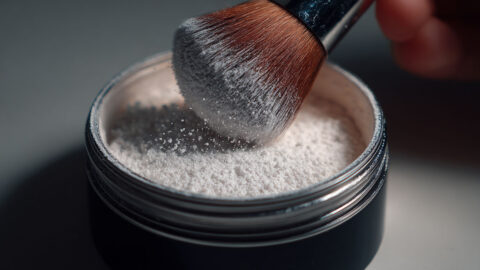
Loose powder provides superior setting power and natural finish. Use for areas that need maximum oil control and longevity.

Pressed powder offers convenience for touch-ups and travel. Provides lighter coverage than loose formulations.

Matching Powder to Foundation Type

Silicone-based foundations work best with silicone-infused powders. Water-based foundations pair with traditional talc or rice-based powders.

Mixing incompatible formulations causes separation, patchiness, and reduced wear time.

Special Considerations for Different Skin Tones

Fair skin: Avoid powders with pink or peach undertones that create ashy appearance.

Medium skin: Yellow-based powders complement warm undertones naturally.

Deep skin: Look for powders specifically formulated for darker complexions to prevent chalky residue.

Powder Application Methods

Light Dusting Technique

Load a fluffy brush with minimal product. Tap off excess powder before application. Apply in sweeping motions across the face.

Best for: Dry skin types and natural makeup looks.

Pressing Method for Long Wear

Use a damp beauty sponge to press powder into foundation. This technique sets makeup more thoroughly and extends wear time.

Process:

  1. Load sponge with powder
  2. Press firmly into skin
  3. Roll sponge gently to blend

Best for: Oily skin and long-wear requirements.

Targeted Setting for Problem Areas

Focus powder application on areas that typically get oily first:

  • T-zone (forehead, nose, chin)
  • Under-eye area to prevent concealer creasing
  • Smile lines where foundation tends to settle

Avoiding Over-Powdering

Too much powder creates cakey, unnatural appearance. Apply thin layers and build coverage gradually.

Warning signs of over-powdering:

  • Visible powder residue
  • Chalky appearance
  • Loss of skin texture
  • Foundation looking separated

Setting Spray Integration

When to Use Setting Spray

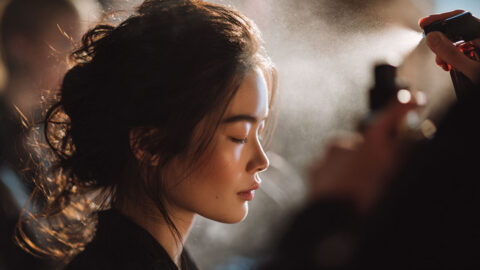
Apply setting spray as the final step in your makeup routine. It locks all layers together and adds longevity.

For extra staying power: Spray before powder application, then again after completing entire look.

Application Techniques for Even Coverage

Hold spray 8-10 inches from face. Use X and T patterns to ensure complete coverage:

  1. Spray in X motion across face
  2. Spray horizontal line across forehead
  3. Spray vertical line down center of face

Layering with Powder for Maximum Hold

Professional technique:

  1. Apply foundation
  2. Light powder dusting
  3. First setting spray application
  4. Complete eye and cheek makeup
  5. Final powder touch-ups
  6. Final setting spray

Choosing the Right Formula for Your Needs

Mattifying sprays control oil and shine. Hydrating sprays add moisture and glow. Long-wear formulas provide maximum staying power for special events.

Eye Makeup Layering Without Buildup

YouTube player

Eye makeup requires careful layering to prevent heaviness and maintain blendability throughout application.

Eyeshadow Base and Preparation

Primer Application for Longevity

Apply eyeshadow primer from lash line to brow bone. Extend slightly beyond outer corner to prevent fallout on cheeks.

Key benefits:

  • Prevents creasing and fading
  • Intensifies color payoff
  • Creates smooth application surface
  • Extends wear time to 12+ hours

Setting with Neutral Powder

Lightly dust translucent powder over primer before applying color. This prevents primer from becoming tacky and grabbing too much pigment.

Technique: Use small fluffy brush with minimal product. Focus on mobile lid area where most color will be applied.

Creating a Smooth Canvas

For textured lids: Use filling primer that smooths imperfections.

For oily lids: Choose mattifying primer formulations.

For dry lids: Opt for hydrating primer bases.

Preventing Creasing and Fading

Common problem areas:

  • Inner corners where eyes water
  • Outer corners where skin moves most
  • Lower lash line where oil accumulates

Apply extra primer to these zones for maximum protection.

Building Eyeshadow Intensity

Building Eyeshadow Intensity

Starting with Light Shades

Begin with shades closest to your skin tone. This creates depth gradually without harsh lines.

Application sequence:

  1. Neutral transition shade in crease
  2. Slightly deeper shade for definition
  3. Lightest shade on mobile lid
  4. Deepest shade for accent or liner

Adding Depth Gradually

Build color slowly with multiple thin layers rather than heavy initial application. Each layer should be barely visible until combined.

Professional tip: Use 70% of eyeshadow on brush, tap off excess, then apply. This prevents over-pigmentation.

Blending Between Each Application

Blend immediately after each color application. Eyeshadow sets quickly, especially powder formulations.

Essential brushes:

  • Fluffy blending brush for seamless transitions
  • Flat shader brush for color placement
  • Small detail brush for precise application

Using Transition Shades Effectively

Transition shades bridge the gap between your natural skin tone and colored eyeshadow. Choose shades 1-2 tones deeper than your skin.

Apply transition shade first in windshield wiper motions above the crease. This creates a guide for deeper colors.

Eyeliner and Mascara Coordination

Eyeliner and Mascara Coordination

Layering Different Eyeliner Types

Base layer: Use pencil liner close to lash line for definition.

Top layer: Apply liquid or gel liner for precision and intensity.

Setting layer: Press dark eyeshadow over pencil liner to prevent smudging.

Building Mascara Without Clumping

Apply mascara in thin coats, allowing each layer to dry completely before adding the next.

Technique for volume:

  1. First coat: Root to tip in one smooth motion
  2. Second coat: Wiggle wand at roots, then sweep through
  3. Third coat: Focus on outer lashes for width

Timing Application with Other Eye Products

Correct order:

  1. Eyeshadow primer
  2. Powder eyeshadows
  3. Eyeliner (pencil first, then liquid)
  4. Mascara
  5. False lashes (if using)

Never apply mascara before eyeshadow. Powder fallout will clump on lashes.

Touch-Up Techniques Throughout the Day

Keep a small angled brush and matching eyeshadow for quick touch-ups. Focus on areas where color typically fades:

  • Inner corners
  • Lower lash line
  • Outer V area

For long lasting lip liner durability, apply similar setting techniques to eye makeup – thin layers with proper blending between applications.

Cheek Color Application: Blush and Bronzer

Cheek Color Application Blush and Bronzer

Strategic cheek color application adds dimension and life to your complexion without overwhelming your base makeup.

Blush Layering Strategies

Choosing Complementary Shades

Match blush undertones to your skin’s natural flush. Test colors by pinching your cheeks lightly. The resulting color guides your shade selection.

Cool undertones: Pink, berry, or rose shades Warm undertones: Peach, coral, or apricot tones Neutral undertones: Dusty rose or neutral pink

Building Color Intensity Slowly

Start with barely visible color. Build gradually using the “tap and sweep” method:

  1. Tap brush to remove excess product
  2. Apply in light sweeping motions
  3. Step back to assess color intensity
  4. Add more only if needed

Professional tip: It’s easier to add color than remove it.

Blending Techniques for Natural Look

Use circular buffing motions to blend harsh edges. Focus on seamless transitions between blush and foundation.

Essential tools:

  • Large fluffy brush for diffused application
  • Angled brush for precise placement
  • Clean blending brush for edge softening

Placement for Different Face Shapes

Round faces: Apply higher on cheekbones, blending toward temples Long faces: Apply across fullest part of cheeks horizontally
Square faces: Focus on apples of cheeks with soft upward blending Heart-shaped faces: Apply lower on cheeks to balance forehead width

Bronzer and Contouring Integration

YouTube player

Applying Bronzer Without Muddiness

Choose bronzer only 1-2 shades deeper than your natural skin tone. Avoid orange-toned bronzers that look unnatural.

Apply bronzer where sun naturally hits:

  • Forehead along hairline
  • Bridge of nose lightly
  • Cheekbones
  • Chin tip

Layering Contour Shades

Base layer: Use cool-toned contour shade in hollows of cheeks, sides of nose, and jawline.

Blending layer: Soften harsh lines with a clean brush before adding bronzer.

Finishing layer: Light bronzer application for warmth and dimension.

Blending for Seamless Transitions

Never leave visible lines between contour, bronzer, and natural skin. Use large, fluffy brushes in circular motions to blur edges.

Common mistake: Over-contouring creates harsh, unnatural shadows. Keep contour subtle for everyday looks.

Highlighting to Add Dimension

Apply highlighter after bronzer and contour for maximum impact:

  • Cheekbone tops for lift
  • Nose bridge for definition
  • Cupid’s bow for lip fullness
  • Inner corners for brightness

Powder vs. Cream Product Mixing

Order of Application Rules

Cream products first, powder products second. This fundamental rule prevents patchiness and separation.

Correct sequence:

  1. Cream blush or bronzer
  2. Blend thoroughly
  3. Set with translucent powder
  4. Apply powder blush or bronzer
  5. Final blending

Blending Different Textures

Cream-to-powder transition: Use stippling motions with a damp sponge to blend cream products before applying powder layers.

Tool switching: Use separate brushes for cream and powder products to prevent texture mixing on bristles.

Preventing Separation and Patchiness

Allow cream products to set for 2-3 minutes before adding powder layers. Rushing this step causes lifting and uneven application.

Fix separation issues: Use a clean, damp sponge to gently press and blend separated areas.

Creating Long-Lasting Results

Layering technique for longevity:

  1. Cream blush for base color
  2. Light powder dusting to set
  3. Powder blush in similar shade
  4. Setting spray for final lock

This method provides 8+ hours of color retention.

Lip Color Layering for Longevity

Lip Color Layering for Longevity

Master lip layering techniques for color that lasts through meals, drinks, and daily activities.

Lip Preparation and Base

Exfoliating and Moisturizing

Remove dead skin with gentle lip scrub or soft toothbrush. Smooth lips accept color evenly and prevent flaking.

Apply lip balm 10 minutes before color application. Blot excess before proceeding with makeup.

Primer Application for Staying Power

Lip primer creates a grippy base that extends color wear time significantly. Apply thin layer from corner to corner.

Alternative: Use concealer as lip primer for budget-friendly option with similar results.

Creating Smooth Application Surface

For lined lips: Use concealer around lip edges to clean up natural lip line.

For thin lips: Slightly overline with lip liner for fuller appearance.

For uneven pigmentation: Apply full-coverage concealer over entire lip area before color.

Preventing Feathering and Bleeding

Set lip primer with translucent powder before applying color. This step is crucial for preventing lipstick migration.

Use applying lip liner around entire lip perimeter, not just edges, for maximum prevention.

Building Lip Color Intensity

Starting with Light Applications

Apply first layer of lipstick types using light pressure. Focus on even coverage rather than full opacity.

Application tools:

  • Lip brush for precision and control
  • Finger dabbing for natural, stained effect
  • Direct application for full coverage

Blotting and Reapplying Technique

Professional layering method:

  1. Apply first thin layer
  2. Blot with tissue paper
  3. Apply second layer
  4. Blot again lightly
  5. Final layer for desired intensity

This technique builds long-lasting color without thickness.

Using Lip Liner for Definition

YouTube player

Choosing lip liner that matches your lipstick exactly creates seamless color and prevents obvious liner lines.

Full lip lining: Outline and fill entire lip area with liner before lipstick application. This creates the longest-wearing base.

Layering Different Product Types

Base layerLip stain for color that won’t budge

Middle layerMatte lipstick for opacity and staying power

Top layerLip gloss for dimension and comfort

Sealing and Setting Lip Color

Sealing and Setting Lip Color

Powder Setting Techniques

Lightly dust translucent powder over lipstick through single tissue layer. This sets color without dulling finish.

Professional trick: Remove tissue and apply final lipstick layer for perfect matte finish with maximum longevity.

Gloss Layering for Dimension

Apply liquid lipstick as base, then add applying lip gloss only to center of lips for dimensional effect.

Gradual application: Start with small amount of gloss. Build coverage gradually to prevent overwhelming the base color.

Touch-Up Strategies

Carry making lipstick last longer essentials:

  • Matching lip liner
  • Travel-size lipstick
  • Small lip brush for precision
  • Lip balm for comfort

Quick touch-up method: Blot lips, reapply liner, then lipstick. Skip gloss during touch-ups to prevent buildup.

Preventing Transfer and Fading

Transfer-proofing technique:

  1. Apply base color
  2. Blot thoroughly
  3. Set with powder
  4. Apply second color layer
  5. Final light blotting

For making lipstick transfer proof results, avoid glossy top coats and stick to matte formulations.

Eating and drinking: Use straws when possible. Blot lips gently after eating rather than wiping aggressively.

Tools and Techniques for Smooth Application

Tools and Techniques for Smooth Application

Quality tools make the difference between amateur and professional-looking makeup application.

Brush Selection and Care

Choosing the Right Brush for Each Step

Foundation brushes: Dense, flat-topped brushes build coverage. Stippling brushes create airbrushed finishes.

Concealer brushes: Small, firm brushes for precision. Fluffy brushes blend edges seamlessly.

Powder brushes: Large, soft brushes dust powder evenly. Smaller brushes target specific areas.

Blush brushes: Angled brushes follow cheekbone structure. Round brushes create soft, diffused color.

Cleaning Between Applications

Switch between clean brushes when changing colors to prevent muddying. Use brush cleaning spray for quick sanitizing between shades.

Deep cleaning schedule:

  • Daily use brushes: Clean weekly
  • Occasional use brushes: Clean after each use
  • Lip brushes: Clean immediately after use

Proper Brush Techniques

Tapping: Remove excess product before application Stippling: Build coverage without disturbing base layers Buffing: Blend products seamlessly into skin Sweeping: Apply color in smooth, even strokes

When to Replace Makeup Tools

Replace brushes when:

  • Bristles shed excessively
  • Shape becomes distorted
  • Deep cleaning doesn’t restore softness
  • Ferrule (metal part) loosens

Quality brushes last 2-5 years with proper care.

Sponge and Beauty Blender Methods

YouTube player

Damp vs. Dry Application

Damp sponges create seamless, natural finishes. Expand sponge to double size with water, then squeeze out excess.

Dry sponges absorb more product and provide fuller coverage. Use for areas needing maximum opacity.

Bouncing Technique for Blending

Press sponge into skin using bouncing motions. Never drag or swipe. This technique blends without disturbing underlying layers.

Application zones:

  • Large end: Cheeks, forehead, chin
  • Pointed tip: Under eyes, nose sides, corner details

Different Sponge Shapes for Various Areas

Teardrop shape: Versatile for all face areas Flat edge: Sharp contour lines and precise concealing
Mini sponges: Detailed work around eyes and lips

Hygiene and Replacement Schedule

Replace sponges every 3-6 weeks or when they develop odor, staining, or texture changes.

Daily maintenance: Rinse with antibacterial soap after each use. Air dry completely.

Alternative Application Tools

Fingers for Certain Products

Best finger applications:

  • Cream blush and highlighter
  • Eyeshadow (especially metallics)
  • Lip color for natural, stained effect
  • Foundation around delicate eye area

Body heat warms products for easier blending.

Setting Sprays on Brushes

Dampen brushes with setting spray for:

  • Intensified eyeshadow pigmentation
  • Improved color payoff
  • Extended wear time
  • Reduced fallout

Silicone Tools for Precision

Silicone brushes don’t absorb product. Perfect for expensive foundations and concealers.

Silicone sponges create glass-like finishes but require practice for natural results.

DIY Solutions for Specific Needs

Coffee filter: Emergency blotting paper Clean toothbrush: Brow grooming and lip exfoliation Business card: Sharp contour edge guide Tape: Clean eyeshadow fallout and create sharp lines

Troubleshooting Common Layering Problems

Even experienced makeup artists encounter application issues. Quick fixes save time and frustration.

Fixing Caked Makeup Mid-Application

Removal Techniques Without Starting Over

Gentle removal methods:

  • Damp sponge pressed lightly over problem areas
  • Clean brush in circular motions to lift excess
  • Setting spray misted on clean sponge for controlled removal

Focus on removing buildup rather than all product.

Blending Away Excess Product

Use clean, slightly damp brush to blend heavy areas into surrounding makeup. Work in small circular motions.

For powder buildup: Soft, dry brush removes excess without disturbing base.

For cream buildup: Damp sponge pressing motions redistribute product evenly.

Adding Moisture to Dry Areas

Quick fixes:

  • Facial mist sprayed on fingertips, patted into dry spots
  • Mixing drop of facial oil with foundation on back of hand
  • Hydrating setting spray applied with sponge

Emergency Touch-Up Solutions

Patchy foundation: Mix foundation with moisturizer on back of hand. Apply only to problem areas.

Cakey concealer: Press damp sponge over area, then reapply thin concealer layer.

Harsh contour lines: Clean brush with circular blending motions.

Preventing Separation and Pilling

Ingredient Compatibility Checks

Water-based products don’t mix well with oil-based formulations. Check first ingredient on product labels.

Silicone incompatibility causes pilling and separation. Match foundation and primer bases.

Proper Drying Times Between Layers

Skincare: 5-10 minutes before primer Primer: 5 minutes before foundation
Foundation: 2-3 minutes before powder Each eyeshadow layer: 30 seconds minimum

Application Pressure Adjustments

Light pressure prevents disturbing previous layers. Heavy-handed application lifts and moves product underneath.

Correct pressure indicators:

  • Product blends without resistance
  • No visible streaking
  • Smooth, even coverage

Product Mixing Considerations

Never mix products with opposing bases directly on face. Test combinations on back of hand first.

Safe mixing:

  • Same-brand products typically work together
  • Similar finish types (matte with matte)
  • Products specifically designed for layering

Dealing with Different Skin Concerns

Dry Patches and Flaking

Preparation fixes:

  • Extra moisturizer on affected areas
  • Gentle exfoliation before makeup
  • Hydrating primer focus on dry zones

Application adjustments:

  • Stippling motions instead of wiping
  • Less powder on dry areas
  • Cream products over powder when possible

Oily Breakthrough During Wear

Prevention strategies:

  • Mattifying primer in oily zones
  • Oil-absorbing setting powder
  • Blotting papers for touch-ups

Mid-day fixes:

  • Blot excess oil without disturbing makeup
  • Light powder dusting only where needed
  • Avoid adding more product over oil

Sensitive Skin Reactions

Immediate response:

  • Remove irritating product immediately
  • Cool, damp cloth to calm inflammation
  • Skip makeup on affected areas until healed

Prevention methods:

  • Patch test new products 24 hours before use
  • Use fragrance-free, hypoallergenic formulations
  • Clean tools thoroughly between uses

Mature Skin Special Considerations

Texture considerations:

  • Avoid heavy powder application
  • Use hydrating primers and foundations
  • Focus on cream formulations over powder

Application techniques:

  • Press rather than rub products into skin
  • Build coverage gradually
  • Use setting spray instead of excess powder

Common issues:

  • Fine lines: Use filling primer, avoid powder in creases
  • Sagging: Strategic highlighting to lift features
  • Dullness: Luminous foundations and cream blush for radiance

Creating Different Looks with Layering

Master various makeup intensities using strategic layering techniques for any occasion.

Natural Everyday Makeup

Natural Everyday Makeup

Minimal Coverage Techniques

Base: Tinted moisturizer or BB cream mixed with regular moisturizer for sheer coverage.

Concealer: Spot concealing only where needed. Skip under-eye concealer for authentic look.

Eyes: Single neutral eyeshadow close to skin tone. Brown mascara instead of black for softness.

Subtle Enhancement Methods

Cheeks: Cream blush in natural flush tones. Apply with fingers for seamless blending.

LipsTinted lip balm or sheer lipstick for effortless color.

Brows: Clear or tinted brow gel without additional filling.

Quick Application Strategies

5-minute routine:

  1. Moisturizer with SPF
  2. Concealer on blemishes
  3. Cream blush
  4. One eyeshadow shade
  5. Mascara and lip color

Products That Work Well Together

Complementary formulations:

  • Cream products throughout for cohesive finish
  • Same-brand collections for guaranteed compatibility
  • Neutral tones that enhance natural coloring

Medium Coverage for Work or Events

Medium Coverage for Work or Events

Building Coverage Strategically

Foundation: Medium coverage formula applied in thin layers. Build only where needed.

Concealer: Under eyes and blemishes with careful blending.

Powder: Light dusting in T-zone only to maintain natural skin texture.

Adding Definition Without Overdoing

Eyes: Two-shade technique using transition color and slightly deeper crease shade.

Cheeks: Blush with subtle bronzer contouring for structure.

LipsSatin lipstick for professional polish.

Professional-Looking Finish

Key elements:

  • Even skin tone without obvious coverage
  • Defined but natural brows
  • Subtle eye definition
  • Appropriate lip color for setting

Longevity for Long Days

Setting strategy:

  • Primer on all areas receiving color
  • Light powder setting
  • Setting spray for extended wear
  • Touch-up kit with blotting papers

Full Glam Evening Looks

Full Glam Evening Looks

Intensive Layering Techniques

Base: Full coverage foundation built in multiple thin layers. Strategic highlighting and contouring.

Eyes: Multiple eyeshadow shades with proper blending between each application.

Dimension: Cream products as base, powder products for setting and intensification.

Dramatic Eye and Lip Combinations

Bold eyes with neutral lips:

  • Smoky eye with multiple shadow layers
  • Dramatic eyeliner and false lashes
  • Nude lipstick to balance intensity

Bold lips with subtle eyes:

  • Red lipstick makeup looks with minimal eye makeup
  • Focus on perfect base and groomed brows
  • Light eyeshadow and mascara only

Highlighting and Contouring Integration

Strategic placement:

  • Contour for structure and definition
  • Highlight for dimension and photography readiness
  • Blend seamlessly with base makeup

Photography-Ready Application

Camera considerations:

  • Slightly heavier application than appears natural in person
  • Matte finishes prevent unwanted shine
  • Extra setting powder and spray for longevity

Product Recommendations and Combinations

Strategic product selection creates successful layering results across all budgets.

Budget-Friendly Options

Drugstore Products That Layer Well

YouTube player

Foundation combinations:

  • Maybelline Fit Me Matte + Poreless with L’Oreal True Match primer
  • Revlon ColorStay with NYX Angel Veil primer
  • CoverGirl Clean Matte BB Cream for lightweight coverage

Eye products:

  • ELF eyeshadow palettes with NYX eyeshadow base
  • Wet n Wild Color Icon shadows for pigmentation
  • L’Oreal Voluminous mascara for building layers

Multi-Use Items for Efficiency

Versatile products:

  • Cream lipstick doubles as blush
  • Bronzer works as eyeshadow for monochromatic looks
  • Highlighter functions as eyeshadow for inner corners

Building a Basic Layering Kit

Essential starter items:

  • One good primer
  • Buildable medium-coverage foundation
  • Versatile concealer
  • Neutral eyeshadow palette
  • Basic brush set

When to Invest vs. Save

Invest in:

  • Foundation and concealer (daily use items)
  • Quality brushes (last years with care)
  • Setting spray for longevity

Save on:

  • Trendy colors that change seasonally
  • Backup/travel sizes
  • Products used infrequently

Mid-Range Product Suggestions

Quality Formulas for Better Blending

Recommended combinations:

  • Urban Decay All Nighter setting spray with any foundation
  • Too Faced Born This Way foundation with matching concealer
  • NARS blushes for easy blending and long wear

Specialized Products for Specific Steps

Targeted solutions:

Building a Comprehensive Collection

Mid-range staples:

  • Two foundation shades for seasonal changes
  • Multiple blush tones for different looks
  • Versatile eyeshadow palettes with good color range

Best Value for Money Options

Performance leaders:

  • Fenty Beauty Pro Filt’r foundation for all skin tones
  • Charlotte Tilbury Pillow Talk collection for cohesive looks
  • MAC Studio Fix Powder for reliable setting

High-End Investment Pieces

YouTube player

Professional-Grade Products

Luxury foundations:

  • Giorgio Armani Luminous Silk for natural finish
  • Tom Ford Traceless Foundation for full coverage
  • La Mer Soft Fluid Foundation for mature skin

When Luxury Makes a Difference

Worth the splurge:

  • High-end brushes for superior application
  • Luxury powder formulations for photography
  • Premium setting sprays for special events

Products Worth the Splurge

Investment priorities:

  • Signature scent in moisturizing lipstick
  • Professional brush sets
  • Color-correcting products for specific concerns

Building a Long-Term Collection

Strategic purchasing:

  • Buy one high-end item per season
  • Focus on products you use daily
  • Choose versatile shades over trendy colors

Collection essentials:

  • Perfect foundation match
  • Signature lip color
  • Reliable setting products
  • Quality application tools

Maintaining Your Layered Look

Maintaining Your Layered Look

Preserve your perfectly layered makeup throughout long days with strategic maintenance techniques.

Touch-Up Strategies

Identifying When Touch-Ups Are Needed

Visual cues requiring attention:

  • Visible oil breakthrough on T-zone
  • Faded lip color
  • Smudged eye makeup
  • Patchy foundation areas

Check makeup every 4-6 hours in natural light when possible.

Quick Fix Techniques

Oil control: Blot with tissue, apply translucent powder only where needed.

Faded lips: Blot remaining color, reapply lip liner first, then lipstick.

Smudged eyeliner: Clean cotton swab with micellar water for precise cleanup.

Foundation patches: Dab matching concealer, blend edges with clean finger.

Portable Touch-Up Kits

Essential travel items:

  • Blotting papers for oil control
  • Pressed powder compact
  • Travel-size lipstick or lip stain
  • Small brush or sponge
  • Cotton swabs for cleanup

Kit organization: Use small makeup bag with compartments to prevent product damage.

Maintaining Color Integrity

Avoid layering different shades during touch-ups. Stick to original colors or risk muddy results.

Color matching in different lighting: Test touch-up products in similar lighting to original application.

Longevity Tips

Longevity Tips

Environmental Considerations

Hot weather adjustments:

  • Use mattifying primers and setting sprays
  • Apply thinner foundation layers
  • Focus powder application on sweat-prone areas

Cold weather modifications:

  • Add hydrating primer for protection
  • Use cream lipstick to prevent chapping
  • Avoid over-powdering in dry conditions

Activity-Specific Adjustments

Long work days: Extra setting spray application, waterproof mascara, long lasting lip liner.

Exercise or physical activity: Minimal makeup with waterproof formulations.

Photography events: Slightly heavier application, matte finishes, extra powder for flash photography.

Seasonal Adaptations

Spring adjustments: Lighter coverage, fresh colors, SPF integration.

Summer modifications: Oil-controlling products, waterproof formulations, minimal layering.

Fall transitions: Richer colors, added moisture for changing weather.

Winter protection: Hydrating bases, wind-resistant formulations, extra lip care.

Skin Changes Throughout the Day

Morning to evening shifts:

  • Natural oils alter foundation finish
  • Facial expressions create wear patterns
  • Environmental factors affect color intensity

Adaptation strategies: Build flexibility into your routine rather than fighting natural changes.

Removal and Skin Care

YouTube player

Proper Makeup Removal Techniques

Double cleansing method:

  1. Oil-based cleanser removes makeup and sunscreen
  2. Water-based cleanser deep cleans pores

Product-specific removal:

  • Waterproof mascara: Oil-based remover, gentle downward motions
  • Liquid lipstick: Micellar water on cotton pad, hold 10 seconds before wiping
  • Heavy foundation: Cleansing balm, massage thoroughly

Avoiding Damage from Heavy Makeup

Gentle removal practices:

  • Never sleep in makeup
  • Use lukewarm water, not hot
  • Pat skin dry, don’t rub
  • Remove makeup before exercise

Warning signs of damage:

  • Increased breakouts
  • Skin irritation or sensitivity
  • Clogged pores
  • Premature aging signs

Post-Makeup Skin Care Routine

Evening routine after removal:

  1. Gentle toner to restore pH balance
  2. Treatment serums for specific concerns
  3. Moisturizer to repair and hydrate
  4. Eye cream for delicate area care

Weekly treatments: Deep cleansing masks, exfoliation, intensive hydrating treatments.

Giving Skin Breaks Between Applications

No-makeup days: Allow skin to breathe and recover, especially after heavy makeup sessions.

Minimal makeup alternatives:

  • Tinted lip balm only
  • SPF moisturizer with light concealer
  • Brow gel and mascara for quick enhancement

Skin recovery signs: Improved texture, fewer breakouts, better makeup application on following days.

Professional advice: Dermatologists recommend at least one makeup-free day per week for optimal skin health.

FAQ on How To Layer Makeup

What order should I apply makeup products?

Start with skincare, then primer, foundation, concealer, powder, eyeshadow, eyeliner, mascara, blush, bronzer, highlighter, and lipstick. This makeup application sequence prevents products from disturbing previous layers and ensures optimal blending.

How long should I wait between makeup layers?

Wait 2-3 minutes between foundation and powder. Allow 30 seconds between eyeshadow layers. Primer needs 5 minutes to set before foundation application. Proper drying time prevents product separation and patchiness.

Can I mix different makeup brands together?

Yes, but check ingredient compatibility. Water-based and oil-based products don’t mix well. Same-brand collections typically work together seamlessly. Test combinations on your hand before applying to face for best results.

How do I prevent my makeup from looking cakey?

Apply thin layers and build coverage gradually. Use damp beauty sponges for blending. Avoid over-powdering and ensure each layer dries completely before adding the next. Less product applied properly looks better than heavy application.

What’s the difference between setting powder and finishing powder?

Setting powder locks makeup in place and controls oil. Finishing powder adds final touches like blur or glow effects. Use setting powder first, then finishing powder for photography or special events.

Should I apply concealer before or after foundation?

Apply color-correcting concealer before foundation, then spot concealer after foundation. This technique provides targeted coverage without wasting product or creating heavy buildup in areas that don’t need extra coverage.

How can I make my layered makeup last all day?

Use primer on all areas receiving color. Set with translucent powder and finishing spray. Choose long lasting formulations for key products. Blot oil throughout the day rather than adding more powder.

What tools work best for layering makeup?

Dense brushes build coverage. Fluffy brushes blend seamlessly. Damp sponges create natural finishes. Clean tools between applications prevent color muddying. Quality brushes make application easier and results more professional.

How do I fix makeup that separates or pills?

Remove excess with clean, damp sponge. Check product compatibility – avoid mixing silicone and water-based formulas. Allow proper drying time between layers. Use light pressure when applying subsequent products over base makeup.

Can I layer cream and powder products together?

Yes, apply cream products first, then powder products. This fundamental rule prevents separation and patchiness. Blend cream products thoroughly before adding powder layers. Use setting spray between cream and powder for best adhesion.

Conclusion

Mastering how to layer makeup transforms your entire beauty regimen from frustrating guesswork into precise artistry.

These proven cosmetic application techniques deliver professional results whether you’re creating natural everyday looks or dramatic evening styles.

Your makeup success depends on:

  • Proper skin preparation with quality primers
  • Strategic product selection and tool choices
  • Patient application with adequate drying time between layers
  • Understanding which formulations work together harmoniously

The beauty routine you’ve learned here works for all skin types and experience levels. Start with basic layering fundamentals, then experiment with advanced blending techniques as your skills develop.

Remember that exceptional makeup application requires practice and patience. Begin with minimal products and gradually build your collection as you master each cosmetic method.

Your investment in learning these professional makeup techniques pays dividends in confidence, time savings, and consistently beautiful results that last all day.

Andreea Sandu
Author

Andreea Sandu is a dedicated makeup artist with over 15 years of experience, specializing in natural, elegant looks that bring out each client’s unique features. Known for her attention to detail and warm approach, Andreea works with clients on everything from weddings to special events, ensuring they feel confident and beautiful. Her passion for makeup artistry and commitment to quality have earned her a loyal client base and a reputation for reliable, personalized service.

Pin It