The wrong setting powder can undo an entire makeup routine in under two hours.
Knowing how to choose setting powder comes down to 4 variables: skin type, finish, formula ingredients, and application method. Get one wrong and you end up with cakiness, flashback, or a base that breaks down by noon.
This guide covers everything from loose vs. pressed formats to ingredient-level differences between silica, talc, and cornstarch, so you can pick a powder that actually performs for your skin.
You will also find specific guidance for oily, dry, mature, and sensitive skin, plus climate-based recommendations most buying guides skip entirely.
What Is Setting Powder?
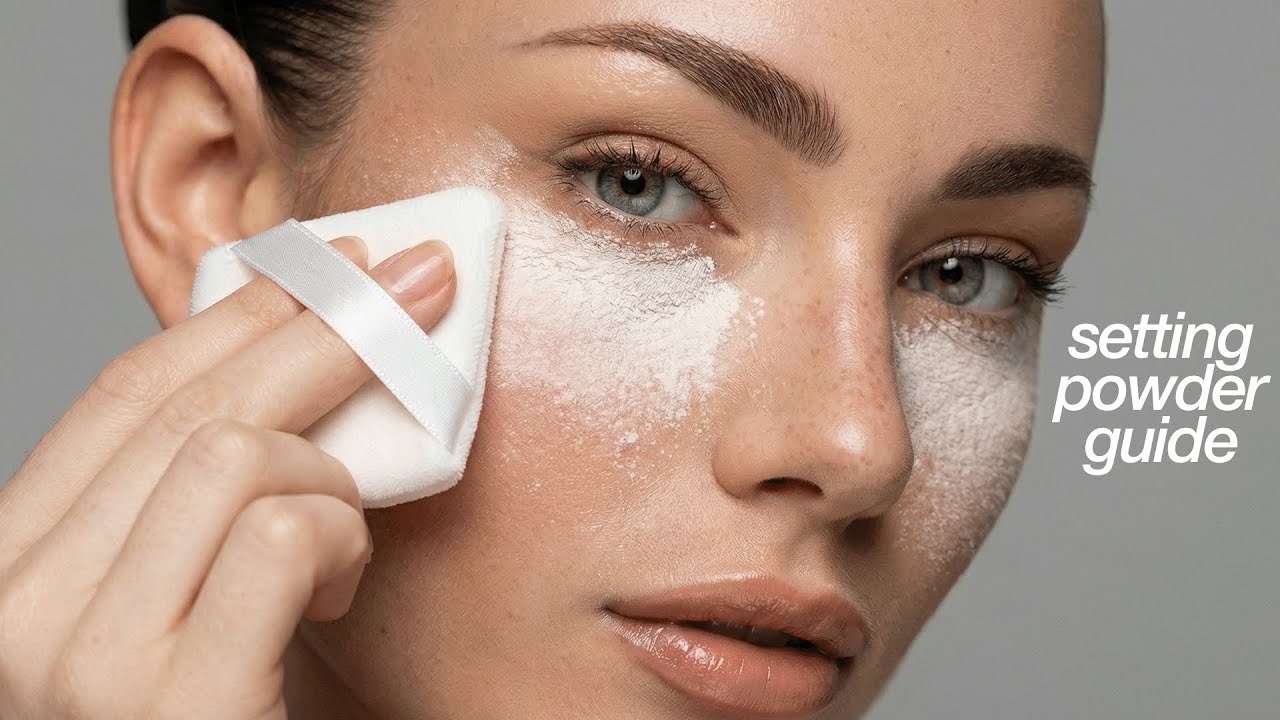
Setting powder is a finely milled, dry cosmetic product applied after foundation and concealer to lock base makeup in place, absorb excess sebum, and reduce shine throughout the day.
It is not a coverage product. Its primary job is to extend wear time and control oil production on the skin surface. Secondary benefits include diffusing light to minimize the appearance of pores and fine-line texture.
The global setting powder market was valued at $1.45 billion in 2024 and is projected to reach $2.36 billion by 2033 (Market Intelo, 2024). That growth reflects how central this step has become in structured makeup routines.
Setting powder is distinct from setting spray, which works through a liquid film-forming mechanism, and from finishing powder, which is applied last and focuses on aesthetic finish rather than hold. Knowing which product you actually need is the first decision to get right.
How Setting Powder Differs from Finishing Powder
Setting powder: applied directly after base makeup, locks foundation and concealer, controls sebum, prioritizes longevity.
Finishing powder: applied as the final step, adds a diffusing or luminous effect, higher mica content, finer particle size.
Using a finishing powder as a substitute for setting powder results in shorter wear time. The formulations are built for different functions. Fenty Beauty’s Pro Filt’r Instant Retouch Setting Powder, for example, is specifically engineered for wear extension, while many “glow” powders are finishing products mislabeled as setting powders.
What Are the Different Types of Setting Powder?
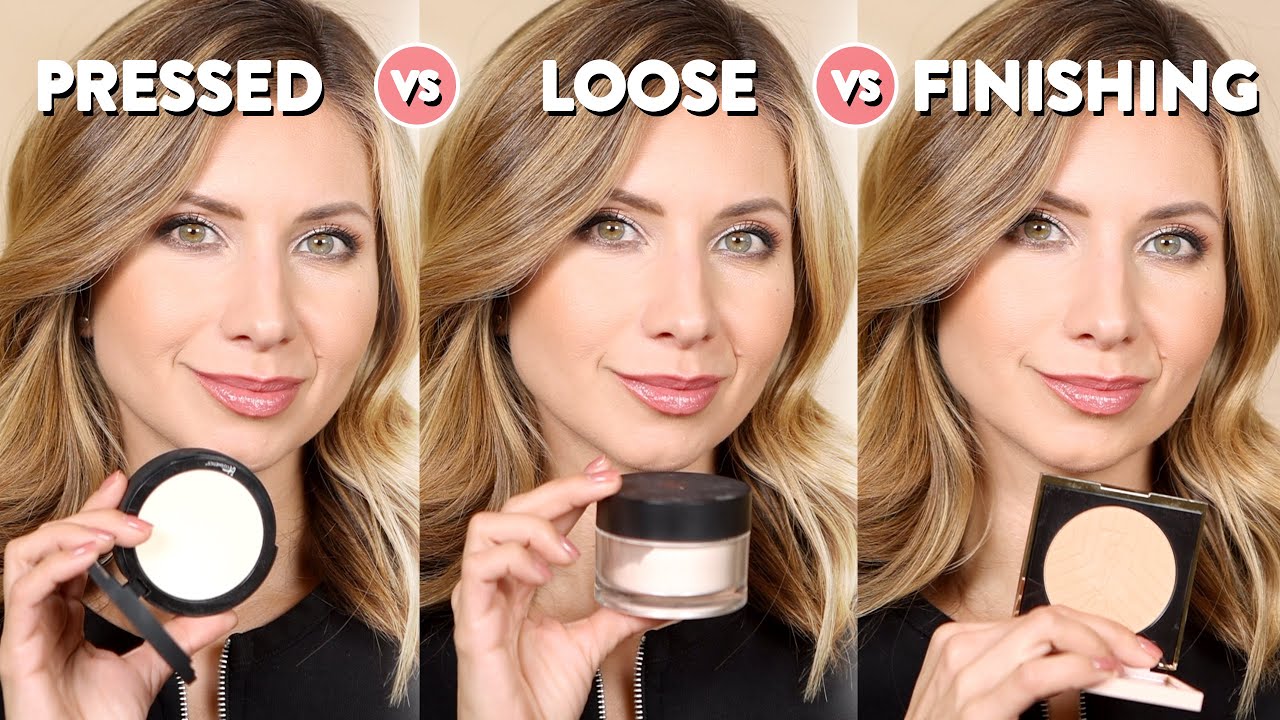
There are 2 primary format categories and 3 finish variants. Choosing the wrong format for your routine is one of the most common reasons setting powder underperforms.
Loose Powder vs. Pressed Powder
| Format | Coverage Level | Best Use Case | Portability |
|---|---|---|---|
| Loose powder | Minimal to light | Full application at home, baking technique | Low (can spill) |
| Pressed powder | Light to medium | Touch-ups, travel, daily oil control | High |
Pressed powders deliver slightly more coverage due to compaction. Loose powders are preferred for the baking method because you can apply a thick, even layer without disrupting the base underneath.
Translucent vs. Tinted Setting Powder
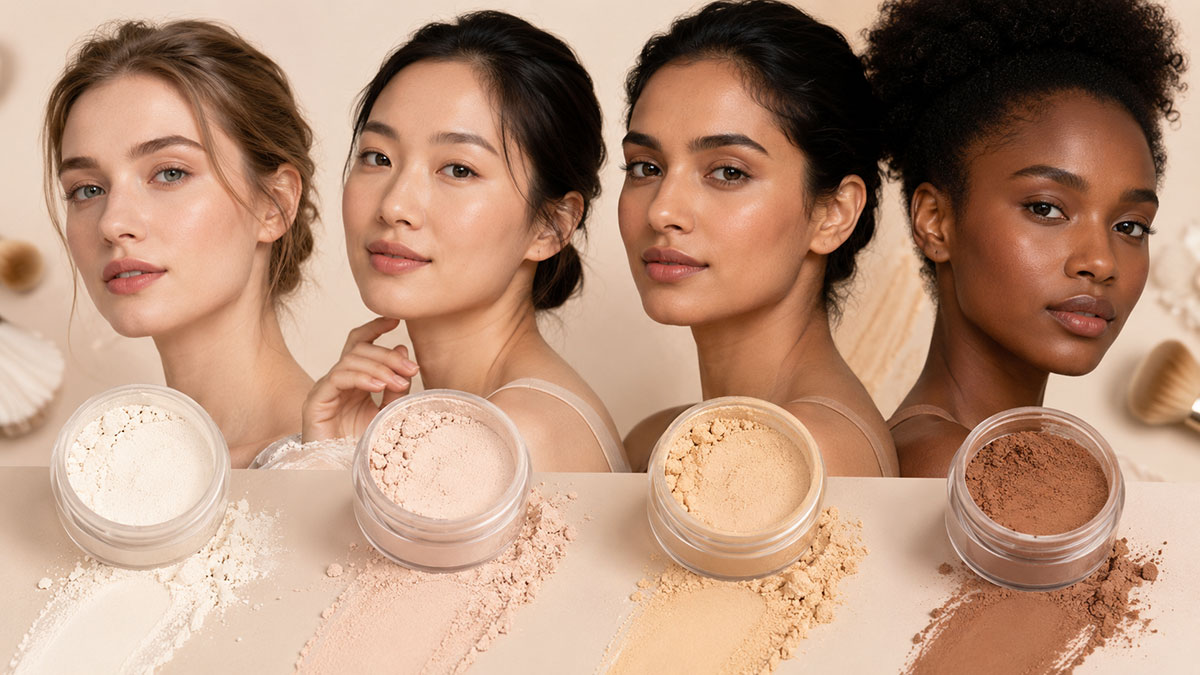
Translucent powders are colorless and work across most skin tones, but high-silica translucent formulas can cause flashback in photography, creating a white cast on deeper complexions.
Tinted powders add a subtle layer of pigment that can correct undertone or add warmth. The risk: some tinted formulas oxidize and shift 2 to 4 hours into wear, especially on warmer skin tones.
63% of consumers now rank ingredient transparency as either “extremely” or “very important” when choosing cosmetics (CleanHub, 2023). That shift pushes more buyers toward translucent options, where the formula is easier to evaluate.
Mattifying, Satin, and Luminous Finishes
Mattifying: absorbs oil aggressively, works best on oily skin, flattens light reflection.
Satin: balances shine control with a slight glow, suited to normal and combination skin.
Luminous: high mica content, reflects light, best for dry or mature skin that needs radiance rather than oil control.
How Does Skin Type Affect Setting Powder Choice?
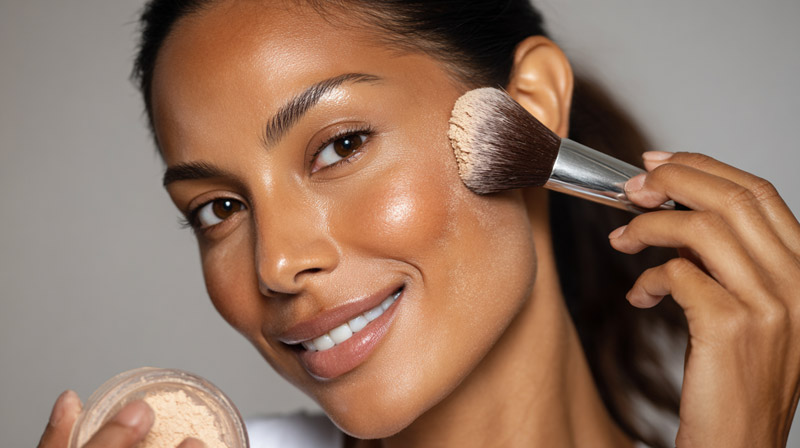
Skin type is the single most important variable in selecting a setting powder. The wrong formula for your skin produces cakiness, dryness, or complete breakdown of the base within a few hours.
Best Setting Powder Ingredients for Oily Skin
Research published in the International Journal of Cosmetic Science found that talc-free, silica-based powders show significantly better sebum absorption indices than talc-dominant formulations.
A separate 2021 study in the same journal confirmed that fumed silica improved powder compressibility and flow at concentrations as low as 5%, while talc required over 20% to match flow performance. Less ingredient needed for better results.
For oily skin, prioritize these ingredients in order of effectiveness:
- Silica (fumed or precipitated): absorbs sebum on contact, traps oil in porous particle channels
- Kaolin clay: absorbs sebum while maintaining the skin’s acid mantle (pH 4.5 to 5.5)
- Zinc oxide: provides oil control with added anti-inflammatory benefit
- Cornstarch: natural sebum absorber, though it can feed Malassezia bacteria in acne-prone skin
What to Avoid in Setting Powder for Dry or Sensitive Skin
Avoid talc-heavy formulas on dry skin. Talc particles are flat and sit on top of the skin rather than integrating with it, which emphasizes dry patches and creates a chalky, muted finish.
For sensitive or acne-prone skin, check the full ingredient list for bismuth oxychloride. It is a common sensitizer that causes itching and pore congestion in reactive skin and appears frequently in HD and mineral powder formulations.
For dry skin, look for finely milled loose powders with moderate mica content. A satin or luminous finish powder disrupts skin texture far less than a high-absorption mattifying formula.
How Does Skin Tone Influence Setting Powder Selection?
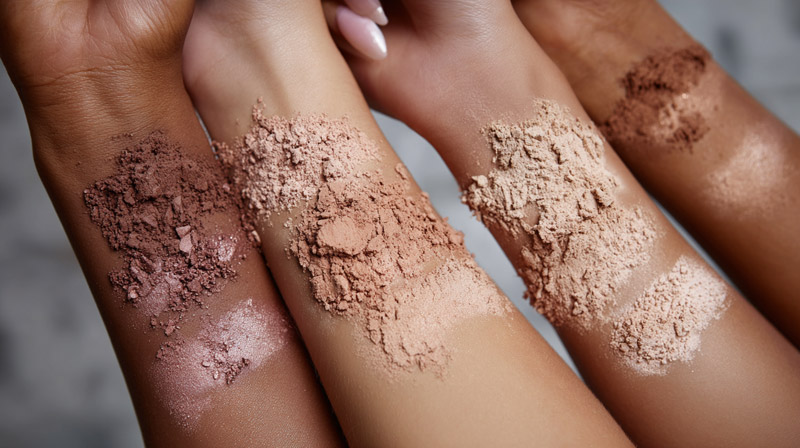
Shade matching in setting powder is not about matching your exact skin color. It is about avoiding 3 specific problems: flashback, oxidation, and ashy cast. Each affects different skin tones differently.
Avoiding Flashback and White Cast
Flashback is caused by light-reflecting particles, primarily high concentrations of silica or titanium dioxide, bouncing camera flash back toward the lens.
Translucent powders with a yellow or neutral base are less likely to cause white cast than stark white-toned formulas. Laura Mercier Translucent Loose Setting Powder, one of the most widely tested products in this category, uses a slightly warm translucent base that performs across a wider range of skin tones without the flashback problem common in HD powders.
If your makeup will be photographed, check specifically for “flashback-free” labeling or avoid applying powder heavily on the areas flash hits first: forehead, nose bridge, and cheekbones.
Banana Powder: What It Actually Does
Banana powder is a yellow-tinted setting powder. It corrects purple and cool undertones, most commonly used to neutralize the blueish discoloration under the eyes after concealer application.
It is not universally flattering. On fair or cool-toned complexions, banana powder adds unwanted warmth and can shift the entire base orange. On deeper warm skin tones, it works well as both a corrector and a setting product in one step.
Applying banana powder all over the face rather than only in targeted zones is the most common misuse. It belongs under the eyes and at the corners of the mouth, not across the full face unless the skin tone specifically calls for it.
What Coverage Level Does Setting Powder Provide?
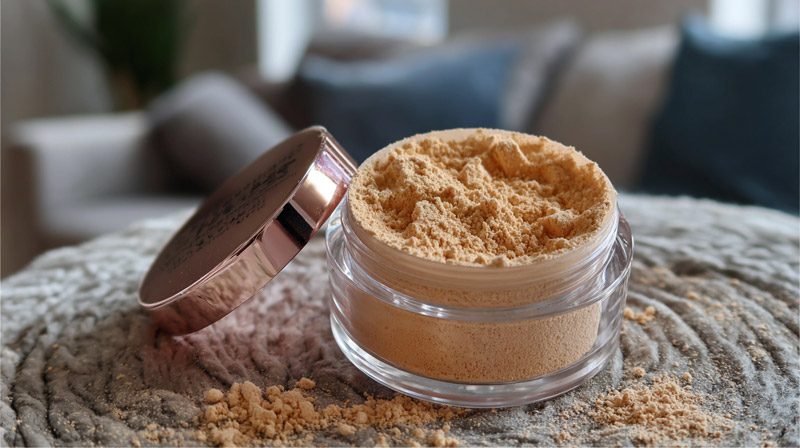
Setting powder is not a coverage product by design. But the format, formula, and application method all shift how much it changes the appearance of the skin underneath.
Pressed powders compact more pigment and filler per layer, so they deliver more coverage than loose powders applied with a brush. Tinted pressed formats can reach light to medium coverage when applied with a puff and light pressing motion.
Loose translucent powder used with a fluffy brush adds almost no visible coverage. The skin underneath remains the dominant surface. This is the right choice when the base is already full coverage and the goal is only to set and mattify.
Over-powdering is the most common application error. Layering too much product creates cakiness and makes the makeup look textured rather than smooth. One even pass is sufficient for most skin types.
| Application Method | Coverage Added | Best For |
|---|---|---|
| Fluffy brush, loose powder | Minimal | Full-coverage bases, natural finish |
| Flat brush, pressed powder | Light | Touch-ups, spot setting |
| Puff, baking method | Light to medium | Under-eye concealer, high-coverage looks |
How Do Setting Powder Ingredients Affect Performance?
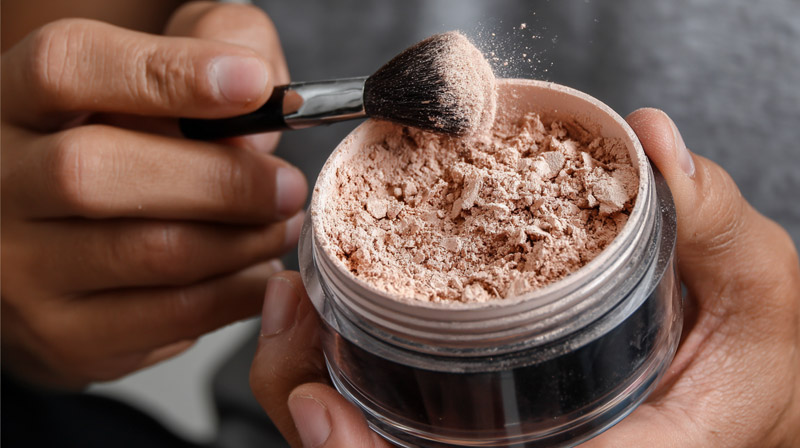
Every setting powder formula is built from a combination of fillers, oil absorbers, and light-affecting particles. Reading the ingredient list tells you more about how a powder will perform than the product name or marketing copy.
The global face makeup powder market was valued at $3.5 billion in 2023, with formulation innovation driven primarily by demand for talc-free and long-wear alternatives (DataIntelo, 2025).
Ingredients That Control Oil
Silica: porous particles wick sebum into microscopic channels and trap it there. Best-in-class for shine control that lasts.
Talc: flat, platy particles that sit on skin. Smooth application but lower oil absorption capacity than silica. Also flagged by EWG studies for potential asbestos contamination in some mineral sources.
Kaolin clay: gentler sebum absorber, maintains skin’s natural pH balance better than talc, lower irritation risk for sensitive skin.
Cornstarch: absorbs oil but can feed Malassezia fungi in acne-prone skin. Avoid in formulas where it appears in the first 5 ingredients if breakouts are a concern.
Ingredients That Add Luminosity
Mica is the primary luminosity driver. Higher mica concentration equals a stronger glow effect.
60% of consumers say they are willing to pay more for high-performance beauty formulations (WiseGuy Reports, 2024), which explains why premium luminous powders lean heavily on mica and synthetic alternatives like synthetic fluorphlogopite for a cleaner, more consistent shimmer.
Titanium dioxide and bismuth oxychloride also reflect light, but both can cause flashback and, in the case of bismuth oxychloride, skin sensitivity in reactive complexions.
Ingredients to Avoid for Sensitive or Acne-Prone Skin
These 3 ingredients appear frequently in popular formulas and cause the most problems for reactive skin:
- Bismuth oxychloride: causes itching, congestion, and cystic breakouts in many users
- Talc: irritating at high concentrations, dry, and associated with contamination risk
- Cornstarch: can worsen fungal acne (Malassezia folliculitis) even in non-comedogenic formulas
How Is Setting Powder Applied Correctly?
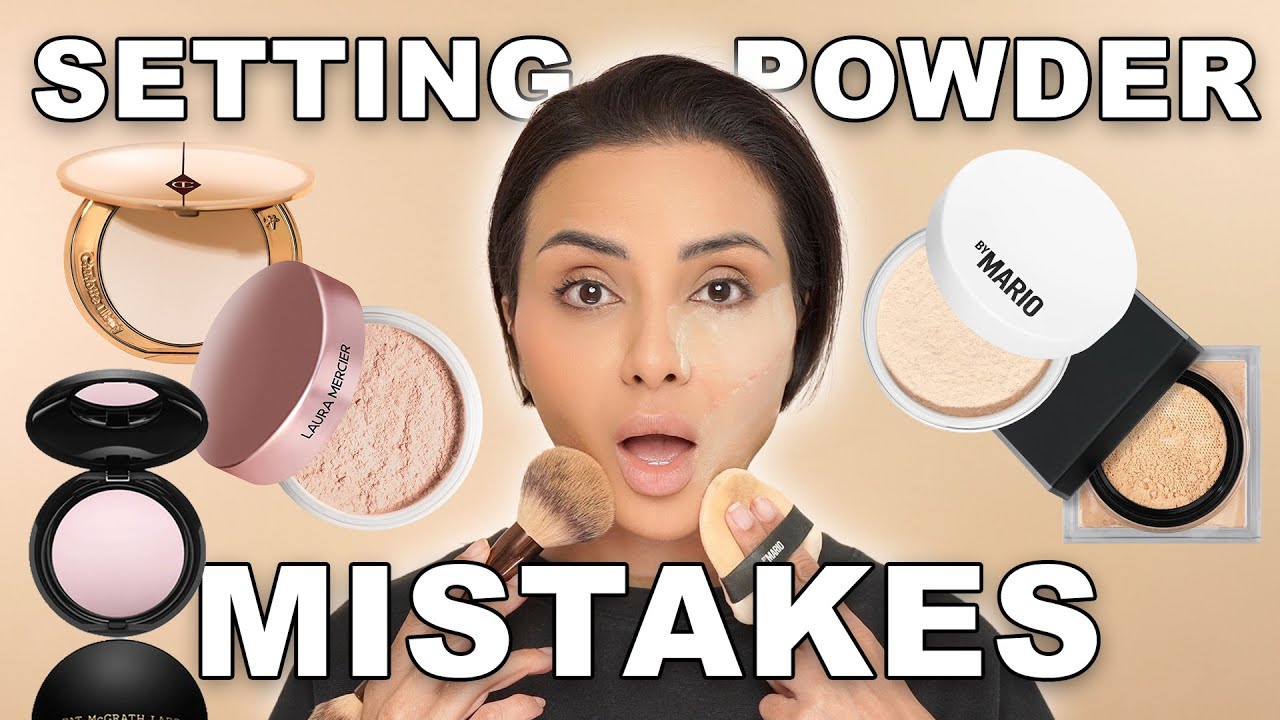
Application technique changes the finish, coverage, and wear time of any setting powder. The same product can perform very differently depending on how it is used.
80.77% of consumers say they are satisfied with long-lasting makeup products, and the gap between a well-applied and poorly applied setting powder is responsible for a large part of that variation (Clootrack, 2024).
Baking Technique: When and How to Use It
Baking involves applying a generous amount of loose powder over freshly applied concealer, leaving it in place for 5 to 10 minutes, then dusting off the excess.
During that waiting period, body heat activates the powder and presses it into the concealer beneath, which significantly reduces under-eye creasing and extends concealer wear compared to a standard light dusting.
Baking works best for:
- High-coverage concealer under the eyes
- Skin that creases heavily at the smile lines
- Long events where makeup needs to last 8 or more hours
It is the wrong technique for dry or mature skin. The extra product settles into fine lines and makes them more visible, not less.
Choosing the Right Brush or Tool
The tool controls how much product reaches the skin and how it is distributed.
| Tool | Result | Best For |
|---|---|---|
| Fluffy powder brush | Light, diffused finish | All-over application, natural looks |
| Small flat brush | Precise, concentrated coverage | Baking under eyes, targeted setting |
| Powder puff (velour) | Dense, pressed-in set | Maximum hold, full baking technique |
Applying setting powder correctly also means timing it right: always after foundation and concealer are fully blended, and before any setting spray if you use one. Applying spray first reduces how effectively the powder adheres.
What Is the Difference Between Setting Powder and Finishing Powder?
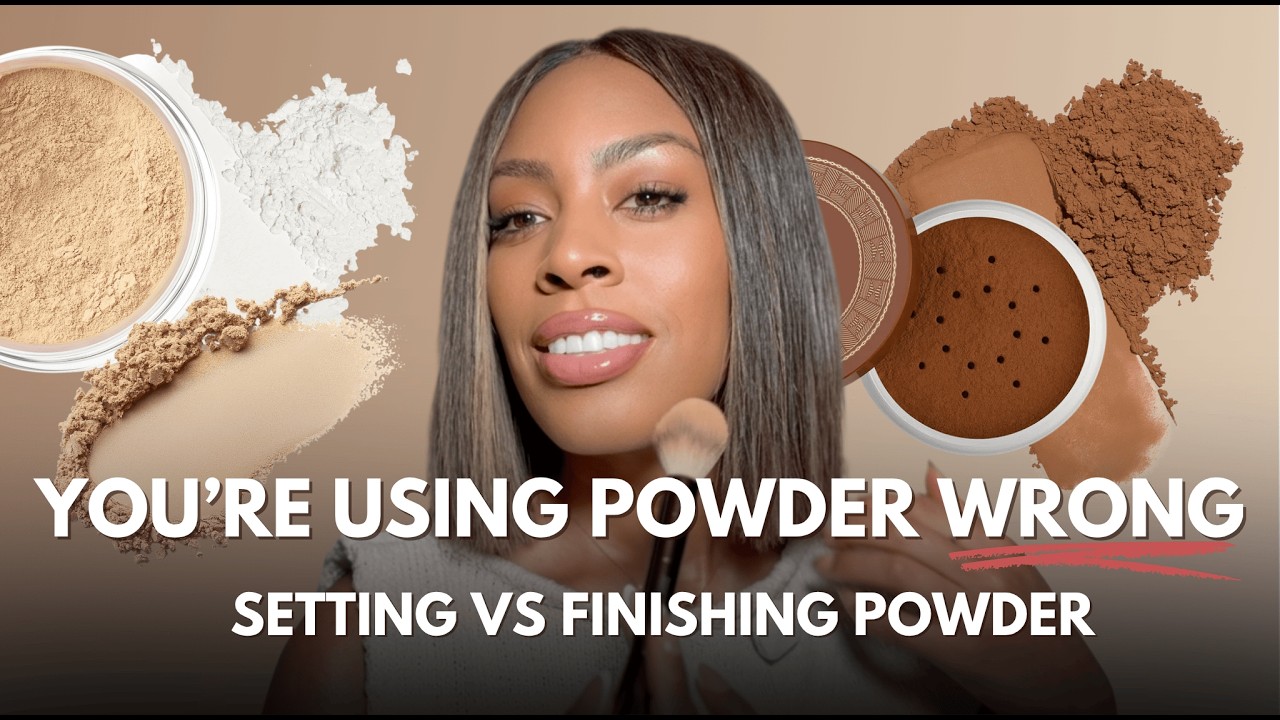
These two products are not interchangeable. Using a finishing powder in place of a setting powder produces measurably shorter wear time because the formulations are built for different jobs.
| Product | Primary Purpose | Key Ingredients | Applied When |
|---|---|---|---|
| Setting powder | Lock base, control oil, extend wear | Silica, talc, kaolin | After foundation and concealer |
| Finishing powder | Blur, diffuse, add glow | High mica content, blurring spheres | Final step, over completed look |
The distinction matters practically. Laura Mercier’s Translucent Loose Setting Powder is specifically engineered for longevity, while products labeled “blurring” or “soft focus” powders are finishing powders that prioritize aesthetics over hold.
Some products marketed as “setting and finishing” attempt both functions. They tend to do neither as well as a dedicated formula.
When Finishing Powder Causes Problems
Applied too early in the routine, finishing powder reduces how well the base sets. The high mica content creates a slightly slick surface that disrupts the grip between skin and makeup layers.
The rule is straightforward: if longevity is the goal, use setting powder first. Finishing powder goes on last, over a fully set base, or not at all.
Products That Blur the Line
Charlotte Tilbury’s Airbrush Flawless Finish is one example of a powder positioned as both. It provides soft-focus blurring while containing enough oil-absorbing ingredients to contribute to wear time. Results are better than using a pure finishing powder alone, but still fall short of a dedicated oil-absorbing formula for long wear.
Check for silica in the first 5 ingredients if you need a dual-function powder to actually set makeup. Without it, the “setting” claim is mostly marketing.
How Does Setting Powder Affect Makeup Longevity?
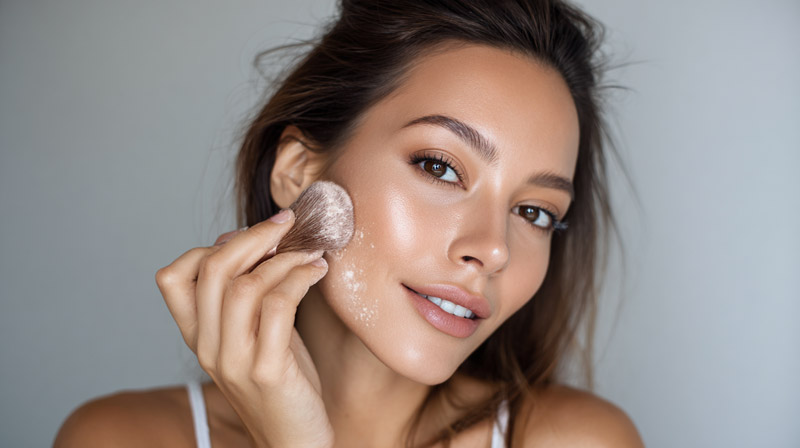
Setting powder is the single most impactful product for extending base makeup wear time. The mechanism is oil absorption: by trapping sebum before it can break down the foundation film underneath, the powder keeps the base intact longer.
According to research published in the International Journal of Cosmetic Science, talc-free silica-based powders show significantly better sebum absorption indices than talc-dominant formulations, which directly translates to longer wear time in oily skin conditions.
How Powder Reapplication Works
Touch-ups during the day rebuild oil absorption capacity without adding problematic product buildup, but only if done correctly.
Pressed powder for touch-ups: compact format deposits a controlled, thin layer. Ideal for midday reapplication.
Loose powder for touch-ups: adds too much product when applied over existing makeup, causing caking and emphasizing texture. Keep loose formats for initial application only.
Blotting paper before reapplication removes existing sebum without adding product. Using blotting paper first, then a light pressed powder pass, gives the cleanest result.
Setting Spray Used With Powder
Order of application determines the outcome.
- Setting spray applied after powder: melts layers together, extends wear further
- Setting spray applied before powder: creates a slightly damp surface that reduces powder adhesion
- Setting spray applied instead of powder on dry skin: preserves dewy finish without the risk of powder emphasizing dry patches
Customers who use setting spray report 4 to 6 additional hours of wear in challenging conditions, according to review aggregates compiled by NYX Cosmetics (2025). Powder plus spray outperforms either product used alone.
How Do You Choose Setting Powder for Mature Skin?

Mature skin has lower sebum production, reduced elasticity, and more visible fine-line texture. The wrong powder makes all three problems worse. A mattifying, talc-heavy formula on mature skin does not control oil because there is very little oil to control. What it does is sit in creases and make them look deeper.
Nearly half of women aged 40 and older say cakey finishes are their top concern when using face powders, according to Allure Beauty Insights (2024). That concern is directly linked to choosing the wrong formula or applying too much product.
What Formulas Work for Mature Skin
Finely milled loose powders with moderate mica content are the most reliable choice. They diffuse light without packing product into fine lines.
Ingredients that help:
- Low-mica satin-finish base: adds radiance without emphasizing texture
- Hydrolyzed collagen or peptides: found in formulas like IT Cosmetics Bye Bye Pores, which uses these to plump and smooth the look of fine lines
- Plant squalane or vitamin E: prevents the powder from stripping residual moisture from dry skin
Avoid: talc-heavy pressed formats, high-silica mattifying powders, and any formula that requires heavy application to set well.
Application Adjustments for Mature Skin
Less product, larger brush. That is the correct approach for mature skin every time.
A large fluffy brush with a single, light pass deposits far less product than a puff. Puffs press powder into the skin and pack it into expression lines around the eyes and mouth.
Skip baking entirely on mature skin. Baking emphasizes fine lines rather than minimizing them, regardless of how good the powder formula is.
What Are the Most Reliable Setting Powder Formats for Different Climates?
Climate changes how skin behaves and how products perform. The setting powder that works well in a dry, cool environment may completely fail in tropical humidity. Matching the powder format to environmental conditions is just as important as matching it to skin type.
Research published in PMC (2024) confirms that consumers in hot, humid climates consistently prefer oil-controlling and mattifying cosmetics, while those in cold, dry climates favor lightweight, hydrating formulas. The behavior difference is measurable, not just anecdotal.
Hot and Humid Climates
Humidity introduces moisture into the air that interacts with skin oils and softens makeup product films. Standard powder formulas break down faster under these conditions.
Best format: talc-free, high-silica loose powder for initial application. Silica absorbs both sebum and sweat-mixed oil more effectively than talc under humidity (Bouba World, 2025).
For touch-ups in humid conditions: pressed powder compact plus blotting paper, in that order (blot first, then powder).
Cold and Dry Climates
Dry air strips moisture from the skin surface. A mattifying powder accelerates that drying effect and results in tight, uncomfortable skin with visible flaking under the makeup.
Lightweight satin-finish pressed powders are the right format here. Apply only to the T-zone if shine is a concern and leave the rest of the face unpowdered.
Zinc oxide-containing formulas offer an added barrier benefit in cold conditions: the ingredient provides mild protection against environmental stressors and reduces redness from wind exposure (Journal of the American Academy of Dermatology).
High-Altitude and Urban Pollution Environments
Skin dehydrates faster at altitude due to lower humidity and increased UV exposure. Heavy powder use at altitude removes what little moisture the skin retains.
Rule: use minimal powder or skip it entirely on high-altitude travel days. A luminous or satin-finish pressed powder applied only where needed is enough.
In high-pollution urban environments, powders with zinc oxide sit on the skin surface and provide a mild protective barrier. They are not a substitute for SPF, but they reduce the amount of particulate matter that adheres directly to the skin and foundation layer.
Want guidance on applying translucent setting powder specifically? This step-by-step guide on how to apply translucent powder covers placement, tools, and finish types in detail.
After setting powder, prep your base makeup from the start with a solid foundation application technique to make sure the powder has a properly set layer to work with.
FAQ on How To Choose Setting Powder
What is the difference between loose powder and pressed powder?
Loose powder is finely milled, best for full application and the baking technique. Pressed powder is more compact, better for travel and touch-ups. Loose delivers a lighter finish; pressed adds slightly more coverage due to compaction.
Which setting powder works best for oily skin?
A silica-based, talc-free formula. Silica absorbs sebum on contact and traps it inside porous particles. Look for kaolin clay or zinc oxide as secondary ingredients for all-day oil control without over-drying the skin.
Can setting powder cause flashback in photos?
Yes. High-silica and HD powders with titanium dioxide reflect camera flash and create a white cast. Choose formulas labeled flashback-free, or use a yellow-toned translucent powder applied lightly on areas flash hits first.
Is translucent setting powder suitable for dark skin tones?
Most translucent powders work across skin tones, but stark white-toned formulas cause an ashy cast on deeper complexions. Check for a neutral or warm-toned translucent base and avoid any powder with high bismuth oxychloride or titanium dioxide content.
What setting powder should I use for dry skin?
A finely milled satin or luminous finish powder with low talc content. Avoid high-absorption mattifying formulas. Ingredients like plant squalane, vitamin E, or moderate mica content prevent the powder from stripping residual moisture from dry skin.
How do I avoid cakey setting powder?
Apply less product than you think you need. Use a fluffy brush rather than a puff for lighter deposit. One even pass is enough for most skin types. Baking and layering add coverage but increase the risk of cakiness significantly.
What is banana powder and who should use it?
Banana powder is a yellow-tinted setting powder that corrects purple and cool undertones, primarily under the eyes. It suits warm and deep skin tones. On fair or cool-toned complexions, it adds unwanted warmth and can shift the base orange.
Does setting powder expire?
Yes. Most setting powders have a shelf life of 12 to 24 months after opening, indicated by the period-after-opening symbol on the packaging. Expired powder can harbor bacteria, cause breakouts, and lose oil-absorption performance. Pressed formats last slightly longer than loose due to lower air exposure.
What setting powder is best for mature skin?
A finely milled translucent loose powder with a satin finish and low talc content. Avoid heavy mattifying formulas and puff application. Baking technique emphasizes fine lines on mature skin. One light pass with a large fluffy brush is the right approach.
Should I use setting powder before or after setting spray?
Powder first, spray second. Applying setting spray over powder melts the layers together and extends wear. Applying spray before powder creates a damp surface that reduces powder adhesion and shortens how long the base actually holds.
Conclusion
This conclusion is for an article presenting how to choose setting powder based on what your skin actually needs, not what the packaging claims.
Skin type drives every decision. Silica-based formulas outperform talc for oily and acne-prone skin, while satin-finish loose powders with low talc content suit dry and mature complexions far better.
Finish, ingredient list, and climate all shift which format performs. Translucent powder wear time varies significantly depending on application method and whether you follow with a setting spray.
Check for bismuth oxychloride if your skin is reactive. Skip the baking technique on mature skin. Match powder format to environment, not just skin type.
The right powder does one job well. Pick for that job first.

She started writing on the site after fielding the same questions from clients and friends often enough to just write the answers down: which red won't turn orange on a warm undertone, how to keep lipstick from feathering into fine lines, why a "12-hour" formula rarely survives dinner.
Every review on the site follows the same rule she uses with paying clients: wear it first, then decide if it's worth recommending.
- How to Make Eyeliner Last Longer Without Smudging - August 31, 2026
- How to Make Eyeshadow Last Longer All Day - August 29, 2026
- How to Find Your Undertone in 5 Easy Steps - August 27, 2026