You finish blending your foundation and watch tiny grey balls roll off your face. That is makeup pilling, and it ruins a full routine in seconds.
It happens to everyone, from beginners to working makeup artists. The cause is almost always product incompatibility or rushed layering, not bad skin or cheap products.
This guide covers exactly how to stop makeup from pilling for good, including what triggers it, which skincare and makeup combinations to avoid, and how to fix it when it starts mid-application.
What Is Makeup Pilling

Makeup pilling is when product rolls or clumps into small balls on the skin surface instead of sitting flat. You’ll notice it most as grey, rubbery little bits lifting off your face mid-blend.
It is not the same as creasing, oxidizing, or fading. Those are finish problems. Pilling is a structural failure between layers, where two or more products refuse to bond and create friction instead.
A 2024 study published in Skin Research and Technology (involving 528 volunteers) confirmed that pilling happens when products cannot form a continuous, stable film on the skin surface. The result: visible micro-aggregates that ball up with any blending motion.
Consumers consistently report it as one of the most frustrating makeup problems, especially in the morning when time is short and starting over isn’t realistic.
| Problem | What It Looks Like | Cause |
|---|---|---|
| Pilling | Small balls or clumps rolling off skin | Layer incompatibility or poor absorption |
| Creasing | Lines in foundation or concealer | Too much product or expression lines |
| Oxidizing | Foundation turns darker over time | Skin chemistry reacting with pigment |
| Fading | Colour disappears gradually | Oil, sweat, or lack of setting products |
Worth knowing before moving on: applying makeup in the correct order matters more than most people think, and pilling is often the first sign that order has gone wrong.
Why Makeup Pills on Skin

Pilling has specific causes. It is not random bad luck, and it is usually not your skin failing you. Most of the time, the products are the problem.
The 2024 Skin Research and Technology study found that 80% of observed pilling events occurred when sunscreen was applied on top of a base product, making SPF the single biggest trigger in their test group.
Beyond sunscreen, there are four main causes worth understanding.
Skincare and Makeup Ingredient Conflicts
Silicone vs. water-based incompatibility is the most common trigger. Silicone-based products form a hydrophobic film. Water-based products applied on top of that film have nowhere to go and begin to shear apart under blending friction.
Other pilling-prone ingredients include:
- Iron oxide, talc, mica, and fluorphlogopite (powder pigments that don’t dissolve)
- Zinc oxide and titanium dioxide in physical sunscreens (powder suspensions)
- High-concentration hyaluronic acid (above 2% can film up before it absorbs)
- Niacinamide above 5%, which can crystallize when it contacts certain iron oxides in mineral makeup
These ingredients are not bad on their own. The issue is how they interact when layered without enough time or in the wrong order.
Skin Texture and Surface Issues
Dry skin affects around 50% of the global population, according to the International Journal of Cosmetic Science. Dry, flaky patches underneath foundation act like a peeling wall. Product grabs unevenly and starts to clump.
Dead skin cell buildup is a related issue. Skin cells shed more slowly in adults over 30, and that buildup creates an uneven surface that makes pilling far more likely, especially with heavier formulas.
Overly moisturized skin is the opposite problem. If your moisturizer hasn’t fully absorbed, foundation sits on a tacky, wet surface and rolls off as soon as a brush or sponge touches it.
Skincare Steps That Cause Pilling
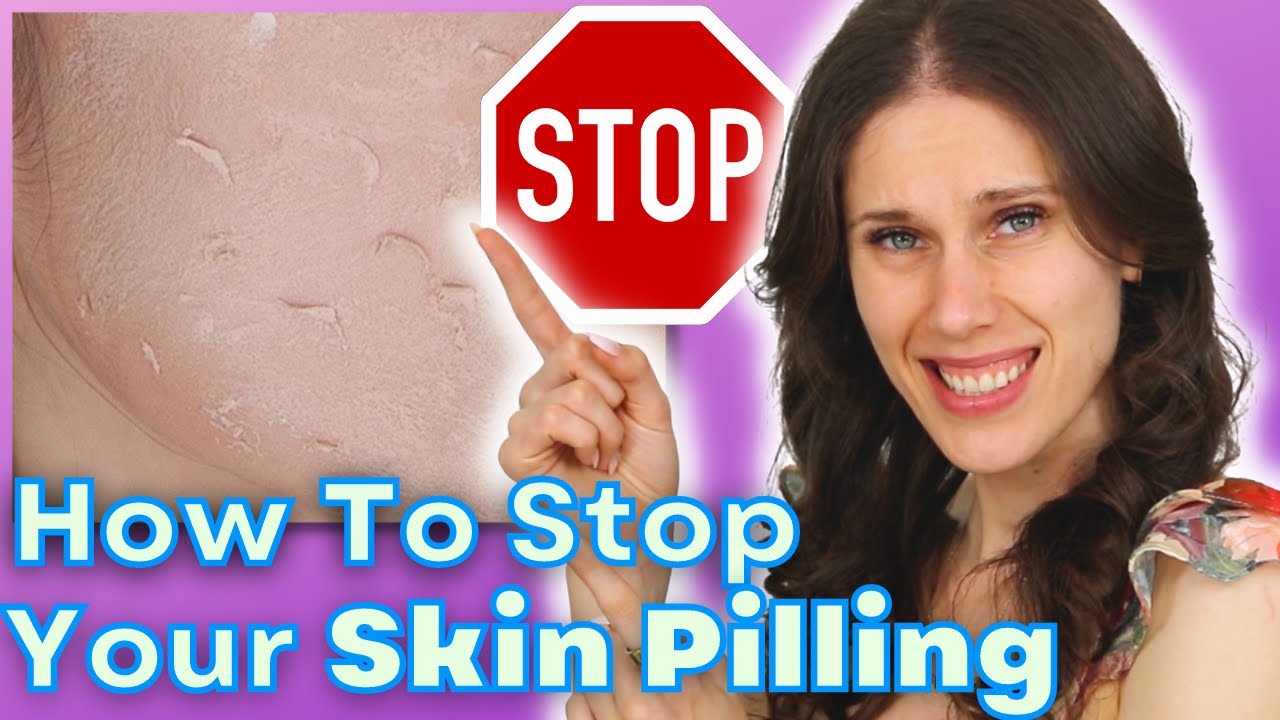
The most common source of pilling is not the makeup itself. It is what happens in the skincare steps before makeup goes on.
Clarkston Consulting’s 2024 skincare trends report found that consumers are moving away from multi-step routines precisely because layering too many products increases the chance of incompatibility and irritation.
High-Risk Skincare Products
Physical sunscreen: The most common pilling trigger. Zinc oxide and titanium dioxide sit on the skin surface and are chemically incompatible with many water-based products layered on top.
Chemical sunscreen: Lower pilling risk than physical SPF, but some formulas leave a tacky film that doesn’t play well with silicone-based primers.
Heavy silicone moisturizers: Applying a dimethicone-rich moisturizer and then a water-based foundation on top is asking for pilling. There is no molecular bond between the two layers.
Multiple serums applied quickly: Stacking a vitamin C serum, hyaluronic acid serum, and moisturizer without wait time leaves too many unabsorbed layers that friction will tear apart.
Timing Is the Actual Problem
Most people do not wait long enough between skincare steps. Skin that feels dry to the touch is not necessarily ready for the next product. Water still needs to fully evaporate from the surface film before you add anything else.
A good rule: wait at least 60 seconds after each serum, and at least 3-5 minutes after moisturizer before prepping skin before makeup. SPF needs the most time, typically 5-10 minutes, before anything goes on top.
Clarins’ own focus group data (referenced in the 2024 pilling study) confirmed that pilling was especially frustrating to consumers in morning routines, when time pressure leads people to rush through exactly these steps.
Makeup Products and Application Techniques That Cause Pilling

Once the skincare base is set, the makeup itself can still cause pilling if the wrong formulas or tools are used.
| Mistake | Why It Pills | Fix |
|---|---|---|
| Silicone primer under water-based foundation | No interfacial bond, layers separate | Match bases: silicone with silicone |
| Too much primer | Excess product sits on surface | Use pea-sized amount, focus on T-zone |
| Rubbing with a dense brush | High shear force tears apart unset layers | Pat or stipple, do not drag |
| Concealer over unset foundation | Foundation film not cohesive yet | Wait 30–60 seconds before layering |
| Setting powder too soon | Powder grabs wet product and forms clumps | Wait until foundation is no longer tacky |
Makeup artist Mai Quynh (via HuffPost) puts it clearly: stippling foundation into the skin with a brush or sponge decreases pilling risk far more than dragging product across the face.
The tool matters, too. Dense synthetic brushes and unwashed beauty blenders generate significantly more shear force than fingertips or a clean damp sponge. That friction is often what tears partially set layers apart.
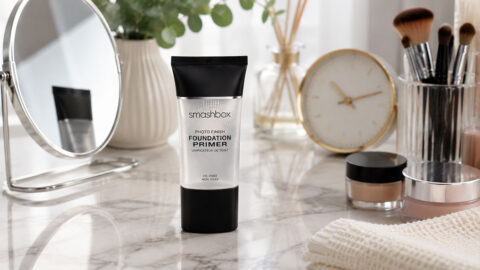
If you are using a silicone-heavy primer like Benefit’s POREfessional or Smashbox Photo Finish, pair it with a silicone-based foundation. Mixing that with a water-based skin tint is a near-guaranteed pilling situation, regardless of technique.
How to Prep Skin to Prevent Pilling

Good skin prep removes most of the conditions that allow pilling to happen. This is not about adding more products. It is about creating a surface that lets layers bond properly.
Skincare dominates the beauty industry with a 42% market share (Clarkston Consulting 2024), and dermatologists consistently recommend streamlined, well-absorbed routines over heavier layered ones for exactly this reason.
Exfoliation
Regular exfoliation removes the dead skin buildup that causes uneven texture under makeup. Once a week is enough for most skin types, and it makes a bigger difference to makeup application than almost any other prep step.
Over-exfoliating actually makes pilling worse. A compromised skin barrier loses water unevenly, creating micro-channels where product migrates during blending instead of sitting flat.
Moisturizer Choice and Application
Not every moisturizer works under makeup. Thick, occlusive formulas and balm-style products create a surface that silicone-based makeup cannot grip. Fast-absorbing gel moisturizers (like Neutrogena Hydro Boost or Belif Aqua Bomb) are far better choices if pilling is your issue.
Apply moisturizer in thin layers. Let each layer absorb. If your skin still feels cool to the touch after 5 minutes, the water phase has not fully evaporated yet.
The Blot Step Most People Skip
A lot of pilling comes down to excess product sitting on the surface after skincare. Blotting gently with a tissue before you start makeup removes the thin layer of residue that creates a slippery base.
This is especially relevant with physical SPF. Even after 10 minutes, mineral sunscreen can leave a slightly tacky layer. A single light blot removes just enough surface residue to let foundation grip properly.
How to Layer Makeup Without It Pilling
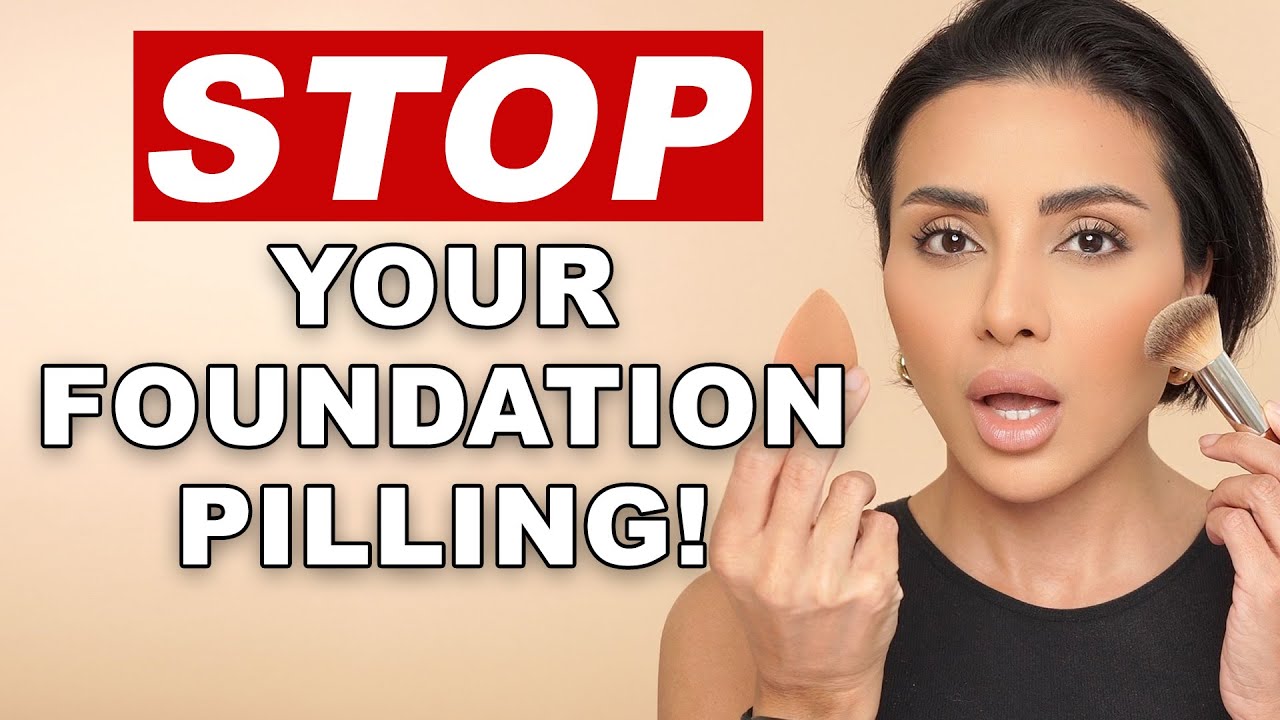
Layering is where most people go wrong. The problem is not using multiple products. The problem is not matching formulas and not giving each layer time to set.
As of 2023, Clarkston Consulting noted that dermatologists recommend fewer products and cleaner layering specifically to reduce reactions and instability, including pilling.
The Right Way to Apply Primer
Rule one: match your primer base to your foundation base. Silicone primer under a silicone foundation works. Silicone primer under a water-based foundation almost always pills.
Apply a thin, even layer. Using too much primer is one of the top causes of makeup clumping, because excess silicone creates a surface that is too smooth for anything to grip.
If you are not sure whether your primer is silicone-based, look at the ingredient list for anything ending in “-cone,” “-conol,” or “-siloxane.” Those are your signals.
Foundation and Concealer Layering Order
Apply foundation first in thin layers. Let it partially set (30-60 seconds). Then apply concealer.
Applying concealer directly onto skin before foundation adds an extra film layer with no adhesion base, and patching it later over a set foundation creates friction drag. The layering order matters.
A damp sponge works better than a brush for layering multiple products, because it pats product down instead of dragging it. Worth learning how to apply makeup with a sponge properly if you are not already doing this.
Setting spray between layers is something most people skip. A light mist after foundation and before concealer helps bind the layers together and reduces the shear force that causes pilling during blending.
Products That Help Stop Pilling

Product choice matters, but not always in the way people assume. The issue is rarely that a product is “bad.” It is that the product creates conditions where pilling is almost unavoidable.
Skincare dominates the global beauty industry with a 42% market share (Clarkston Consulting 2024), and the category is moving toward fast-absorbing, minimalist formulas specifically because heavy layering routines cause more problems than they solve.
Skincare Products That Work Under Makeup
Fast-absorbing gel moisturizers are the most reliable choice for pilling-prone routines. Options like Neutrogena Hydro Boost and Belif Aqua Bomb are water-based, absorb within 2-3 minutes, and leave no film that interferes with foundation bonding.
Look for moisturizers with these ingredients on the label:
- Glycerin and hyaluronic acid (lightweight humectants)
- Ceramides (barrier support without occlusive weight)
- Squalane (absorbs fast, doesn’t repel water-based makeup)
Avoid moisturizers with polyacrylamide, petrolatum, or heavy wax esters as primary ingredients when you plan to wear makeup on top.
SPF Options That Pill Less
Sunscreen is the single biggest pilling trigger, so the formula here matters more than anywhere else in the routine.
Chemical sunscreen absorbs into the skin rather than sitting on top, making it far less likely to disrupt the makeup layers above it. Physical (mineral) SPF with zinc oxide or titanium dioxide sits on the surface and is the type most likely to cause product buildup.
SPF primers are worth knowing about. Brands like The Inkey List (Polyglutamic Acid Dewy Sunscreen SPF 30) and Supergoop have developed formulas specifically designed to sit under makeup without pilling, as reported by The Zoe Report in 2024.
Makeup Products and Application Tools
Skin-tint style foundations and BB creams layer more easily than full-coverage silicone-heavy formulas. They contain fewer film-forming polymers and work well for people whose pilling is triggered by product buildup rather than skin texture issues.
| Product Type | Pilling Risk | Best For |
|---|---|---|
| Gel moisturizer (water-based) | Low | All skin types prone to pilling |
| Chemical SPF | Low to medium | Reducing pilling compared to mineral SPF |
| Silicone-heavy primer | High (if mismatched) | Only with silicone-based foundation |
| Skin tint or BB cream | Low | Layering-prone routines |
For layering makeup without pilling, a clean damp sponge beats brushes in most situations. The pressing motion pushes product into the skin rather than dragging across partially set layers.
Avoid dirty or over-saturated sponges. A sponge that is already loaded with product will not absorb excess during application, removing the main benefit it offers for reducing pilling.
How to Fix Pilling Mid-Wear
Pilling mid-application or mid-day is fixable without starting over, most of the time. The key is not making it worse by trying to blend.
Rubbing pilled product is the worst thing to do. It spreads the clumped material across a wider area and deepens the problem rather than removing it.
Fixing Pilling During Application
Stop blending immediately when you see pilling start. Continuing to work the product creates more shear force, which tears up more of the underlying layers.
What actually works:
- Use a clean, damp sponge to gently lift the pilled material off the surface
- One light press, no dragging
- Let the area rest for 30-60 seconds before reapplying
- Reapply in a thinner layer using patting motions only
A light mist of setting spray after removing the pills helps bind what remains before you add a new layer. Charlotte Tilbury’s Airbrush Flawless Finish Setting Spray and Patrick Starrr’s One/Size On ‘Til Dawn are both cited by makeup artists for this kind of mid-routine rescue.
Fixing Pilling Mid-Day
Mid-day pilling (product that breaks down hours after application) has a different cause than morning pilling. It is usually a sign that the base layers were not fully set before you left the house.
The mid-day fix: blot first, don’t add product. Use a clean tissue or oil-blotting paper to remove excess oils and any loose product buildup.
Then mist setting spray to rebind everything, holding the bottle 8-10 inches from the face. Let it dry before touching.
Spot-reapply concealer or foundation only where truly needed, using fingertips in thin layers. Avoid reaching for a brush at this stage.
When to Just Wash It Off
Start over when pilling is widespread across the whole face, not isolated to one area. Trying to fix large-scale pilling with touch-ups rarely works and often ends up looking cakey.
Widespread pilling usually means a skincare absorption issue, not a technique problem. Before restarting, blot, wait 5 minutes, then check that everything is properly absorbed before you begin again.
Common Mistakes That Make Pilling Worse

Most pilling situations are preventable. And honestly, most of them come down to the same handful of habits that people repeat without realizing what is causing the problem.
Curology’s skincare guidance notes that rushing a routine, where products are layered without absorption time, is the most common cause of pilling for consumers. The fix is almost always simpler than people expect.
Routine Mistakes
Rushing is the top offender. Applying SPF, primer, and foundation within 2-3 minutes of each other leaves multiple unabsorbed layers stacked on the skin surface, and any blending motion will tear them apart.
Other common routine mistakes:
- Skipping exfoliation for weeks, letting dead skin accumulate underneath product
- Using the same dense brush for skincare and makeup without cleaning it
- Applying setting powder before foundation has fully set
- Touching the face repeatedly during application and disturbing partially set layers
Simplifying the routine solves a lot of pilling problems without changing a single product. Fewer layers means fewer chances for incompatibility.
Product Mistakes
Ignoring formula compatibility when buying new products is a tricky one. Most people test new purchases for coverage and finish, not for how they interact with everything else already in their routine.
A practical test: apply your current moisturizer on one cheek, let it absorb, then apply the new product on top. Wait 2 minutes. If you feel grittiness when you gently roll a fingertip across the skin, pilling is coming.
Using the wrong makeup primer is another common source of problems. Many people choose primers for their finish or marketing claims without checking base compatibility with their foundation. A silicone primer and water-based foundation will pill regardless of technique, regardless of wait time, regardless of tool choice.
Skin-Care Mistakes
Over-exfoliating is one most people don’t connect to pilling. It seems counterintuitive since exfoliation generally helps. But compromising the skin barrier through too-frequent chemical or physical exfoliation causes uneven water loss across the skin surface.
That uneven surface creates micro-channels where product migrates during blending instead of staying flat, which shows up as pilling, especially on cheeks and around the nose.
Once a week is enough for most people. If you use a strong AHA or BHA like Paula’s Choice 2% BHA Liquid Exfoliant, give your barrier a rest of at least 2 days before a heavy makeup application day.
Last one, and it is an easy fix: applying makeup on dry skin that has not been prepped properly is the skin-side version of pilling. Applying makeup on dry skin without proper hydration underneath creates a patchy, flaky surface that no foundation will sit flat on, no matter how good the formula.
FAQ on How To Stop Makeup From Pilling
Why does my foundation keep pilling?
Foundation pills when it can’t bond with the layer underneath. The most common causes are silicone-water incompatibility, unabsorbed moisturizer, or too much product applied too quickly. Match your primer and foundation bases, and give each skincare layer time to absorb first.
Does primer cause makeup to pill?
Yes, primer is a frequent cause. A silicone-based primer under a water-based foundation creates an interfacial conflict that almost always results in pilling. Use less primer, match bases, or skip primer entirely if your moisturizer already creates a smooth surface.
Can moisturizer cause pilling under makeup?
Thick, occlusive moisturizers are a top trigger. If your moisturizer hasn’t fully absorbed, foundation sits on a tacky, unstable film. Switch to a fast-absorbing gel moisturizer and wait at least 3-5 minutes before applying anything on top.
Does sunscreen cause makeup pilling?
Physical sunscreen with zinc oxide or titanium dioxide is the single biggest pilling culprit, according to a 2024 study in Skin Research and Technology. Chemical sunscreen absorbs into the skin and pills far less. Wait at least 5 minutes before applying makeup over any SPF.
How long should I wait between skincare and makeup?
Wait 2-3 minutes after serums, 3-5 minutes after moisturizer, and 5-10 minutes after SPF. Skin that feels dry may still have unabsorbed product sitting on the surface. When in doubt, wait longer rather than rushing into your base.
What ingredients in skincare cause pilling?
The main offenders are silicones (dimethicone, cyclopentasiloxane), zinc oxide, titanium dioxide, polyacrylamide, and high-concentration hyaluronic acid. These either sit on the skin surface or create film incompatibility when layered with certain makeup formulas.
Does skin type affect pilling?
Yes. Dry, flaky skin creates an uneven surface that causes product to clump rather than sit flat. Oily skin produces excess sebum that disrupts product adhesion later in the day. Regular exfoliation and the right moisturizer for your skin type reduce both risks.
What application technique reduces pilling?
Pat and press, never drag. A damp beauty sponge pushes product into the skin rather than dragging across partially set layers. Stippling foundation with a brush also works. Rubbing generates shear force that tears apart unset layers and causes immediate pilling.
Can I fix pilling without starting over?
Sometimes. Remove pilled product gently with a clean damp sponge using one light press. Let the area rest, then mist with setting spray to rebind what remains. Reapply in a thin layer using patting motions. Widespread pilling usually means starting over is faster.
How do I stop makeup from pilling on dry skin?
Exfoliate once a week to remove dead skin buildup, then use a lightweight, fast-absorbing moisturizer. Avoid thick balm-style creams before makeup. Fixing patchy makeup and stopping pilling on dry skin both start with the same step: proper hydration and a smooth, fully absorbed base.
Conclusion
This conclusion is for an article presenting how to stop makeup from pilling, and the fix is simpler than most people expect.
Most foundation pilling comes down to three things: product layering order, formula compatibility, and not giving skincare enough absorption time before applying base makeup.
Match your primer and foundation bases. Choose a fast-absorbing moisturizer. Swap physical sunscreen for a chemical SPF if pilling keeps happening.
Exfoliate once a week to clear dead skin buildup. Pat product into the skin instead of rubbing. Use a clean damp sponge for blending.
Small changes to your skin prep routine and application technique are usually all it takes to get a smooth, long-lasting base every time.

She started writing on the site after fielding the same questions from clients and friends often enough to just write the answers down: which red won't turn orange on a warm undertone, how to keep lipstick from feathering into fine lines, why a "12-hour" formula rarely survives dinner.
Every review on the site follows the same rule she uses with paying clients: wear it first, then decide if it's worth recommending.
- How to Make Eyeliner Last Longer Without Smudging - August 31, 2026
- How to Make Eyeshadow Last Longer All Day - August 29, 2026
- How to Find Your Undertone in 5 Easy Steps - August 27, 2026