The right concealer can make your skin look flawless. The wrong one makes dark circles, blemishes, and hyperpigmentation look worse than bare skin ever did.
Knowing how to choose a concealer comes down to 4 things: your skin concern, your skin undertone, your skin type, and the formula that fits all three.
This guide covers everything from shade matching and coverage levels to ingredients, application tools, and the most common mistakes people make. By the end, you will know exactly what to look for, whether you are shopping drugstore or high-end.
What Is a Concealer?
A concealer is a pigment-dense cosmetic product used to mask targeted skin discoloration, dark circles, blemishes, and hyperpigmentation. It works differently from foundation because it deposits a concentrated layer of pigment over a specific area rather than spreading an even film across the whole face.
The global concealer market was valued at USD 8.64 billion in 2024 and is projected to reach USD 11.57 billion by 2030, registering a CAGR of 4.98% (Deep Market Insights). That growth is largely driven by demand for multi-function formulas that combine coverage with skincare actives.
How Concealer Differs from Foundation
Coverage is the key difference. Foundation spreads pigment across the entire face at a lower concentration. Concealer deposits higher pigment load onto a small, targeted zone.
Concealer also has 5 main forms with distinct use cases:
- Liquid: most versatile, blends easily, works on most skin types
- Cream: richer texture, best for dry skin and full coverage needs
- Stick: precise and portable, suited for spot coverage
- Powder: sets coverage in place, works well over other formulas
- Color-correcting: neutralizes specific discoloration before skin-tone coverage goes on top
Knowing which form fits your skin and concern narrows the decision before you even look at shades.
How Concealer Works on Skin
Light diffusion and pigment layering are the 2 mechanisms behind concealer coverage. Pigment particles block the discolored area from view, while light-scattering agents in the formula soften the appearance of edges and texture.
Coverage is determined by pigment load, not product thickness. A thin layer of a high-pigment formula outperforms a thick application of a low-pigment one every time.
Liquid concealers dominate market share because of their blendability and compatibility across skin types, according to Wise Guy Reports market data (2024). Understanding how to use concealer correctly starts with matching the formula mechanism to your specific skin concern.
What Skin Concerns Does a Concealer Address?

Concealer addresses 5 primary skin concerns: dark circles, blemishes, hyperpigmentation, redness and rosacea, and under-eye hollows. Each concern requires a different formula approach. Using a blemish concealer under the eyes, for example, will look flat and emphasize fine lines rather than brighten.
How to Choose a Concealer for Dark Circles
Dark circles have 3 possible underlying causes: pigmentation, vascularity (visible blood vessels showing through thin skin), and volume loss creating shadowing. Each responds to a different product strategy.
- Pigmentation-based circles: peach or orange color corrector first, then neutral coverage on top
- Vascular circles: pink-toned corrector neutralizes blue-purple tones
- Shadow-based circles from volume loss: light-reflecting, luminous formula adds brightness without heavy pigment
A hydrating liquid formula with light-diffusing particles works across all 3 types. Avoid heavy matte formulas under the eyes; they settle into fine lines within 2 hours and emphasize the exact problem you are covering.
How to Choose a Concealer for Acne and Blemishes
Non-comedogenic, oil-free formula with buildable coverage. This is the baseline for acne-prone skin.
Salicylic acid (0.5% to 2%) in a blemish concealer serves 2 purposes at once: it covers the mark and actively works to reduce it. Neutrogena SkinClearing Blemish Concealer uses this approach with its Microclear technology. Worth noting that the FDA does not regulate the term “non-comedogenic,” so checking the ingredient list for known pore-clogging ingredients like coconut oil and cocoa butter matters more than the label claim.
Shade matching is also more critical on blemishes than anywhere else on the face. A shade even slightly lighter than your skin tone will highlight the raised texture of an active blemish rather than camouflage it.
How to Choose a Concealer for Hyperpigmentation
Post-inflammatory hyperpigmentation and sun spots need high-opacity liquid formulas with strong pigment concentration. Light or medium coverage will not fully neutralize deep discoloration.
Niacinamide in the formula is a practical bonus. It addresses active pigmentation at the skin level while the cosmetic coverage handles the immediate visual concern. Covering hyperpigmentation with makeup works most effectively when a color corrector is layered underneath, matched to the discoloration’s specific undertone.
| Concern | Color Corrector Needed | Coverage Level |
|---|---|---|
| Purple dark circles | Peach or salmon | Medium to full |
| Red blemishes / rosacea | Green | Medium |
| Brown hyperpigmentation | Orange or peach | Full |
| Blue-toned circles (deep skin) | Orange | Full |
How Does Skin Undertone Affect Concealer Selection?
Undertone is the permanent hue beneath the surface of your skin. Unlike skin tone, it does not change with sun exposure or season. A concealer matched to the wrong undertone creates a gray cast on deep skin or an orange or pink cast on fair skin, which makes coverage look worse than wearing nothing at all.
According to Mintel, 53% of Black consumers report difficulty finding beauty products that match their skin tone. Undertone mismatch is one of the main reasons for that difficulty.
How to Identify Your Undertone
3 reliable self-assessment methods:
- Vein test: blue or purple veins signal cool undertone; green veins signal warm; a mix of both indicates neutral
- White fabric test: hold a white shirt near your face in natural daylight. Pink or rosy skin reads cool; yellow or golden skin reads warm; neither reads neutral
- Jewelry test: gold flatters warm undertones; silver flatters cool; both work on neutral
The Fitzpatrick skin type scale is a useful reference for pairing undertone with depth. It classifies skin into 6 types based on melanin content and UV response, which helps narrow both the undertone category and the right depth range within it.
Undertone and Shade Depth Together
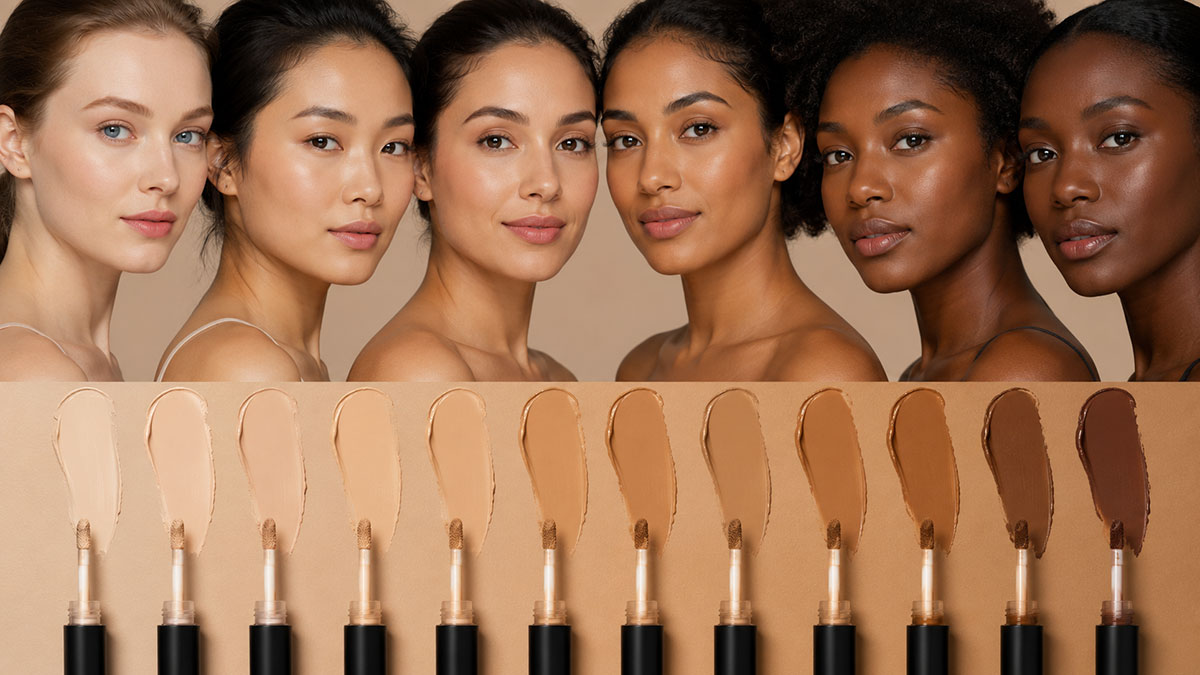
Undertone category alone is not enough. Warm undertone exists across every depth from fair to rich, and the right concealer shade changes significantly between a fair-warm and a deep-warm skin.
Many brands mark shades with N (neutral), W (warm), or C (cool) to signal undertone. L’Oreal Paris Radiant Serum Concealer, for example, labels all 24 shades this way. Pairing undertone code with depth number narrows shade selection to 2 or 3 realistic options before testing begins.
Understanding how to find your undertone is the single most useful step before any concealer purchase. Get this wrong and no amount of blending fixes the result.
How Does Skin Type Determine the Right Concealer Formula?
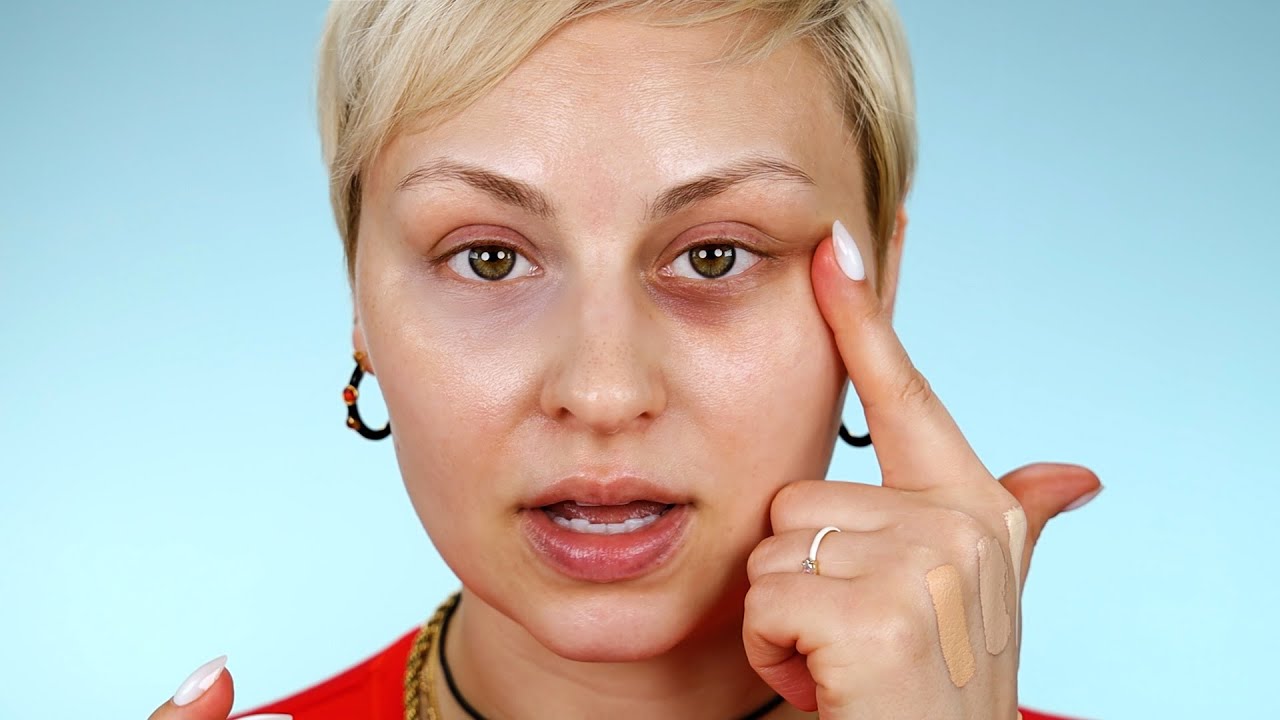
Skin type governs formula performance. The wrong formula texture on the wrong skin type causes creasing, oxidation, or caking within hours, regardless of how well the shade matches. Formula and skin type compatibility matter as much as color selection.
Best Concealer Formulas for Oily Skin
Matte, oil-free liquid formulas perform best on oily skin. They resist the sebum breakdown that causes concealer to slip, crease, and oxidize to a darker tone during the day.
Key formula features to look for:
- Oil-free base (check the ingredient list, not just the label claim)
- Matte or semi-matte finish
- Silica or kaolin in the formula to absorb excess sebum
Skipping primer on oily skin before concealer application can cut wear time significantly. A mattifying primer underneath locks the formula and reduces the chance of oxidation. Learning how to apply makeup for oily skin as a full routine, rather than treating concealer as a standalone step, produces much longer-lasting results.
Best Concealer Formulas for Dry and Mature Skin
Dry skin needs hydration in the formula, not just coverage. Cream and hydrating liquid formulas with glycerin or hyaluronic acid stay flexible on the skin surface rather than cracking into dry patches.
Avoid high-coverage stick formulas on dry or mature skin. They drag across dry texture, deposit unevenly, and then sit in fine lines by midday. For mature skin specifically, avoid setting with heavy powder; it accelerates creasing into lines around the eyes and mouth.
A practical approach: apply a hydrating eye cream, wait 60 seconds for it to absorb, then press (not drag) a damp sponge with liquid concealer underneath the eye. This order and technique prevents the formula from catching on dry texture and building up in creases.
What Coverage Level Does Each Concealer Type Provide?

Coverage level is determined by pigment load in the formula, not by how much product you apply. 4 coverage levels exist across the concealer category: light, medium, full, and buildable. Marketing language often inflates coverage claims, so understanding what each level actually does helps cut through the noise.
| Coverage Level | What It Does | Best For |
|---|---|---|
| Light | Brightens and evens tone without masking | Minimal discoloration, everyday natural looks |
| Medium | Hides mild dark circles and small blemishes | Most use cases, versatile for daily wear |
| Full | Masks severe hyperpigmentation, scarring, tattoos | Significant discoloration, event or editorial work |
| Buildable | Starts light, layers without caking | When coverage needs vary by day or area |
How Buildable Coverage Works
Buildable coverage is the most practical option for most people because it adjusts to what you actually need on a given day rather than committing to one level.
The key is thin layers. Apply a first thin layer, let it set for 30 seconds, then add a second layer only where needed. Applying a full coverage amount in one thick pass causes the formula to move, streak, and settle into pores and lines.
Full-coverage formulas are worth using for specific concerns like post-inflammatory hyperpigmentation or visible scarring. For general everyday use, a buildable medium-coverage liquid formula handles most situations without looking heavy on the skin.
When Full Coverage Backfires
Full coverage on fine lines, textured skin, or thin under-eye skin draws attention to exactly what you are trying to hide. The heavy pigment load sits on top of surface texture rather than blending into it.
A practical fix: use a color corrector to neutralize discoloration first, then apply a lighter coverage formula on top. This two-step approach achieves the same visual result as full coverage but with less product weight and far less risk of the formula looking mask-like or settling into lines.
How Do Concealer Finishes Affect the Final Look?

Concealer finish changes how light interacts with the covered area. The wrong finish for a skin type or use case is one of the most common reasons concealer looks unnatural, emphasizes texture, or photographs poorly. 3 finish categories exist: matte, satin or natural, and luminous or dewy.
Matte Finish
Matte finish absorbs light and controls shine. It is the right choice for blemish coverage and oily zones because it reduces the reflective quality that makes pores and texture visible.
Under the eyes, matte finish creates a flat, shadowless area that can look older than bare skin. It also pairs poorly with heavy powder; matte formula plus heavy translucent powder on dry skin accelerates creasing within 3 to 4 hours.
Satin or Natural Finish
Satin finish is the most forgiving across different skin types and lighting conditions. It reflects some light without looking shiny, which makes coverage appear more skin-like and less applied.
This finish works in both natural daylight and artificial lighting without the flash reflectance issues that luminous formulas sometimes create in photography. Most everyday-use liquid concealers from brands like NARS (Radiant Creamy Concealer) and Maybelline (Instant Age Rewind) land in the satin category.
Luminous or Dewy Finish
Light-reflecting particles in luminous formulas add brightness under the eyes, which is genuinely useful for vascular or shadow-based dark circles. On oily zones, the same particles read as shine rather than glow.
Flash photography is where luminous formulas create problems. The light-reflecting pigments bounce flash back directly into the camera, producing a white-cast halo around the covered area. If you are wearing concealer for an event with flash photography, a satin formula is the safer option.
How Do You Shade-Match a Concealer Correctly?

Shade matching depends on where you are applying the concealer and what you are trying to achieve. The rule that concealer should always be lighter than foundation only applies to under-eye use. For blemish coverage, an exact skin-tone match is the correct approach.
The global foundation shade finder market was valued at $1.2 billion in 2023, driven by consumer demand for accurate shade-matching tools (Dataintelo). That market exists because shade mismatches are one of the most common and frustrating cosmetic problems people face.
Shade Matching by Use Case
Under-eye area: 1 to 2 shades lighter than foundation. This brightens the area. Going more than 2 shades lighter creates a white or gray ring visible in natural light and photographs.
Blemish and spot coverage: exact skin tone match. A lighter shade highlights the raised texture of an active spot. An exact match makes the skin surface read as continuous.
Contour and highlight: 1 shade darker for contour, 2 shades lighter for highlight. These are intentional contrast applications, not coverage matching.
How to Test Concealer Shade Before Buying
Swatch placement matters. The jawline tests foundation match; the inner wrist approximates the under-eye area’s color and tone. Testing on the back of the hand tells you very little about how the shade will read on your face.
Leave the swatch on for 20 to 30 minutes before deciding. Stick and cream formulas oxidize on skin contact, shifting 1 to 2 shades warmer or darker after application. A shade that looks correct in the tube or on a fresh swatch can look noticeably orange after an hour.
For online purchases, Fenty Beauty, NARS, and Make Up For Ever all offer digital shade-matching tools calibrated to skin depth and undertone inputs. These narrow selection to 2 or 3 realistic options. Understanding how to match makeup to skin tone broadly, not just for concealer, makes the whole selection process significantly faster.
Shade Matching for Deep Skin Tones
Deep and rich skin tones face a specific shade-matching challenge that fair to medium skin does not. Many formulas use a high titanium dioxide base that creates an ashy gray cast on deeper skin. This is a formula construction issue, not a shade range issue.
Brands with reliable full-depth ranges include Fenty Beauty (50 shades, Pro Filt’r Instant Retouch Concealer), UOMA Beauty, Juvia’s Place, and Black Up. Fenty Beauty set the industry standard by reaching $100 million in sales within 40 days of its 2017 launch, which forced competitors to expand shade ranges significantly (Circana, 2024).
For deep skin tones, an orange color corrector (not peach) neutralizes dark under-eye circles before a matching concealer goes on top. Peach correctors are calibrated for fair to medium skin; they will not neutralize deep purple tones on deeper complexions.
What Ingredients Should You Look for in a Concealer?

Concealer ingredients determine how the formula performs on skin beyond just coverage. The right actives extend wear, reduce the underlying concern, and keep skin comfortable throughout the day.
Salicylic acid, niacinamide, and hyaluronic acid ranked among the top searched skincare ingredients in 2024, according to New Beauty’s Google Trends analysis. Their presence in concealer formulas reflects the shift toward products that combine coverage with skincare function.
Hydrating and Barrier Ingredients
Hyaluronic acid and glycerin are the 2 most useful hydrating ingredients in concealer formulas for dry and under-eye application.
Hyaluronic acid binds moisture to the skin surface, keeping the formula flexible and reducing the crease risk that dry under-eye skin causes. Glycerin performs a similar function at a lower molecular weight, pulling moisture from the environment into the skin.
Niacinamide (vitamin B3) supports skin barrier function, reduces excess sebum production, and calms inflammation. It works on multiple skin concerns at once, which is why it appears in concealers aimed at both acne-prone and sensitive skin types.
Active Ingredients for Specific Concerns
Salicylic acid (0.5% to 2%) in a blemish concealer penetrates pore lining and reduces inflammation directly at the breakout site. It is the only FDA-recognized OTC acne-fighting ingredient approved for cosmetic use.
- Titanium dioxide and zinc oxide: physical coverage agents that sit on the skin surface, gentler on reactive or sensitive skin
- Peptides: support collagen structure, useful in under-eye formulas for mature skin
- Vitamin C: brightens and reduces post-inflammatory pigmentation over time
Haus Labs Triclone Skin Tech Concealer uses niacinamide and hyaluronic acid together, a combination NBC Select editors called effective for acne-prone skin that also needs hydration (NBC Select, 2025).
Ingredients to Avoid by Skin Type
Ingredient avoidance matters more than label claims. The FDA does not regulate the term “non-comedogenic,” so a product can carry that label and still contain pore-clogging ingredients (Curology).
Acne-prone skin: avoid coconut oil, cocoa butter, and high-alcohol content formulas.
Sensitive skin: avoid fragrance (the single most common cosmetic irritant) and chemical sunscreen filters like oxybenzone.
Dry skin: avoid formulas with high concentrations of silica or kaolin, which absorb moisture and leave the skin feeling tight after a few hours.
How Do Application Tools Change Concealer Performance?

The same concealer formula produces 3 different results depending on whether you use a brush, a damp sponge, or your fingers. Tool choice determines pigment deposit, finish, and how much product actually reaches the skin.
Professional makeup artists rarely choose between brush and sponge. They use brushes for placement and sponges to blur edges, according to Otis Batterbee (2025).
Flat Concealer Brush
Best for: precision blemish coverage, targeted spot application, full pigment deposit.
Synthetic bristles on a flat brush deposit product without absorbing it, which means more formula reaches the skin with less waste. Celebrity makeup artist Hannah Murray (Harper’s Bazaar) describes synthetic brushes as ideal for smooth concealer application, with natural hair brushes better suited for buffing edges.
Dragging the brush removes coverage. Stippling (pressing straight down) deposits it. The difference in final coverage between the two motions is significant, especially on raised texture.
Damp Beauty Sponge
A damp sponge sheers out formula slightly as it blends. This reduces coverage by roughly 10-15% compared to brush application but produces more natural, skin-like results with fewer visible edges.
- Always dampen before use: dry sponge absorbs product instead of depositing it
- Tap, do not drag: tapping sets coverage, dragging removes it
- Pointed tip fits the inner corner and around the nose; flat base covers larger under-eye areas
Sponges work best with liquid and cream formulas. Using a sponge on stick or powder concealer produces uneven pickup and patchy results.
Finger Application
Body heat activates cream and stick formulas quickly, which makes fingers the fastest blending tool for those formula types. Under the eyes specifically, the warmth softens the formula into the skin rather than sitting on top of it.
The limitation: fingers provide zero precision. For blemish spot work, a flat brush always outperforms finger application because it deposits pigment on the target area without spreading it to surrounding skin.
Good sponge technique and brush technique are worth learning separately since each tool interacts with formula and skin texture in a different way.
How Do You Set a Concealer to Prevent Creasing?
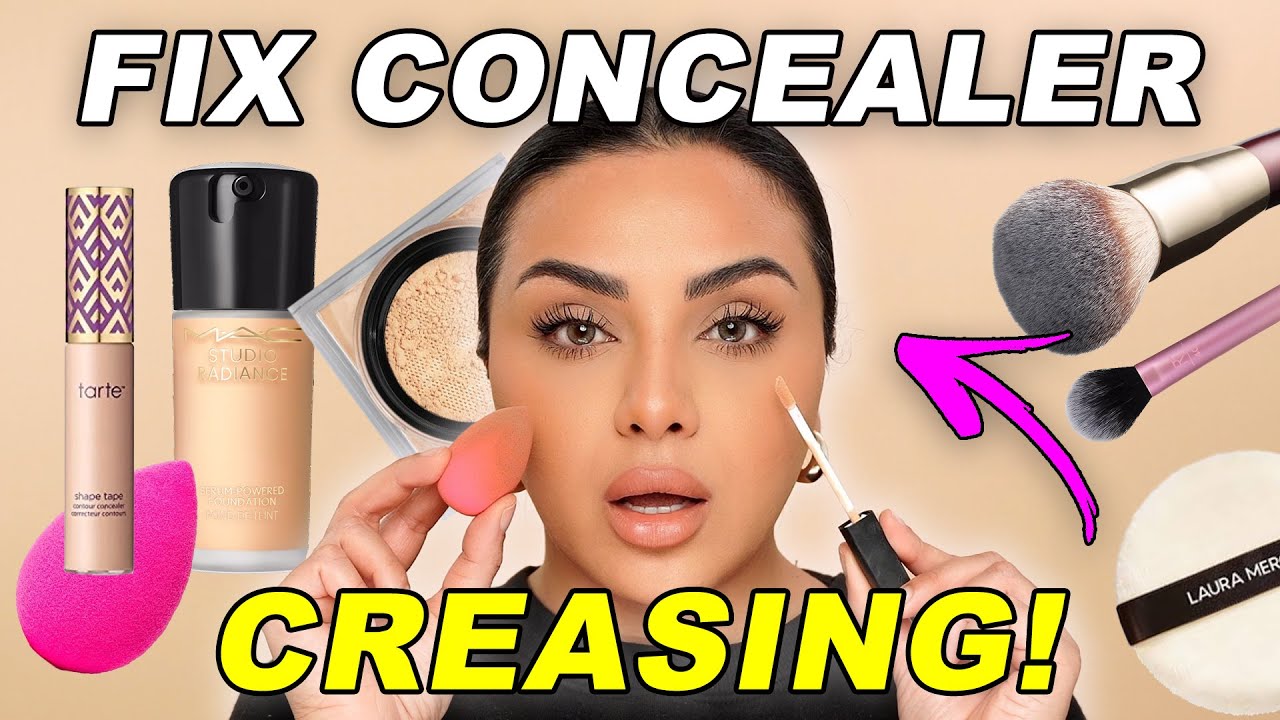
Creasing is the most common concealer failure point. It happens when formula shifts into fine lines from movement, sebum breakdown, or moisture loss beneath the product layer. Setting locks the formula in place and extends wear time significantly.
| Setting Method | Best For | Avoid On |
|---|---|---|
| Translucent loose powder | Oily skin, under-eye setting | Very dry or mature skin |
| Banana powder | Deep under-eye discoloration, warm tones | Fair or cool skin tones |
| Setting spray only | Dry and mature skin | Oily skin without powder first |
| Baking technique | Oily skin, long-wear events | Skin with visible fine lines |
Translucent Powder and Baking
Loose translucent powder applied with a small fluffy brush is the most reliable method for under-eye setting on most skin types.
Baking takes this further: press a generous amount of loose powder under the eyes, let it sit for 5 to 10 minutes, then dust off the excess with a clean brush. The technique works by absorbing the moisture from the concealer formula, which locks pigment in place.
Baking is not for everyone. On dry or mature skin, the powder absorbs moisture from the concealer and can actually make creasing worse by dehydrating the formula (Hello Magazine, 2025). A light dusting of finely milled powder (Laura Mercier Translucent Loose Setting Powder is a widely used professional standard) is safer for most skin types than full baking.
Banana Powder
Banana powder is a yellow-toned loose powder. It serves 2 functions at once: it cancels the purple or blue cast that dark circles leave visible through neutral concealer, and it sets the formula.
The yellow pigment in banana powder corrects residual discoloration that concealer alone does not fully neutralize. It is calibrated for medium to deep skin tones. On fair skin, the yellow tone reads as warmth rather than correction, which can make the under-eye area look sallow.
Setting Spray as an Alternative
A fine mist of setting spray locks formula without adding powder buildup. It is the preferred setting method for dry and mature skin because it preserves the hydration in the concealer formula rather than absorbing it.
Apply setting spray after all powder steps are complete. Holding the bottle 8 to 10 inches from the face and misting in an X and T pattern produces even coverage without oversaturation. Learning how to apply setting spray correctly prevents the product from moving concealer rather than locking it.
For full routine context, understanding how to prevent creasing under eyes as a whole-routine approach, from eye cream through to setting, produces better results than any single product fix.
What Are the Most Common Concealer Mistakes?

Most concealer problems trace back to 5 errors: wrong shade, over-application, wrong formula for skin type, skipping color correction, and poor blending technique. Getting even one of these wrong undoes everything else.
Choosing a Shade That Is Too Light
Going too pale under the eyes is the single most common shade mistake. A concealer more than 2 shades lighter than the skin tone creates a gray or white ring visible in natural daylight and photographs.
The fix is a 1-shade difference for brightening, a 2-shade difference for highlighting. Nothing beyond that reads as correction rather than coverage. On deep skin tones, a slightly mismatched cool concealer creates an ashy cast that no amount of blending removes.
Over-Applying in One Layer
Heavy first layers crease, cake, and emphasize texture. This is the fastest route to concealer that looks worse than bare skin.
The correct approach: a thin first layer, blended well, set lightly, then a second targeted layer only where coverage is still needed. Building thin means each layer bonds to the skin rather than sitting on top of previous product.
Skipping Color Correction
No neutral concealer fully covers deep purple, red, or brown discoloration on its own. A single shade of concealer on top of a strong discoloration shifts the color rather than masking it, producing a grayish or brownish result instead of skin tone.
- Green corrector: neutralizes red blemishes and rosacea
- Peach or salmon: cancels purple under-eye circles on fair to medium skin
- Orange: neutralizes dark circles on deep and rich skin tones
Understanding how to apply color corrector before concealer is the step that closes the gap between decent coverage and actually invisible coverage.
Not Blending the Edges
Hard concealer edges are visible in natural light and make the application look obvious. The center of the covered area needs the most coverage; the edges need the least.
Blend outward from the center in small tapping motions, not circular drags. A damp sponge works better than a brush for edge-blending because it sheers the product gradually rather than depositing additional pigment.
Applying Before Primer on Oily Skin
On oily skin, applying concealer directly over bare skin (or over moisturizer without primer) reduces wear time. Sebum breaks down the formula bond between product and skin within 2 to 3 hours.
A mattifying primer creates a dry, slightly grippy surface that the concealer formula adheres to. This one step is often the difference between concealer that lasts a full day and concealer that slides by noon. Using makeup primer correctly as a prep step changes concealer performance more than switching to a more expensive formula.
How Do You Choose a Concealer for Dark Skin Tones?
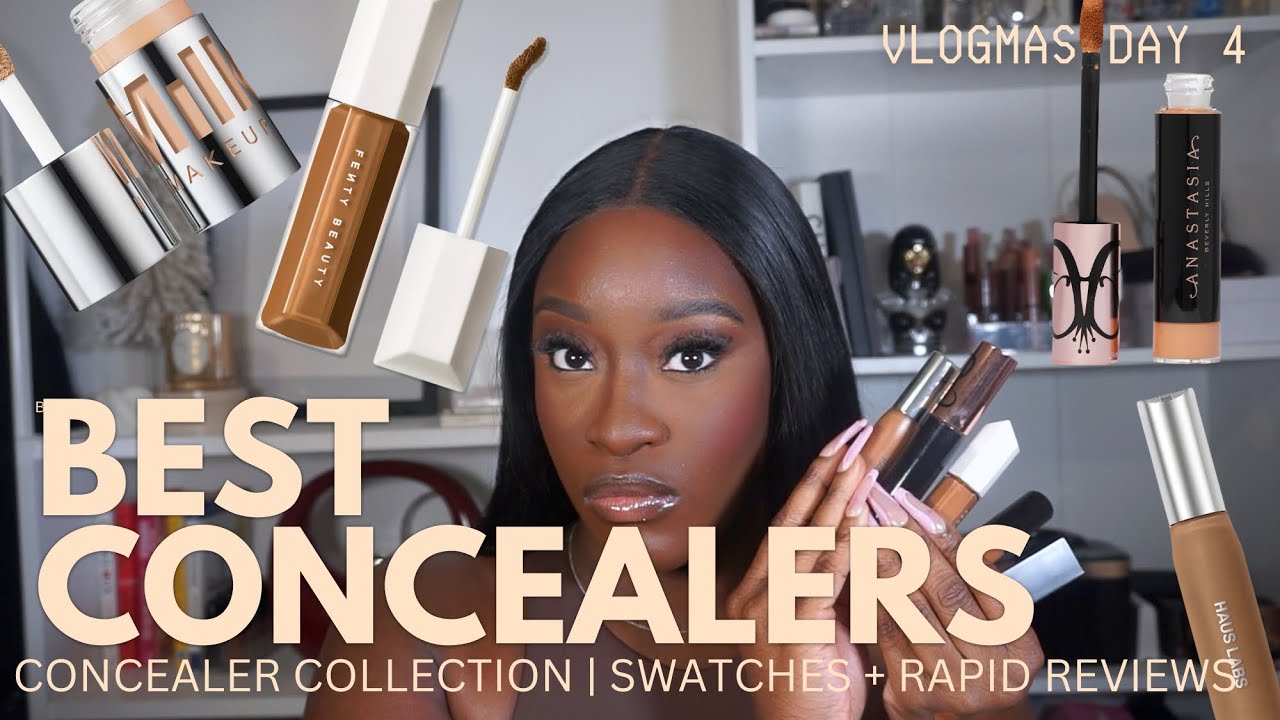
Concealer selection for deep and rich skin tones requires different decisions than fair to medium skin guidance covers. Formula construction, corrector color, undertone range, and shade availability all work differently at deeper depths.
According to Mintel, 53% of Black consumers report difficulty finding beauty products that match their skin tone. For concealer specifically, the challenge goes beyond shade count to include formula base and oxidation behavior.
The Shade Range Problem
Many concealer ranges stop at medium-tan. The shades that exist for deep skin tones are often concentrated toward red or orange undertones without providing options across the full warm, neutral, and cool spectrum that deep skin requires.
Brands with verified full-depth shade ranges:
- Fenty Beauty Pro Filt’r Instant Retouch Concealer (50 shades, oil-free, no common pore-clogging ingredients)
- UOMA Beauty Stay Woke Luminous Brightening Concealer
- Juvia’s Place I Am Magic Foundation (doubles as concealer for deep tones)
- Black Up Correcting Concealer
The “Fenty Effect” forced the broader beauty industry to expand ranges post-2017. Before Fenty Beauty’s launch, the industry standard was approximately 33 shades per foundation line (Latterly.org, 2024). Most major brands now offer 40 to 50 shades, which has improved deep shade availability across price points.
Formula and Oxidation on Deep Skin
High titanium dioxide concentration in a concealer base creates an ashy gray cast on deep skin tones. This is a formulation issue, not a shade number issue. A formula can offer 50 shades and still ash out on deep skin if the pigment base is built primarily on titanium dioxide.
Test for this: apply the concealer to the inner forearm, wait 30 minutes, then check the result in natural light. Ash appears as a lighter, grayish film over the natural skin tone. If it ashes, the formula is not built for deep skin regardless of the shade name.
Color Correction for Deep Tones
Orange color corrector, not peach, neutralizes dark circles on deep and rich skin tones. Peach correctors are calibrated for fair to medium skin discoloration. On deep skin, peach does not provide enough pigment depth or warmth to neutralize purple-brown under-eye tone.
The corrector shade should be applied in a thin layer, pressed (not rubbed) into the under-eye area, set lightly with translucent powder, then covered with the matching neutral concealer on top. Skipping the setting step between corrector and concealer causes the 2 formulas to mix and shift the color correction.
How Do Drugstore and High-End Concealers Compare?
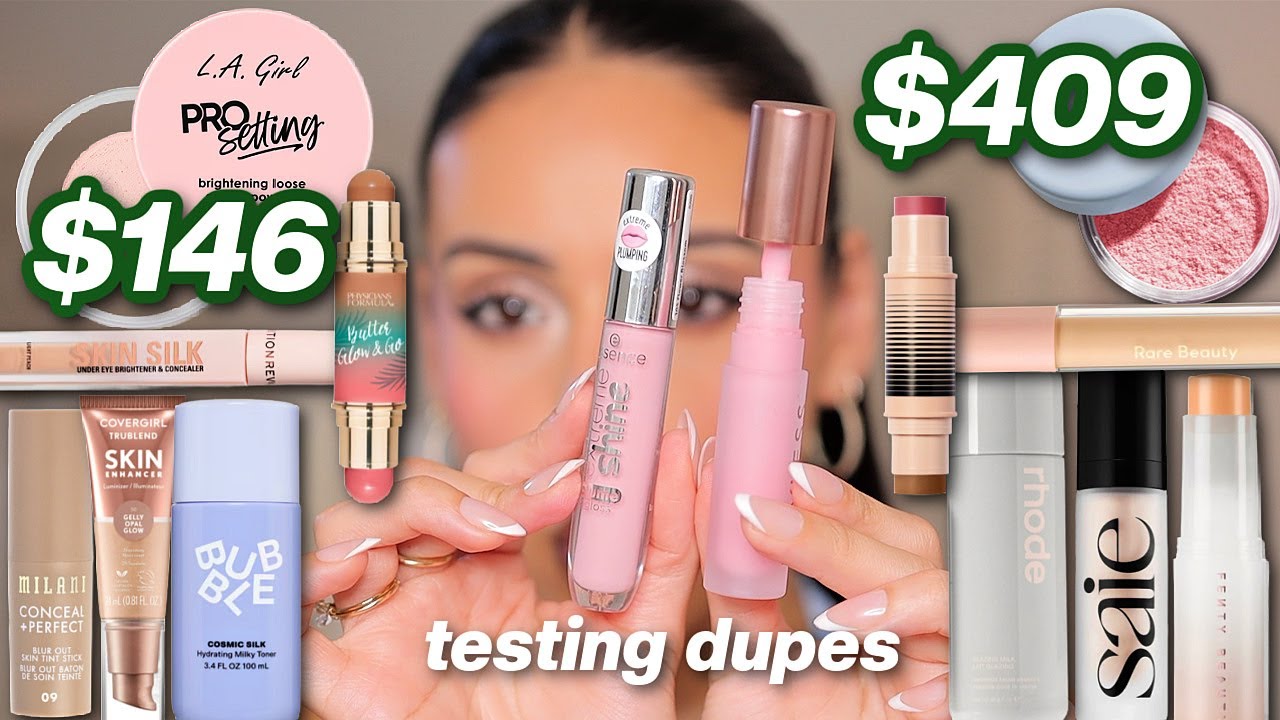
Price does not reliably predict concealer performance. In a 2024 consumer trial, participants using a full drugstore makeup routine versus a high-end routine showed no statistically significant difference in overall appearance after 2 weeks of wear. 68% preferred the sensory feel of the luxury routine, even though they could not identify which was which during application (consumer trial data, Alibaba research, 2024).
Where High-End Formulas Actually Differ
Finer-milled pigments: prestige formulas more often use smaller-particle pigments that blend more smoothly and read as less visible on skin texture.
Skincare ingredient integration: high-end concealers are more likely to include active ingredients at functional concentrations. NARS Radiant Creamy Concealer includes hyaluronic acid; IT Cosmetics Bye Bye Under Eye includes peptides and collagen.
Shade depth and consistency: prestige brands historically offered more shades at launch and maintain consistent shade formulation between batches more reliably.
That said, L’Oreal, Maybelline, and e.l.f. now employ cosmetic chemists who previously worked for Dior and Estee Lauder. Raw material suppliers are often shared across price tiers (Alibaba research, 2024).
Strong Drugstore Performers by Skin Concern
| Product | Price Range | Best For |
|---|---|---|
| Maybelline Fit Me Concealer | Under $10 | Buildable everyday coverage, most skin types |
| L.A. Girl Pro Concealer | Under $8 | Full coverage, large shade range for deep tones |
| NYX Bare With Me Serum Concealer | Under $12 | Dry skin, skincare-concealer hybrid formula |
| e.l.f. Camo Concealer | Under $12 | Oily skin, matte finish, long wear |
| Maybelline Instant Age Rewind | Under $12 | Under-eye circles, hydrating satin finish |
When to Invest in High-End
High-end concealer is worth the cost in 2 specific situations: when skin type is tricky enough that formula construction genuinely matters, or when shade range at deeper depths is not available in drugstore options.
For most everyday blemish and dark circle coverage on fair to medium skin, the performance gap between a $7 Maybelline Fit Me and a $30 NARS Radiant Creamy Concealer is small enough that personal preference and skin type should decide the choice, not price assumption.
Knowing how to make concealer last longer through prep and setting technique extends the performance of any formula, regardless of price point. And if you want to go deeper on the full application process, applying foundation correctly before concealer sets the base that determines how well your concealer performs from the start.
FAQ on How To Choose A Concealer
What is the difference between concealer and foundation?
Foundation spreads a low-pigment layer across the entire face. Concealer deposits a higher pigment concentration onto a targeted area. Use foundation first to even skin tone, then concealer to spot-cover what remains visible.
How do I find my concealer shade?
Match concealer to your skin tone for blemish coverage. For dark circles, go 1 to 2 shades lighter. Test on your inner wrist or jawline, wait 20 minutes for oxidation, then check in natural light before committing.
What concealer formula works best for oily skin?
Oil-free, matte liquid formulas resist sebum breakdown and concealer oxidation. Apply a mattifying primer first. Maybelline Fit Me Concealer and e.l.f. Camo Concealer both perform well on oily skin without heavy product buildup.
How do I stop concealer from creasing under my eyes?
Apply a hydrating eye cream first, wait 60 seconds, then press a thin layer of liquid concealer with a damp sponge. Set with finely milled translucent powder. Avoid thick application. Building in thin layers prevents creasing far better than heavy coverage.
What does skin undertone mean for concealer selection?
Skin undertone is the permanent hue beneath your skin surface: warm (yellow/golden), cool (pink/blue), or neutral. A mismatched undertone creates gray cast on deep skin or an orange tint on fair skin, making coverage look unnatural.
Do I need a color corrector before concealer?
Yes, for strong discoloration. Neutral concealer alone cannot fully mask deep purple circles, redness, or brown hyperpigmentation. Use a peach or orange corrector first to neutralize, then apply a skin-tone-matched concealer on top for clean coverage.
What coverage level should I choose?
Buildable medium coverage suits most people. It starts light and layers without caking. Full coverage handles severe hyperpigmentation and scarring. Light coverage works for minimal discoloration. Coverage is determined by pigment load, not how much product you apply.
Is drugstore concealer as good as high-end?
Often, yes. A 2024 consumer trial found no significant appearance difference between drugstore and prestige concealer routines. High-end formulas may offer finer-milled pigments and more active ingredients, but Maybelline Fit Me and NYX Bare With Me perform comparably for most skin types.
How do I choose a concealer for dark skin tones?
Avoid formulas with a high titanium dioxide base as they create an ashy gray cast on deep skin. Use an orange color corrector, not peach, for dark circles. Fenty Beauty, UOMA Beauty, and L.A. Girl Pro Concealer offer reliable full-depth shade ranges.
What concealer ingredients should I look for?
For dry skin, look for hyaluronic acid and glycerin. For acne-prone skin, choose salicylic acid (0.5-2%) and niacinamide. Avoid fragrance and coconut oil if your skin is sensitive or breakout-prone. Ingredient list matters more than label claims.
Conclusion
This conclusion is for an article presenting the full picture of concealer selection, from pigment concentration and formula type to undertone matching, skin concern, and application technique.
Get the shade matching right. Understand your skin type. Pick ingredients that actually work for your specific concern.
Whether you are covering post-inflammatory hyperpigmentation, dark circles, or active blemishes, every decision connects back to the same logic: the right formula for the right skin, applied with the right tool.
Drugstore or high-end, liquid or cream, buildable coverage or full, the best concealer is the one matched correctly to your skin. Nothing else closes that gap.

She started writing on the site after fielding the same questions from clients and friends often enough to just write the answers down: which red won't turn orange on a warm undertone, how to keep lipstick from feathering into fine lines, why a "12-hour" formula rarely survives dinner.
Every review on the site follows the same rule she uses with paying clients: wear it first, then decide if it's worth recommending.
- How to Make Eyeliner Last Longer Without Smudging - August 31, 2026
- How to Make Eyeshadow Last Longer All Day - August 29, 2026
- How to Find Your Undertone in 5 Easy Steps - August 27, 2026