To use Clinique Take The Day Off Cleansing Balm, massage it over dry skin with dry fingertips, then rinse well with warm water and pat dry.
In the jar it’s a solid, but it turns into a silky oil as soon as it touches skin. It goes on before any cleanser.
Clinique’s printed directions stop there. They give no amount and no massage time, and the water step is missing. Retailer copy adds a little water to turn the oil milky before rinsing, and a Clinique US answer to a shopper question says the balm goes on the eye area too, contrary to the “avoid the eyes” advice repeated on rewritten how-to pages.
How to use Clinique Take The Day Off Cleansing Balm step by step

Start with a dry face and dry hands. Water comes last, not first, because it turns the oil into milk.
- Dry your hands and face completely.
- Scoop a small amount of balm onto dry fingertips.
- Massage it over the whole face in slow circles until it melts into an oil and the makeup loosens.
- Wet your fingertips and keep massaging until the oil turns milky (optional, covered below).
- Rinse well with warm water, or wipe off with a warm cloth, then pat dry.
Clinique’s own directions are shorter than this list: massage over dry skin, rinse well with warm water, pat dry (as printed on its retailer listings, October 2026).
Sources don’t agree on how much balm to scoop. Adore Beauty suggests a walnut-sized amount and EasyPara a pea-sized one, while Clinique’s directions name no amount at all. I’d start with the pea and add more only if the balm drags or the makeup stays put.
Clinique gives no massage time either. Go by the face. Once it feels slick and the foundation has visibly shifted, move on.
Do you add water, and how do you rinse the balm off?

Clinique’s printed directions skip the water step and go straight to rinsing, but retailer copy and reviewers add a little water first to turn the oil milky. That milky stage rinses cleaner than plain oil, so the extra step is worth it.
Adding water to emulsify the balm
Sources split on this. Clinique’s directions and the Lookfantastic Balm Duo listing skip the water step, and Haarspullen and Adore Beauty include it.
| Source | Water step | What it says |
|---|---|---|
| Clinique directions | Not listed | Massage over dry skin, rinse well with warm water |
| Haarspullen (Dutch retailer) | Add some water | Emulsify into a milky texture, then rinse |
| Adore Beauty, product page | Add water | Wet hands and emulsify, then rinse well with warm water (washcloth optional) |
| Lookfantastic listing, Balm Duo | Not listed | Rinse well with the Take The Day Off Cleansing Cloth and warm water |
The ingredient list explains the milk. Sorbeth-30 Tetraoleate, a surfactant, sits in the formula beside safflower seed oil and ethylhexyl palmitate, and it lets the oil mix with water (retailer listings note that lists can change).
A few drops on wet fingertips is enough, according to Adore Beauty’s review of the Charcoal version.
Rinsing with warm or lukewarm water
Clinique says warm. The American Academy of Dermatology tells readers to rinse cleanser with lukewarm water, so warm should mean comfortable and never hot.
Clinique also says to rinse well, which in practice means splashing until the skin stops feeling slick. Pat dry, don’t rub.
Using a cloth to remove the balm
Beauty Bay’s listing adds another option, which is removing the balm with a warm cleansing cloth or muslin cloth. The same listing says the balm works with both.
A cloth is optional. If you use one, wash it after every use, since it holds the oil and makeup you just lifted.
Removing waterproof makeup and sunscreen
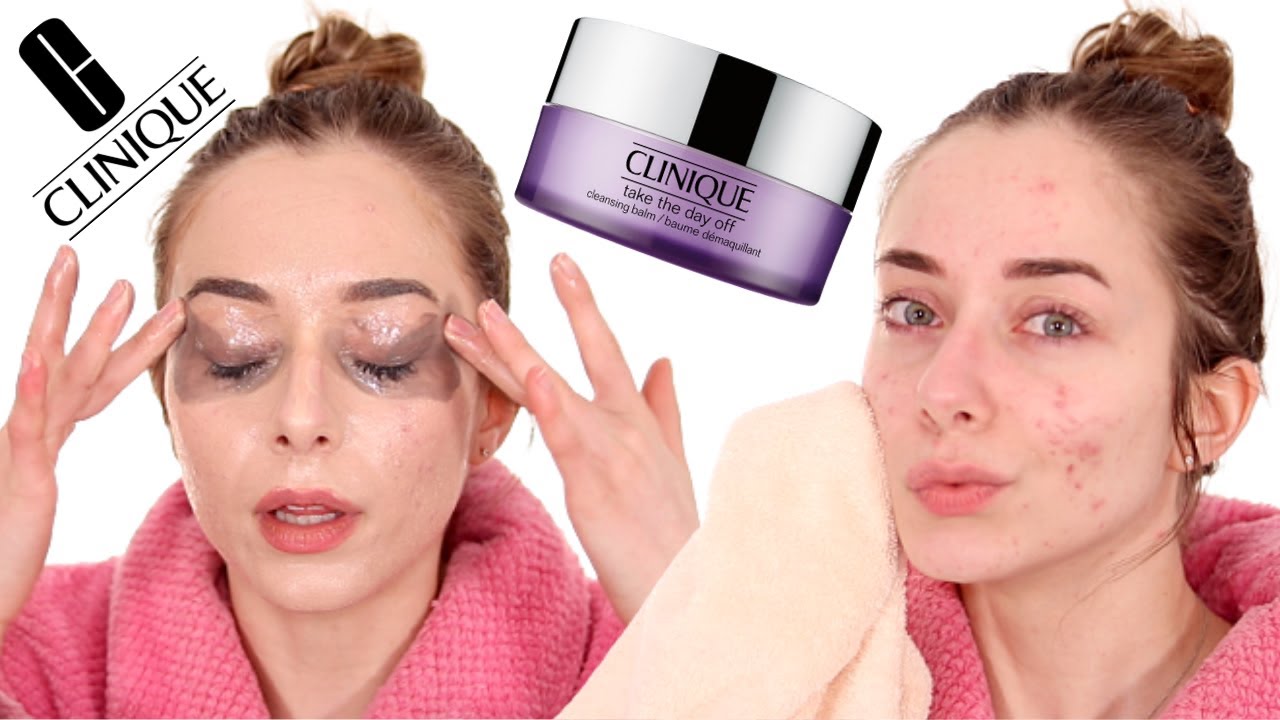
Clinique describes the balm as a remover for tenacious eye makeup and long-wearing face makeup, and it says the balm handles sunscreen too. There’s a wrinkle, though. Clinique’s own makeup remover guide starts eye and lip makeup with its remover for lids, lashes and lips, not with the balm.
Waterproof mascara and long-wear foundation
Long-wear formulas are what Clinique markets the balm for. Its copy on the Macy’s listing cites over 95% average removal of longwearing foundation, hybrid sunscreen and carbon powder.
The page publishes no test design, so read that as a brand figure, not a trial result.
On mascara, let the balm sit for a few seconds before you move your fingers. A warm cloth lifts what’s left, and if a trace still stays, switch to the lids, lashes and lips remover.
When a formula refuses to budge, other methods for removing waterproof makeup are worth a look.
Sunscreen
A Journal of Cosmetic Dermatology study of 20 volunteers compared water, a regular cleanser and a cleansing oil on sunscreen. A regular cleanser handled non-water-resistant sunscreen, but water-resistant sunscreen needed the oil.
The test used a cleansing oil, not this balm. Clinique’s balm turns into an oil on skin, which puts it on the oil side of that comparison and explains why it goes before the cleanser.
Oil first, water-based cleanser second.
Lids and lashes
Clinique US’s official answer to a shopper question, posted on the Charcoal version’s Ulta page, says to massage the balm over dry facial skin and the eye area with dry fingertips. The brand also lists the balm as ophthalmologist tested and safe for sensitive eyes, though those are brand claims and not independent trials.
Plenty of rewritten how-to pages tell readers to avoid the eyes entirely, which contradicts Clinique’s guidance. If you do use it there, keep your eyes closed and press lightly, then rinse until your vision is clear.
For a wider look at removing eye makeup without this balm, there is a separate guide.
Where the balm sits in a cleansing routine

It goes first. Clinique’s directions say to use the balm before cleanser and other treatment products, then follow with a cleanser for a double cleanse.
Clinique names its Take The Day Off Facial Cleansing Mousse or an All About Clean cleanser as the second step. On the Charcoal version’s page, the full order runs cleansing balm, cleanser, serum, eye cream and moisturizer.
Brands disagree on whether the second cleanse is needed. Murad markets its Lipid-Enriched Double Cleansing Balm as a one-step product and cites a 2-week study of 32 participants, 96% of whom agreed they needed no double cleanse (Murad product page).
Clinique makes no such claim and recommends a cleanser after the balm. If your skin feels coated after rinsing, take the second step.
Skinsort’s community data for the Charcoal version (41 routines, updated March 2024) shows 88% of routines use it in the evening and 95% use it every day, most often as step 1.
Dermatologist Dendy Engelman, quoted by Marie Claire, suggests starting a double cleanse with an oil cleanser or melting balm and following with a gentle, hydrating cleanser. The American Academy of Dermatology advises washing once in the morning and once before bed.
Use the balm in the evening, when makeup and sunscreen need to come off. In the morning, a gentle cleanser covers it.
Which skin types get the best results?

Dry and sensitive skin have the clearest case for this balm. Oily and acne-prone skin can use it too, but the guidance on that point conflicts.
| Skin type | Clinique’s position | Outside view |
|---|---|---|
| Dry | Original balm tagged all skin types | Balms generally suit dry skin (Dr Ifeoma Ejikeme) |
| Sensitive | Dermatologist tested, allergy tested, fragrance free | No independent trial found |
| Combination and oily | Original tagged all skin types; Charcoal version tagged dry combination to oily | Wash the balm off completely (Ejikeme) |
| Acne-prone | Listed non-comedogenic by Beauty Bay | AAD and Dr Azadeh Shirazi disagree |
The acne-prone row is a real disagreement between sources.
The American Academy of Dermatology’s makeup guidance for acne-prone skin calls for an oil-free makeup remover followed by a gentle cleanser. This balm is not oil-free, since safflower seed oil and ethylhexyl palmitate sit at the top of its ingredient list.
Dermatologist Azadeh Shirazi, interviewed by Who What Wear, says balms can suit acne-prone skin when they hydrate and avoid coconut oil, isopropyl myristate, lanolin and algae extract. None of those four appears on the balm’s ingredient list as printed on retailer pages (as of October 2026).
The balm passes Shirazi’s ingredient test and fails the AAD’s wording. If you break out easily, treat it as a trial product and keep the second cleanse.
When the balm does not work as expected

Reviewers on Feelunique and Sephora Germany report a waxy or hard-to-rinse feel, even though Clinique says the balm rinses off completely. Add more water before rinsing, then wipe with a wrung-out warm cloth.
Makeup that stays put is the other common complaint. One Sephora Germany reviewer needed two applications to clear mascara. Take a fresh scoop instead of rubbing harder, since AAD guidance says to avoid scrubbing, even when removing makeup.
Irritation is a separate matter. Dr Ifeoma Ejikeme advises against using a balm during an inflamed breakout, while noting that non-comedogenic balms can suit oily or acne-prone skin. Beauty Bay lists this one as non-comedogenic, so the call depends on how inflamed the skin is.
Switch to a water-based remover if new bumps keep appearing despite thorough rinsing and a second cleanse. The same goes for a film that survives the second cleanse, or skin that stays red or stings after rinsing.
Choosing between the original, the Charcoal version and other removers
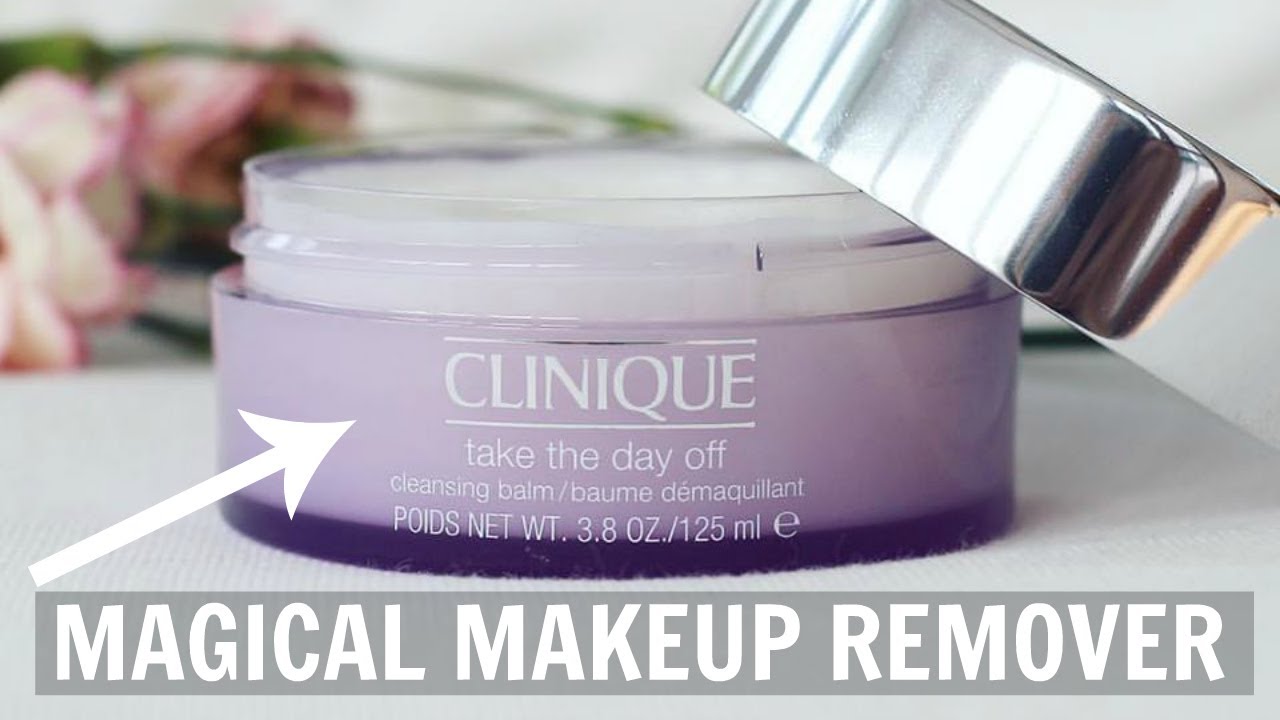
Go with the original balm as the default, especially for dry skin. The Charcoal version is aimed at oilier skin, and a liquid remover makes more sense if eye makeup is the main job. The rest of the range changes texture or format, not the job.
| Product | Skin type tag | How it goes on |
|---|---|---|
| Original balm | All skin types | Dry fingertips, dry skin, rinse |
| Charcoal version | Dry combination to oily | Same method, then cleanser and serum |
| Cleansing Oil | All skin types | Pump onto dry face, rinse with lukewarm water |
| Cleansing Milk | All skin types, ideal for drier skin | Dry face, avoid eye area, rinse or tissue off |
| Lids, Lashes & Lips remover | All skin types | Cotton pad held on lashes for 10 seconds, wipe |
Original versus Charcoal
The Charcoal version adds charcoal powder, caprylyl glycol and silica dimethyl silylate to the original’s base and swaps polyethylene for synthetic wax, per Lookfantastic’s ingredient listing (lists can change). Clinique’s own page calls it non-acnegenic and aimed at oilier skin.
Reviews split on it. Some users say it melts less smoothly and rinses harder than the original, while others report better pore and oil control.
For a step-by-step on using the Charcoal version, there is a dedicated guide.
Cleansing Oil and water-based options
Retailers disagree on the water step for the Cleansing Oil. Sephora UK’s directions add lukewarm water after a dry massage until it foams, while the Sephora Switzerland and Sephora Italy listings say to massage on a dry face and rinse with lukewarm water.
Water-based options sit on the other side of the routine. Clinique positions its All in One Cleansing Micellar Milk, made for dry and combination skin and usable on face and eyes, as the second cleanse after the balm (Lookfantastic listing).
Jar sizes
Per retailer listings, the original balm comes in 30 ml travel, 125 ml standard and 200 ml jumbo sizes. The Charcoal version comes in 30 ml travel and 125 ml standard.
If you wear sunscreen daily and light makeup, the original does the job alone. Add the lids, lashes and lips remover only if mascara survives the balm.
Clinique Take The Day Off Cleansing Balm FAQ
What ingredients are in Clinique Take The Day Off Cleansing Balm?

Retailer listings print 9 ingredients, starting with ethylhexyl palmitate and safflower seed oil, then caprylic/capric triglyceride, Sorbeth-30 Tetraoleate, polyethylene, PEG-5 glyceryl triisostearate, water, tocopherol and phenoxyethanol.
Lists can change, so check the label on your jar.
Is the balm fragrance-free?
Yes. Clinique lists it as 100% fragrance free, and Adore Beauty adds that it is free from parabens and phthalates.
Do you need a patch test before using it?
Clinique’s directions do not call for one. If your skin reacts to new products, test a small area such as the jawline first, because “allergy tested” is a brand claim, not a guarantee for your skin.
How should you store the jar?
EasyPara’s usage notes advise closing the lid tightly and keeping the jar in a dry place.
Scoop with dry, clean fingertips so water and makeup stay out of the balm.
Is it worth the price compared with cheaper balms?

It depends on how much waterproof makeup and sunscreen you remove. Reviewers on Beauty Bay and homewisereview.com name price as the main downside.
Older Musings of a Muse coverage is mixed on cheaper alternatives. A 2016 review of the Clinique balm preferred it to e.l.f.’s cheaper cleanser, which left skin feeling a little tight, and a separate 2016 review found Equate’s balm much harder to rinse off. One reader comment on the Clinique review reported no difference in effectiveness with Equate. A 30 ml jar is the cheapest way to test the original.
Judging whether the balm suits your skin
Clinique Take The Day Off Cleansing Balm suits your skin when makeup lifts in one pass, the rinse leaves no film, and no new bumps appear over the first week of evening use.
If one of those fails, change one variable at a time. Start with technique (amount, water, a warm cloth), then decide whether to keep or add the second cleanse, and only after that move to a different product such as the Charcoal version or a water-based remover.
Technique goes first because adjusting it costs nothing, while swapping the formula costs a new jar.
The trade-off is one extra step in the evening routine, which is the price of protection against residue.
Directions and ingredient lists in this article were checked on retailer listings in October 2026. Formulas can change, so read the label on a new jar before relying on them.

She started writing on the site after fielding the same questions from clients and friends often enough to just write the answers down: which red won't turn orange on a warm undertone, how to keep lipstick from feathering into fine lines, why a "12-hour" formula rarely survives dinner.
Every review on the site follows the same rule she uses with paying clients: wear it first, then decide if it's worth recommending.
- How to Make Eyeliner Last Longer Without Smudging - August 31, 2026
- How to Make Eyeshadow Last Longer All Day - August 29, 2026
- How to Find Your Undertone in 5 Easy Steps - August 27, 2026