Most people are applying bronzer wrong, and the result is either an orange stripe across the cheekbones or a muddy complexion that looks nothing like a natural sun-kissed glow.
Knowing how to apply bronzer correctly comes down to three things: the right shade, the right placement, and the right tools.
This guide covers everything, from choosing a bronzer shade for your skin tone to step-by-step application for powder, cream, and liquid formulas, plus how to blend bronzer so it looks natural on any skin type.
What Is Bronzer

Bronzer is a warm-toned cosmetic product used to add color, warmth, and the look of a natural tan to the face. It comes in powder, cream, liquid, and stick formats, each with a different finish and purpose.
It mimics what the sun does: adds warmth to raised areas and creates soft dimension. That’s the whole point.
A lot of people mix up bronzer with contour or blush. They’re different products with different jobs.
| Product | Tone | Purpose | Finish |
|---|---|---|---|
| Bronzer | Warm, golden, orange-brown | Sun-kissed glow, face warmth | Matte or shimmer |
| Contour | Cool, gray-brown | Shadow, sculpt, define | Matte |
| Blush | Pink, peach, berry | Flush, cheek color | Matte or shimmer |
The global face bronzer market was valued at USD 20.50 billion in 2024, growing at a CAGR of 10.3% through 2030 (Grand View Research). That kind of growth doesn’t happen by accident. People want a natural-looking tan without sun damage, and bronzer delivers that.
Powder vs. Cream vs. Liquid Bronzer
Powder bronzer dominates, holding a 50.2% market share in 2024 (Grand View Research). It’s the easiest format to control, especially for beginners.
- Powder: Best for oily or combination skin. Applied with a brush over a powder or matte foundation base
- Cream: Better for dry or mature skin. Applied before powder products, blends into skin naturally
- Liquid/drops: Can be mixed into moisturizer or foundation for all-over warmth
- Stick: Portable, good for on-the-go touch-ups and targeted application
Worth knowing: never layer cream bronzer over a powder base. It won’t blend properly and will pill. Powder over powder, or cream before powder. That order matters.
Matte vs. Shimmer Bronzer
Matte bronzers work for everyday use, contouring, and any situation involving flash photography. Shimmer adds glow but catches light, so placement has to be precise.
Key difference: If you’re using bronzer for warmth and dimension, matte is usually the safer call. Shimmer looks great on cheekbones and the high points of the face, but avoid applying it past the outer edge of your pupil or under the jawline.
Celebrity makeup artist Julie Hewett puts it simply: a good matte bronzer doubles as both a contour shade and a base. You can always add your own shimmer on top.
Bronzer Shades by Skin Tone

The number one bronzer mistake is picking a shade that’s too dark or too orange. A bronzer should read as a natural tan, not a product. As a rule, stay within one to two shades of your natural skin tone.
Undertones matter just as much as depth. A cool-undertoned person wearing a heavily orange bronzer will look muddy. Warm undertones can handle more golden and copper hues without issue.
| Skin Tone | Best Bronzer Shades | Avoid |
|---|---|---|
| Fair | Light golden, peachy-bronze, soft tan | Deep brown, heavy orange |
| Medium | Honey, warm tan, golden brown | Very pale or ashy shades |
| Deep | Rich copper, mahogany, deep amber | Light shades that read chalky |
Finding Your Undertone First
Cool undertones have veins that appear blue or purple. Warm undertones lean green. Neutral undertones are somewhere in between.
For cool undertones, reach for bronzers with a neutral or slightly taupe base, like the NARS Laguna Bronzer. Warm undertones handle golden and amber hues well, making products like the Charlotte Tilbury Filmstar Bronze and Glow a natural fit.
Fenty Beauty’s Sun Stalk’r Bronzer has one of the widest shade ranges available, built specifically with deeper skin tones in mind. Brands like Rare Beauty and Hourglass also do well here.
Common Shade Mistakes
Going two or three shades too dark is the most common issue, especially on fair skin. The result looks more like muddy contouring than a sun-kissed glow.
- Testing bronzer on your jaw (not your wrist) gives a more accurate read
- Natural light is the best test. Store lighting lies
- Shimmer bronzers read lighter than matte ones at the same shade number
Tools for Applying Bronzer

The brush changes everything. A dense brush creates stripes. A short-bristled brush leaves patches. Celebrity makeup artist Sir John recommends bristles that are at least an inch and a half long for a diffused, seamless result.
Brush Types and When to Use Them
Fluffy angled brush: best for powder bronzer. Gives the most natural, diffused placement across the cheekbones and forehead.
Fan brush: good for a light dusting. Not ideal for deep or pigmented bronzers, since it picks up very little product.
Dense flat brush or fingers: use these for cream and liquid bronzers. Fingers are actually great here. The warmth of your hands helps blend cream formulas into the skin faster and more naturally.
Damp beauty sponge: excellent for blending cream bronzer edges. Press (do not drag) to blend product into the skin without wiping it away.
One Rule Most People Skip
Always tap excess product off the brush before touching your face.
Going in with a loaded brush creates uneven patches, especially around the nose and under the eyes. One tap is enough. It looks like a waste of product but it prevents the most common application mistake.
Where to Apply Bronzer on the Face

Think about where the sun actually hits your face when you are standing outside. That is your placement guide.
Start at the perimeter, never the center. Celebrity makeup artist Sir John always begins at the sides of the face and hairline, then works inward. Starting in the middle of the face is one of the most common mistakes.
How to Apply Bronzer on the Forehead
Sweep bronzer along the hairline and across the top third of the forehead. Keep it light and diffused. Do not bring it down to the middle of the forehead.
A fluffy brush in a soft side-to-side motion works well here. The goal is to mimic a natural sun exposure, not to draw a line across the forehead.
How to Apply Bronzer on the Cheekbones
This is the main placement zone. Use the “3” technique: sweep bronzer along the temples, across the cheekbone, and down to the jawline on each side, forming a “3” shape.
Keep blush higher on the cheek when using both bronzer and blush together. If bronzer sits in the hollow and blush sits too low, the two merge and the face looks muddy.
How to Apply Bronzer on the Jawline and Neck
Blend bronzer down to the jawline and lightly along the neck. Skipping the neck entirely creates a visible line where your face stops and your natural skin color starts.
Use a clean brush or sponge to fade the bronzer into the neck. It does not need to be heavy. Just enough to avoid the mask effect.
How to Apply Powder Bronzer Step by Step
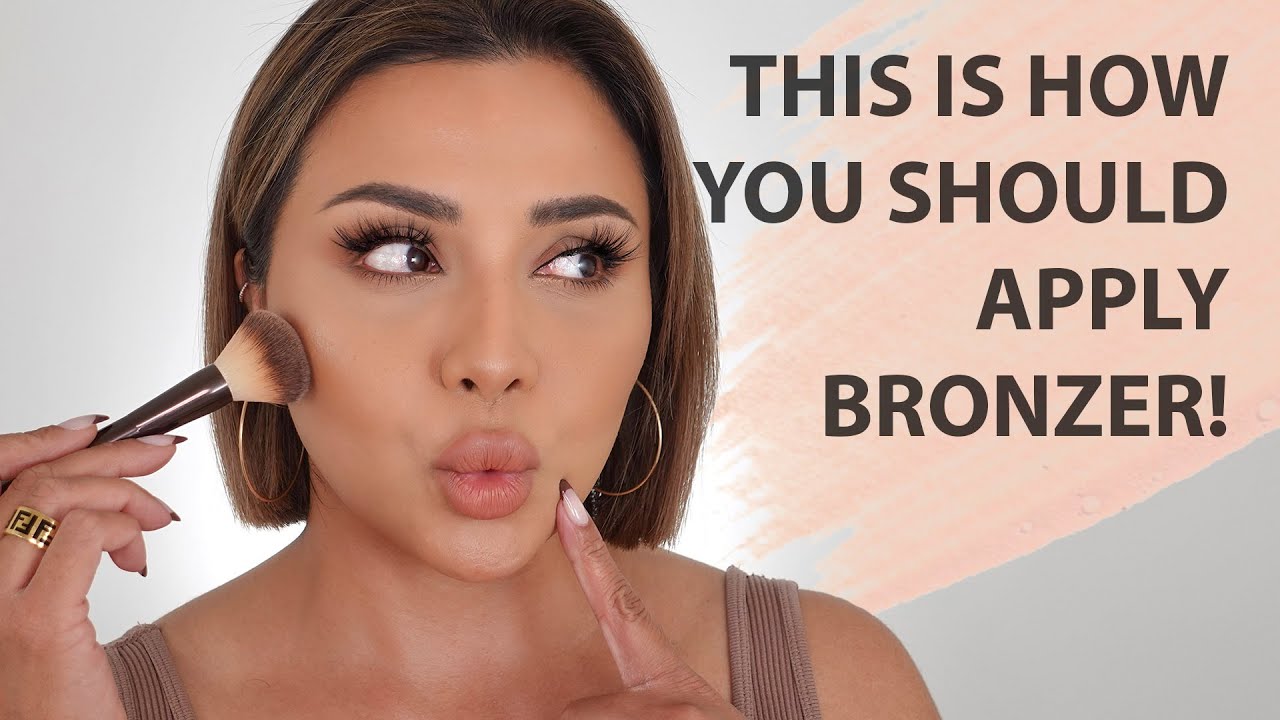
Powder bronzer is the most forgiving format. It is buildable, blendable, and easy to correct if you go too heavy. The global face bronzer market was valued at USD 20.50 billion in 2024, with powder bronzers accounting for the largest share of that market (Grand View Research).
Step-by-Step Application
- Finish your base (foundation, concealer, setting powder if needed)
- Pick up product with a fluffy brush, then tap once to remove excess
- Start at the temples and hairline, never the center
- Sweep across the cheekbones in a “3” or “E” shape
- Lightly dust along the jawline and bridge of the nose
- Blend edges with a clean brush or sponge using circular motions
- Check in natural light and build intensity if needed
Build gradually. It is much easier to add a second layer than to blend away too much product. Step back and check the result in natural light before adding more.
Layering Powder Bronzer for Longevity
Apply a light layer first. Let it settle for 30 seconds. Then assess if you need a second pass.
Setting the bronzer with a light mist of setting spray locks everything in place and keeps the finish looking natural rather than powdery.
How to Apply Cream and Liquid Bronzer

Cream and liquid bronzers go on before any powder products. Applying cream over powder breaks down the base and leads to pilling and patchy results.
Application Method for Cream Bronzer
With fingers: warm a small amount between your fingertips, then press and blend onto the cheekbones, temples, and nose bridge. This is the most natural-looking method for cream formulas.
With a sponge: stipple (press, lift, press, lift) rather than drag. Dragging moves the product off the skin instead of blending it in.
With a brush: use a dense, flat foundation brush. Apply in small amounts and blend edges immediately.
The Rare Beauty Warm Wishes Bronzer Stick and RMS Beauty Buriti Bronzer both apply cleanly with fingers and blend easily into the skin without tugging.
Cream Bronzer for Dry and Mature Skin
Cream and liquid formulas are better suited to dry and mature skin than powder bronzers. They sit into the skin rather than sitting on top of it, which avoids the cakey or settling effect that powder can create over fine lines.
Layering a cream bronzer under a light powder bronzer increases longevity and adds dimension. The cream adds warmth and glow; the powder sets everything and intensifies the color slightly.
Bronzer Application for Different Skin Types

Skin type determines formula choice and application method more than any other factor.
Skin Type Formula Guide
| Skin Type | Best Formula | Key Tip |
|---|---|---|
| Oily | Matte powder bronzer | Set with translucent powder first |
| Dry | Cream or liquid bronzer | Apply to moisturized skin |
| Combination | Powder on T-zone, cream on cheeks | Blend the two at the edges |
| Mature | Satin or cream, avoid heavy shimmer | Blend well to avoid settling |
For oily skin, setting powder applied before bronzer creates a base that the bronzer grips to, which stops it from sliding around through the day.
Making Bronzer Last Longer
Prep is the part most people skip. Prepping skin before makeup makes a real difference in how long bronzer stays in place.
- Oily skin: use a primer, set base with translucent powder, apply bronzer on top
- Dry skin: moisturize well first, skip heavy powder, finish with setting spray
- All skin types: making makeup last all day starts with the right base, not just the right bronzer
How to Blend Bronzer So It Looks Natural

Harsh lines are the most common complaint with bronzer. They almost always come from too much product and not enough movement with the brush.
“Why does my bronzer look patchy, muddy, or orange?” remains one of the most searched bronzer questions online, according to makeup artists cited in Refinery29’s 2023 bronzer guide.
Blending Techniques That Work
Circular buffing: use a fluffy brush in small circular motions to work the product into the skin and diffuse hard edges. This works best for powder bronzers.
Back-and-forth sweeping: good for blending along the hairline and forehead. Keep movements light. Let the brush do the work.
Clean brush finish: after applying bronzer, take a clean (no product) fluffy brush and sweep it over the entire bronzed area once. This blends any remaining lines and evens out the finish.
The Natural Light Check
Step away from your mirror and look at your face in natural light before finishing. Bathroom lighting hides harsh lines. Daylight shows them.
Check the jawline, hairline, and the area around the nose. Those are the spots where bronzer most often looks overdone or unblended. If you see a sharp line at the jaw, blend it down onto the neck with a clean brush.
Bronzer vs. Contour: How to Use Both Together

Bronzer and contour are not the same thing, and applying them in the wrong order or in overlapping zones creates a muddy result. You can absolutely use both, but they need to stay in their lanes.
Apply contour first. Then bronzer. If they overlap, the warmth of the bronzer reduces the shadow effect of the contour and the whole thing looks brown and flat. The placement should be separated by location, not just shade.
Placement Logic
- Contour goes in shadow zones: under the cheekbones, sides of the nose, perimeter of the forehead
- Bronzer goes where the sun hits: tops of cheekbones, bridge of the nose, temples, forehead
- They should not sit in the same zone on the face
For more on this distinction, bronzer vs. contour covers the difference in tones, formulas, and placement in detail.
If you are using both, a good pair is the Anastasia Beverly Hills Contour Kit for sculpting and a warm powder bronzer like Hourglass Ambient Lighting Bronzer for the sun-kissed zones. They complement each other without looking overdone when placed correctly.
If you want to learn more about using cream contour, the same layering principles apply. Cream contour before cream bronzer, both before any powder.
Bronzer for the Body
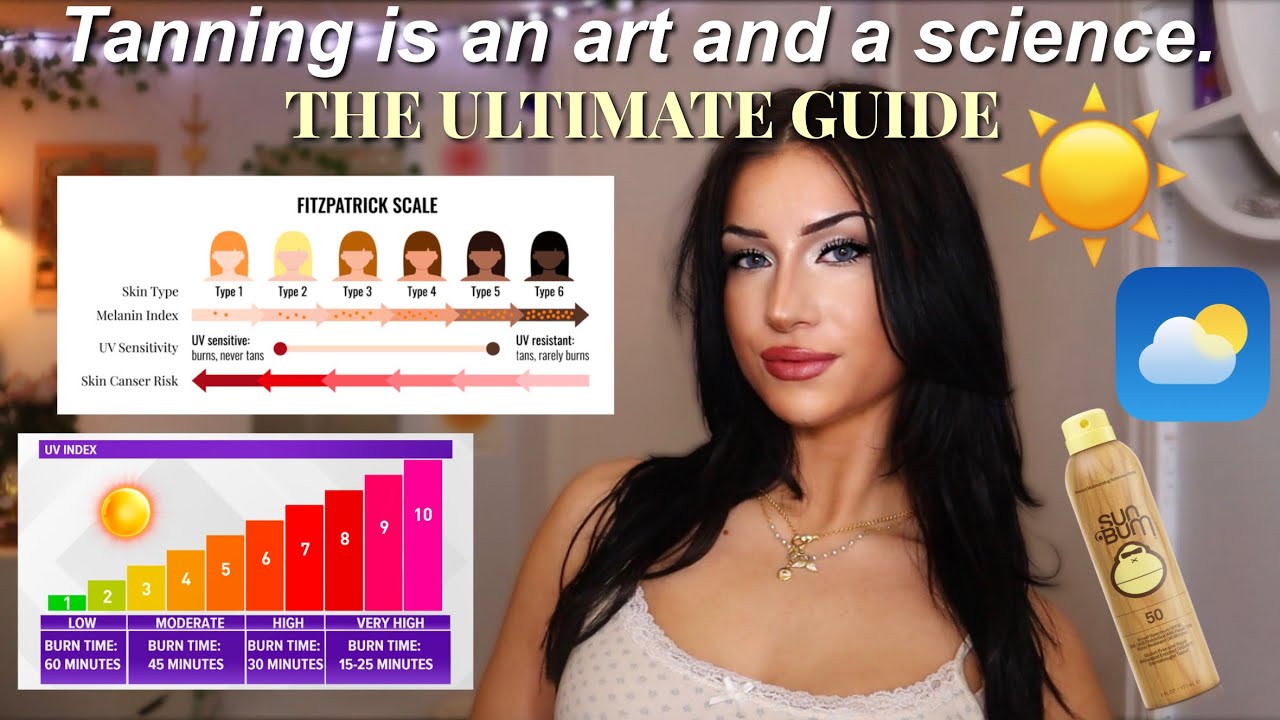
Face bronzer and body bronzer serve the same purpose but different formulas are built for different skin surfaces. Body skin is less sensitive to heavy pigment, and the coverage area is much larger, so you need a different brush and usually a more pigmented product.
Body Application Tips
Use a large kabuki or body brush for even coverage across the chest, shoulders, and legs. A face brush is too small and leaves streaks on larger areas.
Where to apply:
- Collarbone and upper chest for a defined, glowing effect
- Shoulders and upper arms for a sun-kissed look in sleeveless outfits
- Shins and upper legs (the areas that naturally catch light)
Match the body bronzer tone to your face bronzer. If you use a warm golden bronzer on your face and apply a cooler, ashier bronzer on your body, the mismatch is visible, especially in photos.
Making Body Bronzer Last
Body bronzer transfers easily onto clothing. Setting it with a light dusting of translucent powder reduces transfer significantly.
Apply moisturizer first and let it fully absorb before bronzer. Dry skin grips pigment unevenly and creates patchy results. Well-moisturized skin gives bronzer something smooth to adhere to, which also makes blending easier and the finish more even.
FAQ on How To Apply Bronzer
Where do you apply bronzer on your face?
Apply bronzer where the sun naturally hits: temples, cheekbones, the bridge of the nose, and along the jawline.
Use the “3” technique on each side of the face. Always start at the hairline, never the center.
Should bronzer go on before or after foundation?
After. Always complete your base first, including foundation and concealer, before applying bronzer.
Cream bronzer goes on before powder products. Powder bronzer layers over any base formula.
How do you keep bronzer from looking orange?
Pick a shade only one to two deeper than your natural skin tone. Avoid heavily orange-based formulas.
Warm undertones suit golden bronzers. Cool undertones need a more neutral bronze to avoid a sunburned effect.
What brush should you use for bronzer?
Use a fluffy brush with bristles at least an inch and a half long. Short, dense bristles create streaks.
A fan brush works for light dusting. For cream bronzer, use fingers or a damp beauty sponge.
Can you use bronzer as contour?
Technically, yes, but the results differ. Contour uses cool-toned, grey-brown shades to create shadow. Bronzer is warm-toned and adds glow, not structure.
Using bronzer in contour zones gives warmth, not definition.
How much bronzer is too much?
If you can clearly see where the bronzer starts and stops, that is too much. Build in thin layers and check in natural light.
Tap excess product off the brush before applying. Less is always easier to build on than remove.
What is the best bronzer for fair skin?
Fair skin needs soft, golden, or peachy-bronze shades. Deep shades read muddy on light complexions.
Look for sheer or buildable formulas. Brands like Benefit Hoola Lite and bareMinerals Warmth work well for lighter skin tones.
How do you apply bronzer to deep skin tones?
Deep skin needs pigmented bronzers in rich copper, mahogany, or deep amber shades. Sheer formulas barely show up.
Fenty Beauty Sun Stalk’r Bronzer and MAC Bronzing Powder both offer shades built for deeper complexions.
Can you apply bronzer without foundation?
Yes. Bronzer works directly on moisturized skin for a no-makeup look. Cream and liquid formulas blend especially well on bare skin.
Just use a light hand. Pigment shows up more on bare skin than over a base.
How do you blend bronzer so there are no harsh lines?
Use circular buffing motions and keep the brush moving constantly. Never press and hold in one spot.
Finish with a clean brush swept over the entire area. Check the jawline and hairline in natural light before you are done.
Conclusion
This conclusion is for an article presenting how to apply bronzer as a skill that comes down to shade selection, bronzer placement, and blending technique.
Pick the right formula for your skin type. Use the right brush. Build product in thin layers and always check in natural light.
Whether you are working with a powder bronzer for everyday wear, a cream formula for a dewy finish, or a stick bronzer for quick touch-ups, the same rules apply: start light, blend well, and keep the warmth where the sun would naturally hit.
Pair your bronzer with highlighter on the high points and blush on the cheeks for a complete, natural-looking complexion.

She started writing on the site after fielding the same questions from clients and friends often enough to just write the answers down: which red won't turn orange on a warm undertone, how to keep lipstick from feathering into fine lines, why a "12-hour" formula rarely survives dinner.
Every review on the site follows the same rule she uses with paying clients: wear it first, then decide if it's worth recommending.
- How to Make Eyeliner Last Longer Without Smudging - August 31, 2026
- How to Make Eyeshadow Last Longer All Day - August 29, 2026
- How to Find Your Undertone in 5 Easy Steps - August 27, 2026