Summarize this article with:
Your lips deserve the same attention as the rest of your skincare routine, but most people ignore them until problems appear. Learning how to exfoliate lips naturally transforms rough, flaky skin into a smooth canvas ready for any lip color or treatment.
Unlike harsh commercial scrubs loaded with synthetic ingredients, natural exfoliation uses simple kitchen staples that work gently yet effectively.
Your lip skin is incredibly thin and delicate, requiring a completely different approach than body or facial exfoliation.
This guide walks you through everything from identifying when your lips need attention to creating custom DIY lip scrubs that target your specific concerns.
You’ll discover which natural ingredients work best, proper application techniques, and crucial safety tips that prevent damage while maximizing results.
Whether you’re dealing with stubborn flakes that ruin your lipstick application or simply want baby-soft lips year-round, these proven methods deliver professional results at home.
Understanding Lip Exfoliation Basics

What is Lip Exfoliation and Why Lips Need Special Care
Lip exfoliation removes dead skin cells that build up on your lips over time. Your lips lack oil glands, making them more prone to dryness than other facial areas.
The thin skin on your lips requires gentler treatment than body exfoliation. Think of it as giving your lips a fresh start for smoother makeup application.
Signs Your Lips Need Exfoliation
Dry, flaky skin appears as visible white or transparent pieces peeling from your lip surface. This happens when your natural cell turnover slows down.
Rough texture makes your lips feel bumpy or uneven to the touch. You’ll notice this especially when running your tongue across your lips.
Chapped appearance shows up as cracks, splits, or areas that look whitish and tight. This often worsens in cold weather or when you’re dehydrated.
Poor lipstick application becomes obvious when color sits on top of flakes instead of adhering smoothly. Your lip liner may also drag or skip across rough patches.
How Often to Exfoliate Lips Safely
Most people benefit from lip exfoliation 1-2 times per week. Daily exfoliation can damage your lip barrier and cause more harm than good.
Start with once weekly if you have sensitive skin. You can increase frequency based on how your lips respond.
Pay attention to your lip care routine needs. Some people need more frequent exfoliation during winter months.
Best Times of Day for Lip Exfoliation
Evening works best for most people since your lips can recover overnight. This gives you time to apply moisturizing treatments without worrying about makeup application.
Morning exfoliation works if you’re preparing for makeup application. Just be extra gentle and follow with proper moisturizing.
Avoid exfoliating right before going outside in harsh weather. Wind and sun can irritate freshly exfoliated skin.
Natural Ingredients for Lip Exfoliation

Sugar-Based Exfoliants
Brown sugar provides gentle abrasive action with fine crystals that dissolve as you massage. The molasses content adds natural moisture to prevent over-drying.
White sugar crystals are slightly larger but still dissolve quickly on contact with saliva. This makes white sugar perfect for beginners who want mild exfoliation.
Coconut sugar offers an eco-friendly alternative with even finer crystals. The subtle coconut scent makes the exfoliation experience more pleasant.
Salt Scrubs for Lips
Sea salt contains minerals that can benefit lip health when used sparingly. The crystals are sharper than sugar, so use very light pressure.
Himalayan pink salt provides trace minerals and a beautiful natural color. The fine texture works well for sensitive lips.
When to avoid salt scrubs: Skip salt if you have cuts, cracks, or active cold sores. Salt can sting and delay healing in damaged skin.
Natural Oils for Moisturizing
Coconut oil melts at body temperature, creating a smooth application experience. It has antimicrobial properties that help keep lips healthy.
Olive oil penetrates deeply into skin cells and provides lasting moisture. Extra virgin olive oil contains antioxidants that protect lip skin.
Jojoba oil technically isn’t an oil but a wax ester that mimics your skin’s natural sebum. This makes it perfect for all skin types.
Sweet almond oil absorbs quickly without leaving a greasy residue. It’s rich in vitamin E, which helps repair damaged lip skin.
Honey as a Natural Humectant
Raw honey attracts moisture from the environment and locks it into your lip skin. This dual action hydrates while you exfoliate.
Manuka honey offers additional antibacterial benefits. It’s particularly helpful if you have small cracks or irritation on your lips.
The sticky texture of honey helps scrub ingredients adhere better to your lips. This prevents waste and ensures even coverage.
Additional Natural Ingredients
Coffee grounds from your morning brew create an energizing scrub experience. The caffeine can temporarily plump lips by increasing circulation.
Finely ground oatmeal soothes irritated skin while providing gentle exfoliation. It’s perfect for people with sensitive lips or lip care for dry lips concerns.
Baking soda works for stubborn buildup but should be used sparingly. Mix it with plenty of oil to prevent over-alkalizing your lip skin.
Simple DIY Lip Scrub Recipes

Basic Sugar and Oil Scrubs
Classic Brown Sugar and Coconut Oil
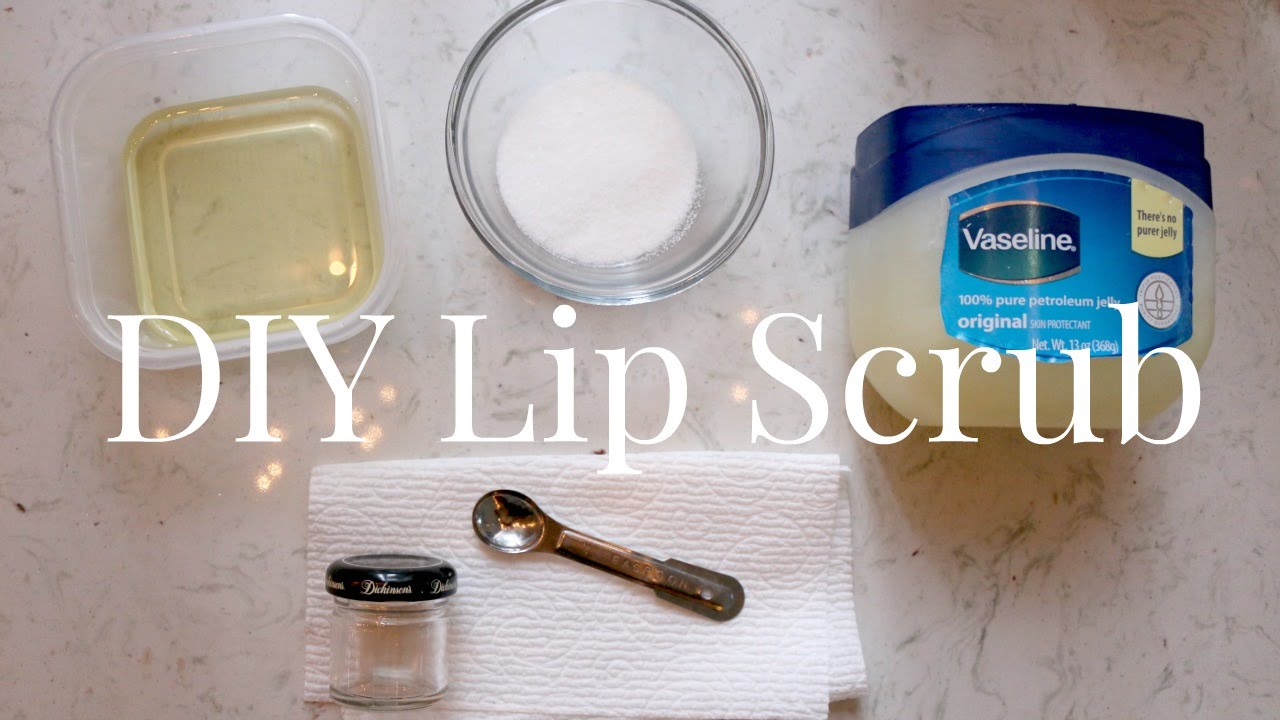
Mix 1 tablespoon brown sugar with 1 teaspoon melted coconut oil. The ratio creates the perfect consistency for easy application.
Add a drop of vanilla extract for scent if desired. This basic recipe lasts 2-3 uses when stored in a sealed container.
Apply with clean fingertips using circular motions for 30 seconds. Rinse with lukewarm water and pat dry.
White Sugar and Olive Oil Blend
Combine 2 teaspoons white sugar with 1 teaspoon olive oil. This mixture works well for normal to dry lips.
The olive oil provides deeper moisturization than coconut oil. Use immediately or store in refrigerator for up to one week.
Honey Sugar Scrub
Blend 1 tablespoon sugar with 1 teaspoon honey and 1/2 teaspoon olive oil. The honey adds extra moisture and healing properties.
This scrub has a stickier texture that clings well to lips. It’s particularly good for very dry or damaged lip skin.
Coffee-Based Lip Scrubs
Coffee and Coconut Oil Recipe
Use 1 tablespoon fine coffee grounds with 1 teaspoon coconut oil. Make sure grounds are fine enough to avoid scratching delicate lip skin.
The caffeine provides a subtle plumping effect. Fresh grounds work better than old ones for optimal results.
Coffee, Honey, and Sugar Combination
Mix 1 teaspoon coffee grounds, 1 teaspoon sugar, and 1 teaspoon honey. This triple-action scrub exfoliates, moisturizes, and energizes.
Apply gently since coffee grounds can be abrasive. Focus on areas with the most buildup.
Oatmeal Lip Scrubs for Sensitive Lips
Ground Oatmeal and Honey
Grind 2 tablespoons rolled oats into fine powder using a coffee grinder. Mix with 1 tablespoon honey for a soothing scrub.
This recipe works well for people who find sugar scrubs too harsh. The oatmeal provides anti-inflammatory benefits.
Oatmeal and Olive Oil Blend
Combine 1 tablespoon ground oats with 2 teaspoons olive oil. Add a pinch of brown sugar for extra exfoliation if needed.
The creamy texture makes this scrub feel more like a treatment mask. Leave on for 2-3 minutes before gently removing.
Salt Scrub Recipes for Stubborn Flakes
Sea Salt and Coconut Oil
Mix 1/2 teaspoon fine sea salt with 1 teaspoon coconut oil. Use very light pressure since salt crystals are sharp.
This powerful combination tackles seriously flaky lips. Only use if your lips are intact without cuts or cracks.
Pink Salt and Sweet Almond Oil
Blend 1/2 teaspoon Himalayan pink salt with 1 teaspoon sweet almond oil. The mineral content provides additional skin benefits.
The pretty pink color makes this scrub feel luxurious. Store leftovers in a small jar for future use.
Step-by-Step Application Methods

Preparing Your Lips Before Exfoliation
Removing Makeup and Lip Products
Start with completely clean lips free of any color or balm. Use a gentle makeup remover or micellar water on a cotton pad.
Lipstick removal requires extra attention since some formulas stick stubbornly to lip skin. Liquid lipstick and matte lipstick need thorough cleansing.
Don’t skip this step even if you think your lips look clean. Residue from lip gloss or tinted lip balm can interfere with scrub effectiveness.
Gentle Cleansing
Splash your lips with lukewarm water to soften the skin surface. This makes exfoliation gentler and more effective.
Pat lips dry with a clean towel. Avoid rubbing, which can cause irritation before you even start scrubbing.
Assessing Lip Condition
Look for any cuts, cracks, or signs of infection. Active cold sores are an absolute no-go for exfoliation.
Check for excessive dryness that might need pre-treatment with oil. Very damaged lips benefit from a day of intensive moisturizing before scrubbing.
Proper Application Techniques
Using Clean Fingers vs. Soft Brushes
Clean fingertips work best for most people since you can control pressure precisely. Wash hands thoroughly before touching your lip scrub.
A soft toothbrush provides more even application but requires extra care with pressure. Only use brushes designated for lips, not ones used for teeth.
Small makeup brushes work for detailed application around lip corners. Choose synthetic bristles over natural ones for easier cleaning.
Gentle Circular Motions
Start at one corner and work across your entire lip surface. Move in small circles rather than back-and-forth scrubbing.
Light pressure is key since lip skin is much thinner than facial skin. Think massage, not aggressive scrubbing.
Focus extra attention on areas where you see visible flaking. These spots need more time, not more pressure.
Pressure Guidelines
Use about the same pressure you’d apply when washing your face. If you’re leaving red marks, you’re pressing too hard.
The scrub should do the work, not your fingers. Quality ingredients break down dead skin without force.
Stop immediately if you feel any stinging or burning. This indicates you’re being too rough or the scrub is too abrasive.
Application Time Limits
30-60 seconds total application time prevents over-exfoliation. Set a timer if you tend to get carried away.
Divide this time between upper and lower lips. Each section needs equal attention for balanced results.
Don’t leave scrub sitting on lips longer than necessary. The ingredients should be working, not just sitting there.
Removal Process
Lukewarm Water Rinsing
Use comfortably warm water, not hot, which can irritate freshly exfoliated skin. Cold water doesn’t rinse oils effectively.
Cup water in your palms and splash gently over lips. Avoid directing a strong stream of water at delicate lip tissue.
Thorough rinsing removes all scrub particles that could cause irritation if left behind. Check carefully for any remaining sugar or salt crystals.
Gentle Patting Dry
Use a clean, soft towel to pat lips dry. Never rub or pull at the freshly exfoliated skin.
Leave lips slightly damp if you plan to apply moisturizer immediately. This helps lock in hydration.
Avoiding Harsh Rubbing
Your lips are temporarily more sensitive after exfoliation. Treat them like you would sunburned skin.
Resist the urge to touch or lick your lips for the first hour. This can introduce bacteria or cause irritation.
Post-Exfoliation Lip Care
Immediate Moisturizing Needs
Natural Lip Balm Application
Apply moisturizer within 2-3 minutes of exfoliation while lips are still slightly damp. This seals in maximum hydration.
Petroleum-free formulas absorb better into freshly exfoliated skin. Look for ingredients like shea butter, cocoa butter, or plant oils.
Avoid balms with menthol, camphor, or strong fragrances immediately after scrubbing. These can sting sensitive lips.
Oil-Based Treatments
Pure oils like jojoba, sweet almond, or coconut oil provide intensive moisture. Apply a thin layer and let it absorb naturally.
Vitamin E oil helps heal any micro-damage from exfoliation. Pierce a capsule and apply the oil directly.
Rosehip oil contains natural retinoids that promote cell renewal. It’s perfect for nighttime post-exfoliation care.
Timing of Moisturizer Application
Don’t wait more than 5 minutes after exfoliation to moisturize. Your lip barrier is temporarily compromised and needs protection.
Reapply moisturizer every 2-3 hours for the first day after exfoliation. Your lips will drink up extra hydration.
Protection Strategies
SPF for Lips
Freshly exfoliated lips burn faster than normal. Use lip products with SPF if you’ll be outdoors.
Zinc oxide or titanium dioxide provide the gentlest sun protection for sensitive post-exfoliation skin. Chemical sunscreens can sting.
Reapply lip SPF every 2 hours, especially if eating, drinking, or talking frequently.
Avoiding Irritants
Skip spicy foods, citrus fruits, and salty snacks for 24 hours after exfoliation. These can burn or further dry freshly scrubbed lips.
Avoid alcohol-based mouthwash that can splash onto lips. Choose alcohol-free formulas during your recovery period.
Strong winds can crack newly exfoliated lips quickly. Cover your mouth with a scarf or apply extra balm before going outside.
Wind and Weather Protection
Cold air pulls moisture from skin faster than usual after exfoliation. Apply a thick layer of protective balm before winter outings.
Air conditioning and heating systems dry lips aggressively. Keep balm handy in climate-controlled environments.
Maintaining Results
Daily Lip Care Routine
Morning application of moisturizing balm protects lips throughout the day. Choose formulas that work under makeup if needed.
Evening treatment with heavier oils or balms repairs daily damage while you sleep. This prevents the need for frequent exfoliation.
Consistency matters more than expensive products. Simple, regular care prevents major buildup.
Hydration Importance
Drink adequate water since dehydrated lips crack and flake faster. Internal hydration supports external treatments.
Humidifiers in dry environments help maintain lip moisture between skincare applications. This is especially helpful in winter.
Monitor your overall hydration status through urine color. Pale yellow indicates good hydration levels.
Product Ingredient Awareness
Read labels carefully to avoid ingredients that worsen your specific lip concerns. Common irritants include artificial fragrances and dyes.
Natural doesn’t always mean gentle. Essential oils like peppermint can irritate sensitive post-exfoliation skin.
Build a routine around products that consistently work for your lips rather than constantly trying new formulas.
Safety Tips and Precautions
Identifying Sensitive Lip Conditions
Allergic Reactions to Watch For
Redness and swelling that develops within hours of exfoliation indicates sensitivity or allergy. Stop use immediately.
Burning sensations that persist after rinsing suggest ingredient intolerance. This is different from the temporary tingle of certain natural ingredients.
Small bumps or rash around the lip area can indicate contact dermatitis. Avoid the triggering ingredient in future scrubs.
Existing Lip Injuries or Cuts
Never exfoliate over cuts, no matter how small they appear. Salt and sugar can prevent healing and cause scarring.
Angular cheilitis (cracks at lip corners) needs medical treatment before any exfoliation attempts. Scrubbing can worsen this condition.
Recent lip injuries from dental work or accidents need complete healing before introducing abrasive treatments.
Cold Sore Considerations
Active cold sores spread easily through touching and rubbing. Exfoliation can spread the virus to other lip areas.
Tingling sensations that precede cold sore outbreaks mean you should postpone exfoliation. Wait until completely healed.
Even healed cold sore areas may be more sensitive than surrounding skin. Use gentler pressure on these spots.
Ingredient Allergies and Patch Testing
Common Allergens in Natural Ingredients
Tree nuts like almonds can trigger reactions even when used topically. Sweet almond oil affects people with nut allergies.
Coconut allergies are less common but serious when they occur. Test coconut oil on your wrist before lip application.
Honey allergies typically show up as redness and itching. Raw honey carries higher allergy risk than processed versions.
How to Perform Patch Tests
Apply a small amount of scrub mixture to your inner wrist. Wait 24-48 hours before checking for reactions.
No reaction means the ingredients are likely safe for lip use. However, lip skin can be more sensitive than wrist skin.
Test each new ingredient separately rather than entire scrub recipes. This helps identify specific problem ingredients.
Alternative Ingredients for Allergies
Sunflower seed oil replaces almond oil for nut-allergic individuals. It provides similar moisturizing benefits.
Agave nectar can substitute for honey in scrub recipes. It offers similar sticking power without bee product concerns.
Oat flour works for people who can’t tolerate sugar or salt exfoliants. It provides the gentlest possible scrubbing action.
Over-Exfoliation Warning Signs
Increased Sensitivity
Lips that sting when applying normal lip balm indicate barrier damage from excessive scrubbing. Scale back frequency immediately.
Persistent redness lasting more than a few hours after exfoliation shows you’re overdoing it. Healthy lips return to normal color quickly.
Unusual dryness despite regular moisturizing suggests you’ve disrupted your natural lip barrier.
Persistent Irritation
Lips that feel raw or tender days after exfoliation need a break from all active treatments. Stick to plain balm until healed.
Burning sensations from products that normally feel fine indicate compromised skin barrier function.
Increased chapping despite proper aftercare means your exfoliation routine is too aggressive for your skin type.
Bleeding or Cracking
Any blood during or after exfoliation means immediate cessation of scrubbing. You’ve damaged the protective skin barrier.
New cracks appearing after exfoliation indicate over-processing. Healthy exfoliation should improve lip texture, not create problems.
Deep fissures require medical attention and complete avoidance of all exfoliating products.
When to Avoid Lip Exfoliation
Active Cold Sores
The herpes simplex virus spreads easily through irritated skin. Exfoliation can worsen outbreaks and spread infection.
Prodromal symptoms like tingling or burning signal an impending outbreak. Avoid all lip treatments during this phase.
Wait at least one week after complete healing before resuming normal exfoliation routines.
Severe Chapping
Lips with deep cracks need healing before exfoliation can help. Scrubbing damaged skin delays recovery.
Professional treatment may be necessary for severely chapped lips that don’t respond to gentle care within two weeks.
Focus on barrier repair with heavy ointments before introducing any exfoliating treatments.
Recent Lip Procedures
Cosmetic procedures like lip fillers or tattoos require specific aftercare that excludes exfoliation. Follow your practitioner’s timeline exactly.
Laser treatments on or around lips create temporary sensitivity. Wait for complete healing before resuming regular lip care routines.
Even minor procedures like aggressive dental cleanings can temporarily increase lip sensitivity.
Troubleshooting Common Issues
Dealing with Very Dry or Cracked Lips

Gentle Pre-Treatment Methods
Start with oil conditioning 24-48 hours before attempting any exfoliation. Apply coconut oil or jojoba oil multiple times daily to soften hardened skin.
Use a warm, damp cloth to gently compress lips for 2-3 minutes. This softens stubborn flakes without aggressive scrubbing.
Modified Scrub Recipes
Cut sugar crystal size in half by crushing granules with a spoon. Finer particles work better on compromised lip barriers.
Double the oil ratio in your standard recipe. Very dry lips need extra lubrication during the exfoliation process.
Add honey to every scrub recipe for severely dry lips. The natural humectant properties help repair damaged skin.
Extended Healing Periods
Allow 3-5 days between exfoliation sessions for damaged lips. Healthy lips can handle twice-weekly treatments, but compromised skin needs recovery time.
Focus on repair rather than removal during initial treatment phases. Sometimes multiple gentle sessions work better than one aggressive attempt.
Skip exfoliation entirely if cracks are deep or bleeding. Healing comes first, smoothness comes second.
Addressing Uneven Results
Technique Adjustments
Check your pressure distribution across both upper and lower lips. Many people unconsciously favor one area over another.
Use a mirror to monitor your scrubbing pattern. Visual feedback helps identify missed spots or over-worked areas.
Time each lip section separately. Spend equal seconds on upper lip, lower lip, and corners.
Ingredient Modifications
Switch to finer abrasives if some areas respond while others remain stubbornly flaky. Not all lip zones have identical thickness.
Increase oil content for areas that seem to dry out faster. The lip center often needs more moisture than the edges.
Add a drop of vitamin E oil to target particularly rough patches. This ingredient helps speed cellular turnover.
Consistency Improvements
Mark calendar dates for exfoliation sessions. Regular scheduling produces more even results than sporadic intensive treatments.
Photograph your lips before and after treatments. Visual tracking helps identify problem areas and successful techniques.
Maintain the same scrub recipe for at least a month before switching formulas. Consistency allows proper assessment of effectiveness.
Managing Post-Exfoliation Irritation

Immediate Soothing Treatments
Apply pure aloe vera gel to calm inflammation and reduce redness. Look for products without added alcohol or fragrances.
Cold compress with a clean cloth can reduce swelling and numb discomfort. Limit application to 10-minute intervals.
Honey creates a protective barrier while providing anti-inflammatory benefits. Let it sit on lips for 15-20 minutes before gently rinsing.
Recovery Timeline
Mild irritation should resolve within 2-4 hours of proper aftercare. Persistent redness indicates over-exfoliation or ingredient sensitivity.
Plan for 24-48 hours of extra gentle care after any exfoliation session. Your lip barrier needs time to rebuild protective layers.
Avoid all active ingredients during recovery, including lip products with salicylic acid or retinoids.
Prevention Strategies
Patch test every new ingredient combination before full lip application. Wrist skin provides a good sensitivity indicator.
Reduce exfoliation frequency if irritation becomes a pattern. Some people need weekly treatments instead of twice-weekly sessions.
Document which ingredients trigger reactions in a beauty journal. Pattern recognition prevents repeated mistakes.
Seasonal Lip Care Adjustments
Winter Weather Modifications

Increase oil ratios in scrub recipes during cold months. Heated indoor air strips moisture faster than summer conditions.
Apply thicker protective balms before going outside in winter wind. The freshly exfoliated skin needs extra barrier protection.
Consider reducing exfoliation frequency during harsh weather periods. Sometimes survival mode trumps beauty routines.
Summer Protection Needs
Add SPF application to your post-exfoliation routine during sunny months. Newly revealed skin burns faster than weathered surface layers.
Choose water-resistant lip products if you’ll be swimming or sweating heavily. Moisture loss accelerates in hot conditions.
Avoid citrus-based scrubs during peak sun exposure times. Some natural acids can increase photosensitivity.
Humidity Considerations
Low humidity environments require more frequent moisturizing between exfoliation sessions. Desert climates and air conditioning create challenging conditions.
High humidity areas may need less frequent exfoliation since skin doesn’t dry out as quickly. Adjust your routine based on environmental moisture levels.
Monitor seasonal changes in your lip condition and modify routines accordingly rather than sticking to rigid schedules.
Storage and Shelf Life of Homemade Scrubs
Proper Storage Containers
Glass Jar Benefits
Glass containers don’t absorb oils or odors like plastic alternatives. Mason jars work perfectly for most homemade scrub recipes.
Clear glass allows easy monitoring of ingredient separation or spoilage signs. You can spot problems before they affect your lips.
Wide-mouth jars make application easier than narrow containers. Your fingers need comfortable access for hygienic scooping.
Airtight Seal Importance
Exposure to air causes oil rancidity and sugar crystallization changes. Proper sealing extends usable life significantly.
Vacuum-sealed containers provide the longest storage life for oil-based scrubs. Even simple tight-fitting lids help preserve freshness.
Check seals regularly since temperature changes can affect closure tightness. Loose lids allow contamination and moisture loss.
Size Considerations
Small batches in 2-4 ounce containers prevent waste and contamination. Large batches often spoil before complete use.
Multiple small containers allow ingredient experimentation without committing to large quantities of untested recipes.
Label containers with contents and creation dates. Memory fails, especially when trying multiple formulations simultaneously.
Refrigeration Guidelines
Which Recipes Need Refrigeration
Fresh ingredients like raw honey or fruit extracts require cold storage. Room temperature storage encourages bacterial growth in these formulas.
Oil-heavy scrubs benefit from refrigeration during hot weather. Heat can cause separation and texture changes.
Any recipe containing water needs refrigeration and quick use. Water-based formulas have the shortest shelf life.
Room Temperature Storage Options
Pure oil and sugar combinations store well at room temperature in cool, dark locations. Avoid areas near heat sources or windows.
Coconut oil-based scrubs may solidify in cool conditions. This is normal and doesn’t affect effectiveness.
Salt scrubs generally handle room temperature better than sugar versions. Salt acts as a natural preservative in many formulations.
Temperature Stability Factors
Extreme temperature fluctuations damage scrub texture and effectiveness. Consistent storage temperatures work better than variable conditions.
Freezing can change oil consistency permanently. Avoid storing containers where they might freeze accidentally.
Hot cars and sunny windowsills destroy scrub quality quickly. Choose consistently cool, dark storage locations.
Shelf Life Expectations
Oil-Based Scrub Longevity
Fresh oil scrubs typically last 2-4 weeks at room temperature. Rancid oil smells distinctly unpleasant and should be discarded immediately.
Vitamin E oil additions can extend shelf life by preventing oxidation. Add 1-2 drops per tablespoon of base oil.
Cold-pressed oils spoil faster than refined versions. The trade-off between freshness and longevity affects recipe choices.
Honey Scrub Preservation
Raw honey has natural antimicrobial properties that extend scrub life. Processed honey provides less preservation benefit.
Honey scrubs can last 4-6 weeks when properly stored. The natural sugars help prevent bacterial growth.
Crystallized honey in scrubs is normal and doesn’t indicate spoilage. Gentle warming can restore smooth texture.
Signs of Spoilage
Rancid oil smells musty, sour, or unpleasantly sharp. Fresh oils should smell neutral or mildly pleasant.
Visible mold appears as fuzzy spots in any color. Discard entire containers if mold appears anywhere.
Texture changes like unusual separation or clumping can indicate spoilage. Trust your senses when evaluating freshness.
Making Small Batches for Freshness
Optimal Batch Sizes
Single-use portions guarantee maximum freshness but require more preparation time. Mix individual applications as needed for special occasions.
Weekly batches balance convenience with freshness. Most people use 2-3 applications per week maximum.
Calculate your usage patterns before settling on batch sizes. Overestimating leads to waste and potential skin irritation from old products.
Ingredient Ratios for Small Quantities
Teaspoon measurements work better than tablespoons for small batches. Precision matters more in smaller quantities.
Keep basic ratios consistent regardless of batch size. One part oil to two parts exfoliant maintains proper texture.
Document successful small batch recipes for easy scaling up or down based on future needs.
Freshness Quality Control
Date labeling becomes crucial with small batches since you’ll be making them more frequently. Include both creation and expiration dates.
Sensory testing before each use catches spoilage early. Look, smell, and feel texture changes that indicate problems.
Establish replacement schedules based on actual usage rather than arbitrary timelines. Empty containers indicate perfect batch sizing.
FAQ on How To Exfoliate Lips Naturally
Can I use regular face scrub on my lips?
No, facial scrubs are too harsh for delicate lip skin. Lip-specific formulas use finer particles and gentler ingredients. Regular face products can cause irritation, cracking, or damage to the thin lip barrier.
How often should I exfoliate my lips naturally?
Once or twice weekly works for most people. Daily exfoliation damages your lip barrier and causes more dryness. Start with weekly sessions and increase frequency only if your lips respond well without irritation.
What’s the best natural ingredient for lip exfoliation?
Brown sugar provides the ideal balance of effectiveness and gentleness. The fine crystals dissolve quickly while the natural molasses content adds moisture. Mix with coconut oil for optimal results.
Can I exfoliate lips with a toothbrush?
Yes, but only use a soft-bristled brush designated for lips only. Apply gentle pressure with circular motions. This method works well for people who prefer tools over finger application.
Is it safe to exfoliate lips during winter?
Winter exfoliation requires extra caution due to harsh weather conditions. Use gentler formulas, increase moisturizing, and apply protective balm before going outside. Reduce frequency if lips become overly sensitive.
What should I avoid when making natural lip scrubs?
Avoid coarse salt, baking soda alone, and essential oils that can irritate. Skip ingredients you’re allergic to, even in small amounts. Never use expired oils or contaminated containers for mixing.
How do I know if I’m over-exfoliating my lips?
Persistent redness, burning sensations, or increased dryness despite moisturizing indicate over-exfoliation. Lips should feel smoother, not raw or tender. Stop immediately if bleeding or deep cracks appear.
Can I use coconut oil for lip exfoliation?
Coconut oil makes an excellent base for natural lip scrubs. It melts at body temperature, provides antimicrobial benefits, and moisturizes while you scrub. Mix with sugar for perfect consistency.
What’s the difference between lip scrubs and lip care routine?
Exfoliation removes dead skin cells, while daily lip care focuses on moisture maintenance and protection. Scrubs are occasional treatments, whereas lip care happens daily with balms and protective products.
Should I moisturize immediately after exfoliating?
Always moisturize within 2-3 minutes of exfoliation while lips are still slightly damp. This seals in maximum hydration and protects the newly revealed skin. Use petroleum-free formulas for better absorption.
Conclusion
Mastering how to exfoliate lips naturally transforms your beauty routine with simple, effective techniques that prioritize skin health over harsh chemicals. These gentle methods work better than expensive treatments while using ingredients you likely already have at home.
Consistency matters more than perfection when building your lip care regimen. Weekly exfoliation sessions followed by proper moisturizing create lasting improvements in lip texture and appearance.
Natural ingredients like brown sugar, coconut oil, and honey provide safe alternatives to commercial scrubs loaded with synthetic additives. Your lips respond better to gentle, nourishing treatments that work with your skin’s natural healing processes.
Remember the safety guidelines and listen to your skin’s signals. Over-exfoliation causes more problems than it solves, so start slowly and adjust frequency based on your lip condition.
With proper technique and quality ingredients, you’ll achieve the smooth, healthy lips that make every makeup application flawless and comfortable.
- Wedding Guest Makeup Looks for Every Season - February 15, 2026
- Fair Skin Makeup Looks That Enhance Your Complexion - February 14, 2026
- Good Makeup Looks That Always Work - February 13, 2026