Dry, flaky lips and lipstick don’t get along. The color clings to dead skin, cracks within an hour, and settles into every line you didn’t know you had.
Figuring out how to apply lipstick on dry lips isn’t about finding a magic product. It’s about prep, formula choice, and technique working together.
This guide covers what actually causes lip dryness before makeup, how to exfoliate and hydrate without overdoing it, which lipstick formulas work on chapped lips (and which make things worse), and the step-by-step application method that keeps color smooth from morning to evening.
What Causes Dry Lips Before Lipstick Application

Your lips have no oil glands. Zero. That’s the root of the whole problem, and it’s something most people don’t think about until they’re staring at a patchy, flaking lip color in their car mirror.
The skin on your lips is thinner than anywhere else on your body, according to Cleveland Clinic. That makes them more vulnerable to cold air, wind, UV exposure, and dehydration. And unlike the rest of your face, lips can’t protect themselves with natural sebum production.
A 2024 survey published in the Journal of Cosmetic Dermatology found that 65.8% of healthcare providers ranked lack of lip dryness as the top indicator of lip health. Lip smoothness came in second at 38.4%. So when your lips feel rough and flaky before you even pick up a tube of color, you’re starting from a disadvantage that most formulas aren’t designed to fix on their own.
Dehydration and Weather
Cold, dry air pulls moisture from lip tissue faster than from regular skin. Indoor heating during winter does the same thing, just slower.
But it’s not only seasonal. If you’re not drinking enough water, your lips show it first. The American Academy of Dermatology recommends using a humidifier at home (especially in the bedroom) to offset this effect.
Lip Licking and Mouth Breathing
Licking your lips feels like it helps. It doesn’t.
Saliva evaporates quickly and strips whatever moisture was left behind. The AAD specifically calls out habitual lip licking as one of the primary causes of cheilitis, the clinical term for chronically chapped lips. Mouth breathing at night creates the same drying cycle, particularly along the lower lip.
Medications That Dry Out Lips
Isotretinoin (Accutane) is the most well-known culprit. Retinoids are the most frequent medication-induced cause of chapped lips, according to dermatology references including Fitzpatrick’s Dermatology.
Other offenders include antihistamines, lithium, and certain chemotherapy agents. If you’re on any of these and struggling with lip color application, the dryness isn’t a prep issue. It’s a medical side effect that needs a different approach.
Dead Skin Buildup and Lipstick Adhesion
Here’s what actually happens when you put lipstick on flaky lips. The pigment grabs onto dead skin cells instead of smooth, fresh tissue. Every crack and peel becomes magnified.
The color settles unevenly. It looks patchy within an hour. And if you’re using a matte lipstick formula, the lack of moisture in the product makes every texture issue ten times more visible.
How to Prep Dry Lips for Lipstick

Prep is where the real work happens. Skip this step and no lipstick formula, no matter how expensive, will sit right on dry, rough lips.
Tatcha’s clinical study on their Kissu Lip Scrub found that 100% of 44 panelists showed improvement in lip flakiness and rough texture immediately after exfoliation. That’s not a sales pitch. That’s an instrumental evaluation on real skin. The takeaway: even a single round of proper exfoliation changes how lip color performs.
Gentle Exfoliation Methods
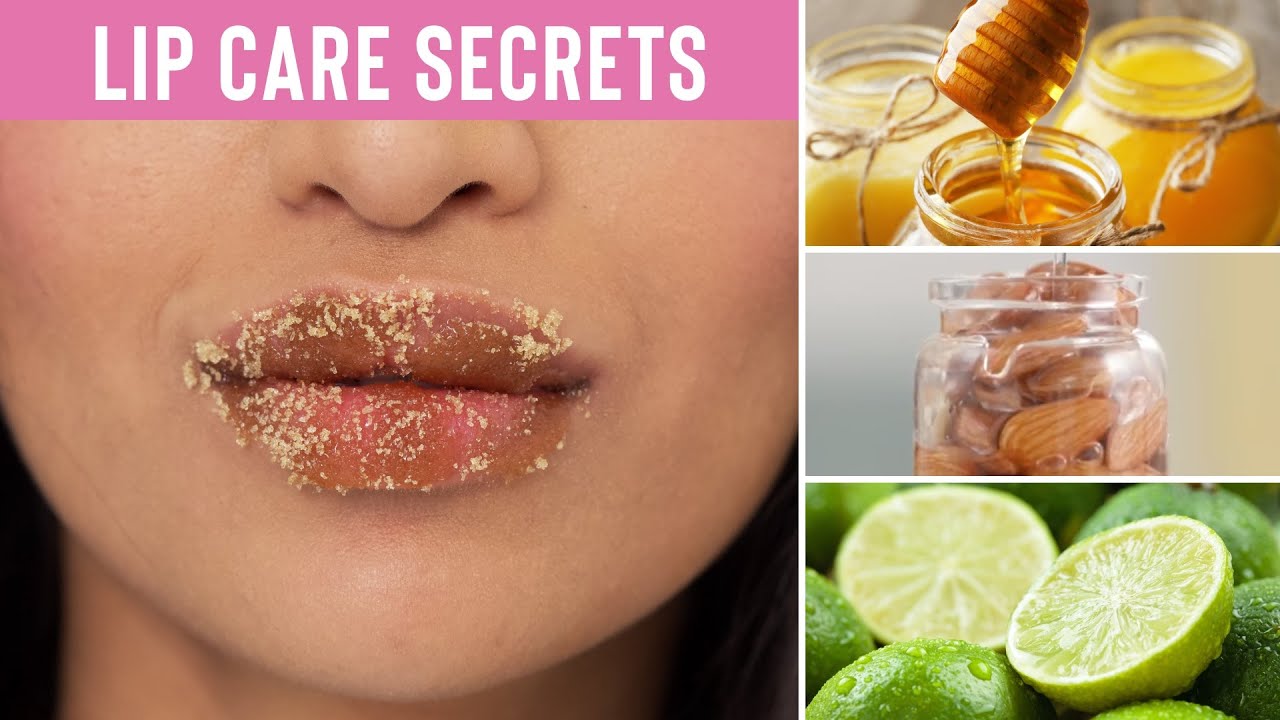
Sugar scrubs are the most accessible option. Mix a pinch of fine sugar with honey or coconut oil, massage in small circles for about 30 seconds, then rinse. That’s it.
A soft-bristled toothbrush works too, if you’re gentle. Dampen it, run it lightly over your lips in circular motions. No pressure needed. The goal is removing loose, dead skin, not scrubbing raw tissue.
Dedicated lip scrub products from brands like Laneige, Burt’s Bees, and Fresh Sugar Lip Polish combine physical exfoliants with moisturizing ingredients like jojoba oil and shea butter. They do both jobs at once.
When to Skip Exfoliation
If your lips are bleeding, cracked open, or raw from peeling, do not exfoliate. Seriously.
Scrubbing damaged skin creates micro-tears and makes the situation worse. In those cases, stick to heavy-duty healing balms (Aquaphor, CeraVe Healing Ointment) for a few days before attempting any lip color at all. Your lip care for dry lips routine needs healing first, exfoliation second.
Applying Lip Balm Before Lipstick
This is where timing matters more than product choice.
Apply a hydrating lip balm at least 5 to 10 minutes before your lipstick. The balm needs time to absorb into the skin. Slap it on and immediately go in with color? You’ll get a slippery mess that slides off within the hour.
After the balm absorbs, blot your lips lightly with a tissue. You want the hydration underneath, not a greasy layer on top. Too much residual balm prevents pigment from gripping to the lip surface.
Best Lip Balms to Use Under Lipstick on Dry Lips

Not every lip balm belongs under lipstick. Some are too slick, some contain ingredients that actually make dryness worse over time, and some just don’t play well with color products.
Grand View Research reports that lip balm held 44.2% of the overall lip care product market in 2024. The category keeps growing because consumers increasingly treat lip balm as skincare, not just a seasonal fix. But for under-lipstick use specifically, you need a formula that hydrates without creating slip.
Ingredients That Work Under Lipstick
Hyaluronic acid: Draws moisture into lip tissue and holds it there. Lightweight, non-greasy. Shows up in newer formulas from brands like Typology and Laneige.
Shea butter: Rich emollient that softens without leaving a heavy film. Absorbs well if you give it a few minutes.
Ceramides: Strengthen the skin barrier on your lips, helping them retain moisture throughout the day. The Ordinary’s PHA 5% Exfoliating Lip Serum combines ceramide-friendly ingredients with gentle exfoliation, and clinical tests showed a 30% boost in moisture levels.
Squalane: Lightweight oil that mimics what your skin naturally produces. Great under any lipstick type because it absorbs cleanly.
Ingredients to Avoid Right Before Lipstick
| Ingredient | Why It’s a Problem | Better Alternative |
|---|---|---|
| Petroleum jelly (thick layer) | Too slick, lipstick slides off | Thin layer of shea-based balm |
| Menthol | Irritates and dries lips further | Fragrance-free formulas |
| Camphor | Creates a drying cycle | Beeswax-based balms |
| Salicylic acid | Can irritate sensitive lip skin | Allantoin or ectoin products |
The AAD specifically warns against products that cause burning, stinging, or tingling on the lips. That sensation means irritation, not active treatment.
Product Comparisons
Glossier Balm Dotcom: Thick, occlusive, good for overnight use but a bit heavy as a lipstick base. Works better if you blot thoroughly.
Burt’s Bees Original: Beeswax-based, absorbs in about 5 minutes, sits well under bullet lipsticks. Drugstore price, reliable performance.
Kiehl’s Lip Balm #1: Contains squalane and vitamin E. Absorbs cleanly enough for layering under satin lipstick or cream formulas without interference.
Laneige Lip Sleeping Mask: Technically a night product, but a thin layer works during the day as a primer-like base. Just use less than you would at bedtime.
Lip Primer and Why It Matters for Dry Lips

Lip primer is the step most people skip entirely. And honestly, if your lips are in decent shape, you can get away without it. But on dry, textured lips? It changes everything.
What Lip Primer Actually Does
Think of it like spackling a wall before painting. A primer fills in fine lines, smooths out rough patches, and creates a uniform surface for color to sit on.
It also extends lipstick wear time. MAC Prep + Prime Lip, one of the most widely used options, creates a slightly tacky base that helps pigment cling longer. For anyone dealing with lipstick that cracks or disappears within two hours, this alone can fix the problem.
Lip Primer vs. Lip Balm
They’re not the same product doing the same job.
| Feature | Lip Balm | Lip Primer |
|---|---|---|
| Primary function | Hydrates and protects | Smooths texture, extends wear |
| When to apply | 5-10 minutes before makeup | Directly before lipstick |
| Texture | Emollient, sometimes greasy | Silky, slightly tacky |
| Can replace the other? | No | No |
On dry lips, you actually want both. Balm first (absorbed and blotted), then primer on top. Two layers doing two different things.
Product Options Worth Trying
MAC Prep + Prime Lip: Industry standard. Smooths, extends wear, works under every formula type.
NYX Professional Makeup Lip Primer: Budget-friendly, does a solid job filling fine lines. Slightly waxy texture that grips color well.
e.l.f. Lip Primer & Plumper: Under five dollars. It won’t perform like MAC, but for the price, it smooths texture and keeps color from bleeding. Good enough for everyday use.
When to skip primer entirely? If you’re wearing a tinted lip balm or sheer formula, primer is overkill. Those products are forgiving enough to sit on slightly textured lips without looking patchy.
Which Lipstick Formulas Work on Dry Lips (and Which Make It Worse)

Formula choice matters more than brand, price, or shade when your lips are dry. Pick the wrong texture and you’ll spend the whole day fighting flakes, cracking, and uneven color. Pick the right one and prep becomes half as hard.
Grand View Research valued the global lipstick market at $17.49 billion in 2024, with the matte segment growing at the fastest rate. But growth doesn’t mean compatibility. The matte boom has left a lot of people with dry lips frustrated, because the formula that looks best in photos is often the worst for textured skin.
Best Formulas for Dry, Textured Lips
Cream lipsticks are the safest pick. They contain more wax and emollient oils than other types, which means they glide on smoother and don’t cling to dry patches. A cream lipstick gives you solid color payoff without that tight, pulling feeling. Charlotte Tilbury’s Matte Revolution is technically labeled matte, but the formula behaves closer to a cream. That’s why it keeps showing up on “best for dry lips” lists year after year.
Satin finishes split the difference between matte and gloss. Some shine, plenty of pigment, comfortable wear. Bobbi Brown Luxe Lipstick and Revlon Super Lustrous both fall here.
Sheer formulas and tinted balms are the lowest-maintenance option. Clinique Almost Lipstick barely feels like you’re wearing anything. For days when your lips are particularly rough, a sheer lipstick just makes more sense than forcing a full-coverage product onto skin that isn’t ready for it.
Formulas That Make Dryness Worse
Matte liquid lipsticks are the biggest offenders. The formula dries down by pulling moisture from your lips, then sits as a rigid film on top. Every crack, every flake, every line gets highlighted.
A makeup artist quoted by NBC’s Today described matte lipsticks as “usually very pigmented and for the most part drying.” That tracks with what most people experience. The liquid lipstick format specifically dries down to a transfer-proof finish, but that “proof” comes at the cost of comfort on already-dehydrated lips.
Long-wearing formulas in general tend to contain more polymers and fewer emollients. They’re designed to stay put, not to treat your skin. If your lips are healthy and well-prepped, these work fine. If you’re dealing with chronic dryness, they’ll make a bad situation worse.
Can You Wear Matte Lipstick on Dry Lips
Yes. But you have to work for it.
The matte lipstick market hit $7.72 billion in 2024 according to WiseGuy Reports, so clearly people aren’t giving up on the finish. And you don’t have to either. The trick is a combination of heavier prep and smarter product selection.
Apply lip balm 10-15 minutes before. Blot completely. Use a lip primer. Then apply your matte lipstick in thin layers, not one thick swipe. Two thin coats always look better than one heavy one on dry lips.
If you’re open to it, making matte lipstick glossy with a dab of clear gloss on the center of your lower lip can add dimension and hide texture issues. It’s a workaround, but it works.
Some matte formulas are genuinely more forgiving. Charlotte Tilbury Matte Revolution and Maybelline Color Sensational Matte both contain moisturizing agents that prevent the worst cracking. They’re not the same as wearing a balm, but they’re miles ahead of the ultra-dry liquid mattes that dominated a few years ago. Knowing the right matte lipstick shades for your skin tone also helps, since darker shades tend to show texture more than mid-tones.
Step-by-Step Lipstick Application on Dry Lips

All the prep in the world means nothing if you apply color carelessly. The technique for dry lips is different from what you’d do on smooth, hydrated skin. Took me forever to realize that dragging a lipstick bullet across flaky lips was the problem, not the product itself.
Line First With a Creamy Lip Liner
Dry lips need a lip liner that actually moves across the skin without tugging or skipping.
Waxy, stiff liners catch on dry patches and create uneven lines. Look for creamy, soft-core pencils instead. Charlotte Tilbury Lip Cheat and NYX Slim Lip Pencil both glide without pulling. Warm the tip on the back of your hand for a few seconds before drawing. This softens the product and makes application smoother.
Line just inside your natural lip edge. Going right on or slightly outside the border works on smooth lips, but on textured skin, it tends to look messy faster. If you’re not sure which shade to pick, a guide to choosing lip liner that matches your lipstick makes the decision simpler.
Build Color in Thin Layers
This is the biggest difference between applying lipstick on normal lips versus dry ones.
One thick layer of color will crack. Two thin layers won’t. Apply a light first coat, press your lips together gently (don’t rub), blot with a tissue, then apply a second coat.
Using a lip brush instead of the bullet gives you more control. You can press color into the lip surface rather than dragging it across. Pressing deposits pigment without disturbing the texture underneath. Dragging moves dry skin around and creates bald spots.
Lip Liner Techniques That Prevent Feathering on Dry Skin
Feathering is already annoying on healthy lips. On dry, cracked skin with fine lines around the mouth, it’s a disaster.
Warm the liner tip before drawing. A few seconds of friction on the back of your hand does the job.
Line just inside the natural lip edge, not on it. This creates a barrier that keeps color contained without looking overdone.
Blend slightly inward after lining. Use a clean fingertip or small brush to soften the edge so it merges with your lipstick rather than sitting as a visible border. For tips on keeping your liner intact through meals and talking, there’s a solid breakdown on making lip liner last all day.
Clean Up the Edges
A small concealer brush dipped in a tiny amount of concealer or micellar water is the fastest way to sharpen your lip line after application.
Run it along the outer edge of your lips. This fixes any wobbles, catches stray pigment, and gives the finished look a polished, deliberate shape. On dry lips, edges tend to blur faster, so this step matters more than usual.
How to Keep Lipstick From Cracking and Flaking Throughout the Day

Getting the lipstick on is one thing. Keeping it there without it falling apart by lunchtime? That’s the real test when your lips are dry.
Board-certified dermatologist Dr. Shereene Idriss confirmed to Huda Beauty that matte lipsticks and stains are waxier with fewer oils, giving richer color but less hydration. The result on dry lips: cracking, settling into fine lines, and flaking within hours. Your maintenance strategy has to account for that.
Reapplying Balm Over Lipstick Without Removing Color
You can add moisture on top of lipstick. You just have to be careful about it.
Pat, don’t swipe. Take a tiny amount of non-tinted lip balm on your fingertip and press it gently onto the center of your lips. Patting deposits hydration without dragging pigment around. Swiping smears your color and creates bald spots.
A thin layer of lip gloss works even better for this. Clear gloss adds shine and moisture simultaneously, and it won’t disturb the color underneath if you apply it lightly. Some people find that applying lip gloss over lipstick is the single best trick for extending comfortable wear on dry lips.
Touch-Up Strategy That Avoids Cakey Buildup
Lipstick Queen data shows cosmetic retail sales in the U.S. reached $49.2 billion in 2022, with lip products making up 22% of that, according to Verified Market Research. People are buying a lot of lip color. The question is whether they’re reapplying it correctly.
Most aren’t. The common mistake is layering fresh product directly over faded, dry lipstick. That creates thickness, uneven texture, and cracking.
Better approach:
- Blot existing color with a tissue first
- Dab a small amount of balm on, let it absorb for 30 seconds
- Apply one thin layer of fresh lipstick
This resets the surface without starting from scratch. If you want your color to survive even longer between touch-ups, making lipstick last longer comes down to the layering technique during initial application as much as how you maintain it later.
Does Setting Spray Help Lip Products
Honestly? Not much.
Setting sprays are designed for face makeup, not lips. Spraying them directly onto lip color can cause some formulas to break down or feel gummy. Setting lipstick with translucent powder is a more reliable method. Press a single-ply tissue over your lips and dust powder through it. The powder locks in the first layer of color without changing its finish.
Overnight Lip Care to Improve Lipstick Results
The night before matters more than the morning of. If your lips are in rough shape by the time you’re reaching for lipstick, you’re already behind. Consistent overnight treatment reduces how much prep work you need before color application.
A clinical study on the Laneige Lip Sleeping Mask found that users experienced a 135% increase in lip hydration immediately after use, with 93.7% reporting softer, less flaky lips. Lawless Beauty’s clinical testing showed 97% of participants agreed their lips appeared smoother in the morning after overnight mask use.
Overnight Lip Masks and How They Work
Laneige Lip Sleeping Mask: The bestseller in this category. Uses a Berry Mix Complex with vitamin C and antioxidants. Thick, occlusive, stays on through the night.
Tatcha Kissu Lip Mask: Japanese peach extract and squalane. Fragrance-free, works well for sensitive skin. Dermatologist-recommended, according to CNN Underscored reporting from 2025.
Kopari Coconut Lip Glossy: Lighter than the other two. Good if you find thick masks annoying to sleep in. Coconut oil base with shea butter.
NBC News spoke with dermatologists who explained that overnight masks work by creating a barrier, sealing moisture into the lip tissue while you sleep. The extended contact time (6-8 hours) allows active ingredients to penetrate deeper than any daytime balm can manage.
DIY Overnight Treatment
Don’t want to buy a dedicated product? Fair enough.
Mix a small amount of raw honey with coconut oil and apply a thin layer before bed. Honey is a natural humectant (pulls moisture from the air), and coconut oil acts as an occlusive seal. It’s not glamorous, but it gets the job done. A solid lip care routine doesn’t have to be expensive.
Hydration and Environment
| Factor | Impact on Lips | Fix |
|---|---|---|
| Low water intake | Dehydration shows on lips first | 8+ glasses daily |
| Dry bedroom air | Moisture loss overnight | Run a humidifier |
| Mouth breathing | Lower lip dries out fastest | Nasal strips, lip mask |
| Retinoid use | Medication-induced chapping | Heavier occlusive at night |
The AAD specifically recommends running a humidifier in the bedroom, especially for people who breathe through their mouth at night. That single change can reduce how much lip prep you need in the morning.
Common Mistakes When Applying Lipstick on Dry Lips

Most of the problems people blame on “bad lipstick” are actually application errors. The product gets the blame, but the technique is usually the real issue.
Dr. Idriss put it clearly: if your lips aren’t hydrated before applying a matte or staining formula, the product will sink into the cracks and crevices. That’s not a product failure. That’s a prep failure.
Skipping Prep Entirely
This is the number one mistake. Full stop.
Applying lipstick directly on flaky, rough skin means the pigment grabs onto dead cells instead of smooth tissue. Every imperfection gets amplified. The color looks patchy in photos, cracks within the hour, and settles unevenly into lip lines. If you’re looking at keeping lips moisturized with matte lipstick, the answer always starts before the lipstick goes on.
Applying Too Much Product in One Layer
One thick coat of color is worse than two thin ones. Always.
L’Oreal Paris specifically warns against this in their matte lipstick guide, noting that heavy layers lead to a “cakey, uneven” finish. Thick application dries faster, pulls tighter against the lip surface, and cracks sooner. Thin layers flex with your lip movement instead of fighting against it.
Picking at Dry Skin Right Before Application
Do not peel flaking skin off your lips with your fingers. You’ll pull off living tissue along with the dead skin, creating raw spots that bleed and sting under lipstick.
If you see a loose flake right before application, use a damp cotton pad to gently press it down rather than ripping it off. Or skip the flaky area and blend your lipstick around it. The flake is less visible under color than a raw, bleeding spot.
Using the Wrong Lip Balm Timing
Two versions of this mistake exist, and both ruin your results.
Too early: Applying balm 30+ minutes before lipstick means the hydration has already worn off or been absorbed completely. Your lips are back to square one.
Too late: Slapping on balm and immediately applying lipstick creates a greasy surface where color can’t grip. The product slides, transfers, and fades within minutes.
The sweet spot is 5 to 10 minutes before lipstick. Apply, let it sink in, blot the excess, then go in with color. Getting this timing wrong is probably responsible for more “this lipstick doesn’t work” complaints than any formula issue.
Over-Exfoliating to the Point of Rawness
Lip scrubs feel satisfying. A little too satisfying, sometimes.
Scrubbing your lips until they’re pink and stinging doesn’t give you a better canvas. It gives you irritated, swollen tissue that reacts badly to pigmented products. You need to exfoliate lips naturally and gently, not aggressively. Once or twice a week is plenty. Thirty seconds of light circular pressure with a sugar scrub, then stop. If your lips sting after exfoliating, you went too far.
FAQ on How To Apply Lipstick On Dry Lips
What is the best lipstick formula for dry, chapped lips?
Cream and satin finishes work best. They contain more emollient oils and wax, which glide over rough texture instead of clinging to flakes. Moisturizing lipstick formulas with shea butter or squalane are solid picks.
Should I exfoliate my lips before applying lipstick?
Yes, but gently. A sugar scrub or soft toothbrush for 30 seconds removes dead skin buildup. Don’t exfoliate if your lips are cracked or bleeding. Once or twice a week is enough.
How long should lip balm sit before applying lipstick?
Give it 5 to 10 minutes to absorb. Then blot the excess with a tissue. Applying color over wet, unabsorbed balm creates a slippery surface where pigment can’t grip properly.
Can I wear matte lipstick on dry lips?
You can, with extra prep. Heavy hydration, a lip primer, and thin layers are required. Some matte lipstick formulas now include moisturizing agents that reduce cracking compared to older liquid mattes.
Why does my lipstick crack and flake after a few hours?
Usually it’s a prep or layering issue. Applying one thick coat on dehydrated lips causes it. Build thin layers, blot between coats, and use a primer to create a smoother base that flexes with lip movement.
What lip balm ingredients should I avoid before lipstick?
Skip menthol, camphor, and heavy petroleum jelly right before color. These either irritate the skin or create too much slip. Look for balms with ceramides, hyaluronic acid, or shea butter instead.
Is lip primer necessary for dry lips?
Not always, but it helps a lot. Primer fills fine lines and smooths rough patches, giving lipstick a better surface to cling to. Products like MAC Prep + Prime Lip and NYX Lip Primer are popular options.
How do I stop lipstick from settling into lip lines?
Hydrate lips the night before with an overnight mask. Use a lip primer before color. Apply thin layers and blot between each one. A feathering-resistant liner also keeps pigment contained.
What overnight treatments help lipstick apply better the next day?
Overnight lip masks from Laneige, Tatcha, or Kopari seal in moisture while you sleep. A DIY mix of honey and coconut oil works too. Consistent nightly use reduces how much morning prep you need.
Should I use a lip brush or apply straight from the tube?
A lip brush gives better control on dry, textured skin. It lets you press pigment into the surface instead of dragging across flakes. Straight-from-the-tube application works fine on smooth, well-prepped lips.
Conclusion
Learning how to apply lipstick on dry lips comes down to three things: consistent lip hydration, the right formula, and layered application. None of these steps work in isolation.
Start with overnight lip conditioning treatments to reduce flakiness before you even touch a lipstick tube. Gentle exfoliation once or twice a week keeps dead skin from ruining your lip color payoff.
Choose cream or satin finishes over drying liquid mattes when your lips are rough. Use a lip primer to smooth texture. Build thin coats instead of one heavy layer.
The difference between patchy, cracking color and a smooth, long-wearing lip comes down to prep and patience. Your lips aren’t the problem. The routine just needs adjusting.
And if you’re still figuring out which shades and finishes suit you best, exploring different lipstick colors for your skin tone is a good next step.

She started writing on the site after fielding the same questions from clients and friends often enough to just write the answers down: which red won't turn orange on a warm undertone, how to keep lipstick from feathering into fine lines, why a "12-hour" formula rarely survives dinner.
Every review on the site follows the same rule she uses with paying clients: wear it first, then decide if it's worth recommending.
- How to Make Eyeliner Last Longer Without Smudging - August 31, 2026
- How to Make Eyeshadow Last Longer All Day - August 29, 2026
- How to Find Your Undertone in 5 Easy Steps - August 27, 2026