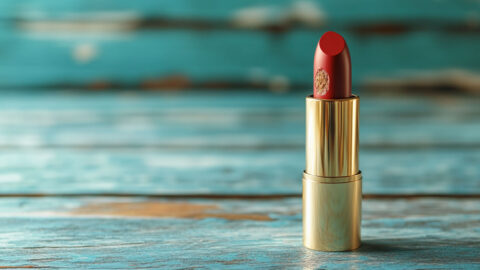
Most of the damage in an expired lipstick happens at the ingredient level, quietly, long before you’d notice a smell or a rash. By the time something actually feels off, the preservative system has usually already lost the fight.
Expired, in the strict sense, means a tube has passed its Period After Opening window, or the manufacture-based shelf date if it was never opened. Past that point, nobody, not even the brand that made it, can promise the texture, scent, or microbial safety of what’s inside.
Tubes used every day carry more risk than ones sitting untouched in a drawer. Bacteria and fungus need contact to get a foothold, and a lipstick applicator brushing across your lips several times a day gives them exactly that kind of opening.
A 2023 study in Scientific Reports tested 27 cosmetic samples, including eight lipsticks, and found bacterial contamination in 85.2 percent of them. Most of the contaminated samples didn’t just brush past recognized safety limits, they exceeded them.
What Is Expired Lipstick?

People use “old” and “expired” as if they mean the same thing, and they don’t, not exactly. A lipstick can sit in a drawer for years and still be perfectly fine to use. Expired is a narrower claim: the tube has passed its Period After Opening window, or the manufacture shelf date if the seal was never broken. Past that line, nobody, including the brand that made it, can vouch for the texture, the scent, or whether anything is growing inside.
A lipstick that’s still within range was probably opened recently, hasn’t hit its PAO cutoff, and looks and smells about the way it did on day one. One that’s past its range has gone beyond the PAO window or the printed shelf date, and it doesn’t matter how much product is still sitting in the tube at that point.
Cosmetic expiration doesn’t work the way food expiration does. The FDA doesn’t require a printed expiration date on cosmetics sold in the US; the only real requirement is that the manufacturer keeps the product safe. That puts the judgment call on whoever’s holding the tube, not on a date stamped at a factory.
A faded or unfashionable shade isn’t spoilage, either. Color and chemical safety are separate questions, and different formulas age on completely different timelines depending on their base. That’s part of why it helps to know the full range of lipstick types before writing off a shade you dislike as somehow “expired.”
How Long Does Lipstick Last Before It Expires?

Twelve to eighteen months. That’s the realistic window for a lipstick that’s actually getting used, not sitting untouched in a drawer. Sealed and unopened, away from air, the same tube can stay stable for two to three years before that clock even starts running.
- Typical opened PAO runs 12 to 18 months, according to Revlon
- The EU requires a Period After Opening symbol once unopened shelf life exceeds 30 months (Regulation EC 1223/2009)
- Mascara, for comparison, only gets 2 to 4 months after opening, per the FDA, which says something about how much more exposed it is to contamination
- The US has no legal requirement for a printed expiration date, just a manufacturer safety obligation (FDA)
None of these numbers come from a government lab testing lipstick on a shelf somewhere. Manufacturers set the PAO themselves, through their own stability testing. The little jar symbol with a number in it is a promise from the brand, not a regulation.
Unopened vs Opened Lipstick
The clock starts the moment air, saliva, and fingers reach the formula, not the moment you buy it.
An unopened tube sitting sealed in a drawer ages slowly. The same formula, opened and swiped across your lips daily, starts breaking down within months.
- Sealed tubes avoid applicator contact entirely
- Cool, dark storage slows the countdown further
- Once opened, humidity and repeated contact override the printed PAO number
Liquid formulas complicate this further, since their shelf behavior doesn’t track a standard bullet lipstick. A separate breakdown on how long liquid lipstick lasts covers that gap in more detail.
What Are the Signs Lipstick Has Gone Bad?

Bad lipstick tends to announce itself through smell first, then texture, then color, roughly in that order. A sour or waxy-rancid odor is usually the earliest tell. Texture shifts, dry or suddenly greasy, come next, along with visible separation on the surface and application that starts dragging or going on patchy.
Smell and Texture Changes
Smell is the fastest tell. Fresh lipstick barely has a scent beyond a faint wax or fragrance note.
- Sour, sharp, or chemical odor
- Rancid, almost paint-like smell
- Crumbly or flaking texture on the bullet
- Greasy film that wasn’t there before
In heavily contaminated cases, mold shows up directly on the bullet surface or the cap, visible without needing a smell test to confirm anything. That’s covered separately, since moldy lipstick sits at a different threshold than ordinary spoilage. It calls for immediate disposal, not a smell test.
Color and Application Changes
Pigment separation is usually the first thing you’ll notice: oil pooling on the surface, or a grainy edge forming around the tip. Color often drifts around the same time, reading duller or slightly off from the original shade. Application changes last, and they’re the most obvious to catch by feel. Color goes on unevenly, tugs at the lips, or just refuses to glide the way it used to.
Why Lipstick Ingredients Break Down Over Time

A few different things happen at once inside an aging lipstick, and none of them happen in isolation. The oil and butter base oxidizes. The preservative system runs out of strength. Pigment starts separating from the wax structure that’s supposed to hold it in place. Opening the tube speeds up all of it at the same time.
Oxidized Oils and Rancidity
Castor oil sits near the top of most lipstick ingredient lists. Formulators like it for the gloss and the way it disperses pigment smoothly. It also resists oxidation better than a lot of other natural oils used in cosmetics, thanks to the hydroxyl group on its main fatty acid, ricinoleic acid. That relative stability is a big part of why it gets reached for so often.
It’s not immune, though. Like any natural oil, castor oil will eventually oxidize given enough heat, light, and air.
Exposed to oxygen, unsaturated fats in a lipstick’s oil and butter blend break down into shorter compounds that carry a rancid smell. That’s the chemical source of the sour odor that signals a lipstick has turned.
- More polyunsaturated plant oils and butters tend to oxidize fastest
- Vitamin E tocopherol gets added specifically to slow this, not stop it
- Heat and light both speed up the reaction
Preservative and Pigment Breakdown
Preservatives like parabens and phenoxyethanol lose potency with repeated exposure to air, saliva, and applicator contact. Once they’re depleted, nothing is left to stop microbial growth.
Pigment tells its own story. Carmine and other colorants can separate from the wax matrix as the structure loosens, leaving a grainy or streaky bullet where the color used to sit evenly.
The Cosmetic Ingredient Review panel assesses exactly these ingredients for long-term safety, which is why brands lean on tested antioxidant and preservative combinations instead of raw oils alone.
Can Expired Lipstick Grow Bacteria or Fungus?
Yes. Once the preservative system is depleted, expired lipstick can grow bacteria and fungus, and testing on used cosmetics has repeatedly turned up live organisms on the bullet and applicator surface.
Bacterial Growth
Aston University researchers, publishing in the Journal of Applied Microbiology (2020), tested 467 used cosmetic products, including 96 lipsticks, and found 79 to 90 percent contaminated with bacteria.
- Staphylococcus aureus
- Escherichia coli
- Citrobacter freundii
Bacterial loads in that sample ran between 100 and 1,000 CFU per milliliter, well above what a fresh, properly preserved product should carry.
Fungal Growth
Fungus needs moisture and warmth to get going, plus somewhere dark to hide from light. A makeup bag zipped shut in a humid bathroom checks every one of those boxes without you doing anything unusual.
Candida albicans shows up repeatedly in lab testing of used cosmetics, feeding on the same oils that go rancid through oxidation.
Once a preservative system fails, fungal spores already floating in the air or sitting on skin have an open runway.
Viral Reactivation and Cold Sores

A lipstick applicator touching an active cold sore carries live virus onto the bullet.
The Herpes simplex virus can survive on a lipstick surface for a period of hours, long enough to reinfect the same person the next time they use it, or to pass to anyone who borrows the tube. Sharing lipstick past its PAO raises that risk further, since a weakened preservative system does nothing to neutralize a virus already sitting on the surface.
What Skin Reactions Can Expired Lipstick Cause?

Contact dermatitis is the most common reaction to expired lipstick. Perioral dermatitis and cheilitis both show up too, usually traced back to the same cause: degraded preservatives and oxidized oils that weren’t part of the formula when it was fresh. The skin responds with redness and swelling, sometimes with cracking severe enough to notice.
Contact Dermatitis
A systematic review in Cutaneous and Ocular Toxicology (2023) tracked 58 individuals across 47 published case reports of allergic reactions to lip products. Castor oil, benzophenone-3, gallate, wax, and colophony came up as the most frequent triggers.
Symptoms usually show up within hours of contact: redness, mild swelling, and a burning or itching feeling confined to wherever the product touched skin.
Perioral Dermatitis and Cheilitis
Perioral dermatitis shows up as small red bumps clustered around the mouth, usually after repeated exposure to whatever’s irritating the skin. Cheilitis looks different: dry, cracked lip skin that sometimes bleeds, and it tends to be worse right at the corners of the mouth.
DermNet New Zealand names lip cosmetics as the leading allergen source of contact cheilitis in women, ahead of toothpaste and other oral hygiene products, which are the leading source in men instead. Once the irritant product is gone, a consistent lip care routine for dry lips helps the skin barrier recover.
Lipstick Risk by Formula Type: Natural Oils vs Synthetic Wax

Oil-heavy and wax-heavy formulas fail in different ways, but neither one wins outright. Natural oil-heavy lipstick oxidizes and turns rancid faster than synthetic wax-heavy formulas do. That said, wax-heavy and matte formulas trap bacteria at the tip just as easily, so nothing here is meaningfully safer once a tube passes its PAO date.
| Formula Type | Base Composition | Typical PAO | Main Degradation Risk |
|---|---|---|---|
| Cream or balm | Oil and butter heavy | 12 months | Oxidation, rancid smell |
| Matte | Wax and silicone heavy | 18 months | Drying out, cracking |
| Liquid long-wear | Solvent and polymer based | 6 to 12 months | Thickening, pigment separation |
| Satin or sheer | Balanced oil and wax | 12 to 18 months | Gradual pigment fade |
Matte formulas lean hard on wax and film-forming agents. That’s basically the whole reason a matte bullet can sit for over a year looking and smelling completely normal, while bacteria quietly build up at the tip from every touch of a finger or applicator. The wax resists oxidation well. It just doesn’t do anything about what’s colonizing the surface.
Cream formulas are a different story. They lean on oils and butters to get that soft, glossy finish, and that same oil content is exactly what makes them oxidize first. You’ll smell a cream lipstick turning before you’d ever notice a matte one doing the same thing.
Neither one is actually safer, just differently misleading. A wax-heavy tube hides trouble longer. An oil-heavy tube announces it early. Bacterial risk at the tip doesn’t check which base you went with, either way.
When Expired Lipstick Does Not Pose a Real Risk
A lipstick just past its PAO date isn’t automatically a problem. If it still smells and feels like it did on day one, if it’s been kept sealed and away from heat, and nobody else has ever dipped a finger into it, the practical risk is genuinely low.
A calendar date alone doesn’t decide safety. Condition does.
A few situations are genuinely fine to leave alone:
- Unopened, sealed, stored cool and dark, a few weeks past its PAO window
- Opened, but smell, texture, and color all match how it looked on day one
- Used by one person only, with a clean applicator and no shared testers
Other situations call for tossing the tube no matter how it looks:
- Any smell shift, even faint
- Shared with another person at any point, even once
- Used near a cold sore or broken skin
- Left in a hot car or a humid bathroom for months on end
A lipstick that looks fine isn’t the same as a lipstick that’s been tested. Smell and texture checks screen out the obvious failures. They don’t prove anything about what’s happening at the microbial level.
How to Test If Lipstick Is Still Safe to Use
A smell test, a texture check, a visual once-over, and a patch test on skin other than your lips will catch most spoiled lipstick before it gets anywhere near your mouth. None of it takes more than a minute or two.
- Bring the bullet close and check for a rancid or sour note instead of the usual faint wax scent
- Swipe a thin line on the back of your hand and feel for grainy, greasy, or crumbly texture instead of a smooth glide
- Look at the tip and the edges for separation, discoloration, or any fuzzy growth
- Apply a small amount to the inner elbow and wait 48 to 72 hours before checking for redness, swelling, or itching, per WebMD guidance on testing new or questionable products
None of this replaces an actual lab test. It just narrows the odds before the lipstick goes anywhere near your lips, which is the whole point.
How to Store Lipstick to Slow Expiration
Lipstick lasts longest sealed, cool, dry, and out of direct light. Heat and humidity are the two conditions that speed up basically every failure mode already covered here.
Storage Conditions
Manufacturers predict shelf life by testing lipstick under accelerated conditions around 40 degrees Celsius and 75 percent relative humidity, per the ISO/TR 18811:2018 guidance on cosmetic stability testing.
A bathroom cabinet in summer, or a car console left in the sun, can approach those same stress conditions in real life, not just inside a lab chamber.
- Keep the cap fully sealed between uses
- Store away from bathroom steam and direct sunlight
- Wipe the tip and applicator regularly rather than letting product build up at the edge
Wiping the bullet surface regularly is a small habit with an outsized payoff. A dedicated guide on how to sanitize lipstick covers the specific method in more depth.
Replacement Timing
Daily wear justifies replacing closer to the low end of that 12 to 18 month PAO range. Occasional wear can stretch toward the high end, as long as smell and texture checks keep coming back clean. Anything shared or sampled at a counter should get replaced right away, since shared contact multiplies contamination odds no matter what the printed PAO says.
Wax-heavy matte formulas hide degradation longer than oil-heavy cream formulas, which means calendar tracking matters more for matte lipstick than trusting smell alone.
What to Do If You React to Expired Lipstick

Stop wearing the lipstick at the first sign of redness, swelling, or burning, and treat the area gently instead of covering the reaction with more product.
- Rinse the lips with lukewarm water, no soap, no scrubbing
- Skip additional makeup on the area until it calms down
- Apply a plain, fragrance-free barrier balm rather than a new lip product
- Avoid picking at any peeling or cracked skin
A cool compress calms active swelling faster than balm alone, a step the American Academy of Dermatology recommends for product-related skin reactions.
See a dermatologist if swelling spreads, blistering appears, or symptoms last more than a couple of days. Once the reaction has fully cleared, easing back into a gentle lip care routine helps the skin barrier rebuild, instead of jumping straight back into pigment-heavy products.
The FDA also accepts direct reports of cosmetic reactions, including rashes, burns, and signs of contamination, through its consumer complaint system, a channel most people never know exists until they actually need it.
FAQ on Expired Lipstick Side Effects
Does expired lipstick contain lead or other heavy metals?
The FDA recommends a maximum of 10 parts per million of lead as an impurity in cosmetic lip products. That level is based on FDA testing of 685 lip and externally applied cosmetic products, more than 99 percent of which came in at or below it (FDA, 2016). Lead here is a manufacturing impurity, not something that shows up because a product expired.
Is expired lipstick riskier than other expired makeup, like mascara or foundation?
Eye-area products carry higher stakes, since contamination there can trigger serious eye infections, per FDA guidance. Lipstick sits somewhere in the middle: lower risk than mascara, higher than powder-based products, which resist microbial growth better than oil-based formulas do.
Does regulation require lipstick packaging to show an expiration date?
Requirements really depend on where you are. The US has no such mandate at all, and the EU requires a Period After Opening symbol once shelf life exceeds 30 months. China goes further, requiring either a production date or a batch code, paired with a PAO date for products meant to last longer.
Can expired lip balm or lip gloss cause the same problems as expired lipstick?
Yes. The same Aston University research that tested lipstick also looked at 107 lip glosses and found comparable bacterial contamination rates (Journal of Applied Microbiology, 2020). Lip balm carries the same risk once opened, relying on the same kind of preservative system.
Does refrigerating lipstick extend its shelf life?
Cold slows the same oxidation reactions that cause rancid smell and preservative breakdown. Manufacturers commonly include a chilled condition, often around 5 degrees Celsius, among their stability-testing benchmarks (Cosmetics & Toiletries, 2018). Condensation on rewarming can undercut that benefit, though, adding moisture the sealed tube was never designed to handle.
What Should You Do First With Expired Lipstick?
Checking scent and consistency comes before anything else with a lipstick you’re unsure about. That single step catches most spoiled bullets faster than checking a calendar date, comparing color, or running an isolated patch test on your wrist.
Replacement priority follows a fairly clear order once that first check is done.
- Shared or counter-tested tubes, regardless of age
- Daily-wear lipstick past the 12-month mark
- Tubes stored through extended heat or humidity
Formula type changes how far that first check can actually be trusted. Matte lipstick can sit through its entire opened window smelling normal, while still carrying the same applicator contamination documented in used-cosmetic testing. That makes date tracking the safer check for that particular formula.
Once a tube earns replacement, the next decision is which shade actually belongs in the rotation, a question picking the right lipstick color answers directly.

She started writing on the site after fielding the same questions from clients and friends often enough to just write the answers down: which red won't turn orange on a warm undertone, how to keep lipstick from feathering into fine lines, why a "12-hour" formula rarely survives dinner.
Every review on the site follows the same rule she uses with paying clients: wear it first, then decide if it's worth recommending.
- How to Make Eyeliner Last Longer Without Smudging - August 31, 2026
- How to Make Eyeshadow Last Longer All Day - August 29, 2026
- How to Find Your Undertone in 5 Easy Steps - August 27, 2026