Shine sells more than color right now. The global lip gloss market is tracking an 8.03% CAGR through 2031 (Mordor Intelligence, 2025). That’s a big number for a product that, technically, does almost nothing lipstick does.
There’s no heavy pigment doing the work here. Mica, castor oil, and polybutene handle it instead, reflecting light off the surface of the lip rather than coating it in color. Lipstick, lip oil, and tinted lip balm get thrown into the same mental bucket as gloss all the time, and they really shouldn’t be. None of them behave the same way once they’re actually on your mouth.
Sheer, tinted, shimmer, plumping. All four sit under the single label lip gloss, and once you know what’s mixed into the tube, telling them apart takes about ten seconds.
What Is Lip Gloss
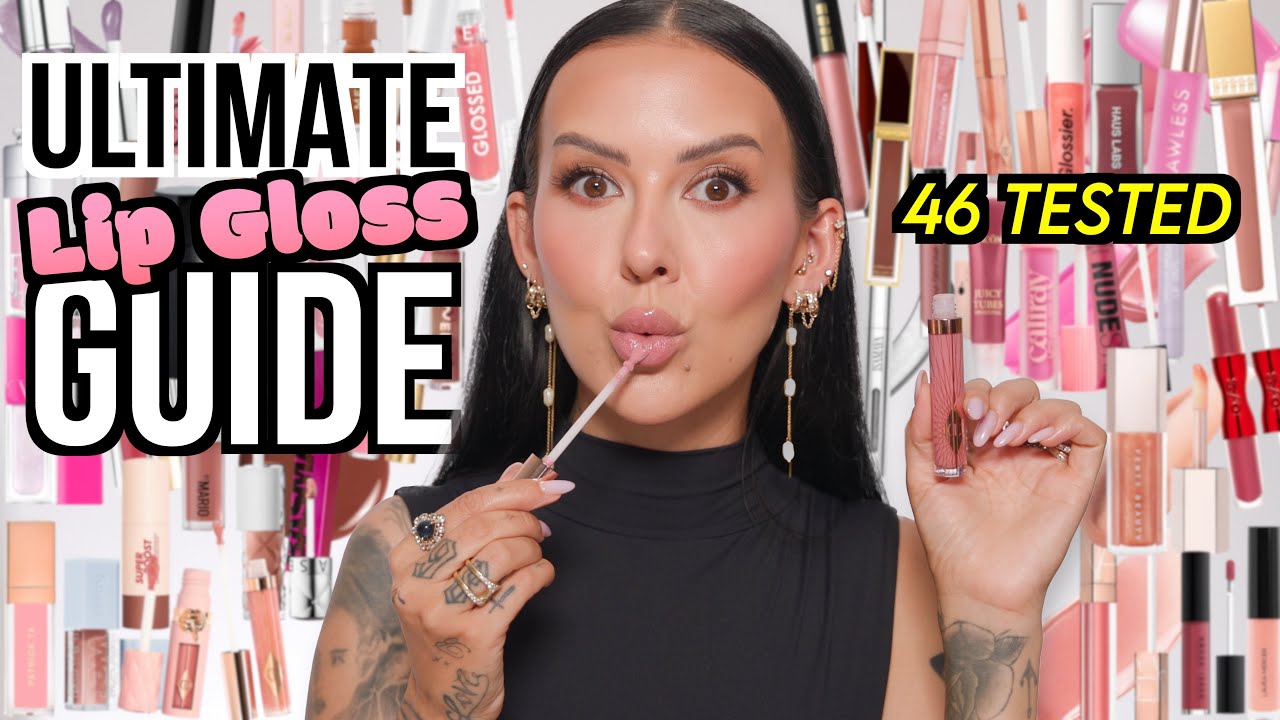
Wear plain lipstick under a bathroom light and it reads as flat within minutes, no shine, no depth, just color sitting on the surface. Gloss fixes exactly that. It sits on top of the lip instead of soaking in, catching light rather than adding pigment, which is the entire reason it reads as wet or fuller even in formulas with zero color in them.
Lipstick tries to cover the lip. Gloss tries to reflect off it. That’s really the whole functional split, even though the ingredient list backs it up in a lot more detail.
What lip gloss actually does to the lips comes down to redirecting light off a thin film instead of depositing heavy pigment, and that holds true whether it’s a drugstore wand or something from a department store counter.
- Applied with a wand, doe-foot applicator, or brush
- Worn alone for a natural look or layered over lipstick
- Ranges from clear to heavily pigmented
None of this is a small market, either. The global lip gloss market hit $4.52 billion in 2025 and is on track for $4.87 billion in 2026 (Mordor Intelligence, 2025).
Most of that money still moves through physical stores. Beauty and health specialty stores accounted for 46.73% of sales in 2025, ahead of every other retail channel (Mordor Intelligence, 2025).
One product shows how fast a single gloss can move. Fenty Beauty’s Gloss Bomb Universal Lip Luminizer sells at a rate of roughly one unit every 10 seconds, based on first-half 2025 sales figures reported by the brand (Fenty Beauty, 2025).
What Is Lip Gloss Made Of
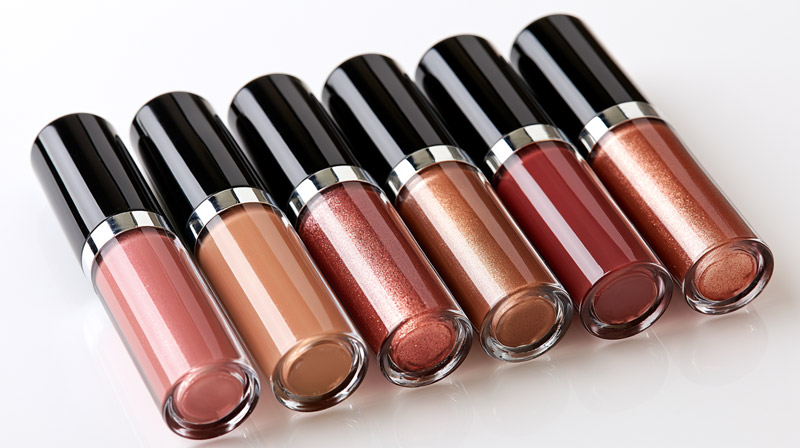
Every gloss formula, whatever the label promises, is doing the same handful of jobs underneath: carrying the product across the lip, holding it there, bouncing light back, and sometimes throwing in something extra for skin benefit. Carriers, film formers, shine agents, optional actives. That’s the whole build.
| Category | Function | Common Ingredients |
|---|---|---|
| Base carriers | Spreadability, cushion | Petrolatum, castor oil, hydrogenated polyisobutene |
| Film formers | Hold shine in place | Polybutene, beeswax, candelilla wax |
| Shine agents | Reflect light | Mica, synthetic pearl particles |
| Optional actives | Added benefit | Vitamin E, hyaluronic acid, SPF filters |
Common Base Oils and Waxes
Petrolatum and castor oil make up the bulk of most gloss formulas. They’re what give the product its slip and that cushioned feel on application.
Hydrogenated polyisobutene works alongside them as a lighter carrier, cutting greasiness without giving up shine.
- Beeswax and candelilla wax add structure and hold the formula’s shape in the tube
- Both waxes also slow water loss from the lip surface
Lancôme’s Juicy Tubes, launched in 2000, built its glass-like shine around this exact oil-and-wax base, with almost no added pigment.
Shine and Reflection Agents
Mica does most of the work here. Its flat, layered particles act like tiny mirrors, scattering light across the lip instead of absorbing it.
Synthetic pearl particles work on the same principle, often with a metal oxide coating that changes how light bends as it passes through.
Particle size decides the effect. Finer mica creates a smooth, metallic shine. Larger flakes read as visible sparkle instead.
Some formulas add vitamin E, hyaluronic acid, or SPF filters, which shifts the product from pure shine toward something closer to a lip care and gloss hybrid.
How Is Lip Gloss Different From Lipstick, Lip Balm, and Lip Oil

Gloss, lipstick, balm, oil. People mix these four up constantly, and it’s an easy mistake since they all live in the same makeup bag. The real difference isn’t complicated once you separate two things: how much pigment is doing the work, and how much shine.
| Product | Pigment Level | Primary Job |
|---|---|---|
| Lipstick | High | Full color coverage |
| Lip Balm | None to low | Protection, hydration |
| Lip Oil | Low | Hydration with light tint |
| Lip Gloss | None to moderate | Shine and light reflection |
Lip Gloss vs Lipstick
Lipstick carries a lot more structural wax and pigment than gloss ever will. It’s a solid stick built for opaque, long-wearing color, not the wet-shine effect gloss is going for.
That heavier wax and pigment load is what separates the two, and the wax-to-pigment ratio in lipstick formulas explains why it holds a matte or satin finish that gloss can’t really fake.
Gloss skips most of that structural wax. It leans on oils and film formers instead, trading color intensity for shine.
A full side-by-side on finish, wear time, and application sits in this lip gloss versus lipstick breakdown.
Lip Gloss vs Lip Balm
Lip balm exists to treat the lips, not decorate them. Its formula centers on protective and healing ingredients rather than shine agents.
- Balm rarely contains mica or pearl particles
- Balm formulas lean on ceramides, shea butter, or petrolatum for barrier repair
- Gloss can hydrate as a side effect, but shine stays the primary goal
Tinted balms blur this line further, adding a wash of color while keeping the treatment-first formula underneath.
Lip Gloss vs Lip Oil
Lip oil is the newest of the three: a liquid, low-pigment product built around fast absorption instead of a heavy film.
Gloss goes the other way, relying on film-forming polymers for a thicker, glassier coat that sits on the surface longer.
Dior’s Lip Glow Oil helped popularize the category, pairing a lightweight oil base with color-adapting pigment instead of gloss’s flat tint.
The full ingredient-by-ingredient split is covered in this lip oil versus lip gloss comparison.
Lip stain sits at the opposite end from both of these. It dries down completely and stops delivering shine once it sets, and a closer look at how lip stain behaves explains why it wears so differently.
What Are the Main Types of Lip Gloss

Sheer, tinted, shimmer or glitter, plumping, hydrating. The differences between these mostly come down to how much pigment shows up and whether anything gets added beyond shine.
| Type | Pigment | Best For |
|---|---|---|
| Sheer gloss | None | Natural, everyday shine |
| Tinted gloss | Light | Subtle color with shine |
| Glitter or shimmer gloss | Variable | Sparkle, evening wear |
| Plumping gloss | Variable | Temporary fullness |
| Hydrating gloss | Variable | Dry or chapped lips |
A closer breakdown of the main types of lip gloss covers formulation differences and shade ranges within each category.
Sheer gloss is about as simple as this category gets: clear or nearly clear, all shine, no color payoff. Tinted versions add a light wash of pigment on top of that, closer to a stain than to real lip color.
Shimmer and glitter formulas go a different direction, packing in larger mica or synthetic particles so the sparkle actually shows instead of producing that smooth, wet-look film.
Then there’s plumping gloss, which folds in mild irritants (more on that below) for an hour or two of fake fullness, and hydrating gloss, which skips the irritation entirely and leans on humectants like hyaluronic acid or squalane.
MAC’s Lipglass anchors the shimmer end of this spectrum, built around mica-based shimmer particles for maximum reflection.
Why Does Lip Gloss Make Lips Shine

Shine comes down to physics. A smooth liquid film reflects more light off the lip surface than dry, textured skin ever could.
Mica particles do most of the actual work. Their flat, layered structure scatters incoming light at multiple angles instead of absorbing it, which produces that glassy look.
- Finer mica particles create a smooth, metallic-looking shine
- Larger flakes scatter light more visibly, reading as sparkle or glitter
- Coated pearl particles bend light differently depending on coating thickness, shifting the reflection’s shade
The base oil’s refractive index plays a role too. A higher refractive index bends light more sharply at the surface, which is what produces the deep, glass-like finish tied to high-shine formulas.
Film thickness matters as well. A thick coat reads as glossy and wet. A thin layer settles into something closer to a satin finish.
Why Does Lip Gloss Feel Sticky

Stickiness is a formulation choice, not an accident. High-viscosity resins like polybutene create tack on contact, and that tack is what keeps the product bonded to the lip instead of sliding off within minutes.
That same tack resists transfer onto cups, straws, and fabric, which is exactly why heavier resin formulas tend to wear longer. It’s also why they end up in your hair the second the wind picks up.
The tradeoff is comfort. More tack usually means longer wear, but also more of that pulling, gummy feeling between the lips.
Dimethicone and other silicone-based ingredients solve part of this. They form a smoother, non-polar film that delivers shine without the drag of traditional resins.
That’s the formulation shift behind most non-sticky gloss marketing since the early 2020s: swapping heavy, polybutene-forward formulas for silicone elastomer blends that spread thinner and set faster.
Fenty Beauty markets its Gloss Bomb line specifically as a non-sticky, high-shine formula, positioning it against the resin-heavy stickiness of earlier gloss generations.
Castor oil sits between the two camps. It contributes real shine without the same resin-driven tack, which is why it shows up in both sticky and non-sticky formulas.
What Causes the Plumping Effect in Some Lip Glosses
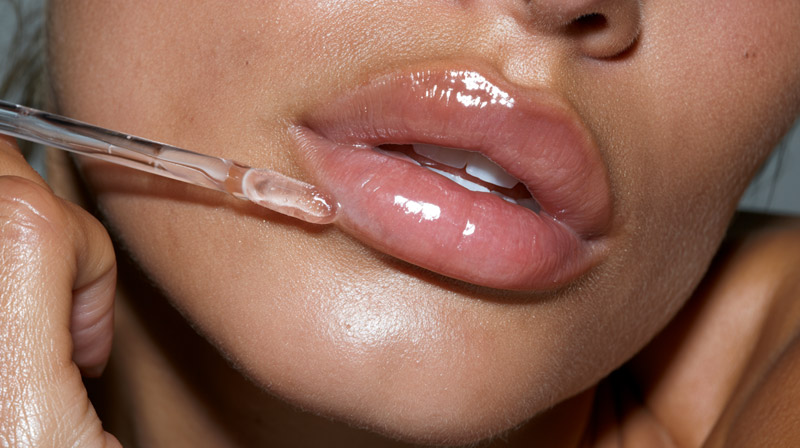
Plumping gloss works through mild, deliberate irritation. Ingredients like cinnamon oil, capsaicin, menthol, and peppermint oil activate sensory receptors in the lip tissue, which triggers a localized inflammatory response.
That response has a name: vasodilation. Blood vessels widen, more blood flows into the lip, and the tissue swells just enough to look fuller within minutes.
Published clinical trials on topical lip plumpers back this up. Measurable increases in lip volume and vascularization have been recorded starting around 15 minutes after application, with effects peaking within the first half hour and tapering off over the following hours. Reported percentage increases in lip volume vary noticeably between studies and formulas, so treat any single figure as specific to that product rather than universal.
The tingling or burning sensation people associate with plumping gloss isn’t a side effect. It’s the nerve signal produced by that same inflammatory reaction.
- Cinnamaldehyde, the active compound in cinnamon oil, produces stronger irritation than menthol but milder than capsaicin
- Menthol activates a different receptor pathway, producing a cooling sensation alongside the swelling
- Niacin derivatives (nicotinic acid) cause vasodilation through a separate, non-irritant route
The effect is cosmetic and temporary, generally fading within one to a few hours as circulation returns to normal. A full breakdown of the receptor-level mechanism is covered in how lip plumper actually works.
DuWop’s Lip Venom, built around cinnamon, wintergreen, and ginger essential oils, is widely credited as one of the first mainstream products marketed specifically for this bee-stung plumping effect.
These ingredients aren’t a substitute for filler, and they carry a real risk of stinging or allergic reaction in people with sensitive skin. Worth patch-testing before you put any of it near your whole mouth.
How Do You Apply Lip Gloss

The doe-foot applicator is still the standard tool, built into most gloss tubes for one-swipe coverage from center to corner.
| Applicator | Best For |
|---|---|
| Doe-foot wand | Standard, even coverage |
| Sponge tip or brush | Precise edges, detail work |
| Roller-ball | Thin, oil-based formulas |
| Fingertip | Thin, natural layer |
A full walkthrough of technique, order of steps, and common mistakes sits in this step-by-step guide to applying lip gloss.
Layering gloss over lipstick is its own skill. Applied to the center of the lip only, gloss adds dimension without flattening the base color underneath.
The technique for that combination, including how much product to use and where to place it, is covered in this guide to applying gloss over lipstick.
What Are the Risks or Side Effects of Wearing Lip Gloss

Most reactions trace back to specific ingredients, not the product category as a whole.
| Risk | Trigger | Effect |
|---|---|---|
| Sun sensitivity | Bergamot, citrus oils | Photosensitized skin, blistering |
| Allergic reaction | Carmine dye | Rash, rarely anaphylaxis |
| Irritation | Fragrance, flavor additives | Stinging, contact dermatitis |
| Lip-lick dermatitis | Frequent reapplication | Cracking, redness, scaling |
Bergamot and other cold-pressed citrus oils contain bergapten, a compound that reacts with UV light to cause photosensitized skin.
The International Fragrance Association caps bergapten at 15 parts per million in leave-on products for this reason (Tisserand Institute, 2025, citing IFRA guidelines).
Cold-pressed bergamot oil itself typically contains bergapten in the range of roughly 0.1% to 0.3%, well above that leave-on limit before dilution.
Carmine, the red dye pulled from cochineal insects, has been FDA-approved for cosmetic use since 1977.
The FDA still requires it to be declared by name on ingredient labels, a rule finalized in 2009 after reports of severe allergic reactions, including anaphylaxis (FDA, 2009).
Fragrance and flavor compounds sit in a separate risk category, unrelated to sun exposure or a specific dye allergy.
Frequent reapplication compounds all of this. DermNet NZ notes that the resulting irritation, known as lip licker’s dermatitis, often crosses the vermilion border of the lip and gets worse with repeated saliva or product contact (DermNet NZ, 2025).
When Was Lip Gloss Invented
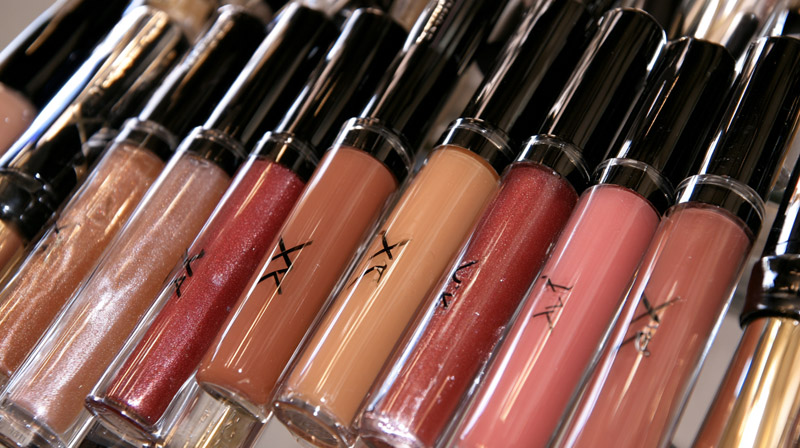
Lip gloss traces back to 1930, invented by Max Factor for Hollywood actresses working under harsh black-and-white studio lighting.
Lipstick read as flat and lifeless on film. Factor needed something reflective enough to catch the light and hold definition on camera.
The product launched commercially as X-Rated in 1932, built on a petroleum jelly base with added oils and pigment. It stayed exclusive to the Hollywood beauty market before reaching wider release.
Documented figures on exactly how much revenue X-Rated generated in its early decades are hard to come by. Detailed, independently verifiable sales breakdowns from Max Factor’s 1940s cosmetic business just aren’t part of the public record. What is well documented is that the product stayed in continuous production for decades, on the market until Procter & Gamble (which acquired Max Factor in 1991) discontinued it in 2003.
The fuller account of who invented lip gloss and how that early formula evolved covers more of the timeline, though it’s worth treating any precise historical sales figures with some caution, since primary-source documentation from that era is limited.
Distribution stayed concentrated in California through the 1930s and into the early 1940s before expanding nationally.
Formulation shifted alongside that growth. Early petroleum-heavy recipes gave way to the multi-ingredient blends common today: film formers like polybutene, shine agents like mica, treatment additives like vitamin E and hyaluronic acid.
How Do You Choose the Right Lip Gloss

Picking the right gloss really just means matching a few things: your undertone, the finish you’re going for, whether your lips react to fragrance or dye, and whether you want any added skin benefit along with the shine.
| Priority | What to Look For |
|---|---|
| Daytime wear | Sheer or tinted gloss with SPF |
| Evening wear | Shimmer or high-shine glass finish |
| Dry lips | Hydrating gloss with hyaluronic acid or squalane |
| Sensitive skin | Fragrance-free, carmine-free formula |
Undertone matters first. Warm undertones lean toward peach and coral-based tints, cool undertones toward berry and rose, and neutral undertones can wear either.
Finish depends on occasion more than skin type. A sheer, low-shimmer gloss reads as appropriate for daytime, while a dense, glass-like formula suits evening wear better.
Checking the ingredient list matters more than whatever claim is printed on the front of the tube.
- Skip fragrance and flavor additives if lips react easily
- Look for carmine on the label if avoiding animal-derived dye
- Avoid cold-pressed citrus oils for daytime wear without added SPF
Added benefits round out the choice. SPF matters most for daytime and outdoor wear, and Supergoop’s Lipscreen Shine SPF 40 is built specifically around that need, pairing a non-sticky gloss finish with broad-spectrum sun protection.
Hyaluronic acid or squalane earns its place for anyone prioritizing hydration over sheer shine intensity.
FAQ on What Is Lip Gloss
How Long Does Lip Gloss Last On The Lips
Wear time depends on formula. Resin-heavy polybutene versions hold up for hours through eating and drinking, while lightweight silicone-based formulas fade faster. A closer look at how long lip gloss actually lasts breaks down the factors.
How Long Is Lip Gloss Good For
Unopened gloss stays stable for 12 to 24 months. Once opened, most formulas last 6 to 12 months before bacteria from applicator contact and oxidized oils break the formula down. Shelf life specifics vary by brand and preservative system.
What Happens If You Eat Lip Gloss
Small amounts pass through the digestive system without harm. Lip gloss ingredients like petrolatum, castor oil, and mica carry low toxicity even if swallowed, according to Poison Control. More on what happens if you eat lip gloss covers larger amounts.
Is Lip Gloss Considered A Liquid When Flying
Yes. The TSA’s 3-1-1 rule classifies lip gloss as a liquid because it can be poured, squeezed, or spread. Each container must stay under 3.4 ounces and fit inside a quart-sized bag, as this TSA travel breakdown explains.
How Do You Get Lip Gloss Out Of Clothes
Scrape off excess product first. Dab rubbing alcohol or dish soap onto the stain to break down the oils and waxes, then rinse with cold water before washing. This clothing stain removal method works on most fabrics.
How Do You Get Lip Gloss Out Of Hair
Work an oil-based product like coconut oil into the strands to loosen the gloss’s own oils and waxes. Comb through gently from ends to roots, then shampoo twice to strip the residue. This hair removal technique avoids pulling or breakage.
Conclusion
What is lip gloss, in practice? Whichever ingredient sits highest on the label, not the shade name printed on the cap.
That ranking order tells you more than the marketing claim does. Film formers listed near the top mean longer wear and more tack. Humectants near the top mean comfort over staying power.
Check that order before shine intensity. Resin-forward formulas hold color through a full day of eating and drinking. Dimethicone-forward ones trade some wear time for a lighter, less sticky feel.
One thing holds regardless of formula: citrus-oil glosses worn outdoors need SPF layered underneath, not assumed.
Patch-test any new plumping formula on the inner wrist first. A short wait there beats a full day of surprise on the lips.

She started writing on the site after fielding the same questions from clients and friends often enough to just write the answers down: which red won't turn orange on a warm undertone, how to keep lipstick from feathering into fine lines, why a "12-hour" formula rarely survives dinner.
Every review on the site follows the same rule she uses with paying clients: wear it first, then decide if it's worth recommending.
- How to Make Eyeliner Last Longer Without Smudging - August 31, 2026
- How to Make Eyeshadow Last Longer All Day - August 29, 2026
- How to Find Your Undertone in 5 Easy Steps - August 27, 2026