That half-used tube of gloss in your bag has an expiration date. Nothing on the label spells it out, but it’s there.
Two clocks are running on it. One counts down while the tube sits sealed on a shelf. The other starts the second you break the seal, and it moves a lot faster than the first.
A UK study on used cosmetics found 79 to 90 percent of tested products, lip gloss included, were carrying live bacteria (Bashir and Lambert, 2020). That’s why the tiny PAO symbol stamped on your tube actually matters, along with the smell test most people never bother doing.
A gloss can look completely fine and still be well past the point where it’s safe to keep using.
What Is Lip Gloss Shelf Life

Two separate clocks run on the same tube, and mixing them up is probably the single biggest reason people keep gloss around long after it should’ve gone in the trash.
One clock counts down while the product sits sealed on a shelf. The other starts the moment you twist off the cap and the wand touches your lips for the first time. Together they add up to what shelf life actually means here: how long a formula stays safe, stable, and worth using, from the day it was made to the day you finally throw it out.
Unopened shelf life and Period After Opening (PAO) are two different numbers.
| Stage | Typical Range | Starts When |
|---|---|---|
| Unopened shelf life | 12 to 24 months | Manufacture date |
| Period After Opening | 6 to 12 months | First use |
Nobody in the US sets these numbers for you, either. The FDA states plainly that there are no U.S. laws or regulations requiring cosmetics to carry specific shelf lives or expiration dates on their labels (FDA). That responsibility falls entirely on the brand.
Retailers end up doing some of that checking themselves. Sephora and Ulta typically won’t stock a product without stability, safety, and ingredient documentation on file, even though nothing legally forces them to ask for it.
Every lip gloss formula comes down to oils, waxes, film formers, and a preservative system, and each ingredient degrades at its own pace, which is part of why two glosses can age so differently.
The EU handles this differently. Products with a shelf life of 30 months or longer have to carry the open-jar PAO symbol under EU Cosmetics Regulation (EC) No 1223/2009, Article 19, instead of a printed expiration date.
How Long Does Unopened Lip Gloss Last
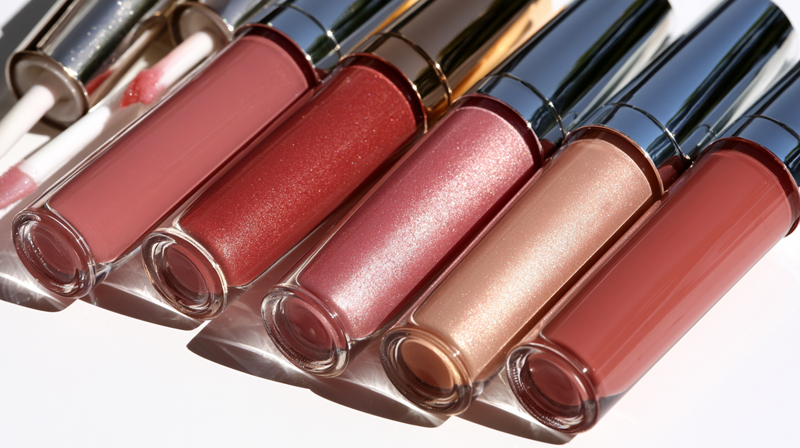
Sealed lip gloss holds up for 12 to 24 months from its manufacture date, assuming it’s kept at room temperature and out of direct light and heat. That range isn’t arbitrary. It comes straight from the preservative system built into the formula, tested to hold back mold, yeast, and bacteria for as long as the seal stays intact.
Preservative load explains most of the gap between 12 months and 24. Synthetic systems, think parabens or phenoxyethanol, tend to push unopened stability toward the 18 to 24 month end. Formulas preserved naturally with rosemary extract or vitamin E usually land closer to 12. And water-based glosses need a stronger preservative system than oil-only bases in the first place, since water is a much friendlier environment for microbial growth.
Storage plays its own part, separate from any of that. Heat speeds up oxidation in the oils and waxes long before the preservative system itself gives out, so a gloss left baking on a windowsill is never going to hit its printed range, no matter how well it was formulated to begin with.
How to Find the Manufacture Date
Batch codes take the guesswork out of this.
Every cosmetic carries a small alphanumeric code stamped somewhere on the tube or box, usually near the barcode. It’s not the same thing as an expiration date, and most people never notice it’s there.
- Look for a short code, letters plus numbers, printed on the bottom or crimp of the tube
- Run it through a free batch code checker tied to the brand or manufacturer
- Compare the decoded date against the shelf life range for that formula type
Under MoCRA, the 2022 law that overhauled FDA cosmetic oversight, brands now have to keep records backing up a product’s safety substantiation. The Environmental Working Group notes the FDA still is not required to review those records directly (EWG, 2023).
How Long Does Lip Gloss Last After Opening
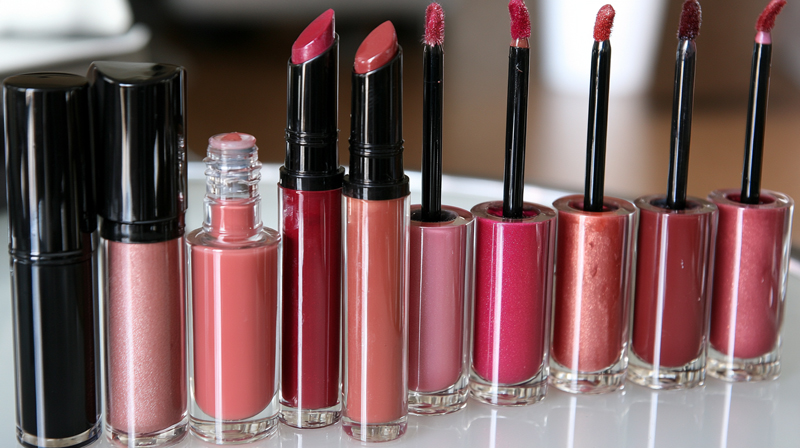
Opened gloss is good for about 6 to 12 months, sometimes a bit longer depending on the applicator and how often you’re actually using it. This number matters more than the unopened figure, honestly, because almost nobody works through a tube in the first few weeks after buying it.
The clock starts at first use, not at checkout.
The moment the seal breaks, air, saliva, skin oils, and whatever else touched the wand before your lips did all start working against the preservative system.
Wand applicators tend to contaminate faster than squeeze tubes. The wand dips from your lips back into the reservoir with every single use, carrying bacteria straight back in each time.
What the PAO Jar Symbol Means
That small open-jar icon stamped on the tube (the one with a number and an M tucked inside it) tells you exactly how long you’ve got once you break the seal. It’s called the Period After Opening symbol. “12M” means the manufacturer’s own stability testing supports 12 months of safe use once opened. “6M” means six.
Ranges shift by category. Lip gloss usually falls between 6M and 12M. Mascara and liquid eyeliner drop to 3M to 6M, since the tube pumps air in and out with every stroke. Lip pencils stretch out to 18M to 24M or longer, because sharpening removes the exposed layer each time.
US brands don’t have to print this symbol, and plenty skip it. The ones that include it anyway are usually thinking about retailers overseas who expect to see it, or just trying to build a little more trust with anyone actually reading the label.
What Factors Determine How Long Lip Gloss Lasts

Formula base, packaging design, preservative strength, and storage conditions all decide how long a given tube actually lasts, and they don’t move together the way you’d expect. A gloss can have a genuinely strong preservative system and still spoil early because the packaging invites contamination. It happens the other way too.
| Formula Base | Typical Opened Shelf Life | Main Risk |
|---|---|---|
| Oil-based | 6 to 9 months | Oxidation, rancid smell |
| Wax-based | 9 to 12 months | Texture separation |
| Water or polymer-based | 6 to 9 months | Microbial growth |
Different types of lip gloss lean on different mixes of these bases. That’s the real reason two glosses bought the same week can end up spoiling months apart from each other.
Ingredients That Speed Up Spoilage
Checking the INCI ingredient list is the fastest way to see which preservative system, if any, is actually doing the work here.
Oil content matters almost as much. Plant oils and butters (shea butter shows up constantly) start oxidizing the second they hit air, and repeated opening only speeds that along. Natural or “clean” formulas without synthetic preservatives tend to expire faster than conventional ones as a result.
Shimmer and pigment particles can separate from the base over time too, which changes texture well before bacteria become anyone’s actual concern. Fragrance oils and certain plant extracts break down faster than the wax or polymer holding everything together, so a gloss can smell “off” while the base itself is still technically fine.
The difference between lip oil and lip gloss matters here as well. Straight lip oils skew toward faster spoilage than a traditional gloss built around film-forming polymers.
Packaging Design and Contamination Risk
How the product actually leaves the tube changes a lot.
Doe-foot wands touch lips directly, then go straight back into the reservoir, dragging bacteria along on every single pass. Squeeze tubes and pump packaging cut down on that back-and-forth contact, which is one reason some long-wear formulas hold their PAO longer than a wand-applicator gloss does.
Fenty Beauty’s Gloss Bomb Universal Lip Luminizer relies on caprylyl glycol rather than parabens as part of its preservative system, a choice more brands have leaned into as demand for “clean” formulas has grown.
What Are the Signs Lip Gloss Has Expired
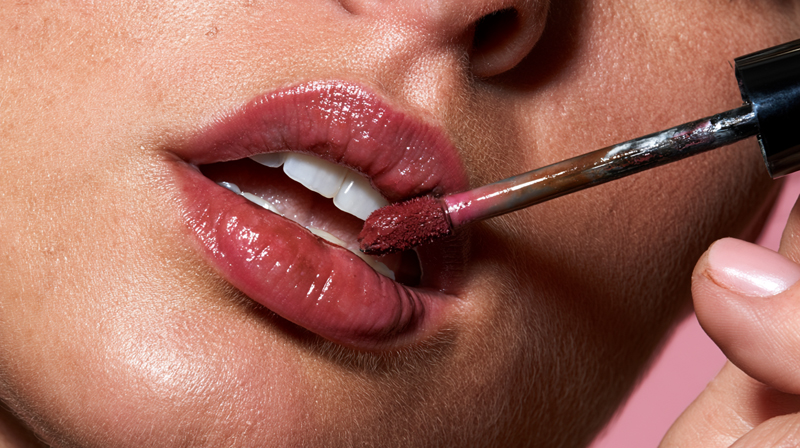
Smell, texture, and color will tell you more than any date on the box ever could.
A sour, plasticky, or just generally “off” smell is usually the first thing you’ll notice, since oxidized oils and a breaking-down preservative system change scent before anything else about the product shifts.
Texture tells the rest of the story:
- Separation, where oil visibly pools apart from the pigment or wax
- A gritty or sticky feel that wasn’t there when the tube was new
- Clumping around the wand or applicator opening
- Color that’s faded, darkened, or shifted away from the original shade
None of this is just cosmetic. A frayed, discolored, or stiff wand is often the clearest visual sign that bacteria have had time to build up inside the tube, since the applicator sits in that reservoir between every use. Dermatologists generally treat a change like that as a hard stop, not a maybe.
Is It Safe to Use Expired Lip Gloss
Expired lip gloss isn’t automatically dangerous. It does carry a meaningfully higher risk than a fresh tube, though, and that risk is bacterial rather than cosmetic.
A study published in the Journal of Applied Microbiology tested 467 used cosmetic products, including 107 lip glosses, and found 79 to 90 percent contaminated with bacteria (Bashir and Lambert, 2020). Separate research out of Saudi Arabia tested unused cosmetics from a mix of high and low-quality brands and found lip gloss to be the single most contaminated category in the low-quality group, ahead of lipstick even, with Staphylococcus aureus and E. coli each turning up in about a quarter of samples (Saudi Journal of Biological Sciences, 2023).
| Study | Location | Key Finding |
|---|---|---|
| Bashir and Lambert, 2020 | United Kingdom | 79 to 90% of used products bacterially contaminated |
| Saudi study, 2023 | Saudi Arabia | Lip gloss ranked as the most contaminated product tested among low-quality brands |
Two research teams, two different countries, and they landed on roughly the same conclusion: lip gloss sits among the riskiest products in a makeup bag once hygiene or quality slips.
What that risk looks like in practice ranges from cold sores and cheilitis around the mouth to contact irritation once preservatives lose their potency. Staph colonization from a repeatedly reused, contaminated applicator is also on the list, and it’s the one people tend to underestimate most.
Viruses are part of this too. A systematic review in BMC Infectious Diseases found that herpes simplex virus can persist on inanimate surfaces anywhere from a few hours up to seven days (Kramer, Schwebke, and Kampf, BMC Infectious Diseases, 2006). That’s exactly why sharing a tube, or reusing an old one after a cold sore, carries real risk. Similar findings turn up in research on how long the herpes virus can live on lipstick, a close cousin of this same contamination question.
None of this means every expired tube will make you sick. It means the odds shift, quietly, the longer a tube sits open past its PAO window, and no smell test is reliable enough to catch bacterial growth before it actually happens.
How Long Does Lip Gloss Last on the Lips During Wear
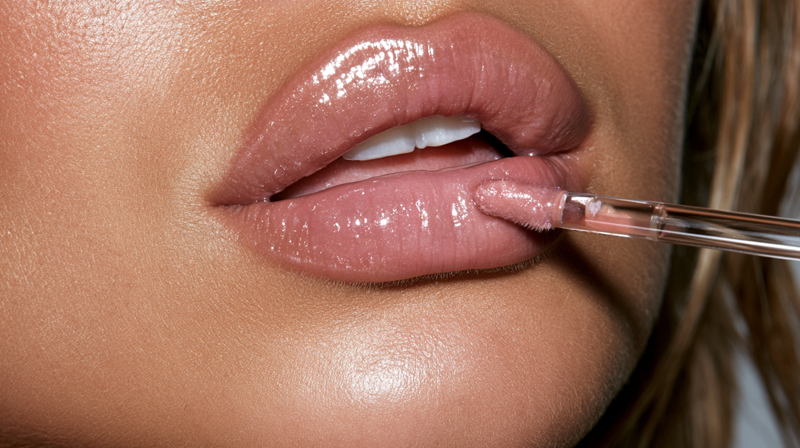
Most lip gloss wears for somewhere around 1 to 3 hours before it needs a touch-up, though thicker, tackier formulas can stretch past that. This has nothing to do with shelf life or PAO. It’s purely about how fast the product physically leaves your lips through eating, drinking, talking, and plain friction between them.
Eating strips off the bulk of a coat almost immediately, especially anything oily. Hot drinks melt the wax components faster than cold ones do, and talking or lip-licking wears down thin, watery formulas quicker than thick ones.
Formula thickness changes the math directly. A lightweight, high-shine gloss fades closer to that low end, while a tackier, higher-wax or film-forming version can hang on for several more hours before it needs reapplying.
Some brands chase longer numbers in their actual marketing. L’Oreal Paris sells its Infallible line under an explicit 8-hour wear claim, built around a heavier, more film-forming formula than a standard sheer gloss.
Climate matters more than most people expect, too. Heat and humidity soften wax and oil components faster, which shortens wear time in summer compared to a cool, dry room.
Which Lip Gloss Formulas Stay On Longer

Formula type decides wear time more than brand or price point ever really does.
L’Oreal Paris’s own beauty content puts average gloss wear at roughly 1 to 3 hours, with lipstick landing at 4 to 6 hours and lip stain stretching to 8 to 12 (L’Oreal Paris, 2026). That gap tracks with why so many people layer stain under gloss instead of relying on shine by itself.
| Format | Typical Wear Time | Why |
|---|---|---|
| Sheer gloss | 1 to 3 hours | Thin film, minimal film-forming polymer |
| Lipstick | 4 to 6 hours | Wax and pigment hold to the lip surface |
| Lip stain | 8 to 12 hours | Pigment binds into the lip itself, not just a surface film |
Plumping glosses complicate this picture a little. Formulas built around capsaicin, cinnamon, or menthol work by irritating the lip tissue just enough to draw blood to the surface, and the tingling that comes with it usually fades well before the gloss film itself wears off.
DuWop’s Lip Venom, one of the original mainstream plumping glosses, leans on a blend of cinnamon, ginger, and wintergreen oils to get that swelling effect, rather than counting on shine to carry the product.
Lip Oil vs Traditional Gloss vs Long-Wear Gloss Stain
Lip oil, traditional gloss, and long-wear gloss stain don’t wear anything alike.
Lip oil sinks in fastest, since it’s built to absorb rather than sit on top of the lips. Traditional gloss just sits there as a film on the surface, wearing down gradually through friction and eating. Long-wear gloss stain works differently again: it deposits pigment into the lip surface first, then layers shine on top, and that shine fades on its own separate timeline from the color underneath.
That last point matters more than people expect. A stain-based gloss can look “worn off” within an hour while the actual color underneath is still visible for most of the day. It’s a different kind of longevity than raw shine retention, and it throws people off if they’re expecting the gloss to behave like a regular one.
How to Make Lip Gloss Last Longer Throughout the Day

Prep matters more than product choice once you’re past a certain price point.
Dead, flaky skin breaks up an even gloss film and gives the product somewhere to catch and wear off faster than it otherwise would. Most dermatology-adjacent guidance lands somewhere between one and three times a week for lip exfoliation, tapering down toward once weekly if your lips are sensitive or already chapped.
Sara Happ built an entire product category around exactly this step. The Lip Scrub is still one of the most recognized names in lip exfoliation more than a decade after it launched.
Layering technique changes wear time almost as much as prep does:
- Line lips first. A base of lip liner gives gloss something to grip instead of sliding around on bare skin
- Apply, blot with a tissue, then add a second thin coat rather than one heavy layer
- Reapply after meals instead of waiting for visible fading. Oily food strips product before it looks obviously gone
Gloss applied over lipstick also holds longer than gloss worn alone, since the lipstick’s wax base gives the shine layer something to cling to instead of sitting directly on skin.
None of this makes gloss last as long as a matte lip stain. It just closes some of the gap, and for a lot of people, closing that gap is the entire point of reaching for gloss in the first place.
How to Store Lip Gloss to Extend Its Shelf Life
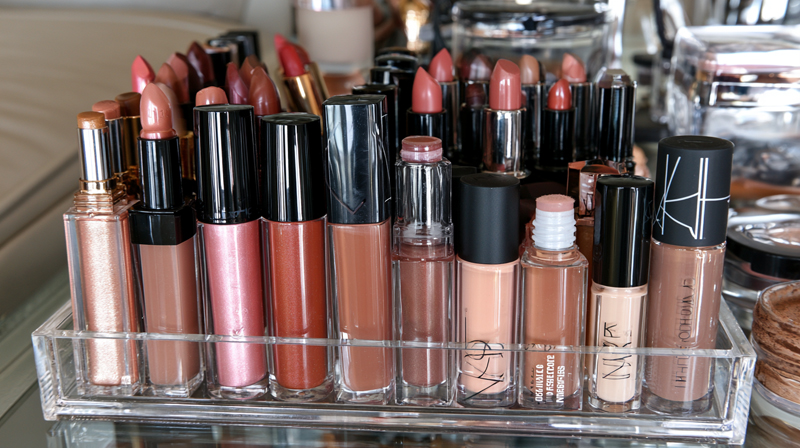
Storage habits can add months to a tube’s usable life, or cut that life short within weeks.
Keep it out of direct sun and away from heat sources. Both speed up the oxidation that eventually turns a fresh gloss rancid, and cars are the worst offender by far. A glove compartment or cupholder can swing well past 100 degrees Fahrenheit on a warm day, far outside the range any preservative system was ever tested to handle.
The refrigerator question comes up constantly, and the real answer is more nuanced than social media tends to make it sound. “Consumers should not confuse refrigeration with preservation,” cosmetic chemist Susan Raffy has said. If a product doesn’t contain proper preservatives, it’s still unlikely to have a very long shelf life just because it’s cold. Oil and wax-based formulas (which is most lip gloss) can actually separate or harden in a fridge rather than staying stable.
Beauty brands like Cooluli sell dedicated mini fridges built around this whole trend, but the packaging appeal doesn’t change what the ingredients inside a tube of gloss actually need.
A few habits do more good than any gadget ever will. Close the cap fully after every use, not just most of the way. Skip your finger for pot-style gloss and use a fresh applicator instead of double-dipping. Keep it out of shared bags where it rattles against keys or coins that can crack the seal, and don’t hand a tube to a friend to try, since sharing introduces bacteria that a solo user’s preservative system was never built to fight off.
The same core habits carry over to how you store makeup generally, not just gloss specifically.
How Does Lip Gloss Compare to Other Lip Products for Shelf Life
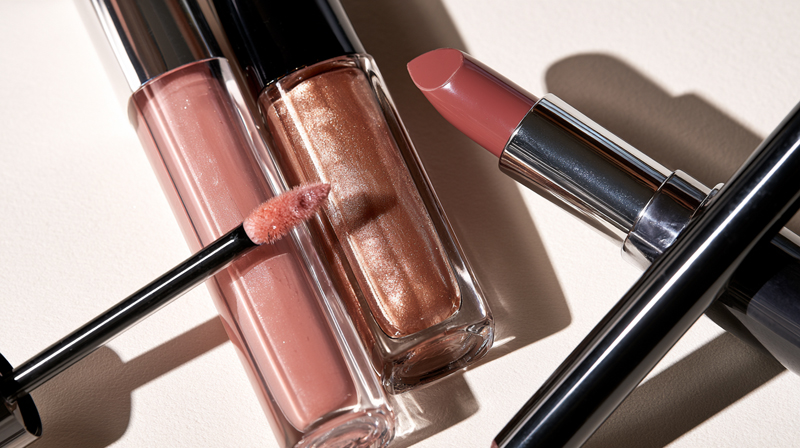
Lip gloss sits on the shorter end of the lip-product shelf life spectrum, closer to lip balm than to lipstick or liner.
| Product | Typical Opened Shelf Life | Why |
|---|---|---|
| Lip gloss | 6 to 12 months | Oil-heavy, frequent applicator contact |
| Lip balm | 6 to 12 months | Similar oil content, often no synthetic preservative |
| Lipstick | 12 to 24 months | Higher wax content resists oxidation longer |
| Lip liner | Up to 24 months | Sharpening removes the contaminated outer layer |
Lip liner earns that top spot through mechanism, not luck. Every time you sharpen lip liner, you’re physically removing the outer layer that’s been exposed to air, skin, and bacteria, which resets the surface much like sharpening a fresh pencil point.
Lipstick benefits from similar wax-heavy chemistry, which also happens to be why it’s a slower-wearing format on the lips in general. The bullet shape limits surface area exposure compared to a wand-and-tube gloss, and a higher wax-to-oil ratio resists rancidity for longer than a formula built mostly around light oils and film formers.
Lip balm ends up the closest match to gloss, and for basically the same reason. Both lean heavily on oils and butters, both often skip aggressive synthetic preservatives in favor of gentler marketing claims, and both spoil faster than anything wax-based as a result.
The gloss versus lipstick comparison really comes down to that same tradeoff in the end. Lipstick’s stability costs it some shine. Gloss’s shine costs it some shelf life.
How long does lip liner last compared to everything else in the bag? Long enough that it’s often the last thing still standing in a makeup drawer full of expired color.
FAQ on How Long Does Lip Gloss Last
What happens if you accidentally swallow lip gloss?
Rarely dangerous, honestly. Most oils and waxes pass straight through the digestive system unabsorbed, so understanding what happens if you eat lip gloss usually eases the worry pretty fast. Swallowing a large amount, or a formula with plumping actives like capsaicin, can trigger some stomach upset.
Can you freeze lip gloss to make it last longer?
Freezing tends to do more harm than good for most gloss formulas. Oil and wax bases separate or turn grainy at low temperatures, which stresses the preservative system even further. Room temperature, away from heat and direct sun, is still the safer call.
Do lip gloss testers at the makeup counter expire faster than the one you buy?
Yes, and by a lot. Testers get opened, touched, and exposed to air far more than a personal tube, and every new person who tries one introduces fresh bacteria. A retail tester carries a higher contamination risk than a sealed, individually owned tube, no matter what the printed PAO says.
Does lip gloss with SPF expire faster than regular gloss?
SPF ingredients are regulated as active drugs in the US, not just cosmetic additives, so an SPF gloss actually has to prove its stated protection holds up for its entire shelf life. Heat and light also break down UV filters faster than they break down standard gloss ingredients.
Should you throw away lip gloss after a cold sore even if it’s not expired?
Yes. Herpes simplex virus can survive on an applicator well past a single use, and a fresh PAO date doesn’t protect against reinfection. Toss the tube once a cold sore shows up, rather than waiting around to see if symptoms come back.
Can old lip gloss cause breakouts around the lips?
It can. Bacteria and thickened, oxidized oils sitting in an old tube can clog pores and irritate the thin skin around the mouth, sometimes setting off small bumps or perioral dermatitis. Switching to a fresh tube usually clears it up within a few days.
Does lip gloss last as long in humid climates as in dry ones?
Not usually. Moisture encourages bacterial and fungal growth inside the tube, which shortens how long an opened gloss stays safe to use. Dry, climate-controlled storage keeps the preservative system closer to its full PAO window.
Is there a real difference in shelf life between drugstore and luxury lip gloss?
Price doesn’t reliably predict shelf life, actually. What matters is the preservative system and the formula itself, not the brand tier. A cheap gloss with a strong preservative can easily outlast an expensive one built around delicate natural oils.
Can lip gloss dry out before its PAO date is even up?
Drying out and bacterial spoilage are two separate problems, actually. Solvents evaporate every time the cap opens, and repeated air exposure can thicken or crack a formula well before its printed PAO window closes, even without any contamination involved.
Does expired lip gloss lose its shine even if it’s still technically safe to use?
Often, yes. Shine depends on film-forming polymers staying intact, and those break down even when bacteria never become an issue. A gloss can be microbiologically fine and still look dull, thick, or patchy well past its best performance window.
Conclusion
How long lip gloss actually lasts comes down to habits more than any date printed on the box.
Grab a piece of tape, or just a permanent marker, the day you open a new tube and write that date on the bottom. That one small habit tracks period after opening far better than memory ever will.
Two identical tubes bought the same week can spoil months apart from each other. One gets a full cap twist and a quick wipe-down after every swipe. The other gets left open on a bathroom shelf between uses, and that’s really the whole difference.
If nothing else sticks, check the wand before you check the calendar. A clean, unfrayed applicator says more about safety than any printed number ever could.
And gloss just won’t outlast lipstick or liner. Budget accordingly.

She started writing on the site after fielding the same questions from clients and friends often enough to just write the answers down: which red won't turn orange on a warm undertone, how to keep lipstick from feathering into fine lines, why a "12-hour" formula rarely survives dinner.
Every review on the site follows the same rule she uses with paying clients: wear it first, then decide if it's worth recommending.
- How to Make Eyeliner Last Longer Without Smudging - August 31, 2026
- How to Make Eyeshadow Last Longer All Day - August 29, 2026
- How to Find Your Undertone in 5 Easy Steps - August 27, 2026