Cream lipstick is one of those products that looks simple in the tube but does a lot more than you’d expect. So what is cream lipstick, exactly? It’s a lip color formula built around a rich blend of oils, waxes, and pigments that delivers hydrating color with a smooth, satin-like finish.
Unlike matte formulas that can feel dry or glosses that fade in minutes, cream lipstick sits in a sweet spot. Comfortable wear, real pigment payoff, and a finish that works whether you’re heading to the office or out for the evening.
This guide covers everything from cream lipstick ingredients and how it compares to other formula types, to application tips, shade matching for different skin tones, and the best products across every price range.
What Is Cream Lipstick

Cream lipstick is a lip color formula built around a high concentration of emollients, oils, and pigments that delivers a smooth, hydrating finish. It sits right between a matte lipstick and a lip gloss in terms of texture and shine.
The formula typically contains 40-50% castor oil as its primary base, according to cosmetic formulation research. That’s a significantly higher oil ratio than what you’d find in a standard matte bullet, which is exactly why cream lipsticks feel so comfortable on the lips.
What makes this formula different from other lipstick types is the balance. You get real pigment payoff without that dry, tight feeling. The wax-to-oil ratio leans heavier on oils and butters like shea butter, cocoa butter, and jojoba oil, while still using enough beeswax and carnauba wax to hold its shape in a bullet or pot.
Grand View Research valued the global lipstick market at $17.49 billion in 2024, with cream formulas ranking among the most popular segments for younger consumers specifically because of their ease of application and built-in moisture.
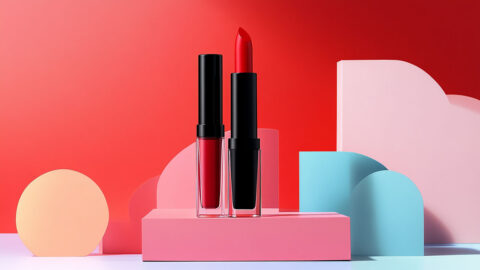
Cream lipstick comes in a few different forms. The classic bullet tube is the most common. But you’ll also see it in squeeze tubes and small pots, depending on the brand. The finish can range from a luminous satin to a soft semi-matte depending on how much wax the formula contains.
Cream Lipstick vs. Matte, Satin, and Gloss Formulas
Picking between lip color formulas gets tricky fast because the names overlap and brands aren’t always consistent with their labeling. Here’s where cream lipstick actually falls compared to the major alternatives.
| Formula Type | Moisture Level | Finish | Transfer | Longevity |
|---|---|---|---|---|
| Cream | High | Satin to semi-matte | Moderate | 3-5 hours |
| Matte | Low | Flat, no shine | Low | 5-8 hours |
| Satin | Medium | Soft sheen | Moderate | 3-5 hours |
| Gloss | High | High shine | High | 1-2 hours |
| Liquid | Low (after dry-down) | Matte to metallic | Low | 6-10 hours |
Cream vs. Matte Lipstick
The biggest gap between cream and matte formulas comes down to moisture content. Matte lipsticks pull out most of the oils and emollients to get that flat, velvety look. Cream keeps them in.
That trade-off means matte lasts longer on the lips (sometimes double the wear time), but it can feel drying after a few hours. Cream fades more gradually and needs reapplication, but your lips won’t feel like sandpaper by noon. For anyone who struggles with keeping lips moisturized with matte lipstick, cream is usually the better call.
Cream vs. Satin Lipstick
These two get confused constantly. A satin lipstick has a similar sheen to cream, but the formula weight is lighter. Satin formulas tend to use less wax and fewer heavy butters, which makes them thinner on application.
Cream lipstick has more body. You can feel the difference when you swipe it across your lips. If satin feels like a silk shirt, cream feels like a cashmere sweater. Both look pretty similar from a few feet away, though.
Cream vs. Gloss and Liquid Lipstick
Gloss is mostly shine with minimal pigment density. Cream gives you actual full coverage that looks polished without being reflective. Totally different products for different goals.
Liquid lipstick goes on wet and dries down to a matte or semi-matte finish. It’s almost the opposite experience from cream. Once liquid lipstick sets, it barely moves. Cream stays soft and movable the entire time you wear it, which is both its strength and its limitation.
When Cream Lipstick Outperforms Other Formulas
Dry or chapped lips: Cream formulas don’t cling to flaky patches the way mattes do.
Cold weather: The higher oil content resists that tight, cracking sensation that happens with drier formulas in winter. If you’re already following a lip care routine for the colder months, cream lipstick layers on top of that without undoing the work.
Quick application: You can apply it straight from the bullet without much precision. It blends out easily, forgives mistakes, and doesn’t require a perfectly prepped canvas.
What Does Cream Lipstick Feel Like on the Lips
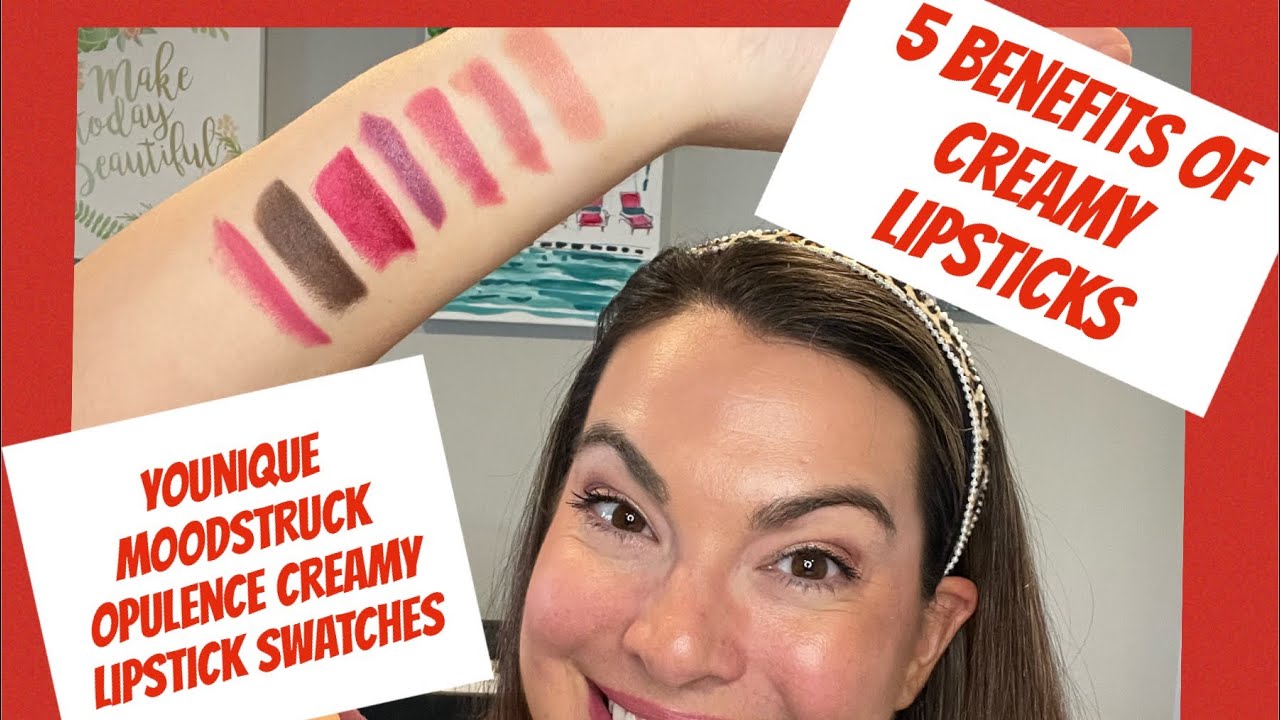
Texture is the whole reason people either love cream lipstick or find it annoying. There’s no middle ground on this one.
It feels soft and slightly slippery when you first put it on. Not greasy like a gloss, but definitely not dry. Think of it like a thick lip balm that happens to have strong color payoff. After about 10 minutes, it settles into the lips and the initial slip calms down.
The hydration feel is real, but it’s worth knowing that not every cream lipstick actually treats dryness. Some formulas just feel moist on the surface while the lipstick ingredients underneath aren’t doing much for your actual lip skin. Formulas with vitamin E, hyaluronic acid, or jojoba oil tend to offer actual conditioning.
How Cream Lipstick Wears Over Time
Hours 1-2: Full color, comfortable, slight sheen. This is peak performance for any cream formula.
Hours 3-4: Color starts fading from the center of the lips outward. You’ll notice the inner lip area loses pigment first, especially if you’ve been eating or drinking. The edges hold up better, particularly if you used a lip liner underneath.
Hours 5+: Most cream lipsticks need a full reapplication at this point. Some leave behind a faint stain depending on the pigment type, but the cream texture itself is largely gone.
Transfer is the big downside. Cream lipstick will leave marks on coffee cups, napkins, and occasionally other people. That’s the trade-off for the comfortable feel. If transfer bothers you, look into making lipstick transfer proof using a blotting and powder technique.
Ingredients in Cream Lipstick Formulas

The ingredient list on a cream lipstick is shorter than you’d expect. Most formulas work with the same core group of oils, waxes, and pigments, just in different ratios.
According to UL Prospector’s cosmetic research, waxes and oils typically make up about 60% of any lipstick formula, with pigments and alcohol accounting for roughly 25%. The remaining 15% goes to supplemental ingredients like fragrance, preservatives, and antioxidants.
Base Oils and Butters
Castor oil is the backbone of almost every cream lipstick. Cosmetic formulation data shows it can comprise up to 50% of the total formula. It dissolves pigments well, has a high viscosity, and resists oxidation.
Beyond castor oil, you’ll typically find:
- Shea butter for smoothness and moisture
- Cocoa butter for a richer, heavier feel
- Jojoba oil, which mimics the skin’s own sebum
- Lanolin for emollient properties (not vegan-friendly)
Wax Structure
Waxes give a cream lipstick its form. Without them, you’d just have a very pigmented oil.
Beeswax is the classic choice, providing flexibility and a smooth glide. Carnauba wax from the Brazilian Carnauba Palm has the highest melting point of any natural wax at roughly 87 degrees Celsius, which stops your lipstick from melting in warm weather. Candelilla wax, sourced from a Mexican shrub, is the go-to vegan alternative to beeswax.
Most cream lipsticks use a blend of three to five different waxes to balance hardness, flexibility, and shine.
Pigments and Color
Typical pigment concentrations in lipstick range from 3-10% for standard formulas, and up to 20% for high-intensity shades. Cream lipsticks sit somewhere in the middle, offering buildable lip coverage that can go from sheer to opaque with layering.
Common colorants include iron oxides, titanium dioxide for opacity adjustment, mica for shimmer, and D&C dyes for brighter tones.
Clean and Vegan Cream Lipstick Options
The clean beauty market was valued at $8.33 billion in 2024 according to Market Data Forecast, growing at a projected 14.69% CAGR through 2033. That growth is pushing brands to reformulate cream lipsticks without traditional animal-derived ingredients.
Carmine (a red pigment sourced from cochineal insects) and lanolin (from wool) are the two big ones being replaced. Unilever’s Hourglass brand developed a vegan alternative to carmine and actually open-sourced the technology for the wider industry.
When shopping for clean or vegan cream lipstick, look for:
- Leaping Bunny certification for cruelty-free status
- PETA cruelty-free labeling
- Candelilla or carnauba wax instead of beeswax
- Plant-derived pigments replacing carmine
The vegan cosmetics market hit $19.21 billion in 2024 (Fortune Business Insights), so the options available now are significantly better than even three years ago.
How to Apply Cream Lipstick

Cream lipstick is one of the most forgiving formulas to put on. But a few small adjustments make a real difference in how it looks and how long it stays.
Lip Prep
Start with exfoliating lips naturally using a sugar scrub or a soft toothbrush. This removes dead skin that can make even the creamiest formula look patchy.
Apply a thin layer of lip balm and let it absorb for about five minutes. Blot off any excess before applying color. Skipping the blot is a mistake I see constantly. Too much balm underneath makes the lipstick slide right off.
Application Methods
Straight from the bullet: This is the quickest method and works perfectly fine for everyday wear. Applying lipstick directly gives you the most pigment in one swipe.
With a lip brush: A brush gives you more control over the edges and allows you to build coverage gradually. Better for precise looks or when you’re working with bold shades like deep reds or berries.
Finger application: Dab a small amount onto the center of your lips and blend outward. This gives a soft, diffused look that works really well for natural makeup looks or a casual stained effect.
How to Make Cream Lipstick Last Longer
A YouGov study from 2023 found that 43% of American women wear lipstick or lip gloss weekly. If you’re wearing cream lipstick that often, getting it to last is a practical concern, not a luxury one.
Step 1: Line your entire lips (not just the edges) with a matching lip liner. Fill in the full lip area. This creates a base layer that grips the cream formula.
Step 2: Apply your cream lipstick over the liner.
Step 3: Blot with a single-ply tissue. Then, lightly dust translucent powder through the tissue onto your lips. This sets the cream without killing the finish entirely.
Step 4: Apply a second thin layer of lipstick on top.
This layering method can extend wear time by roughly 1-2 hours. It won’t turn a cream lipstick into a lip stain, but it makes a noticeable difference for making lipstick last longer throughout the day.
Best Skin Tones and Undertones for Cream Lipstick Shades
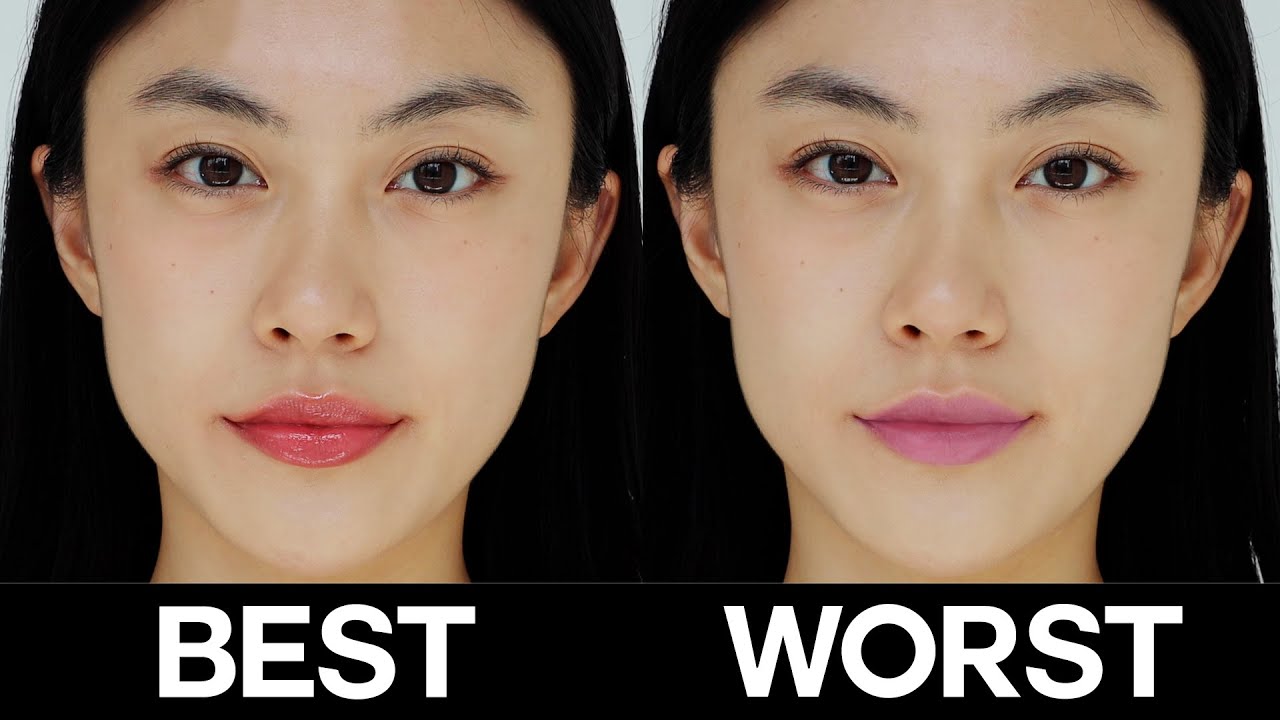
Cream lipstick is actually more forgiving with shade matching than most other formulas. The semi-sheer, buildable nature of the finish means even a slightly off shade looks less jarring than it would in a full matte.
But let’s be specific about what works.
Matching Undertones to Cream Lipstick Shades
Warm undertones (yellow, peachy, golden skin base): Coral, warm nude, terracotta, brick red, and peach shades. Warm lipstick shades bring out the natural glow without clashing. If you’re drawn to wearing coral lipstick, cream is the best formula for it because the buttery texture makes coral look less harsh.
Cool undertones (pink, red, or blue base): Berry, mauve, plum, blue-based reds, and rose shades. The moisture in cream lipstick softens these cooler tones on the lips. Cool undertone lipstick colors often look their best in cream formula because the finish adds warmth without changing the shade itself.
Neutral undertones: You have the most flexibility here. Most shades work. Dusty rose, medium nudes, classic reds with balanced blue-red undertones are all safe picks. Check out options for lipstick for neutral undertones if you want more direction.
How Cream Finish Affects Color Perception
Here’s something a lot of people miss. A cream lipstick shade looks different on your lips than it does in the tube.
The satin-like finish catches light, which makes colors appear slightly lighter and warmer once applied. A deep berry cream lipstick, for example, will read softer than the same pigment in a matte formula. That light-catching quality also tends to make lips look fuller.
This is why cream formulas can be more forgiving when you’re picking lipstick color for the first time. A shade that looks too bold in the bullet might settle into something perfectly wearable once it hits your lips. IMARC Group’s 2024 market data noted that the 20-30 age group segment is the fastest-growing lipstick demographic, and cream formulas are a big part of that because beginners find them less intimidating than stark matte colors.
Who Should Use Cream Lipstick
Cream lipstick isn’t for everyone. But for certain people and situations, it’s the clear best choice over other formulas.
Mature Lips and Fine Lines
As lips age, they lose collagen, volume, and moisture. Matte formulas tend to settle into those fine lines and make them more visible. Cream textures do the opposite.
Professional makeup artist Maria Jones from Cover Clap recommends creamy or satin finishes specifically for mature skin because they add softness without drying. The light-catching quality of cream lipstick creates a subtle plumping effect that helps lips look fuller.
Bobbi Brown’s Luxe Lip Color and Clinique’s Almost Lipstick are two of the most-recommended creamy formulas for women over 50, largely because they blend shea butter and fruit extracts into hydrating, non-cakey textures. For specific shade guidance, explore options for mature makeup looks that pair well with cream finishes.
Dry or Chronically Chapped Lips

This is cream lipstick’s strongest use case. The high oil content (castor oil, jojoba, shea butter) in cream formulas acts like a treatment layer while delivering color.
If your lips peel, crack, or feel tight by midday, a matte or liquid formula will only make things worse. Cream lipstick won’t fix the underlying dryness, but it won’t punish you for it either. Pair it with a solid lip care routine for dry lips and the results get even better.
Beginners and Low-Maintenance Users
Cream lipstick is the most forgiving formula to learn on. It blends easily, doesn’t require precise edges, and layers without looking heavy.
IMARC Group data shows the 20-30 age group is the fastest-growing lipstick demographic, and this tracks. New makeup users gravitate toward cream because it feels less intimidating than a stark matte or a complicated liquid lipstick application.
If you want something even more stripped back, a tinted lip balm gives a similar comfort level with even less pigment commitment.
Who Should Probably Skip It
Not ideal for: people who hate reapplying throughout the day, anyone with oily skin around the lip line (cream formulas can migrate), or situations where zero transfer matters (think all-day events or photo shoots where you need color that won’t budge).
For those occasions, a long-wear matte or a lip stain is a better tool for the job.
Popular Cream Lipstick Products and Brands

NPD Group reported that luxury lipstick sales grew 32% in 2023, while the broader lipstick category rose 8% in 2024 according to AWISEE data. Cream formulas sit across every price tier, from drugstore to prestige, and the quality gap has gotten much smaller in the last few years.
| Product | Price Range | Key Feature | Best For |
|---|---|---|---|
| Revlon Super Lustrous | $8-$11 | 80% conditioning ingredients | Everyday wear, beginners |
| Maybelline Color Sensational | $8-$10 | Honey nectar + vitamin E | Budget shade range |
| MAC Cremesheen | $23-$25 | Lightweight, buildable shine | Versatility, pros |
| Charlotte Tilbury K.I.S.S.I.N.G | $34-$37 | Lipstick tree extract | Luxury, anti-aging |
| Tom Ford Lip Color | $58-$62 | Rare flower extracts | High-end pigment |
Drugstore Cream Lipsticks
Revlon Super Lustrous has been around for decades and it still holds up. The formula uses 80% conditioning ingredients with microfine pigments, and it comes in 72 shades across creme and pearl finishes. At around $9, it’s hard to beat for the price.
Maybelline Color Sensational runs a close second. The honey nectar formula feels smooth going on and the shade range covers everything from nudes to deep berries. L’Oreal Paris Colour Riche is another strong budget pick with argan oil built into the base.
Mid-Range Options
MAC Cremesheen is the industry workhorse. Makeup artists keep this in their kits because it’s buildable, comfortable, and works across skin tones. Shade favorites include “Creme Cup” for a soft pink and “Dare You” for a rich dark red.
NARS Audacious Lipstick delivers full coverage in one swipe with a creamy, satin-like finish. Bobbi Brown Crushed Lip Color leans more toward a stained, lived-in look while keeping the cream formula’s hydrating base. Lancome L’Absolu Rouge rounds out this tier with a formula designed for long-wearing hydration.
High-End Cream Lipsticks
Charlotte Tilbury’s K.I.S.S.I.N.G range is enriched with light-diffusing pigments and “Lipstick Tree” extract for antioxidant protection. “Pillow Talk” reportedly sells one unit every 10 seconds globally.
Tom Ford Lip Color and Pat McGrath MatteTrance sit at the top of the price spectrum. What separates a $58 cream lipstick from a $9 one? Mostly packaging quality, rare botanical extracts, and pigment intensity per swipe. The comfort level is surprisingly similar across tiers.
For anyone exploring wearing brown lipstick or wearing pink lipstick in a cream formula, both mid-range and drugstore options offer excellent shade variety in those families.
How to Store and Maintain Cream Lipstick
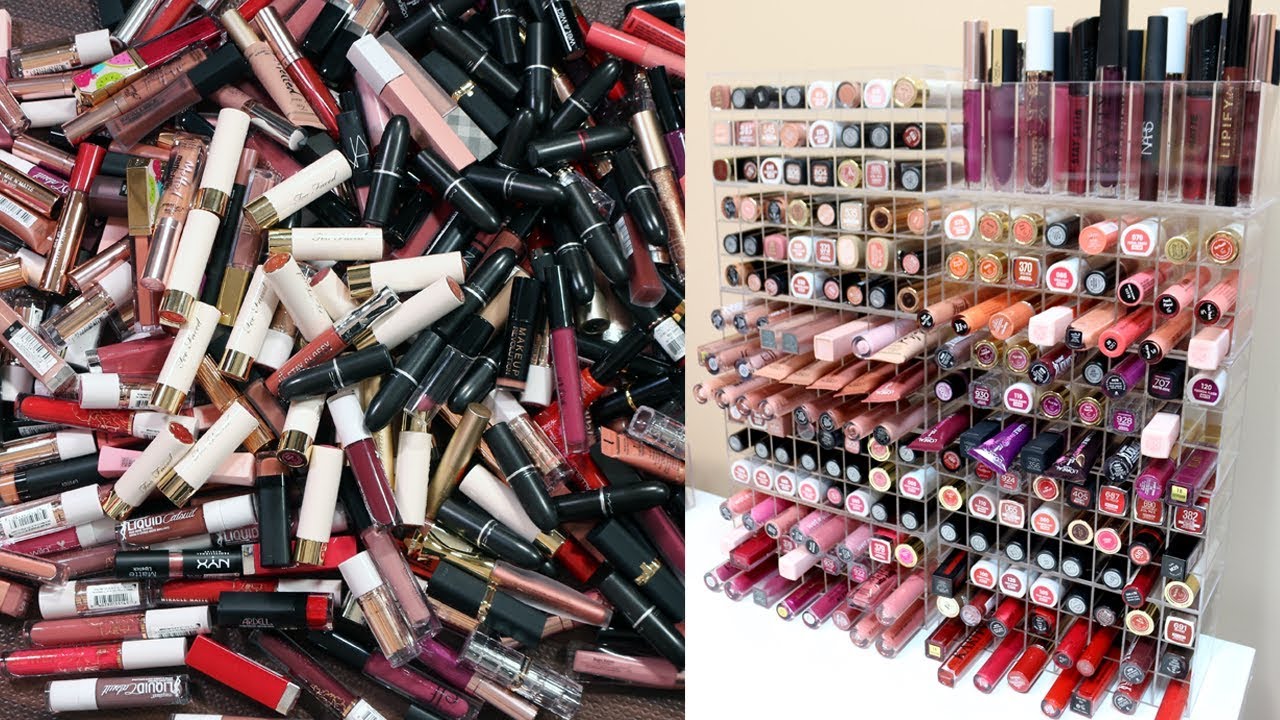
Cream lipstick has a higher oil content than most other formulas, which makes it more sensitive to heat and environmental conditions. Proper storage directly affects how long the product performs.
Shelf Life and Expiration
The FDA states there are no U.S. laws requiring cosmetics to carry specific expiration dates. Manufacturers determine shelf life on their own.
In the EU, cosmetic products with a shelf life over 30 months must display a Period After Opening (PAO) symbol, shown as an open jar icon with a number like “12M” or “18M.” Most cream lipsticks carry a PAO of 12 to 18 months once opened, according to industry standards from Omiana and Red Apple Lipstick.
Unopened cream lipstick stored in cool, dry conditions can last up to 2 years. Once opened, the clock starts.
Temperature and Storage
Heat is the enemy. The wax structure in cream lipstick starts softening well before it visibly melts. Leaving a bullet in a hot car, near a window, or in a bathroom with frequent steam exposure breaks down the formula faster.
Best practices:
- Store upright in a cool, dry spot away from direct sunlight
- Keep the cap tightly closed after every use
- Avoid leaving it in bags that sit in warm environments
Charlotte Tilbury and Tom Ford use magnetic closures on their lipstick cases partly for aesthetic reasons, but also because a tight seal reduces air exposure and slows oxidation of the oils inside.
Signs Your Cream Lipstick Has Expired
| Warning Sign | What It Means |
|---|---|
| Rancid or waxy smell | Oils have oxidized |
| Grainy or gritty texture | Wax structure is breaking down |
| Color change or fading | Pigments degrading |
| Visible moisture beads | Sweating from temperature changes |
| Mold spots | Discard immediately |
If you spot any of these, toss it. Using expired lipstick can cause irritation, breakouts around the lip line, or bacterial infection. It’s not worth the risk on a $9 product, and definitely not on a $58 one.
Hygiene for Different Formats
Bullet lipstick: Wipe the top layer with a clean tissue after each use if you’re concerned about bacteria. Avoid sharing.
Pot format: Always use a clean lip brush or spatula instead of your fingers. Pot lipsticks have shorter effective lifespans because they’re exposed to air and contact every time you open them.
For more on keeping your full collection in good shape, check the guide on storing makeup properly across all product types.
FAQ on What Is Cream Lipstick
Is cream lipstick the same as satin lipstick?
Not exactly. Both have a slight sheen, but cream lipstick has a heavier formula with more oils and butters. Satin lipstick feels lighter on the lips and uses less wax, giving a thinner texture overall.
Does cream lipstick last all day?
Most cream formulas last 3-5 hours before needing a touch-up. They fade gradually from the center outward. Using a lip liner base and blotting with powder can add 1-2 hours of extra wear time.
Is cream lipstick good for dry lips?
Yes. The high concentration of castor oil, shea butter, and emollients makes cream lipstick one of the best formulas for dry or chapped lips. It won’t cling to flaky patches like matte formulas do.
Can you wear cream lipstick with a lip liner?
Absolutely. Choosing a lip liner that matches your cream shade creates a longer-lasting base and prevents feathering. Fill in the entire lip area with liner before applying cream lipstick on top.
What is the difference between cream and matte lipstick?
Cream lipstick contains more oils and delivers a satin finish with moderate transfer. Matte lipstick removes most moisture for a flat, long-wearing look. Cream feels comfortable. Matte lasts longer.
Is cream lipstick good for older women?
Cream formulas are often recommended for mature lips by makeup artists. The hydrating texture avoids settling into fine lines, and the subtle sheen makes lips appear fuller. Matte finishes can highlight dryness and wrinkles.
What ingredients are in cream lipstick?
The base typically includes castor oil, beeswax, carnauba wax, and shea butter. Pigments provide color, while vitamin E and jojoba oil add conditioning. Some formulas now include hyaluronic acid for extra hydration.
Does cream lipstick transfer easily?
Yes, transfer is the main trade-off. Cream lipstick will leave marks on cups, napkins, and clothing. Blotting after application and setting lipstick with powder through a tissue reduces transfer significantly.
How do you keep cream lipstick from feathering?
Line your lips with a waxy lip liner before applying color. The liner acts as a barrier that stops cream formulas from bleeding into the fine lines around your mouth. Preventing feathering starts with prep.
What is the best drugstore cream lipstick?
Revlon Super Lustrous is the most popular pick. It’s formulated with 80% conditioning ingredients and comes in 72 shades. Maybelline Color Sensational and L’Oreal Colour Riche are strong alternatives at similar price points around $8-$11.
Conclusion
Understanding what is cream lipstick comes down to knowing what makes it different from everything else on the shelf. It’s a formula that prioritizes comfortable wear and moisturizing color over marathon longevity.
The emollient-rich base of castor oil, carnauba wax, and shea butter creates a lip product that works across age groups, skin tones, and experience levels. Whether you grab a Revlon Super Lustrous for $9 or a Tom Ford Lip Color at $58, the core experience stays the same. Smooth application, buildable coverage, and a satin finish that catches light.
Cream lipstick won’t replace every formula in your collection. But for daily wear, dry lip relief, and foolproof color payoff, it earns its spot.
Pair it with proper lip prep, a matching liner, and smart storage habits, and you’ll get the most out of every tube.

She started writing on the site after fielding the same questions from clients and friends often enough to just write the answers down: which red won't turn orange on a warm undertone, how to keep lipstick from feathering into fine lines, why a "12-hour" formula rarely survives dinner.
Every review on the site follows the same rule she uses with paying clients: wear it first, then decide if it's worth recommending.
- How to Make Eyeliner Last Longer Without Smudging - August 31, 2026
- How to Make Eyeshadow Last Longer All Day - August 29, 2026
- How to Find Your Undertone in 5 Easy Steps - August 27, 2026