Pearl lipstick is one of those finishes that gets confused with shimmer, frost, and metallic constantly. If you have ever wondered what is pearl lipstick and how it actually differs from the other luminous lip finishes on the shelf, you are not alone.
The pearlescent finish sits in its own category. It uses finely milled mica particles coated in titanium dioxide to create a smooth, lit-from-within glow rather than visible sparkle or chunky glitter.
This guide covers what makes a pearl lipstick formula unique, how it compares to other lip finishes, which brands do it best, and who the finish works for (and who should skip it). You will also learn how to apply it properly and how to tell it apart from a frosted lip formula.
What Is Pearl Lipstick
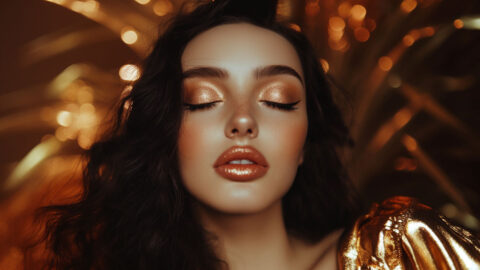
Pearl lipstick is a lip color formula that contains fine light-reflecting particles, usually mica or synthetic pearlescent pigments, to produce a soft luminous sheen on the lips. The finish sits somewhere between a flat matte and a full-on glitter.
Think of it as a glow, not a sparkle. The particles in a pearl lipstick are milled so finely that they blend into the color itself rather than sitting on top of it as visible flecks.
The result is a lit-from-within look. Your lips catch light and reflect it smoothly, without any chunky shimmer or obvious glitter pieces.
Grand View Research data from 2024 shows shimmer and pearl-type lipsticks accounted for 37.2% of global lipstick revenue, making them the leading product segment in a market valued at $17.49 billion. That is not a niche finish. It is what most people are actually buying.
Pearl formulas typically land in the nude, pink, mauve, and berry shade families. You will find them at every price point, from drugstore lipstick types to luxury counters. And unlike a matte lipstick, which absorbs light to create a flat, velvety surface, pearl lipstick bounces it back in a soft wash.
The pearlescent effect comes from how the pigments interact with light at a microscopic level. Mica platelets coated in titanium dioxide refract and reflect different wavelengths, which creates that signature iridescent quality. Smaller particles produce a smoother, more blended glow. Larger ones push the finish closer to shimmer territory.
But here is the thing most people get wrong. Pearl is not the same as shimmer, frost, or metallic. Each of those finishes handles light differently, and the visual result on your lips is noticeably distinct.
Pearl Finish vs. Other Lipstick Finishes

The easiest way to confuse yourself in the lip aisle is by assuming pearl, shimmer, frost, and metallic lipstick are all the same thing. They are not. The difference comes down to particle size, reflectivity, and how much light gets absorbed versus bounced back.
| Finish | Light Behavior | Visual Effect | Best For |
|---|---|---|---|
| Pearl | Soft, blended refraction | Smooth inner glow | Everyday, bridal, photos |
| Shimmer | Visible particle reflection | Noticeable sparkle | Evening, statement looks |
| Frost | Intense surface reflection | Silver-white sheen | Retro, editorial |
| Metallic | Opaque mirror-like finish | High-shine, foil effect | Bold, dramatic looks |
Pearl vs. Shimmer
Shimmer lipsticks show their particles. You can see the individual flecks of light when you look closely at the lip surface.
Pearl does not work that way. The light-reflecting pigments are milled finer, and they blend into the base color rather than sitting on top. The effect is a smooth wash of luminosity instead of visible sparkle. At least in my experience, pearl reads as “your lips but glowing” while shimmer reads as “your lips with glitter on them.”
Pearl vs. Satin
Satin lipstick gives you a smooth, comfortable finish with a very slight sheen. It is one of the most wearable textures out there.
But satin does not contain pearlescent pigments. The sheen comes from the wax and oil base, not from light-refracting particles. So while both finishes look polished, pearl has a dimensional quality that satin simply cannot replicate. Pearl shifts with the angle of light. Satin stays consistent.
Pearl vs. Metallic
Metallic finishes are opaque and mirror-like. They reflect light in a uniform, almost foil-like way, and the color payoff is usually intense.
Pearl is softer, more translucent, and less “look at me.” If metallic lipstick is a chrome bumper, pearl is the inside of a seashell. Same concept of light reflection, completely different intensity. IMARC Group reported the shimmer and pearl segment led the market in 2024, partly because those softer finishes appeal to a wider range of ages and occasions than metallics do.
Pearl vs. Matte and Gloss
These are the opposite ends of the spectrum. Wearing matte lipstick means zero shine. It absorbs light for a flat, velvety look.
Glossy lipstick reflects light through a wet, transparent layer, giving a high-shine effect without any pearlescent pigment involved. Pearl lives between these two. It has more dimension than matte and more structure than gloss.
Common Ingredients in Pearl Lipstick

The ingredient list on a pearl lipstick is not wildly different from other formulas. What sets it apart is the addition of specific light-reflecting minerals and how they are layered into the base.
Mica and Pearlescent Pigments
Mica is the backbone of the pearl finish. It is a naturally occurring silicate mineral that gets mined, ground into fine platelets, and then coated with metal oxides to create the pearlescent effect.
According to cosmetic formulation data from Wuhan Auki Trading, pearl lipsticks typically contain 1% to 3% mica-based pearlescent pigment by weight for a subtle sheen. That ratio keeps the glow soft without making the texture gritty or the application uneven.
The coating matters. Titanium dioxide creates a white-silver pearl. Iron oxides produce warmer, golden, or copper-toned pearl effects. The thickness of the coating layer determines what color of light gets reflected, which is why some pearl lipsticks lean cool and others lean warm.
Waxes, Oils, and Emollients
Castor oil: The primary carrier oil in most lipstick formulas, it helps the pearlescent pigments distribute evenly across the lip surface.
Beeswax and carnauba wax: These provide the structural base that holds the bullet shape and controls how the product glides onto the lips.
Silica: Added for texture and slip. It smooths the application so the pearl particles do not clump or drag. You will find a deeper breakdown of these components in our guide to lipstick ingredients.
Natural vs. Synthetic Pearl Agents
The clean beauty market was valued at $8.33 billion in 2024 according to Market Data Forecast, growing at a 14.69% CAGR. That growth is pushing more brands to use synthetic alternatives to natural mica, partly for ethical sourcing reasons and partly for consistency in the final product.
Natural pearl essence (extracted from fish scales) is still used in some high-end formulations, but synthetic mica and borosilicate-based pigments are becoming more common. Synthetic options give formulators more control over particle size and color, which means a more predictable pearl finish on the lips.
Who Does Pearl Lipstick Work Best For

Pearl lipstick is not universally flattering in the same way a cream lipstick can be. The light-reflecting particles interact with lip texture and skin tone in ways that matter.
Skin Tone Considerations
Pearl finishes tend to complement a wide range of complexions because the pearlescent effect adds dimension without drastically changing the base color.
On fair skin, pink and nude pearls create a fresh, natural glow. On darker skin tones, berry and mauve pearls add a rich luminosity that deeper matte shades sometimes flatten. For warm undertones, gold-based pearlescent pigments look especially good. Cool undertones pair well with silver or pink-based pearl.
Lip Texture and Age
Here is where it gets tricky. Pearl lipstick catches light on every surface it touches, and that includes dry patches, fine lines, and flaky skin.
If your lips are well-hydrated and smooth, pearl looks incredible. If they are cracked or chapped, the finish will highlight every bit of texture. This makes lip care for dry lips non-negotiable before applying a pearl formula.
On mature lips, the rule of thumb is subtlety. A sheer pearl in a nude or rose shade tends to look beautiful. A heavily pigmented pearl in a bold color can settle into lip lines and draw attention to them. It is not that you cannot wear pearl lipstick over 40 or 50. It is that the shade and formula choice matters more.
Occasions and Lighting
Daylight: Pearl lipstick looks its absolute best in natural light. The soft refraction reads as healthy and radiant without looking overdone.
Photography: The luminous finish photographs well because it reflects light evenly. This is why pearl shades are a go-to for wedding makeup looks and bridal makeup.
Evening: Under artificial light, the pearlescent effect becomes more pronounced. Great for date night makeup looks, but be aware that some pearl shades can look washed out under harsh fluorescent lighting.
How to Apply Pearl Lipstick
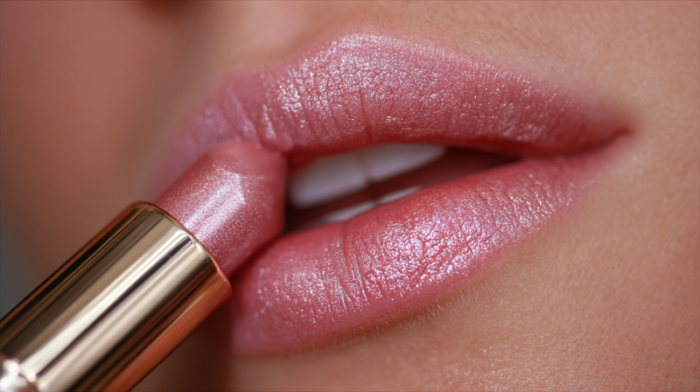
Application technique changes the entire outcome with this finish. A pearl lipstick applied to unprepared lips is not going to look the same as one applied after proper prep.
Prep Your Lips First
This step is more critical for pearl formulas than for matte or cream ones. Because the pearlescent particles reflect light from the lip surface, any texture irregularity gets amplified.
Start by exfoliating your lips naturally with a gentle scrub. Follow that with a hydrating lip balm and let it absorb for a few minutes before you apply color. If you are working with a solid lip care routine, you are already ahead.
Use a Lip Liner
Pearl lipstick formulas tend to be creamier and more emollient than mattes, which means they can migrate outside the lip line.
A lip liner creates a barrier that holds the product in place. For the most natural look, match the liner to your lip shade or your lipstick shade rather than going darker. Check our guide on choosing lip liner for pairing tips specific to your coloring. And if feathering is a recurring problem, learning how to stop lipstick from feathering will save you a lot of frustration.
Application Tools and Technique
Straight from the bullet: Fastest method. Gives you the most color payoff and the strongest pearl effect in a single pass.
Lip brush: Better for precision. The brush distributes pearlescent pigments more evenly and gives a slightly sheerer, more blended result.
Fingertip: Dabbing pearl lipstick onto the center of the lips with your finger and pressing outward creates a soft, diffused look. This is a good technique for a casual, everyday makeup look or when you want the pearl effect without full coverage.
For a more detailed guide on applying lipstick, including layering tips for different finishes, we have you covered.
How to Make Pearl Lipstick Last Longer
Pearl lipstick does not have the staying power of a long-wear matte formula. Expect 3 to 5 hours before it needs a touch-up. That is the trade-off for the comfort and moisture these formulas provide.
To extend the wear, try the blot-and-layer method. Apply one coat, blot with a tissue, then apply a second coat. Setting lipstick with powder through a single-ply tissue adds another hour or two. Some people also use a thin layer of lip primer underneath to give the pearl formula something to grip.
For the full rundown on longevity tricks, see our guide on making lipstick last longer.
Pearl Lipstick Shades and What They Look Like
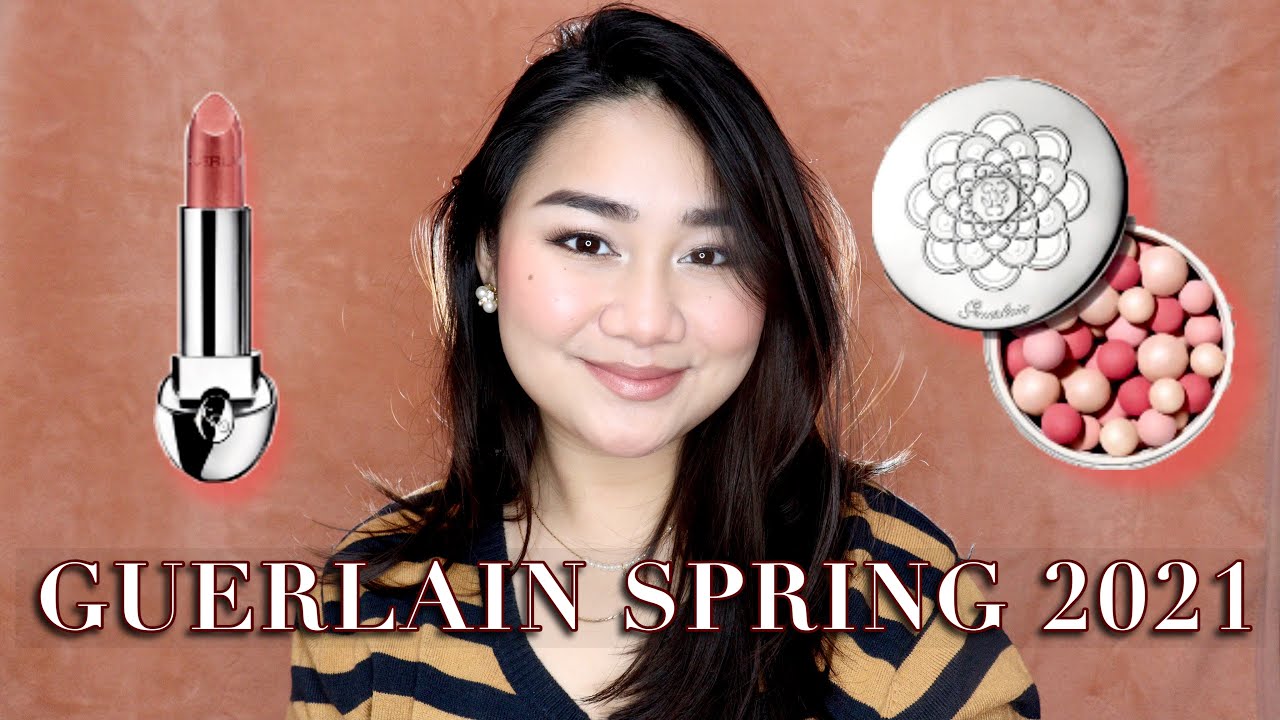
The pearl finish changes how any base shade appears on your lips. A nude that looks flat in a matte formula suddenly has depth and warmth with pearlescent pigments in it. Same color family, different visual result.
Nude and Pink Pearls
These are the most popular category, and for good reason. A nude pearl looks like your natural lip color with a soft, polished glow layered on top.
Pink pearls range from barely-there baby pink to deeper rose shades. The pearlescent particles add a freshness that makes pink tones look less flat than their matte or cream counterparts. If you are picking a nude lipstick, the pearl version will generally read as more dimensional and forgiving on the skin.
Berry and Mauve Pearls
Berry pearls are where this finish starts to feel more special. The pearlescent effect against a deep berry base creates a rich, almost jewel-toned look on the lips.
Mauve pearls sit in a cooler space and tend to look sophisticated without much effort. These work particularly well in fall lipstick colors and winter palettes when you want something more interesting than a standard neutral but less dramatic than a bold shade.
Red and Bold Pearls
A pearl red lipstick is a very specific thing. The pearlescent pigments soften the intensity of the red and add a dimensional shimmer that you do not get with traditional cream or classic red lipstick application.
Bold pearl shades can look gorgeous, but they need a confident hand. The pearl particles reduce the opacity of the color slightly, so the payoff is less punchy than a matte red. Some people love that softened effect. Others find it looks a bit too “frosted.” Your mileage will vary depending on your skin tone and how much you layer.
How Undertone Affects the Pearl
This is where the lipstick color picking process gets interesting.
Warm-toned pearls use gold or copper-based reflective pigments. They make shades look richer and more sun-kissed. Great for warm undertones and olive skin.
Cool-toned pearls lean pink or silver in their reflective quality. They brighten the lip and work well with cool undertones. If you have ever tried a pearl lipstick that made your lips look gray or ashy, it was probably a cool-toned pearl on warm skin. The undertone of the pearlescent pigment has to match your complexion, or the whole thing falls apart.
Best Pearl Lipstick Brands and Products
Not every brand labels their pearl finishes the same way. Some call it “pearl,” others say “lustre” or “pearlescent,” and a few just lump it into the shimmer category. Knowing what to look for on the packaging saves you from grabbing the wrong finish.
The luxury lipstick segment was valued at $12.36 billion in 2024, according to Wise Guy Reports. That includes a lot of pearlescent and shimmer formulas from prestige brands competing for shelf space alongside drugstore options that cost a fraction of the price.
Drugstore Pearl Lipsticks
Revlon Super Lustrous (Pearl finish): The most recognizable drugstore pearl lipstick on the market. Revlon offers 19 pearl shades with 80% conditioning ingredients and microfine pigments. Shades like Pink Pearl, Goldpearl Plum, and Wine With Everything are longtime favorites.
Maybelline Color Sensational: Several shades in this line carry a pearlescent finish, though Maybelline does not always specify “pearl” on the label. Look for words like “shimmer” or “shine” in the shade name.
L’Oreal Colour Riche: While the main line leans satin, certain shades have a noticeable pearlescent quality. The formula uses argan oil and vitamin E, so the pearl effect sits on a well-moisturized base.
Mid-Range and Prestige Options
MAC Cosmetics is probably the brand most associated with this type of finish. Their Frost lipstick line is described as “high pearl, medium buildable coverage, semi-lustrous finish” directly on the packaging.
Clinique Pop Lip Colour + Primer includes several pearl-adjacent shades that blend color with a subtle reflective quality. Lancome L’Absolu Rouge offers a selection of pearlescent finishes in their range, with the added comfort of a hydrating formula.
In September 2024, MAC launched MACximal, a reformulated version of their signature lipstick line with increased pigmentation and a satin-to-pearl finish range, according to Mordor Intelligence.
Luxury and Niche Pearl Lipsticks
| Brand | Product | Pearl Character |
|---|---|---|
| Guerlain | Rouge G | Warm, golden pearl with rich pigment |
| Dior | Addict Lipstick | Sheer, glassy pearl with hydrating base |
| Lancome | L’Absolu Rouge | Refined, soft pearl across multiple shade families |
What to Look for on the Label
The word “pearl” does not always appear. Here are the terms brands use interchangeably:
- “Lustre” or “lustrous”
- “Pearlescent” or “opalescent”
- “Shimmer” (though this can also mean a chunkier sparkle)
- “Frost” (a heavier, more reflective version of pearl)
When in doubt, swatch the product. If the finish is smooth, blended, and reflects light without showing individual particles, you are looking at a pearl.
Pearl Lipstick in Makeup Looks and Styling
Pearl lipstick is not a standalone product. How the rest of your makeup looks determines whether the pearl finish reads as polished or like it wandered in from a different decade.
Pairing Pearl Lips with Eye Makeup
The safest combination is pearl lips with matte eyes. A smokey eye in matte shadows keeps all the dimension on the lip where it belongs.
Doubling up on shimmer, with pearlescent lips and glittery lids, can work for night out makeup or holiday party looks. But it requires a deliberate hand. Too much sparkle everywhere makes the face look unfocused.
Pearl Lips and Skin Finish
Dewy foundation + pearl lipstick: Works well when the rest of the face is clean and minimal. Think clean girl makeup with a little extra glow on the lip.
Matte foundation + pearl lipstick: Creates a nice contrast. The pearl lip becomes the focal point against a flat, smooth base. This pairing tends to photograph well, which is why it shows up constantly in editorial makeup.
Minimalist Looks with Pearl Lipstick
Pearl lipstick as the only “makeup” product on the face is a legitimate look. A nude or pink pearl shade on bare skin with groomed brows and mascara reads as effortless.
This is the kind of soft makeup look that works for daytime, casual professional settings, or when you want to look put-together without looking made-up. You can also layer a lip gloss over the lipstick for extra dimension.
Bridal and Event Looks
Pearl lip finishes have been a bridal and elegant makeup staple for years. The soft light reflection looks natural in photos without the flatness of a matte or the slickness of a gloss.
For a formal event, a mauve or rose pearl lipstick paired with a soft glam eye gives the face dimension without competing elements. Most photoshoot makeup artists prefer pearl finishes because they catch studio lighting in a flattering way.
Downsides of Pearl Lipstick
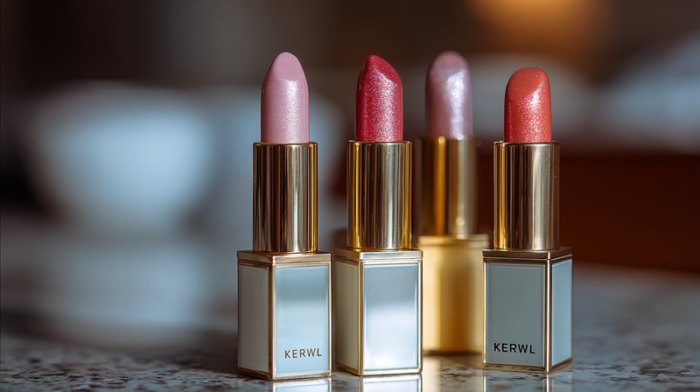
Pearl lipstick is not for everyone, and pretending otherwise would be dishonest. The finish has real limitations that you should know about before committing to one.
Texture and Lip Line Issues
Light-reflecting particles do not discriminate. They catch and bounce light off every surface, including dry patches, cracked skin, and fine lines around the lip border.
This is the single biggest complaint about pearl formulas. If your lips are not properly prepped (exfoliated and moisturized), the pearlescent finish will highlight every imperfection. Applying lipstick on dry lips is tricky with any formula, but pearl makes it worse.
The Frosty Problem
There is a thin line between “pearly” and “frosty,” and some formulas cross it. A pearl lipstick with too much white-silver reflective pigment can look dated, almost like something from an 80s makeup look you did not intend.
Took me a while to figure out that not all pearl lipsticks are created equal. The ones with warmer, gold-based pearlescent pigments tend to look more modern. The ones with cool, silvery pearl agents are the ones that risk veering into frosty territory.
Reduced Color Payoff and Wear Time
| Concern | Why It Happens | Workaround |
|---|---|---|
| Less pigment intensity | Pearl particles dilute the base color | Layer two coats or use lip liner as a base |
| Shorter wear time | Creamy, emollient formula transfers easily | Blot-and-layer method, setting with powder |
| Feathering | Moisturizing ingredients migrate beyond lip line | Apply lip liner as a barrier first |
Grand View Research notes that the matte segment is growing at the fastest rate in the lipstick market, partly because consumers want the longevity and color intensity that pearl formulas cannot match. Pearl trades those things for comfort and glow. It is a deliberate trade-off, not a flaw you can fix.
How Pearl Lipstick Differs from Frost Lipstick

This is the mix-up that happens most often. Pearl and frosted lipstick get treated as the same thing by shoppers and even by some brands. They are not.
The Core Difference
Pearl lipstick produces a soft, blended glow. The light-reflecting particles are finely milled and integrated into the color, creating a smooth luminous effect.
Frost lipstick has a more intense, silver-white reflective quality. The shimmer sits closer to the surface and creates a visible, almost metallic sheen. MAC’s official description for their Frost line uses the phrase “high pearl, semi-lustrous finish,” which honestly blurs the line even further.
Historical Context
Frost lipstick had its peak in the 1980s and 1990s. According to Grazia, it was a signature of that era’s makeup culture, with celebrities like Kate Moss and Paris Hilton wearing cool-toned, icy pink shades.
Pearl is the modern refinement. The formulas are less opaque in their shimmer, more integrated with the base color, and less likely to read as a costume. RUSSH noted the current frosted trend comeback is specifically sheerer and glossier than the original, which pushes it closer to what pearl has always been.
Brand Labeling Confusion
MAC labels its most pearlescent lipsticks as “Frost.” Revlon calls their luminous finish “Pearl.” Other brands use “lustre,” “shimmer,” or “iridescent” without clearly distinguishing between the two.
This inconsistency means you cannot rely on the label alone. Swatching is the only reliable test. If the finish looks smooth and the shimmer blends into the color, it is a pearl. If you can see individual reflective particles or a visible white-silver overlay on the color, it is a frost.
Which One to Choose
Go with pearl if:
- You want a subtle, everyday glow
- You prefer a finish that looks natural in daylight
- You are wearing it for photos, natural looks, or work settings
Go with frost if:
- You are going for a retro or 90s-inspired look
- You want the shimmer to be a visible part of the statement
- You are comfortable with a bolder, more reflective finish on the lips
Both finishes have their place. Pearl is more versatile for daily wear. Frost is more of a mood, a deliberate style choice that works best when you are leaning into bold, bright lipstick territory on purpose.
FAQ on What Is Pearl Lipstick
What does pearl lipstick look like on the lips?
Pearl lipstick creates a smooth, luminous sheen without visible sparkle or glitter. The finish looks like a soft glow from within, reflecting light evenly across the lip surface. It reads as polished and dimensional rather than flat or overly shiny.
Is pearl lipstick the same as shimmer lipstick?
No. Shimmer lipstick shows individual light-reflecting particles on the surface. Pearl lipstick uses finer mica-based pigments that blend into the color, producing a smoother, more integrated luminosity without visible flecks of sparkle.
Is pearl lipstick good for mature skin?
It depends on the shade and formula. Sheer pearl lipsticks in nude or rose tones can look beautiful on mature lips. Heavily pigmented pearl shades tend to settle into fine lines, so lighter applications and proper lip prep work best.
What skin tone does pearl lipstick suit?
Pearl lipstick works across most complexions. Warm-toned pearls with gold pigments complement warm and olive undertones. Cool-toned pearls with pink or silver reflection pair well with cool undertones. Matching the pearl’s base tone to your skin is key.
How long does pearl lipstick last?
Expect around 3 to 5 hours of wear before needing a touch-up. Pearl formulas are creamier and more emollient than matte lipsticks, so they transfer more easily. Blotting between layers and using a lip liner underneath can extend the wear time.
What is the difference between pearl and frost lipstick?
Pearl has a subtle, blended glow. Frost lipstick has a more intense, silver-white reflective sheen that sits on top of the color. Pearl is the modern, refined version. Frost carries a bolder, more retro visual effect from the 80s and 90s era.
Can you wear pearl lipstick every day?
Yes. Nude and pink pearl shades are some of the most wearable everyday lip colors available. The soft luminous finish looks natural in daylight and does not require heavy makeup elsewhere on the face to balance it out.
What ingredients make a lipstick pearlescent?
Mica coated with titanium dioxide or iron oxides is the primary ingredient responsible for the pearl effect. These minerals refract light at different angles to create the characteristic iridescent glow. Castor oil and waxes carry the pigments smoothly onto the lips.
Does pearl lipstick make lips look bigger?
The light-reflecting quality of pearlescent pigments can create the appearance of fuller lips. The finish catches light across the lip surface, adding dimension that flat matte formulas do not provide. Applying a slightly lighter pearl shade to the center amplifies this effect.
What is the best drugstore pearl lipstick?
Revlon Super Lustrous in the Pearl finish is the most widely recommended option. It offers 19 pearl shades with a creamy, conditioning formula at a drugstore price point. Maybelline Color Sensational also carries several pearlescent shades worth trying.
Conclusion
Understanding what is pearl lipstick comes down to one thing: it is a lip color formula built around finely milled pearlescent pigments that reflect light softly and evenly. No chunky glitter. No heavy metallic coating. Just a smooth, dimensional glow.
The finish works across skin tones when you match the pearl undertone correctly. It photographs well, feels comfortable, and sits in a sweet spot between matte and gloss that most people find wearable.
It does have trade-offs. Shorter wear time, less color intensity, and a tendency to show lip texture if you skip the prep. Those are real limitations worth considering.
But when the shade is right and the lips are hydrated, a pearl finish lipstick delivers a polished, radiant look that few other finishes can replicate. Try swatching a few options from brands like Revlon Super Lustrous, Clinique, or Lancome before committing. The right pearl shade is worth finding.

She started writing on the site after fielding the same questions from clients and friends often enough to just write the answers down: which red won't turn orange on a warm undertone, how to keep lipstick from feathering into fine lines, why a "12-hour" formula rarely survives dinner.
Every review on the site follows the same rule she uses with paying clients: wear it first, then decide if it's worth recommending.
- How to Find Your Undertone in 5 Easy Steps - August 27, 2026
- How to Find Your Color Season Once and for All - August 24, 2026
- How to Choose a Foundation for Your Skin Type - August 20, 2026