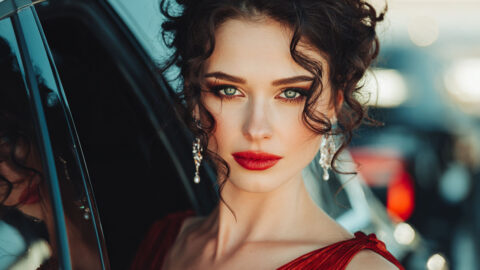
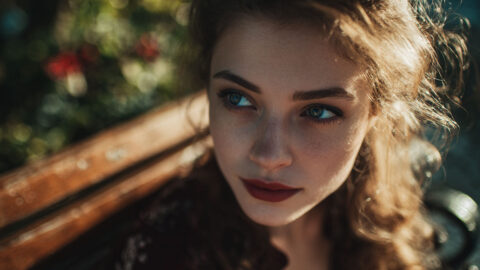
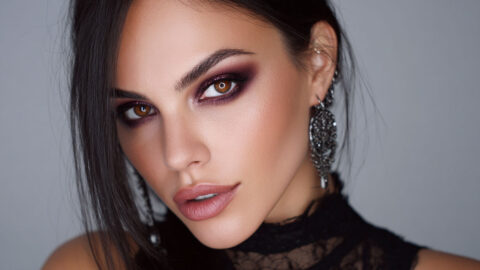
Blending is the whole trick. Everything else, the shade you pick, the brush you use, is secondary to getting pigment to fade out from the lash line instead of stopping in a hard line. That’s the entire definition of a smokey eye: a gradient, dark at the roots of the lashes and lighter as it climbs into the crease, with no visible edge where one shade meets the next.
Artists doing this for a living and people doing it in a bathroom mirror before work are running the same basic process. What changes is the palette and how heavy-handed the blending gets for day versus night.
The eyeshadow category alone pulled in $3.32 billion globally (Maximize Market Research, 2024), and that’s really the product this whole technique revolves around.
What Is Smokey Eye Makeup

Cult Beauty data run through Statista in 2024 puts the smokey eye at the top of TikTok’s most-searched makeup trends that year, with over one million mentions. Which is a little funny, because none of this is new. Kevyn Aucoin gets most of the credit for pulling the technique into modern professional makeup artistry, and versions of it keep resurfacing, flapper-era looks from the 1920s, grunge in the 90s, then back around again on TikTok decades later.
The actual mechanics come down to layering. A transition shade goes into the crease first to soften the base, then a darker pigment gets packed at the lash line and worked outward until there’s no line left where the two meet. That’s it. No flat single-color sweep, no defined edge anywhere.
It’s worth being clear on what this isn’t, too. One dark shadow dragged across the lid with zero blending doesn’t count. Neither does a heavy black cat eye built purely from liner, that’s a different technique entirely even though the two get confused all the time.
Color is where it opens up. Black is the default most people picture, but brown, plum, and gray all follow the exact same gradient logic, which is part of why smokey eye styles worth trying go so far beyond just the classic black version. Zendaya’s Met Gala look in 2025, built from a Charlotte Tilbury palette, is a decent example of how the same basic technique stretches from a five-minute weekday version all the way to red carpet.
How Smokey Eye Differs From Cut Crease and Halo Eye Looks

Confusing these three is common, mostly because they often draw from the exact same palette. What actually separates them is placement, not color, and mixing the placement logic from one technique into another usually just reads as a mistake instead of a stylistic choice.
Smokey Eye vs Cut Crease
Cut crease carves a sharp, deliberate line right at the natural crease. Smokey eye takes that same area and blurs it into a gradient with nothing sharp left about it. The smokey approach forgives small blending mistakes pretty easily, though it tends to give less definition on hooded eyes unless you put in extra work. Cut crease goes the other way. The payoff is a sharp, editorial finish, but it demands a steady hand and eats up more time than most people want to spend before 8am.
Pat McGrath, whose dramatic eye work is well known across the industry, has built entire runway looks around the smokey gradient specifically because it holds up under movement and shifting light in a way a hard crease line just doesn’t.
Smokey Eye vs Halo Eye
Halo eye lightens the center of the lid and darkens both edges around it, pulling attention inward toward the iris. Smokey eye does the opposite, staying dark and fairly uniform across the whole lid, which pulls attention outward toward the lash line and outer corner instead. The two aren’t unrelated though. A lot of halo looks are actually built on top of an existing smokey base, with a light shimmer patted into the center once the dark blending underneath is already done.
What Products Make Up a Smokey Eye Kit
The essentials are pretty short: an eyeshadow palette with both matte and shimmer shades, a kohl or gel eyeliner, an eyeshadow primer, and mascara. That’s the whole kit, really.
Interesting side note: those four products don’t get anywhere near equal daily use. A lot of people still treat the full smokey look as something for a specific event rather than a regular Tuesday, and the survey numbers back that up. Only 31% of women say they regularly wear eyeshadow, compared to 32% who say the same about eyeliner and 46% who wear mascara regularly (YouGov, 2023).
Eyeshadow and Palette
The palette does most of the actual work here. A light matte shade goes on the brow bone, a matte transition shade handles the crease, and something darker (matte or shimmer) lands at the lash line. Urban Decay’s Naked Palette is largely credited with popularizing this neutral, blendable format that made the whole layering process approachable for beginners in the first place. MAC Cosmetics built a good chunk of its own eyeshadow reputation on the same buildable matte formula.
What actually matters when shopping for one: matte shades for the depth and blending, shimmer for the lid center or a halo effect, and at least one shade noticeably darker than your natural crease color. NYX Professional Makeup covers this same shade logic at a much lower price point, worth checking before dropping money on a full-price palette.
Eyeliner and Pencil

A soft kohl-based eyeliner formula smudges easily along both the lash line and waterline, which is basically exactly what this look needs. Gel eyeliner is an option too, though it sets faster, so there’s less time to blend before it locks into place.
Primer and Base
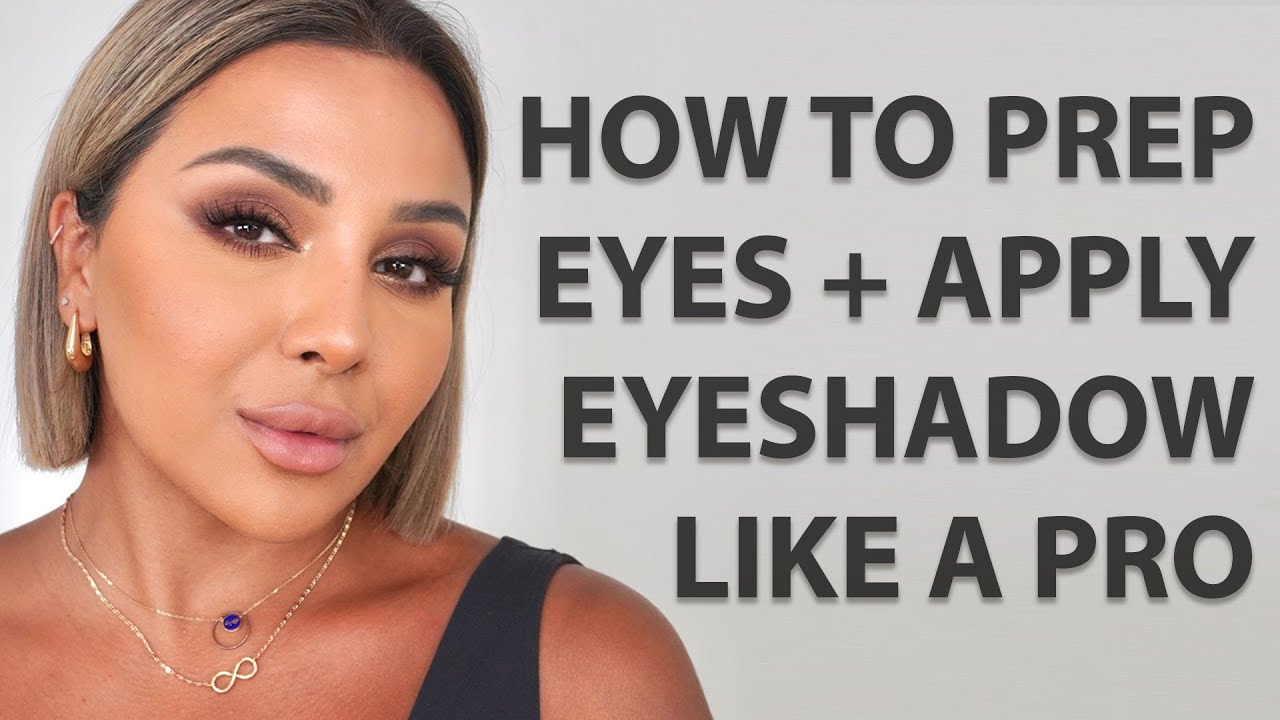
Skipping primer is the single most common reason a smokey eye ends up patchy by midday. Understanding what an eyeshadow primer actually does explains why: it puts a barrier between natural oil and pigment, so color stays where it was placed instead of sliding down into the crease.
Which Tools and Brushes Blend a Smokey Eye

Almost all of the actual blending work comes down to three brushes: a blending brush, a pencil brush, and a smudge brush. The order they’re used in matters more than how many brushes are in the set. A five-brush kit used in the wrong sequence still produces harsh lines, no matter how good the individual brushes are.
Blending Brush
This one’s fluffy and domed, with no real defined edge to it. It gets used last, in small circular motions, to erase the line between shades and turn flat color into an actual gradient. Sigma Beauty and Real Techniques both include a dedicated blending brush in their eye sets, and either one does the job fine.
Pencil Brush
Small and dense, built to pack pigment into the crease rather than sweep it across the whole lid. Use it first, before the blending brush touches anything, so there’s actual color sitting in place to soften afterward.
Smudge Brush
The smudge brush handles the lash line and lower lash line last, working the darkest shade right into the roots of the lashes. The general mechanics of applying eyeshadow stay consistent across all three tools: less product per pass, more layers overall.
Which Smokey Eye Colors Suit Different Eye Colors
Color theory is basically running the show here. Shades sitting opposite your eye color on the wheel tend to make the iris pop more than shades that just match it, which is why warm browns and copper make blue eyes look brighter by contrast, and cool plums do something similar for green.
Blue Eyes
Warm browns, copper, and bronze are the safest bet, and a deep terracotta works well if you’re taking things into a night version. Blue-toned shadow is the one thing worth actively avoiding, it flattens the eye instead of contrasting against it. There’s a fuller rundown of makeup looks built around blue eyes if you want more direction than just a color list.
Green Eyes
Plum, aubergine, and soft violet do the most for green eyes specifically. Anastasia Beverly Hills’ Soft Glam palette gets recommended for this a lot, mainly because it mixes warm and cool tones in the same pan rather than forcing a choice. More options along the same plum and violet family show up in makeup looks built for green eyes.
Brown Eyes
Brown eyes are the forgiving ones. Almost nothing clashes, which makes them the most versatile base for smokey color choices generally: charcoal and navy for classic drama, gold and bronze if you want warmth, deep green if you’re after something a little less expected.
Hazel Eyes
Hazel shifts depending on the light and whatever’s worn nearby, so warm neutrals and bronze tend to bring the gold flecks out specifically. The one thing to skip is anything too close to the eye’s own base color, it tends to flatten the shift rather than enhance it.
How Eye Shape Changes Smokey Eye Application
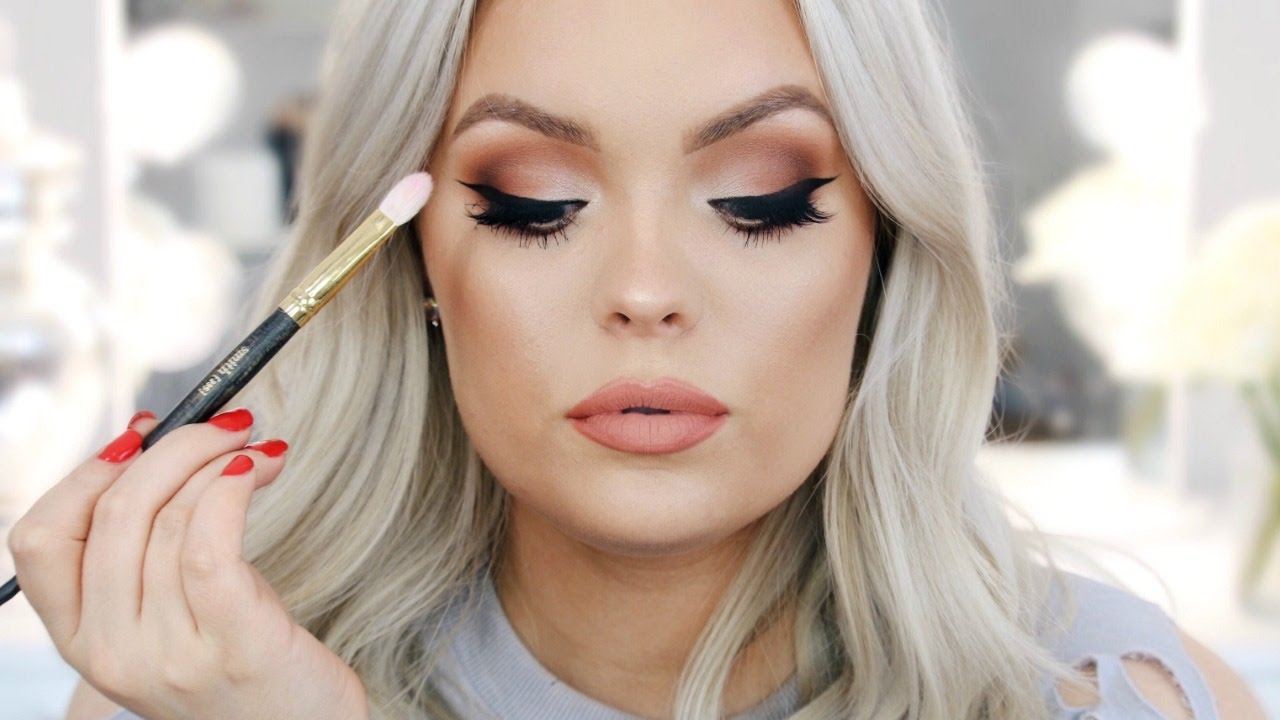
Eye shape decides where the transition shade sits and where the darkest pigment lands, more than it decides which colors work. The exact same three products can look completely different on hooded, monolid, and downturned eyes just based on where they’re placed.
Hooded Eyes
The crease more or less disappears once a hooded eye is open, so packing dark shadow into the crease that’s actually visible and blending upward works better than chasing the natural fold underneath. Bobbi Brown has recommended placing the darkest shade slightly above where the hood falls, then setting it with a matching matte powder so it stays visible once the eye opens back up. There’s a longer breakdown of makeup techniques built specifically for hooded eyes if this is your shape.
Monolid Eyes
Blend focus goes above and below the lash line here, not into a hidden crease that isn’t really visible anyway. A thin line of dark shadow under the lower lash line helps balance the look, and shimmer patted into the lid center adds dimension a monolid otherwise loses without it.
Downturned Eyes
Downturned eyes do better blending the outer corner up and out, toward the tail of the brow, rather than following the natural downward pull toward the cheek. A light inner corner highlight lifts the whole eye and balances out the darker blend on the outside.
Powder, Cream, or Pencil for a Smokey Eye
Powder blends the easiest and builds up in layers, which is why most tutorials default to it. Cream lasts longer once it’s set, but it sets fast, so there’s a shorter window to work with. Pencil formulas are the quickest option for beginners, though they limit precision at the outer edge. Really it comes down to two things: how much time you’ve got for blending, and how steady your hand is with a brush.
| Formula | Blendability | Wear Time | Best For |
|---|---|---|---|
| Powder | Highest, blends in layers | Moderate, needs primer | Gradual, buildable looks |
| Cream | Moderate, sets fast | Long, resists fading | Quick application, oily lids |
| Pencil | Lowest, limited edge control | Moderate | Beginners, fast routines |
Too Faced built its Chocolate Bar palette around buildable matte powders for exactly this kind of layered blending. Charlotte Tilbury went the other direction with its cream eyeshadow sticks, positioned as the faster, lower-mess option for basically the same end result.
YouGov survey data from 2023 found that 73% of women who wear makeup spend 20 minutes or less applying it, and 45% of that group say it takes under 10 minutes. Numbers like that make a real case for cream or pencil formulas on mornings when there just isn’t time.
Day Smokey Eye vs Night Smokey Eye
Same kit, different amount of it gets used. A day version sticks to two shades and skips the waterline entirely. A night version builds up three or more shades and adds definition along both the waterline and lower lash line. YouGov data from 2023 found that 45% of women name special occasions as their reason for wearing makeup at all, which lines up with how much more often the fuller version shows up at night than in the morning.
Day Smokey Eye
Transition shade, plus one darker shade at the lash line, and that’s the whole thing. The waterline gets left bare, or lined in a soft brown instead of black if you want a little more definition, and shimmer stays minimal or gets skipped altogether.
Skipping the waterline and lower lash line steps alone cuts two full steps out of the process without touching which shadows actually get used, and the same light-handed approach carries over into everyday makeup generally, not just the eyes.
Night Smokey Eye
Night versions add a third or sometimes fourth shade, line both the waterline and lower lash line, and bring shimmer into the center of the lid where it can actually catch light.
There’s a practical reason the base needs to be sturdier for this one too: a 2024 study in the Journal of Cosmetic Dermatology (Yoon et al.) found that physical activity measurably changes skin oil levels within a fairly short window, which matters when the look has to survive dancing and body heat instead of a few hours at a desk.
Huda Beauty’s Obsessions palettes were built specifically around this kind of buildable, high-shimmer night application. The rest of a full night out makeup routine tends to follow the same logic, more product, more staying power.
When Smokey Eye Makeup Does Not Work
There are a handful of conditions where this technique just fights back. Very small or deep-set eyes carrying too much dark shadow all the way to the lash line is one of them, since packing color right up to the roots leaves less light space for the eye to read as open, and it can end up looking smaller rather than more defined.
Oily eyelids are another. Without primer, shadow shifts into the crease within hours no matter how well it was blended going in. A 2024 review in the Journal of Dermatological Treatment cites self-reported skin-type data putting oily skin as high as 42.7% among South Korean patients, well above the 9% who reported dry skin in that same population (Parraga et al.). Primer wear claims vary by brand, but a crease-free claim of up to 24 hours, per official product listings, assumes normal skin to begin with. Oily lids cut that window down well before evening even hits.
Harsh overhead lighting doesn’t help either. Fluorescent light exposes every hard edge that a soft lamp or actual daylight would hide, which is exactly why a look that reads as fully blended at home can suddenly look patchy under office lights.
And then there’s just rushing it. Skipping the transition shade and going straight to the darkest pigment produces a flat block of color instead of an actual gradient, no matter how good the blending brush is.
How to Create a Smokey Eye Look Step by Step
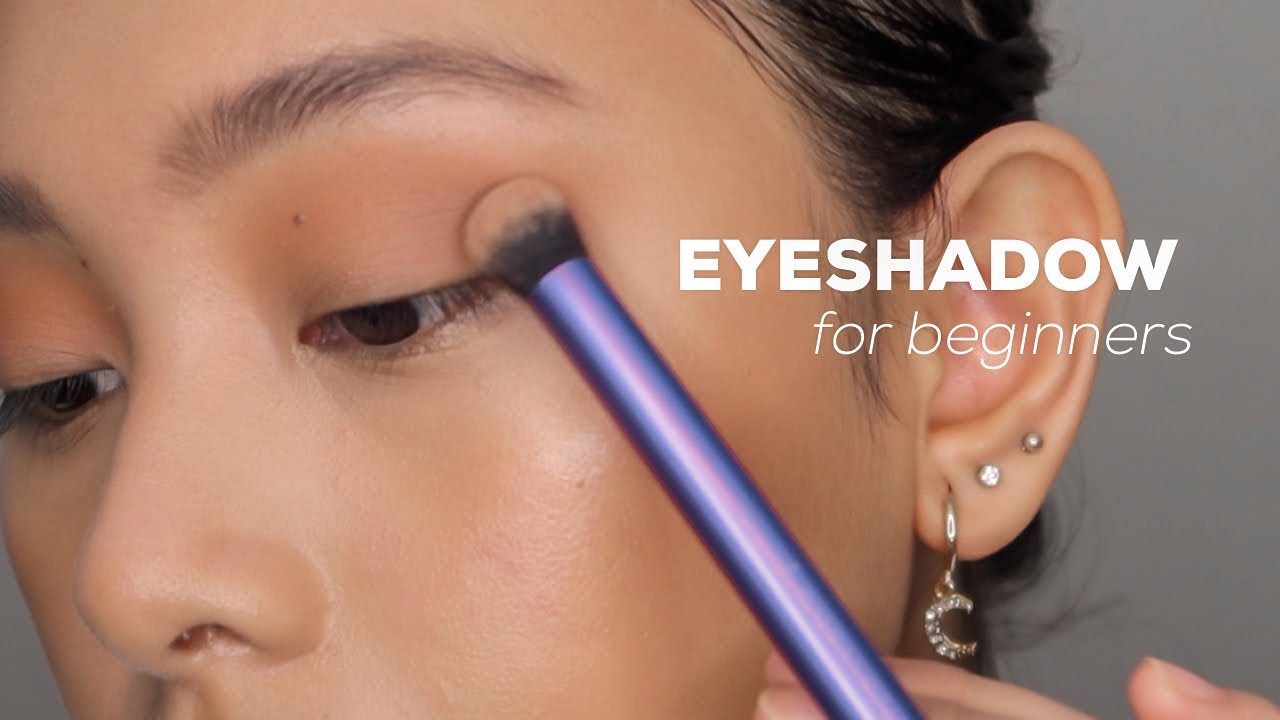
The process really breaks down into priming, placing the transition shade, packing the dark shade, then blending everything together at the end. It’s the order that causes problems when things go wrong, not usually a missing product.
- Prime the entire lid, from the lash line to the brow bone, and let it set for a few seconds before adding any color.
- Sweep the transition shade through the crease first, using a pencil brush to place it and a blending brush to soften it out.
- Pack the darkest shade at the lash line with a flat brush, then blend the edges outward with a clean blending brush.
- Smudge a matching dark shade or kohl liner along the lower lash line, then finish with mascara.
Patrick Ta, whose beauty line built its whole reputation on soft-glam application, recommends layering three to four eyeshadow shades in this same sequence rather than reaching for one heavily pigmented pan. The same four shadows applied out of order end up muddier than three shadows applied correctly, which says a lot about how much sequence matters here compared to how many products are involved.
Common Smokey Eye Mistakes and How to Avoid Them
Most problems here trace back to a handful of repeatable mistakes rather than bad products.
Harsh, unblended edges usually mean the blending brush step got skipped, leaving a visible ring around the darker shade instead of an actual gradient. Applying the dark shade first is another common one, packing on the darkest pigment before the transition shade removes the base the blending brush needs to soften into in the first place. The fix for both is roughly the same: lightest shade goes on first, darkest last, every single time, and blending happens after each shade rather than only once at the end.
Mezhgan Hussainy, a makeup artist known for her work on American Idol and other live productions, calls uneven placement one of the harder eye makeup mistakes to fix after the fact, and that tracks with how much of this comes down to sequence rather than raw skill.
An overloaded brush is its own problem. Too much product picked up in one swipe overwhelms the lid and actually makes blending harder, not easier. And a smokey eye that stops at the upper lash line tends to look unfinished, since the lower line is what balances the whole shape out visually.
FAQ on How To Do Smokey Eye Makeup
What Does a Transition Shade Do in Smokey Eye Blending?
It sits in the crease and bridges the lightest and darkest pigments, so the eye reads as one smooth gradient instead of two separate blocks of color sitting next to each other. Skip it, and the darkest shade has nothing soft to blend into.
Does Eyeshadow Primer Make a Real Difference for Smokey Eye Longevity?

Yes, more than most people expect. Primer keeps pigment from sliding into the crease as the day wears on, holding shimmer and matte shades at full intensity for hours longer than bare skin manages on its own. Skipping it is the fastest way to lose definition by midday.
Can You Create a Smokey Eye Without Eyeliner?
Yes. Packing dark eyeshadow along the lash line with a flat brush creates roughly the same smudged density that eyeliner would, minus the harder edge liner tends to leave behind. Mascara alone finishes it off just as well.
How Long Does a Smokey Eye Look Take to Apply?
A simple two-shade day version takes under ten minutes once the shade order is familiar. A full night version with waterline, lower lash line, and shimmer usually adds another five to ten minutes of blending time on top of that.
Can Glitter Be Added to a Smokey Eye Look?
Yes, and it works best patted into the center of the lid over the existing gradient rather than blended through the whole shape. A precise breakdown of applying glitter eyeshadow covers the tacky-base technique that keeps fallout to a minimum.
Is Smokey Eye Makeup Suitable for Mature or Aging Eyelids?
Yes, with a few adjustments. Cream formulas and lighter shimmer placement tend to work better than heavy matte powder, which can settle into fine lines. A closer look at eye makeup for older women covers shade and texture choices in more depth.
What Should You Fix First in How To Do Smokey Eye Makeup?
Blending is where this look actually falls apart most often, not product choice. Fixing the blending technique first solves more of the problem than swapping palettes, primers, or brushes ever will.
Only 31% of women wear eyeshadow on a regular basis, yet 45% name special occasions as their reason for wearing makeup at all (YouGov, 2023), so most people are practicing this exact gradient technique far less often than they’re attempting it for a big night out. That gap alone explains a lot of the frustration.
Fix the blending motion first, before touching any new product. Transition shade placement comes second. Eyeliner and lash line adjustments come last, only once blending actually holds up on its own.
Once the gradient holds under normal lighting, the next skill worth picking up is removing eye makeup at the end of the day without tugging at the thin skin around the lash line.

She started writing on the site after fielding the same questions from clients and friends often enough to just write the answers down: which red won't turn orange on a warm undertone, how to keep lipstick from feathering into fine lines, why a "12-hour" formula rarely survives dinner.
Every review on the site follows the same rule she uses with paying clients: wear it first, then decide if it's worth recommending.
- How to Make Eyeliner Last Longer Without Smudging - August 31, 2026
- How to Make Eyeshadow Last Longer All Day - August 29, 2026
- How to Find Your Undertone in 5 Easy Steps - August 27, 2026