Most eye makeup advice assumes a lid that’s flat, tight, and doesn’t move much when you open your eyes. Somewhere around your late 40s or 50s, that assumption stops holding up. The eyelid folds differently, the skin holds shadow differently, and steps you’ve done the same way for decades start looking off by noon. None of that means starting over with a new set of products. It means adjusting how you use the ones you already reach for.
The upper lid and the skin under the brow bone change the most, because that’s where fat under the skin shifts and skin itself loses some of its spring. Eyeshadow sits differently there. Eyeliner smudges into places it didn’t used to reach. Mascara can end up on the fold above the lash line instead of just the lashes.
There’s a number behind why this happens. Dermatochalasis, the medical term for loose or redundant eyelid skin, shows up in up to 17.8% of adults and gets more common with age, according to a 2020 review in the journal Disease-a-Month. Once skin behaves that way, cream formulas and softer placement work better than hard pencil lines and flat, pale shadow ever will on a hooded lid.
What Is Eye Makeup for Older Women
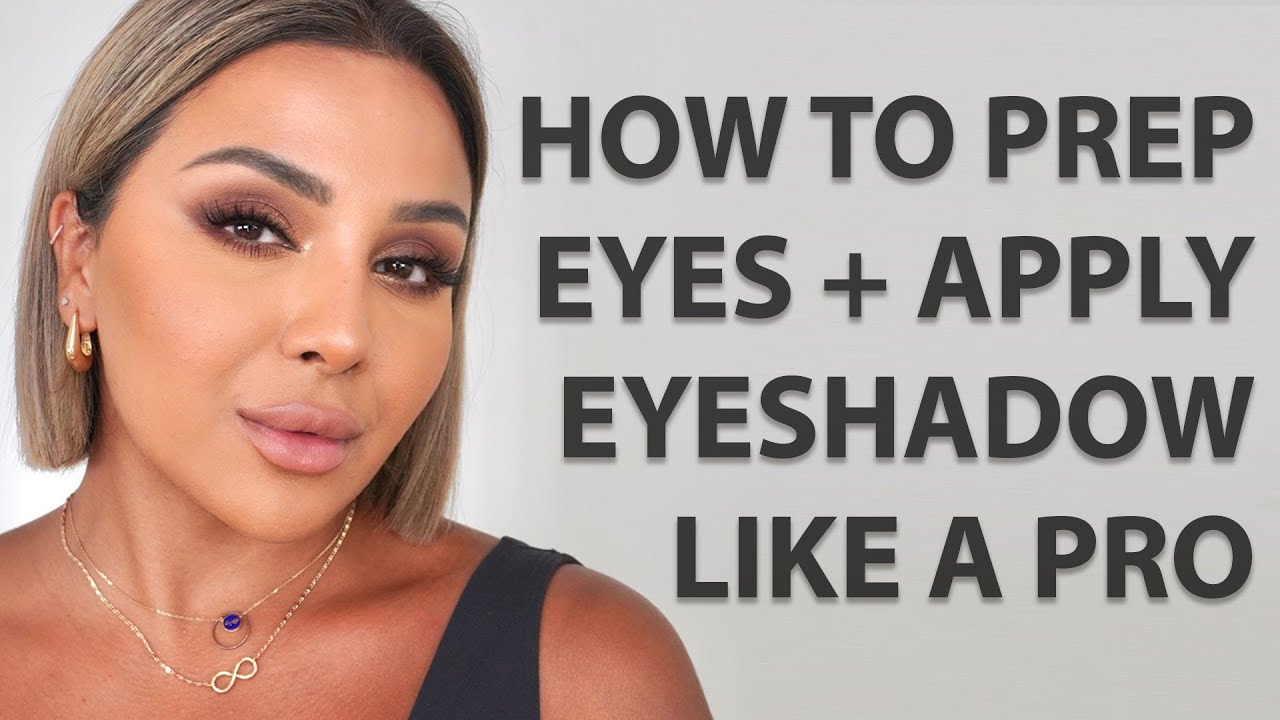
Nothing about the product list changes much. What changes is the technique underneath it, because the eyelid itself is doing something different than it did at 25. It’s folding more, moving more when you blink or open your eyes wide, and holding pigment less evenly across the lid.
Hooded eyelids, crepey texture, under-eye volume that shifts instead of staying put, lashes that have thinned out, brows that have gotten sparser. Standard tutorials are written for a flat, taut lid, and they tend to skip past all of that without saying so.
What actually needs adjusting is narrower than most guides make it sound.
- Formula choice, cream over powder in most spots
- Where color sits relative to a crease that may no longer be visible
- How liner gets drawn around a lid that folds when the eye opens
- How concealer gets set without pooling into fine lines
The order of steps still follows the same eye makeup application basics as any tutorial: primer, shadow, liner, lash, brow. The technique inside each step is what’s different.
Trish McEvoy, Charlotte Tilbury, and Bobbi Brown each built entire eye ranges around this shift, cream formulas, softer applicators, neutral shades forgiving enough that they don’t need a perfectly smooth lid to look right.
How Aging Changes the Eyelid and Eye Area

Thinner skin. Fat that’s shifted from where it used to sit. Less elasticity holding everything in place. Under-eye volume that comes and goes instead of staying put. Trace almost any eye makeup problem women run into after 50 back far enough, and it lands on one of these.
None of this is something to fix. It’s just new terrain the makeup has to work with.
Collagen Loss and Eyelid Skin Thinning
Skin gets its firmness from collagen, and that supply drops steadily once a woman moves past her mid-20s. Eyelid skin thins faster than skin almost anywhere else on the face. It starts out as some of the thinnest skin on the body, so there’s less of a buffer to begin with.
A few numbers explain how much:
- Skin collagen declines by roughly 1% a year starting in the mid-20s, a rate first established by biopsy research in the 1970s and still the most-cited figure in dermatology today (Shuster, Black & McVitie, British Journal of Dermatology, 1975)
- Postmenopausal women lose skin collagen at about 2% a year, with close to 30% gone in the first five years after menopause (Brincat et al., British Journal of Obstetrics and Gynaecology, 1987)
- Dermatochalasis, loose or redundant eyelid skin, affects up to 17.8% of adults and rises with age (Disease-a-Month, 2020)
- In a 2019 population-based eye exam of adults 60 and older in Tehran, 55.15% showed some degree of dermatochalasis on slit-lamp examination (Tehran Geriatric Eye Study, BMC Ophthalmology)
Thinner eyelid skin behaves differently under product. It creases faster and holds pigment less evenly, and it shows every fold a heavy formula settles into by afternoon.
Retinoids are among the topical ingredients the American Academy of Dermatology points to as having the strongest evidence behind them for collagen-related skin changes. That’s a big part of why so many eye creams marketed at this age group lead with retinol on the label.
Fat Pad Shift and Hooding
The orbital septum, the membrane that holds fat in place around the eye, weakens with age. Once it does, that fat moves. On the upper lid, fat and loose skin drift downward and form the fold most people call hooding. Under the eye, the same shift can push fat forward into a puffy ridge, or it can leave a hollow where fat used to sit, depending on the face.
For makeup, that means less visible skin above the lash line to hold shadow, and it means the crease often disappears under the fold entirely, so it stops working as a placement guide the way it used to. Shadow and liner can also transfer onto the hood once the eye opens, since that skin is now sitting where the lash line used to be.
MAC Cosmetics addresses the transfer problem with cream shadow sticks built to sit without moving on folded skin, and several other prestige lines have followed that approach since.
Not every case of hooding is the same thing, by the way. The American Academy of Ophthalmology draws a line between ordinary skin hooding and ptosis, an actual drooping of the lid muscle that can block vision and needs a doctor’s opinion rather than a makeup fix.
Under Eye Volume Loss and Dark Circles
Two separate problems live in this small patch of skin, and they don’t share a fix. Darkness happens because the skin has thinned enough that blood vessels underneath start showing through. Puffiness is a different mechanism entirely, fluid retention plus fat pushed forward, and it’s usually worse first thing in the morning before gravity and movement even it out.
Fine lines fanning out from the outer corner (crow’s feet, if you want the common name) tend to show up around the same time. Put it all together and this becomes the one area concealer has to work hardest on, which gets its own section later in this guide.
Hyaluronic acid and retinol are the two ingredients most consistently linked to improving under-eye skin thickness over time, and that’s why they turn up in nearly every eye cream built for this age group.
Which Eyeshadow Formula Works Best for Mature Eyelids

Cream eyeshadow wins out on most mature eyelids. Skin here tends to run drier, and cream grips onto that instead of sitting on top and sliding into fine lines by midday the way powder can.
Powder still has a place. It just needs more help getting there.
| Formula | Best for | Main risk | Fix |
|---|---|---|---|
| Cream | Dry, crepey, or hooded lids | Creases if applied too thick | Thin layer, set only the edges with powder |
| Powder | Oilier lids, precise blending | Grabs onto texture and fine lines | Primer first, pat rather than swipe |
| Cream-to-powder stick | Fast application, travel | Lower color payoff | Layer two thin coats |
An eyeshadow primer probably changes the outcome more than the shadow formula itself does. It gives cream something to grip onto and gives powder a surface that isn’t fighting it from the start.
Skip primer, and both formulas move eventually. Cream can crease within a couple of hours. Powder tends to flake into the fold by early afternoon.
MAC Cosmetics and It Cosmetics both sell cream sticks aimed at coverage on textured, mature lids, and Urban Decay built its primer’s entire reputation on keeping shadow from creasing in the first place.
- Apply cream with a fingertip for warmth and softer blending
- A damp Beautyblender smooths cream edges without dragging on delicate skin
- Avoid heavy shimmer in cream form, it pools in texture instead of catching light evenly
Which Eyeshadow Colors Suit Older Eyes
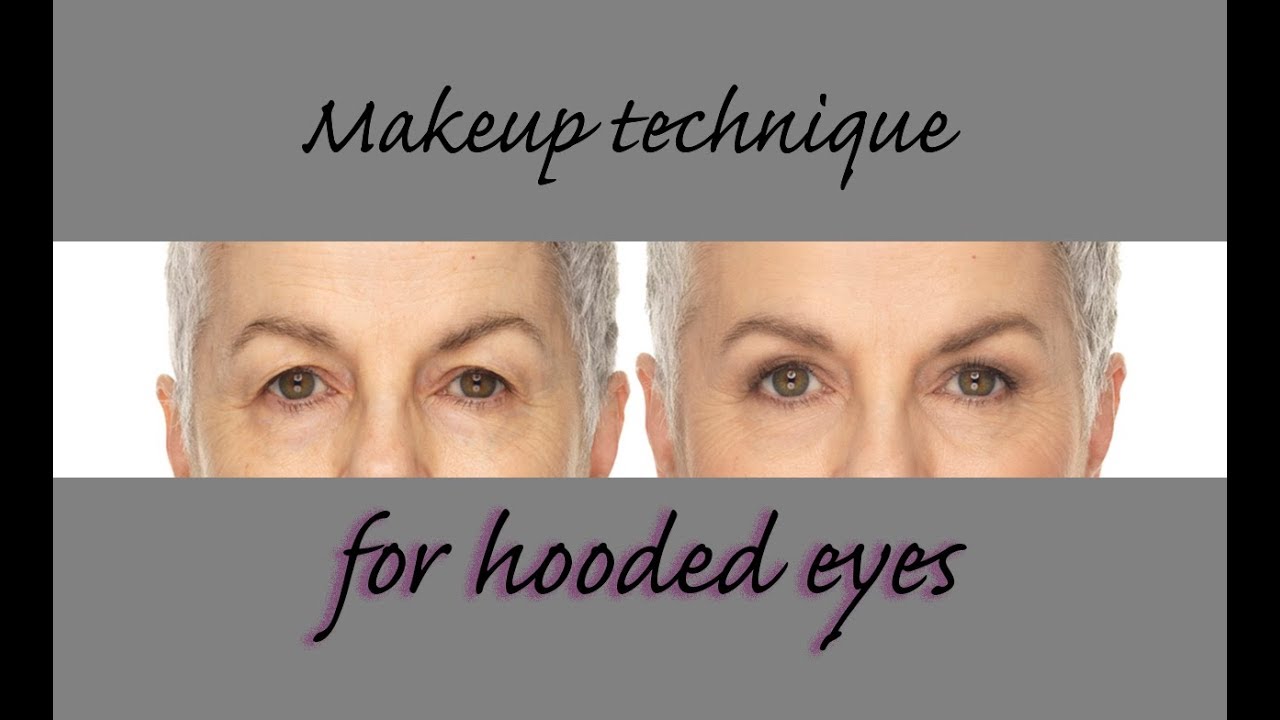
Matte, mid-toned neutrals open up the eye. Frosted finishes and pale shimmer tend to do the opposite, since they sit inside crepey texture and pull attention straight to it instead of past it.
A short list of colors that tend to work:
- Warm taupe, soft brown, dusty rose
- Champagne or light gold, used only on the inner corner
- Deep plum or charcoal in the crease, applied with a soft blending brush
And a few that usually don’t:
- Frosted or metallic finishes across the whole lid
- Icy pale shimmer, which flattens rather than lifts
- Anything with large glitter particles that settle into folds
Placement matters just as much as shade. A light wash on the lid with color pushed slightly higher than the natural crease, past where the fold actually sits, widens a hooded eye instead of shrinking it.
The technique for applying eyeshadow this way lands closer to a soft, low-contrast smokey eye than a hard-edged one. Sharp lines read as harsh once skin has less bounce to soften them.
Urban Decay’s Naked palette became something of a shorthand for exactly this range: taupe-heavy, mostly matte, almost nothing frosted. Laura Geller built its entire QVC line around the same tones for women over 50.
Skip the trend colors here. Neutral doesn’t mean boring. It means the shadow does its job instead of fighting the eyelid’s texture.
How to Apply Eyeliner on Hooded Eyes

Hooded eyes need liner placed where the eye is actually open, not where the crease used to sit. Otherwise the line disappears the moment the eye does anything but stare straight ahead in a mirror.
A few different techniques handle this, and none of them is right for every hooded eye out there.
Tightlining
Tightlining means pressing a soft pencil into the upper waterline and the tiny strip of skin between the lashes, instead of drawing a line above them the usual way.
Done well, it defines the eye without adding a visible line that can fold into the hood, and it holds up even once the eye is fully open. The tradeoff is that it barely registers in photos from any distance, and it needs topping up more often since it sits so close to the tear duct.
A pencil soft enough to smudge on contact works better here than a hard, felt-tip liquid pen. Tightlining depends on the product transferring easily onto wet mucous membrane, and stiffer formulas just drag against it.
Charlotte Tilbury’s pencil is built soft enough for exactly this, which is probably why it shows up so often in tutorials aimed at older eyes.
Waterline Liner
Waterline liner colors the inner rim of the lower lid, and on older eyes it can do the opposite of what it’s supposed to.
Used right, it makes lash lines look denser without constant mascara touch-ups. It backfires when the eye is already small or the lower lid sits close to the lash line, since dark waterline liner can shrink the whole eye visually instead of defining it. A nude or soft peach pencil is the safer swap in most of those cases. It brightens instead of shrinking.
Skip black waterline liner on a hooded, downturned eye specifically. It tends to read heavier than intended by midafternoon, once it migrates slightly the way waterline formulas tend to do.
Soft Wing Lift
A soft wing extends the liner just past the outer corner, angled upward instead of straight out. On a downturned eye, this one adjustment does more lifting than any shadow placement trick in this guide.
| Do | Don’t |
|---|---|
| Angle the wing toward the tail of the brow | Angle it straight out or downward |
| Keep the wing short on a hooded lid | Draw a long wing that disappears under the hood |
A liquid liner draws the cleanest wing. A gel liner smudges less abruptly if the hand isn’t fully steady, which matters more here than most tutorials admit. The winged eyeliner approach still works on hooded eyes, it just needs a shorter wing and a steeper angle than the version built for a flat, taut lid.
How to Conceal Dark Circles and Puffiness on Mature Skin
Concealing dark circles and puffiness here comes down to matching the right corrector to the actual cause of the darkness, then setting everything so it doesn’t crease by noon.
Concealer creases faster in this spot because there’s less natural oil in the skin to keep it moving, and less padding underneath to stop it settling into every fine line it crosses.
Color Correcting Versus Brightening
These solve two different problems, and most women only actually need one of them. A color corrector, usually peach or salmon toned, cancels out blue or purple undertones before concealer goes on top. A brightening concealer is lighter than your skin tone and gets used alone, for circles that read more brown or gray than blue.
A color corrector only earns its place when the darkness actually has a blue or purple cast to it. On brown or gray circles, it just adds an unwanted peach tint under the eye instead of fixing anything.
Tarte Shape Tape, Maybelline Instant Age Rewind, and CoverGirl Simply Ageless are all formulated to sit on textured under-eye skin without settling into it, which happens to be the main complaint about older, drier concealer formulas.
Setting technique decides whether any of this actually holds through the day. A heavy dusting of powder cakes into fine lines fast, so a light press with a fluffy brush, only where oil actually breaks through, beats a full setting under the eye every time.
Shade matching also gets trickier with age, since skin tone often cools and lightens a little compared to a woman’s 30s or 40s.
Preventing that midday crease line matters just as much as picking the right shade. It’s worth getting right before shade even enters the conversation.
How to Strengthen and Define Thinning Eyelashes

Strengthening thinning lashes really comes down to how they’re curled, which mascara formula gets used, and whether anything, a serum, false lashes, gets added on top of the routine.
Lash density and growth speed both slow with age, partly because oestrogen supports the hair follicle and oestrogen levels drop over time. The result is lashes that are shorter, sparser, and more brittle than they were at 30. They haven’t stopped growing, exactly. They’re just growing less.
Curling needs to adjust first, before anything else changes. Hold the curler closer to the root and pump gently in two or three short presses rather than one hard squeeze. Brittle lashes snap under pressure that fuller lashes would just shrug off.
Shu Uemura’s curler uses a slightly rounder pad that spreads pressure more evenly across the lash line, which is a big part of why it holds up well for older, more fragile lashes specifically.
The core technique for applying mascara doesn’t really change with age. Only the pressure and the amount of product do. Short wiggling strokes from root to tip, instead of one long swipe, coat each thinned lash more evenly and cut down on clumping.
| Mascara type | Effect | Watch for |
|---|---|---|
| Lengthening | Stretches short lashes without heavy volume | Can look sparse alone on very thin lashes |
| Volumizing | Builds visible thickness fast | Heavier formulas weigh down brittle lashes |
| Tubing | Wraps each lash, removes with warm water only | Lower flake risk, needs a different remover |
A lash serum conditions the follicle over weeks instead of adding length instantly. It’s the only option on this list that changes the lash itself rather than just covering for it.
False lashes are worth adding for a single event, not as a daily habit. The glue and the constant removal put mechanical stress on hairs that are already thinning, which works against everything else in this section.
How to Shape and Fill Sparse Eyebrows
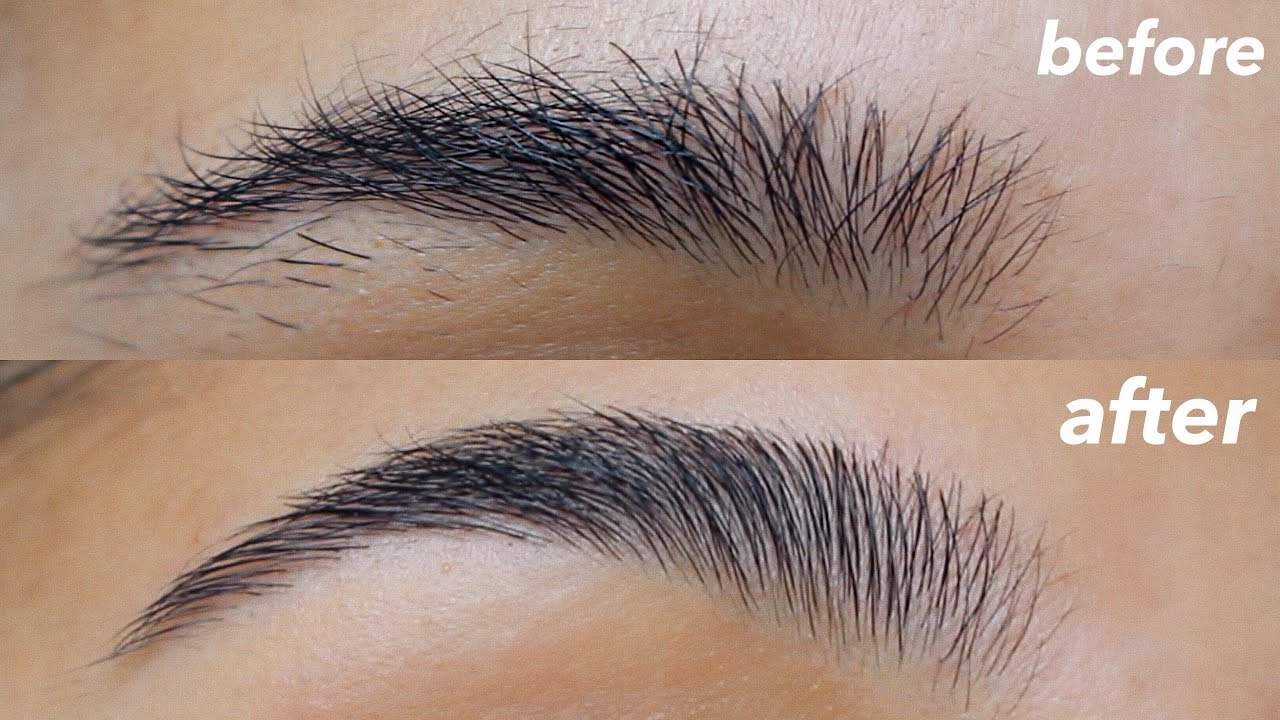
Shaping sparse eyebrows means filling gaps with short, hair-like strokes instead of a solid block of color, then setting what’s left so it actually holds shape through the day.
Brow hair thins for a lot of the same reasons lashes do. Oestrogen decline slows the growth cycle, and hairs that do grow back tend to come in finer and lighter than they used to.
| Product | Best for | Finish |
|---|---|---|
| Pencil | Drawing individual hair strokes into gaps | Natural, most precise |
| Powder | Softer, filled-in look over a wider area | Diffused, less precise |
| Pomade | Sparse brows needing strong shape and hold | Bold, can look heavy if overdone |
A brow pencil with a fine, hard tip does most of the work here, since it can mimic single hairs instead of laying down one flat stripe of color across the brow.
Anastasia Beverly Hills built its whole reputation on this exact hair-stroke technique, which is a big part of why the brand became a default reference point for filling in sparse brows.
Shape needs adjusting too, and this part gets skipped a lot. The brow itself sits slightly lower with age, so chasing the old arch shape from decades ago can drag the whole eye area down instead of lifting it. A flatter, slightly longer tail redistributes some of that visual weight back up and out, rather than repeating a high, sharp arch that no longer matches the bone structure underneath it. Worth saying clearly: this is a styling fix, not a surgical brow lift, which physically repositions the brow rather than changing how it’s filled in.
A clear or tinted brow gel locks thin, slippery hairs in place for the day. Skip it, and filled-in color alone tends to shift or fade by early afternoon.
Step-by-Step Eye Makeup Routine for Older Women

Primer, shadow, liner, lash, brow, concealer. Each step gets adjusted for the eyelid and under-eye changes covered earlier in this guide, and the order matters less than not rushing between them.
Rushing before one layer has set is where most of the creasing and fading problems actually start.
- Prime: a thin layer over the lid and a lighter touch under the eye, blended out before it fully sets
- Shadow: cream first with a fingertip, light on the lid and deepened just above the natural crease line
- Liner: tightline or a short soft wing, depending on how much lid shows when the eye is open
- Lash: curl close to the root in short presses, then mascara in root-to-tip strokes
- Brow: hair-stroke pencil into the gaps, then a clear or tinted gel to hold it
- Conceal: corrector first if needed, then a light layer of concealer set only where oil breaks through
Some women reverse steps two and six, concealing before shadow instead of after. That keeps shadow fallout from landing on top of finished concealer, which is a fair tradeoff.
Either order works fine. What actually matters is not skipping the set time between layers, since layering makeup too fast is what causes most of the smudging that ends up getting blamed on the products themselves.
e.l.f. Cosmetics built its Multi Stick line around exactly this kind of shortcut, one cream product usable on lids, cheeks, and lips, which cuts a six-step routine down to three or four on a rushed morning.
Common Eye Makeup Mistakes Older Women Make

Most mistakes at this age come from habits carried over from decades ago, not from doing anything technically wrong in the moment.
| Mistake | Why it happens | Fix |
|---|---|---|
| Over-plucked brows from the 90s | Old habit, years of thin arches | Fill with hair strokes instead of trying to redraw the original shape |
| Concealer matched exactly to foundation | Assumes one shade works for the whole face | Go one shade lighter under the eye only |
| Heavy mascara on lower lashes | Habit from fuller, firmer under-eye skin | Skip lower lashes or use a very light hand |
| Old, clumping mascara | Kept well past its useful life | Replace every three months |
The concealer mistake is probably the easiest to fix, and the most common by far. Matching shade exactly flattens the under-eye instead of lifting it, since that skin sits slightly darker than the rest of the face to begin with anyway.
Heavy mascara on the lower lash line causes its own separate problem. Thinner, drier under-eye skin picks up transfer faster than it did at 30, so the same amount of product that once stayed put now migrates by midday.
Old mascara comes with a hard deadline attached, whether anyone wants to admit it or not. Once the formula dries out, it clumps, and fixing clumpy mascara after the fact rarely works as well as just replacing the tube on schedule.
L’Oreal Paris built its Age Perfect line around lighter, less occlusive formulas, partly to counter the caking that heavier, younger-skin products tend to cause on textured lids.
When Eye Makeup Techniques Do Not Work for Older Eyes
Everything above assumes healthy, unbroken skin and an eyelid that’s aging normally, nothing more. A few situations sit outside that assumption entirely, and no amount of technique fixes them.
Active Eye Infection or Blepharitis
Blepharitis, inflammation along the eyelid margin, gets more common with age rather than less common.
A population-based study of adults over 60 in Tehran found anterior blepharitis in about 33.5% of participants (Tehran Geriatric Eye Study, Contact Lens and Anterior Eye, 2021). Meanwhile blepharoplasty, the surgical fix for excess lid skin, became the most performed cosmetic surgery worldwide in 2024, with more than 2.1 million procedures (ISAPS Global Survey, 2024).
Applying shadow, liner, or mascara over inflamed lid margins traps bacteria and product together right where the irritation already lives.
Redness, crusting along the lash line, or a gritty feeling on waking are signs to treat first and reach for makeup later, once an eye doctor has actually cleared it up.
Recent Blepharoplasty Recovery
Blepharoplasty removes excess skin and fat from the eyelid, and it’s common enough now that the figure above reflects it.
Memorial Sloan Kettering Cancer Center’s post-surgical guidance tells patients to avoid any eye makeup for two weeks after surgery, while the rest of the face can be treated normally.
| Off-limits for two weeks | Fine everywhere else |
|---|---|
| Eyeshadow, eyeliner, mascara, and cream products near the incision | Foundation, blush, and lip color, kept clear of the healing site |
Sutures come out in two separate appointments during that window, and healing tissue near a fresh incision doesn’t tolerate a brush, a sponge, or a pencil tip anywhere near it. No tutorial overrides a surgeon’s own timeline here.
Ptosis Severe Enough to Block Vision
Ptosis is a drooping of the eyelid itself, caused by a stretched or weakened muscle tendon, not loose skin sitting on top of it.
- Lift the skin gently with a fingertip. If the lid underneath looks normal, that’s hooding or dermatochalasis, a skin problem the techniques in this guide can actually work with
- If the lid still droops after the skin is lifted, that’s ptosis, a muscle problem no eyeshadow placement or liner trick is going to correct
A community survey of adults over 50 found 11.5% show some degree of ptosis, a figure widely cited in later research (survey findings summarized in a 2021 review in the journal Eye), and severe cases can block part of the upper visual field entirely.
An eye that’s mechanically unable to open further on its own needs a doctor. Not a different technique.
FAQ on How To Do Eye Makeup For Older Women
Are Hooded Eyelids the Same as Crepey Eyelid Skin?
No. Hooding is skin and fat folding down over the lash line, changing how much lid actually shows.
Crepey skin is a texture problem, fine, tissue-paper wrinkling across the surface. A lot of older eyelids have both going on at once, but they call for different techniques.
What Age Does Eye Makeup Advice for Older Women Start Applying?
There’s no fixed cutoff here. Collagen loss starts in the mid-20s and becomes visible on the eyelid by the 40s, sooner if menopause has already happened.
Most women adjust technique somewhere between their late 40s and mid-50s, and it’s driven by what’s happening to the eyelid, not by a birthday on the calendar.
Is Blepharoplasty a Better Fix Than Makeup for Severe Hooding?
Not automatically, no. Makeup adjusts around hooding. Blepharoplasty removes it.
Surgery makes more sense when skin actually blocks vision, or when a woman wants a permanent change regardless. For everyday hooding without a functional problem, technique changes solve most of it without a scalpel involved.
Can Older Women Still Wear False Eyelashes Safely?
Yes, with some care. Lash glue can irritate thinner, drier eyelid skin more than it did at 30, so a sensitive-skin adhesive actually matters here.
Remove lashes slowly with an oil-based remover instead of pulling. Fragile skin tears more easily than people expect.
How Do You Keep Eye Makeup From Smudging or Settling Into Fine Lines?
Primer and thin layers handle most of it. A fine-mist setting spray as the last step locks everything down without adding weight on top.
Skip powder-heavy setting under the eye specifically. That’s the layer most likely to cake and crease.
How Should Eye Makeup Change for Women Who Wear Glasses?
Depends on the prescription. Farsighted lenses magnify the eye, so lighter shadow and liner work better than a heavy application that gets exaggerated by the lens.
Nearsighted lenses shrink the eye instead, so deeper liner and more crease color actually hold up better under that kind of lens.
What Should You Fix First in How To Do Eye Makeup For Older Women?
Start with the eyeshadow formula. Switching from powder to cream on the lid changes how every later step holds up across a full day, liner, concealer, mascara, all of it.
Cream shadow over powder, set only at the edges. Liner placed where the eye actually opens, not where the old crease used to sit. Concealer set with a light hand so it doesn’t pool under the eye. Those three changes carry most of the visible difference on their own.
That order follows the biology pretty directly. Skin loses about 1% of its collagen a year starting in the mid-20s, and that decline compounding across four decades lines up with population data showing just over half of adults past 60 have visible eyelid dermatochalasis (Tehran Geriatric Eye Study).
The same collagen-aware logic extends past the eye, too. A guide to applying makeup that reads younger covers foundation, blush, and contour with the same textured-skin adjustments.

She started writing on the site after fielding the same questions from clients and friends often enough to just write the answers down: which red won't turn orange on a warm undertone, how to keep lipstick from feathering into fine lines, why a "12-hour" formula rarely survives dinner.
Every review on the site follows the same rule she uses with paying clients: wear it first, then decide if it's worth recommending.
- How to Make Eyeliner Last Longer Without Smudging - August 31, 2026
- How to Make Eyeshadow Last Longer All Day - August 29, 2026
- How to Find Your Undertone in 5 Easy Steps - August 27, 2026