Most people have worn a skin tint without knowing it had a name.
It sits between a moisturizer and a foundation. Sheer coverage, a natural finish, and enough skincare actives to make it feel like a legitimate step in your routine rather than just makeup.
Skin tint is the lightweight, complexion product that’s redefined how people approach base makeup, and the category is growing fast.
This article breaks down exactly what it is, how it’s formulated, which skin types it works for, and how it compares to foundation, tinted moisturizer, BB cream, and CC cream.
What Is Skin Tint
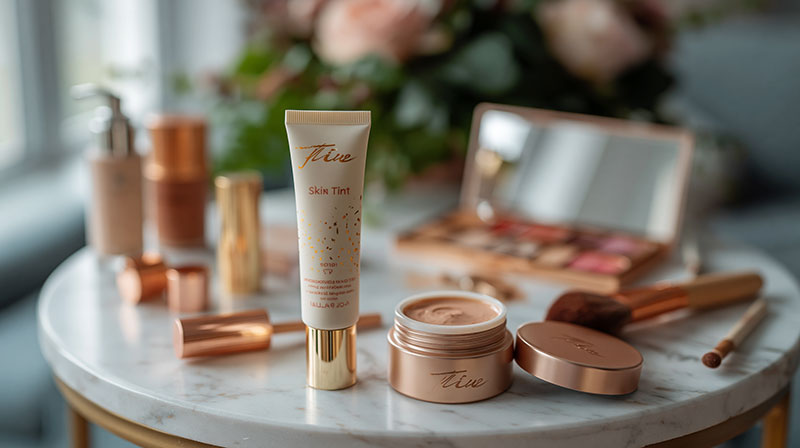
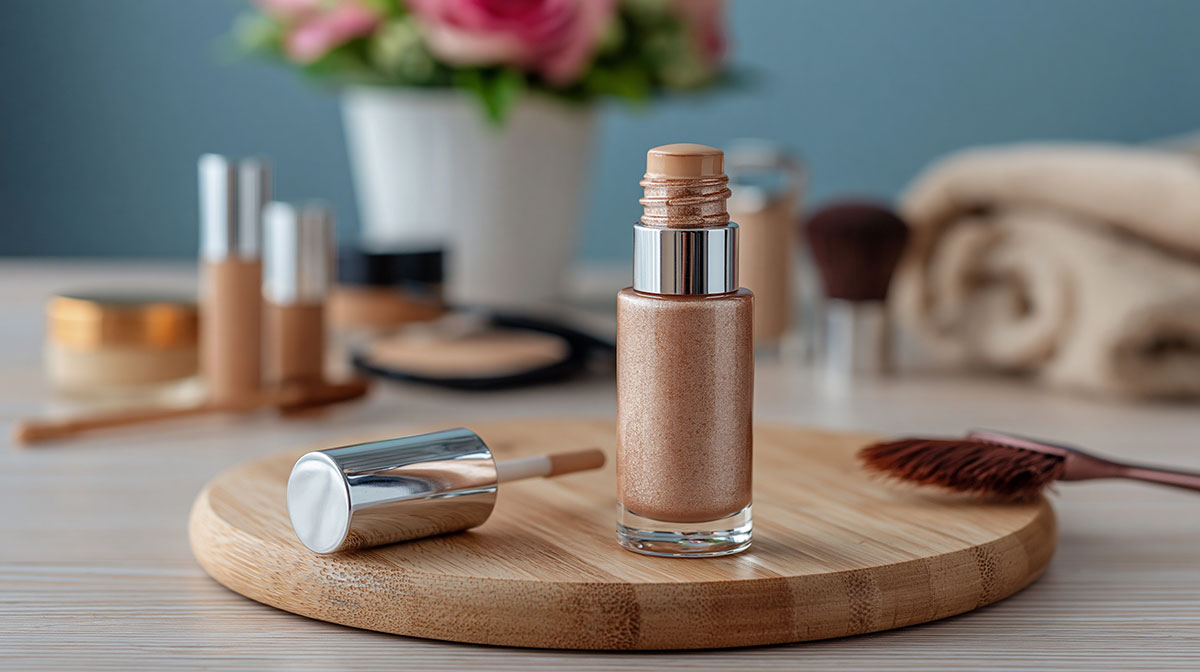
Skin tint is a sheer, fluid complexion product that evens out skin tone with minimal coverage while keeping your skin visible underneath.
It sits at the lighter end of the base makeup spectrum. The finish is skin-like, often dewy or luminous, and the texture stays close to a serum or lightweight moisturizer rather than a traditional foundation.
Key characteristics that define a skin tint:
- Sheer to light coverage, not buildable to full opacity
- Fluid or serum-like texture
- Skin-first formulation, often loaded with skincare actives
- Natural, luminous, or skin-like finish
- Pigment concentration typically sits between 5% and 15%
The term “skin tint” became its own product category around the mid-2010s, separating from tinted moisturizer as brands leaned further into the skincare-makeup crossover.
ILIA Beauty’s Super Serum Skin Tint, launched in February 2021, is widely credited with popularizing the modern serum-skin tint format, positioning the product as skincare that also happens to provide coverage.
The global skin-tint serum foundation market was valued at $1.2 billion in 2024 and is projected to reach $3.1 billion by 2033, growing at an 11.2% CAGR, according to ResearchIntelo. That growth rate is notably higher than the broader foundation market, which signals a genuine shift in how people want to wear base makeup.
Hybrid cosmetics overall grew 9% from 2023 to 2024, per industry trend reporting, with skin tints sitting squarely in that category.
Skin Tint vs. Foundation vs. Tinted Moisturizer
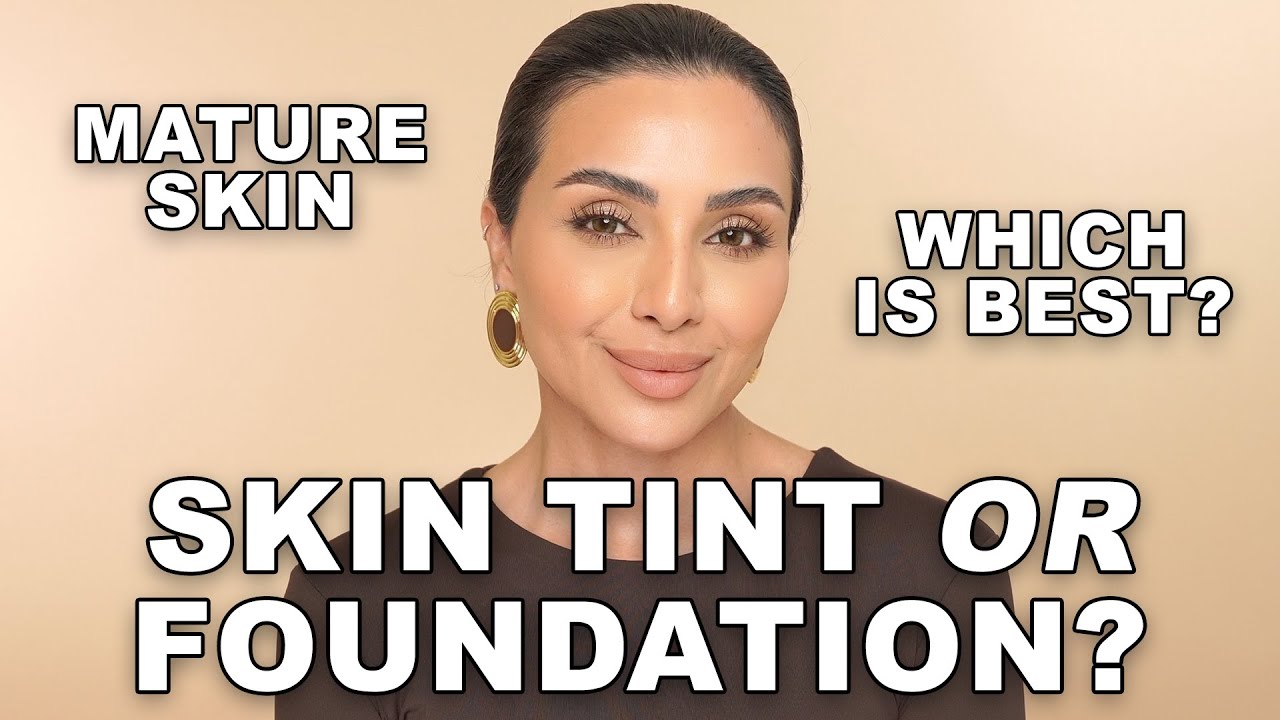
These three products overlap enough to cause real confusion at the beauty counter. They are not interchangeable, though.
| Product | Coverage level | Primary purpose | Typical finish |
| Skin tint | Sheer | Even tone + skincare benefits | Dewy, skin-like |
| Tinted moisturizer | Light | Hydration + subtle coverage | Natural, sometimes satin |
| Foundation | Light to full | Coverage + finish customization | Matte, satin, or radiant |
The hybrid foundation and tinted creams segment held the largest share of the hybrid makeup market at 31.63% in 2023, according to Grand View Research, showing just how dominant these lighter-coverage formats have become.
Skin Tint vs. Foundation
Foundation prioritizes pigment load. Skin tint prioritizes skin health and a natural finish.
Foundation formulas carry a higher concentration of pigment (often 20-30%) and include film-forming agents designed to hold that coverage in place for hours. A skin tint vs foundation comparison comes down to one question: do you want to look like you’re wearing something, or do you want skin that just looks better?
Wear time is another real difference. Foundation with a primer typically lasts 8-12 hours. Most skin tints run 4-6 hours without setting, which is fine for everyday use but not ideal before a long event.
Skin Tint vs. Tinted Moisturizer
Tinted moisturizer leads with hydration. Skin tint leads with the skin-like finish, and hydration is built into the formula as an added benefit, not the core function.
In practice, the line between the two has blurred significantly. Brands use both terms somewhat loosely, and many products marketed as tinted moisturizers, like the Laura Mercier original, perform similarly to what we now call skin tints.
Biggest practical difference: texture. Skin tints tend to feel more serum-like and apply thinner. Tinted moisturizers often feel creamier on the skin.
How Skin Tint Is Formulated
The formulation is what separates a skin tint from a sheer foundation. It’s not just about reducing pigment. The entire structure of the formula changes.
Base and Texture
Most skin tints use a water, aloe, or serum base instead of the silicone-heavy bases common in foundations. This is why the texture feels light and why the product applies so differently.
Film-forming agents are present but at low concentrations, just enough to keep the product on skin without creating a mask-like feel.
Common base types:
- Water-based: lightest texture, best for oily or combination skin
- Aloe-based: soothing, good for sensitive skin
- Serum-based: includes more active ingredients, works across skin types
- Oil-infused: adds luminosity, better suited for dry skin
Skincare Actives Inside the Formula
This is where skin tints genuinely differ from lighter-coverage foundations. The inclusion of skincare actives is intentional, not cosmetic.
According to the Green Beauty Barometer survey, 65% of women aged 35-54 actively check ingredient lists before purchasing cosmetics. Skin tint brands responded to that behavior directly, loading formulas with verifiable actives.
Hyaluronic acid: draws moisture to the skin, keeps the finish from looking dry or patchy.
Niacinamide: reduces redness and uneven tone, which means you need less pigment to even things out.
Squalane: lightweight emollient that mimics skin’s natural oils without clogging pores.
Vitamin C: antioxidant protection, supports a brighter complexion over time.
Pigment Level
Skin tints carry roughly 5-15% pigment concentration compared to the 20-30% range in most foundations. That gap is what creates the sheer, skin-like coverage rather than a surface-sitting finish.
Iron oxides (CI 77891 and related) are the main pigment identifiers you’ll find on INCI lists. The lower the position of these on the ingredient list, the sheerer the formula.
Skin Types That Work Best With Skin Tint
Skin tint is not one-size-fits-all. The formula type matters more than the product category.
| Skin Type | Best Formula Match | Watch Out For |
| Dry | Hyaluronic acid, squalane, or glycerin | Alcohol denat, salicylic acid, or heavy clay |
| Oily | Silica-based, oil-free, or “soft matte” | Coconut oil, ethylhexyl palmitate, or heavy oils |
| Combination | Niacinamide or serum-based hybrids | Heavy butters (shea) on the T-zone area |
| Acne-prone | Non-comedogenic, BHA/Salicylic (optional) | Myristyl myristate, algae extract, or fragrance |
| Mature | Peptides, Vitamin C, or radiant serums | High silica or talc (can settle into fine lines) |
Dry Skin
Oil-infused and hyaluronic acid-rich skin tints work well here. The luminous finish actually reads as healthy on dry skin rather than greasy.
Applying skin tint over a good moisturizer extends wear and stops the product from looking patchy by midday. Dry skin tends to drink up the hydrating actives in the formula, so the finish stays fresh longer than on other skin types.
Oily Skin
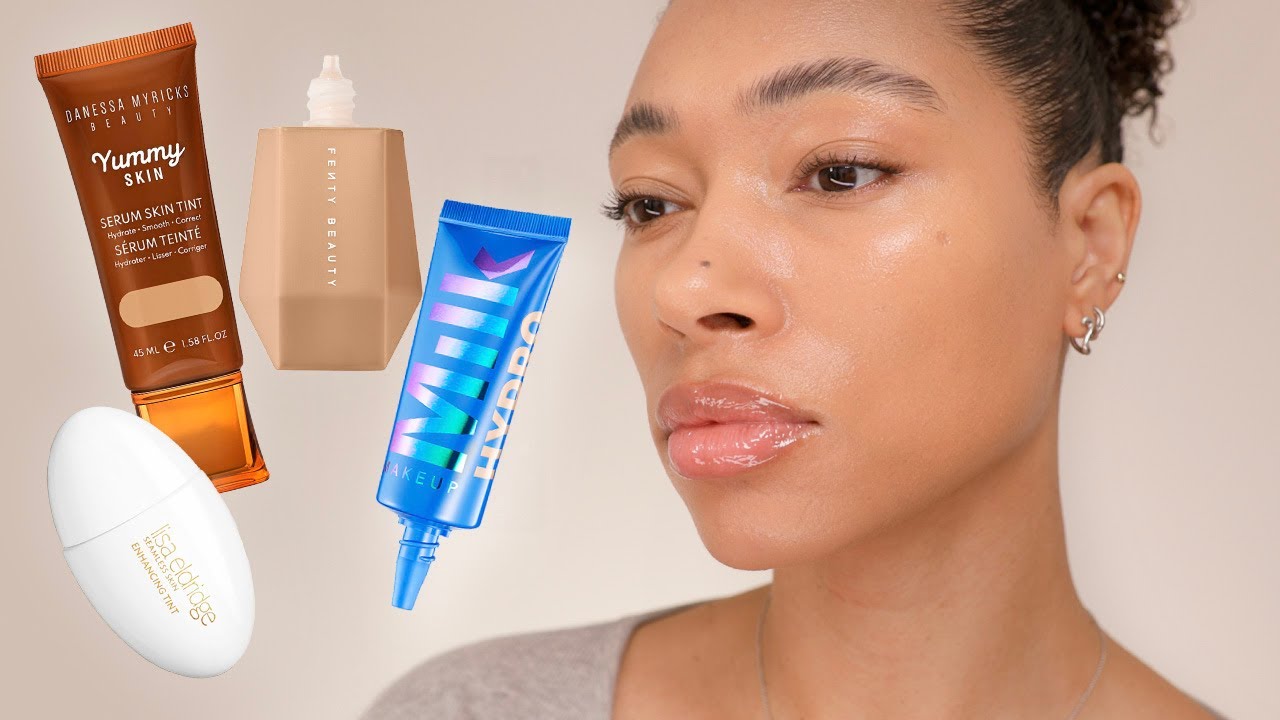
This is where people struggle most with skin tints. Many standard formulas are not designed for high sebum production, and they can look slick by noon without some help.
A mattifying primer underneath, or a light dusting of setting powder on the T-zone, fixes most of the longevity issues. Water-based skin tints are better suited here than oil-infused ones. Fenty Beauty’s Eaze Drop Blurring Skin Tint is a solid reference point because it includes a blurring component without feeling heavy.
Sensitive and Acne-Prone Skin
Non-comedogenic formulas are non-negotiable. Check the INCI list for coconut oil (Cocos Nucifera) high up in the formula or denatured alcohol near the top. Both are common irritants.
Fragrance is the other one to avoid. Some skin tints include it for sensory appeal, but it can cause flare-ups on reactive skin. The breathable, lightweight nature of most skin tint formulas is genuinely better for acne-prone skin than heavier foundations, assuming you pick the right one.
Coverage and Finish: What to Realistically Expect
This is where people get disappointed if their expectations are off. A skin tint is not a light foundation.
What Skin Tint Can Cover
Minor redness, uneven tone, light discoloration, and general dullness. That’s the honest coverage range.
It will not fully conceal active breakouts, deep hyperpigmentation, dark spots, or significant scarring. You can spot-conceal underneath with a full-coverage concealer and then apply skin tint on top, which gives a much more natural result than layering concealer over foundation.
Buildability varies a lot by formula. Some stack to a light-coverage result with two layers. Others stay sheer no matter how much product you apply. If buildability matters to you, check product descriptions before buying, or look for brands that specifically market theirs as “buildable sheer.”
Finish Types
Most skin tints fall into one of four finish categories:
- Dewy: luminous, skin-like glow. Most common in the category.
- Natural: neither matte nor dewy. Just skin.
- Satin: slight sheen without full luminosity.
- Blurring: softens texture while staying sheer. Fenty Eaze Drop is the category benchmark here.
Longevity
Most skin tints last 4-6 hours on their own, shorter than foundation.
Setting with a light powder extends this. A primer underneath helps too, especially for oily skin. For reference, applying setting powder on top of a skin tint is one of the most effective ways to push wear time closer to a foundation result without losing the skin-like finish.
Applying makeup over moisturized skin (not just clean, but actually moisturized and fully absorbed) makes the biggest difference in both finish quality and how long the product holds.
SPF in Skin Tints
A lot of skin tints include SPF, which is one of the main selling points. It’s also one of the most misunderstood aspects of the product.
What SPF in a Skin Tint Actually Means
SPF testing is done in controlled lab conditions using 2mg of product per cm2 of skin. That’s about double the amount most people actually apply when they use a skin tint.
At typical application amounts, you’re realistically getting around half the labeled SPF protection, sometimes less. This is not specific to skin tints. It applies to all SPF-containing makeup products.
The tinted sunscreen market was valued at $1.2 billion in 2024 and is projected to reach $2.5 billion by 2033 at an 8.5% CAGR (Verified Market Reports). That’s a massive market, partly built on consumer desire for sun protection that doesn’t require a separate sunscreen step. The intent is good. The reality requires a bit of nuance.
How to Approach SPF in a Skin Tint
For daily incidental sun exposure (commuting, sitting near windows, short outdoor time), the SPF in your skin tint provides useful but not complete protection.
For extended outdoor time, a dedicated sunscreen underneath is necessary. The good news: reapplying sunscreen over makeup is possible with SPF mists or powder sunscreens, which work without disturbing a skin tint underneath.
Mineral vs. chemical SPF filters also affect the final product. Zinc oxide (a mineral filter) adds slight whiteness to formulas, which is why many skin tints with mineral SPF have limited shade ranges. Chemical SPF filters like octinoxate are transparent, making shade expansion easier, though they come with their own considerations around reef safety and skin sensitivity.
Only 62% of tinted SPF products offer more than one shade, disproportionately affecting deeper skin tones, per 2025 market analysis. That’s a known gap the category is still working to close.
Shade Range and Inclusion Challenges

Skin tints have a well-documented shade range problem. Most launches start narrow, and the extremes of the shade spectrum get left out first.
Traditional foundations often launch with 40 or more shades across undertones. Skin tints routinely launch with 10-15, sometimes fewer.
41% of Black and mixed-heritage consumers report difficulty finding base makeup shades that match their skin tone at mainstream retailers, according to McKinsey and Company survey data cited in the Black Pound Report 2022. Skin tints are not exempt from this gap.
Why Shade Range Is Harder in Skin Tints
The sheer formula makes undertone matching more forgiving in the middle of the shade range. That same sheer formula fails badly at the extremes.
A skin tint with low pigment concentration cannot correct for significant undertone mismatch the way a full-coverage foundation can. The less coverage a product provides, the more precise the shade match needs to be.
Mineral SPF filters add another layer of difficulty. Zinc oxide causes a white cast, which limits how dark a formula can go while still looking natural on deeper skin tones.
The Youthforia Incident and What It Signals
In 2024, creator Golloria George’s viral review of the Youthforia Date Night Skin Tint Serum Foundation exposed a real problem: the darkest shade (600) contained only black iron oxide with no undertone, no depth, and no dimension.
The video received over 3 million likes and was covered in more than 10 publications, making it one of the beauty industry’s biggest inclusivity moments of that year (Essence, 2025).
Brands that have made meaningful shade expansion in the skin tint category include Fenty Beauty (Eaze Drop) and LYS Beauty, the first Black-owned clean beauty brand at Sephora, whose Skin Tint Foundation Stick received notable praise from deeper-toned creators.
How to Test a Shade Match
Swatch on the jawline, not the back of the hand.
Check the match in natural daylight after 10 minutes. Some skin tints oxidize slightly, so what looks right indoors can shift warmer on skin. Sponge-applied testers at counters give the most realistic read of how the product actually sits.
Ingredients to Look For (and Avoid)
The INCI list on a skin tint tells you more than the marketing does. Two products can both claim “hydrating” and “lightweight” while having completely different ingredient stories.
| Look for | Why it matters |
| Hyaluronic acid | Draws moisture in, prevents patchy finish |
| Niacinamide | Reduces redness, minimizes pores visually |
| Squalane | Lightweight emollient, non-comedogenic |
| Zinc oxide | Mineral SPF, anti-inflammatory |
| Vitamin C | Antioxidant, supports brighter tone over time |
Ingredients That Cause Problems
A 2018 study published in the Journal of the European Academy of Dermatology and Venereology identified comedogenic ingredients as direct acne triggers in cosmetics. Skin tints are not immune.
Watch the INCI list for:
- Coconut oil (Cocos Nucifera) high on the list
- Beeswax or acetylated lanolin alcohol
- Synthetic fragrance (parfum) in any position
- Denatured alcohol (alcohol denat.) near the top
ILIA’s Super Serum Skin Tint is specifically formulated without fragrance, gluten, or silicone, making it a reference point for clean, non-comedogenic formulation in this category.
Silicone in Skin Tints
Silicone-based skin tints feel incredibly smooth on application. The tradeoff: silicones can trap debris on skin surface if cleansing is not thorough.
Not inherently bad, but they require a proper double cleanse at the end of the day. If you skip that step regularly, silicone-heavy formulas are more likely to contribute to congestion than water-based ones.
Reading Iron Oxide Entries on INCI Lists
Iron oxides are the primary pigment in skin tints. They appear as CI 77491 (red), CI 77492 (yellow), and CI 77499 (black). Their position on the INCI list and their ratio to each other tells you how pigmented the formula is and what the undertone bias is.
A formula with CI 77499 (black) listed without CI 77491 or 77492 is going to read ashy on most skin tones. That’s the core of the Youthforia problem above, written in plain INCI language.
How to Apply Skin Tint for Best Results

Application tool changes the finish more than most people expect. Same product, three different tools, three noticeably different results.
Fingers vs. Brush vs. Sponge
Fingers give the most natural, skin-like result. Body heat warms the formula and helps it melt into skin rather than sit on top. Best for everyday wear and quick application.
Damp sponge gives the most diffused, blurred finish. It absorbs some product, so you use more, but the result is seamless. Good for combination skin or anyone who wants the sheerest possible coverage.
Dense buffing brush provides slightly more coverage and a more polished look. Works well for building coverage on specific areas like redness around the nose.
Prep Makes the Biggest Difference
Moisturized skin is the one prep step that changes skin tint performance the most. Dry patches drink the product and create uneven patches within an hour. Well-hydrated skin lets the fluid texture spread evenly and hold its finish.
Wait for your moisturizer to fully absorb before applying. Thirty seconds is usually enough. Skin tint applied over a still-tacky moisturizer pills and balls up at the edges.
Prepping skin before makeup properly makes a bigger difference with sheer products than heavy ones, because a skin tint has nowhere to hide uneven texture the way a full-coverage foundation does.
Layering and Spot Concealing
Spot conceal under skin tint for the most natural result, not over it.
Apply a thin layer of high-coverage concealer only on individual spots. Blend the edges. Then apply skin tint on top of the whole face. The skin tint knits everything together and makes the concealed areas look like natural skin rather than obvious patches.
Using concealer this way is the technique most people skip, and it makes a significant difference in how natural the final result looks.
Setting for Longer Wear
Oily skin types benefit most from setting. A light dusting of translucent powder on the T-zone pushes wear time from about 4 hours to closer to 6-7 without looking cakey.
Applying translucent powder over a skin tint works best when the powder is applied with a fluffy brush rather than a pressed powder puff, which can drag the sheer formula and disturb the finish underneath.
Popular Skin Tints Worth Knowing

The skin tint category has expanded fast. These are the products that defined the format, set benchmarks, or pushed the category forward in a specific direction.
| Product | Formula Type | Finish | Notable Feature |
| ILIA Super Serum Skin Tint | Serum-based | Dewy | Niacinamide + Non-nano Zinc SPF 40 |
| Fenty Beauty Eaze Drop | Silicone-rich | Blurring, soft matte | Sweat/transfer-resistant “QuickBlur” |
| Charlotte Tilbury Flawless Filter | Luminizer-hybrid | Ultra-radiant | Smoothing polymers; use as tint or glow-base |
| Chanel Water-Fresh Touch | Micro-fluidic gel | Fresh, “no-makeup” | 60% water; micro-droplet pigment tech |
| Armani Luminous Silk (2026) | Serum-fluid | Luminous satin | Newly updated with Niacinamide & HA |
ILIA Super Serum Skin Tint
ILIA’s launch in February 2021 effectively created the modern serum-skin tint category. It has won best skin tint or best light-coverage foundation at InStyle’s Readers’ Choice Awards in both 2024 and 2025, and has been on Oprah Daily’s editor’s choice list multiple years running.
The SPF 40 comes from non-nano zinc oxide, which keeps it non-comedogenic and safe for sensitive skin. Available in 30+ shades.
Fenty Beauty Eaze Drop
Launched as a direct answer to the skin tint category’s shade gap. The Eaze Drop launched with 40 shades and a blurring finish designed to work across very different skin types.
Most users find fingers or a damp sponge work best with this formula. As noted in Sephora community discussions, brush application can create an uneven result with this particular texture.
Charlotte Tilbury Hollywood Flawless Filter
Technically a complexion booster, not a pure skin tint, but it behaves like one when used as a base. You can learn how to use the Charlotte Tilbury Flawless Filter on its own or mixed with your moisturizer for a diluted, glow-forward finish.
Best use case: dewy, no-makeup makeup looks where coverage is secondary to luminosity. Not for anyone who needs meaningful skin tone correction.
Drugstore vs. Luxury Skin Tints
Price does not always correlate to coverage quality in this category. It more often reflects SPF quality, skincare active concentration, and packaging.
- Drugstore picks tend to be water-based with lighter active ingredient loads
- Luxury formulas often include higher-concentration actives and more sophisticated SPF filters
- Both can deliver a good skin-like finish on the right skin type
The Maybelline Super Stay 24H Skin Tint is widely cited as one of the better drugstore options, though it behaves more like a lightweight foundation than a classic sheer skin tint.
For anyone new to the category and deciding between BB cream or CC cream alternatives, a skin tint typically sits sheerer than both and focuses more on a natural finish than correction.
FAQ on What Is Skin Tint
What is a skin tint?
A skin tint is a sheer, lightweight complexion product that evens out skin tone with minimal coverage.
It sits between a moisturizer and a foundation, often including skincare actives like hyaluronic acid or niacinamide. The finish is natural and skin-like.
What does skin tint do for your skin?
It evens out mild redness and discoloration while adding a natural glow.
Many formulas include SPF protection and hydrating ingredients, so the product pulls double duty as both a light base and a daily skincare step.
Is skin tint the same as foundation?
No. Foundation carries more pigment and is designed for coverage. Skin tint is designed for a natural, skin-like finish with sheer coverage only.
The two serve different purposes. Tinted moisturizer vs foundation comparisons apply similarly here.
Is skin tint better than BB cream?
It depends on what you need. BB cream typically offers more coverage and correction. Skin tint focuses on a natural finish with fewer layers of pigment.
For a no-makeup look, skin tint usually wins. For covering redness or uneven tone more fully, BB cream or CC cream may work better.
Can skin tint replace moisturizer?
Most skin tints are not rich enough to replace a dedicated moisturizer, even hydrating formulas.
Apply moisturizer first, let it absorb, then apply skin tint on top. This also improves wear time and stops the fluid formula from looking patchy by midday.
How long does skin tint last on skin?
Most skin tints last around 4-6 hours without primer or powder.
Setting with a translucent powder on the T-zone pushes wear time longer. Oily skin types will see the shortest wear without that step.
Is skin tint good for acne-prone skin?
It can be, but formula matters. Look for non-comedogenic labels and check the INCI list for fragrance, coconut oil, or heavy waxes near the top.
Lightweight, water-based skin tints with niacinamide or zinc oxide are the safest options for breakout-prone or sensitive skin.
What is the difference between skin tint and tinted moisturizer?
Tinted moisturizer leads with hydration. Skin tint leads with a natural finish, with hydration built into the formula as a secondary benefit.
In practice, the line is blurry. Skin tints tend to have a more serum-like texture, while tinted moisturizer formulas feel creamier on application.
How do you apply skin tint for the best finish?
Fingers give the most natural, skin-like result. Body heat warms the product and helps it blend seamlessly.
A damp sponge gives a softer, more diffused finish. Either way, start with a small amount and build only where needed. Applying foundation technique applies here too.
Does skin tint work on mature skin?
Yes, serum-based skin tints are well suited for mature skin. They add hydration without settling into fine lines the way matte foundations can.
Avoid powder-heavy setting on top, which can emphasize texture. A light mist of setting spray is a better option to lock in the finish.
Conclusion
This conclusion is for an article presenting what is skin tint as a category that has genuinely changed how people approach base makeup.
It is not a lighter foundation. It is a different product with a different purpose, built around a skin-first formulation that prioritizes a natural, luminous finish over coverage.
Whether you are working with dry skin, oily skin, or acne-prone skin, there is a fluid complexion product in this category that fits.
The sheer coverage, buildable layers, and inclusion of actives like niacinamide, squalane, and hyaluronic acid make it a legitimate everyday choice, not just a minimalist makeup trend.
Pick the right formula for your skin type, check the INCI list, and the no-makeup makeup look becomes a lot more achievable.

She started writing on the site after fielding the same questions from clients and friends often enough to just write the answers down: which red won't turn orange on a warm undertone, how to keep lipstick from feathering into fine lines, why a "12-hour" formula rarely survives dinner.
Every review on the site follows the same rule she uses with paying clients: wear it first, then decide if it's worth recommending.
- How to Make Eyeliner Last Longer Without Smudging - August 31, 2026
- How to Make Eyeshadow Last Longer All Day - August 29, 2026
- How to Find Your Undertone in 5 Easy Steps - August 27, 2026