Most eye makeup removal goes wrong at the very start, when people begin wiping before anything has dissolved. Hold a remover-soaked cotton round on each closed lid until the pigment loosens, then sweep with light pressure.
The remover also has to suit the formula. Micellar water handles everyday mascara and shadow. Waterproof mascara needs an oil-based or bi-phase remover, and tubing mascara comes off with warm water alone.
Lid skin is thin, and the lash line takes the damage when removal is rushed or skipped. A 2024 study of 225 young women who wore eye cosmetics, published in Cutaneous and Ocular Toxicology, tied skipping removal at the end of the day to allergic conjunctivitis (p = .035) and conjunctival pigmentation (p = .021).
How to Remove Eye Makeup Step by Step

Contact lenses come out first. After that, hold a remover-soaked cotton round on each closed lid for at least 10 seconds before wiping anything. Once the makeup is off, run a swab along the lash base and rinse the lids completely. Your face cleanser goes on last.
MasterClass gives the same contact time and tells readers to let the remover work instead of scrubbing.
- Wash your hands and take out contact lenses first, because remover can cling to the lens (Women in Optometry).
- Soak a cotton round and press it on a closed lid for at least 10 seconds.
- Sweep downward over the lid in single, light strokes. Never tug the skin.
- Press a fresh, moistened pad on the lashes for a few seconds, wipe down, then wipe upward along the lower lash line.
- Run a clean cotton swab along the base of the lashes to lift the last traces.
- Repeat with fresh pads until a pad comes away clean, then rinse the lids completely.
- Wash the rest of your face last, so leftover remover residue gets cleaned off too (Yahoo Lifestyle).
The American Academy of Ophthalmology wants remover kept out of the eye and rinsed off the lids so it cannot irritate.
Sources disagree on direction. Beaut.ie works from the outer corner inward, while Yahoo Lifestyle and Uniprix move away from the nose.
Direction matters less than friction. Every version above comes with the same warning about tugging and scrubbing.
Cotton Rounds, Swabs, Reusable Pads, and Washcloths
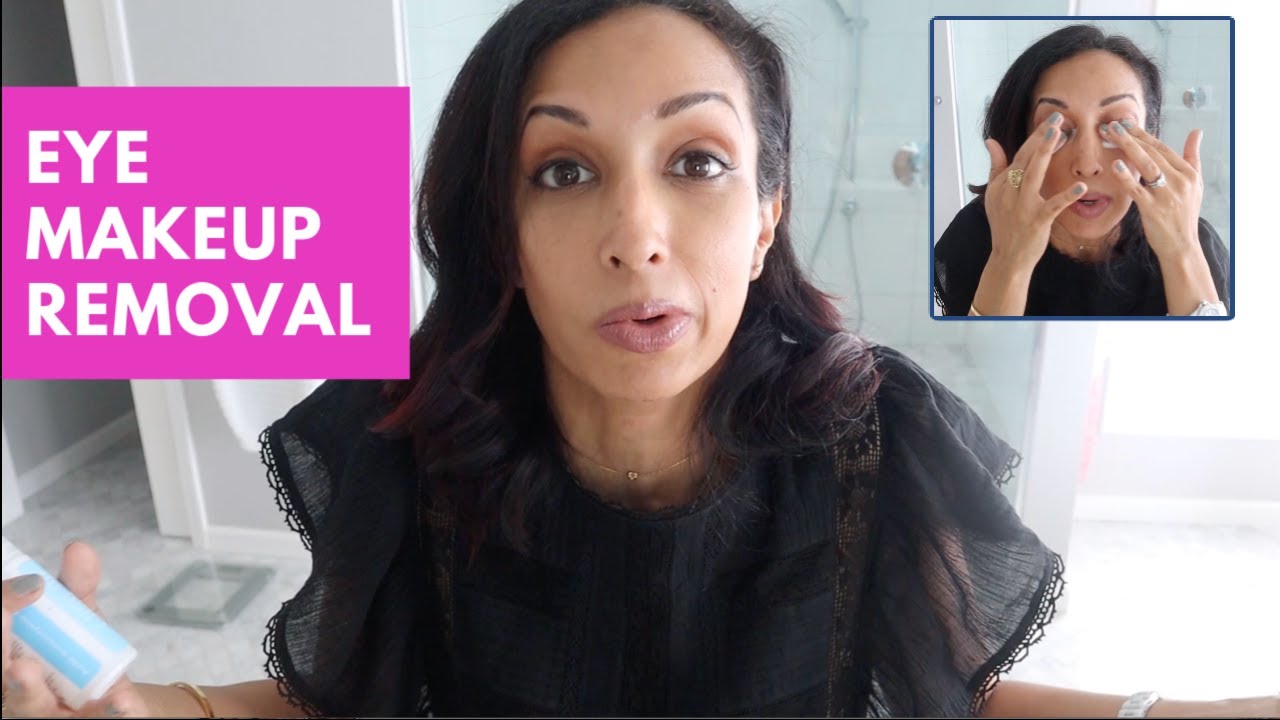
Cotton rounds do most of the work on the lid. Folding one gives a firmer edge near the lashes, as Repechage’s esthetician demonstrates. For the lash line and wing liner, a cotton swab is the better tool, per the AAO and Uniprix.
Reusable pads are fine with micellar water, as long as they go in the wash after every use. A warm washcloth suits tubing mascara and the final rinse.
The FDA says any instrument placed in the eye area must be clean. That rule covers reusable pads and cloths too.
Mistakes That Cause Irritation

Most of these come from rushing.
- Scrubbing or tugging the lid
- Wiping before the remover has had time to dissolve the makeup
- Letting remover run into the eye (AAO)
- Skipping the rinse, which leaves remover sitting on the lid
- Removing lenses after the makeup instead of before
- Taking eye makeup off in a moving vehicle, which the FDA warns against because of the risk of scratching the eyeball
A pad that tugs usually needs more soak time, not more pressure.
Which Type of Eye Makeup Remover Works Best?
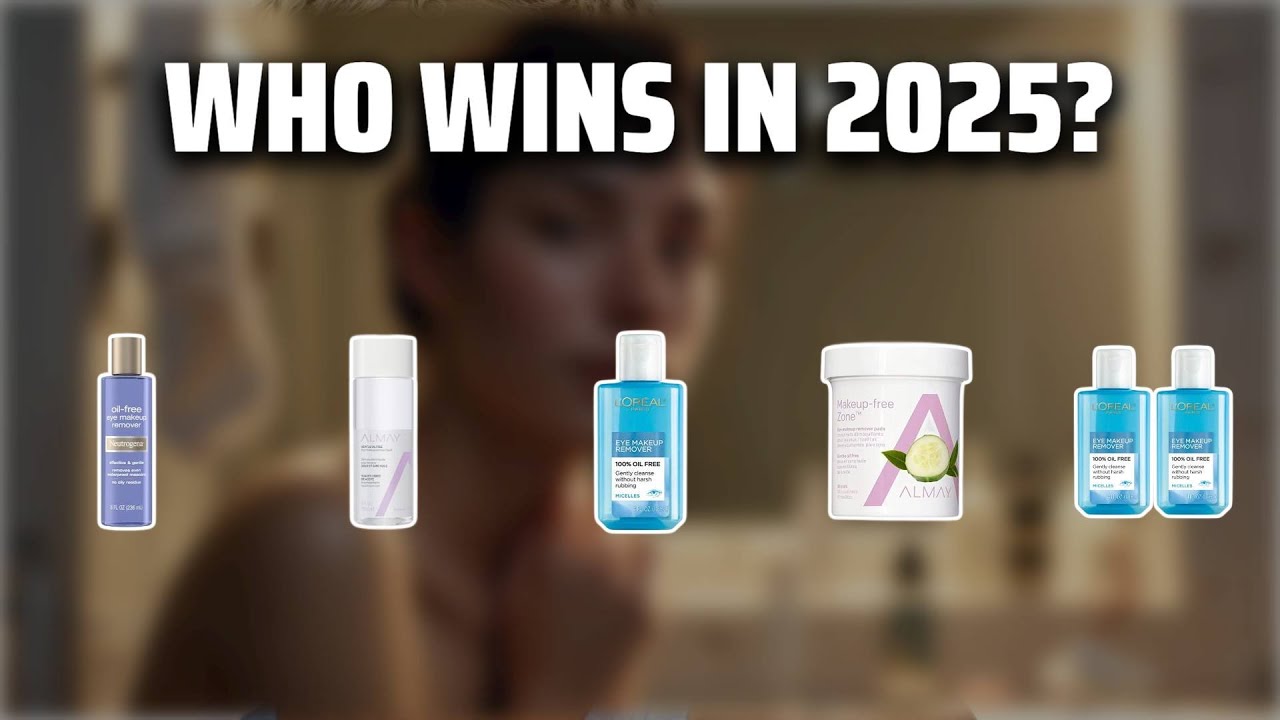
Micellar water works best for everyday mascara and shadow. Waterproof and long-wear formulas call for oil-based products, including cleansing balms and bi-phase removers. Plain water removes little beyond tubing mascara.
| Remover type | How it works | Best for | Avoid when |
|---|---|---|---|
| Micellar water | Micelles bind oil and pigment | Everyday mascara, shadow, liner | Thick waterproof layers |
| Cleansing balm or oil | Oil dissolves waxes and film-formers | Waterproof mascara, long-wear liner | Eye conditions, lash extensions |
| Bi-phase remover | Oil and water layers, shaken together | Waterproof and long-wear makeup | Lash extensions |
| Wipes | Pre-soaked, single step | Backup removal, last traces | Alcohol-based or non-eye wipes |
Micellar water works because surfactant molecules cluster into micelles, which lift oily residue and pigment away from the skin (The Conversation, 2024). Oil in a cleansing balm breaks down the waxes and film-formers in waterproof formulas, then rinses off with warm water. A bi-phase remover is two layers that mix briefly when shaken.
In a 2024 study of 225 mostly kajal-wearing young women, published in Cutaneous and Ocular Toxicology, plain tap water was the least effective removal method (p = .031).
Micellar water is where sources split most. Dermatologist Mona Gohara recommends a micellar formula made for waterproof products, such as La Roche-Posay Toleriane, in an AOL Lifestyle feature, while The Conversation notes that thick or heavy makeup might not come off easily with it.
That reads like a formulation gap, not a contradiction. A waterproof-rated micellar water such as Garnier SkinActive All-in-1 Waterproof (suggested by dermatologist Nancy Satur in Real Simple) is built for the job, and a standard one is not.
Oil-based removers carry the most conditions. Uniprix’s dermo-cosmetic guidance says to rinse them with warm water and skip them entirely if you have eye problems.
Bi-phase formulas need a shake before each use. Clinique’s lids, lashes, and lips remover is a widely stocked example, and a walkthrough on using Clinique’s Take the Day Off covers the shake-and-sweep routine.
No type carries an ophthalmologist’s endorsement. An AAO answer from 2015 says it knows of no remover ophthalmologists prefer, and points to hypoallergenic, non-toxic, germ-free solutions.
Makeup Remover Wipes
MasterClass is against them, calling prepackaged wipes and alcohol-based pads convenient but unsuitable for delicate skin.
Others see a place for them. Livestrong, quoting an eye doctor, suggests keeping pre-moistened towelettes by the bed. The ophthalmology team at Humanitas Hospital prefers disposable wipes made for the eye area, and dermatologist Joshua Zeichner uses a gentle wipe for the last traces after a cotton pad.
The dividing line looks like the product, not the format. An alcohol-based face wipe is the problem, while an alcohol-free wipe made for the eyes works as a backup.
How to Remove Waterproof Mascara, Tubing Mascara, Gel Eyeliner, and Glitter

Waterproof mascara calls for an oil-based or bi-phase remover. Tubing mascara needs only warm water and light pressure. Eyeliner on the lash line is a swab job, loaded with remover. Glitter comes off best when you press and lift it instead of dragging it across the lid.
Waterproof Mascara

The coat holds up against water, sweat, and tears because of the waxes, polymers, and film-formers in it, according to Clarins.
Oil breaks those ingredients down, which is why Gohara points to oil-based removers or micellar water formulated for waterproof products.
Hold the soaked pad longer than feels necessary. Dermatologist Dendy Engelman says more dissolving time makes removal easier. Lash primer prolongs wear and makes mascara harder to remove, per makeup artist Katherine Dorn in the same AOL piece. If you want an oil-free option, Neutrogena Oil-Free Eye Makeup Remover, a Good Housekeeping Seal holder, is a common pick.
For waterproof products beyond the lashes, this guide to removing waterproof makeup covers the rest of the face.
Tubing Mascara
Tubing mascara is the exception to the oil rule.
Consultant ophthalmologist Alex Day told Woman and Home that warm water and very gentle pressure, not traditional oil-based cleansers, make the tubes slide off.
There is chemistry behind it. A US patent for a film-forming cosmetic composition (No. 6,464,969), whose lead use is mascara, reports that its test films broke down much faster in 40 degrees Celsius water than in room-temperature water, though that covers one patented approach, not every tube mascara.
Keep the water warm, not hot (Mirenesse). Pressing a warm damp cloth on closed lids for about half a minute does the job, and when no pad is nearby, fingertips and warm water work, says makeup artist Drita Paljevic.
Gel Eyeliner and Waterline Eyeliner
Gel and pencil liner built to survive tears needs the same dissolving step as waterproof mascara. Put an oil-based or bi-phase remover on a pad and hold it on the lid before any wiping.
For the lash line, Uniprix recommends a swab moistened with a little remover. On the waterline, load the swab instead of the lid and keep remover off the eye itself (AAO).
If liner lingers, reapply remover and wait. Beaut.ie’s advice is not to rub harder.
Glitter and Long-Wear Eyeshadow
The American Academy of Ophthalmology links glittery eye makeup that gets into the eye to corneal irritation and redness. It also advises people with dry eyes to avoid flaking formulas.
For glitter, press a remover-soaked pad on the closed lid for several seconds so the flakes lift onto it, then rinse the lids with water. Long-wear shadow gets the waterproof mascara treatment, meaning an oil-based or bi-phase remover and extra soak time.
Eye Makeup Removal With Contact Lenses, Lash Extensions, or Sensitive Eyes

Lens wearers need an oil-free remover, and lash extension wearers can’t use oil at all. Sensitive or dry eyes call for gentle, fragrance-free products kept off the eye surface.
| Situation | Switch to | Skip |
|---|---|---|
| Contact lenses | Oil-free remover | Oil and petroleum removers |
| Lash extensions | Oil-free lash cleanser | Oils, balms, oil-containing micellar water |
| Sensitive or dry eyes | Fragrance-free remover, gentle lid wash | Beaded scrubs |
Contact Lens Wearers
Pencil eyeliner applied behind the lash line contaminates the tear film most, peaking 5 to 10 minutes after application and falling to a negligible level by 2 hours (Alison Ng and colleagues, Eye & Contact Lens, 2015).
That makes the inner rim the spot to clear carefully with a swab once the lenses are out.
Pick water-based, oil-free, fragrance-free removers, because oil coats lenses and clouds vision (Feel Good Contacts). Michael Ward, director of the Emory Contact Lens Service, also advises skipping moisturizing bar soap and mineral-oil removers. Waterproof mascara stains lenses and resists cleaning with lens solution.
If makeup lands on a lens, take it out, rinse it with multipurpose solution, and discard it if residue stays (LensDirect).
Lens-first removal has near-unanimous support, and Lenstore adds that rubbing the lids with lenses in risks dislodging them. One outlier, a Zenni Optical blog post, says to take lenses out last.
Lash Extensions
Oil is the one ingredient lash extension wearers cannot use.
Stacy Lash, a professional adhesive maker, lists ethyl cyanoacrylate as the base of its formulas and says any oil on extensions ruins the bond. Lash Affair, a lash studio operating since 2014, puts it bluntly: oil dissolves cyanoacrylate.
Micellar water is where the advice splits. The Lash Lounge takes the blanket view that it is generally not recommended, because micelles attract oils and can weaken the adhesive over time. Lash Affair flags only micellar waters and removers that contain oil, and The Lash Spa simply asks for an oil-free product.
Until a brand states that its micellar water is oil-free, treat it as off-limits.
- Remove makeup with an oil-free product on a lint-free pad.
- Apply a lash-safe cleanser with a soft brush, moving from the lash line toward the tips (The Lash Spa).
- Rinse until the cleanser is gone, then pat dry.
- Comb the extensions with a clean spoolie.
The Lash Lounge sells a foaming cleanser, Lash Detox, built for this routine.
Waterproof mascara is the trap. Its removal needs oil, so Lash Affair advises water-based, extension-safe mascara on the tips only.
Sensitive or Dry Eyes
Keep remover off the eye itself. Direct contact increases tear evaporation and lowers tear film stability, per Women in Optometry.
Afterward, wash the lid margin. A gentle lid scrub clears leftover remover and helps unclog the meibomian glands, the lid glands that secrete the oil protecting the eye’s surface (Women in Optometry; American Academy of Ophthalmology). For people with blepharitis (eyelid margin inflammation), the AAO recommends diluted baby shampoo for the scrub.
If a product causes a reaction, stop using it. The FDA says to stop using any eye cosmetic that causes irritation, and the AAO adds that you should note the ingredients and tell your doctor.
If removal keeps stinging, the formula you wore may be the cause, and this guide to makeup for sensitive skin covers gentler choices.
The AAO also warns against cleansers with scrubbing beads or gritty additives near the eyes, since they scratch and irritate.
Can You Use Coconut Oil, Baby Oil, or Soap and Water Instead?

Yes, for a night or two. Coconut oil, olive oil, and petroleum jelly all dissolve waterproof makeup, and diluted baby shampoo cleans the lids. Each one fails in a specific case, though: lash extensions, contact lenses, or oil that reaches the eye.
| Option | Pros | Cons |
|---|---|---|
| Coconut oil | Dissolves waterproof mascara in a pinch | Slow, leaves lids oily, breaks lash glue |
| Olive oil | Pantry staple, similar action | Not formulated for the eye area |
| Baby oil | Cheap, widely stocked | Called irritating by one esthetician |
| Petroleum jelly | Lubricates, slides makeup off without tugging | Avoid with lenses or extensions; heavy use can clog lid glands |
| Baby shampoo and water | AAO-recommended for lid scrubs (blepharitis) | Bar soap can sting |
An expert quoted in Good Housekeeping says coconut oil works in a pinch but takes effort to remove, and she steers readers to waterproof removers formulated for eye sensitivity. AOL Lifestyle’s mascara-removal guide accepts olive or coconut oil when you have no remover on hand, while preferring a product made for the job.
Petroleum jelly has its defenders. Dermatologist Mona Gohara told Allure that Vaseline is light and lubricated, so makeup slides off without tugging, and AAO spokesperson Rebecca Taylor has suggested a petroleum- or oil-based product on a cotton pad to take off most of the makeup. The AAO also says small amounts of Vaseline on the lashes are safe, but excessive use can clog the meibomian glands.
Then there are the objections. Michael Ward of the Emory Contact Lens Service tells lens wearers to avoid oil and petroleum-based removers, and a lash studio’s aftercare guide (ProLash) lists petroleum derivatives among ingredients that weaken extension adhesive.
Both hold. Petroleum jelly suits bare lashes and no lenses, in small amounts, and it fails everyone else.
The AAO’s 2015 answer named no preferred remover. Elsewhere, the AAO endorses diluted baby shampoo for lid scrubs and says small amounts of Vaseline on the lashes are safe.
Soap is where the line runs. Diluted baby shampoo has AAO backing for lid scrubs, Emory advises against moisturizing bar soap, and licensed esthetician Natalie Otto calls baby oil and ordinary soap and water irritating for the eye area.
For makeup beyond the lids, this guide to removing makeup without a dedicated remover covers the rest of the face.
For sensitive eyes, a drugstore oil-free remover still beats every option above.
What Happens If You Leave Eye Makeup On Overnight?

One night usually means irritation and smudged lashes, and AAO spokesperson Rebecca Taylor says sleeping in mascara once or twice probably won’t harm you. The risk is repeated incomplete removal, with documented outcomes ranging from clogged lid glands to mascara deposits under the eyelid.
Makeup on the lash line can block the meibomian glands (AAO), and chronic blockage is called meibomian gland dysfunction, a cause of dry eye. Eyelid inflammation follows a similar path. Blepharitis cannot be cured, but lid hygiene controls the symptoms, and improvement takes a couple of weeks (Royal Devon NHS patient leaflet).
Infection is the other worry. Keck Medicine lists thorough nightly removal among its tips for preventing eye infections such as conjunctivitis, inflammation of the membrane that covers the white of the eye and lines the inside of the eyelids.
A 2015 randomized trial in the Journal of Ophthalmology put 20 women with chronic discomfort, thought to stem from heavy eye makeup and poor lid hygiene, on artificial tears alone or with an eyelid cleanser for 4 weeks.
Only the cleanser group improved on gland obstruction, meibum secretion, and tear break-up time. Ten women per arm is a small trial, so treat it as a signal, not a verdict.
The extreme case is a 50-year-old Australian woman who wore heavy mascara for more than 25 years with inadequate removal. Ophthalmologist Dana Robaei reported darkly pigmented subconjunctival concretions and follicular conjunctivitis (Ophthalmology, 2018), and removal took a 90-minute procedure (CTV News).
Headlines said sleeping in makeup could blind you. Taylor called the case rare, and dermatologist Ellen Marmur said blindness from sleeping in eye makeup is unlikely because the case reflected decades of poor care.
Charles Flowers of the USC Roski Eye Institute adds that eye infections, a separate pathway, can lead to vision loss.
Whether every night counts is disputed. Dermatologist Nancy Satur told Real Simple that skin does not technically require makeup removal before bed with the right formula, yet she still advises it, and the AAO says to remove all eye makeup before sleeping.
A cosmetovigilance survey of Jordanian women (March to May 2024, 1,741 valid responses) found 85% of eye makeup users reported at least one adverse reaction. It also found, unexpectedly, that consistent removal before sleep was associated with higher reaction risk (AOR 4.718, p = 0.003).
A cross-sectional survey cannot show direction. People who already react may simply remove makeup more diligently, so the finding does not outweigh the AAO’s advice.
Eye Makeup Removal FAQ
Can plain water remove eye makeup?
Rarely, because water does not dissolve the oils and waxes that hold pigment on the lid. Tubing mascara is the exception, since warm water and light pressure slide the tubes off.
Does rubbing or tugging damage lashes and lid skin?
Yes. Clarins warns that scrubbing risks lash breakage and irritation, and the lid skin is among the thinnest on the body.
Brand guidance such as Mario Badescu’s also links repeated tugging to premature wrinkling.
What is the fastest way to remove eye makeup when exhausted?
Keep pre-moistened, alcohol-free eye wipes by the bed, as Livestrong’s eye-health guidance suggests, then run a clean cotton swab along the base of the lashes. The AAO’s priority is getting mascara off before sleep, so a quick wipe beats leaving it on.
Is wearing waterproof mascara every day a problem?
Not in itself, but Good Housekeeping’s beauty scientists and clinical optometrists advise wearing waterproof formulas sparingly, since removal is what irritates skin and eyes. Clarins adds mascara-free days to give lashes a breather.
What should you do if remover gets into your eye?
Take out contact lenses if you wear them and rinse the eye with sterile saline. The FDA says to stop using any eye cosmetic that causes irritation, and LensDirect advises contacting an eye-care provider if symptoms persist.
When Irritation After Removal Needs an Eye Doctor
Irritation after eye makeup removal that comes with discharge, eyelid swelling, pain, or vision loss needs an ophthalmologist, not a gentler remover. Keck Medicine lists those signs, along with redness, as symptoms of an eye infection.
Stop wearing eye makeup and lenses first, since that removes the irritant while the appointment is arranged. Then book the ophthalmologist visit and throw out every eye product you were using.
The FDA and the AAO both say to discard all eye makeup that was in use when an infection developed, and Keck adds that reusing it invites a repeat infection. The price is replacing the whole kit of mascara, liner, and shadow, which costs less than a second infection.
Position verified against FDA, AAO, and Keck Medicine guidance as of October 2026.

She started writing on the site after fielding the same questions from clients and friends often enough to just write the answers down: which red won't turn orange on a warm undertone, how to keep lipstick from feathering into fine lines, why a "12-hour" formula rarely survives dinner.
Every review on the site follows the same rule she uses with paying clients: wear it first, then decide if it's worth recommending.
- How to Make Eyeliner Last Longer Without Smudging - August 31, 2026
- How to Make Eyeshadow Last Longer All Day - August 29, 2026
- How to Find Your Undertone in 5 Easy Steps - August 27, 2026