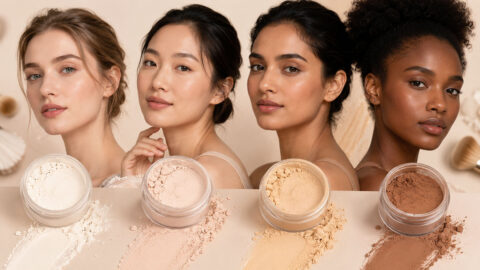
Most makeup advice ignores the 71% of people who react to products that work perfectly fine on everyone else.
Learning how to do makeup for sensitive skin isn’t just about picking “gentle” formulas. It’s about understanding your skin barrier, identifying the specific triggers that cause redness, stinging, or contact dermatitis, and building a routine with fewer products and better ingredient choices.
This guide covers everything from patch testing and fragrance-free foundation to safe application techniques and low-irritation makeup removal, so you can wear a full face without the reaction.
What Is Sensitive Skin in the Context of Makeup

Sensitive skin is a condition where the skin reacts to stimuli that normally shouldn’t cause a reaction. Think stinging, burning, tightness, itching, or redness from products that most people use daily without issue.
A 2020 meta-analysis in the Journal of the European Academy of Dermatology found that 71% of adults globally report some degree of skin sensitivity. About 40% describe their sensitivity as moderate to severe. That’s not a niche problem.
There’s a real distinction between sensitive skin, sensitized skin, and allergic skin. Most people mix them up.
| Skin Type | What It Means | Key Characteristic |
|---|---|---|
| Sensitive skin | Genetic or long-term predisposition to reactivity | Reacts consistently to multiple triggers such as fragrance, temperature, or certain ingredients |
| Sensitized skin | Temporary reactivity caused by barrier damage or overuse of actives | Skin barrier is compromised and can often improve with reduced irritation and proper repair |
| Allergic skin | Immune system–driven reaction to a specific ingredient | Triggers contact dermatitis when exposed to a particular allergen, even in small amounts |
Why does this matter for makeup? Because the fix is different in each case. Sensitized skin often calms down once you stop using harsh products. True sensitive skin needs permanent adjustments to what you apply and how you apply it. Allergic skin needs patch testing and ingredient avoidance, full stop.
Makeup itself can trigger reactions. Application friction, occlusion from heavy formulas, and low-quality pigments all put additional stress on a compromised barrier. The face is the highest-risk zone, with research showing 44% of people with sensitive skin syndrome report facial reactivity specifically (JAAD, 2024).
Conditions like rosacea and eczema overlap heavily with sensitive skin. They share the same root issue: a weakened skin barrier that lets irritants in and lets moisture out. Any makeup routine has to account for that.
Common Makeup Triggers for Sensitive Skin
Fragrances and preservatives are the most frequently cited culprits. A 2024 systematic review in Contact Dermatitis found that sensitization to Fragrance Mix I remains at 6.81% among European dermatitis patients. That’s a significant number given how many cosmetics contain undisclosed fragrance blends.
Methylisothiazolinone (MI) and methylchloroisothiazolinone (MCI) are preservatives that now rank among the top 10 allergens reported by the North American Contact Dermatitis Group as of 2023. They show up in moisturizers, foundations, and primers.
Other common triggers include:
- Alcohol denat (drying, strips barrier function)
- Synthetic dyes (particularly in blushes and eyeshadows)
- Parabens and formaldehyde-releasing preservatives
- Physical application friction from stiff brushes
Rosacea-prone skin is particularly reactive to temperature changes, which 41% of sensitive skin sufferers cite as a primary trigger (JAAD, 2024). This is worth remembering before applying heavy, occlusive makeup formulas in warm conditions.
How to Identify Your Skin’s Triggers Before Applying Makeup
You can’t build a low-irritation routine without knowing what actually bothers your skin. That sounds obvious. But most people skip this step and just keep reacting.
Patch Testing: The Only Reliable Method
A proper patch test takes 48 hours minimum. Apply a small amount of the product to the inner forearm or behind the ear. Cover with a bandage. Leave it untouched. Check at 48 and 96 hours for redness, swelling, itching, or any change.
The inner forearm is fine for most products. For eye products, the area behind the ear is a closer skin match to the eyelid. Don’t test on already irritated skin. It skews the result.
Wait times matter. Some reactions are delayed. Contact dermatitis from preservatives like MI can take 72-96 hours to show up. Check twice, not just once.
Reading Ingredient Labels for Sensitive Skin
Fragrance-free is not the same as unscented. “Unscented” products can contain masking fragrances that neutralize odor but still irritate skin. Look for “fragrance-free” specifically on the label.
Ingredients are listed in descending order by concentration. If an irritant appears in the first five ingredients, that’s high concentration. If it’s near the end, it may still matter for highly reactive skin, but the risk is lower.
Specific terms to flag:
- Parfum / fragrance on the INCI list
- Methylisothiazolinone or any “-isothiazolinone”
- Alcohol denat (different from fatty alcohols like cetearyl alcohol, which are fine)
- Synthetic dyes: CI 15850, CI 77491, and similar codes
Keeping a Reaction Log
This one is underused. When a reaction happens, write down every product applied that day, the order of application, and what the reaction looked like. Do this for three to four reactions. Patterns usually become clear fast.
Clinique has built its entire product line around this principle, marketing directly to sensitive and reactive skin with allergy-tested, fragrance-free formulas tested by dermatologists over decades. Their approach underscores why systematic elimination matters more than guessing.
Skincare Prep for Sensitive Skin Before Makeup

What goes on before makeup is not separate from the makeup routine. It directly determines how your skin reacts to everything applied afterward.
A compromised barrier is more permeable. That means every ingredient in your foundation has a higher chance of reaching deeper skin layers and triggering a reaction. Prepping correctly reduces that risk significantly.
Barrier-Supporting Moisturizers
A 2021 study in the British Journal of Dermatology found ceramide-based moisturizers restored barrier function by 40% in UV-damaged skin compared to non-ceramide products. For sensitive skin, that’s a meaningful difference in how reactive skin behaves under makeup.
What to look for: ceramides, cholesterol, and free fatty acids in combination. These are the three components that naturally make up the skin’s lipid layer. Products like CeraVe PM Facial Moisturizing Lotion and La Roche-Posay Toleriane Double Repair use this exact combination.
Niacinamide in a moisturizer is a bonus. Clinical research published in PMC (2025) confirms that 2-5% niacinamide reduces sebum, calms inflammation, and supports ceramide synthesis simultaneously. It also shows a strong safety profile for reactive skin types including rosacea.
Apply moisturizer, then wait. Give it at least 5 minutes before applying anything else. Skin needs time to absorb. Layering makeup directly onto wet moisturizer traps product and can cause pilling and irritation.
Primers Safe for Sensitive Skin
Not everyone with sensitive skin needs a primer. But if redness, uneven texture, or poor makeup longevity is a problem, a gentle one helps.
Silicone-based primers smooth texture well and create a physical barrier between skin and makeup. The concern for sensitive skin is that some people react to heavier dimethicone formulas, and the occlusion can worsen congestion. Water-based primers are the safer default.
Green-tinted primers neutralize redness without requiring heavy foundation coverage afterward. Less product on skin means less potential for irritation. That’s the better trade-off for most people with chronic redness or rosacea.
What to avoid in primers: silica powder (can be irritating in high concentrations), synthetic fragrance, and alcohol at the top of the ingredient list.
SPF Considerations Before Makeup
Mineral sunscreens with zinc oxide or titanium dioxide are generally the better choice for sensitive skin. Chemical UV filters like oxybenzone and avobenzone absorb into the skin and have higher irritation potential for reactive skin types. Dermatologists at Forefront Dermatology note that mineral sunscreens “sit on top of the skin” rather than absorbing, which makes them less likely to trigger inflammatory responses.
SPF goes on before makeup. That order is non-negotiable for protection. If your moisturizer already contains mineral SPF 30 or higher, you can skip the separate sunscreen step. One less product layer is always better for sensitive skin.
Key rule: Never mix sunscreen directly with foundation to “save a step.” It dilutes the SPF concentration and changes the formula’s behavior on skin, both problematic.
How to Choose Foundation and Concealer for Sensitive Skin

Foundation is the highest-risk makeup step for sensitive skin. It covers the largest surface area, sits on skin for hours, and has the longest ingredient list of any face product.
The first cut is formula type. Then coverage. Then individual ingredients.
| Formula Type | Irritation Risk | Best For |
|---|---|---|
| Water-based liquid | Low to moderate | Daily wear; normal to dry sensitive skin |
| Mineral powder | Low (when applied gently) | Oily, sensitive skin; rosacea-prone skin |
| Tinted moisturizer | Very low | Minimal coverage; barrier-focused or easily irritated skin |
| Oil-based / heavy full-coverage formulas | Moderate to high | Occasional use only; not ideal for reactive or compromised skin |
Tinted moisturizers are worth understanding separately. They deliver hydration and light coverage in one step, which reduces total product contact with skin. That matters when you’re trying to keep the routine minimal.
Mineral Makeup vs. Liquid Foundation
Mineral makeup gets a lot of credit for being “natural” and gentle. Some of that is earned. Zinc oxide and titanium dioxide, the two core mineral pigments and UV filters, are the only sunscreen ingredients currently categorized as safe and effective by the FDA. Both sit on the skin’s surface rather than penetrating it, which is genuinely a lower-irritation profile.
The catch: bismuth oxychloride. It’s a common filler in mineral powder formulas that gives that silky, light-reflecting finish. For a subset of sensitive skin people, it causes itching and breakouts. If mineral powder is irritating you but you can’t figure out why, check for it. Bismuth-oxychloride-free mineral options do exist.
Liquid foundations offer better control over coverage and application. Water-based, fragrance-free liquid foundations like NARS Natural Radiant Longwear or Clinique Even Better are frequently cited by dermatologists for reactive skin. Applying NARS foundation correctly, with a damp sponge using a pressing motion rather than buffing, also reduces the friction that can inflame sensitive skin.
Coverage level directly affects skin contact. A sheer or light-coverage foundation sits lighter on skin, occludes less, and carries fewer potential irritants per application. Full-coverage formulas often require more product and contain more film-forming agents, both of which raise the irritation risk.
Concealer for Sensitive Skin
Spot application with a non-comedogenic, fragrance-free concealer is the right approach. Avoid applying concealer across wide areas if you’re prone to reactions. Small amounts on specific spots reduce total ingredient load on skin.
Liquid concealers with hydrating bases work better under eyes for sensitive skin than dry or matte formulas. The undereye area has thinner skin and less sebum production, making it more reactive to drying formulations.
Color correction before concealer (green for redness, peach for dark circles) means you need less concealer overall. Less product, fewer potential irritants. Applying a color corrector before concealer is a practical step, not just a technique trick, for reactive skin.
Eye Makeup Application on Sensitive Skin

The eye area has the thinnest skin on the face. The eyelid in particular has almost no subcutaneous fat and very limited barrier function. Reactions here show up fast, and they show up dramatically.
Cosmetic allergists identify the eyelid as one of the most common sites for contact dermatitis from cosmetics, frequently from products applied elsewhere on the face, transferred by hands or rubbing.
Eyeliner: Where You Put It Matters
The waterline is the inner rim of the eye, directly against the mucous membrane. Applying eyeliner there carries real risk for sensitive eyes. It introduces product into the tear film, which can cause irritation, corneal staining, and chronic eye inflammation over time.
Tight-lining on the upper waterline has a similar problem. The mechanical contact with the lid margin plus the product ingredients is a significant trigger for people with sensitive or reactive eyes.
Lining the outer lash line only is the safer approach. It creates definition without direct contact with the ocular surface.
Pencil eyeliners are generally gentler than liquid formulas. Liquid eyeliners often contain film-forming agents and synthetic polymers that keep them waterproof, but those same ingredients can peel and fragment near the eye. Gel formulas in a pot, applied with a brush, are a middle ground worth trying.
Mascara for Sensitive Eyes
Tubing mascaras are a strong choice for sensitive eyes. They form polymer tubes around each lash rather than coating them with pigmented wax. They slide off with warm water, no rubbing required, which significantly reduces the mechanical stress on the eyelid during removal.
Traditional mascaras require oil-based removers or repeated rubbing to fully remove, both of which compromise the lid’s fragile skin. Mechanical removal is one of the most underrated contributors to chronic eye irritation.
Keep mascaras past their three-month mark and you’re adding bacterial contamination to the irritation risk. This is one product where the discard timeline actually matters.
Eyeshadow Ingredients to Avoid
Glitter and chunky mica particles in eyeshadow are a mechanical irritant. Even very fine particles near the ocular surface cause micro-abrasions over time. Pressed powders with smooth, finely milled pigments are a much safer choice.
Synthetic dyes in eyeshadow, particularly in bright or jewel-toned shades, are frequent contact sensitizers. Look for formulas using iron oxides (CI 77491, CI 77492, CI 77499) rather than synthetic organic dyes (D&C Red No. 7, etc.). The oxide-based pigments are generally better tolerated.
Lip Products and Sensitive Skin
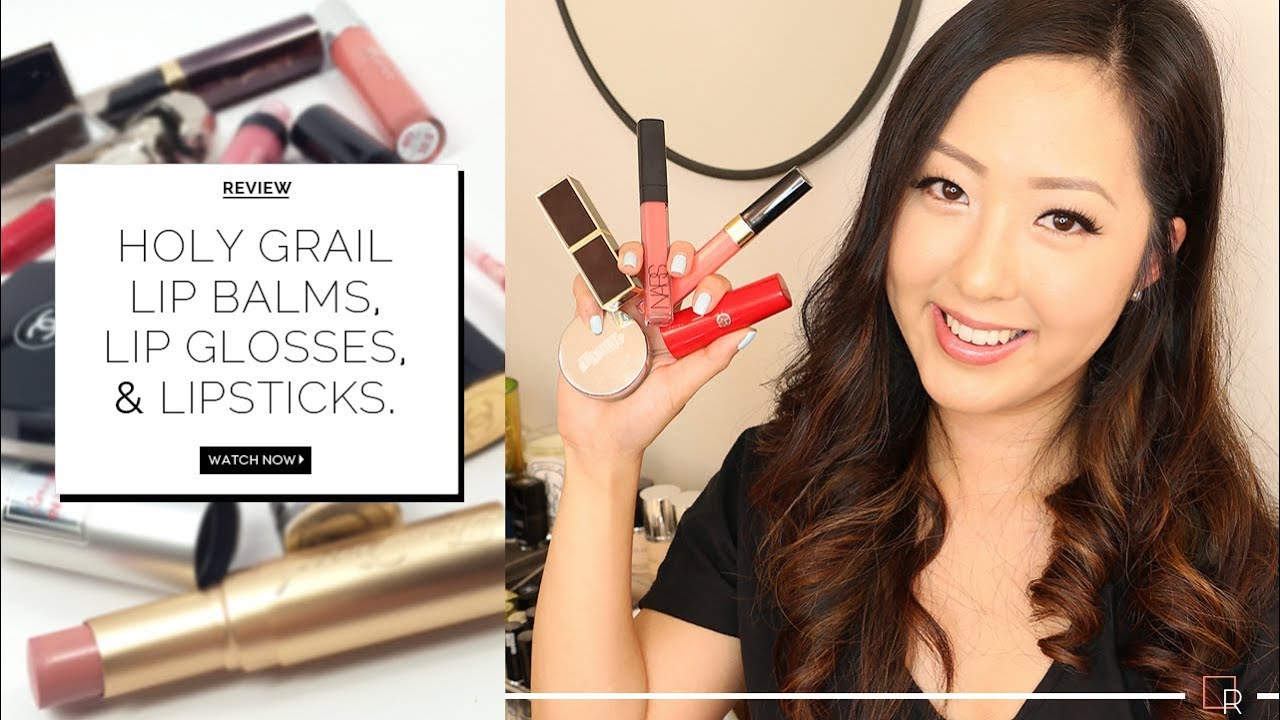
Lips are frequently overlooked in sensitive skin discussions. But the lip area has no sweat glands, minimal melanin, and thinner skin than the rest of the face. It’s actually more vulnerable to ingredient reactions than many realize.
An important fact: we ingest a portion of whatever we apply to lips. Estimates vary, but ingredient absorption via lip products is meaningfully higher than transdermal absorption through normal facial skin. Formula safety matters here more than most people assume.
Common Lip Sensitizers
Synthetic fragrance in lip products is the top trigger. Flavoring agents like cinnamon, mint, and vanilla are among the most common contact sensitizers in lip formulas. They’re in many glosses, balms, and lipsticks even when the product doesn’t smell strongly scented.
Menthol and camphor create a cooling sensation that many people interpret as refreshing. For sensitive lips, that tingling is actually low-grade irritation. Regular use breaks down the lip surface barrier over time.
Castor oil is the primary carrier in most traditional lipstick formulations. Most people tolerate it. But for some, it’s a recognized sensitizer, particularly in long-wear formulas where concentration is higher. Lipstick ingredients are worth checking if you experience persistent lip dryness, swelling, or chapping that doesn’t respond to standard lip care.
A helpful reference point: understanding the range of lipstick types and their base formulas helps you identify which ones carry lower irritation risk by default. Sheer and tinted balm formulas typically have shorter ingredient lists and lower concentrations of film-forming agents than full-coverage options.
Matte vs. Moisturizing Formulas for Reactive Lips
Matte lipstick formulas are particularly drying on sensitive lips. They work by reducing moisture content in the formula, which means they draw moisture from lips during wear. Dry, compromised lip tissue is more reactive to both ingredient exposure and environmental triggers.
If you want to wear a matte formula, prepping with a fragrance-free, petroleum-based lip balm underneath creates a partial barrier. It reduces direct skin contact and adds back some moisture. The matte finish is slightly less intense, but the trade-off is worth it for sensitive lips.
Keeping lips moisturized with matte lipstick is genuinely achievable with the right layering approach. It just requires planning, not tolerating discomfort.
Lip Liner as a Protective Strategy
Lip liner serves a function most people don’t fully use: it creates a boundary that reduces the migration of more heavily formulated lip color onto the surrounding skin. For sensitive skin, this matters because the skin directly around the lips, the vermillion border area, is particularly reactive.
Lining just inside the lip edge, then filling in with a gentler tinted balm rather than full-coverage lipstick, is a low-irritation approach that still delivers color payoff. Applying lip liner correctly before any lip color is a practical first step, not just an aesthetic one. Choosing lip liner in a fragrance-free, waxy formula with a smooth texture reduces friction during application, which is a real consideration for reactive lip skin.
Application Tools and Techniques That Reduce Irritation
How you apply makeup matters as much as what you apply. Mechanical friction from tools is a direct trigger for skin reactivity, and it’s one of the most overlooked parts of a low-irritation routine.
Research from Aston University found that 70-90% of makeup products and applicators in regular use were contaminated with bacteria, with sponges (beauty blenders) showing the highest contamination rates. For sensitive skin, that bacterial load is not just a hygiene concern. It’s a direct irritation trigger.
Brushes vs. Sponges vs. Fingers

Brushes give the most control over application pressure. Soft, synthetic-bristle brushes generate less friction than natural hair brushes and are easier to clean thoroughly. The American Academy of Dermatology recommends cleaning brushes every 7-10 days. Most people don’t. And that gap between use and cleaning is where bacterial buildup becomes a skin problem.
Sponges require dampening before use, which creates an environment where bacteria double roughly every 20 minutes (Microban research). For sensitive skin, a damp sponge used more than two days in a row is a flare-up waiting to happen. Replace monthly or clean after every single use.
Fingers transfer the most bacteria but cause the least friction. Warm, pressing motions with clean fingertips actually work well for liquid foundations on reactive skin. Wash hands immediately before application.
Pressing vs. Rubbing: The Friction Problem
Buffing and circular rubbing motions are standard application techniques. They’re also the ones most likely to activate skin reactivity, especially on the cheeks and around the nose where sensitive skin and rosacea most commonly flare.
Pressing and patting movements deposit product without dragging. They work well with sponges for liquid formulas and with flat-topped brushes for powder products. Takes a few days to adjust the habit. Worth it.
One practical change: use a makeup sponge correctly by dampening it first, then bouncing product onto skin rather than sweeping. That single shift reduces friction by a significant margin. Applying makeup with a brush follows similar logic: use the lightest possible pressure and build coverage with multiple thin layers rather than one heavy pass.
Layering Products: Less Is More
Every additional product layer adds potential irritants and increases the total occlusion on skin. Sensitive skin doesn’t need primer, foundation, powder, and setting spray all at once.
Minimum viable stack for sensitive skin:
- SPF moisturizer
- Tinted moisturizer or light foundation
- Concealer on specific spots only
- Optional: translucent powder on oilier zones only
That’s four products total on the face. Skip setting spray if skin is already calm. Each product you remove from the stack is one less source of potential irritation.
Layering makeup effectively for sensitive skin is less about technique and more about restraint. Fewer layers, lighter formulas, and gentle pressing motions consistently outperform complex routines for reactive skin types.
Removing Makeup Without Damaging Sensitive Skin

Removal is as important as application. Leaving makeup on overnight damages the barrier. But removing it aggressively does the same thing. The goal is thorough cleansing with zero rubbing.
A 2024 PMC study found that only 8.6% of people clean their makeup tools after every use, and 44.3% rarely clean them at all. The same applies to removal habits: most people rub harder than they need to, especially around the eyes.
Micellar Water vs. Cleansing Balm
Both are good. The right choice depends on coverage level.
| Remover Type | Best For | Sensitive Skin Note |
|---|---|---|
| Micellar water | Light makeup; eye area cleansing | No-rinse formula that helps reduce friction when used gently with cotton pads |
| Cleansing balm | Full face; heavy or long-wear makeup; mineral SPF | Oil-based cleanser that dissolves makeup without scrubbing; should be rinsed off thoroughly |
| Makeup wipes | Travel or emergency use only | Higher friction and preservatives may irritate sensitive skin; not ideal for daily use |
Micellar water has one limitation that matters for sensitive skin: once the cotton pad is saturated, the micelles release trapped oils back onto the skin. Use a fresh pad for each zone rather than wiping the same pad across the entire face.
Cleansing balms dissolve mineral sunscreen and full-coverage foundation more completely than micellar water. Bioderma notes that cleansing balm is better suited for heavy or waterproof makeup, while micellar water handles light coverage. For people using mineral SPF daily, a balm first is the more thorough approach.
The Double Cleanse Question
Double cleansing (oil-based first, water-based second) is useful when you’re wearing multiple product layers including SPF. For sensitive skin, the second cleanse needs to be genuinely gentle. A harsh foaming cleanser after a balm cancels out the benefit.
Fragrance-free, low-surfactant cleansers for the second step. La Roche-Posay Toleriane Hydrating Gentle Cleanser and Clinique’s Take the Day Off Cleansing Balm are frequently recommended in clinical contexts for this reason. The Clinique cleansing balm specifically removes makeup without requiring rubbing at any step.
Skip double cleansing on days when you wear only SPF moisturizer and minimal or no base makeup. Over-cleansing strips the barrier just as effectively as harsh ingredients. Your mileage will vary based on how much product you typically wear.
Physical Removal: Cotton vs. Wipes
Makeup wipes drag across skin and rely on mild solvents and preservatives to dissolve product. For sensitive skin, the friction plus the preservative load makes wipes a last resort, not a routine step.
Reusable cotton rounds or microfiber cloths used with micellar water generate less friction than disposable wipes. Wash reusable pads after every use. A damp cloth approach for balm removal (one gentle press, then rinse) is kinder to reactive skin than any wiping motion.
Makeup Ingredients That Are Generally Safe for Sensitive Skin
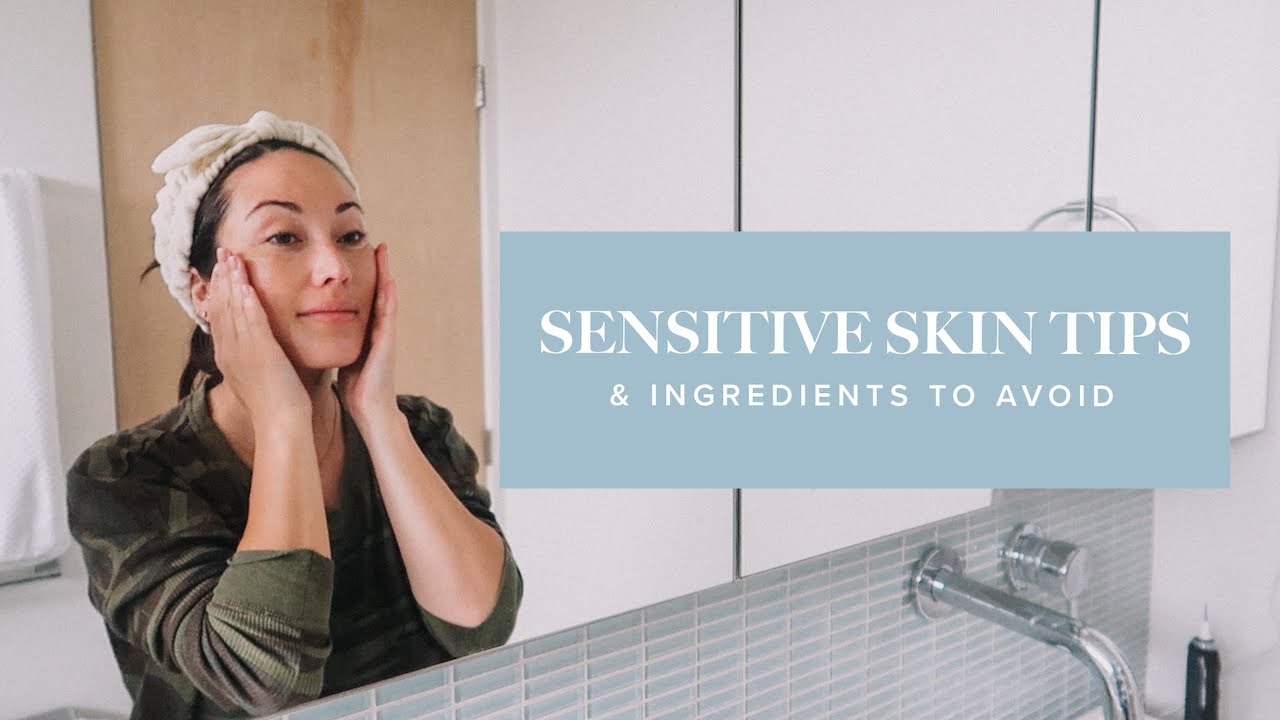
Knowing what to avoid is only half the equation. Knowing what to actively look for makes product selection much faster. These ingredients have consistent safety profiles across reactive skin types.
A PubMed analysis of 88 cosmetic products for sensitive skin found that niacinamide is the most frequently used active ingredient, followed by oat extract (Avena sativa), allantoin, glycyrrhetinic acid, and bisabolol. The pattern reflects clinical consensus on what actually works without triggering reactions.
Physical UV Filters: Zinc Oxide and Titanium Dioxide
These are the only two sunscreen ingredients currently categorized as safe and effective by the FDA. Both sit on the surface of the skin rather than absorbing through it.
Zinc oxide has additional anti-inflammatory activity at the skin surface, which is partly why mineral foundations tend to be better tolerated by rosacea-prone skin than chemical-filter alternatives. The FDA and EU both authorize concentrations up to 25% in topical applications.
One caution: loose powder mineral formulas containing zinc oxide or titanium dioxide carry inhalation risk. EWG strongly advises against loose powder or spray products with these minerals for this reason. Pressed powder formats are fine.
Niacinamide, Allantoin, and Bisabolol
Niacinamide: anti-inflammatory, reduces redness, supports ceramide synthesis. Shown effective at 2-5% concentrations in multiple randomized controlled trials. Well-tolerated even by rosacea-prone and eczema-prone skin.
Allantoin: a 2024 International Journal of Cosmetic Science study showed that allantoin combined with bisabolol and D-panthenol synergistically reduced UV-induced inflammation markers in human keratinocytes. Effective at concentrations as low as 0.1-0.5% in topical products.
Bisabolol: extracted from chamomile, or synthetically produced. Anti-inflammatory and well-absorbed. The Cosmetic Ingredient Review has assessed it as safe for cosmetic use. Look for it in foundations and primers targeting sensitive skin.
Fragrance-Free vs. Unscented: The Label Problem
This distinction matters more than any other label claim for sensitive skin.
- Fragrance-free: no fragrance ingredients added, period
- Unscented: may contain masking fragrances to neutralize odor
- Natural fragrance: still a fragrance; not safer by default
- Essential oils: technically fragrances; common contact sensitizers
Fragrance in cosmetics is the single most common cause of allergic contact dermatitis, ahead of preservatives, according to multiple NACDG reports. If a product claims “sensitive skin” but lists “parfum” or any essential oil, that’s a contradiction worth flagging before purchasing.
Building a Minimal Makeup Routine for Sensitive Skin

Fewer products mean fewer potential reactions. That’s the single most useful principle for building a sensitive skin makeup routine, and it’s one most people resist because they’re used to full routines.
A A 2024 JAAD study found that roughly 60% of people with sensitive skin syndrome also have a concurrent dermatological condition like rosacea or eczema. For them specifically, a minimalist approach isn’t an aesthetic choice. It’s a clinical necessity.
Routine Order and Product Selection
Apply in this sequence:
- Ceramide-based SPF moisturizer (wait 5 minutes)
- Tinted moisturizer or light, water-based foundation
- Fragrance-free concealer on specific spots only
- Optional: fragrance-free translucent powder on T-zone
That’s the core. Eye makeup and lip color are additions, not defaults. On high-reactivity days, stop at step 2 or even step 1. SPF moisturizer alone is a complete routine for those days.
Prepping skin before makeup correctly, with a barrier-supporting moisturizer and adequate wait time, is the step that most improves how makeup wears on sensitive skin. Skipping it consistently is one of the most common reasons people experience mid-day reactivity.
When to Reintroduce Products After a Flare-Up
Wait until the skin is completely calm. No redness, no tightness, no active irritation. Then reintroduce one product at a time, with at least 48 hours between each addition. This is slower than most people want. It’s also the only way to identify the actual culprit if a reaction was caused by a specific product.
Start with the lowest-risk products first: SPF moisturizer, then tinted moisturizer. Add concealer before any powder. Add eye products last, since they’re the highest-risk zone.
Clinique’s “3-Step” system was built on exactly this principle: stripping the routine down to essentials (cleanser, exfoliator, moisturizer) and rebuilding only what skin tolerates. Their allergy-tested, fragrance-free product line is one of the longest-running examples of a brand designing specifically around skin reactivity.
Making Makeup Last on Sensitive Skin Without Setting Spray
Setting sprays often contain alcohol or film-forming agents that irritate reactive skin. You don’t need them.
Translucent powder pressed lightly over foundation sets it reasonably well. A damp sponge used to press product into skin during application increases wear time without adding an extra product. Making makeup last all day on sensitive skin comes down to barrier prep more than any finishing product. Well-moisturized, intact skin holds makeup longer than dry, reactive skin regardless of what you apply on top.
And on days when skin is flaring: just skip the makeup. No product, however well-formulated, improves skin that’s actively irritated. The best thing you can apply to reactive skin is nothing.
FAQ on How To Do Makeup For Sensitive Skin
What foundation is best for sensitive skin?
Water-based, fragrance-free foundations are the safest choice. Mineral formulas with zinc oxide or titanium dioxide work well for rosacea-prone skin. Avoid alcohol denat, synthetic dyes, and preservatives like methylisothiazolinone near the top of the ingredient list.
Can I wear makeup if I have rosacea?
Yes. Stick to non-comedogenic, hypoallergenic formulas with minimal ingredients. A green-tinted primer neutralizes redness without heavy coverage. Mineral makeup is often better tolerated than liquid foundation for rosacea-prone skin.
How do I patch test a new makeup product?
Apply a small amount to your inner forearm or behind the ear. Leave it covered for 48 hours. Check again at 96 hours. Contact dermatitis from preservatives can take up to four days to appear, so checking once isn’t enough.
Is mineral makeup actually better for sensitive skin?
Often, yes. Zinc oxide and titanium dioxide sit on the skin surface without absorbing. But check for bismuth oxychloride in the formula. It’s common in mineral powders and causes itching and breakouts for some reactive skin types.
What ingredients should I avoid in makeup for sensitive skin?
Avoid fragrance (parfum), alcohol denat, methylisothiazolinone, parabens, synthetic dyes, and formaldehyde-releasing preservatives. Synthetic fragrance is the leading cause of allergic contact dermatitis from cosmetics, ahead of all other ingredient categories.
How do I remove makeup without irritating sensitive skin?
Use a fragrance-free cleansing balm for full-coverage looks, or micellar water for light makeup. Press, don’t rub. Avoid makeup wipes. They drag across the skin and rely on preservative-heavy formulas that commonly trigger skin reactivity.
Should I wear eye makeup if my eyes are sensitive?
Yes, with adjustments. Avoid lining the waterline, which introduces product directly into the tear film. Choose tubing mascaras over traditional formulas. They slide off with warm water, removing the need for rubbing during makeup removal.
What is the difference between sensitive skin and sensitized skin?
Sensitive skin is genetic and chronic. Sensitized skin is acquired, usually from a compromised skin barrier caused by over-exfoliation, harsh products, or environmental stress. Sensitized skin can improve with consistent barrier repair. True sensitive skin needs permanent routine adjustments.
Can lip products cause reactions on sensitive skin?
Yes. Menthol, camphor, cinnamon flavoring, and synthetic fragrance in lip products are frequent sensitizers. Fragrance-free lip balms and lightly pigmented formulas with short ingredient lists are the lower-risk options for reactive lips.
How many products should I use in a sensitive skin makeup routine?
As few as possible. A ceramide moisturizer with SPF, a tinted moisturizer or light foundation, and a fragrance-free concealer for spot coverage is enough. Every additional product adds potential irritants and increases the total barrier load on skin.
Conclusion
This conclusion is for an article presenting how to do makeup for sensitive skin, and the core takeaway is simple: fewer products, better ingredients, and consistent barrier repair.
Patch testing before introducing anything new, choosing fragrance-free formulas with zinc oxide or niacinamide, and pressing rather than rubbing during application all reduce skin reactivity significantly.
Removal matters just as much as application. A gentle cleansing balm and clean tools protect the skin barrier every single day.
Rosacea, eczema, and contact dermatitis all respond better to minimalist routines than to product-heavy ones. Start small, add slowly, and let your skin tell you what it tolerates.

She started writing on the site after fielding the same questions from clients and friends often enough to just write the answers down: which red won't turn orange on a warm undertone, how to keep lipstick from feathering into fine lines, why a "12-hour" formula rarely survives dinner.
Every review on the site follows the same rule she uses with paying clients: wear it first, then decide if it's worth recommending.
- How to Find Your Undertone in 5 Easy Steps - August 27, 2026
- How to Find Your Color Season Once and for All - August 24, 2026
- How to Choose a Foundation for Your Skin Type - August 20, 2026