

Summarize this article with:
Magazine covers don’t happen by accident. Editorial makeup looks represent the highest level of makeup artistry, designed to captivate through a camera lens and tell visual stories that words cannot.
These techniques power the beauty pages of Vogue, Harper’s Bazaar, and runway shows at New York Fashion Week.
Whether you’re building a professional portfolio or simply want to understand what separates high fashion beauty from everyday application, this guide breaks down everything.
You’ll learn the products, tools, and step-by-step techniques that artists like Pat McGrath and Lisa Eldridge use backstage. Plus the face shape modifications, lighting adjustments, and common mistakes that make or break an editorial shoot.
What is Editorial Makeup

Editorial makeup is high-impact makeup created specifically for photography, runway shows, and magazine spreads. It prioritizes visual drama over wearability.
This style originated backstage at Paris Fashion Week and Milan Fashion Week, where makeup artists like Pat McGrath and Val Garland developed looks that photograph dramatically under studio lighting.
The visual characteristics include exaggerated features, bold pigment placement, and unconventional color combinations. Graphic eyeliner designs, negative space makeup, and color blocking techniques define this category.
Unlike everyday makeup, editorial beauty exists to tell a story or complement a designer’s vision. It appears in Vogue Magazine, Harper’s Bazaar, W Magazine, and high fashion campaigns worldwide.
Which Products Create Editorial Makeup Looks
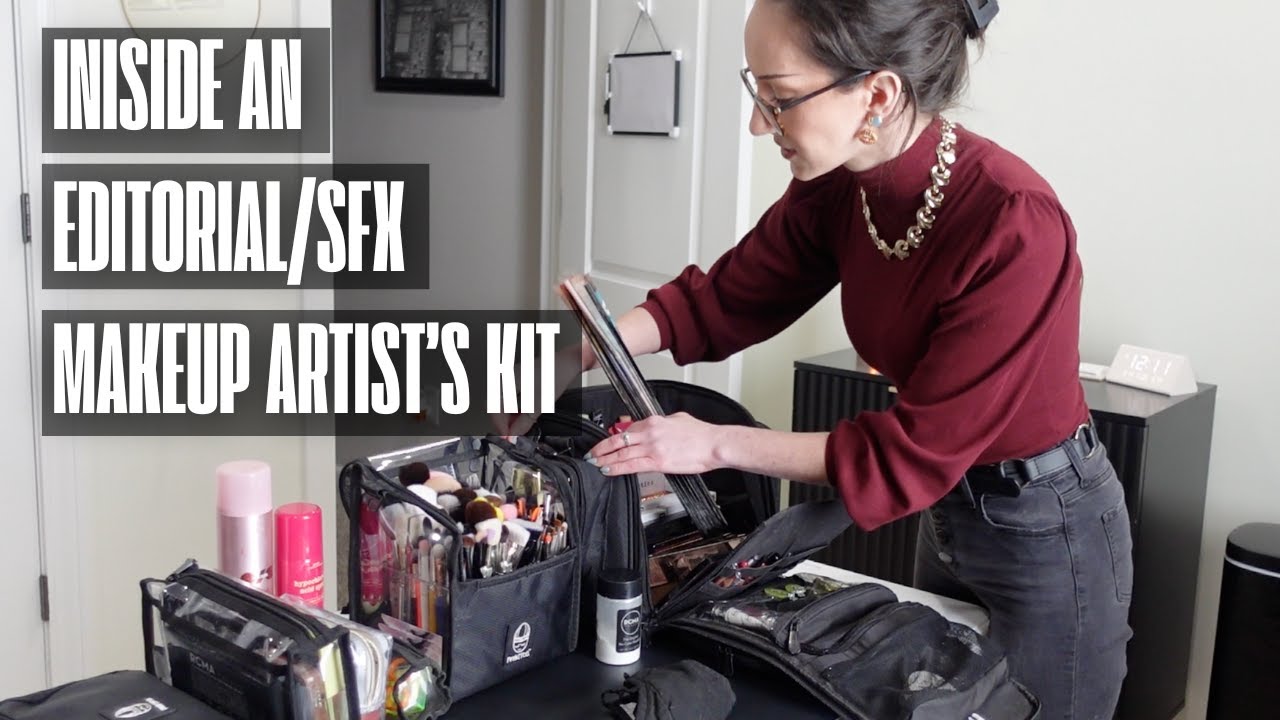
Editorial work demands professional-grade formulas with intense pigmentation and long wear times. The product selection differs significantly from drugstore staples.
Base Products for Editorial Looks
Full-coverage foundations from Make Up For Ever and Kryolan Professional Makeup photograph without flashback. HD makeup formulas prevent the white cast that ruins editorial beauty photography.
Silicone-based primers create the flawless canvas that camera-ready makeup requires. Long-wear concealers handle the intense lighting of a beauty editorial shoot.
Color Products for Editorial Looks
Highly pigmented eyeshadows allow for dramatic eye looks and avant-garde color stories. MAC Cosmetics, NARS Cosmetics, and Pat McGrath Labs dominate professional kits.
Understanding different lipstick types matters here. Matte lipstick photographs cleanly without reflections. Liquid lipstick formulas deliver intense color payoff that lasts through lengthy shoots.
Bold lip colors in unexpected shades, from electric blue to jet black, create the statement makeup styles that define runway makeup trends.
Finishing Products for Editorial Looks
Setting sprays lock everything in place for 12+ hour shoot days. Translucent powders control shine without altering the carefully built color story.
Cream and powder highlighters create either a dewy skin finish or luminous complexion depending on the creative direction. Airbrush makeup techniques add the final polish.
How to Apply Editorial Makeup Step by Step

The application sequence for fashion photography makeup follows strict protocols that maximize longevity and photographic impact.
How to Prepare the Skin
Proper skin preparation determines everything. Hydrate thoroughly, then wait 10 minutes before primer.
A solid lip care routine prevents flaking under bold lip colors. Exfoliate lips the night before any shoot.
How to Build the Base
Applying foundation for editorial work means building coverage in thin layers. Thick application cracks under hot lights.
Color correction techniques address undertones before foundation goes on. Strategic concealer placement brightens and sculpts simultaneously.
How to Define the Eyes
Eyeshadow application in editorial contexts breaks conventional rules. Pigment blending extends beyond the crease, sometimes covering brows or temples.
Eyeliner application ranges from precise graphic liner to smudged, lived-in effects. Winged eyeliner techniques get exaggerated into architectural shapes.
False lash application adds dimension that photographs dramatically. Multiple lash strips stacked together create couture beauty looks.
How to Shape the Face
Face sculpting methods in editorial work go beyond subtle contouring. Cream contour techniques carve out defined cheekbones that catch light dramatically.
Highlighter placement hits cheekbones, brow bones, and cupid’s bow. Bronzer application warms the face without muddying the color palette.
How to Finish the Lips
Lip liner creates the precise borders that editorial lip looks demand. Applying lip liner slightly outside the natural line creates fuller-looking lips for camera.
Applying lipstick in layers builds intensity. Blot between coats for transfer-proof wear during long fashion week schedules.
Which Tools Create Editorial Makeup Looks

Professional brush techniques separate amateur attempts from magazine-worthy results. Tool quality directly impacts pigment placement and blending precision.
Essential brushes include:
- Dense, flat foundation brushes for streak-free base application
- Fluffy blending brushes in multiple sizes for eyeshadow work
- Angled brushes for graphic eyeliner designs and brow styling
- Fan brushes for subtle highlighting and powder removal
- Lip brushes for precise bold lip color application
Natural hair bristles blend powder products seamlessly. Synthetic fibers work better with cream and liquid formulas.
Beauty sponges dampened create the skin-like finish that editorial beauty standards require. Dry sponges build coverage for more dramatic effects.
Which Skin Types Suit Editorial Makeup Looks
Every skin type can achieve editorial results with proper product modifications and technique adjustments.
Oily Skin Modifications
Mattifying primers and oil-free foundations prevent breakdown under lights. Setting powder in the T-zone and setting spray application extend wear time significantly.
Dry Skin Modifications
Hydrating primers and luminous foundations work best. Skip heavy powder; use setting spray alone to maintain the dewy skin finish that photographs beautifully.
Combination Skin Modifications
Zone-specific product application solves combination skin challenges. Mattify oily areas while keeping dry zones dewy.
Mature Skin Modifications
Cream products over powders prevent settling into fine lines. Skin preparation becomes even more critical. Focus on skincare under makeup for the smoothest base possible.
Which Face Shapes Work Best with Editorial Makeup Looks
Every face shape works for editorial makeup. The key is adjusting placement to photograph your bone structure dramatically.
Oval Faces

Balanced proportions allow for any editorial technique. Play with asymmetrical designs and unconventional placement without correction needs.
Round Faces
Strong contour along the jawline and temples creates angular definition. Vertical graphic liner elongates the face for camera.
Square Faces

Soften angular jaw corners with rounded blush placement. Blush application on different face shapes changes everything in editorial work.
Heart-Shaped Faces
Balance a narrower chin by keeping the boldest color statements on eyes rather than lips. Contour the forehead edges subtly.
Long Faces
Horizontal elements shorten perceived length. Cat eye makeup extending outward rather than upward works beautifully here.
What Mistakes to Avoid with Editorial Makeup Looks
Even experienced artists make errors that ruin editorial shots. These mistakes waste time and require complete restarts.
Product Amount Issues
Over-application causes caking under hot studio lights. Under-application fails to register on camera. Test under actual shoot lighting before finalizing.
Placement Errors
Symmetry matters more in photography than real life. Uneven brows, lopsided liner, or mismatched contour become glaringly obvious in high-resolution images.
Blending Mistakes
Harsh lines photograph terribly unless intentionally graphic. Proper blending techniques create seamless color transitions that read as intentional artistry.
Color Selection Problems
Picking the right lip color requires understanding how shades shift under different lighting temperatures. What looks perfect in daylight may turn muddy under tungsten.
Tool Misuse
Dirty brushes contaminate colors and create muddy results. Clean makeup brushes between each shade application during editorial work.
How Long Does Editorial Makeup Last
Editorial makeup lasts 8-12 hours with proper preparation and setting techniques. Shoot schedules demand this longevity.
Factors Affecting Wear
- Skin type and oil production levels
- Environmental humidity and temperature
- Intensity of studio lighting heat
- Product formulation quality
- Layering and setting methods used
Touch-Up Requirements
Lips require the most maintenance. Keep the exact matte lipstick shades on set for quick fixes between shots.
Making lipstick last longer starts with proper lip prep and liner application. Blot and reapply for bulletproof wear.
Setting Methods
Applying setting powder strategically locks base products. Making makeup last all day combines powder and spray in thin layers.
Which Occasions Suit Editorial Makeup Looks
Editorial makeup serves specific purposes. Understanding when to deploy these techniques prevents overdone looks at wrong events.
Photography Sessions
Studio shoots with controlled lighting represent the ideal setting. Photoshoot makeup follows different rules than everyday application.
Outdoor editorial shoots require adjusted intensity. Natural light forgives less than studio setups.
Fashion Events
Runway shows, Met Gala appearances, and Cannes Film Festival red carpets call for editorial impact. Formal makeup looks at this level push creative boundaries.
Editorial Shoots

Magazine spreads for Elle Magazine, Allure Magazine, and Glamour Magazine demand this level of artistry. Dramatic makeup looks tell the visual story editors want.
Everyday Adaptations
Scale down intensity for real life. A bold makeup look translated to daily wear might mean one statement element rather than full editorial impact.
Which Makeup Artists Popularized Editorial Makeup Looks
These artists shaped modern editorial beauty through decades of innovative work.
Pat McGrath redefined what editorial makeup could be. Her work with Vogue and runway shows for major fashion houses established new creative standards. Pat McGrath Labs continues this legacy.
Kevyn Aucoin pioneered face sculpting techniques still used today. His signature makeup looks influenced generations of artists.
Val Garland brings punk sensibility to high fashion. Her backstage makeup secrets at London Fashion Week consistently break rules productively.
Charlotte Tilbury bridged editorial and commercial beauty. Her recognizable makeup looks translate runway trends into wearable formats.
Francois Nars built NARS Cosmetics on editorial-grade formulas. His photography background informed product development focused on camera performance.
Lisa Eldridge combines historical knowledge with modern technique. Her educational approach demystifies professional makeup application for wider audiences.
How to Adapt Editorial Makeup Looks for Different Lighting

Lighting changes everything in makeup. The same application looks completely different across lighting conditions.
Studio Lighting Adjustments
Flash photography washes out subtle details. Intensify pigment application 20-30% beyond what looks right to the naked eye.
Avoid SPF in products; it causes flashback. Test foundations under flash before committing to a base.
Natural Light Adjustments
Daylight reveals texture and blending quality mercilessly. Skin preparation becomes even more critical for outdoor shoots.
Softer color application works better outdoors. What reads as artistic in studio can look costume-like in natural settings.
Low Light Adjustments
Evening makeup looks require strategic shimmer placement. Reflective products catch available light dramatically.
Night out makeup principles apply to evening editorial work. Intensify eyes and lips since ambient lighting flatters rather than exposes.
FAQ on Editorial Makeup Looks
What is the difference between editorial and commercial makeup?
Editorial makeup prioritizes artistic expression and visual impact for magazine spreads and runway shows. Commercial makeup sells products through relatable, wearable looks. Editorial pushes boundaries; commercial stays accessible to average consumers.
Can beginners attempt editorial makeup looks?
Yes, with practice. Start with creative makeup looks that focus on one bold element. Master basic eye makeup techniques first, then gradually experiment with avant-garde placement and unconventional color combinations.
Which brands do professional editorial makeup artists use?
MAC Cosmetics, NARS Cosmetics, Make Up For Ever, Pat McGrath Labs, and Kryolan Professional Makeup dominate professional kits. These brands offer intense pigmentation, long wear times, and formulas specifically designed for photography and runway work.
How do editorial makeup looks photograph differently than everyday makeup?
Camera lenses flatten dimension and wash out subtle details. Editorial application uses 20-30% more pigment intensity, stronger contour placement, and bolder color choices. What looks dramatic in person reads as polished on camera.
What lighting considerations affect editorial makeup application?
Studio flash requires avoiding SPF products that cause flashback. Natural light exposes texture flaws mercilessly. Low light demands strategic shimmer placement. Always test makeup under actual shoot lighting conditions before finalizing any look.
How long does editorial makeup take to apply?
Professional editorial application takes 45 minutes to 2 hours depending on complexity. Full glam makeup looks with elaborate eye work and face sculpting sit at the longer end. Simple editorial concepts move faster.
Can editorial makeup looks work for special events?
Scaled-down versions work beautifully. Prom makeup looks, wedding makeup, and party makeup can borrow editorial techniques like graphic liner or monochromatic color stories at reduced intensity for real-world settings.
What skin prep do editorial makeup looks require?
Extensive preparation including hydration, priming, and color correction creates the flawless base editorial work demands. Dry skin requires extra moisture. Oily skin needs mattifying primers to prevent breakdown under lights.
Which editorial makeup trends dominate current fashion weeks?
Glitter makeup looks, negative space designs, and colorful makeup with unexpected placement currently trend. Dewy skin finishes paired with bold graphic elements appear consistently across Paris Fashion Week and Milan Fashion Week shows.
How do I build a portfolio with editorial makeup looks?
Collaborate with photographers and models for test shoots. Create diverse looks spanning aesthetic makeup styles, cool editorial concepts, and classic beauty. Document your work under professional lighting to showcase true skill level.
Conclusion
Editorial makeup looks represent the intersection of technical skill and creative vision. The techniques used backstage at London Fashion Week and in Allure Magazine spreads are learnable with dedication.
Start with solid fundamentals. Master skin preparation, color theory application, and professional brush techniques before attempting avant-garde cosmetics.
Remember that lighting changes everything. What works under studio flash differs dramatically from natural light or evening settings.
Study the work of artists like Kevyn Aucoin, Bobbi Brown, and Hung Vanngo. Their approaches to face sculpting, bold eye makeup, and dramatic lip colors shaped modern beauty editorial standards.
Practice with intention. Document your work under proper lighting. Build your skills one iconic look at a time until camera-ready makeup becomes second nature.

- What Is Skin Tint and Why Everyone Is Obsessed - July 11, 2026
- What Is Foundation and How Do You Choose One? - July 6, 2026
- How to Make Blush Last Longer - July 3, 2026


