Your foundation looks perfect at 8am. By noon, it’s sliding.
That’s the problem setting powder solves. It’s the step between a base that lasts and one that doesn’t, absorbing sebum, locking liquid and cream products in place, and keeping shine under control for hours.
Most people skip it, use the wrong kind for their skin type, or apply it incorrectly and blame the product.
This guide covers what setting powder actually is, how it works on skin, the difference between loose and pressed formats, key ingredients, application technique, and how to choose the right formula for your skin tone and type.
What Is Setting Powder
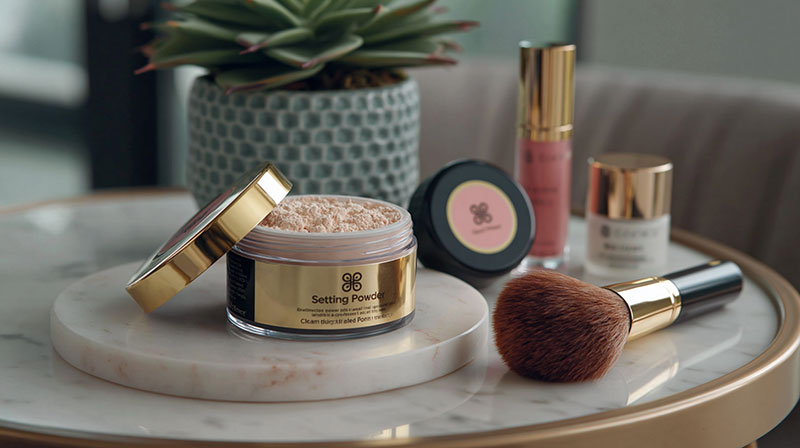
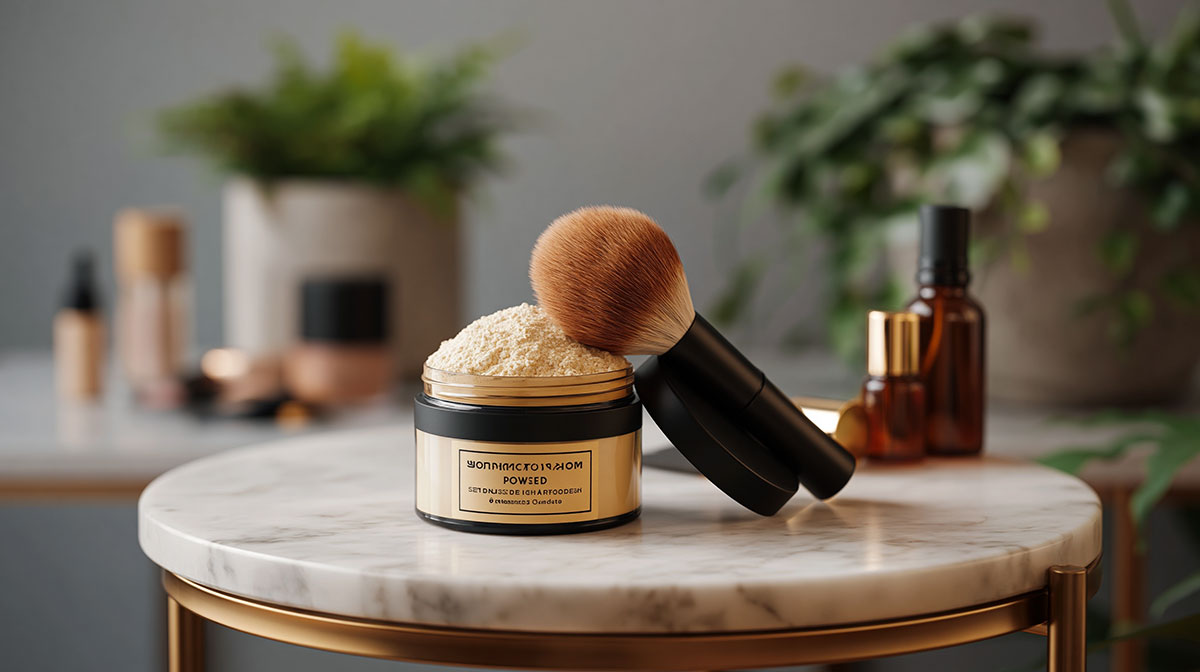
Setting powder is a finely milled cosmetic product applied over foundation and concealer to lock makeup in place, control shine, and extend wear time throughout the day.
It sits between your base makeup and your color products like blush and bronzer. Not a finishing step. Not a base. It’s the layer that holds everything underneath it in place.
The global setting powder and face powder market was valued at $4.43 billion in 2024 and is projected to reach $6.2 billion by 2035 (Wise Guy Reports). That kind of growth doesn’t happen for products that don’t work.
Two main formats exist: loose powder and pressed powder. Both do the same job. The format just changes how and where you use them.
| Format | Best For | Portability |
| Loose powder | At-home application, oily skin, full coverage | Low (bulky jar) |
| Pressed powder | Touch-ups, travel, daily use | High (compact) |
| Translucent powder | All skin tones, invisible finish | Both formats |
| Tinted/banana powder | Color correction, specific undertones | Both formats |
One thing worth knowing upfront: setting powder is not the same as finishing powder. They look similar and sometimes get marketed that way. They are not interchangeable.
How Setting Powder Works on Skin
Setting powder works by physically absorbing sebum through its ingredient base and creating a barrier between your makeup and the outside world.
Silica is the most common active ingredient. It works by pulling excess oil to its surface through capillary forces and binding to surface compounds that attract sebum. Research published in PMC shows silica’s oil absorption relies on this surface interaction, which is why it mattifies so well but can also cause flashback in photos when overused.
Kaolin clay works differently. It absorbs moisture and oil into its non-porous surface layers. Same result, different mechanism. Kaolin tends to feel softer on the skin and is less likely to create a white cast under flash photography.
Once applied, the powder particles sit between your liquid makeup and your skin’s oil production. Sebum that would normally break down your foundation throughout the day gets absorbed before it causes that familiar midday melt.
There’s also a light-diffusion effect. Finely milled particles scatter light across the skin’s surface, which reduces the appearance of pores and fine lines. This is why makeup photographed without setting powder often looks different in person versus on camera.
What Happens Without It
Liquid foundation on its own stays wet longer than most people realize. The oils in the formula, combined with your skin’s natural sebum, stay active until something sets them.
Without powder, foundation transfers to anything it touches: phones, collars, hands, pillowcases if you nap. Concealer under the eyes creases faster. Cream products shift and move.
Setting powder doesn’t make makeup “dry” in a chemical sense. It absorbs the moisture and oil that allow makeup to remain moveable, which produces the same practical result.
Setting Powder vs. Finishing Powder
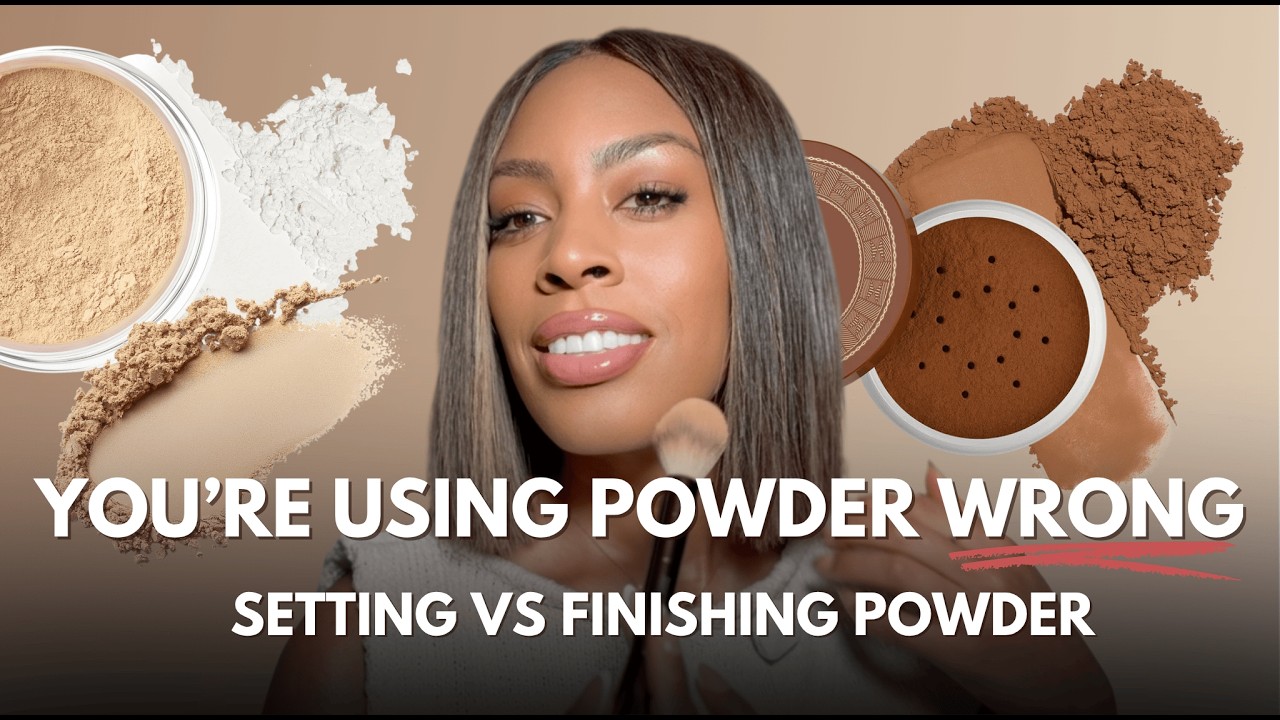
These two products get confused constantly. Even beauty editors admit to using them interchangeably for years before learning the difference. So here’s a clear breakdown.
Setting powder is applied mid-routine, directly over foundation and concealer. Its job is longevity and oil control. It typically has a matte finish and heavier texture. According to Bobbi Brown Cosmetics Pro Artists, setting powder needs a slightly heavier weight to lock in liquid and cream formulas effectively.
Finishing powder goes on last. After blush, bronzer, highlighter, everything. Its job is refinement, not hold. It’s lighter in texture and usually contains light-reflecting particles that blur fine lines and pores. Think of it as a real-life soft-focus filter.
| Feature | Setting Powder | Finishing Powder |
| When applied | After foundation/concealer | Last step of routine |
| Primary purpose | Hold and oil control | Blur and refine finish |
| Texture | Slightly heavier | Very finely milled |
| Finish | Matte to satin | Soft-focus to luminous |
Some products do both. Laura Mercier’s Translucent Loose Setting Powder is marketed as a setting powder, but its ultra-fine milling gives it a slight blurring effect too. Fenty Beauty’s Set It Down is another example that lands somewhere in between.
The practical answer: if you need one, start with setting powder. It handles the most common problem, which is makeup that doesn’t stay put.
Types of Setting Powder
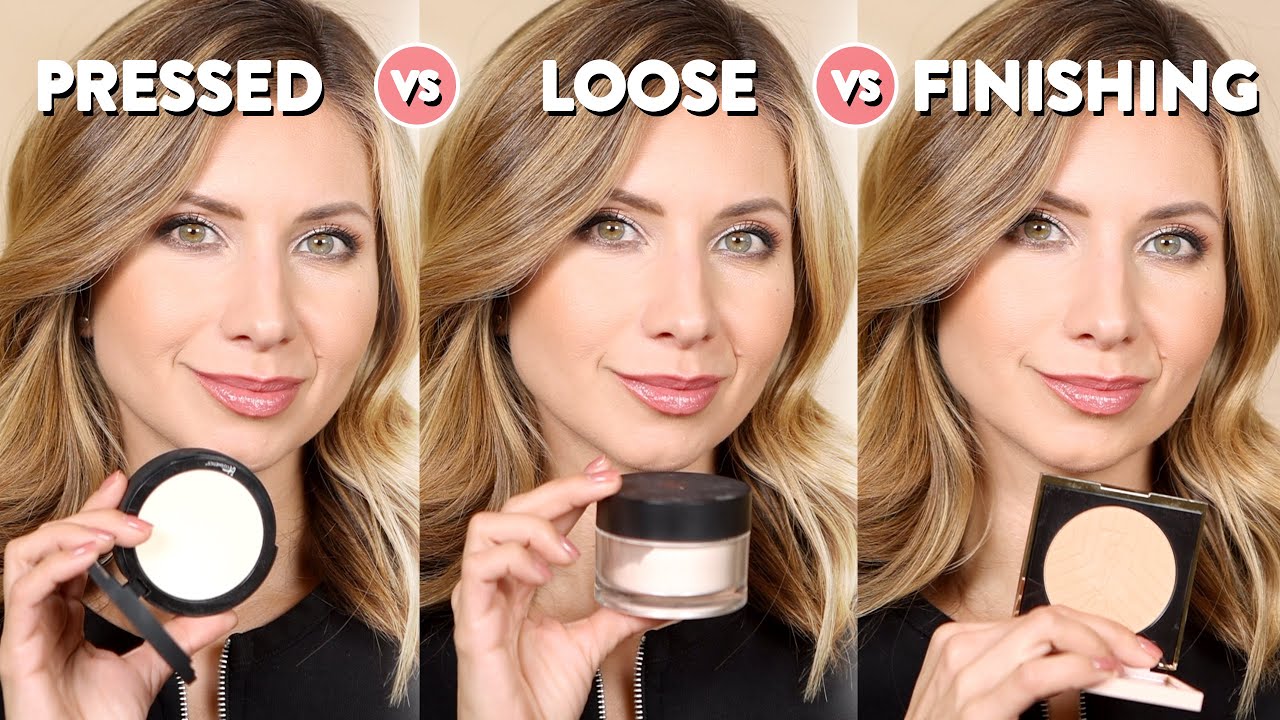
Loose powder, pressed powder, translucent, banana, HD. The terminology piles up fast. Here’s what each one actually means and when to reach for it.
Loose vs. Pressed
Verified Market Reports data from 2023 shows loose (transparent) powders held approximately 50% of market share, while pressed formats accounted for around 40%. Pressed is growing faster, driven by demand for portability.
Loose powder gives you more control over application. You can load a brush or sponge and build coverage where you need it. Pressed is more foolproof for touch-ups and works well in compact form for your bag.
- Loose powder: better for baking technique, higher product concentration
- Pressed powder: cleaner to carry, faster to use
- Both formats come in translucent and tinted options
Translucent vs. Tinted Setting Powder
Translucent doesn’t mean invisible on every skin tone. That’s a mistake a lot of people make, and it can result in an ashy, white-cast finish, especially on medium-deep and deep skin tones.
True translucent powder has no added pigment, so it theoretically works across skin tones. In practice, silica-heavy translucent formulas scatter light in a way that can read as pale under flash photography. This is the flashback problem.
Tinted setting powders, including banana powder (a yellow-toned formula), add subtle color correction. Banana powder works particularly well on medium to deep skin tones for brightening the under-eye area and neutralizing redness or discoloration.
Laura Mercier offers translucent in multiple depths specifically because of this gap. Fenty Beauty’s range accounts for shade inclusivity in ways many earlier translucent powders didn’t.
Key Ingredients in Setting Powder Formulas
What’s actually in the jar matters more than the marketing on the outside. Setting powders vary significantly in formulation, and ingredient differences explain why the same product type can behave so differently on different skin types.
Silica
The most widely used oil-absorbing ingredient in modern setting powder. Cosmetic-grade hydrated silica absorbs excess sebum from the skin’s surface through capillary action and surface binding, helping maintain a matte finish and reduce shine (Alfa Chemistry). Its high surface area is what makes it so effective for oil control.
The trade-off: silica is one of the main causes of white cast and flashback in photos. Products heavy in silica can reflect camera flash in a way that makes skin look pale or ghostly in photos, which is why many professional makeup artists use non-silica alternatives on set.
Kaolin and Talc
Both are clay-based and work by absorbing oil and moisture on contact. Research published in Cosmetics (MDPI) confirms that kaolin and talc form a protective film on the skin, adsorb excess oiliness and toxins, and increase adhesion of makeup products.
Talc has faced scrutiny in recent years due to its proximity to asbestos deposits in the earth. FDA testing from 2023 found no asbestos in most tested cosmetic products. Still, many brands have moved to talc-free formulations in response to consumer concern.
Cornstarch and Rice Starch
Popular in clean beauty formulas as talc replacements. Both are biodegradable and have a softer skin feel than mineral-based alternatives. Rice starch in particular is common in K-beauty and J-beauty setting powders.
One limitation: starch-based powders can feed bacteria over long wear periods, which matters more if you’re prone to breakouts. They also tend to have lower oil-absorption capacity than silica.
Mica and Dimethicone
Mica is what gives some setting powders a luminous quality. It reflects light and can make the skin look more alive rather than flat-matte. Often used in powders marketed as “glow” or “radiant” setting powders.
Dimethicone is a silicone-based smoothing agent. It fills in fine lines and pores before the powder even sets, which is why dimethicone-heavy formulas feel so silky on application. Less useful for oily skin types since it’s not absorptive.
| Ingredient | Function | Best Skin Type |
| Silica | Oil absorption, matte finish | Oily |
| Kaolin | Clay-based oil control, pore cleansing | Oily, combination |
| Talc | Slip, spreadability, oil absorption | All (if tolerated) |
| Rice/corn starch | Soft finish, talc replacement | Dry, sensitive |
| Mica | Light reflection, luminosity | Dry, normal |
| Dimethicone | Smoothing, pore blurring | Normal, dry |
How to Apply Setting Powder Correctly

Tool choice changes the result more than most people expect. A fluffy brush gives a lighter, more natural finish. A damp beauty sponge presses the powder into the skin for more coverage and longevity. A powder puff delivers the most product and works best for baking.
Start with a small amount. This is where most people go wrong. You can always add more powder. You can’t easily take it away once it’s on, and too much leads to the cakey, heavy look that makes setting powder get a bad reputation.
Step-by-Step Application
Before reaching for powder, prepping skin before makeup properly makes a real difference in how the powder sits and how long it lasts.
- Apply foundation and concealer as usual, let them settle for 30 seconds
- Pick up a small amount of powder on your brush or sponge
- Tap off excess before touching your face
- Press (don’t swipe) powder onto the skin, starting under the eyes and T-zone
- Blend outward with light strokes if needed
For learning how to apply setting powder with a full technique walkthrough including tool comparisons, the process is more straightforward than most tutorials make it seem.
The Baking Technique
Baking means applying a thick layer of loose powder to specific areas, letting it sit for 5 to 10 minutes, then brushing away the excess. The heat from your face sets the concealer underneath during this time.
It sounds excessive. But for under-eye concealer in particular, baking genuinely reduces creasing over the course of a long day. Drag queens popularized this technique for a reason: it works under intense conditions, hot lights, long hours.
When baking backfires:
- Dry or mature skin, where excess powder settles into lines and amplifies them
- Dewy, skin-tint-based looks where you want some natural movement
- Sensitive skin that reacts to prolonged contact with powder ingredients
If your skin is dry or you’re aiming for a natural finish, skip baking entirely. A light press of powder with a damp sponge will set your concealer without the heavy result. Preventing creasing under eyes doesn’t require baking in every case.
One more thing: applying translucent powder follows the same basic process, but shade selection needs more attention depending on your skin tone.
Setting Powder for Different Skin Types
The formula you pick matters more than how you apply it. Same powder, two different skin types, two completely different results.
A 2024 study published in the Journal of Cosmetic Dermatology examined 43 participants and found that foundation altered both moisture and sebum levels during just 20 minutes of activity. Oil and sweat are the primary reasons base makeup breaks down unevenly, and setting powder is the direct counter to that.
Oily Skin
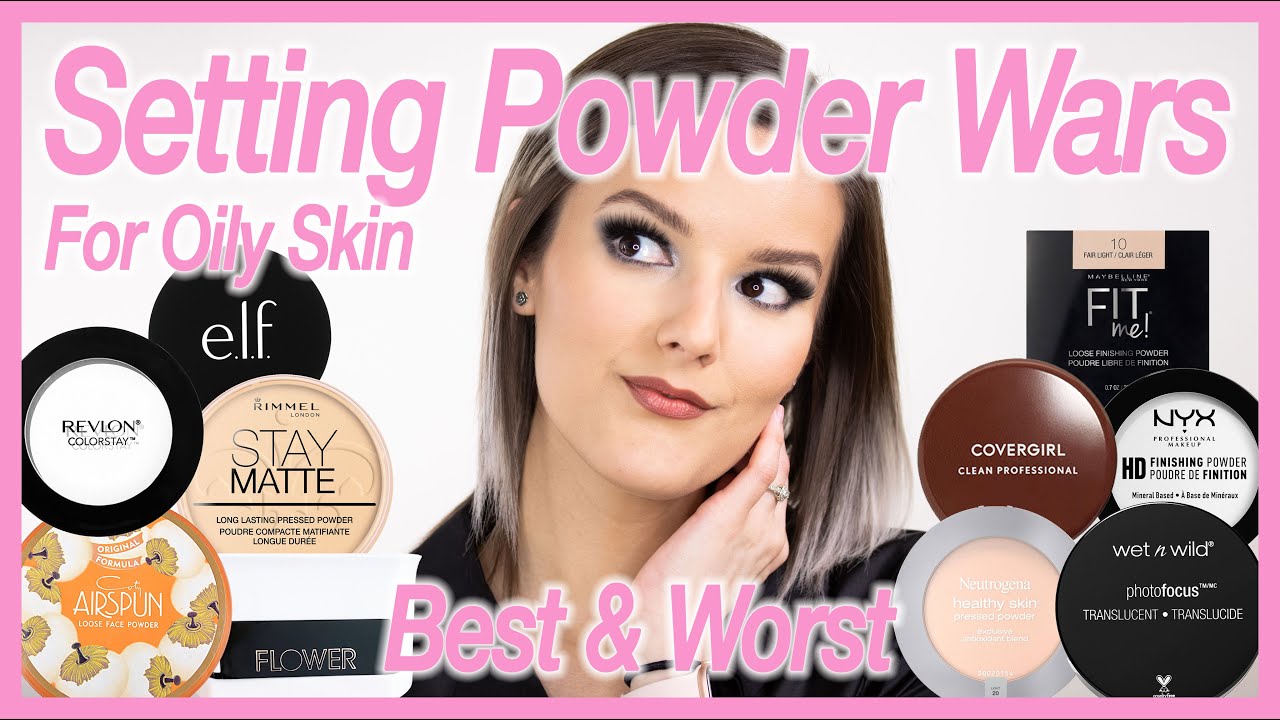
Goal: absorption first, everything else second.
Silica-heavy or kaolin-based formulas work best here. Apply with a powder puff or damp sponge, pressing into the T-zone rather than sweeping. Celebrity makeup artist Wendi Miyake (whose clients include Kelly Rowland and several of the Kardashian sisters) recommends pressing powder with a puff for oily skin specifically, rather than brushing it on.
- Focus product on forehead, nose, and chin
- Use a dense brush or puff for maximum oil absorption
- Keep a pressed compact for midday touch-ups
Dry Skin
According to celebrity makeup artist Valeria Ferreira (clients include Anya Taylor-Joy and Cara Delevingne), powders are still useful for dry skin when applied with a light hand using a small blending brush for a semi-matte finish.
What to look for in the formula:
- Hyaluronic acid-infused powders (like Urban Decay Afterglow or Hourglass Veil)
- Rice starch or cornstarch bases rather than heavy silica
- Mica-dominant formulas that add luminosity instead of mattifying
Avoid baking on dry skin. The extended powder contact pulls moisture and settles into any fine lines that are present.
Combination and Mature Skin
Combination skin needs targeted placement. Full-face powdering makes oily zones matte but dries out already-balanced areas. Spot-apply only.
Mature skin needs finely milled formulas. Coarser powders settle into lines visibly. Hourglass Veil and Charlotte Tilbury Airbrush Flawless Finish are frequently cited by makeup artists as better choices for this skin type because of how finely milled both formulas are.
| Skin Type | Best Formula | Application Method |
| Oily | Silica-heavy loose powder | Press with puff, T-zone focus |
| Dry | Hyaluronic acid or mica-based | Light dusting, fluffy brush |
| Combination | Translucent, lightweight | Targeted T-zone application only |
| Mature | Ultra-fine milled powder | Light press, no baking |
Setting Powder and Skin Tone Compatibility
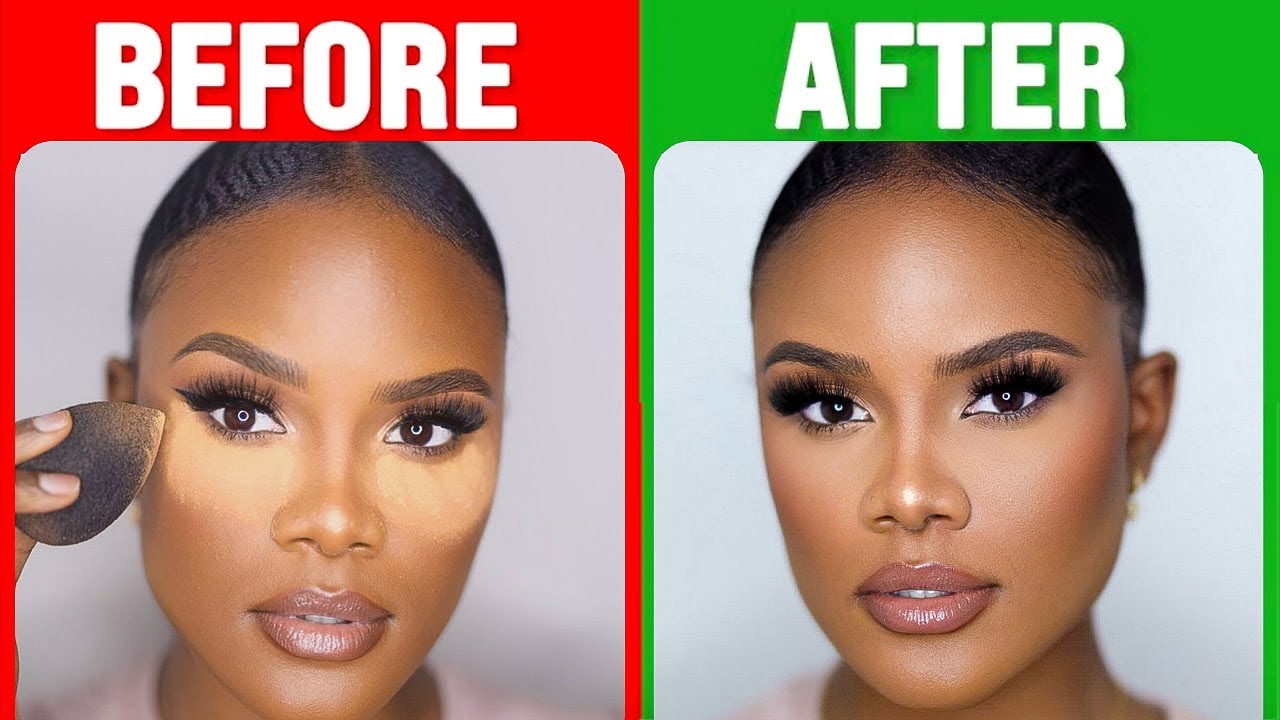
This is where a lot of people get burned. Not every “translucent” powder is actually translucent on every skin tone. That word has caused real frustration for people with medium-deep to deep complexions.
Silica and titanium dioxide, both common in translucent setting powders, reflect light back to the camera under flash. The result is a white cast or ashy appearance that isn’t visible in natural lighting but shows up clearly in photos. Makeup flashback is caused by these light-reflective particles bouncing the camera flash back toward the lens (Umelanin, 2024).
The White Cast Problem
Many cosmetic brands have not yet formulated a universally-true translucent powder, according to beauty professionals cited by Refinery29. Most powders are white or near-white in the jar, which can leave an ashy cast on deeper skin tones regardless of how lightly they’re applied.
What to test before buying:
- Apply to the jawline and take a photo with flash on
- Check for white patches around the forehead and under-eyes
- Look for powders explicitly labeled “no flashback” or “HD-friendly”
Fenty Beauty’s Invisimatte Instant Setting + Blotting Powder and NARS Soft Matte Complete Powder are two commonly cited options that have been tested across a wider range of skin tones with consistent results.
Banana Powder and Tinted Formulas
Banana powder (yellow-toned loose powder) has been a professional kit staple for decades. Well before the inclusive beauty conversation became mainstream, makeup artists were reaching for banana powder specifically because the yellow tone neutralizes redness and discoloration without leaving a white cast on medium and deeper skin tones.
Coty Airspun in the Translucent Extra Coverage shade and Ben Nye Banana Powder are both long-standing professional favorites.
Shade picking logic:
- Fair to light skin: true translucent or very light tinted powder works
- Medium to tan skin: banana or peach-toned formulas blend better
- Deep skin: pigmented formulas or specific dark-tone translucents (Laura Mercier Translucent Medium Deep, Sacha Buttercup) prevent ashiness
For anyone doing their foundation application and powder selection together, testing both products under flash before any event is worth the few extra minutes.
How Long Setting Powder Lasts and When to Reapply
With proper application, quality makeup should last 8 to 12 hours according to Typsy Beauty’s 2024 analysis of makeup wear research. Setting powder is one of the key variables in hitting that upper range.
Powder products like setting powder can remain effective for 12 to 24 months after opening (MasterClass, Red Apple Lipstick), which is much longer than liquid or cream products. The dry formula resists bacterial growth and ingredient breakdown better than any liquid product.
Signs You Need to Reapply
Shine coming back through the T-zone is the clearest signal. That said, shine and makeup breakdown are different problems and need different fixes.
Shine: blotting papers first, then a light dust of powder if needed. Layering powder on top of powder without blotting first causes buildup and a heavy, cakey result.
Foundation fading or patchiness: that’s a different issue. Fixing patchy makeup mid-day is not something setting powder alone can address. It usually requires a damp sponge, not more powder.
Layering Without Cakiness
Use blotting papers before reapplying powder. Every time. This removes the oil that’s broken through rather than just absorbing it under a new powder layer.
Pressed powder in a compact works best for touch-ups because you control product deposit more easily than with loose powder mid-day.
- Blot first
- Use pressed compact, not loose powder, for reapplication
- Apply with a clean puff or brush only
Pairing setting powder with a setting spray at the start of the day also extends wear and helps powder settle into skin rather than sitting on top of it. Less touch-up needed overall.
For anyone looking to make makeup last all day, the combination of pressed powder at application and blotting papers for midday maintenance is the most reliable approach.
Common Setting Powder Mistakes
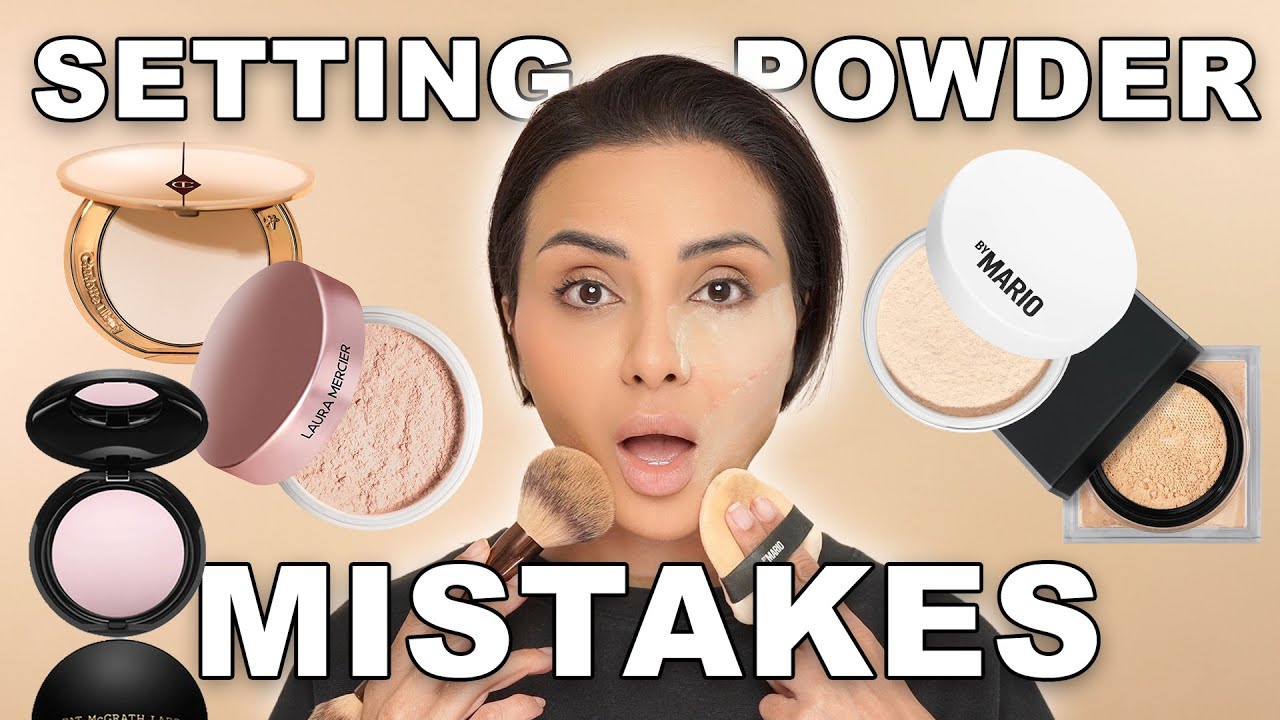
Most setting powder problems come down to application errors, not product failures. The powder is usually fine. The technique is the issue.
Using Too Much Product
This is the most common mistake. Too much powder creates a flat, heavy look that makes skin look older and settles into any texture on the face. Finely milled powder is designed to work in thin layers. Build gradually if needed.
The test: if you can see powder on your face in natural light, you’ve used too much. Powder should disappear into the skin.
Applying on the Wrong Skin Prep
Powdering over dry, unhydrated skin without a hydrating base underneath pulls moisture and causes patchiness. This is especially common with dry and mature skin types who skip moisturizer or use too little.
Powder does not fix dry skin. It magnifies it. A proper skincare routine underneath matters more than which powder you pick. Looking at applying makeup on dry skin correctly starts with the base, not the powder step.
Skipping the Neck
Face and neck mismatch. Powder absorbs light and slightly mattifies whatever it touches. If your face is powdered and your neck is not, there’s a visible difference in skin texture and sometimes color by midday, especially under overhead lighting or in photos.
A light dusting down the neck and along the jawline takes about five seconds and prevents the most common disconnect in an otherwise well-applied look.
Wrong Tool for the Result You Want
Using a fluffy brush when you need coverage under the eyes, or a dense puff when you want a light all-over finish.
Tool guide:
- Fluffy brush: light, natural finish all over
- Damp sponge: pressed coverage, good for under-eyes and baking
- Powder puff: maximum product, full coverage and baking
When applying makeup with a brush, the same principle applies. Brush shape and density determine result more than brush brand or price point.
One last thing that’s easy to overlook: cleaning powder puffs regularly prevents old product and bacteria from transferring back onto your face during application. A dirty puff defeats the purpose of a fresh powder application.
FAQ on What Is Setting Powder
What does setting powder do?
It locks foundation and concealer in place, absorbs excess sebum, and reduces shine. Setting powder extends makeup wear time and prevents liquid or cream products from transferring throughout the day.
What is the difference between loose powder and pressed powder?
Loose powder gives more control and higher oil absorption, making it better for at-home use and oily skin. Pressed powder is compact, portable, and ideal for midday touch-ups.
Can setting powder cause flashback in photos?
Yes. Powders high in silica or titanium dioxide reflect camera flash, creating a white cast. This is the flashback effect. Tinted formulas or HD-labeled powders reduce this risk significantly.
Is setting powder the same as finishing powder?
No. Setting powder is applied mid-routine to lock makeup in place. Finishing powder goes on last to blur pores and refine texture. They serve different purposes and are not interchangeable.
Can people with dry skin use setting powder?
Yes, but formula matters. Look for powders with hyaluronic acid, mica, or rice starch. Avoid heavy silica formulas and never bake. A light dusting with a fluffy brush works best.
Does translucent powder work on all skin tones?
Not always. Many translucent formulas leave an ashy cast on deeper skin tones, especially under flash. Banana powder or specifically formulated deep-shade options like Laura Mercier Translucent Medium Deep perform better.
How long does setting powder last on skin?
Most formulas hold for 4 to 8 hours depending on skin type and conditions. Oily skin may need a midday blot and light reapplication. Combined with setting spray, wear time extends noticeably.
What is the baking technique with setting powder?
Baking means pressing a thick layer of loose powder onto concealer, letting it sit for 5 to 10 minutes, then brushing away the excess. It reduces creasing, especially under the eyes.
When should you reapply setting powder during the day?
When shine breaks through the T-zone. Always blot first with blotting papers, then apply a light layer of pressed powder. Layering without blotting first causes buildup and a heavy, cakey finish.
Does setting powder expire?
Yes. Most powder formulas last 12 to 24 months after opening. Signs of expiration include a change in texture, unusual smell, or reduced performance. Powder lasts longer than any liquid or cream makeup.
Conclusion
This conclusion is for an article presenting what is setting powder and why it matters more than most people think.
The right formula, applied correctly, is the difference between makeup that holds through a full day and one that breaks down by lunch.
Skin type determines which formula you reach for. Oily skin needs kaolin or silica-heavy loose powder. Dry and mature skin needs finely milled, hydrating options. Deeper skin tones need tinted formulas that won’t leave an ashy cast or cause flash photography issues.
Application technique matters just as much as the product itself. Pressing beats sweeping. Less product beats more.
Get those two things right, and makeup longevity, oil control, and a smooth complexion finish take care of themselves.

She started writing on the site after fielding the same questions from clients and friends often enough to just write the answers down: which red won't turn orange on a warm undertone, how to keep lipstick from feathering into fine lines, why a "12-hour" formula rarely survives dinner.
Every review on the site follows the same rule she uses with paying clients: wear it first, then decide if it's worth recommending.
- How to Make Eyeliner Last Longer Without Smudging - August 31, 2026
- How to Make Eyeshadow Last Longer All Day - August 29, 2026
- How to Find Your Undertone in 5 Easy Steps - August 27, 2026