You apply blush in the morning and it’s gone by noon. Sound familiar?
Blush fading is not a product problem. It’s a prep, formula, and layering problem. Knowing how to make blush last longer means understanding why it disappears in the first place.
Skin type, sebum production, and product order all determine how long your cheek color actually stays on. This guide covers everything from skin prep and blush formulas to application technique, setting products, and midday touch-ups.
By the end, you’ll know exactly which steps extend blush wear time and why each one works.
Why Does Blush Fade Throughout the Day?

Blush fades because skin is not a passive surface. Sebum, friction, humidity, and product breakdown all work against pigment adhesion from the moment you finish applying it.
Oily skin was reported in approximately 66-75% of participants aged 15-20 in dermatological studies (CeraVe, citing peer-reviewed research). That means the majority of people wearing blush daily are dealing with active sebum secretion that breaks down product within hours.
How Skin Type Affects Blush Wear Time
Oily skin: Sebum breaks down powder blush within 3-4 hours without a primer. The sebaceous glands on the face can number 2,500 to 6,000 per square inch (SkinKraft), producing a constant oil film that lifts pigment off the skin surface.
Dry skin: Cream and liquid blush cling to flaky texture after 4-5 hours without hydration prep, making the color look patchy rather than faded.
Combination skin: Blush fades unevenly, disappearing faster in the T-zone while lasting on the cheeks. Most application strategies need to account for this zone difference directly.
Mature skin: Fine lines hold powder and cause it to look settled and dull rather than pigmented, giving the illusion of faster fading even when the product is still technically present.
How Product Formulation Affects Pigment Grip
Not all blush formulas fail equally. The binder system inside the formula determines how well pigment stays attached to skin.
- Powder blush sits on the skin surface and relies entirely on texture and primer to grip
- Cream blush uses wax or oil binders that break down under heat and humidity
- Liquid blush and tints penetrate the upper layers of the stratum corneum rather than sitting on top, which explains longer wear times on most skin types
Excess sebum, exacerbated by high humidity conditions, makes skin resistant to makeup application (USPTO cosmetic formulation research). This is not a formula failure. It is a chemistry mismatch between the product and the skin environment it is applied to.
Iron oxide pigments, which give blush its color, also oxidize on contact with air and skin oils. The color shift you notice by midday is partly oxidation, not just mechanical removal of product.
—
What Skin Prep Makes Blush Last Longer?
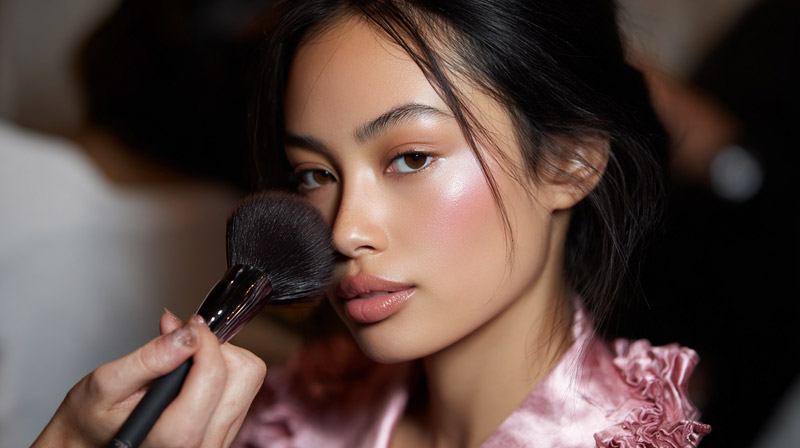
Skin prep is where most blush wear time is won or lost. The surface you apply blush to matters more than the blush formula itself in most cases.
Powder blush needs a dry, slightly textured surface to grip. Cream blush needs a hydrated but non-greasy base. Getting either of these wrong means reapplying by noon regardless of how good the product is.
Which Primer Types Work Best Under Blush
Smashbox Photo Finish Foundation Primer, formulated with dimethicone and cyclopentasiloxane, is clinically proven to extend foundation wear by up to 12 hours (Korean Cosmetics, citing product testing data).
| Primer Type | Best For | Why It Works Under Blush |
|---|---|---|
| Silicone-based (Dimethicone) | Oily and combination skin | Creates a smooth, water-resistant film that helps reduce the effects of excess sebum and improves powder blush adherence. |
| Water-based | Dry and sensitive skin | Adds hydration and helps create an even surface for cream or liquid blush without the heavy occlusive feel of silicone. |
| Film-forming polymer (Acrylates Copolymer, VP/VA Copolymer) | Oily skin and extended wear | Forms an adhesive network on the skin that anchors makeup and can provide stronger wear resistance than traditional silicone primers in high-sebum conditions. |
Silicone-based primers reduce friction between skin and product, form a semi-occlusive layer that grips foundation and blush to skin, and absorb excess sebum (Who What Wear, 2025).
One tricky thing: mixing a water-based foundation over a silicone primer can cause separation if too much product is applied. Keeping layers thin and matching like-to-like (silicone over silicone, water over water) is the rule that prevents pilling and lifting (L’Oreal Paris).
How to Layer SPF Without Sacrificing Blush Wear
Chemical SPF filters interact with blush formulas. They create a slippery film that reduces pigment adhesion, especially under powder blush.
3 ways to layer SPF without losing blush wear time:
- Apply SPF first, wait 3-5 minutes for full absorption before primer
- Use a mineral SPF with zinc oxide or titanium dioxide instead of chemical filters. These sit on the skin surface but do not create the same slip layer
- Switch to a tinted SPF that doubles as a primer layer, removing one step from the stack entirely
—
What Order Should You Apply Blush for Maximum Longevity?

Product order directly changes how long blush stays on. The surface blush lands on determines its grip, and that surface changes depending on what you applied before it.
Makeup artist Christen Dominique, who has built a significant TikTok following around technique education, notes that layering cream blush with a powder blush on top makes color look smoother and last longer (Parade, 2026).
The Blush Sandwich Technique
The blush sandwich involves applying cream or liquid blush directly to skin before foundation, then adding a second layer of powder blush on top after foundation is set.
How it works in 4 steps:
- Apply cream or liquid blush directly to bare, primed skin
- Apply liquid foundation over the blush in thin layers, blending carefully to avoid moving the blush underneath
- Set the foundation with translucent powder
- Press a small amount of powder blush over the same area to lock the cream layer and add surface pigment
The result is a blush color that comes from 2 depths simultaneously. The underneath layer shows through when the surface layer fades, extending the overall visual wear time. This technique became popular on TikTok after makeup artists popularized the “underpainting” method (Glam, 2024).
Cream Blush vs. Powder Blush Layering Order
Cream-on-cream layering is a known problem. Cream blush over liquid foundation bonds well. Cream blush over heavy powder can ball up and slide.
Powder blush goes on last, after foundation and setting powder, giving it a dry surface to grip.
Cream blush goes directly on skin or over a thin layer of liquid foundation before any powder is applied. Once powder goes down, cream blush will not adhere properly.
Liquid blush behaves like cream blush and follows the same rules. Apply it before powder stages, not after.
—
Which Blush Formulas Last the Longest?

Powder blush accounts for approximately 50% of global blush sales in 2024, followed by liquid blush at 20%, cream blush at 15%, and gel blush at 15% (Blush Market Report, 2024). Powder dominates shelves but liquid is growing fast, with liquid blush adoption up 36% year-over-year (Trendalytics, 2024).
Wear time varies significantly by formula type, and the formula that lasts longest depends on your skin type as much as the product itself.
Liquid Blush and Tints vs. Powder Blush: Wear Time Compared
Liquid blushes dry down quickly and provide long-lasting colour that stays through busy days and movement (VIEVE Beauty). Their formulas penetrate the upper skin layer rather than sitting on top, which is why they resist sebum breakdown better than powder.
| Formula | Average Wear Time | Best Skin Type | Key Weakness |
|---|---|---|---|
| Liquid blush / tint | 8–12 hours | Oily and combination skin | Sets quickly, making it more difficult to blend or layer after application. |
| Gel / mousse blush | 7–10 hours | All skin types, especially in humid climates | Fewer product options and shade selections compared with cream or powder formulas. |
| Cream blush | 4–6 hours | Dry and normal skin | More susceptible to fading, transfer, and breakdown in heat or on oily skin unless set with powder. |
| Powder blush | 3–5 hours alone; up to 12 hours when layered over cream or primer and properly set | Oily skin | Can fade rapidly on oily skin if applied directly to bare skin without primer or a cream base. |
Rare Beauty’s Soft Pinch Liquid Blush sold over 70 million units by mid-2025 (Blush Market Report, 2025), which reflects both brand strength and real consumer preference for liquid formulas that deliver longer wear without the touch-up cycle.
Best Blush Formulas for Oily Skin Longevity
Oily skin needs formulas that do not rely on wax or oil binders, because sebum dissolves them.
3 formula types that outperform on oily skin:
- Liquid blush with silicone base (dimethicone): resists sebum breakdown longer than wax-based creams
- Powder blush with kaolin clay: kaolin absorbs sebum at the surface, slowing the oil infiltration that lifts pigment (Shani Darden Skin Care)
- Gel blush: the gel blush category was valued at USD 500 million in 2025, with long-wear formulations growing in popularity among consumers in warm, humid climates (Blush Market Report, 2025)
Specific products worth noting: Rare Beauty Soft Pinch Liquid Blush, Milk Makeup Cooling Water Jelly Tint, and NARS Blush powder consistently appear in wear-time comparisons as top performers across their respective formula categories.
—
How Do You Apply Blush So It Lasts Longer?
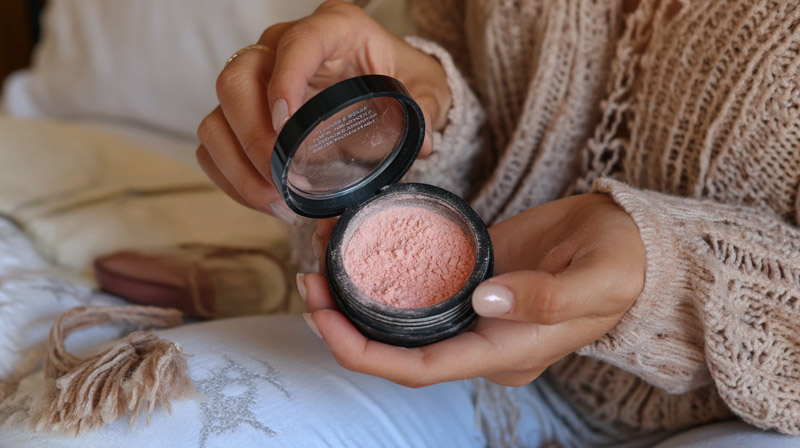
Technique changes wear time. The same blush product applied two different ways can disappear in 3 hours or hold for 8. How you deposit pigment matters as much as what you put on your skin first.
Stippling vs. Buffing: Which Technique Lasts Longer
Stippling presses pigment into the skin. Buffing sweeps it across the surface.
Stippled blush grips better because it compresses product into the texture of the skin or primer layer rather than sitting on top of it. Buffed blush covers more area and blends more softly, but it deposits less pigment per pass and lifts more easily under friction.
For maximum wear time: stipple first to set pigment, then buff the edges lightly to blend. This combines the adhesion benefit of stippling with the seamless finish of buffing.
Building in thin layers also extends wear. One heavy pass creates a surface deposit that breaks down as a single layer. 3 thin passes create stacked deposits that fade gradually rather than all at once, giving the appearance of longer-lasting color.
Brush Choice and Its Effect on Blush Wear
Natural fibers pick up more powder product and deposit it more heavily, which can look intense but gives more pigment per application.
Synthetic fibers pick up less product, deposit it more sheer, and blend cream formulas more evenly without absorbing them into the brush.
For powder blush longevity, a denser natural-fiber brush stippled in a pressing motion deposits more pigment and holds better than a fluffy synthetic used in circular motions.
One practical note: tapping excess product off the brush before application prevents oversaturation. Too much product in one pass creates a thick deposit that sits on the surface and falls off faster than a pressed, built-up layer.
—
Does Setting Powder or Setting Spray Make Blush Last Longer?
Both work. They work differently. Using them together, in the right order, outperforms either one alone.
In a consumer study with 102 participants, 94% agreed their makeup looked perfect all day after using Urban Decay All Nighter Setting Spray (Urban Decay / Kohl’s product research). The spray uses film-forming polymers and glycerin to lock makeup and resist transfer, sweat, and fading.
How to Use the Spray-Brush-Spray Method
The spray-brush-spray method creates a damp surface that captures powder pigment more effectively than dry skin or dry primer alone.
The 3-step process:
- Mist face lightly with setting spray and let it become slightly tacky, not wet
- Apply powder blush immediately while the surface is still damp
- Mist again with setting spray to seal the blush layer on top
The first mist reactivates the primer and foundation surface. The blush powder bonds into it rather than floating on top. The second mist forms a flexible film seal over the blush, holding it against sweat and humidity.
Setting Powder vs. Setting Spray for Different Skin Types
These two products solve different problems and work best on different skin types.
Translucent setting powder works better on oily skin. It absorbs excess sebum at the surface, creating a dry layer that slows oil from migrating up through the blush. Laura Mercier Translucent Loose Setting Powder uses micro-fine silica for this purpose without flattening or mattifying the blush color underneath.
Setting spray works better on dry skin. It maintains moisture in the product layers, preventing cream blush from cracking or looking patchy as the skin loses hydration through the day. Urban Decay All Nighter uses patented Temperature Control Technology that lowers skin temperature, helping makeup hold under warmth and humidity (Urban Decay).
For combination skin, a light dusting of setting powder on the T-zone followed by 2-3 spritzes of setting spray across the full face covers both problems simultaneously.
—
How Does Skin Type Change How Long Blush Lasts?

Skin type is the single biggest variable in blush wear time, more than product price, brand, or formula category. The same blush can last 2 hours on one skin type and 10 hours on another.
Understanding this stops the frustrating cycle of buying new blushes to solve a problem that is actually a prep and formula-matching issue.
Best Blush Formula for Oily Skin
Oily skin was reported in approximately 33% of cosmetics users in a cross-sectional Malaysian cosmetics study (ResearchGate). Sebum actively dissolves the wax and oil binders in cream and stick blush formulas, which is why powder and liquid formulas consistently outlast them on oily skin.
What works on oily skin:
- Liquid blush applied directly to primed skin before foundation, where it bonds before sebum builds up
- Powder blush with kaolin clay, which absorbs sebum at the skin surface and keeps the pigment layer dry
- Gel blush formulas that set on contact and do not re-emulsify under oil pressure
Without a silicone-based primer under powder blush, oily skin typically breaks it down within 3-4 hours. With primer and a light setting powder dusting on top, the same powder blush can extend to 7-8 hours. The primer is doing most of the work here, not the blush itself.
If you want to learn how to apply liquid blush correctly for oily skin specifically, the technique involves applying in thin tapping motions directly to primed skin before any foundation goes on.
Best Blush Formula for Dry and Mature Skin
On dry skin, powder blush settles into fine lines and dries out further as the day progresses, which makes color look dull rather than faded. The fix is a formula that stays hydrated and moves with the skin rather than hardening on top of it.
Cream blush applied before foundation stays flexible and does not settle into texture the way powder does. On mature skin specifically, cream blush over a hydrating primer avoids the “powdery and crepey” look that comes from powder on top of dry skin.
For dry skin that also needs longevity, the blush sandwich technique works particularly well. The cream layer underneath stays hydrated and flexible. The light powder layer on top adds definition and some resistance to transfer. Neither layer alone gives both benefits.
If you struggle with applying makeup on dry skin in general, the prep step matters more than anywhere else. Dry skin with no primer or moisture layer breaks down blush from the skin side, not the environmental side.
Sensitive skin and rosacea-prone skin do well with mineral blush formulas containing zinc oxide or titanium dioxide. These ingredients show better adhesion and cause less inflammation-related fading, which on reactive skin can look like the blush disappearing when it is actually the redness response washing out the color contrast.
What Ingredients in Blush Improve Wear Time?
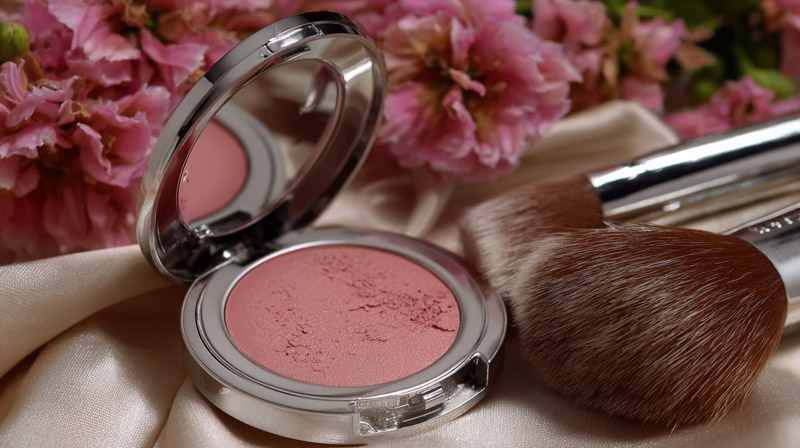
The ingredient list on a blush tells you almost everything about how long it will last. Film-forming agents, oil absorbers, and adhesion polymers are the 3 ingredient categories that directly extend pigment wear time.
Rare Beauty’s Soft Pinch Luminous Powder Blush contains both dimethicone and polymethylsilsesquioxane as key listed ingredients (Skinsort ingredient analysis), which explains its consistent performance in wear-time comparisons across skin types.
Silicone-Based Adhesion Ingredients
Dimethicone: Creates a hydrophobic binding layer that resists sebum breakdown. It does not absorb into skin, forming instead a slip-free surface film that holds pigment against oil pressure.
Polymethylsilsesquioxane: A crosslinked silicone resin used as a film-forming agent. When applied to skin it creates an invisible film on the surface (Skinsort). In powder blush specifically, it increases pigment adhesion more than dimethicone alone because of its rigid, non-slip structure.
Cyclopentasiloxane: A cyclic silicone that provides water resistance (ResearchGate, Cosmetic Ingredient Review). Works alongside dimethicone to reinforce the hydrophobic film against sweat and humidity.
Oil-Absorbing Ingredients That Extend Wear
Kaolin clay is used as a powder ingredient in cosmetics specifically because of its high adhesion to skin and higher oil absorption capacity (USPTO cosmetic formulation research).
2 oil-absorbing ingredients that extend blush wear on oily skin:
- Kaolin clay: Absorbs sebum at the skin surface, slowing oil infiltration that lifts powder pigment
- Silica: Absorbs oil and creates a soft-focus mattifying effect. Used in Laura Mercier Translucent Loose Setting Powder Ultra-Blur alongside amino acids for 16-hour clinically proven wear (Laura Mercier, consumer testing with 71 women)
Ingredients That Affect Cream Blush Stability
Polyglyceryl esters act as emulsifiers in cream cosmetics, contributing to improved stability and long-lasting performance by preventing phase separation (SpecialChem cosmetic ingredient data).
In cream blush formulas, phase separation is what causes the product to “slide” on the skin after a few hours. An emulsifier system that maintains stability under heat and humidity keeps the cream layer intact rather than breaking apart under sebum pressure.
One ingredient to watch: bismuth oxychloride improves blush adhesion and extends wear time, but it carries a comedogenic rating of 5 and is a known skin irritant for sensitive and acne-prone skin (Skin Care Lab, Hylan Minerals). Mineral blush formulas that list it near the top of the ingredient list are tricky for sensitive skin, even though the adhesion benefit is real.
—
How Do You Touch Up Blush Without Ruining the Rest of Your Makeup?
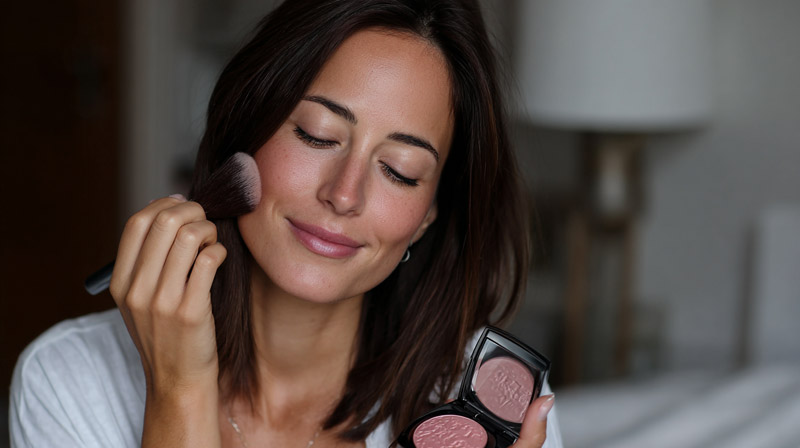
Most midday blush touch-ups fail because people apply too much product too fast onto a surface that is already oily, creased, or built up.
Blotting before you touch up is the single step that separates a clean refresh from a patchy layer over shine.
The Correct Touch-Up Sequence
Powder formulas are the most practical for midday refreshes because they layer well over foundation without lifting it (Temptu Pro, 2026).
The 4-step sequence:
- Press a blotting paper onto the cheek area to remove excess sebum
- Tap a small amount of translucent setting powder lightly over the area to create a dry base
- Press (not swipe) powder blush directly onto the cheek in the same placement used at application
- Mist face lightly with setting spray to seal the new layer into the existing makeup
Pressing powder blush rather than swiping it prevents the brush from lifting foundation underneath. The pressing motion deposits pigment into the surface without disturbing the layers below.
Cream Blush Touch-Ups: What Actually Works
Applying cream blush with fingertips in a tapping motion is more effective for touch-ups than a brush.
Fingers warm the product slightly, which helps it bond to skin without dragging across existing foundation. A brush, by contrast, pulls product across the surface and can lift base makeup at the same time.
One practical limit: cream blush touch-ups only work cleanly if the skin underneath has been blotted first. Cream blush over active sebum slides immediately and makes the face look wetter, not more flushed.
If the full base has broken down significantly, the better option is the blotting-plus-setting-powder step first, then a light layer of powder blush rather than cream. Lifestyle INQ beauty research confirms: blot first, then rehydrate the surface with a face mist, then add product (Lifestyle INQ, 2025).
—
Which Makeup Setting Products Extend Blush Wear the Most?
Not every setting product extends blush wear equally. The formula composition determines whether the product seals pigment, absorbs oil, or both.
Charlotte Tilbury Airbrush Flawless Finish is the number 1 powder in the US and UK prestige makeup market (Circana, April 2024 to March 2025 combined). One unit sells globally every 8 seconds (Charlotte Tilbury). That level of market penetration reflects real-world performance, not just marketing.
Top Setting Products for Blush Longevity
| Product | Claimed Wear Time | Key Technology / Ingredients | Best For |
|---|---|---|---|
| Urban Decay All Nighter Setting Spray | Up to 24 hours | Film-forming polymers, glycerin, temperature-control technology | All skin types, long days, events, and high-activity wear |
| Laura Mercier Translucent Loose Setting Powder Ultra-Blur | Up to 16 hours (consumer and clinical testing) | Amino acid-treated powders, silica, light-diffusing particles | Dry to combination skin seeking a blurred, soft-focus finish |
| Charlotte Tilbury Airbrush Flawless Finish Powder | All-day wear | Finely milled soft-focus powders, rose wax, smoothing emollients | Oily, combination, and normal skin types |
| Charlotte Tilbury Airbrush Flawless Setting Spray | Up to 16 hours | Lightweight film-forming polymers and hydrating agents | All skin types, especially for extending blush and foundation wear |
In a consumer study with 102 participants, 98% agreed Urban Decay All Nighter setting spray provides a healthy-looking complexion and that the mist does not disturb makeup (Urban Decay / Kohl’s product research). That matters for blush specifically: a setting spray that moves existing pigment defeats the purpose.
Setting Spray Formulation: Alcohol vs. Water-Based
Alcohol-based setting sprays dry faster and create a tighter seal, but they can dehydrate the skin layer under blush, causing cream blush to look patchy within a few hours on dry or mature skin.
Water-based setting sprays take longer to dry but maintain flexibility in the product layers. For cream and liquid blush, a water-based formula performs more consistently through the day because it does not strip moisture from the formula’s binder system.
For powder blush over oily skin: an alcohol-based spray creates a firmer lock.
For cream or liquid blush on dry skin: a water-based or glycerin-rich formula keeps the product hydrated and flexible.
If you want to understand how setting spray application technique affects the final result, the distance you hold the bottle from your face and the number of passes directly changes how evenly the film distributes over blush.
How to Layer Setting Products for Maximum Blush Wear
Using setting powder alone extends blush wear on oily skin but leaves dry skin without the flexibility film that keeps cream blush intact. Using setting spray alone provides a seal but does nothing to manage active sebum buildup underneath.
The most effective combination for most skin types:
- Press translucent setting powder lightly over blush to absorb surface oil
- Follow with 2-3 spritzes of setting spray at 8-10 inches from the face
- Let the spray dry completely before touching the face
Laura Mercier recommends applying setting powder after foundation and concealer, and before applying powder-based color. As an additional benefit, it eases the application of powder blush and makes it adhere more smoothly (Laura Mercier / Ulta Beauty product notes).
If you are also working on making your full base last longer, the same principle applies. Making your makeup last all day depends on the same combination of oil control, film-forming primers, and a well-layered setting routine, not just a single product applied at the end.
For anyone dealing specifically with foundation breaking down at the same time as blush, extending foundation wear time follows the same prep logic: primer first, layered application, and a dual setting approach with both powder and spray.
FAQ on How To Make Blush Last Longer
Why does my blush disappear so fast?
Sebum production is the main culprit. Skin oils break down the wax and powder binders in blush formulas within hours. Oily skin, humidity, and skipping primer all accelerate the process. Without a gripping base layer, blush pigment adhesion is minimal from the start.
Does primer actually help blush last longer?
Yes, significantly. A silicone-based primer creates a hydrophobic film that resists sebum and gives powder pigment a surface to grip. Skipping primer is the single most common reason blush fades before midday, regardless of formula quality.
Which blush formula lasts the longest?
Liquid blush and tints generally outlast powder and cream formulas. They penetrate the upper skin layer rather than sitting on top, which makes them more resistant to sebum breakdown. On oily skin, liquid blush can last 8-12 hours with proper prep.
Does setting spray help blush last longer?
Yes. Setting spray forms a flexible film over blush that resists sweat, transfer, and fading. Using the spray-brush-spray method (mist before and after applying powder blush) extends wear time further by creating a damp surface that captures pigment more effectively.
Should I apply blush before or after foundation?
It depends on the formula. Cream and liquid blush go on before foundation for best adhesion. Powder blush goes on last, after foundation and setting powder, so it has a dry surface to grip. Mixing these up is a common wear-time mistake.
What is the blush sandwich technique?
It involves applying cream blush directly to primed skin, then layering foundation and powder on top, then finishing with a second layer of powder blush. The result is blush at two depths, so as the surface layer fades, the underneath layer still shows through.
Does blush last longer on dry or oily skin?
Neither is automatically better. Oily skin breaks down powder blush fast but holds liquid formulas well with primer. Dry skin holds cream blush longer but causes powder to look dull and patchy. The right formula-to-skin-type match matters more than skin type alone.
How do I touch up blush without ruining my foundation?
Blot excess oil first, then lightly press (not swipe) a small amount of powder blush over the same placement. Follow with a light mist of setting spray to blend the new layer into existing makeup. Swiping disrupts the base underneath.
What ingredients in blush improve wear time?
Look for dimethicone, polymethylsilsesquioxane, and kaolin clay in the ingredient list. Dimethicone binds pigment against sebum. Polymethylsilsesquioxane forms a rigid adhesion film. Kaolin clay absorbs surface oil and slows the breakdown of powder pigment throughout the day.
Does translucent powder help blush last longer?
Yes, when applied correctly. Pressing translucent setting powder over blush locks loose pigment and reduces sebum interference. Applying translucent powder with a pressing motion rather than sweeping it on delivers better blush wear time without flattening the color.
Conclusion
This conclusion is for an article presenting the full picture of blush wear time, from pigment adhesion and skin prep to formula choice and setting technique.
Longer-lasting cheek color comes down to a system, not a single product. The right primer, layering order, and setting routine work together to extend blush longevity across every skin type.
Liquid blush grips better on oily skin. Cream blush suits dry skin when applied before foundation. Kaolin clay, dimethicone, and silica in your formula do more for wear time than any touch-up trick.
Check your ingredient list. Fix your prep routine. The blush fade problem is solvable.

She started writing on the site after fielding the same questions from clients and friends often enough to just write the answers down: which red won't turn orange on a warm undertone, how to keep lipstick from feathering into fine lines, why a "12-hour" formula rarely survives dinner.
Every review on the site follows the same rule she uses with paying clients: wear it first, then decide if it's worth recommending.
- How to Make Eyeliner Last Longer Without Smudging - August 31, 2026
- How to Make Eyeshadow Last Longer All Day - August 29, 2026
- How to Find Your Undertone in 5 Easy Steps - August 27, 2026