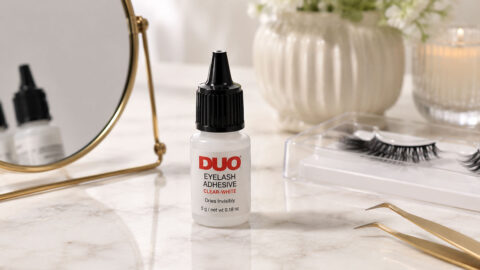
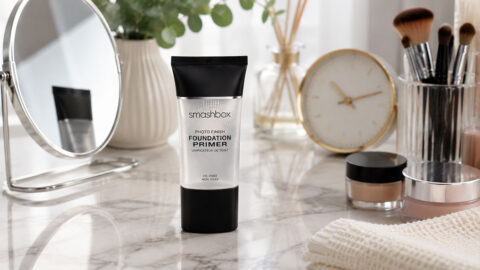
That eyeshadow palette sitting on your vanity probably has an expiration date you’ve never checked.
How long does eyeshadow last depends on 3 things: the formula type, how you store it, and how you apply it. Get any one of those wrong and your eyeshadow shelf life shrinks fast.
Powder eyeshadow, cream eyeshadow, and liquid formulas all expire on different timelines. Some last 36 months. Others go bad in 6. The PAO symbol on the packaging tells you which one you’re dealing with.
This article covers expiration timelines by formula, visible signs of makeup spoilage, eye infection risks from expired product, and what actually extends eyeshadow wear time on the lid.
How Long Does Eyeshadow Last Before It Expires?
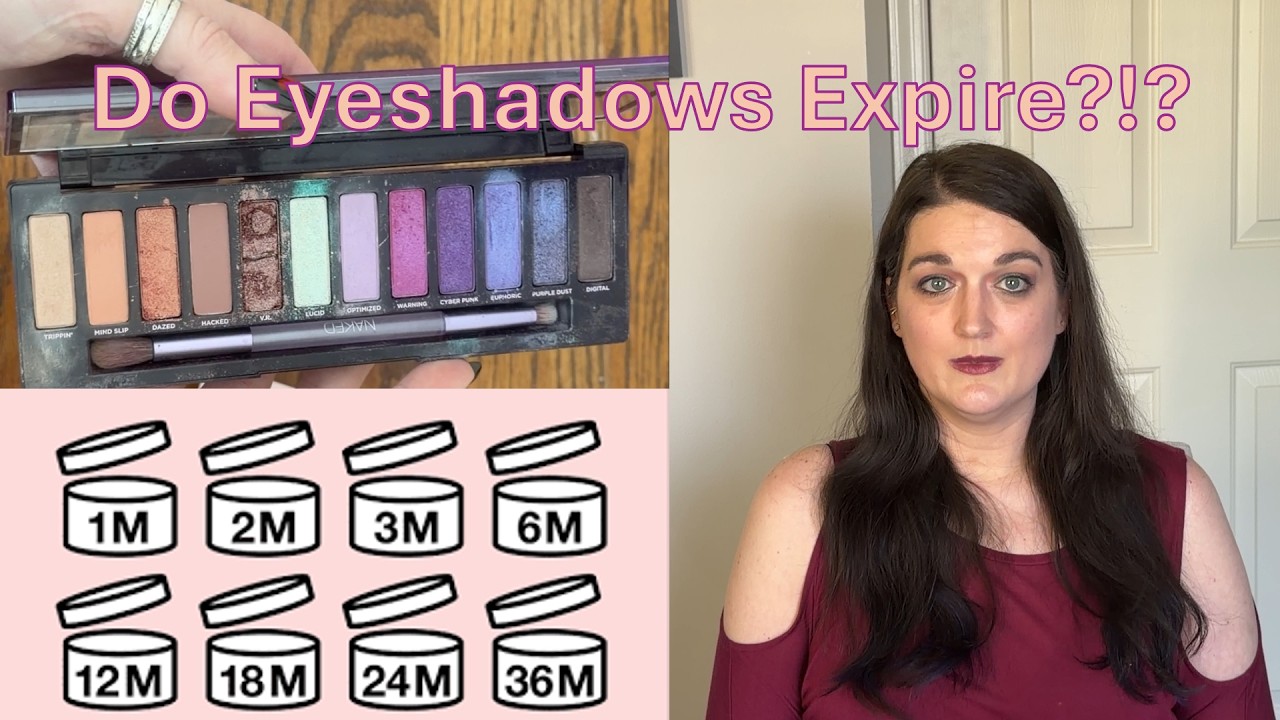
Eyeshadow shelf life depends almost entirely on its formula. Powder eyeshadow lasts 24 to 36 months after opening, while cream and liquid formulas expire within 6 to 12 months (Red Apple Lipstick). Unopened products last 2 to 3 years if stored correctly.
Revlon’s labeling guidelines confirm powder eyeshadow carries a standard 24-month PAO, while cream formulations degrade significantly faster due to higher moisture content and oil-based ingredients that break down preservative systems over time.
| Formula Type | Unopened Shelf Life | After Opening (PAO) |
|---|---|---|
| Powder eyeshadow | Up to 3 years | 24–36 months |
| Cream eyeshadow | 1–2 years | 6–12 months |
| Liquid eyeshadow | 1–2 years | 6–12 months |
| Eyeshadow primer | Up to 2 years | 6–12 months |
How Long Does Powder Eyeshadow Last After Opening?
Powder formulas contain no free water. That single factor makes them far more resistant to microbial growth than cream or liquid alternatives.
Standard powder eyeshadow PAO: 24 months. Premium formulas using talc, kaolin clay, mica, and iron oxide pigments with synthetic binder systems can hold integrity for up to 36 months after opening.
Even so, powder eyeshadow is not immune to degradation. Humidity exposure causes binder breakdown, pan cracking, and pigment oxidation. MAC Pro Palette refillable pans, for example, are individually pressed powders that share the same 24-month PAO window once the pan is opened and exposed to air.
How Long Does Cream Eyeshadow Last After Opening?
Cream eyeshadow contains emollients, oils, and waxes. Those ingredients create a formula that pigment adheres to well, but they also create an environment where microbial growth accelerates much faster than in powder.
Cream eyeshadow PAO: 6 to 12 months. The oils in the formula undergo rancidity through oxidation, and the preservative system, whether phenoxyethanol or parabens, degrades as the product is repeatedly opened and exposed to air and bacteria from application brushes or fingers.
How Long Does Liquid Eyeshadow Last After Opening?
Liquid eyeshadow shares the same 6 to 12 month PAO window as cream formulas. The higher water content introduces a more active microbial risk than even cream formulas.
Key difference: liquid eyeshadows typically use pump or doe-foot applicators that regularly contact the eyelid, introducing bacteria directly into the product tube with every use. That contamination pathway accelerates degradation independently of the formula’s preservative timeline.
According to Free Yourself’s 2025 beauty product shelf life data, cream and liquid eye product formulations are specifically flagged for early replacement, with changes in color or texture serving as the clearest expiration signals regardless of the printed PAO date.
How Long Does Eyeshadow Last on the Eyelids?

Without primer, most eyeshadow lasts 4 to 6 hours on the eyelid before visible fading or creasing begins. With a dedicated eyeshadow primer applied first, wear time extends to 8 to 12 hours, with some formulas like Revlon ColorStay claiming up to 24 hours of wear.
Skin type is the single biggest variable. Oily eyelids break down pigment adhesion faster because sebum acts as a solvent that separates pigment particles from the skin surface. Dry lids tend to hold shadow longer but can show patchy application without proper hydration.
What Reduces Eyeshadow Wear Time?
Makeup artist Jaleesa Jaikaran, whose work has been featured in Elle and Glamour, puts it directly: “The natural creasing and oils on your eyelids will cause any eye makeup to fade.” That is the core problem. Everything else is a variation on it.
Factors that cut wear time:
- Oily eyelids: sebum breaks down silicone binders and disrupts pigment adhesion
- High humidity: atmospheric moisture softens powder formulas and causes slip
- Applying eyeshadow over plain foundation (without primer): foundation oxidizes and moves throughout the day, taking shadow with it
- Rubbing or touching the eye area during wear
- Applying too thick a layer: heavy product application actually creases faster than light, buildable layers
What Extends Eyeshadow Wear Time?
Dermatologist Dr. Lisa Richards confirms that eyeshadow primers act as a barrier between eyelid skin and pigments, blocking sebum from disrupting adhesion.
Proven methods for longer wear:
- Eyeshadow primer: Urban Decay Eyeshadow Primer Potion and NARS Smudge Proof Eyeshadow Base both extend wear duration by creating a tacky, oil-absorbing base
- Setting spray: a light mist over finished eye makeup seals powder particles together, adding 2 to 4 additional hours
- Oil-absorbing formulas: primers containing magnesium carbonate actively absorb lid oils rather than just sitting over them
- Layering technique: pressing powder shadow into the lid rather than sweeping reduces fallout and improves adhesion
Red Apple Lipstick’s primer testing shows that a properly applied eyeshadow primer can extend wear by 8 or more hours, which is the difference between a look that survives a full workday and one that fades by noon.
For more detail on how to make eyeshadow last longer, there are specific techniques worth knowing before you apply.
What Do Expiration Dates on Eyeshadow Actually Mean?
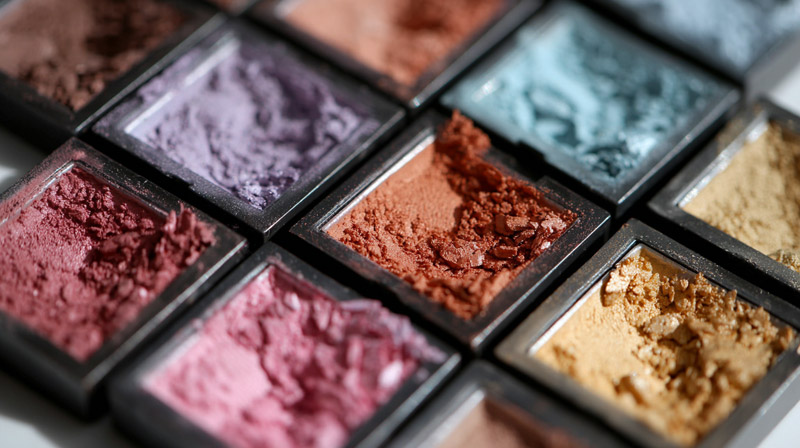
Most eyeshadow products sold in the EU display the PAO symbol rather than a fixed expiration date. The PAO symbol is the open jar icon with a number inside, such as “12M” or “24M,” indicating how many months the product remains safe after first opening.
Under EU Cosmetics Regulation 1223/2009, products with a shelf life over 30 months are required to display the PAO symbol instead of an expiry date. Products with a shelf life under 30 months must show a “best before” date using the hourglass symbol (Obelis Group, 2024).
The US FDA takes a different position. According to the FDA directly: “there are no U.S. laws or regulations that require cosmetics to have specific shelf lives or have expiration dates on their labels. However, manufacturers are responsible for making sure their products are safe.” (Biorius, 2025)
That regulatory gap matters practically. A powder eyeshadow purchased in the US may carry no PAO symbol at all, leaving the consumer with no standard reference point for safe use.
How to Find Manufacture Dates Using Batch Codes
Batch codes are the printed letter-and-number strings on the base of most cosmetic packaging. They encode the manufacture date, production batch, and sometimes facility location. Sites like checkcosmetic.net and checkfresh.com allow consumers to enter these codes and retrieve the original manufacture date for many major brands.
This matters most for powder eyeshadows, which carry no PAO requirement in the US and may have been sitting in warehouse or store inventory for 12 to 18 months before purchase.
Knowing the manufacture date lets you calculate actual age from production, not just from when you opened the product.
How Do You Know When Eyeshadow Has Gone Bad?
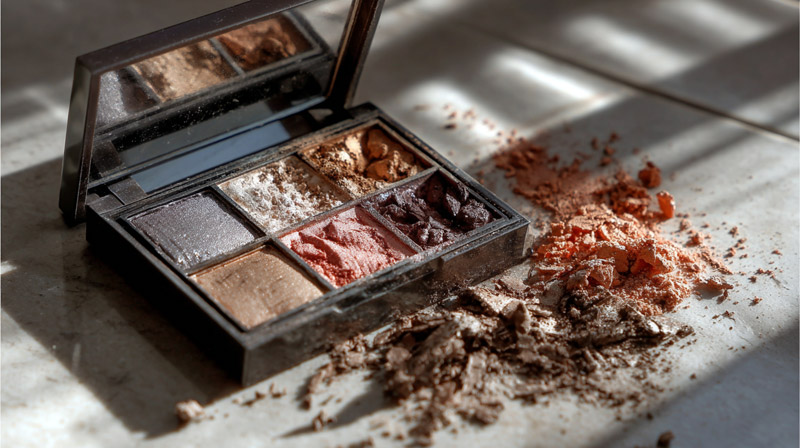
Expired eyeshadow signals its degradation through 4 observable changes: color shift, texture breakdown, smell change, and application failure. At least one of these appears before a product becomes a genuine safety concern.
Powder eyeshadow that has absorbed moisture will crack across the pan surface and produce excessive fallout during application. The binder system that holds pigment particles together has broken down. That is not a cosmetic inconvenience. It is a structural failure in the formula.
Signs by Formula Type
Powder, cream, and liquid eyeshadows degrade differently. The visible signals vary by formula.
| Formula | Expiration Signal | Cause |
|---|---|---|
| Powder | Cracking, chalky texture, heavy fallout | Binder degradation from moisture exposure |
| Cream | Oil separation, grainy texture, rancid smell | Emollient oxidation, preservative breakdown |
| Liquid | Watery consistency, color separation, strange odor | Preservative failure, microbial growth |
A slight smell change is the earliest and most reliable indicator in cream and liquid formulas. Oils undergo oxidative rancidity before any visible texture change occurs. If the product smells off, even mildly, the lipid components have already degraded regardless of what the PAO date says.
Pigment Oxidation in Powder Eyeshadow
Iron oxide pigments, the base colorants in most powder eyeshadow, are chemically stable. What does shift is the surrounding matrix of talc, silica, and binder agents that carry and distribute those pigments. When that matrix degrades, color payoff drops, blendability decreases, and the shade can appear dustier or more muted than when new.
This is different from a safety failure. A slightly degraded powder eyeshadow may perform poorly without being actively harmful. The point where performance decline becomes a safety concern is when moisture contamination has introduced microbial growth, which is not always visible on the surface.
Does Expired Eyeshadow Cause Eye Infections?
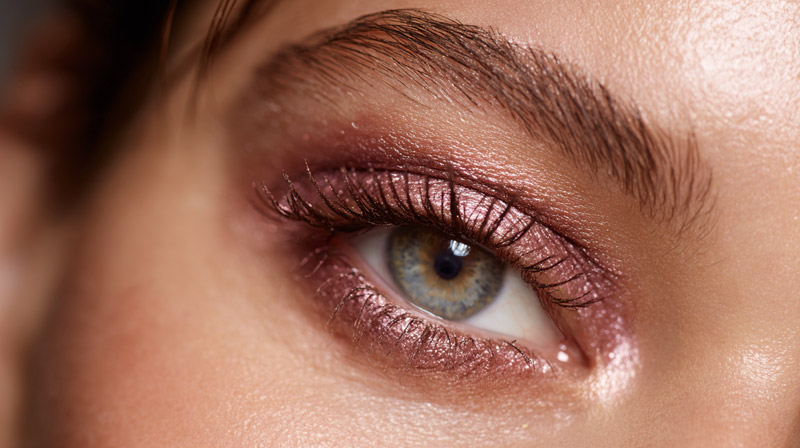
Yes. The eye area is directly adjacent to mucous membranes, making it the highest-risk application zone for any contaminated cosmetic. The FDA notes directly that eye-area cosmetics tend to have shorter safe-use windows than other products, specifically because contaminated product applied near the eye can cause serious infections.
A 2024 peer-reviewed study published in the journal Microorganisms analyzed 71 used eye cosmetic samples including mascara, eyeliner, and eyeshadow. Bacillus spp. and coagulase-negative staphylococci were the predominant contaminants identified. The study also confirmed antimicrobial resistance to benzylpenicillin and clindamycin among Staphylococcus species isolated from the samples.
Pathogens Found in Contaminated Eye Cosmetics
The 2024 Microorganisms study found no Staphylococcus aureus or Pseudomonas aeruginosa in the tested samples. Earlier research, including a cross-sectional study on shared salon cosmetics, identified a broader range: Streptococcus spp., Pseudomonas spp., Staphylococcus spp., Candida, and Escherichia coli were all recovered from in-use cosmetic samples.
Eye conditions linked to contaminated eye makeup include:
- Conjunctivitis (pink eye): bacterial or fungal infection of the conjunctiva
- Stye (hordeolum): localized Staphylococcus infection of an eyelid gland
- Keratitis: corneal inflammation that can threaten vision in severe cases
Contact lens wearers face higher risk. The lens surface provides an additional substrate for pathogen accumulation when contaminated makeup is applied around the eye area.
When Risk Becomes Real
Cosmetic formulation chemist data shows that dry powder formulas with no water activity support minimal microbial growth on their own. The risk escalates when moisture is introduced, whether through wet brushes, double-dipping fingers, or humid storage environments. At that point, even a powder eyeshadow with months remaining on its PAO can develop active contamination.
The higher-risk products are cream and liquid eyeshadows. Their water and oil content provide a growth medium for bacteria and fungi. Using a cream eyeshadow past its 12-month PAO with no visible sign of degradation does not mean the product is safe. Microbial contamination is not always visible.
What Factors Make Eyeshadow Expire Faster?
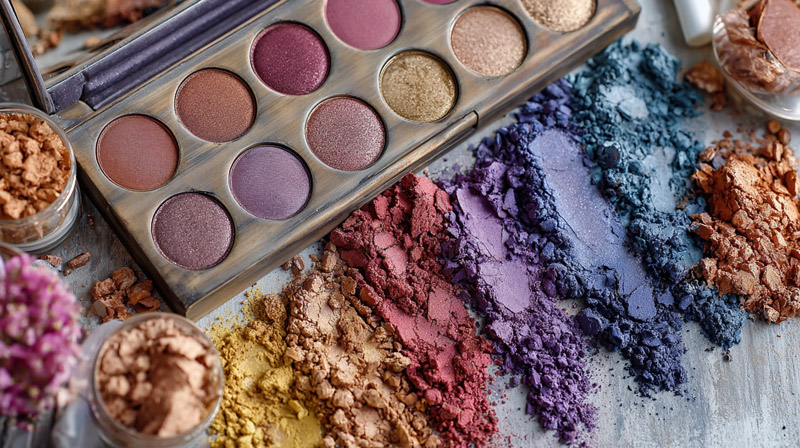
The PAO date assumes ideal conditions. Most eyeshadow does not experience ideal conditions. 6 specific factors accelerate expiration independent of formula age.
Cosmetic storage research shows that temperature fluctuations, UV exposure, and humidity are the 3 most damaging environmental conditions for cosmetic stability (WareIQ cold storage data, 2025). Each degrades preservative systems, binders, and pigment matrices faster than manufacturers calculate in standard shelf life testing.
Environmental Factors
Humidity is the primary enemy of powder eyeshadow stability. According to cosmetic expiration analysis from eFulfillment Service (2026), moisture absorption in pressed powder formulas causes binder degradation, pan cracking, and eventually mold formation. A powder palette stored in a bathroom cabinet faces this risk daily.
Direct sunlight causes 2 separate problems: UV radiation degrades synthetic preservatives, and heat accelerates oxidative rancidity in cream and liquid formulas. Leaving any eyeshadow in a hot car in summer is enough to halve its functional lifespan in a single afternoon.
Ideal cosmetic storage temperature sits between 10 and 21 degrees Celsius (50 to 70 degrees Fahrenheit), with low humidity and no direct light exposure.
Application Hygiene Factors
How you apply eyeshadow affects how fast it degrades, not just how it looks.
- Wet brushes: introducing moisture into a powder pan collapses the binder system and creates microbial growth conditions immediately
- Double-dipping fingers: skin carries Staphylococcus and other bacteria directly into the product with each touch
- Shared palettes: cross-contamination between users transfers their microbial environment into the product; research on salon cosmetics shows 100% bacterial contamination rates in shared-use products
- Leaving the lid open: prolonged air exposure oxidizes ingredients and allows ambient bacteria and dust to settle into the pan
Formulation Factors
Preservative-free and clean beauty formulas expire significantly faster than conventional products with synthetic preservative systems. Natural alternatives like vitamin E (tocopherol) and rosemary extract provide antioxidant activity but cannot match the broad-spectrum antimicrobial protection of phenoxyethanol or parabens.
Eyeshadows containing botanical oils, such as jojoba seed oil or grape seed oil, have an additional oxidation risk from the fatty acid content of those oils. Once those lipids go rancid, the product is degraded even if the pigments and binders remain intact.
How Should You Store Eyeshadow to Make It Last Longer?
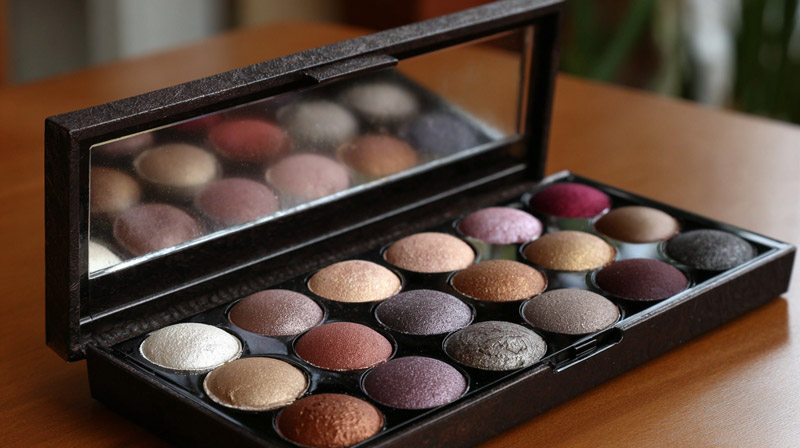
Correct storage can extend eyeshadow shelf life up to its full PAO duration. Incorrect storage cuts that window significantly. 3 conditions matter most: temperature, humidity, and contamination control.
The FDA advises consumers to store cosmetics in cool, dry places and to discard products that show visible signs of degradation. That guidance applies directly to eyeshadow, especially powder formulas stored in commonly damp environments.
Where Not to Store Eyeshadow
The bathroom is the single worst storage location for makeup.
Shower steam raises ambient humidity daily, and bathroom temperature fluctuates between hot and cold multiple times per day. Both conditions degrade cosmetic formulas faster than any other storage environment in a typical home. Powder eyeshadows stored in bathrooms absorb moisture over weeks, leading to binder breakdown and bacterial contamination risk well before the PAO date.
Avoid these storage locations:
- Bathroom counters or cabinets (humidity, temperature fluctuation)
- Car dashboards or glove compartments (heat, UV exposure)
- Windowsills (direct sunlight, UV degradation of preservatives)
- Areas near radiators or heating vents (dry heat damages binders)
Best Storage Practices by Formula
Powder palettes store well in a cool bedroom drawer or dedicated vanity storage away from windows. The low water content means the primary risk is humidity and brush contamination, not microbial growth in the formula itself.
Cream and liquid eyeshadows benefit from cooler storage temperatures. Some users refrigerate cream formulas to slow oxidative rancidity. This works, but condensation on a cold product when removed from the fridge can introduce moisture. Allowing refrigerated products to return to room temperature before opening reduces that risk.
Regardless of formula, keep lids closed fully after each use. Prolonged air exposure oxidizes oil-based ingredients and lets ambient bacteria settle into the product. A palette left open on a vanity while you finish other makeup steps is exposing the product unnecessarily.
For a broader look at how to store makeup across all product types, the same core principles apply.
It is also worth knowing how to clean makeup palettes regularly. Surface contamination on palette lids, mirrors, and pan edges can transfer to fresh product with every opening.
Does Eyeshadow Last Longer in Palette Form or as Singles?
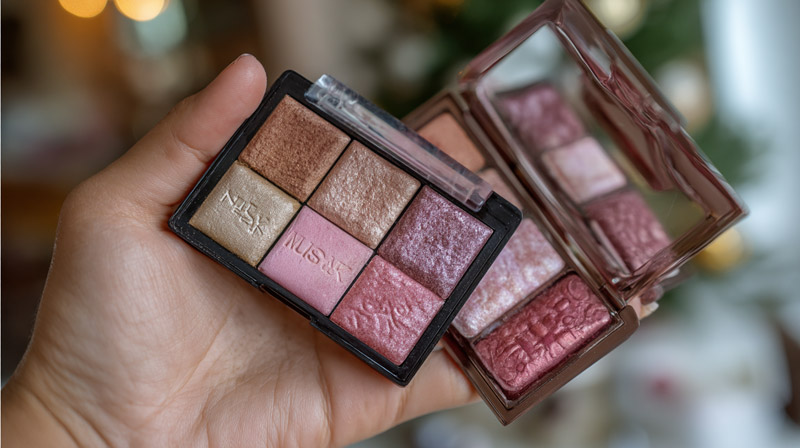
Palettes and singles contain the same pressed powder formula. The difference in longevity comes from how often they are opened, how many pans share one lid, and how the product is used relative to its total volume.
According to APG Packaging research (2026), palette container material directly affects protection from air, light, and moisture. Magnetic closure systems and tightly fitted lids preserve pan integrity longer than loosely hinged cardboard palettes that flex and allow air exposure with every opening.
How Palette Format Affects Contamination Risk
A large palette is opened and closed repeatedly, and every opening exposes all pans simultaneously, including shades that may not be used that day. Singles with individual lids limit air exposure to only the shade in use.
Key contamination factors for palettes:
- Fallout from one pan contaminates adjacent shades during use
- Shared applicators or brushes transfer bacteria across all pans
- Professional kits used on multiple clients carry the highest cross-contamination risk
- A 40-pan palette used daily exposes every shade to ambient air and bacteria far more often than a single used once per week
MAC’s refillable Pro Palette system addresses this directly. Individual pan inserts can be removed and replaced independently, meaning a contaminated or expired shade can be swapped without discarding the entire palette.
Usage Rate and the Expiration Window Problem
Most large palettes expire before the product is used up. A 24-month PAO on a 35-pan palette means every shade technically expires at the same time, regardless of whether some pans have been touched twice and others daily.
Practical guideline: if a palette contains shades you rarely use, those pans accumulate age and potential contamination without the benefit of regular use signaling visible degradation. Singles used regularly are easier to monitor for the texture and smell changes that signal expiration.
You can also sanitize makeup between uses, which is especially worth doing with shared or professional palettes. Spraying pressed powder pans with 70% isopropyl alcohol and allowing them to dry removes surface contamination without damaging the formula.
How Long Do Natural and Organic Eyeshadows Last Compared to Conventional?

Natural and organic eyeshadows have a shorter shelf life than conventional formulas. This is a direct result of formulation, not marketing. Checkcosmetic.net data places natural and organic cosmetic products at up to 6 months PAO, compared to 24 to 36 months for conventional powder eyeshadow.
COSMOS and ECOCERT certification standards limit the preservative systems that certified products can use. The synthetic broad-spectrum preservatives, such as parabens and phenoxyethanol, that give conventional eyeshadow its long shelf stability are either restricted or prohibited under those standards (ECOCERT, 2024).
Why Natural Preservatives Underperform Synthetic Ones
Natural preservative alternatives used in certified organic formulations include vitamin E (tocopherol), rosemary extract, and COSMOS-approved systems like Geogard Ultra. These provide antioxidant protection against oxidation but cannot match the broad-spectrum antimicrobial activity of synthetic alternatives.
KBL Cosmetics formulation research confirms this directly: ad hoc natural preservation approaches typically result in diminished shelf life and usability compared to synthetic ingredient-based systems that provide consistent product integrity over time.
Natural preservative limitations in eyeshadow:
- Vitamin E (tocopherol) slows lipid oxidation but does not prevent bacterial growth
- Rosemary extract works as an antioxidant, not an antimicrobial
- Botanical oils like jojoba and grape seed oil add a fatty acid oxidation risk on top of the preservative limitation
What This Means Practically
Most buyers of natural and organic eyeshadow are unaware that the PAO is shorter. Beauty Affairs research (2023) confirms that natural makeup expiry dates are consistently shorter than conventional equivalents, and that fewer preservatives mean a higher chance of early degradation.
Certified organic eyeshadow formats by stability:
| Format | Typical PAO | Primary Risk |
|---|---|---|
| Mineral powder (no oils) | 12–24 months | Humidity exposure |
| Natural powder with botanical oils | 6–12 months | Fatty acid oxidation (rancidity) |
| COSMOS-certified cream shadow | 3–6 months | Microbial growth, preservative failure |
Pure mineral powder eyeshadows with no water, oils, or botanical extracts are the most stable natural option. Brands like 100% Pure and Bee You Organics use minimal ingredient lists that avoid the fatty acid oxidation risk, though they still carry shorter PAO windows than conventional formulas.
If you use natural eyeshadow, check the product more frequently for smell changes and texture shifts. The 24-month powder eyeshadow PAO you may be accustomed to from conventional brands does not apply here.
How Does Eyeshadow Primer Affect How Long Eyeshadow Lasts on Skin?

Eyeshadow primer extends wear duration by creating a tackified, oil-absorbing base layer that physically prevents sebum from dissolving pigment adhesion. Without it, natural lid oils break down shadow within 4 to 6 hours. With it, wear extends to 8 to 12 hours or beyond.
Dermatologist Dr. Lisa Richards confirms that primers act as a barrier between delicate eyelid skin and pigments, which is especially relevant for mature or oily skin where the lid surface changes throughout the day (Red Apple Lipstick).
Silicone-Based vs Water-Based Eyeshadow Primer
The base chemistry of the primer determines how it extends wear, and it performs differently depending on eyeshadow formula type.
| Primer Type | Wear Extension | Best Paired With | Watch Out For |
|---|---|---|---|
| Silicone-based | 8–12+ hours | Powder eyeshadow | Pilling with oil-based shadows |
| Water-based | 4–8 hours | Cream or water-based shadows | Less effective in high humidity |
Silicone-based primers (dimethicone, cyclopentasiloxane) create a smooth, slightly tacky surface that grips powder pigment particles. Korean Cosmetics formulation data (2026) puts silicone primer wear time at 8 to 12 hours, against 4 to 8 hours for water-based alternatives.
Oil-Absorbing Ingredients That Extend Wear
Magnesium carbonate is the key ingredient to look for in a primer formulated specifically for oily lids. It absorbs lid sebum actively rather than just creating a surface layer over it.
Effective oil-control primer ingredients:
- Magnesium carbonate: absorbs sebum at the lid surface, directly preventing slip
- Dimethicone: fills lid texture and creates adhesion surface for powder pigments
- Kaolin clay: appears in some oil-control formulas as a secondary oil absorber
Urban Decay Eyeshadow Primer Potion and NARS Smudge Proof Eyeshadow Base both use silicone-forward formulas. Milani Eyeshadow Primer uses a lighter base better suited to dry or sensitive lids.
Setting Spray as a Final Wear Seal
Setting spray over finished eyeshadow adds 2 to 4 hours of additional wear by binding loose powder particles together and creating a light film over the eye look. L’Oreal Paris data shows their setting mist claims up to 36 hours of fresh-looking wear when used as a finishing step.
Too Faced Shadow Insurance is widely cited among makeup artists as a standard primer for ensuring eyeshadow lasts through long events. It pairs well with both powder and cream formulas without causing pilling.
For the full application process, see how to apply eyeshadow correctly, since application technique affects how long eyeshadow sits on the lid as much as the products underneath it do.
And if you want a broader picture of keeping all eye products fresh, how long eyeliner lasts follows a very different timeline, since liquid and gel formulas degrade much faster than powder eyeshadow.
FAQ on How Long Does Eyeshadow Last
How long does powder eyeshadow last after opening?
Powder eyeshadow lasts 24 to 36 months after opening. Its dry formula has no water activity, which limits microbial growth. Store it away from humidity and use clean brushes to reach the full PAO window printed on the packaging.
How long does cream eyeshadow last?
Cream eyeshadow expires within 6 to 12 months after opening. The oil and emollient content breaks down preservative systems faster than powder formulas. Rancid smell or texture separation are the clearest signs it has gone bad.
Does eyeshadow expire if unopened?
Yes. Unopened eyeshadow lasts 2 to 3 years before formula degradation begins. Air exposure through imperfect seals, temperature fluctuation, and UV light all accelerate ingredient breakdown even in sealed packaging over time.
How do you know when eyeshadow has expired?
Look for 4 signals: color shift, chalky or crumbly texture, excessive fallout during application, and an off smell in cream or liquid formulas. Any one of these indicates the formula has degraded beyond its intended use window.
Can expired eyeshadow cause an eye infection?
Yes. Contaminated eye cosmetics can cause conjunctivitis, styes, and keratitis. A 2024 study in the journal Microorganisms confirmed bacterial contamination including coagulase-negative staphylococci in used eyeshadow samples tested across 71 products.
How long does eyeshadow last on the eyelids?
Without primer, eyeshadow lasts 4 to 6 hours on most skin types. With a dedicated eyeshadow primer like Urban Decay Primer Potion or NARS Smudge Proof Base, wear time extends to 8 to 12 hours depending on skin oiliness.
What does the PAO symbol on eyeshadow mean?
The PAO symbol is the open jar icon with a number, such as “12M” or “24M.” It indicates how many months the product remains safe after first opening. Under EU Cosmetics Regulation 1223/2009, it is required on products with a shelf life over 30 months.
Does natural or organic eyeshadow expire faster?
Yes. Natural and organic eyeshadows typically carry a 6 to 12 month PAO, compared to 24 to 36 months for conventional formulas. COSMOS and ECOCERT certification standards restrict synthetic preservatives, which shortens microbial stability significantly.
How should you store eyeshadow to make it last longer?
Store eyeshadow in a cool, dry place between 10 and 21 degrees Celsius. Avoid bathrooms, direct sunlight, and hot cars. Always use clean, dry brushes and close lids fully after each use to reduce oxidation and contamination risk.
Does eyeshadow in a palette expire faster than singles?
Not inherently, but palettes expose all pans to air simultaneously on every opening. Singles limit air exposure to one shade at a time. Large palettes with rarely used shades often hit their expiration date before the product runs out.
Conclusion
This conclusion is for an article presenting the full picture of eyeshadow longevity, from makeup expiration dates to on-skin wear duration.
Powder formulas, cream formulas, and liquid eyeshadow each degrade on different timelines. The PAO symbol, batch code lookup, and your own senses are the 3 tools that keep you informed.
Cosmetic microbial contamination is not always visible. Conjunctivitis, styes, and keratitis are real risks from using product past its safe window, especially near the ocular surface.
Storage conditions, brush hygiene, and preservative systems all affect how long your eyeshadow stays usable. Natural and organic formulas need replacing sooner than most people expect.
Check your palettes. Read the open jar icon. Replace anything that smells off or applies differently than it used to.

She started writing on the site after fielding the same questions from clients and friends often enough to just write the answers down: which red won't turn orange on a warm undertone, how to keep lipstick from feathering into fine lines, why a "12-hour" formula rarely survives dinner.
Every review on the site follows the same rule she uses with paying clients: wear it first, then decide if it's worth recommending.
- How to Make Eyeliner Last Longer Without Smudging - August 31, 2026
- How to Make Eyeshadow Last Longer All Day - August 29, 2026
- How to Find Your Undertone in 5 Easy Steps - August 27, 2026