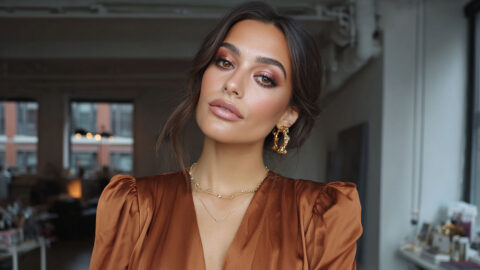
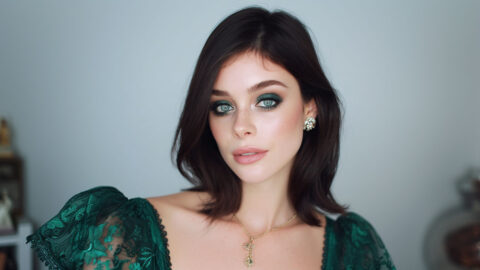
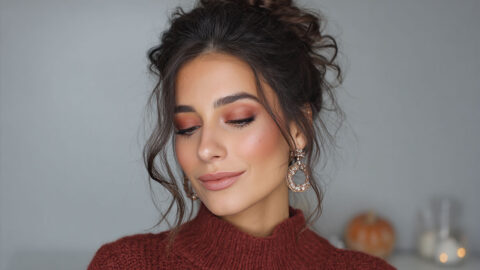
Neutral is safe. But safe is forgettable.
Colorful makeup looks have moved well past editorial kits and festival grounds. Vivid eyeshadow, saturated blush placement, and bold lip color are showing up in everyday routines, on runways, and all over TikTok and Pinterest.
The problem is most guides treat color like a single technique. It isn’t. Skin tone, occasion, color combinations, and the right products all affect whether a vivid look reads polished or chaotic.
This guide covers everything from bold eyeshadow and graphic liner to colorful blush draping, lip color pairings, and what actually makes pigmented makeup last all day.
What Are Colorful Makeup Looks
Colorful makeup looks are any makeup applications that use saturated, bold, or unexpected color outside the standard neutral range. Think cobalt liner, fuchsia blush, emerald eyeshadow. It goes well beyond a swipe of nude lipstick.
The range is wide. A single pop of vivid pigment on the lid qualifies. So does a full multi-color face look with color-blocked shadow, bright blush, and a statement lip all at once.
What separates “colorful” from just “bold” is the actual hue choice. Bold can mean a thick black wing or heavy contour. Colorful means you’re working with real color, the kind that registers across a room.
These looks show up everywhere. Editorial makeup, everyday wear, concert and festival settings, runway collections, and social media are all places where vivid color makeup gets its biggest moments.
The global color cosmetics market hit $86.4 billion in 2024, according to IMARC Group, driven largely by a shift toward self-expression and experimentation. That number tells you something real: people are buying more pigmented, bolder products than they were five years ago.
The interest in color is also showing up in search data. Pinterest reported a 100% increase in searches for “aqua makeup look” in 2024, alongside a 65% jump in “blue eyeshadow aesthetic” searches. Color isn’t a niche interest anymore.
| Look Category | Where Color Lives | Difficulty Level |
|---|---|---|
| Single-Color Eye Pop | On the lid or as a liner accent | Beginner |
| Monochromatic Face | Eyes, cheeks, and lips in one color family | Intermediate |
| Color-Blocked Eye | Two contrasting shades placed on the lid | Intermediate |
| Full Editorial | Multi-zone color across eyes, face, and skin | Advanced |
Colorful Eye Makeup Looks

The eye is where most people start with color. It makes sense. The stakes feel lower than a bold lip, and a single vivid shadow or graphic liner line can completely shift a look.
Bold Eyeshadow Looks
Cut crease with vivid color is still one of the most requested eye looks going. Cobalt, burnt orange, and emerald are the shades that perform best because they stay readable on all skin tones without washing out.
Monochromatic eye looks work differently. You pick one color family and layer it from lash line to brow bone, varying the intensity. Urban Decay’s Naked palettes don’t cover this, but their Revolution or Vice lines absolutely do.
- Flat shader brush packs color; fluffy brush blends edges
- Cream shadows give more intensity; powder gives more control
- Jewel tones (emerald, cobalt, amethyst) read well on deep skin tones
- Pastels land better on fair to medium complexions
Pat McGrath’s Mothership palettes set a standard for multi-pigment color payoff that most drugstore lines still can’t fully replicate. NYX’s Ultimate Shadow Palettes are the closest accessible option.
Colorful Graphic Liner Looks
Graphic liner took over social media in 2023 and hasn’t let go. The appeal is that you get maximum color impact from minimal product.
Floating liner sits above the crease rather than on the lash line, leaving a gap of bare skin between the two lines. It reads as deliberate and editorial, not messy. Douyin makeup, the Chinese style that racked up 4 billion TikTok views with shimmer-based liner and subtle color, brought this technique to a massive audience (Trendalytics, 2024).
- NYX Epic Ink Liner and MAC Color Excess Gel Pencil both hold color without smearing
- Water-activated liners (often pressed pigment cakes) give the sharpest lines for graphic work
- Setting with a matching powder shadow extends wear by several hours
Colorful Lip Looks

A saturated lip is usually the fastest way to build a colorful makeup look. One product, thirty seconds, and the whole face shifts.
The classics still work. Fuchsia, coral, true red, and berry are the most-worn bold lip shades because they’re flattering across the widest range of skin tones. These are not going anywhere. Vogue Scandinavia’s 2025 makeup roundup noted a clear move from bubblegum pink toward deeper berry hues, which layer better and last longer through a day of wear.
Less conventional choices have real staying power too. Blue-red lipstick reads dramatically different from a warm orange-red, and the distinction matters. MAC’s Ruby Woo (blue-based) versus Charlotte Tilbury’s Pillow Talk Intense (warm-based) are the clearest example of how undertone changes everything on the lip.
Knowing how to pick the right lipstick color for your skin tone before buying anything saves a lot of money and frustration. Undertone is the actual variable here, not the shade name on the bullet.
| Lip Color | Best Undertone Match | Pairing Tip |
|---|---|---|
| True Red | All undertones (match warmth) | Pair cool reds with cool undertones; warm with warm |
| Fuchsia | Cool to neutral | Keep eye makeup minimal to balance intensity |
| Coral | Warm to neutral | Works well with bronze or soft nude eyes |
| Berry/Plum | Cool and deep | Add a clean winged liner for a polished finish |
| Blue/Green | Any (contrast-based) | Keep skin and eye makeup neutral |
Lip liner is what keeps any bold color clean. A matching or slightly deeper liner traces the edge, stops bleeding, and gives the lip a sharper definition that makes even a sheer gloss look intentional. Understanding how to apply lip liner correctly is the difference between a colorful lip that looks precise and one that looks messy after an hour.
Fenty Beauty, NYX, and Charlotte Tilbury all have dedicated liner options across the color range. For longer wear, making your lip liner last comes down to a few simple prep steps before any product touches the lip.
Colorful Blush and Face Looks

Blush moved from an afterthought to a full statement piece somewhere around 2022, and it hasn’t slowed down. The techniques now go far beyond a traditional sweep across the cheekbones.
Blush Draping and Bold Placement
Draping uses blush the way contour was used in the 2010s. You sweep pigment from the cheekbone up toward the temples, sometimes continuing under the eye socket. It adds structure and color simultaneously. Rare Beauty’s Soft Pinch Liquid Blush became the product most associated with this technique because the formula blends out without patchiness.
Oversaturation is a deliberate choice, not a mistake. Beauty Pie’s 2024 trends report noted that nearly a quarter of people were wearing makeup almost daily, and bolder blush placement was among the most-replicated social looks of the year.
- Pinks and corals suit warm complexions; mauves and roses suit cool tones
- Cream blush blends more softly than powder; better for a flushed, skin-like result
- Applying blush before setting powder softens the edges naturally
Graphic and Color-Blocked Face Looks
Geometric blush shapes are a fully editorial technique. A rectangle of pink placed directly under the eye, or a color-blocked wash of pigment across the nose bridge, is not for everyday wear. But it photographs incredibly.
NARS, Milk Makeup, and Rare Beauty are the three brands that show up most in graphic blush tutorials. NARS for powder precision, Milk for buildable stick formulas, Rare Beauty for liquid intensity that stays where you put it.
For full-face color work, setting spray is not optional. Applying setting spray correctly seals multi-zone color without disturbing what you’ve built.
Color Combinations That Work in Makeup
Color theory in makeup is not complicated, but it does require some basic knowledge before you start mixing saturated pigments on a face.
Complementary pairs are opposite on the color wheel. Orange and blue. Purple and yellow. Red and green. These combinations create the highest contrast, which is why cobalt liner on a warm orange eye looks so sharp. The colors push against each other, and that tension is what makes the look stand out.
Analogous combinations use colors that sit next to each other on the wheel: coral, orange, and gold. Teal, blue, and purple. These feel more cohesive and are easier to blend because the pigments don’t fight each other at the edges.
| Combination Type | Example Pairing | Best For |
|---|---|---|
| Complementary | Orange shadow with cobalt liner | High-contrast, editorial looks |
| Analogous | Teal, blue, and purple blend | Soft, blended, wearable color |
| Monochromatic | All pink (eyes, cheeks, lips) | Cohesive, polished finish |
| Triadic | Red lip with yellow lid and blue liner | Festival, bold or avant-garde looks |
Skin tone genuinely affects which combinations show up. Jewel tones like amethyst, emerald, and sapphire read the most vibrantly on deeper complexions. Pastels and corals tend to show up better on fair to medium skin. This is not a rule that locks anyone out of any color, but it is useful information when you’re choosing between two shades and can’t swatch in person.
The most common mistake is muddy mixing. When you blend two colors at equal intensity without a transition shade, they turn brown at the seam. A neutral matte in a similar value placed between two vivid colors keeps them both clean. Took me a while to figure that one out, honestly.
Colorful Makeup Looks for Specific Occasions

Context decides how much color is appropriate. The same bold blush that looks right at a festival reads as out of place in a professional setting. Matching intensity to occasion is a skill, not a restriction.
Everyday and Work-Appropriate Color
Wearable color exists. It just requires restraint in one area while going bolder in another. A tinted lid in a sheer wash of dusty rose or soft terracotta counts as colorful without reading as costume. Pair that with a neutral lip and clean skin, and the look is polished enough for most workplaces.
Sheer formulas matter here. A color wash is different from a packed, pigmented lid. NYX’s Jumbo Eye Pencil dragged across the lid and blended gives a soft stain of color that reads as intentional without being aggressive about it.
Night Out and Event Looks
At night, deeper saturation works. Jewel tones, vivid metallics, and high-pigment combinations all read better under artificial light than they do in daylight. This is when cobalt smoky eyes and bright pink lips make the most sense.
Chappell Roan’s makeup looks across her 2024 tour cycle pushed theatrical color into mainstream conversation. Her signature approach, heavy pigment and deliberate retro styling, showed that full color saturation can be directional rather than costume-like when the rest of the look is intentional.
Seasonal Color Shifts
Color choices shift with the season. Summer favors brights: coral, electric blue, neon yellow liner. Fall shifts toward burnt orange, deep burgundy, and forest green. These aren’t strict rules, but they reflect what reads as contextually right.
- Summer: neon liner, sheer washes, coral and citrus tones
- Fall: jewel tones, deep berry lips, warm copper shadow
- Winter: metallics, icy pastels, deep plum
- Spring: lavender, peach, soft terracotta
Summer makeup looks tend to lean into sheerness and brightness. Fall makeup looks move into richer, more saturated territory where fall lipstick colors do a lot of the work in shifting the overall palette.
Colorful Makeup Looks by Skin Tone

Color payoff is not universal. The same cobalt shadow that pops on a fair complexion can read flat or slightly ashy on deeper skin if the pigmentation isn’t strong enough. Knowing what works before you buy saves real time and money.
| Skin Depth | Colors That Read Well | Colors to Approach Carefully |
|---|---|---|
| Fair / Light | Pastels, corals, soft pinks, navy | Neons (can wash out); very pale yellows |
| Medium | Wide range; warm oranges, teals, berry tones | Shades too close to your natural skin tone |
| Olive | Deep burgundy, teal, plum, bronze | Very cool bright blues or stark yellows |
| Deep / Rich | Jewel tones, vivid fuchsia, cobalt, copper | Very light pastels (can look ashy or fade into skin) |
Fair and Light Skin Tones
Pastel and coral shades show up cleanly on fair complexions because there’s enough contrast between the pigment and the skin. Soft terracotta, rose, and powder blue all land well.
Neons are tricky here. A neon yellow lid on a very fair complexion can look washed-out rather than vivid. The fix is packing the color heavily with a flat shader brush and layering a cream shadow underneath before the powder.
- Navy and cobalt read more vibrantly than pastels at this depth
- Cool pinks and lavender complement cool undertones
- Warm peach and coral work well with warm undertones
Medium Skin Tones
Medium skin is honestly the most flexible range for colorful makeup. Warm and cool shades both work.
Burnt orange, teal, and vivid berry are particularly strong choices because they complement the natural warmth in medium complexions without competing with it. Fenty Beauty’s shade range was built specifically to serve this depth well, and their powder products show up correctly without extra layering effort.
Deep and Rich Skin Tones
Jewel tones are where deep complexions genuinely shine. Emerald, sapphire, amethyst, and ruby red all register fully against rich skin. Celebrity makeup artist Nick Barose has pointed out that navy specifically works like a dark liner that “pops against dark skin to define your eyes” in a way black sometimes can’t.
The catch: pigmentation matters more here than at lighter depths. Low-pigment drugstore shadows can go flat. Mordor Intelligence data shows eyeshadow is forecast to grow at a 4.83% CAGR through 2030, with much of that growth driven by demand for higher-intensity, blendable formulas that perform across all depths.
- Cream layered under powder locks in jewel-tone intensity
- Warm transition shades: burnt orange and burgundy (not light neutrals, which won’t show)
- Metallic gold and copper read brilliantly at this depth
Tools and Products for Colorful Makeup Looks

Color payoff lives and dies on the tools. A vivid shadow applied with the wrong brush lands muddy. The right brush changes the result more than most people expect.
The makeup brush and tools market was valued at $7 billion in 2024, growing at a 6.3% CAGR through 2034 (Global Market Insights). That growth is partly driven by consumers learning that specialized brushes make a real difference in outcome, not just professional settings.
Brushes That Actually Matter for Color Work
Flat shader brush: packs color onto the lid with maximum intensity. Non-negotiable for vivid eyeshadow. Fingers work similarly for cream formulas.
Fluffy blending brush: diffuses edges. You need both. Using only one makes the look either too sharp or too blurred.
Fan brush: good for graphic blush placement and removing fallout from under the eyes after shadow application without disrupting base makeup.
MAC’s 239 shader brush and Morphe’s M510 blending brush are the two most-referenced in professional colorful eye tutorials. Both are affordable enough that buying the pair doesn’t hurt.
Primers, Bases, and Color Layering
The global eyeshadow primer market was valued at $3.8 billion in 2024, growing at a 6.31% CAGR through 2032 (Wise Guy Reports). That number reflects how many people have figured out that primer is the difference between a vivid saturated lid and a faded one by noon.
- Urban Decay Eyeshadow Primer Potion: industry standard for a reason
- NYX Jumbo Eye Pencil in white: budget alternative that works almost as well
- Cream shadow as base: adds extra grip and intensifies color
For lips, knowing how to apply lip gloss correctly over a base lipstick creates a color-pop effect that lasts longer than gloss alone. The gloss refracts light off the pigment underneath instead of sitting on bare skin.
Setting Products for Colorful Looks
Powder over cream. Always. A cream blush or cream eyeshadow set with a matching powder on top stays put through heat, humidity, and a full day of wear.
Setting spray is the final step. Urban Decay All Nighter and Charlotte Tilbury’s setting spray both lock multi-zone color without disturbing placement. Knowing how to use Charlotte Tilbury setting spray correctly (held at arm’s length, light mist, two passes) makes a real difference versus just blasting your face close-up.
Translucent powder is useful for colorful lip looks too. Setting lipstick with powder between two coats creates a transfer-resistant finish that holds through eating and drinking without removing the color.
How to Make Colorful Makeup Last

Color fades faster than neutral makeup. The pigment molecules in vivid shades are more reactive to oil, heat, and friction. This is not a product quality issue. It’s chemistry. The fix is layering and prep.
Prep Before Any Color Goes On
Prepping skin before makeup determines how long everything above it stays in place. Moisturizer followed by primer creates a stable, non-reactive base that slows oil migration into pigment.
For the eyes specifically:
- Apply eyeshadow primer directly to the lid and up to the brow bone
- Let it dry for 30 seconds before adding any shadow
- Cream shadow base layer adds a second barrier against creasing
The makeup primer market was valued at $100 million in 2023 and is projected to reach $174 million by 2031 (Verified Market Research), driven almost entirely by demand for long-lasting makeup. People have figured this step out.
Layering Technique for Maximum Wear
Powder over cream is the rule for any look expected to last past four hours. It applies to blush, eyeshadow, and lips.
Apply cream product first. Set it immediately with a matching powder shade. The cream anchors the color; the powder seals it and reduces oil contact. NYX’s Jumbo Eye Pencil dragged across the lid and then set with a matching powder shadow is one of the most reliable methods for all-day vivid color that most makeup artists actually use on clients.
Touch-up kit for long events:
- A matching cream shadow stick
- Travel-size setting spray
- Lip liner to redraw edges after eating
Lip Longevity for Colorful Shades
Bold lip colors transfer and fade at the center first. The fix is deliberate, not complicated.
Making lipstick last longer comes down to three steps: apply, blot, powder, reapply. That second layer of color over a powdered base creates a lock that survives most meals. Knowing how to keep lipstick from bleeding matters especially with vivid reds and pinks. A thin application of lip liner around the edge (not just in the line but slightly into the surrounding skin) acts as a physical barrier against feathering.
Lip liner sales grew 28% in Europe between January and June 2024 compared to the same period in 2023, according to Circana data. Most of that growth came from people figuring out that liner is a longevity tool, not just a definition tool.
Colorful Makeup Looks Trending Right Now

A few specific looks have real momentum in 2025 and 2026. Not all trends survive contact with real life, but these are showing up consistently across runways, social media, and retail sell-through data.
Maximalist Color and Blurred Liner
IPSY’s 2026 makeup forecast flagged maximalist color as the defining direction, noting that bold, saturated lip shades and colorful mascara are becoming mainstream rather than editorial. The shift is real. Products that would have stayed in editorial kits three years ago are now in Sephora bestseller lists.
Blurred and smudged liner, seen on Valentino and Simone Rocha runways, trades precision for an intentionally undone quality. It works especially well in cobalt, plum, and burnt orange. The technique involves applying a pencil liner and immediately smudging outward with a flat brush or fingertip before it sets.
- Multicolor Gel Eyeliner sets saw a 64% search volume increase from January to July 2025 (Accio data)
- Liquid eyeliner still holds the highest search interest of all liner formats
- Glitter liner peaked in December 2024, consistent with holiday and event wear
Monochromatic Color Faces
One color family across eyes, cheeks, and lips. The look reads coherent rather than chaotic because the repetition is intentional.
All-pink, all-coral, and all-mauve are the three most-worn versions. Pat McGrath’s editorial work has pushed all-purple into that shortlist too. Her 2024 runway work for several collections showed deep violet across the full face, which circulated widely on TikTok and drove searches for purple eyeshadow palettes.
If you want to try purple makeup looks or pink makeup looks, starting with a monochromatic approach is actually easier than mixing multiple colors. There’s less to balance.
Graphic Inner Corners and Floating Liner
Inner corner color has become the lowest-effort, highest-impact colorful technique for everyday wear. A single dab of vivid eyeshadow or liner at the inner corner of the eye changes the whole look without requiring a full eye application.
Floating liner placed above the crease (with a visible gap between lid and line) is firmly established now. It reads as deliberate and fashion-forward. Eyeliner held 33.61% of the eye makeup market share in 2024, with liquid formulas at 42.32% share within that segment (Mordor Intelligence). The precision that liquid liner provides is directly suited to graphic and floating techniques where a wobbly edge ruins the effect.
For full inspiration across the spectrum of colorful looks, the neon makeup looks, rainbow makeup looks, and glitter makeup looks categories cover everything from wearable to full editorial. And if you want to see what’s gaining traction right now, the trending makeup looks page is worth bookmarking.
FAQ on Colorful Makeup Looks
What counts as a colorful makeup look?
Any look that uses saturated, non-neutral color on the eyes, lips, cheeks, or face. That includes vivid eyeshadow, bold blush placement, bright lip color, and graphic liner. One pop of color qualifies. A full multi-zone look qualifies too.
What colorful makeup looks work best for beginners?
Start with a single color element. A vivid liner on the lower lash line or a bright blush wash requires minimal blending skill. Build from there once you’re comfortable with how color behaves on your skin.
Which eyeshadow colors work on all skin tones?
Cobalt blue, deep plum, and burnt orange read well across most complexions. Jewel tones like emerald and sapphire are especially strong on deeper skin. Pigment intensity matters more than the specific shade.
How do I make colorful eye makeup last all day?
Prime your lids first. Apply a cream shadow base, then pack powder eyeshadow on top. Finish with setting spray. This layering method keeps vivid pigment in place through heat and humidity for most of the day.
What lip colors are considered colorful?
Anything outside the nude-to-brown range. Fuchsia, coral, true red, berry, cobalt, and orange all count. Wearing a bright lipstick well comes down to undertone matching and clean liner application around the edges.
Can colorful makeup look professional?
Yes, with restraint. A sheer terracotta lid or a soft coral lip reads as polished in most workplaces. Keep color in one zone and keep the rest of the face neutral. Saturated multi-zone looks are better saved for evenings or events.
What color combinations work best in makeup?
Complementary pairs create the most contrast: orange and blue, purple and yellow. Analogous combinations like teal, blue, and purple feel more cohesive. Monochromatic looks using one color family across eyes, blush, and lip are the easiest to execute cleanly.
How do I choose colorful makeup for my skin tone?
Fair skin suits pastels and corals. Medium skin handles the widest range. Deep skin shows jewel tones and vivid fuchsias best. Picking the right lip color starts with understanding your undertone, warm or cool, before choosing a shade.
What products do I need for colorful makeup looks?
A flat shader brush, a fluffy blending brush, eyeshadow primer, and setting spray cover most of it. For lips, lip liner is non-negotiable with any vivid shade. It prevents bleeding and extends wear significantly.
What are the most popular colorful makeup looks right now?
Monochromatic face looks, blurred colorful liner, graphic inner corner color, and bold blush draping are all trending in 2025 and 2026. Bold makeup looks across TikTok and Pinterest are pushing maximalist, saturated color into mainstream beauty routines.
Conclusion
This conclusion is for an article presenting colorful makeup looks as something practical, not intimidating.
Color payoff, skin tone matching, brush selection, and layering technique all connect. Get one wrong and the whole look suffers. Get them right and even a single vivid eyeshadow or saturated blush placement changes everything.
You don’t need a full editorial kit to start. A good eyeshadow primer, a flat shader brush, and one well-chosen pigmented palette cover most looks covered here.
Whether you’re drawn to jewel tone eyeshadow, monochromatic face looks, or graphic liner, the foundation is the same: prep, layer, set.
Start with one color zone. Build from there.

She started writing on the site after fielding the same questions from clients and friends often enough to just write the answers down: which red won't turn orange on a warm undertone, how to keep lipstick from feathering into fine lines, why a "12-hour" formula rarely survives dinner.
Every review on the site follows the same rule she uses with paying clients: wear it first, then decide if it's worth recommending.
- How to Make Eyeliner Last Longer Without Smudging - August 31, 2026
- How to Make Eyeshadow Last Longer All Day - August 29, 2026
- How to Find Your Undertone in 5 Easy Steps - August 27, 2026