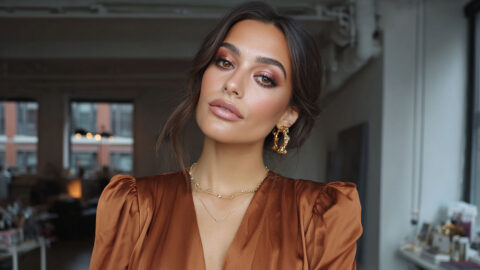
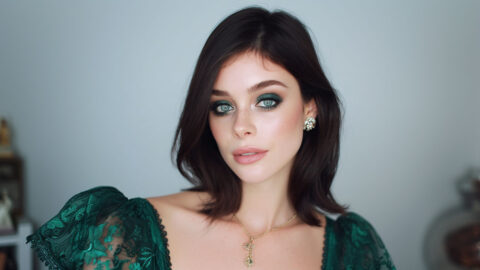
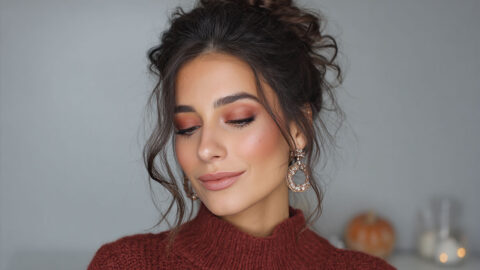
Pink accounts for over a quarter of all lip product sales globally. It outsells red. And yet, most people grab a pink lipstick and wing it without thinking about the full face.
The right makeup looks with pink lipstick start with the shade, but they don’t end there. Your undertone, your blush pairing, your eye makeup, and even your lip finish all shift depending on which pink you pick.
This guide breaks down specific looks built around pink lip color, from soft everyday wear to bold fuchsia statements, monochromatic faces, and occasion-based pairings. You will also find shade recommendations by skin tone, application techniques that actually hold up, and the common mistakes that make pink lipstick look off instead of flattering.
What Makes Pink Lipstick the Base of a Full Makeup Look

Pink lipstick is the most popular lip shade globally, accounting for over 25% of all lip product sales in 2025 (TheIndustry.beauty). That is not a minor stat. It means one in four lip products sold lands somewhere on the pink spectrum.
But wearing pink lipstick and building a full look around it are two different things.
When pink is your starting point, every other product on your face follows its lead. Your blush, eyeshadow, bronzer, even your highlighter shift depending on whether you picked a dusty rose, a hot fuchsia, or a barely-there nude pink.
The reason pink functions as a base rather than just a color choice comes down to undertone range. Pink sits between red and white on the color wheel, but real-world pink lipsticks pull blue, coral, peach, mauve, or berry depending on their formulation. Your lipstick color choice determines the entire direction of the face.
Cool-based pinks (blue undertone) push the rest of your makeup toward silver highlights, plum-toned blush, and grey-taupe eyeshadows.
Warm-based pinks (coral or peach undertone) pair better with golden bronzer, peachy cheeks, and copper or champagne eye looks.
This is why the same pink shade looks completely different on two people. A cool-toned fuchsia on warm skin reads slightly orange. A warm-toned coral pink on cool skin can look muddy. TRI Princeton’s color science research confirms this: even after multiple layers of the same lipstick, your skin’s undertone still acts as a filter on how the shade appears.
Charlotte Tilbury built an entire business around this principle. Her Pillow Talk shade became one of the best-selling lipsticks globally because it sits in a neutral-warm pink range that flatters the widest number of skin tones. But even Pillow Talk doesn’t work on everyone, and that’s the point. Pink demands you understand your undertone before you build around it.
Soft Everyday Pink Lip with Minimal Makeup

This is the look most people actually want when they search for pink lipstick ideas. Something low-effort, flattering, and hard to mess up.
The goal here is a “my lips but better” shade paired with the least amount of product needed to look put together. Grand View Research data shows the under-20 demographic leads global lipstick revenue share, and this age group gravitates heavily toward natural-looking makeup. But the everyday pink lip isn’t age-specific. It works at 22 and at 55.
Shade Selection for the Everyday Pink Lip
Look at your bare lips. Find a shade one to two tones deeper. That is your everyday pink.
For fair skin, that usually means a soft rose or muted mauve. Medium complexions pull off dusty pinks and warm rose tones. Deeper skin tones look best in berry-pinks or rich rose shades that actually show up without looking ashy. You can check lipstick shades for fair skin or lipstick shades for dark skin for specific product picks by complexion.
MAC Brave, Clinique Almost Lipstick in Pink Honey, and Rare Beauty’s Soft Pinch Tinted Lip Oil all land in this territory. They are sheer enough to forgive imprecise application and pigmented enough that people notice something is there.
Building the Rest of the Face
The everyday pink lip works best when the rest of the face stays quiet.
Base: A tinted balm or light-coverage foundation. Skip heavy concealer under the eyes unless you really need it. The point is skin showing through.
Cheeks: Match your blush family to your lip family. Pink lip, pink blush. Not identical, just in the same temperature. Cream blush works well here because it blends into skin and mimics a natural flush.
Eyes: One wash of warm shadow across the lid, brown mascara instead of black, groomed brows. Took me years to figure out that brown mascara makes an everyday look feel ten times more natural than black does. Your mileage may vary, but try it once.
The most common mistake with this look? Going too bare everywhere else and having the lip read as “unfinished” instead of “effortless.” A little blush and mascara bridge that gap.
Bold Fuchsia Lip with Neutral Eyes

Hot pink lipstick is not subtle. It draws the eye immediately. And that is exactly the point.
The strategy with a fuchsia or bright pink lip is to let the lip do all the talking. When you pair a bold pink with neutral, barely-there eyes, the contrast is what makes the look feel intentional rather than overdone. Baby pink is back as one of 2025’s top lip colors (StyleCaster), and its bolder cousin, fuchsia, is right there with it.
Finding Your Fuchsia
Not all hot pinks are the same. The right one depends on your skin tone.
| Skin Tone | Best Fuchsia Shade | Why It Works |
|---|---|---|
| Fair | MAC Candy Yum-Yum | Blue-pink base brightens pale skin without washing it out |
| Medium | Fenty Beauty Candy Kiss | Balanced warmth that doesn’t compete with olive or golden undertones |
| Deep | NARS Schiap | High pigment with a cool fuchsia base that pops beautifully on dark skin |
If you are unsure about your undertone, lipstick shades for warm undertones or cool undertone lip colors break it down further.
Eyes and Base for a Bold Pink Lip
Keep the eyes matte and skin-toned. A single eyeshadow shade that matches your skin, clean liner along the lash line, and well-shaped brows. That is the formula.
Applying a neutral eyeshadow correctly here means blending one flat shade from lash line to crease. No shimmer, no cut crease, no drama. The lip is the drama.
One thing that really helps: use concealer around the edges of your lipstick to clean up the lip line. Bright pinks show every wobble. A small concealer brush and a dab of product along the vermilion border makes the whole look sharper. Especially if you are working with a matte formula, which tends to be less forgiving than satin or gloss.
Matte fuchsia reads more structured and editorial. Glossy fuchsia reads more playful and youthful. Same shade, completely different mood. The matte lipstick segment is projected to grow at a 7.81% CAGR through 2030 (Mordor Intelligence), which tells you matte finishes are not going anywhere soon.
Pink Monochromatic Makeup
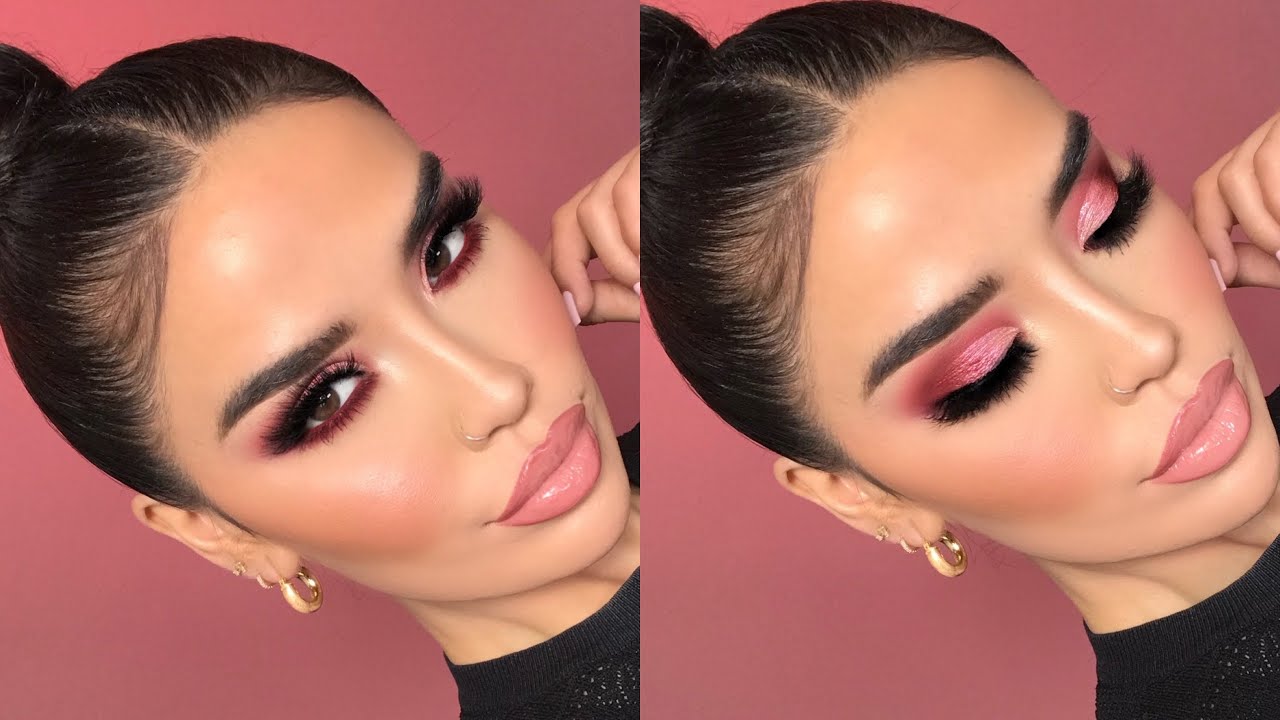
Monochromatic pink means using pink on the eyes, cheeks, and lips. One color family across the whole face. It sounds simple, and in practice it kind of is, but the details matter more than you think.
This look blew up on TikTok through the coquette beauty trend, which racked up 1.7 billion views and leaned heavily on pink-toned monochrome faces. The idea migrated quickly from social media to everyday wear because, well, it genuinely looks good on most people when done right.
How to Build a Pink Monochrome Face
Pick one pink family and stick with it. Do not mix a cool baby pink eye with a warm coral lip. They will fight each other.
Step one: Choose your pink temperature. Cool pinks (rose, fuchsia, berry) or warm pinks (peach-pink, coral, salmon). Then pull every product from that same range.
Step two: Vary the intensity by placement. Lightest shade on the eyes. Medium on the cheeks. Deepest on the lips. This creates dimension instead of a flat wall of color.
Step three: Vary the texture. Matte eyeshadow, satin blush, glossy lip. Texture variation is the difference between “cohesive” and “costume.”
Rare Beauty’s Soft Pinch Liquid Blush works as both cheek and eye color in this kind of look. ILIA’s Multi-Stick does the same. Multi-use products make monochrome easy makeup looks simpler because you are literally using one thing across multiple features.
Cool Pink vs. Warm Pink Monochrome
Cool pink monochrome leans into rose, mauve, and berry. It photographs beautifully but can wash out fair skin if you go too pale. Add a bit of bronzer to warm the face back up if needed.
Warm pink monochrome pulls peachy and coral. It is more forgiving on a wider range of skin tones and tends to look more “natural” even though you are wearing color everywhere. If you are drawn to spring lipstick shades, warm pink monochrome is a natural fit.
At least in my experience, warm pinks are easier to pull off for beginners. Cool pinks require more precise shade matching or they start looking bruised rather than rosy, especially around the eyes.
Glam Pink Lip with Smoky or Dramatic Eyes
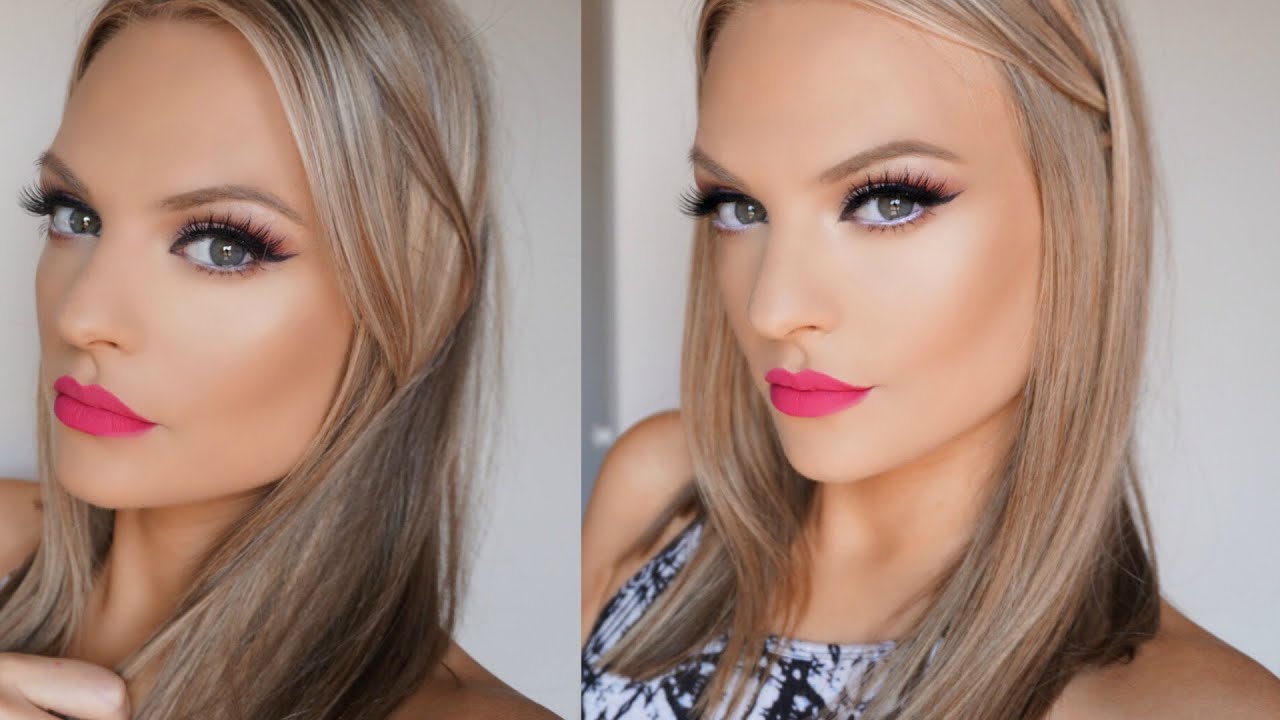
The old “rule” was: bold lip OR bold eye, never both. That rule gets broken constantly now and has been for years.
Pairing a pink lip with a smoky or dramatic eye does work. But it works under specific conditions. The intensity of the lip and the intensity of the eye need to balance, not match. If both are screaming at full volume, the face looks muddy.
Smoky Eye Colors That Work with Pink Lips
Plum and burgundy: These share red pigments with pink, creating a connected color story instead of two competing focal points.
Bronze and copper: Warm metallics on the eye paired with a satin pink lip give a night-out-ready look without heaviness.
Charcoal (not jet black): A softer smoky eye keeps things dramatic but doesn’t overpower a pink lip the way a pitch-black smoky eye might.
Avoid matching pink eyeshadow with pink lipstick in a glam context. That crosses from “smoky eye with pink lip” into monochrome territory, and those are different looks entirely.
Balancing Intensity Between Eyes and Lips
If the eye is heavy, pull the lip back one notch. Use a satin or glossy lipstick rather than a matte. The slight sheen softens the lip so it doesn’t compete as hard with dark, smudged shadow.
If you want a fully matte pink lip with a smoky eye, then the eye needs to be the softer partner. A diffused, blended-out smoky look in taupe or mauve rather than a sharp, heavily lined dramatic eye.
Lashes and brows are the bridge between the two. Full lashes (falsies or a good volumizing mascara) and strong brows tie the eye and lip together so neither looks disconnected from the rest of the face. Applying mascara with intention here, not just swiping once, actually matters. Build three to four coats on the outer lashes to create a fan shape that opens the eye.
This is the kind of look where the party makeup approach pays off. A little extra time on blending, a little more product, a final check under good lighting.
Pink Lipstick Looks for Different Skin Tones
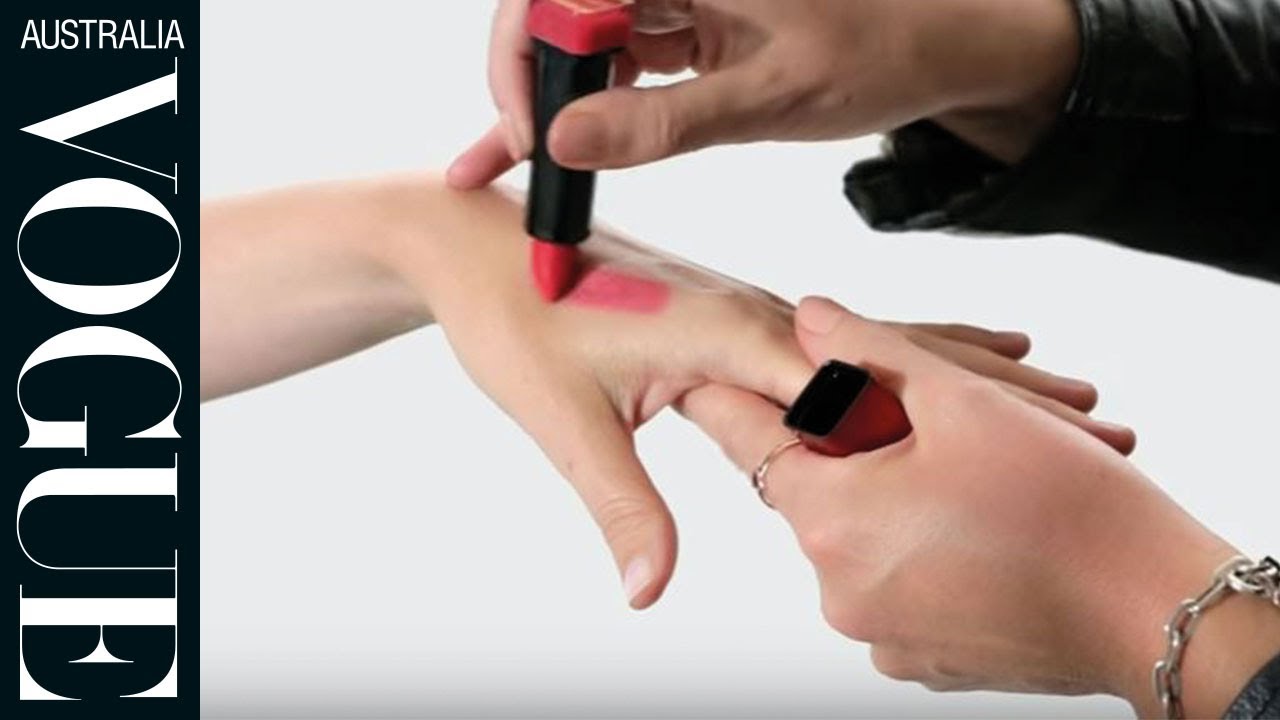
Pink is the most undertone-sensitive color in the entire lipstick family. A red can lean warm or cool and still look fine on most people. Pink is pickier. The wrong pink on the wrong skin tone looks off instantly, and most people can’t pinpoint why. They just know it doesn’t look right.
Pink Lipstick on Fair Skin
Fair skin and pink lipstick should be an obvious pairing, but it is actually tricky. Too-pale pinks disappear. Too-bright pinks overwhelm.
The sweet spot is soft rose, mauve-pink, and cool berry shades with medium pigmentation. Matte formulas for fair skin work well because matte reflects less light and gives the lip more definition on lighter complexions.
Avoid anything neon or extremely warm coral if your undertone runs cool. It will clash with your natural coloring and make your skin look sallow.
Pink Lipstick on Medium and Olive Skin
Medium skin tones and olive complexions have both warm and cool elements working simultaneously. That can make shade matching feel unpredictable.
Best bets: Warm roses, dusty mauves, and coral-pinks that have enough warmth to not look ashy but aren’t so orange they read as coral lipstick instead of pink. Lip shades for olive skin that work specifically tend to have a balanced undertone rather than pulling hard in either direction.
Fenty Beauty’s shade range does well here because Rihanna designed it with medium-to-deep skin tones as a priority rather than an afterthought.
Pink Lipstick on Deep Skin
Bright, high-pigment pinks look incredible on deep skin. Berry-pinks, vivid fuchsia, and magenta all show up beautifully when the formula has enough color density.
The problem is not finding a shade that looks good. The problem is finding one that shows up at all. Sheer pink lip gloss or light-coverage tints often disappear on deeper complexions, leaving behind just a slight sheen with no visible color.
Go for opaque or buildable formulas. Matte lipstick formulated for dark skin tends to deliver the best payoff because matte formulas pack more pigment per layer. Pat McGrath Labs and NARS consistently get this right with pinks designed to perform on deep tones.
The Lip Liner Trick That Fixes Almost Any Pink
If a pink lipstick looks slightly off on your skin, lip liner can correct it.
A liner one shade deeper than your lipstick, applied all over the lip and blended before the lipstick goes on top, adjusts the color closer to your natural lip tone. It functions like a tinted primer for your mouth. Choosing the right liner shade makes the difference between a pink that sits on top of your lips and one that looks like it belongs there.
This is honestly the most underused fix for pink lipstick that pulls the wrong way on your skin. Instead of returning the product, try layering it over a corrective liner first.
Lip Finishes That Change the Entire Look

Same shade. Different finish. Completely different makeup look.
This gets overlooked constantly. People obsess over finding the perfect pink shade and forget that how the lipstick sits on the lip changes the entire face. The satin finish segment held 43.41% of the lipstick market share in 2024, according to Mordor Intelligence, while matte formulas are growing fastest at a 7.81% CAGR through 2030.
Finish is not a minor detail. It is the mood of the look.
Matte Pink
Structured, editorial, longest-lasting. Matte pink reads intentional. It holds its shape for hours and photographs cleanly because it doesn’t reflect light.
The catch is that matte formulas dry down and can feel stiff. Modern versions from brands like Charlotte Tilbury and Pat McGrath Labs use moisture-locking bases to fix this, but cheaper matte lipsticks still crack after a few hours. Wearing matte lipstick without dryness takes a bit of prep, starting with keeping lips hydrated before application.
Best for: bold looks, long events, photography.
Glossy Pink
The global lip gloss market hit $3.99 billion in 2024 (SkyQuest Technology), and glossy finishes are projected to reach over $6 billion by 2033.
Glossy pink looks youthful, fresh, and easy. It reflects light, makes lips appear fuller, and pairs naturally with dewy skin looks. But gloss moves. It transfers to cups, teeth, hair. It is not a “set and forget” finish.
If you like the idea of shine without the stickiness, try layering lip gloss over a pink lipstick rather than wearing gloss alone. You get the color payoff of lipstick with the sheen of gloss on top.
Satin and Cream
This is what most people actually want for daily wear and don’t realize it has a name.
Satin lipstick and cream formulas sit between matte and gloss. Comfortable, decent staying power, enough sheen to look healthy without being slippery. Satin holds the largest market share for a reason: it is the path of least resistance.
MAC’s Lustre and Amplified finishes fall here. So does the Clinique Almost Lipstick line. These are the “grab and go” formulas that work when you don’t want to think too hard about your lip look.
Ombre and Gradient Pink Lips
The K-beauty gradient lip concentrates color at the center of the mouth and fades it outward, giving a soft, bitten look. This technique originated in Korean beauty culture and is a basic daily look for most Korean women rather than a “trend.”
You need two products: a lip stain or tint in a deeper pink for the center, and a lighter shade or concealer for the outer edges. Creating ombre lips with pink is especially forgiving because the soft color transition looks natural even if your blending isn’t perfect.
| Finish | Best Pink Pairing | Overall Vibe |
|---|---|---|
| Matte | Bold fuchsia, deep rose | Editorial, polished |
| Glossy | Baby pink, nude pink | Youthful, casual |
| Satin/Cream | Dusty rose, mauve | Everyday, versatile |
| Gradient/Ombre | Any pink tint + concealer | Soft, K-beauty inspired |
Pink Lipstick Looks for Specific Occasions

The same pink lipstick that works for brunch will not work for a wedding. Context changes the rules.
Different settings have different lighting, different expectations, and different endurance requirements. A lipstick that photographs well under flash may look flat in office fluorescents. A shade that reads “polished” at a dinner may read “too much” in a morning meeting.
Work and Professional Settings
Rule of thumb: if you can see the lipstick from across a conference room, it is probably too bold for most workplaces.
Dusty rose, mauve-pink, and muted berry shades read polished without drawing attention. Nude-toned mattes work well here. A professional makeup look with pink lipstick should look deliberate but quiet.
Skip anything neon, glittery, or heavily glossy in a corporate environment. Save those for after hours.
Weddings and Formal Events
Weddings demand longevity. You will eat, drink, talk, hug, possibly cry. Your lipstick has to survive all of that.
A long-wearing pink lip starts with applying lip liner across the entire lip surface as a base, then layering lipstick on top, blotting, and reapplying. Setting lipstick with translucent powder through a tissue adds hours to its lifespan.
For photography, avoid anything too frosty or pearlescent. Flash bounces off shimmer and can wash the lips out in photos. Satin or matte finishes photograph cleanest.
Date Night
Date night pink falls into one of two categories: the “I barely tried” look and the “I absolutely tried” look. Both are valid.
Understated option: A sheer lipstick or tinted balm in warm pink, paired with a soft glam face. Clean, approachable, low maintenance.
Statement option: A bold pink satin lip with minimal eye makeup. Confident, direct, memorable. Date night makeup is one of the few contexts where a brighter pink feels right even in low lighting, because restaurant and bar lighting tends to be warm and will mute the shade slightly.
Pink Lip for Photography and On-Camera
Flash photography adds brightness and reduces visible color. That means any pink lipstick will look lighter on camera than it does in the mirror.
Go one shade deeper than what you would normally pick. A medium rose in person looks like a nude pink on camera. A bold fuchsia softens to a flattering bright pink under flash.
Avoid SPF in lip products for photography. Titanium dioxide and zinc oxide (common in SPF formulas) cause a white flashback effect under direct flash. If you need sun protection at an outdoor event, apply it early, blot, and layer non-SPF lipstick on top for photos.
Products and Tools for Clean Pink Lipstick Application

A pink lipstick look lives or dies on application. Poor technique turns a beautiful shade into a smudgy mess within an hour. This is true for any lip color, but pink shows imprecision faster because it sits in a lighter color range where edges and feathering are more visible.
Lip Liner as the Foundation
Lip liner is not optional for most pink shades. Period.
A long-lasting liner acts as a barrier against bleeding and gives the lipstick something to grip onto. Line the lips, then fill in the entire lip surface with the liner before applying lipstick on top. This doubles wear time and prevents the patchy fade-out that happens with lipstick alone.
Keep your liner sharp for precision. A blunt tip creates a thick, uneven line that makes the lip shape look amateur. And make sure to prep your liner for longevity if you are relying on it to hold things together through a long day.
Application Technique by Formula
| Formula | Best Application Method | Why |
|---|---|---|
| Bullet lipstick | Lip brush for edges, direct for fill | Brush gives precision at borders |
| Liquid lipstick | Built-in doe foot, thin layers | Thick application causes cracking |
| Lip stain | Finger dab from center outward | Mimics natural flush |
| Gloss | Direct from tube or wand | No precision needed |
The blot-and-reapply method works for any finish except stains. Apply one layer, press lips into a tissue, apply a second layer. Two thin coats last longer than one thick coat and sit more evenly on the texture of the lip skin.
Prep That Prevents Problems
Skipping lip prep is probably the biggest reason pink lipstick looks bad after two hours.
Exfoliate first. Not every time, but if your lips are flaky, a gentle scrub removes dead skin that catches pigment unevenly. Exfoliating lips naturally with a sugar scrub or damp washcloth takes thirty seconds.
Moisturize, then wait. Apply balm at the start of your makeup routine so it absorbs while you do the rest of your face. By the time you reach lips, the moisture has soaked in without leaving a slippery layer that makes lipstick slide. A solid lip care routine before makeup application is honestly the most underrated step in any lip look.
If you deal with chronic dryness, check out tips for caring for dry lips before reaching for matte products that will just make the problem worse.
Common Mistakes with Pink Lipstick Looks
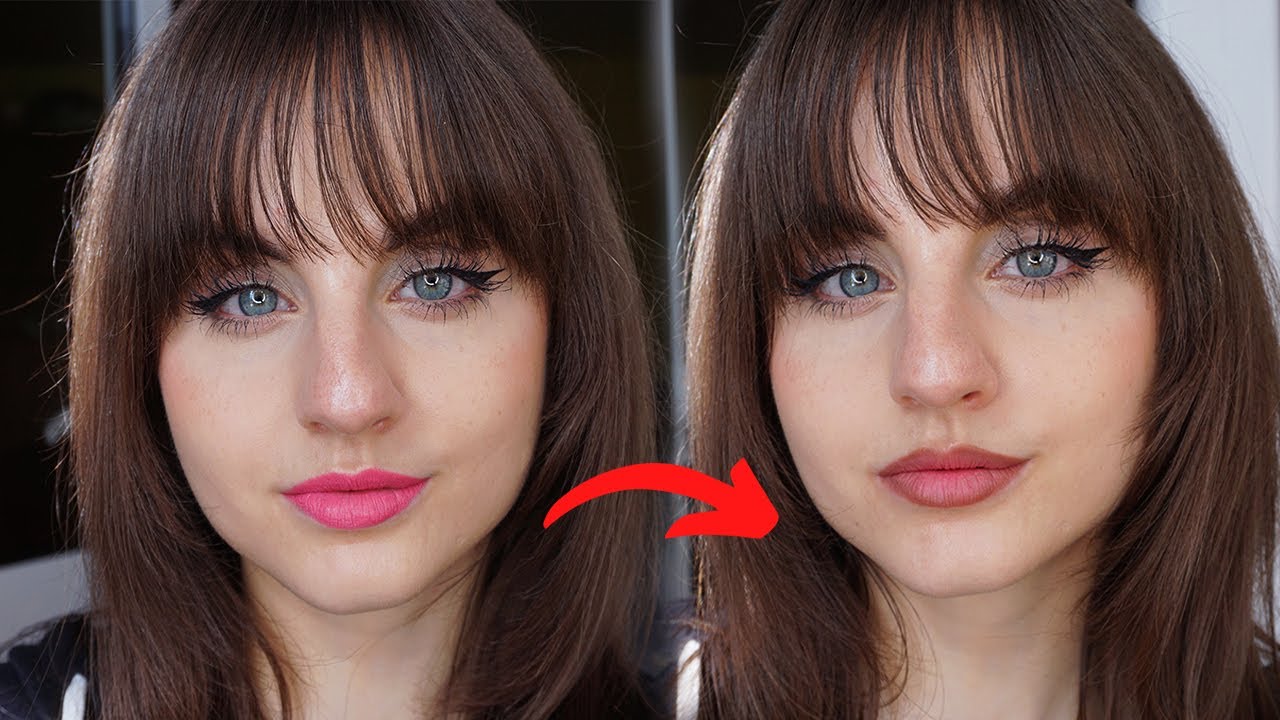
Pink lipstick has more ways to go wrong than red does. Red is forgiving because it is bold enough to override small application errors. Pink sits in a softer range where mistakes are visible and harder to camouflage.
These are the problems I see most often, and most of them are fixable once you know what to look for.
Choosing the Wrong Undertone
This is mistake number one. A cool-toned pink on warm skin looks grey. A warm-toned pink on cool skin looks muddy. Neither is flattering, and most people blame the shade when the real issue is the undertone.
Quick test: Swipe lipstick on your inner wrist and wipe it with a tissue. If the stain left behind is blue or purple, the shade is cool-toned. If it is orange or brown, it is warm. Match to your skin’s undertone and most pink lipstick problems disappear.
If you are still stuck, lipstick choices for neutral undertones split the difference and tend to work for people who can’t figure out which camp they fall into.
Over-Matching Blush to Lipstick
Matching your blush exactly to your lip color seems logical. In practice, it makes your face look flat and one-dimensional.
Your blush and lip should be in the same family (warm pink blush with warm pink lip) but not the same exact shade. A slightly lighter or slightly more muted blush on the cheeks lets the lip remain the focal point. Knowing how to place blush on your face shape also changes how much the blush competes with the lip.
Skipping Lip Liner on Light Pinks
Light pinks bleed faster than dark shades. The lighter the pigment, the more fluid the formula tends to be, and fluid formulas migrate outside the lip line within an hour. Preventing lipstick from feathering starts with liner, not lipstick.
Even a clear or nude liner creates enough of a barrier. You don’t need a perfect color match. You need a wax-based edge that the lipstick can’t cross.
Ignoring the Teeth Factor
Some pinks make teeth look whiter. Others make teeth look yellow. The difference is undertone.
Blue-based pinks (fuchsia, raspberry, cool rose) cancel out yellow tones in teeth through basic color theory. Orange-based pinks (coral, peach, warm salmon) amplify yellow. If making teeth look whiter with lipstick matters to you, stick with cool-toned pinks and avoid anything that leans coral.
Glossy finishes also help here. Gloss reflects light and creates a distraction that draws the eye to the lip surface rather than to the teeth behind it.
Using the Same Eye Look for Every Pink Shade
A nude pink lip with a heavy smoky eye looks great. A fuchsia lip with that same heavy smoky eye looks like too much.
Different pink intensities need different eye treatments. Scale your eye makeup in the opposite direction of your lip intensity. Bold lip, soft eye. Soft lip, stronger eye. If you want help figuring out what eye looks pair best with specific lip colors, browsing bright pink lipstick ideas or checking out full pink makeup looks can give you a visual starting point.
That said, rules are meant to be broken. If you want a hot pink lip with a dark smoky eye for a concert or a night out, go for it. Just know it is a deliberate choice, not a default one.
FAQ on Makeup Looks With Pink Lipstick
What pink lipstick shade looks good on everyone?
Dusty rose and mauve pink flatter the widest range of skin tones. These shades sit in a neutral undertone range that works with both warm and cool complexions. No single shade is truly universal, but these come closest.
How do I choose the right pink lipstick for my skin tone?
Check your undertone first. Cool undertones suit blue-based pinks like raspberry and fuchsia. Warm undertones pair better with coral-pinks and peach tones. Neutral undertones can go either direction depending on the look.
What eye makeup goes with pink lipstick?
It depends on the lip intensity. A bold pink lip pairs best with neutral, matte eyeshadow. A softer nude pink lets you go heavier on the eyes with bronze, plum, or a smoky look.
Can I wear pink lipstick with a smoky eye?
Yes, but balance matters. Use a satin or glossy pink finish so the lip doesn’t compete with heavy eye makeup. Charcoal or plum smoky eyes work better with pink than jet black does.
What blush color works with pink lipstick?
Stay in the same color family but don’t match exactly. A warm pink lip works with a slightly lighter peach-pink blush. Cool pink lips pair well with soft rose or mauve cheeks for a cohesive look.
How do I stop pink lipstick from bleeding?
Apply lip liner over the full lip surface before lipstick. This creates a wax barrier that prevents feathering. Light pink shades bleed faster than dark ones, so liner is especially critical with paler colors.
Does pink lipstick make teeth look yellow?
Warm-toned pinks like coral and peach can amplify yellow in teeth. Cool-toned pinks with blue undertones, such as fuchsia and raspberry, have the opposite effect and make teeth appear whiter through color contrast.
What is the best pink lipstick finish for everyday wear?
Satin or cream finishes work best daily. They are comfortable, need minimal touch-ups, and don’t dry out lips like matte can. Brands like MAC and Clinique offer reliable everyday satin formulas in the pink range.
How do I do a monochromatic pink makeup look?
Use pink on eyes, cheeks, and lips from the same color family. Vary the intensity: lightest on the eyes, medium on cheeks, deepest on lips. Mix textures (matte lid, satin cheek, glossy lip) to add dimension.
What is the K-beauty gradient lip and can I do it with pink?
The gradient lip concentrates color at the center of the mouth and fades it outward. Pink is the most popular shade for this technique. Apply a deeper pink tint to the center and blend outward with your finger.
Conclusion
Building makeup looks with pink lipstick comes down to three things: getting the undertone right, matching the finish to the occasion, and letting the rest of your face support the lip rather than compete with it.
Whether you lean toward a matte fuchsia for a night out or a satin dusty rose for the office, the shade selection process stays the same. Know your skin tone. Pick your pink family. Build outward from there.
Lip liner, proper prep, and texture variation between eyes, cheeks, and lips separate a polished pink lip look from one that fades or bleeds within the hour.
Start with one look that fits your routine. A soft everyday pink or a monochromatic face are the easiest entry points. Once the basics feel natural, experiment with bolder shades and more complex pairings.

She started writing on the site after fielding the same questions from clients and friends often enough to just write the answers down: which red won't turn orange on a warm undertone, how to keep lipstick from feathering into fine lines, why a "12-hour" formula rarely survives dinner.
Every review on the site follows the same rule she uses with paying clients: wear it first, then decide if it's worth recommending.
- How to Make Eyeliner Last Longer Without Smudging - August 31, 2026
- How to Make Eyeshadow Last Longer All Day - August 29, 2026
- How to Find Your Undertone in 5 Easy Steps - August 27, 2026