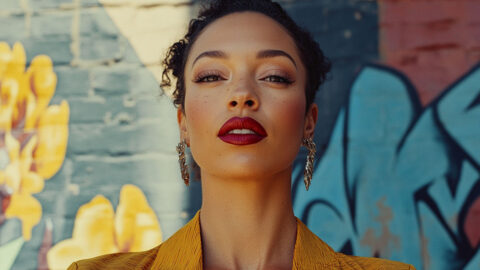
Glossy lipstick outsells every other lip finish right now, and there’s a good reason for that. But what is glossy lipstick, exactly, and how does it differ from lip gloss or a standard cream lipstick?
The answer goes deeper than just “lipstick with shine.” Formula, ingredients, wear time, and application technique all change depending on the finish you pick.
This guide breaks down everything about glossy lipstick: what’s in it, how it compares to matte and satin finishes, which brands do it best, and how to apply it without the smudging and feathering that glossy formulas are known for. Whether you’re dealing with dry lips or just want that wet-look finish without layering two products, you’ll find what you need here.
What Is Glossy Lipstick

Glossy lipstick is a pigmented lip color product that delivers a wet-look, high-shine finish directly from the bullet or tube. It combines the color payoff of traditional lipstick with a reflective, light-catching surface that makes lips look hydrated and full.
That’s the short version. But it gets more specific than that.
Unlike standalone lip gloss, which is usually a separate product layered on top of bare lips or over lipstick, glossy lipstick builds the shine into the formula itself. One product. One step. Color and sheen together.
The finish sits somewhere between a flat matte lipstick and a pure gloss. You get pigment that actually shows up, plus that slick, luminous look without needing to carry two products in your bag.
The global lipstick market was valued at roughly $9.5 billion in 2024, according to Allied Market Research, with glossy and shimmer finishes driving a significant share of that demand. The glossy segment specifically led in lip gloss market revenue in 2024, per Data Bridge Market Research, thanks to consumers wanting hydrated, shiny lips that add volume and softness.
Glossy lipstick typically feels creamy and smooth on the lips. It glides on without the drag or dryness you sometimes get with matte formulas. The trade-off? It doesn’t last as long. Most glossy lipsticks wear for about 2 to 4 hours before needing a touch-up, while matte formulas can push 6 to 10 hours.
But for a lot of people, that reflective finish and comfortable feel are worth the reapplication. Especially for everyday makeup where comfort matters more than staying power.
What Glossy Lipstick Is Made Of
The shine in glossy lipstick comes down to its lipstick ingredients. Specifically, the balance between oils, waxes, and film-forming agents that create that reflective, wet surface.
Base Oils and Emollients
Castor oil is the backbone of most glossy formulas. Its thick, sticky consistency gives superior adhesion and produces that signature sheen. Jojoba oil and mineral oil show up frequently too, adding slip and moisture without weighing the formula down.
Lanolin, shea butter, and coconut oil round out the emollient base. These soften the texture and keep lips from drying out during wear, which is why glossy lipstick generally feels more comfortable than matte.
Waxes That Give Structure
Without wax, you’d just have a puddle of oil. Beeswax and carnauba wax provide the solid structure that holds the bullet together while still allowing the glossy slip on application.
The ratio matters here. Too much wax and the lipstick loses its shine, leaning more toward a satin lipstick or cream lipstick territory. Too little and the product won’t hold its shape in the tube.
Film-Forming Agents and Shine Boosters
This is where glossy lipstick separates itself from other lipstick types.
Polybutene is a big one. This petroleum-derived polymer creates a flexible, shiny film on the lips that maintains gloss without cracking. Dimethicone (a silicone) adds smoothness and helps the formula resist transfer. Hydrogenated polyisobutene creates a non-greasy, high-gloss layer.
These film-formers are the reason glossy lipstick looks wet even hours into wear. They reflect light at the surface level, creating that mirror-like quality.
Pigments and Additives
Iron oxides handle most of the color work, producing the reds, browns, and warm tones. Mica adds shimmer and light reflection. Titanium dioxide creates opacity in lighter shades.
Many current formulas also include skincare ingredients. Hyaluronic acid for plumping, vitamin E as an antioxidant, and botanical extracts for conditioning. According to Pristine Market Insights, searches for hydrating lip products surged over 30% year-over-year, and brands are responding by loading glossy formulas with these extras.
Glossy Lipstick vs. Lip Gloss vs. Matte Lipstick
These three get confused constantly. They look different, feel different, and perform differently. Here’s how they actually compare.
| Feature | Glossy Lipstick | Lip Gloss | Matte Lipstick |
|---|---|---|---|
| Finish | Wet-look, reflective | High-shine, glass-like | Flat, zero shine |
| Pigment Level | Moderate to full | Sheer to medium | Full, opaque |
| Wear Time | 2-4 hours | 1-2 hours | 6-10 hours |
| Texture | Creamy, smooth | Slick, sometimes sticky | Dry, velvety |
| Format | Bullet or tube | Doe-foot applicator | Bullet or liquid |
When Glossy Lipstick Works Better Than Lip Gloss
Glossy lipstick wins when you want actual color with your shine. Lip gloss gives you that reflective, wet finish, sure. But most glosses are sheer or lightly tinted at best.
If you need your lip color to show up in a photo or carry across a room, glossy lipstick delivers more pigment in fewer swipes. It also tends to last longer, since the wax structure holds pigment to the lips better than a pure oil-based gloss.
And the practical angle: one product instead of two. No need to apply lip gloss over lipstick for that shiny effect when the shine is already built in.
When Matte Lipstick Is the Better Pick
Matte is your friend for long days. Weddings, work shifts, events where you can’t be pulling out a mirror every two hours.
Transfer resistance is the big advantage. Matte formulas set on the lips and stay put through coffee cups, face masks, and meals. Glossy lipstick will leave its mark on everything it touches.
Matte also photographs differently. It absorbs light rather than reflecting it, which means no hot spots or weird reflections in professional photos. For photoshoot makeup or formal makeup looks, matte tends to be the safer call.
The downside? Matte can feel dry and emphasize any cracks or flakes on your lips. Prep work with exfoliation and balm is basically mandatory. If you deal with chronically dry lips, check out tips for keeping lips moisturized with matte lipstick.
Types and Finishes of Glossy Lipstick

Not all glossy lipsticks look the same. The category covers a range of finishes, and brands name them differently, which makes things confusing. Here’s what actually exists.
Sheer Glossy Lipstick
Low pigment, high shine. Think of a tinted lip balm with more gloss. These wash your lips with a hint of color while keeping that natural, my-lips-but-better look.
Clinique Almost Lipstick is probably the most well-known example. Barely there color, loads of shine. Great for the clean girl makeup aesthetic or days when you want minimal effort.
Full-Coverage Glossy Lipstick
MAC Lustreglass Lipstick sits in this camp. Rich, saturated color that covers completely, but the finish is still wet and reflective. You get the color payoff of a traditional lipstick with a glossy topcoat baked into the formula.
This type works well for night out makeup looks and date night makeup looks where you want lips to really pop.
Vinyl and Lacquer Finishes
Vinyl finishes push the shine even further. Think patent leather for your lips. Ultra-reflective, almost glass-like. They often contain higher concentrations of polybutene and dimethicone to achieve that extreme sheen.
Lacquer finishes are similar but tend to set slightly, giving you a bit more staying power than a standard glossy formula. Pat McGrath Labs does lacquer-style lip products particularly well.
Cream-Gloss Hybrids
These sit right at the border between cream and gloss. Dior Addict Lipstick falls here. The texture feels rich and buttery, the coverage is buildable, and the finish has a soft, luminous quality without looking overtly shiny.
Credence Research data shows gloss lipsticks are surging in popularity, especially among younger buyers attracted to that voluminous, shiny effect. The hybrid approach gives brands a way to capture both the comfort seekers and the shine lovers in one formula.
How to Apply Glossy Lipstick
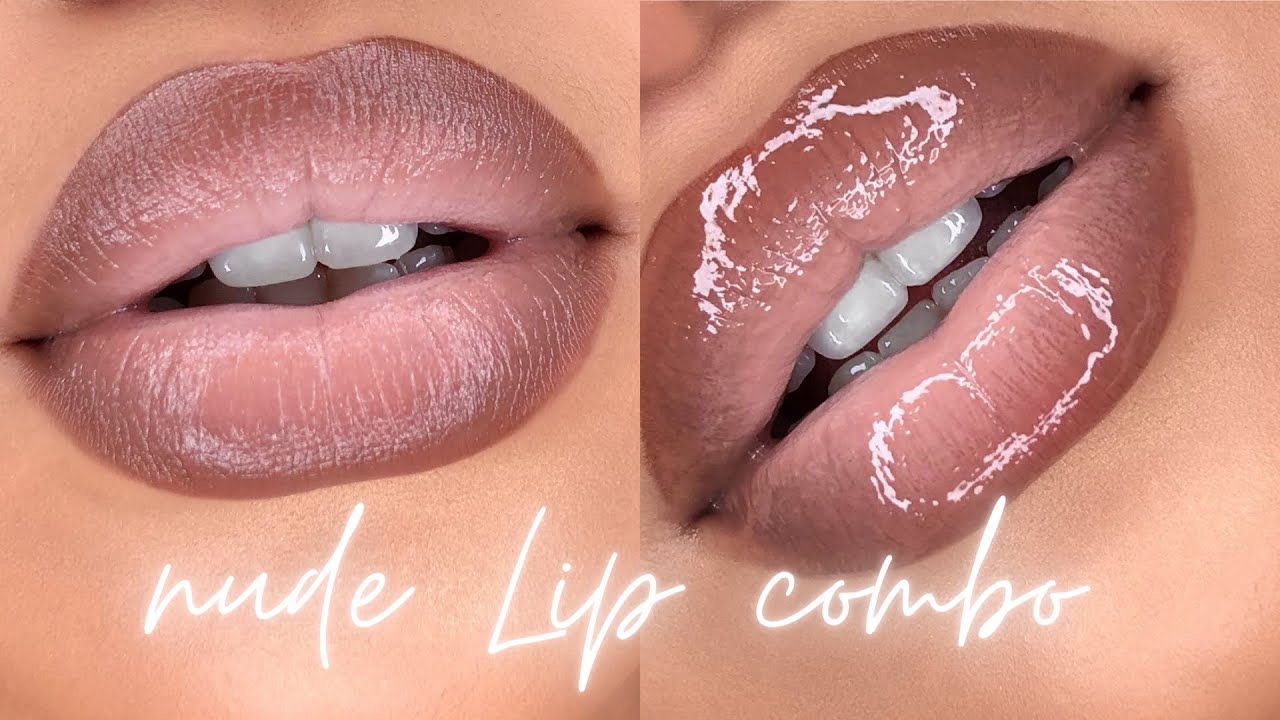
Application seems straightforward. Swipe it on, done. But glossy formulas are slippery by nature, so a little technique goes a long way toward keeping things clean and even.
Prep Your Lips First
Start by exfoliating your lips naturally with a gentle sugar scrub or a damp washcloth. Glossy lipstick magnifies texture. Every dry flake and crack shows up more because the reflective surface catches light across uneven areas.
Follow with a thin layer of lip balm and give it a few minutes to absorb. Blot any excess before applying color. If you skip this step and your lips are dry, even the best formula will look patchy. A solid lip care routine matters here more than with matte.
Line and Define
Glossy formulas slide. That’s just the reality. Using a lip liner creates a physical border that prevents color from migrating into fine lines around the mouth.
Match your liner to your lipstick shade or go one shade darker for slight definition. Focus on applying lip liner precisely along your natural lip line. For extra hold, fill in the entire lip with liner before layering glossy lipstick on top.
If you struggle with choosing the right lip liner, match it to the dominant undertone in your lipstick. Warm lipstick, warm liner.
Application Technique
Direct from the bullet works fine for casual application. Start at the center of your upper lip, follow the cupid’s bow, then fill outward. Do the same for the bottom lip. Press lips together to blend.
For more precision, use a lip brush. It gives you control over where the product goes, which matters with glossy formulas that can easily over-apply. Build in thin layers rather than one heavy coat.
How to Keep Glossy Lipstick from Smudging
The blot-and-layer method helps. Apply your first coat, press a single-ply tissue against your lips to absorb excess oils, then apply a second thin layer. This anchors the pigment while keeping the shine on the surface.
Avoid touching or pressing your lips together repeatedly after application. And here’s a trick that took me too long to figure out: making your lip liner last underneath gives the glossy layer something to grip onto, extending overall wear time by at least 30 to 45 minutes.
For the best results on longevity, look into techniques for making lipstick last longer that work across all finish types.
Best Skin Tones and Lip Shapes for Glossy Lipstick

Glossy lipstick works across the board. But certain shades and formulas look especially good depending on your undertone and natural lip shape.
Shade Selection by Undertone
Warm undertones pair well with coral, peach, warm nude, and brick-toned glossy lipsticks. These shades pick up the golden tones in your skin and amplify them. If you tend to gravitate toward warm lipstick colors, glossy finishes make those shades look even richer.
Cool undertones look best in berry, mauve, blue-based pinks, and wine shades. The shine of a glossy formula keeps these cooler tones from looking flat or harsh. For more options, explore lipstick colors for cool undertones.
Neutral undertones? You basically get to play in both directions. Dusty rose, soft nude-pink, and medium mauves are safe bets.
Why Glossy Lipstick Suits Certain Lip Shapes
Shine reflects light. Light reflection creates the visual illusion of volume. This is why glossy lipstick is frequently recommended for thinner lips, since the reflective surface makes them appear fuller without any filler or overlining.
If you have naturally full lips and want to tone down the volume, a sheer lipstick or matte finish might work better. But there’s no rule saying full lips can’t wear gloss. It just amplifies what’s already there.
For those with thinner lips looking for more ideas, check out tips on applying lipstick on thin lips and lipstick ideas for thin lips that specifically address how to maximize the plumping effect.
Deeper Skin Tones and Glossy Lipstick
Berry, plum, deep wine, and rich brown shades in glossy finishes look incredible on deeper skin tones. The shine adds dimension to these deeper colors, preventing them from reading too flat or muted.
Nude shades for darker skin should lean warm and match closely to your natural lip color, just a shade or two lighter. Going too pale creates an ashy, washed-out look that the gloss amplifies. For specific shade guidance, see lipstick colors for dark skin.
According to FASHION Magazine, today’s glossy lip products come in a much more inclusive shade range than in previous decades, with deep browns, berry tones, and corals designed to flatter all skin tones. The days of choosing between pink glitter and clear are long gone.
How Long Does Glossy Lipstick Last

Shorter than you want it to. That’s the honest answer.
Most glossy lipstick formulas wear for 2 to 4 hours before the shine fades and the color starts breaking down. Compare that to matte formulas that can push 6 to 10 hours without a touch-up, and the gap is pretty clear.
What Affects Wear Time
Eating and drinking are the biggest killers. The oils in glossy formulas transfer onto cups, forks, and napkins faster than any other lip product type. One meal and you’re basically starting over.
Oily skin around the lip line speeds things up too. If your skin produces excess sebum near the mouth, the glossy formula breaks down faster because the oils mix and loosen the product from where it was applied.
Formula thickness matters. Thinner, more liquid glossy lipsticks fade faster than thicker, wax-heavy formulas. Vinyl and lacquer finishes tend to hold up slightly better than sheer glossy versions because they contain more film-forming polymers.
Extending Glossy Lipstick Wear
| Technique | How It Helps | Extra Time |
|---|---|---|
| Fill lips with liner first | Creates pigment base under gloss | 30-60 min |
| Blot and reapply method | Anchors the first layer of color | 30-45 min |
| Use long-lasting lip liner underneath | Holds shape after gloss fades | 1-2 hours of color |
| Set with translucent powder | Reduces oil migration | 20-30 min |
The real trick? Accept that glossy lipstick is a reapplication product. Keep it in your bag. Touch up after coffee, after lunch, after anything involving your mouth. That’s just the deal you make when you choose shine over staying power.
For techniques that work across all formulas, the guide on making lipstick transfer proof covers the fundamentals well.
Popular Glossy Lipstick Products and Brands
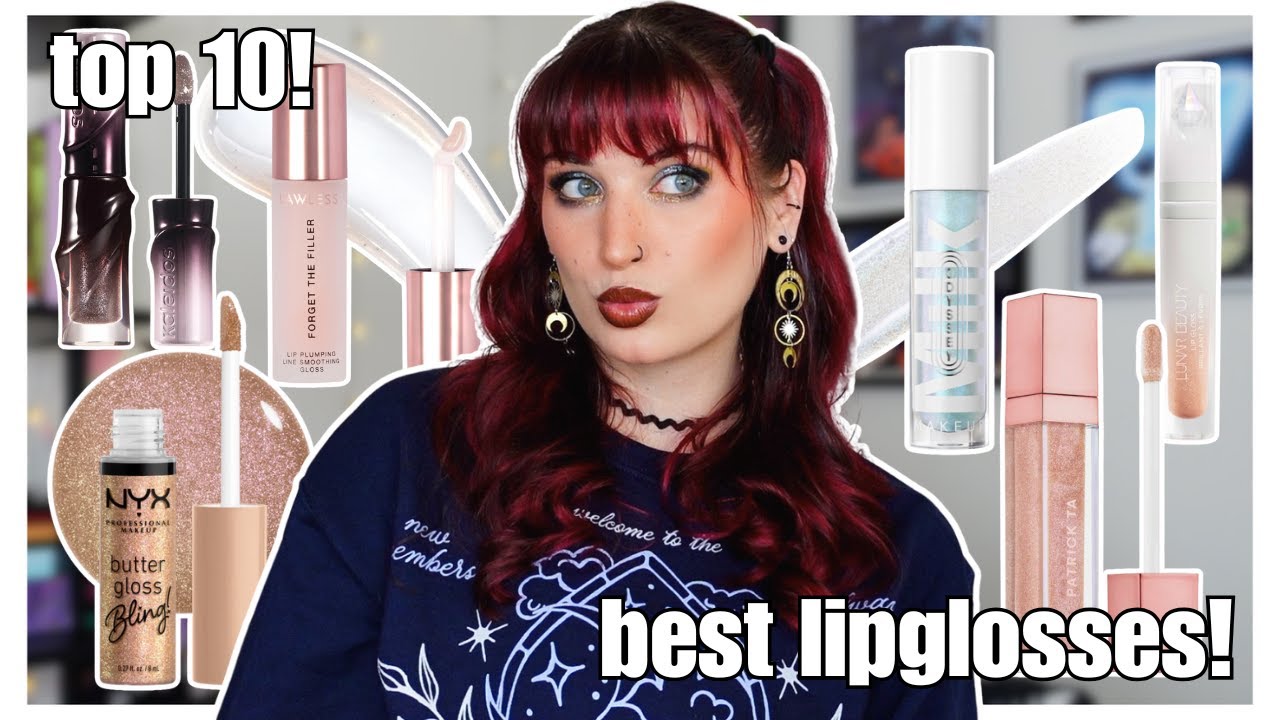
The price range for glossy lipstick runs from under $5 to over $40. Here’s what actually separates them, and which ones are worth looking at.
Drugstore Glossy Lipstick Options
Revlon Super Lustrous Lipstick has been around for decades and still holds up. The formula is creamy, the shade range is wide, and it costs around $7 to $10. Not the longest wearing, but solid for daily use.
Maybelline Color Sensational sits in similar territory. The pigment payoff is surprisingly good for the price, and the newer formulas include honey nectar for moisture.
NYX Butter Lipstick is another one worth trying. Lightweight, buttery texture, strong glossy finish. At around $7, it’s hard to beat for casual, everyday glossy lip color.
Mid-Range Picks
MAC Lustreglass Sheer-Shine Lipstick ($24) is probably the most talked-about glossy formula in this range. The blend of jojoba, raspberry seed, and coconut oils with hyaluronic acid gives it a skincare-meets-makeup feel.
Clinique Almost Lipstick in Black Honey became a viral sensation and remains one of the best-selling sheer glossy formulas on the market. Rare Beauty’s Soft Pinch Tinted Lip Oil bridges the gap between gloss and moisturizing lipstick, which is exactly what a lot of people are looking for right now.
High-End Glossy Formulas
Dior Addict Lipstick (around $42) gives a lacquer-like finish with strong color payoff. The packaging alone feels worth part of the price.
Pat McGrath Labs MatteTrance includes several shades that lean glossy rather than flat matte. At $38 per bullet, you’re paying for pigment quality and a formula that photographs extremely well.
Chanel Rouge Coco Flash sits at the luxury end. The formula is hydrating, the finish is glass-like, and the color range leans classic. Gucci Rouge a Levres offers a similar finish with more fashion-forward shade options.
What Separates Cheap from Expensive
Ingredient quality: Higher-end formulas tend to use botanical oils (jojoba, argan, raspberry seed) where drugstore versions rely more on mineral oil and petroleum-based emollients.
Pigment refinement: Luxury brands mill their pigments finer, which means smoother application and less streaking. You notice this most in darker shades where uneven pigment shows up fast.
That said, a $7 Revlon glossy lipstick and a $42 Dior one accomplish the same basic goal. The difference is in texture, packaging, and how the product feels during wear. If you’re picking a lipstick color for the first time in a glossy finish, starting at the drugstore level is smart.
Common Problems with Glossy Lipstick and How to Fix Them

Glossy lipstick has real drawbacks. The shine comes with trade-offs that you’ll deal with every time you wear it. Here’s what goes wrong and what actually helps.
Feathering into Fine Lines
This is the number one complaint from anyone over 30. The oils in glossy formulas migrate into the tiny lines around the mouth, pulling pigment with them.
The fix: Use a wax-based lip liner to stop feathering. Line your natural lip edge, then trace just outside with a colorless anti-feathering pencil. The wax creates a physical dam. Dusting translucent powder along the lip border adds a second layer of protection.
Hair Sticking to Lips
If you have any length of hair past your chin, you already know this one. Wind plus glossy lips equals hair glued to your mouth. It’s annoying and there’s no perfect solution.
Thinner formulas with higher silicone content (dimethicone) tend to be less tacky. Look for products labeled “non-sticky” or “weightless.” They won’t fully eliminate the problem, but they reduce it significantly.
On windy days? Just pin your hair back or switch to a lip stain with a thin layer of gloss on top for less surface tackiness.
Color Fading Unevenly
Why it happens: Glossy lipstick wears off from the center of the lips first (where most friction occurs from talking and eating), leaving a ring of color around the edges. The effect looks patchy and obvious.
Build your color in layers rather than one thick coat. Apply, blot with a tissue, apply again. This gives the inner lip area more pigment to work with before it starts wearing away.
If you want a no-fuss option that avoids this issue entirely, using a lip stain as a base gives you an even tint underneath. When the gloss wears off, the stain keeps things looking uniform.
Feeling Too Slippery
Some glossy formulas never really set. They just slide around, which makes eating awkward and touching your face a constant smear risk.
Blotting after application removes the surface oils while keeping the pigment. You can also try formulas closer to lacquer finishes, which have a slight setting action. And if comfort is a priority but you want some shine, making a matte lipstick glossy by dabbing a tiny amount of clear gloss on the center of your lips gives you control over exactly how slippery things get.
History of Glossy Lipstick

Glossy lips didn’t start with Instagram. The desire for shiny, reflective lip color goes back thousands of years. But the product as we know it has a much more specific origin story.
Ancient Origins
Ancient Egyptians used castor oil and animal fats to give lips a hydrated, luminous look. This wasn’t about beauty trends as much as protection from the desert climate, but the effect was the same: shiny lips that caught light.
Crushed minerals mixed with oils and beeswax showed up across multiple ancient cultures. The connection between shiny lips and perceived health, youth, and status was already established long before any cosmetics company existed.
Max Factor and the Birth of Modern Lip Gloss
The real turning point came in 1930, when Max Factor created the first commercial lip gloss for Hollywood film actresses. The product (originally called “lip pomade” and later named “X-Rated”) was designed to make lips look more luminous under harsh black-and-white film lighting.
Traditional lipstick looked flat on camera. Factor’s glossy formula caught studio lights and created dimension that translated to the screen. By 1932, the product was available to consumers, and the demand for glossy lip products among everyday buyers took off quickly.
The Disco Era Through Y2K
The 1970s turned glossy lips into a mainstream statement. The disco era embraced shimmer, pearl finishes, and ultra-shiny lip products that reflected light on the dance floor.
In 1973, Bonne Bell launched Lip Smacker, targeting younger consumers with flavored, affordable lip gloss. That product alone shifted glossy lip products from a niche Hollywood item to a mass-market staple.
| Decade | Gloss Trend | Key Brands |
|---|---|---|
| 1970s | Pearlescent shimmer, disco shine | Bonne Bell, Max Factor |
| 1980s | Bold colors, neon glosses | Revlon, MAC Cosmetics |
| 1990s-2000s | Frosted finishes, glitter gloss | Lancôme Juicy Tubes, Lip Smacker |
| 2015-2019 | Matte takeover, gloss declines | Kylie Cosmetics, ColourPop |
| 2020s | Glossy comeback, skincare hybrids | Glossier, Rhode, Rare Beauty |
The Matte Years and the Gloss Comeback
From roughly 2015 to 2019, matte liquid lipstick dominated everything. Kylie Cosmetics built its brand on matte lip kits. ColourPop, NYX, and dozens of others followed. Gloss felt outdated for a while.
Then the Y2K makeup revival hit. Gen Z started pulling beauty references from the late ’90s and early 2000s, and glossy lips were central to that look. Brands like Glossier and Rhode leaned into the trend hard.
According to Cleansery, lip gloss searches jumped 225% year-over-year in 2024. The TikTok hashtag #lipgloss hit over 8.2 billion views. Pristine Market Insights reports that roughly 75% of Gen Z makeup wearers now use lip gloss, making it the top lip product for that age group.
The glossy lip isn’t going anywhere. If anything, the current trend is pushing it further, with brands adding skincare ingredients, non-sticky textures, and better pigment loads to meet what today’s buyers actually want. And for those exploring how different finishes fit into a full look, the benefits of lipstick go well beyond just color on the lips.
FAQ on What Is Glossy Lipstick
Is glossy lipstick the same as lip gloss?
No. Glossy lipstick is a pigmented lip color with a built-in high-shine finish. Lip gloss is a separate product, usually sheer, applied alone or over lipstick. Glossy lipstick gives you color and shine in one step.
Does glossy lipstick last as long as matte?
Not even close. Glossy lipstick typically lasts 2 to 4 hours. Matte formulas can hold for 6 to 10 hours. The oils that create the shine also cause faster fading, especially after eating or drinking.
Is glossy lipstick good for dry lips?
Yes. Glossy formulas contain emollients like castor oil, shea butter, and lanolin that moisturize during wear. They feel more comfortable than matte lipstick on dry or chapped lips. Pair with a solid lip care routine for best results.
What ingredients make lipstick glossy?
Polybutene, dimethicone, and hydrogenated polyisobutene are the main shine-producing agents. These film-forming polymers reflect light across the lip surface. Castor oil and beeswax provide the base structure and additional sheen.
Can you make a matte lipstick look glossy?
Absolutely. Apply your matte shade first, let it set, then dab a clear gloss or lip oil on top. Focus the gloss on the center of the lips for a dimensional, plumped-up effect without losing all the matte color underneath.
Does glossy lipstick make lips look bigger?
It does. The reflective surface bounces light, which creates the visual illusion of fuller, more voluminous lips. This is why glossy finishes are commonly recommended for thinner lip shapes or anyone wanting a plumping effect without filler.
What is the best glossy lipstick for everyday wear?
MAC Lustreglass and Clinique Almost Lipstick are popular everyday picks. For drugstore options, Revlon Super Lustrous and NYX Butter Lipstick deliver solid glossy color at a lower price. Choose sheer formulas for the most effortless daily look.
Why does glossy lipstick feather around the mouth?
The oils in glossy formulas migrate into fine lines around the lips, pulling pigment with them. This happens more with age as lip lines deepen. Using a wax-based lip liner as a barrier before application prevents most feathering.
Is glossy lipstick in style right now?
Very much so. The Y2K beauty comeback brought glossy lips back in a big way. Gen Z drives much of the demand, and brands like Glossier and Rhode have built their lip product lines around the wet-look, shiny lip aesthetic.
How do you stop glossy lipstick from getting on everything?
Blot after applying to remove excess surface oils. Use a lip liner underneath for grip. Try lacquer-finish formulas that set slightly rather than staying slick. Full transfer resistance isn’t realistic with glossy products, but layering techniques help significantly.
Conclusion
Understanding what is glossy lipstick comes down to one thing: it’s a pigmented lip color with a reflective, wet-look finish built directly into the formula. No layering needed.
The trade-off between shine and longevity is real. Glossy formulas wear shorter than matte or satin alternatives. But the comfort, the hydration from ingredients like hyaluronic acid and vitamin E, and that light-catching luminous effect keep it as a go-to for millions of people.
Whether you reach for a $7 NYX Butter Lipstick or a $42 Dior Addict, the basics stay the same. Prep your lips, use a liner for clean edges, and accept that reapplication is part of the deal.
Glossy lipstick isn’t trying to be long-wear. It’s trying to make your lips look full, healthy, and alive. And it does that better than any other finish on the market right now.

She started writing on the site after fielding the same questions from clients and friends often enough to just write the answers down: which red won't turn orange on a warm undertone, how to keep lipstick from feathering into fine lines, why a "12-hour" formula rarely survives dinner.
Every review on the site follows the same rule she uses with paying clients: wear it first, then decide if it's worth recommending.
- How to Make Eyeliner Last Longer Without Smudging - August 31, 2026
- How to Make Eyeshadow Last Longer All Day - August 29, 2026
- How to Find Your Undertone in 5 Easy Steps - August 27, 2026