

Most lipsticks are meant to cover your natural lip color. A sheer one isn’t. It leaves a thin, see-through layer of pigment, and you can add more if you want it stronger.
What decides that is pigment load. A makeup chemist quoted by Makeup.com (2019) puts a sheer formula at under 5% pigment, against 5 to 10% in a typical lipstick.
The word sheer only describes coverage. Finish is a separate matter, so the same low-pigment stick can be glossy or matte.
Tinted lip balms, glosses and stains are separate products with their own bases and wear times.
What Is Sheer Lipstick?
A sheer stick leaves a translucent wash of color, and your natural lip tone shows through it. The low pigment load is the reason. A makeup chemist quoted by Makeup.com (2019) says these sticks are built much like any other, with far less color packed in.
The ranges that chemist gave run like this. Sheer lipstick sits under 5% pigment, a typical lipstick lands at 5 to 10%, and a bold, high-pigment one reaches 10 to 15%.
Brand labels don’t always follow that line. Lipstick Queen’s Saint Sheer, for example, lists 10% pigment on its Space NK page.
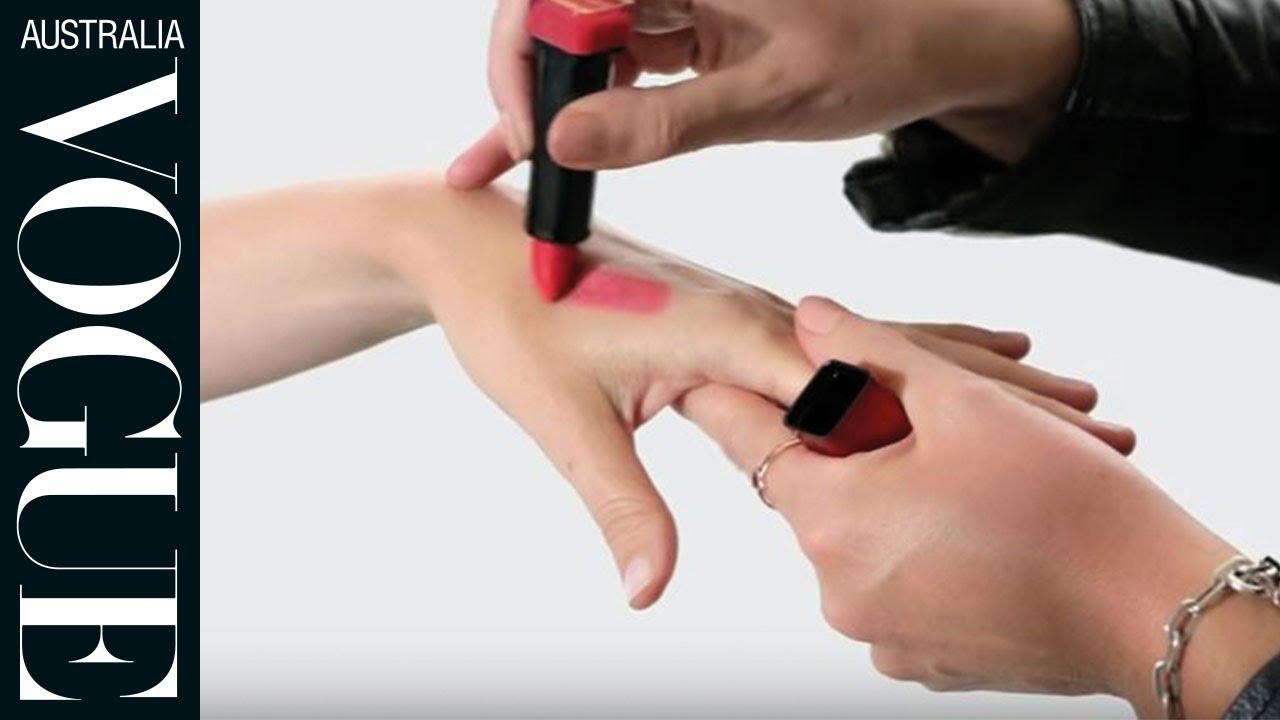
Less pigment means less coverage, which is the whole sheer effect. One swipe tints the lips and extra passes build the color up.
Among the many lipstick types, sheer is the one defined by how little color it deposits, not by how it looks.
Retailers label it a few ways, including sheer lip color and sheer-shine lipstick. It’s not a tinted balm, a gloss or a stain. Those use different bases and behave differently on the lip.
How Sheer Lipstick Is Formulated and Tested
The structure is the same wax, oil and pigment mix as any other stick, with the pigment cut below 5%. Makeup.com notes the lab work is a little different from making a regular lipstick, and a contrast card then checks whether the coverage is actually sheer.
What goes into the stick
Waxes give the stick its shape and heat stability, and beeswax, carnauba and candelilla are the usual picks. Oils carry the pigment and add gloss and moisture, with castor oil a common choice. Iron oxides and other colorants set the shade, titanium dioxide adds opacity, and mica brings shimmer when a formula wants it.
WebMD describes waxes as providing shape and a spreadable texture, with oils adding moisture. It also notes that more oil means a sheerer application, while less oil gives richer pigment. A broader rundown of the ingredients that go into lipstick covers the rest.
How the pigment load stays low
Opacity comes from the pigment system. TKB Trading’s November 2025 formulation note describes titanium dioxide as a white pigment that adds opacity and lists iron oxides as another route, with the catch that added white pigment also makes the shade slightly lighter.
So translucency mostly comes down to how much opacifier goes in.
Scale matters here. A bold, high-pigment lipstick at 10 to 15% carries at least double the pigment of a sheer formula under 5%.
How coverage is tested
Labs use a contrast card, a sheet of paper or plastic with a white side and a black side. The same card tests every lipstick, sheer or not (Makeup.com, 2019).
On a sheer pass, both the black and the white stay visible through the film. A full-coverage lipstick makes the background disappear completely.
A visual check suits the job. Opacity also depends on particle size and pigment concentration, per the same TKB note, so the percentage alone doesn’t tell the whole story.
Why sheer formulas often feel hydrating
Oil content is part of the reason. WebMD notes that more oil in a lipstick makes for a sheerer application, while less oil gives richer pigment.
MAC’s Lustreglass shows the pattern. Its Cult Beauty listing names jojoba, raspberry seed and coconut oils, plus shea butter and hyaluronic acid.
That comfort puts many sheer sticks in the same territory as moisturizing lipsticks.
Sheer Describes Coverage, Not Finish
Sheer tells you how much pigment is in the stick. Finish is a separate property, so a sheer formula can be shiny or matte, and satin finishes fall somewhere in between.
Some brand guides blur the two. Red Apple Lipstick’s sheer guide pairs sheer with a glossy sheen, while retailers sell Glossier’s Generation G Sheer Matte and Givenchy’s Le Rouge Sheer Velvet, a sheer matte.
Both descriptions fit the products they describe. The mistake is treating one finish as the definition.
Sheer shine
Several lines pair low color with wet shine. MAC Lustreglass is a translucent, high-shine formula with buildable color that layers for more intensity, per its Cult Beauty listing.
Clinique Almost Lipstick goes softer. Retailers describe it as part lipstick, part gloss, with a sheer, soft-shine finish. Its Black Honey shade blends blue, red and yellow pigments in a creamy, sheer base, per Bluemercury, and Navy Exchange describes the texture as more like a balm you can easily layer.
Sheer matte
Glossier’s Generation G Sheer Matte borrows a makeup artist trick: blotting lipstick after application for a soft-edged, diffused flush of color. The directions call for one swipe on bare lips for a subtle flush, and for bolder color you keep swiping the buildable formula.
Givenchy sells a sheer matte with a blurring, soft-focus effect, per Sephora UK’s listing. Next to a full-pigment matte lipstick, these sticks trade opacity for a softer edge.
Sheer satin
Satin-finish lipsticks give a soft glow rather than wet shine.
Finish and coverage get named separately. Gucci, for example, sells its Satin finish as its own line, apart from the Rouge à Lèvres Voile Sheer Lipstick, which is a high-shine sheer.
On a product page, the word sheer sets the coverage and the word beside it sets the finish. Read both before you buy.
Sheer Lipstick vs Tinted Lip Balm, Lip Gloss and Lip Stain
Color doesn’t separate these products much. The base does. Sheer lipstick is wax and oil in a bullet, tinted balm leans on butters and waxes, gloss uses a polymer-type base, and a stain is water or gel.
| Product | Base | Coverage | Wear |
|---|---|---|---|
| Sheer lipstick | Wax and oil | Sheer, buildable | Varies by formula |
| Tinted lip balm | Butters and waxes | Sheer to light | Varies by formula |
| Lip gloss | Polybutene or petrolatum | Sheer to medium | 1 to 3 hours |
| Lip stain | Water or gel | Sheer to buildable | 8 to 12 hours |
Gloss and stain figures follow L’Oreal Paris’s January 2026 guide.
Tinted lip balms sit closest in feel. Ulta Beauty describes the base as shea butter, lanolin, beeswax or plant waxes like candelilla, which leans toward conditioning.
Gloss starts from polybutene, petrolatum or silicone polymers and sits on top of the lip, which is why it transfers more easily, according to Ulta. L’Oreal Paris puts gloss at about 1 to 3 hours of wear.
Sources disagree on how much color gloss can carry. L’Oreal Paris puts it at sheer to medium, Ulta at sheer to full, and the gap comes down to pigment load, which varies by formula.
Lip stains work differently from everything else here. The color is absorbed by the skin instead of forming a film on top, per L’Oreal Paris.
So which one fits? Sheer lipstick suits you if you want a controlled wash of color from a bullet, with the option to build it. Tinted balm makes more sense when dry lips come first and color is a bonus. Gloss is for people who care about shine more than color. And if you want low-maintenance color with few touch-ups, a stain is the one, and L’Oreal Paris suggests it as a base for a long workday or travel.
Store names overlap, so check the base. A lip tint is usually water or gel based and stains, while a tinted balm is wax or butter based, as Ulta lays out.
How Does Sheer Lipstick Look on Different Lip Colors?

No two people get the same result. The formula lets your own lip color show through, so your lip tone and skin undertone both change it, and so does how deep the shade is.
Natural lip color
Your lips set the baseline, and the tint sits on top of it. A pale shade has little to add on deeply pigmented lips.
For a nude that looks like you, MasterClass suggests a shade that matches your inner lip or sits one step darker.
Tube color misleads. A shade that looks deep in the tube can go on sheer, because the formula carries so little pigment.
Skin undertone
| Undertone | Quick check | Shade family |
|---|---|---|
| Cool | Blue or purple veins | Blue-based shades, bluish reds such as cherry |
| Warm | Green veins | Orange-red, brick, terra-cotta |
| Neutral | A mix of both | Beige or pink nudes |
Vein checks and neutral nudes follow YSL Beauty’s guide, warm shades follow MasterClass, and cool shades follow Elate Beauty.
Sheer helps here. MasterClass notes that the sheerer the color, the more forgiving and versatile it is, so a near-miss on undertone costs less than it would in an opaque stick.
There’s still no formula for it, so plan to try several. A step-by-step guide to picking a lipstick color helps narrow the field.
Dark skin and deeply pigmented lips
Charlotte Tilbury’s guide to lipstick for tan, deep and dark skin favors richly pigmented shades that stay true to color. The same guide lists a semi-sheer pink that brings out the pinky nude tones in deeper lips.
The two fit together. Go pigment-rich for a color pop, and go sheer when the goal is to bring out the lip’s own tone.
A 2015 Birchbox article reported that lighter pinks can be hard to wear on deeply pigmented lips, because the product can erase the natural lip line. A sheer formula doesn’t have that problem, since the lips stay visible by design.
For a longer list, browse these lipstick colors that suit dark skin.
When Sheer Lipstick Falls Short
Sheer lipstick doesn’t last as long as other formulas, and it doesn’t hide or define much. If you need hold or a crisp line, pick a different formula.
Wear time
L’Oreal Paris’s January 2026 guide lists regular lipstick at about 4 to 6 hours of wear.
Nobody publishes a wear standard for sheer lipstick. A 2016 review of Essence’s Sheer and Shine reported about three hours before the color needed reapplying, which is one reviewer and no lab test.
Treat that as an anecdote, not a spec. Liner, blotting and re-layering all help you make lipstick last longer, though each added layer adds opacity.
Uneven color on textured lips
Makeup artist Kim Weber, in a Refinery29 piece, says sheer lipsticks show variations in lip texture. The color reads darker where pigment clings to chapped or uneven spots.
Opaque formulas hide texture. Sheer ones advertise it.
Looks that need a defined edge
For meetings or photos, L’Oreal Paris points to satin or matte lipstick for more defined color. Weber adds that a strong outline defeats the purpose of a sheer stick, so the formula and a crisp line don’t mix.
Skip sheer for meetings, photos or any look built around a sharp lip line.
Pros and cons
On the plus side, sheer is forgiving of a shade or undertone near-miss, per MasterClass. Makeup artist Katie Jane Hughes also says in a SheerLuxe pro roundup that it reads as wearable and believable.
Against that, there’s no published wear standard (the one review above sits near three hours), it shows lip texture, and the edge definition is weak.
How to Apply and Layer Sheer Lipstick
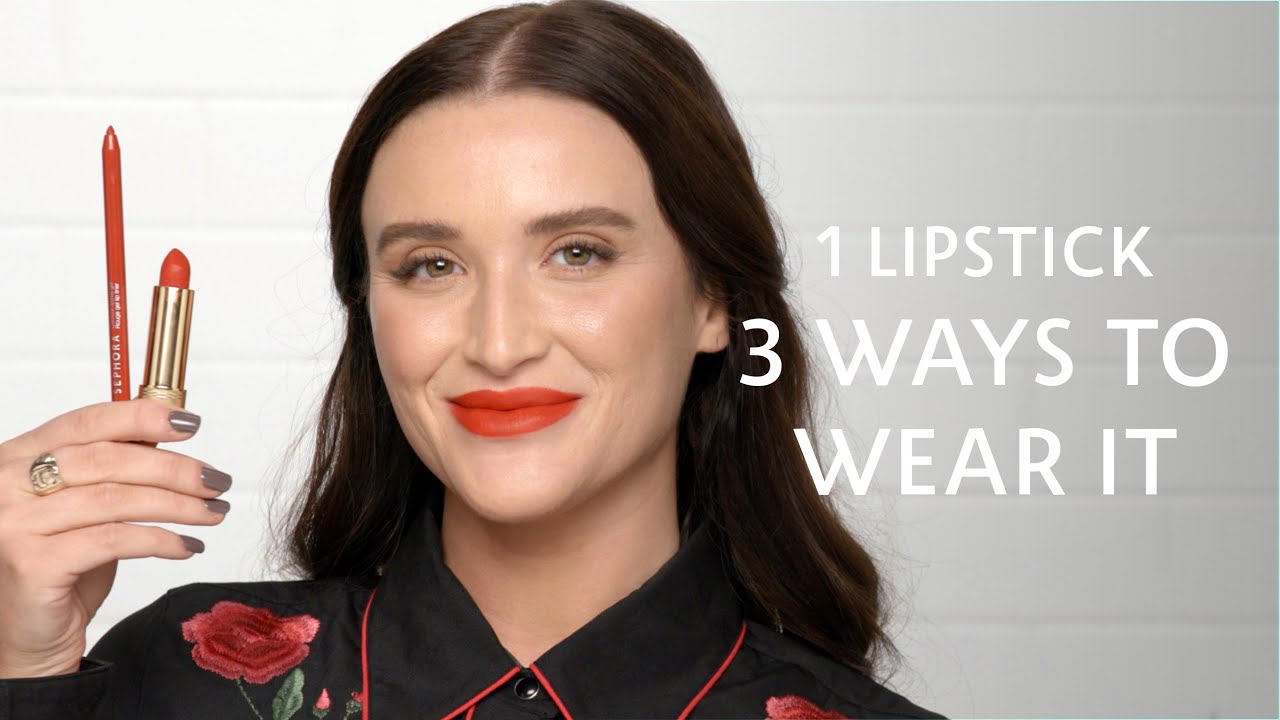
Apply sheer lipstick in thin passes. Prep the lips, put color on with a light hand, blot, then add a second pass for more intensity. Skip the hard outline.
Application methods
Two methods work, and the choice changes the finish. Swiping the bullet straight on gives a quick tint. Pressing or stippling the color in with a fingertip gives a softer, diffused edge, per Weber.
Step by step
- Exfoliate the night before, seal in a heavy balm, and use a lip primer or thin balm base before color, per Weber.
- If you like, fill the whole lip with a liner close to your lip tone.
- Swipe or press the first pass on, with the bullet or a fingertip.
- Blot once with a tissue.
- Add a second thin pass. Repeat for more color.
- Dab gloss on the center of the lips if you want shine.
The old layer, blot, layer rule still applies to sheer, Weber says. L’Oreal Paris gives the same tip: blot once, then add a second thin coat.
A dab of gloss on the center adds shine, and there are good ways to layer lip gloss over lipstick.
Liner or no liner
Advice splits here. Weber says skip it, because a strong outline defeats the point of sheer color.
Makeup artist Adeola Gboyega, in a SheerLuxe roundup, recommends filling the whole lip with liner first so lipstick and liner fade together. Chanel’s own FAQ gives a similar liner, lipstick, blot and reapply routine to extend wear.
The Gboyega and Chanel advice covers lipstick in general, not sheer formulas specifically.
The split is outline versus fill. A fill in a shade close to your own lip tone keeps the color soft, and a guide to choosing a lip liner helps with the match.
Sheer Lipstick FAQ
Is sheer lipstick good for beginners?
Yes. A 2016 review of Essence’s Sheer and Shine found the application forgiving enough to do without a mirror, because the low pigment load hides small misses.
Pick a shade close to your natural lip color and any slip shows even less.
How much does sheer lipstick cost?
Examples run from $2.99 to $33. Essence’s Sheer and Shine sold for $2.99 in a 2016 review, and Trish McEvoy’s Sheer Lip Color lists at $33 on the brand’s own site.
Prices change, so check the current listing.
How do I make a regular lipstick sheer?
Swipe it on, then blot with a tissue so only a thin film of pigment stays. Glossier’s product copy says its sheer matte stick was inspired by that makeup artist technique.
Pressing the color in with a fingertip gives a softer, diffused edge.
Can sheer lipstick double as cheek color?
Some can. Gucci states that its Rouge à Lèvres Voile Sheer Lipstick can also go on the cheeks for a soft flush, according to Sephora’s listing.
Look for that claim on the product page before putting any lip formula on skin.
Choosing a First Sheer Lipstick

Decide on wear first, finish second and shade last. Ask whether your day allows reapplication, then pick shine, satin or matte, and only after that worry about lip tone and undertone.
The order follows risk. A wrong wear call leaves bare lips by midday, while a wrong shade costs little, since sheer color forgives a near-miss.
Forgiving color also lowers the cost of a first try, so a drugstore stick works as a trial before a prestige formula.
You accept the trade-off up front. Softer edges and more touch-ups, in return for a wash that reads as your own lips.
A sheer lip suits minimal faces, so natural makeup looks are the next place to try it.

She started writing on the site after fielding the same questions from clients and friends often enough to just write the answers down: which red won't turn orange on a warm undertone, how to keep lipstick from feathering into fine lines, why a "12-hour" formula rarely survives dinner.
Every review on the site follows the same rule she uses with paying clients: wear it first, then decide if it's worth recommending.
- How to Make Eyeliner Last Longer Without Smudging - August 31, 2026
- How to Make Eyeshadow Last Longer All Day - August 29, 2026
- How to Find Your Undertone in 5 Easy Steps - August 27, 2026
