Your wedding day puts your makeup through things no other day does: tears, heat, 12-plus hours of wear, and a camera pointed at you constantly.
Knowing how to do makeup for a wedding means understanding why bridal makeup is a completely different challenge from everyday application. The products, the techniques, and the setting steps all need to work harder.
This guide covers everything from skin prep and long-wear foundation to eye makeup, brows, lips, and setting a photo-ready look that holds from the ceremony through the last dance.
What Wedding Makeup Is
Wedding makeup is a specific category of makeup application built around one requirement: it has to last.
Not two hours. Not until the cake cutting. From morning prep through the last song of the reception, which for most weddings means 8 to 16 hours of continuous wear through tears, dancing, outdoor heat, and flashes from every direction.
That’s a completely different challenge than everyday makeup or even a night-out look.
The bridal makeup services segment was valued at $2.07 billion in 2024, projected to reach $3.53 billion by 2035 (WiseGuy Research). That growth reflects how seriously couples now treat the beauty side of wedding planning.
Why Wedding Makeup Differs from Everyday Makeup
Everyday makeup is designed for 4 to 8 hours of typical office or casual wear. Wedding makeup is engineered to survive emotional moments, weather conditions, and non-stop photography.
| Factor | Everyday Makeup | Wedding Makeup |
|---|---|---|
| Wear time target | 4–8 hours | 8–16 hours |
| Camera performance | Optional | Non-negotiable |
| Product formulas | Standard wear | Waterproof, transfer-resistant |
| Setting steps | Usually one | Multiple (powder + setting spray) |
Cameras, especially flash photography, pick up texture, shine, and color differently than the naked eye. A blush that looks subtle in person can disappear completely on camera. A highlight applied without restraint can blow out entirely under direct flash.
Wedding makeup needs to look good in person and in photos. That tension is the core challenge of getting it right.
The Camera Problem Most Brides Miss
Flash photography flattens dimension and washes out light pigments.
This is why photo-ready makeup for a wedding typically means going slightly more pigmented on blush and brows, and dialing back shimmer in areas where flash will hit directly, like the nose bridge and forehead.
It also means avoiding SPF-heavy primers or foundations during evening indoor ceremonies. Certain SPF formulas cause flashback, a white cast that appears in flash photography even when the skin looks fine in natural light.
Millie Bobby Brown’s 2024 wedding look is a solid reference point: satin-like skin, defined but not heavy eyes, and enough color to read on camera without looking overdone.
Skin Prep Before Application

Makeup sits differently on well-prepped skin. That’s not an opinion. It’s the most consistent thing experienced artists agree on.
A 2025 industry report noted that more brides are focusing on pre-wedding skincare treatments and facials specifically to reduce the amount of foundation needed on the day (The Wed). Less product on the skin means fewer layers to break down over 12 hours.
Primer Selection by Skin Type
The most common mistake: applying the wrong primer for the skin type, then wondering why foundation slides by hour four.
- Oily skin: silicone-based or pore-minimizing primers. Look for mattifying formulas like Smashbox Photo Finish or Make Up For Ever Step 1.
- Dry skin: hydrating primers with glycerin or hyaluronic acid. Charlotte Tilbury’s Flawless Filter works here. So does Bobbi Brown Vitamin Enriched Face Base.
- Combination skin: zone-prime. Silicone over the T-zone, hydrating formula on drier cheek areas.
Wait at least five minutes after moisturizer before applying primer. Layering too quickly causes pilling, which is one of those problems you won’t notice until photos come back.
For those curious about how to use makeup primer correctly on wedding skin specifically, the key is applying it in thin layers and letting each layer settle before moving to foundation.
Eye Area Prep
The under-eye area is the first place makeup breaks down, especially with emotional crying during ceremonies.
Timing matters more than people think:
- Apply eye cream at least 15 minutes before primer
- Use a cooling eye tool (like a chilled metal roller) to reduce puffiness before any product touches the area
- Avoid thick, heavy eye creams on wedding morning. They create a slippery base that makes concealer crease faster.
An eyeshadow primer over the lid, including slightly under the lower lash line, is worth the extra 60 seconds. It prevents creasing and keeps shadow true to color for hours longer than bare skin.
Skincare Timeline Before the Wedding Day
What you do the week before matters as much as the morning routine.
One week out: Last facial or exfoliation treatment. Nothing new on the skin closer than 5-7 days before.
Three days out: Drop any active acids or retinols. Stick to gentle, hydrating products only.
Morning of: Cleanse, hydrate, SPF (if daytime outdoor ceremony), wait, then prime. That’s the sequence.
Updos For I Dos, a national bridal beauty team, recommends starting skin prep consultations at least a year in advance for brides with specific skin concerns like hyperpigmentation or persistent dryness.
Foundation and Concealer for Long Wear
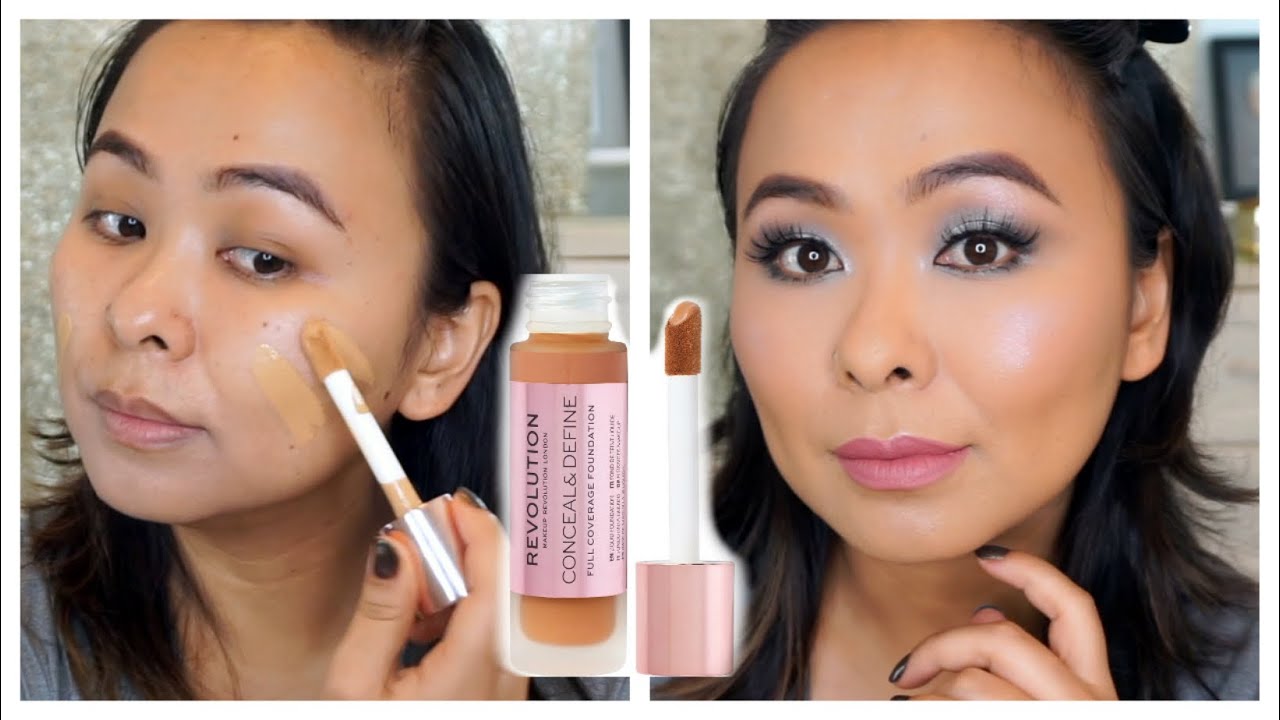
The base is where most bridal makeup either holds or falls apart. Getting it right isn’t about the most expensive product. It’s about choosing the right formula for the conditions.
Wedding makeup can typically be expected to last between 8 and 10 hours with the right base products and setting technique, according to bridal makeup artist Rachel at Aurum Bride. Heat, humidity, and oily skin shorten that window without proper prep.
Choosing the Right Foundation Formula
Not every long-wear foundation is built the same way.
| Skin Type | Formula to Use | Avoid |
|---|---|---|
| Oily | Silicone-based, matte finish | Oil-based or dewy formulas |
| Dry | Hydrating, satin or luminous finish | Heavy powder over the top |
| Combination | Buildable, medium-weight formula | Full-coverage stick applied all over |
| Sensitive | Mineral or fragrance-free | Formulas with high alcohol content |
For applying makeup on oily skin, the prep sequence changes significantly. Mattifying primer, lightweight foundation in thin layers, then a setting powder bake on the T-zone before any blush or contour goes on.
MAC Pro Longwear Nourishing Waterproof Foundation and Make Up For Ever HD Skin are two products that show up consistently in professional bridal kits for their staying power and shade range.
Setting Techniques That Lock Foundation
Powder alone isn’t enough. Setting spray alone isn’t enough. The combination is what creates real staying power.
The sequence that works:
- Apply foundation, blend fully
- Apply full coverage concealer where needed, then blend
- Bake: press a generous amount of translucent powder under the eyes and over oily zones, leave for 3-5 minutes, then dust off
- Finish with a waterproof setting spray, held 8-10 inches from the face
The reverse powder technique (applying loose powder under foundation in oily zones before any base product) is a method professional artists use on brides prone to excess oil. It creates a barrier that absorbs oil before it can break down the foundation above it.
Laura Mercier Translucent Loose Setting Powder is one of the most referenced products in bridal kits for this step. It’s finely milled enough to not add visible texture but still grips moisture effectively.
Color Correcting Under-Eye Circles
Concealer alone rarely fully covers dark under-eye circles, especially in photos.
Color correction goes first. A peach or salmon corrector neutralizes blue-toned circles on fair to medium skin. Orange tones work better on deeper skin tones. Then full coverage concealer goes over the top, blended with a damp sponge using a pressing (not wiping) motion.
Knowing how to apply color corrector correctly before concealer can genuinely cut the amount of product needed, which means less creasing and a more natural finish throughout the day.
Eye Makeup for a Wedding

Eyes are the first thing people look at in wedding photos. They’re also the area most likely to fail if the wrong products are used.
According to The Knot’s 2026 wedding makeup trend report, brides are increasingly asking for pearlescent eyeshadow, a thin shimmer wash rather than chunky glitter, specifically because it reads beautifully under flash photography without the overexposed glitter effect.
Eyeshadow Application Order
Going in the right sequence prevents muddy color and uneven blending.
- Transition shade: A matte, medium-tone color slightly deeper than skin tone, blended into the crease
- Lid color: Main shade, packed onto the lid with a flat brush
- Deeper shade: Into the outer corner and crease to add depth
- Highlight: A light, shimmery or matte shade on the brow bone and inner corner
- Lower lash line: Same transition shade smudged softly underneath, or a shadow liner
For 2025 brides, the most requested colors remain browns, warm taupes, champagne gold, and a touch of shimmer, according to bridal makeup artist Coreene Collins. Natural-looking smokey eyes built from these tones dominate the soft glam category.
Making Eyes Work Under Flash Photography
Flash changes everything about how eye makeup reads.
Shimmer placement rules for photos:
- Keep shimmer on the inner corner and center lid only
- Avoid heavy shimmer on the lower lash line. It reflects flash directly toward the camera.
- Matte shades in the crease and outer corner add depth that photographs as dimension, not flat color
Understanding how to do eye makeup specifically for camera performance often means applying slightly more shadow than feels right in person. Cameras flatten color. What looks intense in the mirror usually photographs as exactly the right amount.
Mascara and Lash Options

Waterproof mascara is non-negotiable for a wedding. Full stop.
The difference between waterproof and regular mascara during a ceremony with any emotional moments is significant. Tubing mascaras (formulas that wrap each lash in a tube rather than coat it) are an option worth knowing. They don’t smudge because they don’t transfer at all, and they remove cleanly with warm water.
False lashes: Strip lashes add drama but require practice and proper adhesive. Individual lashes (clusters placed at the outer corners or along the full lash line) look more natural in person and in photos and are more comfortable for brides who don’t wear lashes regularly.
Knowing how to apply false eyelashes correctly comes down to measuring, trimming, applying adhesive correctly, and pressing the band as close to the natural lash line as possible. Rushing this step is the main reason strip lashes lift at the corners by hour three.
Brows
Brows are the frame of the face. In photos, undefined brows make everything else look softer and less intentional than it actually is.
The current trend in bridal brows leans toward natural, groomed, and full-looking rather than sharply defined or drawn-on. Makeup artist Kate Squires noted in 2025 that brides now want to look like themselves, not a version of themselves with dramatically different features.
Products by Hold Level
Brow gel (clear or tinted): Best for already-full brows that just need shape and staying power. Anastasia Beverly Hills Clear Brow Gel is a standard choice in professional kits.
Brow pomade: Higher hold than pencil or powder. Good for sparse areas or creating a more defined arch. Works well under setting spray for all-day wear.
Brow pencil: Precision tool for filling gaps hair by hair. Use light, feathery strokes, not solid lines. A solid line always reads as unnatural in photos regardless of how it looks in person.
For a full breakdown of what each product does, understanding what brow pomade is and how it differs from pencil and gel helps in deciding which combination to use based on brow density.
Brow Mistakes That Show Up on Camera
Some brow errors are only visible in photos, not in person.
- Too-dark color: Going even one shade darker than natural hair reads as harsh in direct flash photography. Match the brow product to the mid-tone of the natural brow hair, not the darkest strands.
- Unblended edges: Any product that sits on top of the skin rather than blending into existing hairs creates a visible edge in photos. Use a spoolie after every product application.
- Laminated effect without proper setting: The brushed-up fluffy brow look needs a strong brow gel to hold position. Without it, brows fall flat within two hours.
Blush, Bronzer, and Highlight Placement

These three products create the three-dimensional structure that makes a face look alive in photos. Flat application is the most common mistake, and it reads immediately on camera.
Blush made a big comeback in 2025 bridal beauty, with professional artists noting it adds a youthful flush that holds up beautifully in photographs, according to The Knot’s 2026 trend report.
Blush Placement for Photographs
Standard everyday blush placement (on the apples of the cheeks) often looks flat in photos. For camera performance, the placement shifts slightly.
Photo-optimized blush placement:
- Start at the hairline near the ear, just below the cheekbone
- Blend forward and slightly upward toward the temple
- A second light dusting on the nose bridge (in addition to cheeks) adds warmth and depth that photographs naturally
Cream blush goes on before powder products. It blends into the skin and moves with it. For brides who want that flushed, healthy look, the Rare Beauty Soft Pinch Liquid Blush (used in a dab-and-blend motion) is one of the most-referenced products for a natural flush effect. Knowing how to apply cream blush before setting powder creates a more skin-like, lasting result than powder blush applied directly to bare foundation.
Bronzer for Warmth, Not Contour
Heavy contour on a wedding day is a significant risk. It can look natural in person but appear as muddy gray shadows in photos, depending on the lighting at the venue.
A safer approach for most brides: use bronzer for warmth, not to carve cheekbones. Apply it with a large, fluffy brush in areas where the sun would naturally hit the face: temples, along the hairline, and lightly across the forehead.
The technical difference between these two products trips people up. Understanding bronzer vs contour helps in deciding which to use, and where, especially when preparing for an event with multiple lighting environments like an outdoor ceremony followed by an indoor reception.
Highlight Placement and Flash
Less is more with highlight for any event involving flash photography.
The areas that catch flash most directly, the nose bridge, center forehead, and Cupid’s bow, should either receive no highlighter or an extremely light touch. Overloading these areas creates blowout in photos, where the skin looks unnaturally bright and loses all texture.
Where highlight actually works well for bridal photos:
- Inner corner of the eyes (adds brightness that reads as life in photos)
- Top of the cheekbones, kept low and close to the blush
- Brow bone (a soft matte highlight, not a blinding shimmer)
For brides over 35, the approach changes slightly. Applying highlighter on mature skin means avoiding shimmer near fine lines entirely and opting for a satin finish that gives glow without drawing attention to texture.
Lips That Last Through the Day

The lips get more wear than any other part of the face during a wedding. Kissing, eating, drinking, hugging guests, talking for six hours straight.
Using lip liner correctly before any lipstick is the single most reliable way to extend wear. The liner acts as an anchor, giving the lipstick something to grip onto instead of sitting on bare skin.
The Lip Liner Base Technique
Fill in the entire lip with liner first, not just the outline.
This creates a full base layer of pigment that stays on even after the lipstick on top fades. Charlotte Tilbury’s advice on this is direct: liner first, then lipstick, then touch up the lip shape with liner again for a clean edge that lasts.
Liner shade matching: Go one shade darker than the lipstick for definition, or match it exactly for a seamless, softer result. Both work. What doesn’t work is skipping it entirely and expecting lipstick alone to survive a reception dinner.
For anyone curious about making lip liner last through a full event, the technique of filling in completely and then setting with a light dust of translucent powder before applying lipstick adds a meaningful amount of wear time.
Matte vs. Satin vs. Gloss for Weddings
Matte liquid lipstick offers the best staying power of any lip formula. It dries down, resists transfer, and doesn’t require touch-ups as frequently.
The downside: it can dry out the lips and look patchy on lips that weren’t well-prepped. Exfoliating and hydrating lips in the week before the wedding matters here more than most brides realize.
| Formula | Staying Power | Best For |
|---|---|---|
| Matte liquid | Highest | Brides who want long wear with minimal reapplication |
| Satin / cream | Medium | Comfortable all-day wear with touch-ups every 2–3 hours |
| Gloss | Lowest | Top layer over liner base, best for photos |
| Lip stain | Very high (base layer) | Base layer under other formulas for long-lasting color |
A lip stain applied under a satin lipstick is a professional trick worth knowing. The stain creates a color base that persists even when the lipstick above it wears off. So even at hour ten, the lips still have visible pigment.
Keeping Lipstick Off Teeth
Put your index finger in your mouth, close your lips around it, and pull it out slowly. Any excess that would have transferred to teeth stays on the finger instead.
Do this after every single lipstick application. It takes two seconds and prevents that particular embarrassment in every wedding photo from the reception onward.
Understanding how to keep lipstick off teeth is more about choosing the right formulas than any trick. Blue-toned reds and mauves naturally make teeth look whiter in photos. Orange and warm-based reds can do the opposite under certain venue lighting.
Setting and Finishing the Look

Setting is where most DIY bridal makeup falls apart. The products are good. The application is careful. But without the right finish sequence, it still slides off by hour five.
Celebrity makeup artist Kashni M recommends using setting spray in stages rather than only at the end: a light mist after the base, then another mist once the full look is complete. This approach fuses layers together and significantly improves wear through sweat and humidity (Khush Wedding).
Setting Spray by Skin Type
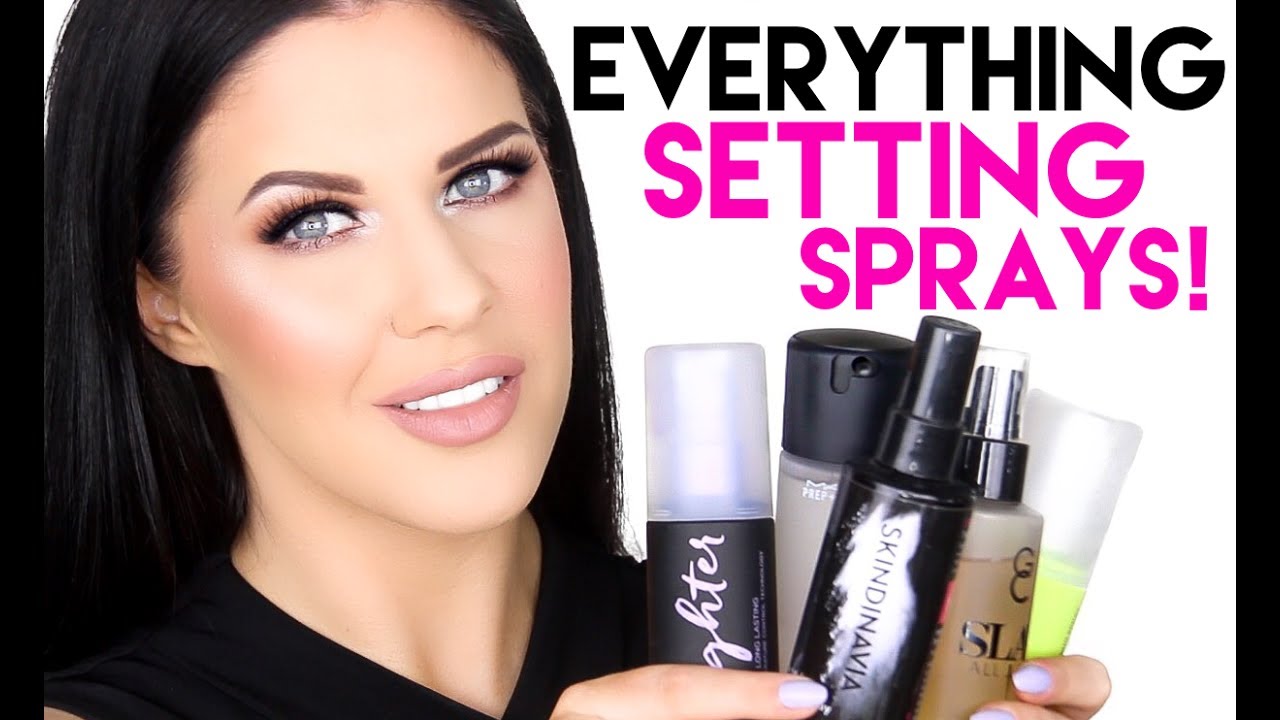
Matte/waterproof sprays are the go-to for oily skin and outdoor weddings. Urban Decay All Nighter and Charlotte Tilbury Airbrush Flawless Setting Spray appear repeatedly in professional bridal kits for this reason.
Dewy sprays work for dry skin brides who want to keep that luminous finish locked in without adding more powder. Milk Makeup Hydro Grip and the Rare Beauty Always An Optimist 4-in-1 mist are strong options here.
According to The Knot’s review of bridal setting sprays, a high-performance formula can hold makeup through an outdoor summer reception in full humidity, including dancing and multiple rounds of hugging guests. The key is the application: held 8-10 inches from the face, sprayed in an X or T motion, never blasted directly at one spot.
The Baking Technique for High-Wear Areas

Baking is not just for YouTube tutorials. It genuinely extends wear in the zones that break down first.
Apply a generous press of translucent loose powder under the eyes and on the T-zone immediately after concealer. Leave it for 3 to 5 minutes while finishing the rest of the face. Then dust off the excess with a fluffy brush.
What it does: The powder absorbs any residual moisture from skincare and primer, locking the base into place before any subsequent products are applied on top.
Laura Mercier Translucent Loose Setting Powder and Huda Beauty Easy Bake are the two products professional artists reference most consistently for this step. Press, don’t sweep, according to celebrity makeup artist Shradha, who notes that pressing keeps the base from shifting (Khush Wedding, 2026).
The Touch-Up Kit for the Reception
Pack this. Non-negotiable.
- Blotting papers (not powder, first pass)
- The exact lipstick and liner used that morning
- Translucent setting powder and a small puff
- A travel setting spray
- Cotton swabs for liner cleanup
- A clean mascara wand to separate lashes if they clump
Assign a bridesmaid to keep the kit. Trying to locate a makeup bag during the reception, between first dances and speeches, is a reliable way to never actually use it.
Understanding how to apply setting spray for touch-up purposes mid-day differs slightly from morning application. A lighter mist over the face after blotting papers removes shine without disturbing the base underneath.
Makeup for Different Wedding Settings

The venue changes everything. Products that perform perfectly in an air-conditioned church ceremony can fail completely at a beach wedding in August.
Bridal makeup artist Evie of Evie’s Makeup has worked over 80 destination weddings across Italy, France, Cyprus, Costa Rica, and California. Her consistent finding: the formula choices matter more than technique when humidity, heat, and sun are variables.
Outdoor Weddings
Three things fail outdoors that hold fine indoors: foundation oxidizes faster in heat, powder blush fades faster in humidity, and SPF-heavy formulas cause flash whiteout in afternoon photography.
Adjustments to make:
- Silicone-based primer over hydrating primer in warm climates
- Swap SPF-containing foundations for SPF applied separately underneath
- Cream blush over powder blush (adheres better in heat)
- Avoid powder-heavy looks. They cake faster in humidity.
Knowing how to prep makeup for high-performance photography settings translates directly to outdoor ceremonies where natural light changes dramatically throughout the day.
Indoor and Evening Receptions
Indoor receptions typically involve warmer, more flattering lighting than outdoor ceremonies. This changes what the face needs.
Flash photography is more likely during the ceremony and first dances than during the reception dinner. By the time the dancing starts, photographers often switch to ambient light or candid shots. So the reception is where slightly richer pigment works well: a deeper blush, a bolder lip, a more layered eye look.
The risk with evening: Skin that has been wearing makeup for 8-plus hours will look different than it did at 9am. Oil breakthrough on the T-zone is the main issue. Blotting papers first, then a light touch of setting powder, keep the base looking fresh without adding visible layers of product.
Destination and Humid-Climate Weddings
| Climate | Formula Priority | Avoid |
|---|---|---|
| High humidity / tropical | Waterproof formulas, silicone-based primer | Heavy powder, oil-based products |
| Dry / desert | Hydrating primer, satin-finish foundation | Matte formulas, excess setting powder |
| Cold / indoor only | Cream-based products, dewy finish | Over-powdering in dry heated environments |
| Mixed outdoor/indoor | Long-wear base, keep a touch-up kit handy | Relying on a single setting step |
For destination weddings specifically, doing a full makeup trial in conditions that approximate the wedding day climate is worth the effort. What holds beautifully in a London studio does not automatically hold on a humid Italian hillside in July.
Tools and Products to Have Ready
The difference between a 6-hour look and a 14-hour look often comes down to three things: the right brushes, the right layering sequence, and having backup products that exactly match what was applied in the morning.
The bridal makeup services market reached $2.07 billion in 2024, reflecting how many brides are now investing in professional-level product quality rather than drugstore basics for their wedding day (WiseGuy Research).
Brushes for Each Step
Not every brush matters equally. These are the ones that actually change the result:
- Dense foundation brush: For full coverage application, especially on dry skin
- Flat concealer brush: More precise placement than sponge alone under the eyes
- Fluffy powder brush: Loose powder application over the full face after base
- Small powder puff: Baking under eyes and T-zone, pressing motion only
- Fluffy blending brush: Eyeshadow diffusion in the crease
- Flat shader brush: Packing lid color with precision
- Fan brush: Applying highlight without overloading the zone
MAC Cosmetics brushes are a consistent professional standard, particularly the 217 blending brush and the 129 powder/blush brush. Morphe offers comparable quality at a lower price point and is widely used in professional kits.
Sponge vs. Brush for Bridal Foundation
Depends on the finish goal. A damp Beauty Blender creates a skin-like, second-skin finish that photographs naturally. A dense foundation brush builds more coverage but requires careful blending to avoid brush marks.
Most professional artists use both: brush to apply, sponge to press in and diffuse. According to IPSY’s application research, the most effective approach for camera-ready skin combines the precision of a brush with the seamless blending a damp sponge provides.
The rule that matters: For liquid foundation, always work with a damp (not wet) sponge. Dry sponges absorb too much product and leave uneven coverage that shows up immediately in photos.
Products Worth the Upgrade for a Wedding
Most of the time, drugstore products are fine. Wedding day is not most of the time.
A few categories where the quality gap between drugstore and mid-to-high range is real enough to matter over a 12-hour wear period:
- Foundation: Make Up For Ever HD Skin, Estee Lauder Double Wear, Giorgio Armani Luminous Silk
- Setting spray: Urban Decay All Nighter, Charlotte Tilbury Airbrush Flawless
- Translucent powder: Laura Mercier, NARS Light Reflecting
- Mascara: Spend on waterproof. NYX and Maybelline both perform well here without needing high-end alternatives.
Knowing how to apply foundation in the right sequence, thin layers, building gradually, pressing with a damp tool, matters as much as the formula itself. The most expensive foundation still looks bad if it’s applied over unprepared skin in thick single coats.
Knowing how to make makeup last all day ultimately comes down to one principle: every layer needs to be set before the next one goes on. Creams set with powders, powders locked with spray, and the whole thing sealed at the end.
FAQ on How To Do Makeup For A Wedding
How far in advance should I do a bridal makeup trial?
Book your trial 2 to 3 months before the wedding. This gives you time to test longevity, photograph the look, and make adjustments. Don’t leave it to the week before.
What makeup products are non-negotiable for a wedding day?
Waterproof mascara, a long-wear foundation, eyeshadow primer, translucent setting powder, and a setting spray. These five products form the base of any bridal makeup kit built for all-day wear.
Should I do my own wedding makeup or hire a professional?
Hire a professional if budget allows. A bridal makeup artist brings high-quality products, backup plans, and experience with flash photography. DIY works if you’re skilled and have tested the look in similar conditions.
How do I make wedding makeup last all day?
Layer strategically. Use a primer suited to your skin type, build foundation in thin coats, bake with translucent powder, and seal with a waterproof setting spray. Apply setting spray between layers, not just at the end.
What type of foundation is best for a wedding?
A long-wear, transfer-resistant formula matched to your skin type. Oily skin needs a silicone-based matte option. Dry skin does better with a hydrating satin finish. Make Up For Ever HD Skin and Estee Lauder Double Wear are consistent professional choices.
How do I stop my eye makeup from smudging during the ceremony?
Use an eyeshadow primer on the lid and under the lower lash line. Choose waterproof eyeliner and tubing mascara. Avoid touching the eye area. A light dusting of translucent powder under the lower lashes also reduces transfer.
What lip products last the longest for a wedding?
Fill in lips completely with liner first, then apply a matte liquid lipstick or a lip stain as the base layer. Long lasting lip liner formulas resist feathering far better than lipstick alone over a full day.
How should I adjust my makeup for outdoor wedding photography?
Avoid SPF-containing foundations at evening outdoor events as they cause flash whiteout. Use cream blush over powder in humid conditions. Go slightly more pigmented on brows and blush since cameras flatten color in natural light.
What goes in a wedding day makeup touch-up kit?
Pack your exact lipstick and liner, blotting papers, translucent powder with a small puff, a travel setting spray, cotton swabs, and a clean spoolie. Assign a bridesmaid to hold it so it’s actually accessible during the reception.
Should wedding makeup look different in photos than in person?
Yes. Photo-ready makeup requires slightly more pigment on blush and brows, shimmer kept away from flash zones like the nose bridge, and no SPF formulas that cause white cast. What looks intense in the mirror usually photographs as just right.
Conclusion
This conclusion is for an article presenting the full picture of bridal beauty, from skin prep and primer selection to eye makeup, brows, lips, and setting techniques that hold through an entire wedding day.
Getting the look right isn’t about using the most products. It’s about choosing the right formulas for your skin type, layering them in the correct order, and finishing with a waterproof setting spray.
Whether you’re going for soft glam, a natural bridal look, or a bold lip with defined eyes, the approach stays the same: prep well, build in thin layers, and set everything.
A photo-ready makeup look that lasts from the first vow to the last dance is absolutely achievable. Now you have the steps to get there.

She started writing on the site after fielding the same questions from clients and friends often enough to just write the answers down: which red won't turn orange on a warm undertone, how to keep lipstick from feathering into fine lines, why a "12-hour" formula rarely survives dinner.
Every review on the site follows the same rule she uses with paying clients: wear it first, then decide if it's worth recommending.
- How to Make Eyeliner Last Longer Without Smudging - August 31, 2026
- How to Make Eyeshadow Last Longer All Day - August 29, 2026
- How to Find Your Undertone in 5 Easy Steps - August 27, 2026