Your brows can make or break a makeup look, and yet most people are still using the wrong product for their brow type.
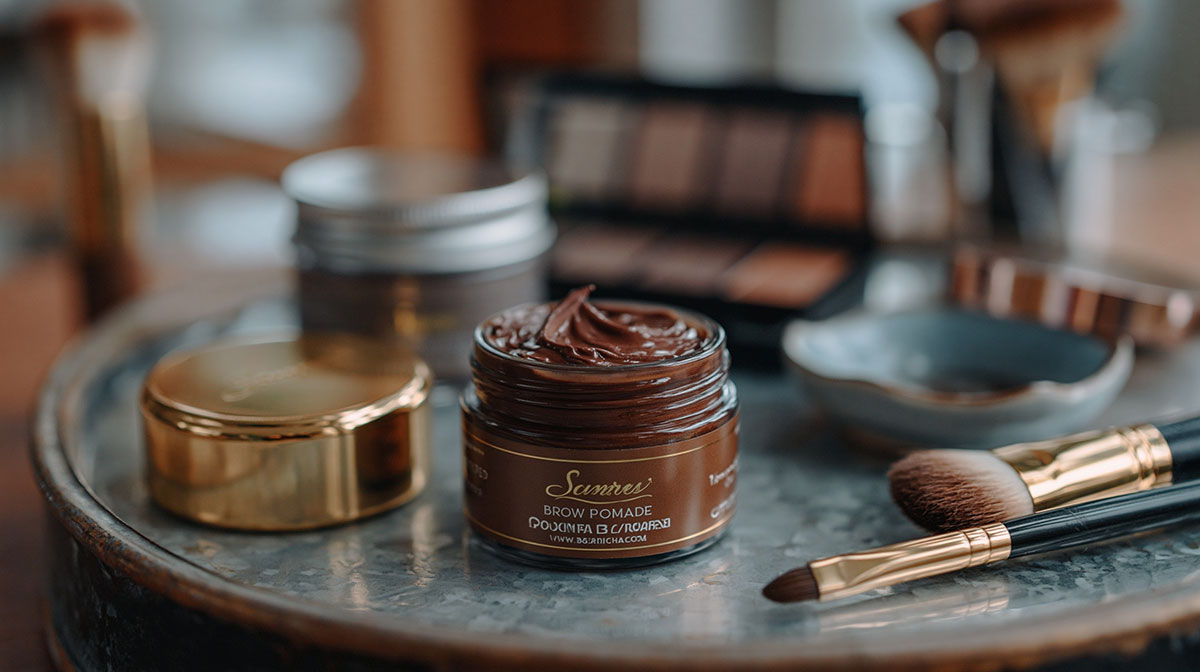
Brow pomade is a thick, waxy eyebrow product that fills, sculpts, and holds in a single step. It sits in a small pot, gets applied with an angled brush, and delivers more pigment and staying power than a pencil or powder.
But it is also easy to over-apply, tricky to blend, and completely wrong for certain brow types.
This guide covers what brow pomade is, how it differs from other brow products, what it is made of, how to apply it, and how to remove it properly.
What Is Brow Pomade
Brow pomade is a thick, waxy-to-creamy eyebrow product used to fill, shape, and hold brows in place. It delivers both pigment and control in a single step.
Most formulas come in a small pot or jar and are applied with an angled brow brush. The texture sits between a gel and a wax, which is what gives it that buildable, long-wearing coverage.
The global eyebrow makeup product market was valued at USD 1,667.68 million in 2024, projected to hit USD 2,489.44 million by 2032, according to Verified Market Research. Pomade sits alongside pencils, powders, and gels as one of the core product types driving that growth.
Two things separate pomade from every other brow product: it fills and sculpts at the same time. A pencil draws, a powder diffuses, a gel tames. Pomade does a bit of all three but with a heavier hand and a more defined finish.
What Makes Pomade Different from Other Brow Products
| Product | Texture | Primary Function | Finish |
| Brow pomade | Thick, creamy-waxy | Fill, sculpt, hold | Matte to satin |
| Brow gel | Liquid, gel-like | Tame and lightly tint | Clear to semi-glossy |
| Brow pencil | Solid, waxy | Precise hair strokes | Natural |
| Brow powder | Soft, pressed/loose | Soft fill and definition | Soft, diffused |
Brow pencil gives you fine hair-like strokes. Brow powder creates a softer, more diffused look with less structure. Brow gel tames unruly hairs and adds light color. Pomade fills sparse brows with visible pigment and holds the shape all day.
Anastasia Beverly Hills built its reputation largely on the DIPBROW Pomade, which became one of the most referenced brow products in the beauty space after its launch.
What Brow Pomade Is Made Of
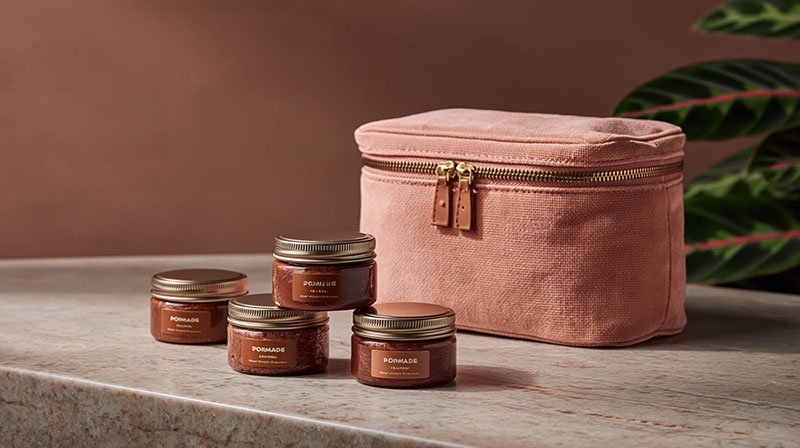
The base of most brow pomades is a combination of waxes and silicones. That combination is exactly what gives pomade its signature thick, gliding texture and its staying power.
Microcrystalline wax is the most common structural ingredient. It provides the body and firmness without making the formula stiff or difficult to apply. Carnauba wax and candelilla wax show up in cleaner and vegan formulas, both sourced from plants.
Silicones, typically cyclopentasiloxane, dimethicone, or trimethylsiloxysilicate, give pomade its smooth glide and help it resist smudging and water. They are why water-resistant pomades perform better on oily skin and in humid conditions.
Pigments and How Shades Are Built
Iron oxides do the heavy lifting for color. All three types work together:
- CI 77491 (Red Iron Oxide): adds warmth and rust tones
- CI 77492 (Yellow Iron Oxide): builds blonde and warm brown shades
- CI 77499 (Black Iron Oxide): creates depth in dark brown and black shades
Titanium dioxide (CI 77891) is added to lighter shades to reduce intensity and shift the tone toward ash or taupe.
Vegan and clean brow pomades swap silicones for plant-based oils like coconut oil, castor seed oil, and cocoa butter, then use carnauba or candelilla wax as the structural base. The Safe Cosmetics-listed formula by some natural brands uses no silicones at all and still achieves a water-resistant result through the density of its wax blend.
Water-Resistant vs. Non-Water-Resistant Formulas
The difference comes down to the silicone resin content. Trimethylsiloxysilicate (the resin, not the standard dimethicone) is what makes a formula genuinely water-resistant rather than just long-wearing.
Non-water-resistant pomades still last well but tend to break down with sweat, humidity, or oily skin. On dry skin types, the distinction rarely matters much. On oily skin, it matters a lot.
Brow Pomade vs. Other Brow Products
Knowing when to reach for pomade versus something else saves a lot of frustration. The product is genuinely useful for some brow types. For others, it is the wrong tool entirely.
Eyebrow pencils dominated the market in 2023 with a 35.6% product segment share according to Market.us data, largely because they are easier to control for beginners. Pomade has a steeper learning curve but offers more coverage and sculpting power than any pencil.
Brow Pomade vs. Brow Pencil
A brow pencil draws individual hair strokes. It is precise, forgiving, and easy to use. Most people who are newer to brow products start here, and honestly, that makes sense.
Pomade gives fuller, more filled-in coverage. You are not mimicking individual hairs as much as building a defined, pigment-forward shape. The result looks more structured and tends to last longer.
Best for pencil: sparse brows where you want a natural, feathered finish.
Best for pomade: sparse or over-plucked brows where you want visible fill and long wear.
Brow Pomade vs. Brow Powder
Powder gives the softest result of any brow product. It blends easily, looks understated, and works well for people with naturally full brows who only need light definition.
Where powder falls short is longevity. It tends to fade faster and requires touch-ups during the day. Pomade outlasts powder on almost every skin type, especially oily skin.
Powder suits beginners and people who prefer a soft makeup look. Pomade is for anyone who wants structure that holds.
Brow Pomade vs. Brow Gel
This is the comparison that trips people up most often, because the two products look similar and can produce overlapping results.
- Brow gel tames, lightly colors, and sets hairs in place
- Brow pomade fills sparse areas, builds pigment, and sculpts the brow shape
- Gel works well for full brows that just need grooming
- Pomade works better when actual coverage is needed
In practice, some people use both, applying pomade first to fill and sculpt, then running a clear brow gel through the hairs to set everything in place.
How to Apply Brow Pomade

The application step is where most people go wrong with pomade, and usually for the same reason: too much product on the brush.
Pick up a tiny amount on the tip of an angled brow brush and wipe most of it off on the back of your hand before you touch your brows. You want almost nothing on the brush for the first pass.
Step-by-Step Application
Start by brushing brows upward with a spoolie to see your natural shape and any sparse spots.
Work in this order:
- Map the brow shape first: identify the start, arch, and tail
- Apply light strokes through the body of the brow, following the direction of hair growth
- Add more product only to sparse areas, building gradually
- Keep the inner corner (closest to the nose) the lightest, this is where people tend to over-apply
- Run a clean spoolie through the brows to blend and soften any hard edges
The spoolie step is not optional. It is what separates a natural-looking brow from one that looks drawn on.
Brushes That Work Best With Brow Pomade
Thin angled brush: best for hair-stroke detail and working around the edges of the brow.
Flat angled brush: good for filling in larger sparse areas quickly, especially through the arch and tail.
Spoolie: used after every application to blend, soften edges, and distribute product through the hairs.
The brush matters more with pomade than with any other brow product. A wide, stiff brush makes it very hard to control where the product lands. I usually reach for a small, thin angled brush for precision work and use the flat one when I need to fill in quickly.
Common Application Mistakes
Over-application at the inner brow tail is the most common error. That area should always be the lightest part of the brow.
Other issues that come up regularly:
- Skipping the spoolie blend, which leaves the brow looking blocky
- Using too stiff a brush, which drags the product instead of depositing it
- Applying pomade on top of moisturizer or oily skin without a primer, which shortens wear
If the pomade sets before you have finished blending, a clean spoolie with very light pressure can still soften it. Once it is fully set, though, it is difficult to adjust without removing it.
Brow Pomade Shades and How to Pick the Right One

The general rule most makeup artists use: go one shade lighter than your hair if you have dark hair, or one shade darker if you have lighter hair. But that is a starting point, not a hard rule.
Undertones matter more than people expect. A warm brown pomade on someone with cool-toned skin can read orange, even if the shade looks correct in the pot.
Shade Matching by Hair Color
| Hair Color | Recommended Pomade Shade | What to Avoid |
| Platinum blonde | Blonde, taupe | Anything too warm or dark |
| Light to medium brown | Soft brown, brunette | Cool ash if you have warm undertones |
| Dark brown to black | Dark brown, soft black | Pure black (unless seeking a very bold result) |
| Gray or white | Taupe, soft gray, or blonde | Brown shades (look unnatural against gray hair) |
| Red hair | Auburn, warm brown, soft brunette | Cool-toned browns that clash with red tones |
When in doubt between two shades, go lighter. A shade that is too light can be built up. A shade that is too dark is much harder to correct once it is on.
Mixing Shades for a Custom Match
Most pomades come in a small pot, so mixing two shades together on the back of your hand before picking up with the brush is easy enough.
Blonde plus soft brown creates a natural, dimensional result for light hair. A small amount of dark brown added to a medium brown deepens the color without going full black. This is a technique worth trying if nothing off the shelf quite matches your hair.
How Long Brow Pomade Lasts
On-skin wear time for most brow pomades runs between 8 and 16 hours, depending on the formula and skin type. Water-resistant formulas with a high silicone resin content tend to sit at the higher end of that range.
Oily skin is the biggest factor that shortens wear. The natural oils on the skin break down the wax base over time, which causes the pomade to slip or fade. A brow primer or a light dusting of translucent powder under the pomade extends wear significantly on oily skin types.
Shelf Life and When to Replace It
Once opened, most brow pomades last 12 to 24 months. The wax base eventually dries out, which makes the product harder to pick up on the brush and harder to blend.
Signs a pomade is past its useful life:
- Surface looks dry, cracked, or oily on top
- Product drags or skips on the skin instead of gliding
- Pigment looks faded or patchy even with normal application
- Formula separates or smells off
Some people try to revive a dried pomade with a drop of jojoba oil worked into the surface. It can restore workability for a short time, but if the product is genuinely past its date, replace it.
Water Resistance and Real-World Wear
Water-resistant pomades perform noticeably better in humid weather, during exercise, or in situations where sweating is likely. The Maybelline TattooStudio Brow Pomade, which uses a candelilla wax and silicone base, is one of the more widely tested drugstore options for long wear.
That said, no pomade is fully waterproof in the way a permanent tattoo is. Heavy sweat, rubbing, or oil buildup will eventually break down any formula. Water-resistant means smudge-resistant and sweat-resistant for most of the day, not indefinitely transfer-proof.
Who Should Use Brow Pomade
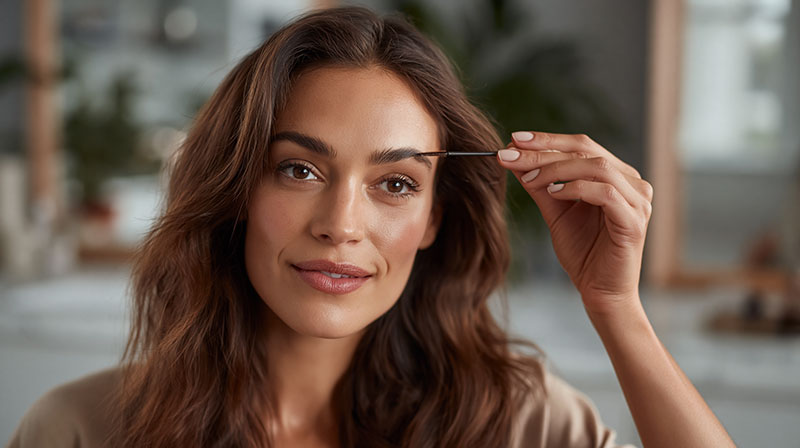
Pomade is not for everyone. It is a strong product with a learning curve, and using it on the wrong brow type creates results that look heavier than intended.
Adults aged 31 to 50 accounted for about 40% of the eyebrow makeup market in 2023, according to Grand View Research, largely because this age group deals with eyebrow thinning from hormonal changes and aging. Pomade addresses that directly by building visible coverage where other products fall short.
Brow Types That Benefit Most
Pomade works best when there is a gap between the brows a person has and the brows they want. Sparse, over-plucked, or naturally thin brows are the clearest use case.
Strong fit for pomade:
- Very sparse or over-tweezed brows with visible gaps
- Naturally light-colored brows that need heavier pigment
- People who want a defined, sculpted shape that holds all day
- Oily skin types using a water-resistant formula
Poor fit for pomade:
- Naturally thick, full brows that only need light grooming
- Beginners who want a very natural result (pencil is easier to control)
Pomade on Mature Skin
Brow thinning is a real concern for most people over 40. As board-certified physician’s associate Paula Brezavscek has noted, hair follicles slow down over time, which leads to patchier brows, especially toward the ends.
Pomade fills those gaps well. The tricky part is application technique on mature skin. A heavy hand leaves product sitting in fine lines above the brow.
Use a very thin angled brush, apply with minimal pressure, and blend immediately with a spoolie. Less product, more blending is the right approach here.
Pomade and Oily Skin
Oily skin shortens wear time on almost any brow product. Pomade handles it better than powder, but the formula choice matters.
Anastasia Beverly Hills recommends using their DIPBROW Pomade on oily skin by loading the brush lightly, applying hair-like strokes, and setting the finished brow with a clear gel for extra hold.
A light application of translucent powder under the pomade creates a drier base and adds meaningful wear time. Skipping this step on oily skin is the main reason pomade migrates or fades by midday.
How to Remove Brow Pomade
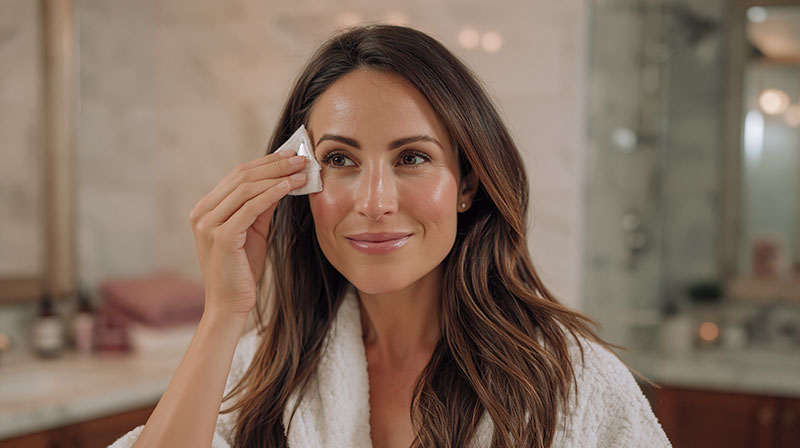
Brow pomade, especially water-resistant formulas, does not come off with water alone. The wax and silicone base needs something that can break it down before it lifts off the skin and brow hairs.
Leaving brow makeup on overnight is genuinely bad for brow hair. Dirt and product buildup can block hair follicles and contribute to breakage, which is the last thing anyone with sparse brows wants.
Best Removal Methods by Formula Type
| Pomade Type | Best Remover | Second Option |
| Standard (non-waterproof) | Micellar water | Gentle face wash |
| Water-resistant | Oil-based cleanser | Bi-phase micellar water |
| Silicone-heavy formula | Cleansing balm or oil | Double cleanse method |
| Natural/wax-only formula | Micellar water | Gentle cleanser |
Micellar water works well for lighter or non-waterproof pomades. For anything marketed as water-resistant or long-wear, an oil-based cleanser or cleansing balm does a more complete job.
Step-by-Step Removal
Technique matters here. Rubbing harshly across brow hairs pulls them out, which defeats the purpose of filling them in every day.
- Saturate a cotton pad with your chosen remover
- Press the pad gently onto the brow and hold for 10 to 15 seconds
- Sweep downward in the direction of hair growth, not back and forth
- Repeat with a fresh pad until no product transfers
- Follow with a face wash to remove any remaining residue
The hold-then-sweep method lets the remover break down the product before any friction is applied. Pressing first, then sweeping removes more product in fewer passes.
What Not to Use
Some removal habits cause more damage than they solve.
Avoid: alcohol-heavy toners or removers on the brow area, as they dry out hair and skin. Avoid rubbing back and forth across the brows, which pulls hairs out over time. And avoid skipping removal entirely on days the pomade seems light. Product buildup happens gradually and is harder to clear when it accumulates.
For anyone using a silicone-free, plant-based pomade, a standard gentle cleanser is usually enough. Double cleansing is rarely needed unless the formula is heavily water-resistant. If you want to take care of your lip care routine at the same time, a cleansing oil works across both areas in one step, which saves time.
FAQ on What Is Brow Pomade
What is brow pomade used for?
Brow pomade fills sparse brows, defines the brow shape, and holds everything in place all day. It delivers more pigment and structure than a pencil or powder, making it the go-to for anyone who wants a defined, long-wearing result.
Is brow pomade the same as brow gel?
Brow pomade and brow gel are different products. Gel tames and lightly tints existing hairs. Pomade fills gaps, builds coverage, and sculpts the brow shape. If you need visible fill, reach for pomade. If your brows are full and just need grooming, gel is enough.
How do you apply brow pomade?
Use a thin angled brow brush, pick up a small amount, and wipe most of it off on your hand first. Apply light strokes following hair growth, keep the inner corner light, then blend with a spoolie brush to soften any hard edges.
Does brow pomade work on oily skin?
Yes, but formula matters. Choose a waterproof brow pomade with a silicone resin base. Apply a light layer of translucent powder to the brow area first, then apply pomade and seal with a clear brow gel for maximum wear time on oily skin.
How long does brow pomade last on the skin?
Most brow pomades last 8 to 16 hours depending on skin type and formula. Water-resistant versions sit at the higher end. Oily skin shortens wear time noticeably. Setting with a clear brow gel or translucent powder extends longevity on any skin type.
What is brow pomade made of?
The base is typically microcrystalline wax or carnauba wax combined with silicones like dimethicone. Pigment comes from iron oxides, which build the shade. Vegan formulas swap silicones for plant oils and use candelilla or carnauba wax as the structural base.
Is brow pomade good for beginners?
It has a steeper learning curve than a brow pencil. Over-application is easy, and blending requires practice. Beginners who want a natural look are usually better served starting with a pencil, then moving to pomade once they are comfortable with brow shaping.
How do you remove brow pomade?
Water alone will not remove it, especially water-resistant formulas. Use an oil-based cleanser or cleansing balm for the best result. Press a soaked cotton pad onto the brows for 10 to 15 seconds, then sweep downward. Follow with a gentle face wash.
What shade of brow pomade should I use?
Go one shade lighter than your hair if you have dark hair. For lighter hair, go one shade darker. Check the undertone too. A warm brown on cool-toned skin can read orange. When unsure between two shades, always pick the lighter one first.
Can brow pomade expire?
Yes. Once opened, most brow pomades last 12 to 24 months. A dried-out surface, dragging texture, or faded pigment are signs it is past its best. Some people add a drop of jojoba oil to restore workability, but replacing it is the better option.
Conclusion
This conclusion is for an article presenting brow pomade as a product worth understanding before you buy it.
The waxy, pigment-rich formula fills sparse brows, holds the brow arch in shape, and outlasts powder or pencil on most skin types.
Shade selection, brush choice, and application technique all affect the outcome. Get those three right, and pomade becomes one of the most reliable products in a brow grooming routine.
Pick the wrong shade or apply too much near the inner brow tail, and the result looks heavy fast.
Water-resistant formulas suit oily skin best. Clean beauty versions using carnauba or candelilla wax work just as well for anyone avoiding silicones.
Removal matters too. An oil-based cleanser or cleansing balm protects brow hairs and clears the product fully.

She started writing on the site after fielding the same questions from clients and friends often enough to just write the answers down: which red won't turn orange on a warm undertone, how to keep lipstick from feathering into fine lines, why a "12-hour" formula rarely survives dinner.
Every review on the site follows the same rule she uses with paying clients: wear it first, then decide if it's worth recommending.
- How to Make Eyeliner Last Longer Without Smudging - August 31, 2026
- How to Make Eyeshadow Last Longer All Day - August 29, 2026
- How to Find Your Undertone in 5 Easy Steps - August 27, 2026