Your foundation is sliding off by noon, your eyeshadow has creased, and your skin looks nothing like it did an hour ago. Sound familiar?
Understanding what makeup primer is and how it actually works changes that.
Primer is the base product that goes between your skincare and your makeup. It smooths skin texture, controls oil, improves foundation adhesion, and extends wear time throughout the day.
This guide covers everything: how primer works on skin, which formula types suit different skin concerns, how to apply it, and how it compares to moisturizer, setting spray, and BB cream.
By the end, you will know exactly which primer your routine needs and why.
What Is Makeup Primer

Makeup primer is a base product applied to skin after skincare and before foundation. Its job is to prep the surface so makeup sits better, lasts longer, and looks more even throughout the day.
It is not a moisturizer. It is not a foundation. It is its own product category with a specific function: creating the right surface for makeup adhesion.
The global face primer market was valued at approximately USD 1.2 billion in 2023 and is projected to nearly double by 2032, according to Dataintelo research. That kind of growth does not happen around a product people find unnecessary.
Primer comes in several formulas, each built for a different skin concern:
- Silicone-based, for smoothing texture and filling pores
- Water-based, for hydration and breathable wear
- Mattifying, for oil control throughout the day
- Illuminating, for added radiance and glow
- Color-correcting, for neutralizing redness, dullness, or discoloration
It goes on after your skincare has fully absorbed, before any color product touches your face. That placement in the routine is not arbitrary. It is what makes primer actually work.
How Makeup Primer Works on Skin
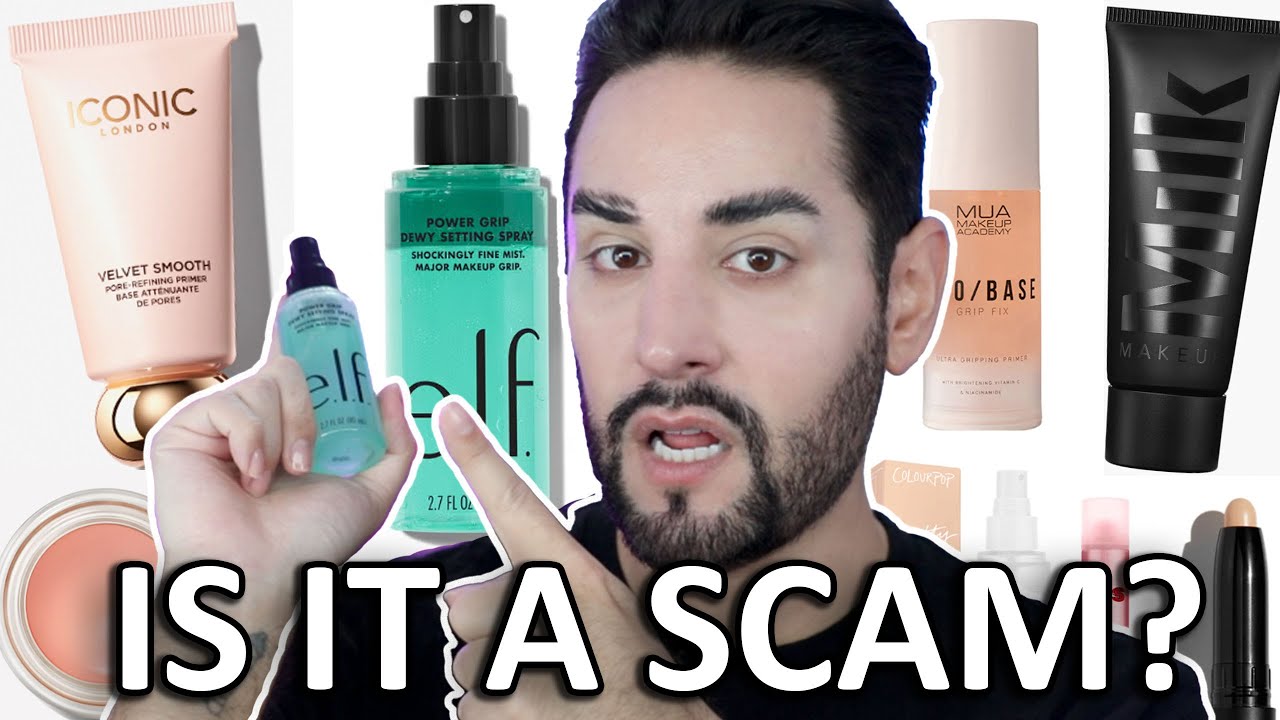
Primer does not just sit on top of skin. It interacts with skin texture to create a more workable surface for whatever goes on top of it.
The mechanism depends on the formula type. Silicone-based primers contain dimethicone or cyclopentasiloxane, which physically fill in pores and fine lines without absorbing into skin. The result is a smoother, more even canvas that foundation glides across rather than sinking into uneven texture.
Water-based primers work differently. They hydrate the outer layer of skin, which temporarily plumps fine lines and gives a more supple surface. Some include glycerin or hyaluronic acid, both of which pull moisture to the skin’s surface.
Mattifying primers, usually built with kaolin clay or silica, absorb sebum at the surface level. This reduces shine and slows the rate at which makeup breaks down on oily skin.
Illuminating primers contain mica or light-reflecting particles. These sit on the surface and scatter light, softening the look of texture without physically changing it.
One thing every primer formula shares: it creates a barrier between your skincare and makeup. That barrier matters because some skincare ingredients (particularly oils and silicones) actively interfere with how foundation adheres. Primer acts as a neutral layer between the two.
Smashbox built its entire Photo Finish franchise around this concept, formulating a dimethicone-heavy primer specifically to prevent foundation from sinking into pores or moving throughout the day. It became one of the best-selling face primers in North America for years, which says a lot about how much the barrier function actually resonates with real users.
Types of Makeup Primer

Not all primers do the same thing. The category breaks down by placement on the face, by formula base, and by the specific skin concern they target.
Face, Eye, and Lip Primer
Face primer is the broadest category. It preps overall skin texture before foundation or tinted products.
Eye primer is a separate product designed specifically for the lid. Eyeshadow applied without it tends to crease within a few hours, especially in warmer weather or on oilier lids. Urban Decay’s Eyeshadow Primer Potion is one of the most referenced options in this category, and makeup artists consistently rate eye primer as one of the highest-impact steps for shadow longevity.
Lip primer smooths lip texture and gives lipstick something to grip. It makes a bigger difference on drier lips where product tends to settle into lines. Worth knowing if you rely on long-wear formulas.
Color-Correcting and SPF Primers
Color-correcting primers use pigment to neutralize specific skin concerns before foundation goes on:
- Green: cancels redness and broken capillaries
- Peach or orange: counteracts dark spots and under-eye circles
- Lavender: brightens dull or sallow skin
- Yellow: neutralizes purple tones
SPF primers combine sun protection with skin prep. They are convenient, but dermatologists consistently note they should not replace a dedicated SPF product. The coverage is typically uneven when primer is applied in a thin layer.
Silicone-Based vs. Water-Based Primer
This is the split that matters most for everyday buying decisions.
| Feature | Silicone-Based | Water-Based |
| Main ingredient | Dimethicone, cyclopentasiloxane | Water, glycerin, hyaluronic acid |
| Texture | Velvety, slippery | Light, slightly tacky |
| Best for | Oily skin, textured skin, events | Dry, sensitive, or acne-prone skin |
| Pore-filling | Yes | Minimal |
| Compatibility | Pair with silicone-based foundation | Pair with water-based foundation |
| Risk | Can pill if mismatched | May not hold as long in humid conditions |
Mixing a silicone primer with a water-based foundation (or vice versa) is the most common cause of pilling and makeup separation. Matching the formula base across primer and foundation is one of those things that sounds technical but makes a real, visible difference.
What Makeup Primer Is Used For

Primer solves specific, practical problems. Each use case has its own logic.
Extending wear time is the most common reason people reach for primer. Oil production, humidity, and friction all break down foundation throughout the day. Primer slows that process by improving how well makeup adheres to skin in the first place.
The lip and face primer market had oily skin primers accounting for 36% of market share in 2023, the largest single segment, according to GMInsights. Oil control is clearly what most buyers want from a primer.
Minimizing pores and smoothing texture is where silicone primers specifically shine. They do not shrink pores (nothing does permanently), but they fill in the surface so pores are less visible under foundation.
Other common uses:
- Increasing eyeshadow pigmentation and preventing crease
- Adding a glow layer beneath sheer or tinted products
- Correcting uneven skin tone before foundation
- Reducing foundation oxidation on oily skin
One use that does not get mentioned enough: primer helps with stopping makeup from pilling. When skincare layers have not fully absorbed before foundation goes on, they repel the product. A primer sits between those layers and reduces the friction that causes pilling.
How to Apply Makeup Primer

Application technique changes the result more than most people expect.
Wait for skincare to absorb first. Applying primer over a still-tacky moisturizer or SPF is one of the most common mistakes. Give it 60 to 90 seconds minimum. Rushing this step is why a lot of people say primer does not work for them. It actually just never had the right surface to work with.
You can prep skin before makeup in a way that makes primer perform significantly better. A well-hydrated, clean base changes how the product sits.
Use the right amount. A pea-sized amount covers most of the face. More is not better. Layering too much primer is one of the main causes of a cakey finish later.
Tool options for application:
- Fingertips: work well for silicone formulas, body heat helps them blend
- Damp sponge: better for water-based or gel formulas, avoids over-working
- Brush: good for targeted application on specific areas like the T-zone or lids
Let primer set for one to two minutes before applying foundation. That brief wait is what allows the formula to grip the skin properly. Skip it and you lose most of the benefit.
For eye looks, apply eyeshadow directly on top of eye primer while it is still slightly tacky. That tackiness is the grip that keeps shadow in place for hours.
How to Choose the Right Primer for Your Skin Type

The wrong primer for your skin type can make things worse, not better. Heavy silicone formulas on dry skin settle into fine lines. Water-based primers on very oily skin may not hold makeup long enough to get through a full day.
Oily Skin
Mattifying primers with oil-absorbing ingredients are the go-to. Look for kaolin clay or silica near the top of the ingredient list. These actively absorb sebum rather than just creating a surface layer.
You can also check how to apply makeup for oily skin in a way that works with a mattifying primer. The layering order matters.
Dry Skin
Hydrating, water-based primers with glycerin or hyaluronic acid work best. Avoid thick silicone formulas, which can emphasize dry patches and settle into fine lines.
Mature or dry skin types should also check how to apply makeup on dry skin more broadly, since primer choice is only one part of getting a non-cakey finish.
Sensitive or Acne-Prone Skin
Look for: fragrance-free, silicone-free, non-comedogenic labels. Water-based formulas are generally safer here. Silicone-based primers are not inherently bad for acne-prone skin, but they can trap debris under the surface if skin is not fully clean before application.
Combination Skin
Two options work for combination skin:
- Zone-specific application: mattifying primer on the T-zone, hydrating primer on drier areas
- Balanced hybrid formulas that target both concerns without going too far in either direction
The zone-specific approach takes a minute longer but tends to give better results than a single formula trying to do two things at once.
Does Makeup Primer Make a Difference
Real-world testing and consumer data both support the same conclusion: primer does extend makeup wear. The effect is most visible on oily or textured skin where foundation has the most surface variability to deal with.
100% PURE research puts the actual gain at roughly 2 to 4 extra hours of longevity, not the 12-plus hours most product packaging claims. That gap between marketing and reality is worth knowing.
Primer sales grew from under 1% of the total makeup market in 2000 to over 10% by 2018, according to 100% PURE industry research. That kind of shift in consumer behavior does not happen around a product with no measurable benefit.
Where primer makes the clearest difference:
- Oily skin, where sebum breaks down foundation faster
- Hot or humid conditions
- Long days (events, weddings, shoots) where touch-ups are not an option
- Eye looks, where shadow without primer typically creases within a few hours
For dry or normal skin with a solid skincare routine already in place, the gap is smaller. Using makeup primer correctly still helps, but well-hydrated skin with good texture does not need as much intervention.
Worth mentioning: primer also helps with preventing creasing under eyes. Concealer alone tends to settle into fine lines by midday. A thin layer of primer under the eye area before concealer changes that noticeably.
The honest answer is that primer is not mandatory for everyone. But for anyone dealing with oily skin, long wear days, or visible texture, the difference is real and consistent.
Primer vs. Other Base Products
Primer is frequently confused with other base products because they all go on before or after foundation. The distinctions matter.
| Product | Purpose | When applied | Replaces primer? |
| Moisturizer | Hydrates skin | Before primer | No |
| Primer | Preps surface for makeup | After moisturizer, before foundation | – |
| Foundation | Coverage and color | After primer | No |
| Setting spray | Locks finished makeup | Last step | No |
| BB/CC cream | Tinted coverage with skincare | Can replace foundation | Not fully |
Primer vs. Moisturizer
Different jobs, different timing. Moisturizer hydrates and supports skin health over time. Primer creates a workable surface for makeup immediately before application.
Using primer without moisturizer underneath tends to result in dry patches showing through foundation by midday. The two work together, not in place of each other.
Applying primer before moisturizer has fully absorbed is one of the most common reasons for pilling. Wait 60 to 90 seconds between the two. Rushing it is almost always what causes the problem, not the products themselves.
Primer vs. Setting Spray
Setting spray is the finishing step. Primer is the starting step. They operate at opposite ends of the routine and do opposite things.
Primer anchors makeup to skin. Setting spray seals the finished look on top. Laura Mercier’s consumer testing found their blurring primers supported up to 16-hour wear when paired with a setting spray, which is the clearest real-world evidence for using both together.
Using setting spray alone without primer can extend wear, but the foundation still sits on an uneven surface. Using primer alone without setting spray gives you a better base but less protection at the top layer.
Primer vs. BB Cream and CC Cream
BB cream does two things: light coverage plus some skincare. It does not prep the skin the way a dedicated primer does.
You can apply primer under a BB cream or CC cream for better wear. Most people skip it because BB cream already feels like enough layers, but the two are not doing the same job.
The hybrid makeup market was valued at USD 19.61 billion in 2023, growing at a CAGR of 6.04% (Grand View Research). That growth reflects how many people now want products that do more than one thing, which is also why primer-foundation hybrids and tinted primers have become more common.
Key Ingredients in Makeup Primer
What a primer does on your skin is determined almost entirely by what is in it. Reading ingredient lists sounds tedious, but it takes about 30 seconds once you know what to look for.
Silicone-Based Ingredients
Dimethicone is the most common silicone in face primers. It sits on the skin surface, physically filling in pores and fine lines without absorbing into skin.
How to spot silicones on a label: any ingredient ending in -cone, -conol, -silane, or -siloxane. Cyclopentasiloxane and cyclohexasiloxane are two of the most common alongside dimethicone.
Silicone ingredients appear near the top of the INCI list in silicone-based primers. If water is listed first and silicones appear lower down, the formula is water-based despite containing some silicone.
Oil-Absorbing Ingredients
Kaolin clay absorbs excess sebum and helps create a matte finish. It is one of the most used oil-control ingredients in mattifying primers.
Silica works similarly, often appearing in primers marketed for pore minimizing. Both ingredients draw oil away from the surface rather than just sitting on top of it.
These are the two to look for if you have oily or combination skin and want a primer that actually controls shine rather than just blurring it temporarily.
Hydrating Ingredients
Glycerin and hyaluronic acid are the main humectants in water-based and hydrating primers. Both pull moisture toward the skin’s surface, which plumps fine lines temporarily and creates a smoother base for foundation.
Hyaluronic acid works on multiple skin depths and tends to feel lighter than glycerin-heavy formulas. Good option for dry skin that reacts poorly to silicones.
Some water-based primers extend foundation application wear by up to 24 hours, according to product testing by bareMinerals. Results vary by skin type, but the hydration-to-hold mechanism is consistent across formulas.
Skincare-Active Ingredients
Online interest in hybrid cosmetics (makeup with active skincare ingredients) rose 9% between 2023 and 2024, per Black Swan Data’s skincare-infused cosmetics report. Primers are one of the main categories where this trend shows up.
Niacinamide (vitamin B3) regulates sebum production, reduces the appearance of pores, and calms redness. Concentrations of 2 to 5% in a primer are considered both safe and effective for most skin types.
Other ingredients now appearing in hybrid primers:
- Mica and titanium dioxide, for light-reflecting or color-correcting effects
- Antioxidants (vitamin C, vitamin E, green tea extract) for environmental protection
- Ceramides, for supporting the skin barrier under daily makeup wear
Charlotte Tilbury’s Hollywood Flawless Filter is a good example of a skincare-primer hybrid that became a bestseller partly because it layers niacinamide with light-reflecting particles, making it functional for both skin health and base prep.
One thing to keep in mind: skincare ingredients in primers are present at much lower concentrations than in dedicated treatments. They are useful, but they do not replace a proper skincare routine before makeup.
FAQ on What Is Makeup Primer
What does makeup primer do?
Primer creates a smooth base between your skincare and foundation. It improves makeup adhesion, minimizes pores, controls oil, and extends wear time. Think of it as the step that makes everything else perform better.
Do I need primer before foundation?
Not always. If you have dry or balanced skin and wear minimal makeup, you can skip it. But for oily skin, long days, or textured skin, primer makes a visible difference in how long foundation lasts.
Where does primer go in a makeup routine?
After moisturizer and SPF, before foundation. Let your skincare absorb fully first, around 60 to 90 seconds. Then apply primer, wait another minute, and apply foundation on top.
What is the difference between silicone-based and water-based primer?
Silicone-based primers fill pores and create a velvety surface. Water-based primers hydrate and feel lighter. Always pair like with like: silicone primer with silicone foundation, water-based primer with water-based foundation.
Can primer replace moisturizer?
No. Moisturizer hydrates skin and supports the skin barrier. Primer preps the surface for makeup. They do different jobs. Skipping moisturizer and using only primer leads to dry patches and patchy foundation by midday.
How much primer should I use?
A pea-sized amount covers the full face. More is not better. Over-applying primer is one of the most common causes of pilling, cakey foundation, and makeup that slides off rather than staying put.
What primer is best for oily skin?
Mattifying primers with kaolin clay or silica work best. They absorb sebum at the surface rather than just coating it. Look for oil-free, non-comedogenic labels to avoid clogging pores throughout the day.
Is eye primer different from face primer?
Yes. Eye primer is formulated specifically for the lid. It prevents eyeshadow from creasing, intensifies pigment payoff, and keeps color in place significantly longer than face primer used on the eye area.
Can I use primer on dry skin?
Yes, with the right formula. Choose a hydrating, water-based primer with glycerin or hyaluronic acid. Avoid thick silicone formulas, which can settle into dry patches and make flakiness more visible under foundation.
Does primer actually make makeup last longer?
Real-world testing shows primer adds roughly 2 to 4 extra hours of wear, according to 100% PURE research. The impact is most noticeable on oily skin, in humid conditions, and during long-wear days like events or shoots.
Conclusion
This conclusion is for an article presenting what makeup primer is and why it belongs in your routine.
The right formula makes a real difference. Silicone-based options blur pores and extend wear. Water-based primers keep things light and breathable for sensitive or dry skin.
Ingredients like dimethicone, kaolin clay, niacinamide, and hyaluronic acid each serve a specific purpose. Knowing what they do helps you pick a product that actually matches your skin type and makeup goals.
Primer is not mandatory for everyone. But for oily skin, long days, or anyone dealing with texture and foundation wear time, it consistently earns its place between skincare and color products.
Match your formula, apply the right amount, and let it set. That is all it takes.

She started writing on the site after fielding the same questions from clients and friends often enough to just write the answers down: which red won't turn orange on a warm undertone, how to keep lipstick from feathering into fine lines, why a "12-hour" formula rarely survives dinner.
Every review on the site follows the same rule she uses with paying clients: wear it first, then decide if it's worth recommending.
- How to Make Eyeliner Last Longer Without Smudging - August 31, 2026
- How to Make Eyeshadow Last Longer All Day - August 29, 2026
- How to Find Your Undertone in 5 Easy Steps - August 27, 2026