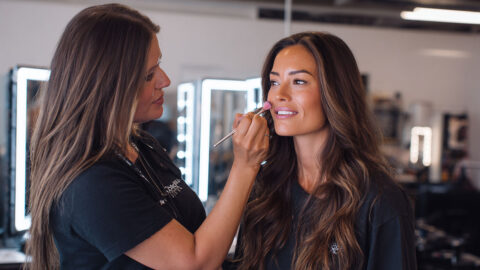
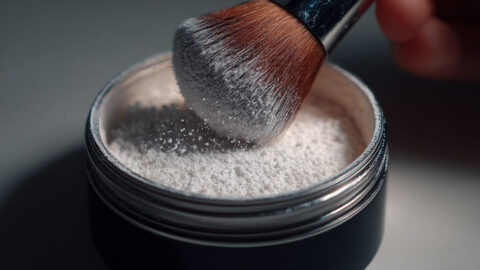
Lipstick leaves a mark on the cup because it’s still wet when the cup touches it. What people call transfer proof is really lipstick that got the chance to dry into a set film first, instead of sitting on the lips as a wet layer of oil and wax.
Revlon’s kiss test, a standard way to judge transfer, was built around that wait. Panelists applied the lipstick, waited five minutes for the volatile oil to evaporate, and only then kissed the back of the hand (Lochhead and Lochhead, Cosmetics & Toiletries, 2015).
Wear time is a different claim. A lipstick can hold its color for hours and still leave a mark on a glass.
What Makes Lipstick Transfer-Proof?
A film that dries and stays put, mostly. The formula builds it as the lipstick sets, and your prep, thin coats, a blot and a short wait with nothing touching the lips take care of the rest.
The label overstates it, though. Revlon, which launched the category, went with “transfer resistant” over “transfer proof” in its marketing after debate and litigation with a competitor, because “proof” implies the color can never come off (Lochhead and Lochhead, Cosmetics & Toiletries, 2015).
Before that, lipstick was waxes, thick oils and pigment, so it moved onto whatever it touched. Every transfer also took color off the lips and left them patchy.
Wear and transfer fail separately. A formula can pass one test and flunk the other.
What the film is made of
Isododecane or cyclopentasiloxane (a cyclomethicone) spreads the color across the lip and then evaporates. What stays behind is a silicone MQ resin, listed on labels as trimethylsiloxysilicate, or an acrylates copolymer, and that locks the pigment in place. Dimethicone and other oils go in as well so the film doesn’t crack.
Revlon ColorStay Ultimate Liquid Lipstick puts isododecane, dimethicone and trimethylsiloxysilicate first on its ingredient list, so every one of those jobs is covered right at the top.
Dow sells the same resin pre-dispersed in isododecane (DOWSIL MQ-1610 ID Resin) for long wear with sebum and water repellency. Shin-Etsu Silicones of America calls its KF-9021-ID MQ resin a very hard-film type, then offers siliconized pullulan as the alternative that stays permeable to moisture, oil and oxygen for comfort (2024).
That carrier and resin pairing is easy to spot on a label. For everything else printed on a tube, this rundown of common lipstick ingredients fills in the gaps.
Why drying time decides the result
Until the carrier evaporates, the lipstick is still wet.
That’s why the kiss test has a built-in wait. Panelists applied the lipstick, let the volatile oil evaporate, then kissed the back of the hand, and the test became the standard way to judge transfer (Lochhead and Lochhead, 2015).
Packaging follows the same logic. A tube left open loses its carrier and dries into a hard glob that won’t pay out, so the cap goes back on after every use.
Technique can stand in for chemistry. Blotting, and the tissue-and-powder routine makeup artists use, lift surplus oil and moisture off a lipstick that has no volatile carrier at all. Both routes end up in the same spot, with less mobile oil on the lip surface when something touches it.
The numbers behind this are worth having. Revlon’s original kiss test built in a 5 minute wait before the lips touched the hand (Lochhead and Lochhead, Cosmetics & Toiletries, 2015), and 87% of panelists reported hardly a trace of color on the hand afterward (same 2015 review). On the formulation side, the trimethylsiloxysilicate/polypropylsilsesquioxane silicone resin blend typically goes in at 1 to 50% of a formula (MakingCosmetics specification sheet, updated May 2024). Shiseido’s early liquid lip makeup went heavier, with 40% MQ resin alongside 20% volatile hydrocarbon oil (1986 patent application, as reviewed in the 2015 article).
Which Lipstick Formula Transfers Least?
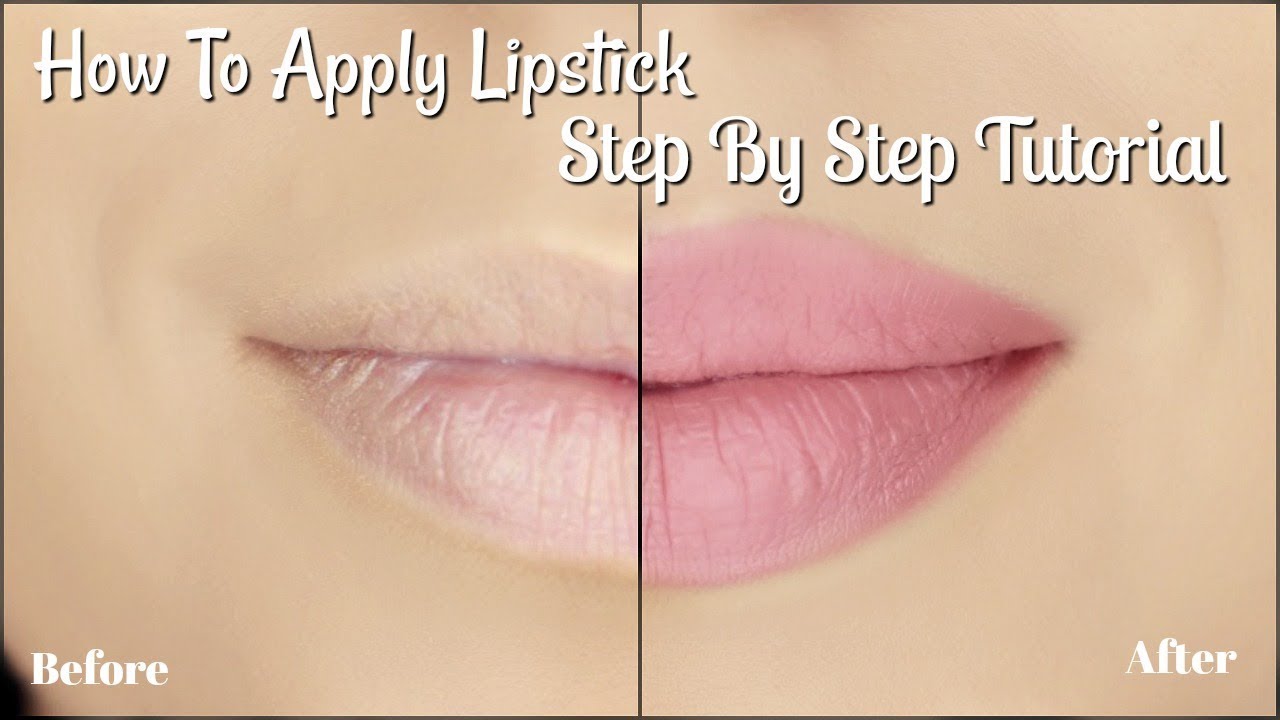
Matte and liquid formulas tend to last longer, while glossy or creamy ones transfer more easily, according to makeup artist Ruby Hammer MBE writing for Live That Glow. Shine comes from non-volatile oils, and Lochhead and Lochhead note that loading a formula with them compromises transfer resistance.
| Formula | Transfer | Comfort | If it still transfers |
|---|---|---|---|
| Liquid lipstick | Low once dry | Can feel tight as the film sets | Thin coat, full dry-down |
| Matte bullet | Low | Dry feel | Blot, then powder |
| Satin or cream bullet | Highest of the four | Most comfortable | Layer thinly, blot and powder between coats |
| Lip stain or tint | Low | Barely-there feel | Keep oily balm and gloss off the top |
Stains earn their place for light wear. Clarins markets its water lip stain as transfer-proof color with a barely-there feel.
Brand claims need reading for what they actually measure. Maybelline lists SuperStay Matte Ink at up to 16 hours of wear with no transfer (as of October 2026). Hours tell you how long the color survives. They say nothing about what happens when a cup touches it.
In practice, food and friction matter more than the printed number, so how long liquid lipstick lasts varies a lot from one wearer to the next. Oily and greasy foods break down any lip product faster (Ruby Hammer, Live That Glow).
Is a new formula worth buying?
Often it isn’t. Carl Ray, Michelle Obama’s makeup artist, tells satin-finish fans to apply in layers rather than switch to a matte liquid, as reported by Good Morning America in February 2021.
Ruby Hammer has her own version of the same fix. Apply, blot with a tissue, dust on translucent powder, then reapply for a budge-proof stain effect.
What you really give up is finish. The choice between matte and satin lipstick comes down to comfort against transfer, and the hard film that gives matte its grip is also what makes it feel tight.
Keep what you have if it’s a satin or cream stick you like wearing and the worry is a face mask or a cup rather than a full meal. Two extra minutes on application covers the rest.
A transfer-resistant liquid makes more sense when the color has to survive meals and touch-ups aren’t an option. It helps if you already wear matte and can live with the dry-down feel.
How to Prepare Lips Before Applying

Smooth lips and a dry base are the goal. Anything slick underneath gives the film nothing to grip.
Exfoliation and balm
Carl Ray opens his routine with exfoliating and moisturizing, since lips don’t stay soft on their own, especially through winter dryness (Good Morning America, February 2021).
At home, parfumdreams suggests a scrub of brown sugar, coffee powder and olive oil, and there are other ways to exfoliate lips naturally if that mix is too gritty.
Balm is where sources split.
Iba Cosmetics says to take off any lip balm or lip mask before the lipstick goes on. Stylist, on the other hand, advises blotting excess balm with a tissue when it went on just before the lipstick.
Both agree on the problem, which is surplus oil. A late-1990s Toshiba Silicone patent, reviewed by Lochhead and Lochhead, found that oil in the same phase swelled and broke the silicone film, and the color ran.
Primer, concealer and liner

Order matters here. Lip primer, or a thin pat of concealer across the lips, goes down first to hold back bleeding and feathering. Liner follows, on the outline and then filled in across the whole lip, and lipstick comes last.
That order is Carl Ray’s, as reported by woman&home. Filling the lip rather than just outlining it gives the color something to cling to.
Buxom Cosmetics describes a transfer-resistant pencil as a dry, grippy base that cuts bleeding, fading and transfer. It’s a brand claim, but the chemistry backs it up. The ingredient lists of Sephora Collection’s Colorful 8HR Transfer-Proof Lip Liner and about-face Matte Fix Lip Pencil both pair isododecane with trimethylsiloxysilicate, the same carrier and resin as liquid lipstick.
Full coverage matters more than a sharp edge at this stage, though the usual rules for applying lip liner still hold at the border.
How to Apply and Set Lipstick So It Stays Put
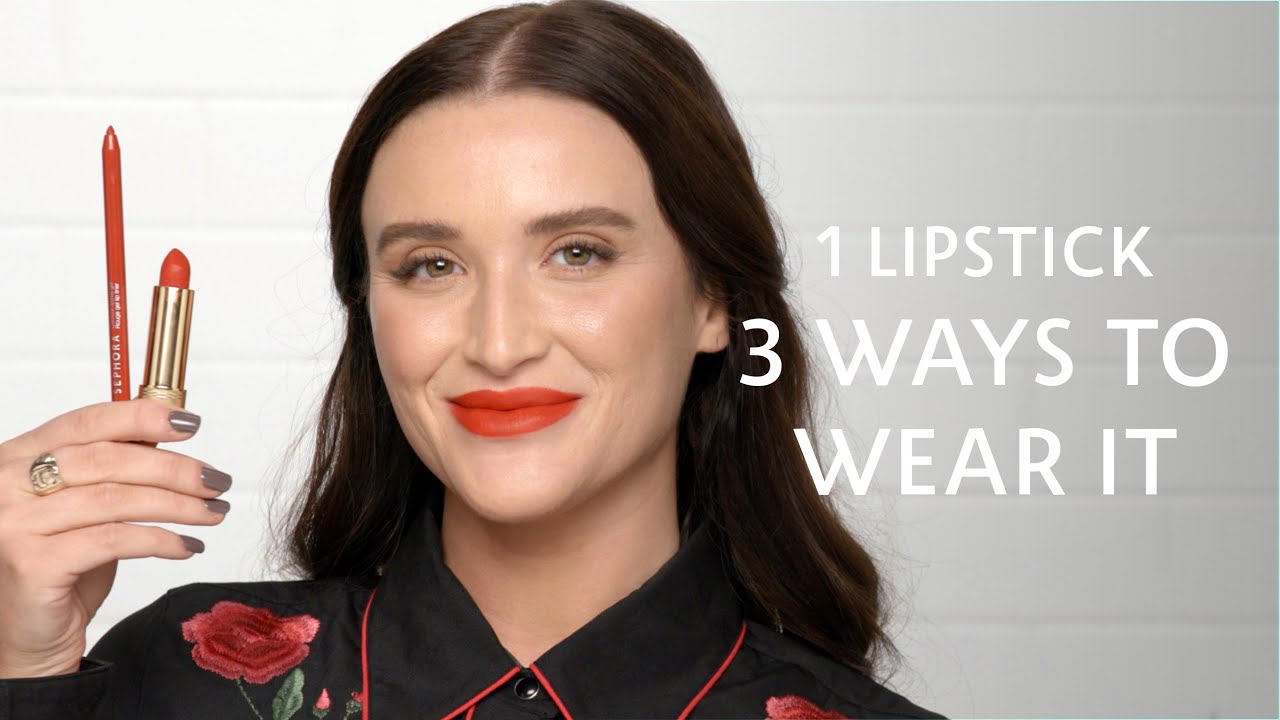
Thin coats do most of the work. Whatever oil is left on the surface gets blotted off, and the lips stay apart until the film has dried.
Thin coats and layering
The applicator deposits the most product. Maybelline’s directions for its liquid lipstick say to outline with the tip, fill with the flat edge, and let the lips dry completely. A fingertip puts down far less. Maybelline’s “blotted look” presses a small dab outward from the center for a diffused stain, and All Tigers says finger application spreads color more lightly than the wand.
Thickness is the variable that matters. Even for high-shine shades, a loaded wand leaves a sticky surplus that rubs off on a mask (Harper’s Bazaar Arabia), and All Tigers makes the same point about thick layers leaving more traces.
The outline-then-fill sequence is the standard way to apply liquid lipstick, and one pass usually delivers full color because these formulas are pigment-heavy.
Tissue and powder, step by step
- Start from prepped lips with the liner filled in across the whole lip.
- Apply one thin coat. Outline first, then fill, if the formula is a liquid.
- Blot with a one-ply tissue to lift surplus oil.
- Leave the tissue in place and press translucent powder through it with a puff or soft brush.
- Remove the tissue and add a second thin coat only if the color needs it.
- Keep the lips apart until the film has dried, then close the tube.
Laura Mercier’s directions for its Translucent Loose Setting Powder Ultra-Blur call for pressing and rolling the powder into the tissue with a velour puff, so it absorbs excess moisture from the lipstick.
Pressing works better than sweeping, since a brushing motion drags the tissue across wet color while a press-and-roll keeps it in contact with the lips.
The routine to set lipstick with powder only works with a light hand. Carl Ray says only a very small amount of invisible powder is needed (Stylist), and a separate Stylist piece quotes another make-up artist saying the tissue method sets lipstick without leaving it feeling too dry.
What Breaks a Transfer-Proof Finish?
Oil, mostly. Greasy food, oil-based balm and oil-based gloss dissolve the film, and friction plus lip lines push whatever remains onto cups, masks and skin.
Food and drink
Oil or water in a drink lifts color off the lips (Lochhead and Lochhead, Cosmetics & Toiletries, 2015), and oily foods can dissolve pigment, according to Faces Canada. Smiling, yawning and talking wear color away with no contact at all.
The mechanism is simple solvent chemistry. Iba Cosmetics notes that oil breaks down the silicone and polymer film that holds long-wear color in place, which is why a cooking oil does the same job as a remover.
Learning to eat with lipstick on comes down to limiting lip contact with greasy food. For drinks, a straw cuts direct contact with the glass (Ruby Hammer, Live That Glow).
Balm and gloss on top
Sources disagree on gloss. Iba Cosmetics says oil-based gloss breaks down a non-transfer lipstick and dulls its matte finish, yet gloss over a lipstick is a long-standing product format.
The difference is formulation. An Estee Lauder Companies patent (US 7,261,877, granted 2007) pairs an MQ resin base coat with an oil overcoat delivered from a volatile solvent such as isododecane, so the shine layer doesn’t dissolve the film below it (as reviewed by Lochhead and Lochhead).
A random gloss from the drugstore isn’t built that way. If shine matters more than hold, the method for how to apply lip gloss over lipstick belongs after the film has dried, and a gloss from the same product line is the safer pairing.
Masks and cups
A lipstick can hold color all day and still leave a mark on a glass (All Tigers). Transfer covers cups, clothing and skin, down to shirt collars, per L’Oreal’s 2001 patent US 6,235,293. That same patent treats migration separately, meaning color traveling into the fine lines around the lips.
Brand wording hedges too. As of October 2026, Maybelline’s Super Stay Matte Ink page calls the lip color “transfer-proof” in its copy, while its FAQ and product-promise badges say “transfer resistant.”
The dryness trade-off
L’Oreal’s 2001 patent wanted a lip film that stays flexible, so it capped the glass transition temperature at 10 degrees Celsius or below, the minimum film-forming temperature at 15 degrees Celsius or below, and the hardness below 50. Polymers outside those limits cracked quickly on the lips in its comparison.
The patent’s route was a soft acrylic film, not a hard silicone one. Its background section describes earlier transfer-free lipsticks as becoming uncomfortable over time, with dryness and tautness once the silicone oil evaporated.
Lochhead and Lochhead describe the same problem from the industry side. Early resin and polyacrylate films weren’t pliable, felt taut and mask-like, and could turn brittle enough to flake.
Comfort claims today are a different matter. Maybelline’s published ingredient list for Super Stay Matte Ink includes nylon-611/dimethicone copolymer and C30-45 alkyldimethylsilyl polypropylsilsesquioxane, both of which Lochhead and Lochhead tie to L’Oreal patents aimed at comfortable long wear.
That’s a brand statement, not a test result, so a new tube still needs a wear test on your own lips.
What you get from the dry-film route is strong resistance to transfer once the film has set, a formula Maybelline states does not feather or bleed, and wear that holds through drinks and light snacking.
The downsides pile up faster:
- The lips can feel tight or dry while the film sets
- Brittle films flake on dry lips
- Oily food, balm or oil-based gloss undoes the whole thing
- A proper remover is needed at night
- Nothing can touch the lips until the film is fully dry
How to Remove Transfer-Proof Lipstick
An oil-based remover on a cotton pad is the way to go. Give it time to dissolve the film, then wipe without rubbing or tugging, because scrubbing only dries the lips out.
Iba Cosmetics spreads an oil cleanser or thick lip balm over the color, waits 20 to 30 seconds, then wipes gently. It says micellar water alone may fall short on heavy formulas. Maybelline’s FAQ is more relaxed and lists micellar water or an oil-based remover as options for its liquid matte, with a warning that the remover must be labeled safe for lips, since some are made for eye makeup.
The split likely tracks film hardness. Iba says micellar water suits satin and cream formulas that haven’t set into a full film, while a hard resin film is better handled with oil. A longer comparison of methods to remove liquid lipstick covers the options by formula.
Bioderma presents Sensibio H2O as a no-rinse micellar water for face and eyes. That makes it a gentle choice for lighter wear, not the first pick for a heavy resin film.
Maybelline’s own route for removing Super Stay Matte Ink is its SuperStay Eraser. The directions are to swipe it on, press the lips together so it sinks into the color, then wipe with a tissue, and makeup.com describes it as loaded with emollients that dissolve the lipstick film.
Hold the corner of the mouth still instead of tugging (Clarins). An oil remover can be followed with a warm cloth to lift greasy residue, and a little balm or oil afterward helps if the lips feel tight (Iba Cosmetics).
Petrolatum or a dimethicone-based remover was Procter & Gamble’s original advice for its transfer-resistant lipsticks, and dedicated silicone-based removers followed (Lochhead and Lochhead, 2015).
Transfer-Proof Lipstick FAQ
Does setting spray work on lips?
No. The lip methods makeup artists describe use a tissue and translucent powder, while setting sprays are sold for face makeup.
Unless a spray’s label names lips, keep it off the mouth.
How can I touch up lipstick without breaking the film?
Blot any surface oil first, then add a thin coat only where color has worn. A thick layer puts surplus product back on top, and surplus is what transfers (All Tigers).
Let the patch dry before the lips touch anything.
Why does lipstick wear off in the center first?
Wear starts where the lips touch most, which means cups, cutlery and the opposite lip. Drinks, talking, smiling and yawning add to it.
A full liner base gives the color something to grip in that zone.
Is transfer-proof lipstick the same as waterproof or smudge-proof?
No. Transfer means color depositing on cups, clothing or skin, while migration is color creeping into the lines around the lips (L’Oreal patent US 6,235,293, 2001).
Waterproof covers water exposure. Maybelline lists water resistant, smudge resistant and transfer resistant as separate claims on its Super Stay Matte Ink page.
When the Full Routine Is Worth the Extra Minutes
Most days, a dry base, one thin coat and a blot are enough. The full routine earns its minutes before meals, long mask wear or events with no retouching.
If you need more hold, add steps in this order: blot the first coat, fill the lips with liner, then press powder through a tissue. Each addition costs more product and time than the last, so each one has to earn its place.
The short version lowers transfer but doesn’t remove it, because lipstick always transfers to some extent, according to makeup artist Ruby Hammer MBE.
Wear claims and ingredient lists change with reformulation, so recheck the label when replacing a tube (verified October 2026).
Color that outlasts the day is a separate goal, and the steps to make lipstick last longer build on the same prepared base.

She started writing on the site after fielding the same questions from clients and friends often enough to just write the answers down: which red won't turn orange on a warm undertone, how to keep lipstick from feathering into fine lines, why a "12-hour" formula rarely survives dinner.
Every review on the site follows the same rule she uses with paying clients: wear it first, then decide if it's worth recommending.
- How to Make Eyeliner Last Longer Without Smudging - August 31, 2026
- How to Make Eyeshadow Last Longer All Day - August 29, 2026
- How to Find Your Undertone in 5 Easy Steps - August 27, 2026