

You’ve watched that liquid lipstick dry on your lips, waited the recommended minute, then had it crack by noon anyway.
Liquid lipstick isn’t hard to apply. But most people skip the prep steps that actually matter, load on too much product in one go, or press their lips together before the formula sets properly.
This guide breaks down the exact technique for smooth, budge-proof color that lasts through coffee, lunch, and whatever else your day throws at you. Five straightforward steps, each one backed by why it works (because understanding the purpose makes you better at execution).
You’ll learn the thin-layer approach that prevents cracking, the liner trick that stops feathering, and the drying time that actually matters.
How to Use Liquid Lipstick
Liquid lipstick is a lip color formula that applies wet and dries to a matte finish, providing long-wearing, transfer-proof coverage that lasts 6-12 hours without reapplication.
You need this technique when you want budge-proof color for events, work, or any situation where touch-ups are inconvenient.
This guide covers 5 steps requiring 3-5 minutes and beginner-level skill.
The process works with any matte lipstick formula, though technique adjustments help with different lipstick types.
Prerequisites
- Lip scrub or sugar-based exfoliant
- Hydrating lip balm (any formula works)
- Liquid lipstick with doe-foot applicator
- Lip liner in matching or nude shade
- Clean tissue or cotton pad
- Mirror with adequate lighting
Time estimate: 3-5 minutes
Skill level: Beginner
How Do You Prepare Your Lips for Liquid Lipstick Application?

Gently scrub lips using circular motions for 30 seconds to remove dead skin cells, then wipe clean with a damp tissue and apply a thin layer of lip balm, waiting 2 minutes before proceeding.
Your lips should feel smooth and hydrated without any visible flakes or rough patches.
Action
- Exfoliation: Apply lip scrub to dry lips, massage in small circles, focus on any dry patches near the lip line
- Removal: Wipe with damp tissue or rinse with water until all product is gone
- Hydration: Apply thin layer of balm, blot excess after 2 minutes with tissue
Proper lip care routine prevents the cracking and flaking that ruins liquid lipstick looks.
Purpose
Dead skin creates uneven texture that causes patchy color payoff.
Liquid formulas cling to dry spots and settle into lines, making imperfections more visible.
If you struggle with chronically chapped lips, a dedicated lip care for dry lips approach helps before any lip product application.
How Do You Apply Lip Liner Before Liquid Lipstick?
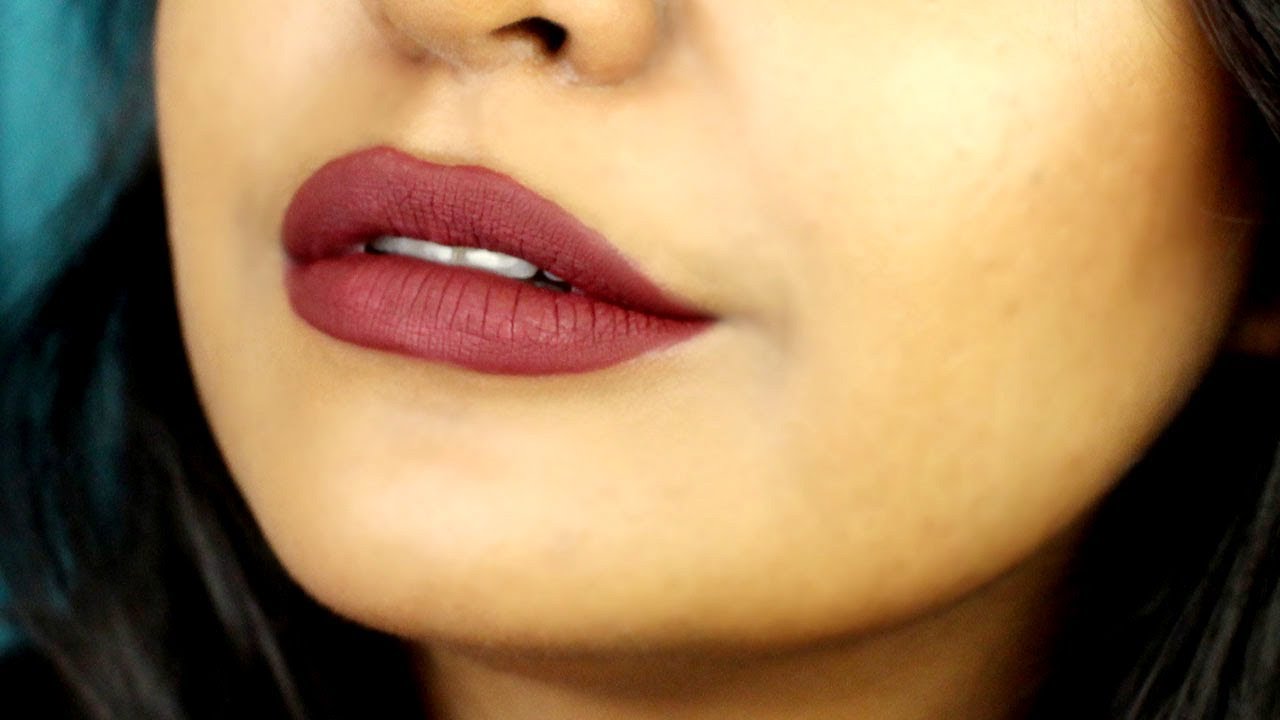
Start at the cupid’s bow with short strokes, outline the vermillion border of both lips completely, then lightly fill in the entire lip surface to create a base that prevents feathering and extends wear time.
The liner creates a barrier that stops liquid formulas from bleeding outside your natural lip shape.
Action
- Cupid’s bow: Place pencil tip at highest point, draw downward strokes to define the V-shape
- Outer corners: Connect liner from cupid’s bow to each corner using the natural lip edge as your guide
- Bottom lip: Start at center, work outward to corners following your natural line
- Fill in: Use light, crosshatch strokes to cover entire lip surface
Understanding lip liner basics makes a real difference in your final result.
For detailed technique, check out applying lip liner properly.
Purpose
The waxy texture of liner grips liquid pigment and prevents migration into fine lines around the mouth.
Filling in creates an even canvas so the liquid formula appears more saturated and uniform.
Took me forever to figure out that skipping this step was why my liquid lipsticks always looked patchy by lunchtime.
What Is the Correct Technique for Applying Liquid Lipstick?
Wipe excess product from the doe-foot applicator on the tube’s edge, place the applicator at the center of your bottom lip, sweep outward to each corner, then press lips together gently and repeat the process on the top lip starting at the cupid’s bow.
The color should appear opaque and even with defined edges matching your liner.
Action
- Load applicator: Dip once, scrape one side against tube opening to remove excess
- Bottom lip first: Start dead center, pull applicator toward right corner, return to center, pull toward left corner
- Top lip technique: Place applicator tip in cupid’s bow dip, trace the V-shape, sweep outward to corners
- Clean edges: Use clean edge of applicator to sharpen the lip line
This mirrors the general principles of applying lipstick, but liquid formulas need thinner layers.
Purpose
Starting at the center deposits the most pigment where lips are fullest and most visible.
Working outward distributes remaining product more thinly toward corners where buildup causes cracking.
The thin layer approach is everything with liquid formulas; thick application takes forever to dry and cracks within hours.
How Do You Perfect the Lip Shape After Application?

Dip a small concealer brush or cotton swab in micellar water, trace around the outer edges of your lips to remove any product that bled outside the line, then apply a thin layer of concealer along the vermillion border to create a crisp, defined edge.
The lip line should look sharp and intentional, not fuzzy or uneven.
Action
- Clean-up tool: Use pointed cotton swab or angled concealer brush dampened with makeup remover
- Edge correction: Trace along outer lip line, wiping away any color that migrated past your liner
- Concealer application: Pat thin line of concealer directly below bottom lip and above top lip corners
This technique also works when applying matte lipstick in traditional bullet form.
Purpose
Even careful application leaves microscopic bleeding along the edges that becomes more visible as the day progresses.
Concealer creates an optical illusion of fuller, more precise lips while locking the color in place.
How Do You Make Liquid Lipstick Last Longer?
After the first layer dries completely (about 60 seconds), blot with a single-ply tissue, apply a second thin coat focusing on the center of the lips, then let dry for 2 full minutes before pressing lips together or eating.
Properly set liquid lipstick lasts 8-12 hours without significant fading or transfer.
Action
- Drying time: Wait 60 seconds minimum after first application; lips should feel dry to touch, not tacky
- Blotting technique: Separate tissue into single ply, press gently against lips without rubbing
- Second layer: Apply thin coat to center of lips only, blend outward with clean finger
- Final set: Keep lips slightly parted for 2 minutes; avoid pressing together
For bulletproof staying power, learn about making lipstick last longer with setting techniques.
Some people swear by setting lipstick with powder, though I find it changes the texture too much with liquid formulas.
Purpose
Blotting removes oils that prevent proper bonding between layers.
The second coat fills any thin spots while the layering creates a more durable color deposit.
Verification
Your liquid lipstick application worked correctly if:
- Color appears opaque and even across entire lip surface
- No visible lip liner showing through or around edges
- Lips feel dry and comfortable, not sticky or heavy
- Pressing lips together leaves zero transfer on opposite lip
- Rubbing finger across lips shows no color movement
The kiss test: press lips firmly against back of hand.
Zero transfer means success; any color deposit means more drying time needed.
Full cure time takes 5-10 minutes depending on formula thickness and humidity levels.
Troubleshooting
Issue: Uneven or Patchy Color
Solution: Remove product completely with proper liquid lipstick removal technique.
Exfoliate again, apply thinner lip balm layer, wait longer before applying color.
Patchiness usually means too much balm residue or dead skin creating barriers.
Issue: Feathering Outside Lip Line
Solution: Always use lip liner as barrier; choosing lip liner in a waxy formula prevents migration.
Apply clear lip primer around outer edges before liner if feathering persists.
Check out tips for stopping lipstick from feathering entirely.
Issue: Cracking or Flaking After Drying
Solution: Applied too thick; liquid formulas need thin, even coats.
Remove and restart with less product on applicator.
Chronic cracking indicates dehydrated lips; implement daily exfoliating lips naturally routine.
Also consider keeping lips moisturized with matte lipstick formulas through overnight treatments.
Issue: Color Appears Different Than Expected
Solution: Natural lip pigmentation affects final shade; darker lips mute colors while lighter lips intensify them.
Use nude liner as color-correcting base for true-to-tube results.
If applying on dark lips, a concealer base helps colors appear accurate.
Alternative Method: Lip Brush Application
Doe-Foot Applicator Method (Main Guide)
- Time: 3 minutes
- Complexity: Beginner
- Best for: Quick daily application, full coverage looks
Lip Brush Method (Alternative)
- Time: 5 minutes
- Complexity: Intermediate
- Best for: Precise application, ombre lips, thin lip enhancement
Choose applicator method when speed matters and you want full, even coverage.
Choose brush method when working with bold shades, creating gradient effects, or applying lipstick on thin lips where precision prevents over-drawing.
Brushes also help when blending lipstick colors together.
Next Steps and Related Processes
- Learn about different matte lipstick shades to expand your collection
- Explore lip stain as a lighter alternative for everyday wear
- Try making matte lipstick glossy for evening looks
- Master keeping lipstick off teeth with simple prevention tricks
- Discover making lipstick transfer proof for special occasions
- Find your perfect shade with guides on picking lipstick color for your undertone
How Do You Perfect the Lip Shape After Application?
Dip a small concealer brush or cotton swab in micellar water, trace around the outer edges of your lips to remove any product that bled outside the line, then apply a thin layer of concealer along the vermillion border to create a crisp, defined edge.
The lip line should look sharp and intentional, not fuzzy or uneven.
Action
- Clean-up tool: Use pointed cotton swab or angled concealer brush dampened with makeup remover
- Edge correction: Trace along outer lip line, wiping away any color that migrated past your liner
- Concealer application: Pat thin line of concealer directly below bottom lip and above top lip corners
This technique also works when applying matte lipstick in traditional bullet form.
Purpose
Even careful application leaves microscopic bleeding along the edges that becomes more visible as the day progresses.
Concealer creates an optical illusion of fuller, more precise lips while locking the color in place.
How Do You Make Liquid Lipstick Last Longer?

After the first layer dries completely (about 60 seconds), blot with a single-ply tissue, apply a second thin coat focusing on the center of the lips, then let dry for 2 full minutes before pressing lips together or eating.
Properly set liquid lipstick lasts 8-12 hours without significant fading or transfer.
Action
- Drying time: Wait 60 seconds minimum after first application; lips should feel dry to touch, not tacky
- Blotting technique: Separate tissue into single ply, press gently against lips without rubbing
- Second layer: Apply thin coat to center of lips only, blend outward with clean finger
- Final set: Keep lips slightly parted for 2 minutes; avoid pressing together
For bulletproof staying power, learn about making lipstick last longer with setting techniques.
Some people swear by setting lipstick with powder, though I find it changes the texture too much with liquid formulas.
Purpose
Blotting removes oils that prevent proper bonding between layers.
The second coat fills any thin spots while the layering creates a more durable color deposit.
Verification
Your liquid lipstick application worked correctly if:
- Color appears opaque and even across entire lip surface
- No visible lip liner showing through or around edges
- Lips feel dry and comfortable, not sticky or heavy
- Pressing lips together leaves zero transfer on opposite lip
- Rubbing finger across lips shows no color movement
The kiss test: press lips firmly against back of hand.
Zero transfer means success; any color deposit means more drying time needed.
Full cure time takes 5-10 minutes depending on formula thickness and humidity levels.
Troubleshooting
Issue: Uneven or Patchy Color
Solution: Remove product completely with proper liquid lipstick removal technique.
Exfoliate again, apply thinner lip balm layer, wait longer before applying color.
Patchiness usually means too much balm residue or dead skin creating barriers.
Issue: Feathering Outside Lip Line
Solution: Always use lip liner as barrier; choosing lip liner in a waxy formula prevents migration.
Apply clear lip primer around outer edges before liner if feathering persists.
Check out tips for stopping lipstick from feathering entirely.
Issue: Cracking or Flaking After Drying
Solution: Applied too thick; liquid formulas need thin, even coats.
Remove and restart with less product on applicator.
Chronic cracking indicates dehydrated lips; implement daily exfoliating lips naturally routine.
Also consider keeping lips moisturized with matte lipstick formulas through overnight treatments.
Issue: Color Appears Different Than Expected
Solution: Natural lip pigmentation affects final shade; darker lips mute colors while lighter lips intensify them.
Use nude liner as color-correcting base for true-to-tube results.
If applying on dark lips, a concealer base helps colors appear accurate.
Alternative Method: Lip Brush Application
Doe-Foot Applicator Method (Main Guide)
- Time: 3 minutes
- Complexity: Beginner
- Best for: Quick daily application, full coverage looks
Lip Brush Method (Alternative)
- Time: 5 minutes
- Complexity: Intermediate
- Best for: Precise application, ombre lips, thin lip enhancement
Choose applicator method when speed matters and you want full, even coverage.
Choose brush method when working with bold shades, creating gradient effects, or applying lipstick on thin lips where precision prevents over-drawing.
Brushes also help when blending lipstick colors together.
Next Steps and Related Processes
- Learn about different matte lipstick shades to expand your collection
- Explore lip stain as a lighter alternative for everyday wear
- Try making matte lipstick glossy for evening looks
- Master keeping lipstick off teeth with simple prevention tricks
- Discover making lipstick transfer proof for special occasions
- Find your perfect shade with guides on picking lipstick color for your undertone
FAQ on How To Apply Liquid Lipstick
Do you put lip balm on before liquid lipstick?
Yes, apply a thin layer after exfoliating. Wait 2 minutes, then blot excess with tissue.
Too much balm creates a slippery base that prevents proper adhesion. The formula needs slightly hydrated lips, not greasy ones, to bond correctly and last all day.
How long does liquid lipstick take to dry?
60 seconds minimum for the first layer. Full cure time is 5-10 minutes depending on formula thickness.
Keep lips slightly parted during drying. Pressing them together before the product sets completely causes transfer and uneven color. Humidity adds extra drying time.
Can you layer liquid lipstick?
Absolutely. Apply a thin first coat, wait 60 seconds, blot with single-ply tissue, then add a second layer.
The blotting step matters more than people think. It removes surface oils that block proper bonding between layers, giving you richer color that actually sticks.
Why does my liquid lipstick crack?
You applied too thick. Liquid formulas need thin, even coats or they dry unevenly and crack within hours.
Dehydrated lips make it worse. If cracking happens constantly even with thin application, your lips need better daily moisture. Overnight treatments help reset chronically dry lips.
Should I use lip liner with liquid lipstick?
Yes, always. Liner creates a waxy barrier that prevents feathering and extends wear time significantly.
Fill in your entire lip surface after outlining. This base layer grabs the liquid pigment and stops migration into fine lines around your mouth throughout the day.
How do you make liquid lipstick not dry out your lips?
Proper prep is everything. Exfoliate first, hydrate with balm, then apply thin layers of product instead of one thick coat.
Look, some formulas just dry out lips no matter what you do. Try overnight lip treatments between wears and switch to more comfortable liquid lipstick brands.
Can you eat with liquid lipstick on?
Yes, once fully dried (5-10 minutes). Avoid oily foods that break down the formula faster than dry or water-based foods.
Drinking through a straw helps. Greasy pizza or fries will fade the color on your inner lips first, but the outer edges typically hold up fine.
How do you fix mistakes with liquid lipstick?
Dip a cotton swab in micellar water and trace around the mistake immediately before it dries completely.
For dried mistakes, use concealer on an angled brush to cover the error. Trying to wipe off dried liquid lipstick just smears it worse and wastes product.
Do you need to set liquid lipstick with powder?
No. Liquid formulas set themselves as they dry and don’t need powder for longevity.
Some people powder anyway, but I find it changes the texture too much and makes lips feel chalky. The formula already provides transfer-proof wear without extra setting products.
How do you reapply liquid lipstick throughout the day?
Blot lips with tissue first, then apply a thin layer focusing on faded center areas only. Don’t remove and restart unless seriously patchy.
Adding product over the existing layer works if you kept lips moisturized. Dry, cracked lips need complete removal, fresh exfoliation, and starting over from scratch.
Conclusion
Mastering how to use liquid lipstick comes down to proper lip prep, thin layers, and patience during drying time.
The technique isn’t complicated once you understand why each step matters.
Exfoliate and hydrate first. Apply liner as your barrier. Use the doe-foot applicator with less product than you think you need.
Give each layer 60 seconds to set before adding more.
These small adjustments transform patchy, cracking color into smooth, opaque coverage that actually lasts.
Your liquid lipstick collection deserves better than sitting unused because the formula felt impossible to wear.
Now you have the exact steps for long-lasting lip color with comfortable wear all day.
Once you nail this technique, explore wearing matte lipstick in bolder shades you never thought you could pull off.

She started writing on the site after fielding the same questions from clients and friends often enough to just write the answers down: which red won't turn orange on a warm undertone, how to keep lipstick from feathering into fine lines, why a "12-hour" formula rarely survives dinner.
Every review on the site follows the same rule she uses with paying clients: wear it first, then decide if it's worth recommending.
- How to Choose Setting Powder for Your Skin Type - August 1, 2026
- How Long Does Eyeliner Last Before It Expires? - July 28, 2026
- What Is Contour and How Do You Apply It? - July 25, 2026


