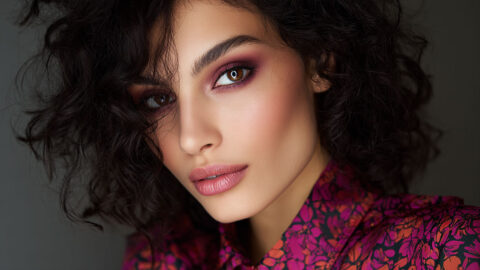
Most people do not need a full glam routine. They need a quick, reliable way to look put-together without spending 45 minutes in front of a mirror.
Learning how to do makeup for everyday is really about narrowing down what works for your face, your skin type, and your schedule.
This guide covers everything from skin prep and light coverage to brows, eyes, and lip products built for daily wear. You will also find time-based routines for 5, 10, and 15 minutes, plus a breakdown of the tools and products worth buying first.
No complicated techniques. No overwhelming product lists. Just a natural makeup look that holds up through a real day.
What Everyday Makeup Means

Everyday makeup is a quick, low-effort routine built for daily wear. It enhances what you already have rather than covering or transforming your face.
The goal is simple: look like yourself, but more put-together. Nothing dramatic, nothing that takes 45 minutes.
According to a 2024 YouGov survey of 1,000 U.S. women, 49% wear makeup primarily for a confidence boost, not to achieve a full glam look. That lines up with what everyday makeup actually is.
It is not the same as a soft glam routine, editorial makeup, or a look built for photos. Those styles involve more products, more blending time, and more intentional layering.
Everyday makeup sits somewhere between a bare face and a polished look. Done right, it takes under 15 minutes. Most people land around 5 to 10. CivicScience data from 2024 show 74% of makeup wearers use fewer than five products in their daily routine, which tracks well with what a real everyday routine looks like.
For a broader sense of what everyday makeup looks can include, the range is genuinely wide. Some people call it the clean girl look. Others call it the no-makeup makeup look. The product count varies, but the intention stays the same.
| Routine Type | Time | Coverage | Best For |
|---|---|---|---|
| Everyday | 5–15 min | Light to medium | Daily wear, work, errands |
| Soft glam | 20–30 min | Medium to full | Events, dinners, dates |
| Full glam | 45+ min | Full | Photoshoots, formal events |
| No-makeup makeup | 5–10 min | Sheer | Weekends, casual days |
Skin Prep Before Any Makeup

Skin prep is where most everyday routines either succeed or fall apart. Skip it and your foundation will pill, your concealer will crease, and everything looks off by noon.
The basic order: cleanser, moisturizer, SPF, then primer (if you use one). That is it. You do not need a 10-step skincare routine before applying makeup. You need three to four solid products that work for your skin type.
Dermatologists consistently recommend broad-spectrum SPF 30 or higher as part of every morning routine, applied after moisturizer and before any makeup. The FDA advises applying it at least 15 minutes before heading outside, which most people skip entirely.
Good prepping skin before makeup does more than protect you. Hydrated, primed skin holds makeup significantly longer than dry, unprepped skin.
Moisturizer by Skin Type
Oily skin: oil-free, gel-based formula. Heavy creams will slide your makeup right off.
Dry skin: rich cream like CeraVe Moisturizing Cream or Tatcha The Dewy Skin Cream. Do not skip this. Dry patches under foundation look ten times worse than just having dry patches.
Combination skin: lightweight lotion, focus on hydrating the dry zones without overloading the T-zone.
Sensitive skin: fragrance-free, simple ingredient list. Fewer actives, more barrier support.
Primer: Use It or Skip It
Primer is optional for everyday wear. It matters most if you have large pores, oily skin, or if you need your makeup to last 10+ hours.
e.l.f. Putty Primer works well for most skin types and costs under $12. If you have dry skin, a hydrating primer like Too Faced Hangover Primer pulls double duty as a moisturizer boost. For oily skin, a mattifying primer cuts shine before it starts.
One thing worth knowing: apply primer after your SPF has fully absorbed, not before. Putting primer under sunscreen blocks UV protection.
Choosing the Right Foundation or Skin Tint

The global tinted moisturizer market reached $2.01 billion in 2024, growing at a 7.5% CAGR through 2034 (GM Insights). That growth is driven almost entirely by people switching away from heavy foundation for daily wear.
For most everyday looks, a skin tint, BB cream, or tinted moisturizer will do more for you than a full-coverage foundation. The skin-first approach that has taken over beauty is not just a trend. It reflects a real shift in how people want to look day-to-day.
Coverage Comparison
| Product | Coverage | Best For | Examples |
|---|---|---|---|
| Skin tint | Sheer | Good skin days, minimal routine | ILIA Super Serum Skin Tint |
| Tinted moisturizer | Light | Daily wear, dry skin | NARS Tinted Moisturizer, Laura Mercier |
| BB cream | Light to medium | Combination skin, SPF needs | Kosas BB Burst |
| Foundation | Medium to full | Blemishes, uneven skin tone | Maybelline Fit Me, Charlotte Tilbury Flawless Filter |
The skin tint vs foundation debate really comes down to how much coverage you actually need day-to-day. Most people overestimate it.
Application Tools
Fingers work great for skin tints and tinted moisturizers. The warmth helps blend the product into skin naturally.
A damp Beautyblender sponge is the go-to for liquid foundation. It gives a more airbrushed finish than a flat brush and avoids streaks. For powder foundation, a fluffy kabuki brush gives the most even distribution.
Knowing how to apply foundation correctly makes a bigger difference than the product itself. Blend outward from the center of your face. Do not apply in downward strokes, which pushes facial hair flat and makes skin look cakey.
Concealer for Everyday Use
Concealer is the one product that makes the biggest visual difference for the least amount of effort. A good one covers dark circles, redness, and blemishes without sitting heavy on the skin.
Foundation captured 42.96% of the total makeup market share in 2024, but concealer usage follows close behind as a daily essential for most routines (Maximize Market Research).
Under-Eye vs. Spot Concealer
These are two different applications. Do not use the same technique for both.
Under-eye concealer should be one shade lighter than your skin tone. Apply in a triangle shape from the inner corner down to the cheekbone and back up, not just directly under the eye. This brightens the whole area rather than just covering a circle.
Spot concealer should match your skin tone exactly or be slightly darker for blemishes. Applying a lighter shade on a blemish draws more attention to it, not less.
Avoiding the Crease
The crease under the eyes is the most common everyday concealer problem. It happens when the formula is too dry, too thick, or applied over a dehydrated base.
Fix it before it starts: use a hydrating concealer like e.l.f. Halo Glow or NARS Radiant Creamy Concealer, and set only the inner corner and directly under the eye with a small amount of translucent powder. Skip powder on the outer corners.
Full instructions on using concealer correctly cover placement, blending order, and color correcting for specific concerns like dark circles and hyperpigmentation.
Brows, Eyes, and Lashes for a Quick Look
The eye area is where most beginners overcomplicate their everyday routine. You do not need eyeshadow every day. You probably do not need liner either.
Mascara is consistently the top-ranked makeup item globally, above foundation, eyeshadow, and eyeliner. It is the one eye product that works on literally every routine, from a 3-minute face to a full look.
Brow Grooming and Filling
Brush brows upward first with a spoolie. This one step changes the entire look of the brow without a single product.
Then fill. For sparse brows, a fine-tipped pencil like Anastasia Beverly Hills Brow Pencil or NYX Fill and Fluff gives the most natural result. For brows that just need definition, a clear or tinted brow gel like Glossier Boy Brow takes about 20 seconds and holds shape all day.
Do not overdo it. Heavy, drawn-on brows make the rest of an everyday look feel off.
Eye Makeup That Takes Under 3 Minutes

Tightlining, which means lining the upper waterline instead of the outer lid, adds definition without making the eye look made-up. It is genuinely the best-kept trick for an everyday eye. Nobody can tell you are wearing liner, but your eyes look more awake.
If you want more definition, a pencil liner is faster and more forgiving than liquid for daily wear. Smudge it slightly with a fingertip for a softer finish.
For mascara: curl lashes first. Always. A lash curler before mascara opens the eye more than a second coat ever will. Two coats of mascara on uncurled lashes look heavier and shorter than one coat on curled lashes.
Blush, Bronzer, and Highlight in a Minimal Routine

These three products add dimension and warmth to the face. Used lightly, they make the rest of your makeup look more intentional. The trap is layering all three every single day, which tips a natural routine into something heavier than it needs to be.
CivicScience data from 2024 show that 40% of makeup wearers simplify their routine as the primary reason for using multi-use products, which means most people are already cutting back on steps here.
Blush First, Always
Blush is the one product from this trio that actually belongs in an everyday routine. It adds color and warmth that makes the face look alive, especially after foundation and concealer have evened everything out.
Cream blush blends faster and looks more natural on bare or lightly covered skin. Rare Beauty Soft Pinch Blush is a common go-to for everyday wear. For a tutorial on applying blush on different face shapes, placement varies more than most people realize.
Smile, apply to the apples, and blend upward toward the temples. That is the baseline. Adjust based on face shape.
Bronzer as Warmth, Not Contour
Daily bronzer is about warmth, not sculpting. If you are contouring your nose and jawline before work on a Tuesday, that is not an everyday routine.
Apply bronzer where the sun would naturally hit: forehead, temples, bridge of the nose, and lightly on the chin. A fluffy brush keeps it diffused. Charlotte Tilbury Airbrush Bronzer and Fenty Beauty Sun Stalk’r are popular for this because they blend without looking muddy.
Highlight
Skip it on most days. Honestly.
If you do want it, one light tap of a cream highlight on the inner corner of the eye and the top of the cheekbone is enough. Anything more and it starts reading as a full beat, not an everyday look.
Lip Products for Everyday Wear

The global lip care market reached $2.47 billion in 2024, with lip balm holding the largest share at 44.2% (Grand View Research). That data point tracks with what most people actually reach for on a regular Tuesday morning.
For everyday wear, you do not need a full lip liner and lipstick application. A tinted lip balm or a sheer gloss gets the job done faster and feels more comfortable through an 8-hour workday.
Starting Simple: Tinted Balm and Gloss
A good tinted lip balm is genuinely the easiest daily lip product. It hydrates, adds a wash of color, and takes three seconds to apply. Rhode Peptide Lip Treatment and Rare Beauty Kind Words lip balm both hit this mark well.
Lip gloss adds shine and a slight plumping effect without commitment. The global lip gloss market grew from $3.77 billion in 2024 to an estimated $4.02 billion in 2025 at 6.5% CAGR (Research and Markets), which reflects real demand, not a passing trend.
Both options work directly over bare lips. Neither requires a mirror to apply.
When a Lip Liner Actually Helps
Daily lip liner is not about precision. It is about longevity.
A quick trace along the outer edge and filling in the lip before applying color keeps everything in place longer, especially with glossier formulas that tend to migrate. Charlotte Tilbury Pillow Talk Lip Liner is one of the most versatile options because it works with almost every neutral and pink-toned lip product.
A solid lip care routine matters more than people think. Applying anything to dry, flaky lips makes the product look worse, not better. Exfoliate lips once or twice a week and use a hydrating balm overnight.
Longevity Without Much Effort
Lip stain: longest wear of any daily lip product, dries down to a soft tint that does not budge through meals or coffee.
Satin or cream lipstick: comfortable for daily wear, adds definition without feeling dry. Rare Beauty Kind Words sits in this range.
Tinted gloss over a lip liner base: surprisingly long-lasting and takes under 30 seconds to apply.
Setting the Look So It Lasts
Setting is where everyday makeup either holds or falls apart by mid-afternoon. The right products here are not optional if you need your look to last more than a few hours.
High-quality setting sprays can extend wear up to 16 hours, according to brand testing data from Urban Decay All Nighter and similar formulas (CNN Underscored, 2026).
Setting Powder vs. Setting Spray
| Product | Best For | Skin Type | When to Use |
|---|---|---|---|
| Translucent setting powder | Oil control, preventing creasing | Oily, combination | After concealer and base |
| Setting spray | Blending, longevity, finish | Dry, normal, combination | Final step over everything |
| Both layered | Maximum hold | Oily or long-wear days | Powder first, then setting spray |
For a full walkthrough on making makeup last all day, technique matters as much as product choice.
How to Apply Setting Spray Correctly
Hold the bottle 8 to 10 inches from the face. Spray in an X and T motion across the forehead, cheeks, nose, and chin. Do not rub it in. Let it dry on its own.
For oily skin: blot first, then spray. Spraying directly over excess sebum dilutes the formula and reduces hold. MAC Fix+ works well for a natural or dewy finish. Urban Decay All Nighter is the go-to for long-wear and high-humidity days.
A quick read on applying setting spray covers placement technique in more detail, including how to layer it between makeup steps for extra durability.
Baking: Daily or Skip
Skip it on most days. Baking, which involves leaving a thick layer of powder on the face for several minutes before dusting it off, is a full-glam technique. It reads heavy and unnatural in daylight.
For everyday wear, a light dusting of Laura Mercier Translucent Setting Powder on the T-zone and under the eyes is all you need. 16-hour wear claims are well-documented for this formula across independent consumer testing (Circana/Laura Mercier 2024 data).
Everyday Makeup Routine by Time Available

A 2024 Thrive Causemetics survey of 1,000 U.S. working women found the majority spend at least 30 minutes on their full beauty routine each morning. But makeup itself is just one part of that. Isolated to products only, most everyday looks land between 5 and 15 minutes.
The framework below shows what actually fits into each window without cutting corners on finish.
The 5-Minute Routine
Four products. That is it.
- Tinted moisturizer with SPF (applied with fingers)
- Concealer on spots and under eyes only
- Cream blush, two taps on the cheeks
- Mascara, one coat
This works because all four steps take under 90 seconds each. No blending tools needed. No drying time between steps. Glossier, Merit Beauty, and e.l.f. each build full product lines around this minimal approach.
The 10-Minute Routine
Adds three steps to the 5-minute base without changing the feel of the look.
Add: Brow gel (30 seconds). A tinted lip balm or gloss (10 seconds). One swipe of a neutral eyeshadow across the lid to add depth without blending complexity.
The eyes move from “natural” to “done” with that single shadow step. No liner needed. For quick techniques on applying mascara correctly to maximize lash impact in minimum time, curling first is the single most important step.
The 15-Minute Routine
This is where the full everyday look comes together: skin prep plus a complete face.
After the 10-minute base, add a proper foundation or BB cream application with a damp sponge, tightline the upper waterline, and set everything with a translucent powder followed by setting spray. Takes exactly as long as it sounds.
Finishing with setting spray instead of just powder saves time. One step replaces multiple powder touch-up passes and gives a better final result, especially under dry or warm conditions.
Tools and Products Worth Buying First
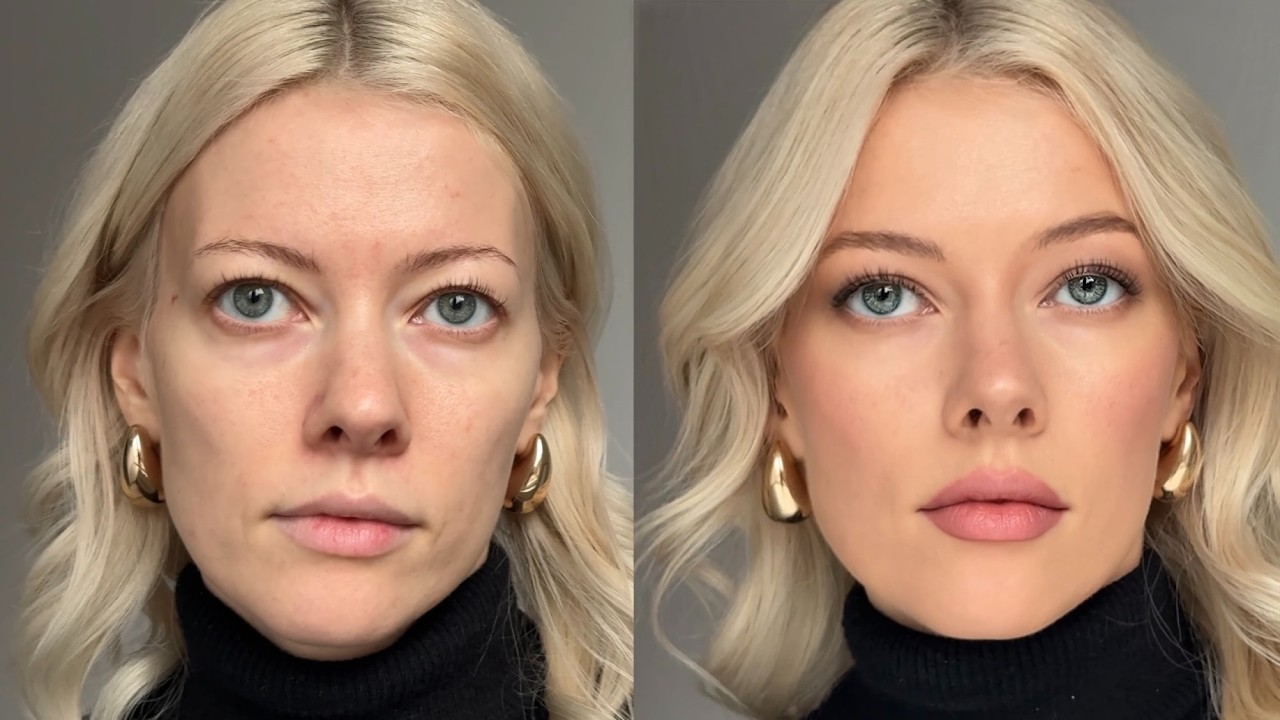
According to a 2024 Statista survey, 68% of U.S. consumers said price is the top factor when buying makeup. Drugstore first is not a compromise. It is genuinely the right strategy for building a daily kit that you will actually use.
The average U.S. consumer spends around $25 per month on makeup (Advanced Dermatology, 2024). That budget goes further at the drugstore than most people think, especially for the core daily products.
The 5 Products That Cover 80% of Needs
These cover the core of any natural everyday look without requiring skill or extra tools.
- Concealer (NARS Radiant Creamy or e.l.f. Halo Glow)
- Tinted moisturizer or skin tint (NARS, Charlotte Tilbury Flawless Filter, or Maybelline Fit Me)
- Cream blush (Rare Beauty Soft Pinch or Saie Dew Blush)
- Brow gel (Glossier Boy Brow or NYX Fill and Fluff)
- Mascara (Maybelline Sky High or Lash Sensational)
Those five products work without brushes. Fingers and the included wands are enough for daily wear.
When to Invest vs. Save
Invest: concealer (formula affects crease), mascara (wand design matters a lot), setting spray (cheaper formulas evaporate too fast).
Save: brow gel (most work the same), blush (drugstore pigment is strong), translucent powder (e.l.f. and NYX match mid-range options for daily use).
Sephora and Ulta Beauty both have good return policies, which matters when testing shades in person. Starting with one strong drugstore product per category before upgrading prevents the common mistake of buying too much too fast.
Tools: What You Actually Need
One damp Beautyblender sponge. That is the most versatile tool for everyday wear, handling foundation, concealer blending, and cream product application in one pass.
A fluffy blush brush for any powder products. A spoolie for brows. Everything else is optional until you are consistently using what you have.
Skip: contour brushes, fan brushes, 12-piece brush sets. None of those belong in a minimal daily routine. Add tools as you add steps, not before.
FAQ on How To Do Makeup For Everyday
What is the best order to apply makeup for everyday wear?
Start with moisturizer, then SPF, primer (optional), foundation or skin tint, concealer, blush, brows, mascara, and a lip product. Set with powder or setting spray last. This order keeps each layer from disturbing the one beneath it.
How do I make my everyday makeup last all day?
Prep your skin properly and use a setting spray as the final step. For oily skin, a light dusting of translucent powder on the T-zone before spraying adds extra hold through long days.
What products do I actually need for a minimal daily routine?
Five products cover most needs: concealer, a tinted moisturizer or skin tint, cream blush, brow gel, and mascara. These applied with fingers take under 10 minutes and require no brushes or blending tools.
Is foundation necessary for an everyday makeup look?
No. A skin tint or BB cream gives enough coverage for most daily routines. Full-coverage foundation is better saved for events or days when you need it. Lighter formulas look more natural in daylight anyway.
How do I stop my concealer from creasing under my eyes?
Use a hydrating formula and set only the inner corner with a small amount of translucent powder. Skip powder on the outer corners. Applying concealer over a dry, unprepped base is usually the main cause of creasing.
What is the no-makeup makeup look and how do I achieve it?
It is a natural, skin-first finish that enhances without visibly covering. Use a sheer skin tint, cream blush, clear brow gel, and one coat of mascara. The goal is polished skin, not product layering.
How do I do eye makeup quickly for everyday wear?
Curl your lashes, apply one coat of mascara, and tightline the upper waterline with a pencil. That takes under two minutes. Adding a single neutral shadow across the lid is optional but adds definition fast.
What lip products work best for a daily makeup routine?
A tinted lip balm or sheer gloss is the most practical daily option. Both apply without a mirror, need no liner, and stay comfortable through meals and coffee. Rhode Peptide Lip Treatment and Glossier Balm Dotcom are popular picks.
How do I choose the right foundation shade for everyday use?
Test the shade on your jawline in natural light, not your wrist. Your foundation should disappear into your skin. When in doubt, go slightly lighter. A shade that oxidizes darker by midday means the formula is not matching your skin chemistry.
How long should an everyday makeup routine take?
A 5-minute routine covers skin tint, concealer, cream blush, and mascara. Ten minutes adds brows and a lip product. Fifteen gets you a full base with setting. Most daily looks do not need more time than that.
Conclusion
This conclusion is for an article presenting how to do makeup for everyday, and the core message is simple: a solid daily routine does not require skill, expensive products, or much time.
Start with prepped skin, pick a light coverage base that suits your skin type, and build from there.
A cream blush, a brow gel, and a single coat of mascara do more for a natural makeup look than a full face of product ever will.
Keep your daily kit lean. Master five products before adding more.
Whether your morning gives you five minutes or fifteen, a low-maintenance routine that works for your skin is always better than a complicated one you abandon by Wednesday.

She started writing on the site after fielding the same questions from clients and friends often enough to just write the answers down: which red won't turn orange on a warm undertone, how to keep lipstick from feathering into fine lines, why a "12-hour" formula rarely survives dinner.
Every review on the site follows the same rule she uses with paying clients: wear it first, then decide if it's worth recommending.
- How to Make Eyeliner Last Longer Without Smudging - August 31, 2026
- How to Make Eyeshadow Last Longer All Day - August 29, 2026
- How to Find Your Undertone in 5 Easy Steps - August 27, 2026