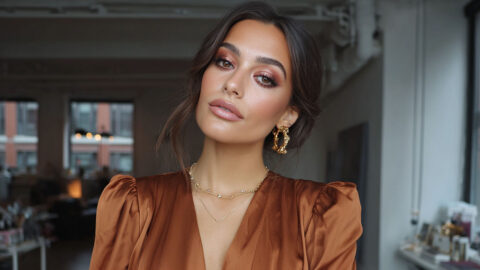
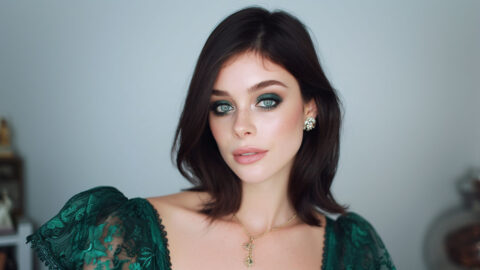
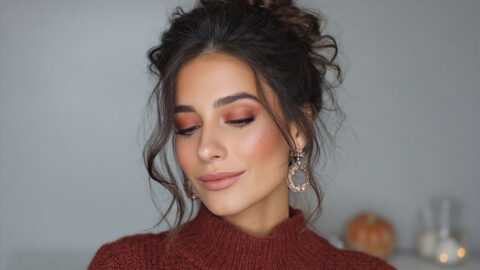
Two magazines ten years apart both promise a five-minute face, and they still can’t agree on how many products it takes. Philadelphia Magazine (2016) described five products in five minutes, and The Irish Times (2026) described six products in five minutes or less.
This guide draws its own line at six products or fewer, one new technique at most and a ten-minute ceiling.
The usual kit is a skin tint, cream blush, brow gel, mascara and a lip tint, and it goes to the office, to class, onto flights and out to dinner.
What Makes a Makeup Look Simple?

Sources draw the line in different places, and seeing the spread explains why the cutoff here sits where it does.
Where Published Routines Draw the Line
Beyond the two five-minute routines above, Maybelline India’s beginner tutorial runs 17 steps from cleanser to setting spray, with bronzer and highlighter marked optional.
The gap is mostly a counting rule. Brow gel and lip color either count as products or they don’t, and sunscreen has the same problem.
Six is the cap here because it matches the highest count from a source that still promises a five-minute finish. The ten-minute ceiling leaves room for one technique that takes practice, such as tightlining.
How Simple Differs From Natural and No-Makeup Looks
Simple describes effort. Natural, no-makeup makeup and clean girl describe how the finished face reads, which is skin-like with no visible product.
A natural makeup look can still take a dozen steps, so it isn’t simple by default. And a simple look can be glossy, matte or bold.
Effort and finish are separate axes, so the ranking below scores both.
Looks Labeled Simple That Are Not
Fashion Gone Rogue’s gallery of simple looks puts a classic winged eyeliner and a bright blue eyeshadow next to its no-makeup look.
Winged liner needs two matched wings and a steady hand, and a saturated shadow needs clean blending. Both take practice, so neither makes the cut.
Simple Makeup Looks Ranked by Effort
The ranking runs from fewest steps to most. Times are estimates built from step count rather than stopwatch tests.
| Look | Products | Estimated time | Skill and finish |
|---|---|---|---|
| Skin tint and mascara | 2 | 2 to 3 min | None, natural |
| Monochromatic cream look | 2 | About 3 min | None, dewy |
| Brows, lashes and a lip tint | 3 | 3 to 4 min | None, defined |
| No-makeup makeup look | 5 | 5 to 6 min | Beginner, skin-like |
| Single-wash eyeshadow look | 6 | 6 to 8 min | Beginner, soft color |
| Soft glam with tightlined eyes | 6 | 8 to 10 min | Intermediate, polished |
Skin Tint and Mascara

This one is a skin tint and mascara, nothing else. Blend the tint over the face with fingertips, curl the lashes if you want to, and add one or two coats of mascara.
It suits rushed mornings and skin that only needs an even tone.
The limit is coverage. A sheer tint evens color but doesn’t hide dark circles or blemishes, which is what the concealer in the no-makeup look below adds.
Monochromatic Cream Look
One cream color in a single shade family covers the cheeks and lids, and the lips too.
On the cheeks, dab it onto the apples and blend up and out. Lids get a press with the ring finger. For the lips, pat the center and press them together.
Check the label first. Only a product sold for eyes, cheeks and lips belongs near the lash line.
Add mascara and the look is finished at two products.
Brows, Lashes and a Lip Tint
This is the look for faces that are fine bare and just need to look awake.
Brush a tinted brow gel, such as Benefit Gimme Brow+, up and out through the hairs. Curl the lashes first, then add one coat of mascara such as Maybelline Sky High. A lip tint pressed on with a fingertip finishes it.
No base, so three products total.
The No-Makeup Makeup Look
Glossier’s Cloud Paint, sold at Sephora, is listed as a light-coverage cream blush with a natural finish, applied with fingertips to the apples of the cheeks and blended up and out.
That blush anchors the look, which also takes a skin tint, concealer under the eyes only, mascara and a tinted lip balm. Five products and one round of blending.
Placement is the only skill involved, and anyone who wants it broken down can follow this walkthrough on applying cream blush.
The finish is skin-like and slightly dewy, since cream and gel formulas keep a sheen that powder removes.
Single-Wash Eyeshadow Look
Take the no-makeup look and add one eyeshadow, swept across the lid in a single wash of color. Blend the edge until no hard line shows. That blending is the one technique.
A cream shadow pats on with a ring finger and sits well beside cream blush. Powder needs a fluffy brush and goes on after the cream steps, because powder over cream is the safe order.
I’d pick cream when speed matters and powder when a brush is already in the bag.
Soft Glam With Tightlined Eyes

Soft glam sits at the top of the ranking because it adds tightlining, a dark pencil pressed into the gaps between the upper lashes, to an otherwise simple face.
The rest of the face needs a skin tint, concealer, cream blush, mascara and a lip tint, with the dark pencil liner making six products.
The pencil is the only part with a learning curve, and this guide to tightlining the eyes walks through it.
If your eyes water or react easily, keep the pencil at the base of the lashes instead of pressing into the inner rim.
Which Products Cover Most Simple Looks?

Most simple looks run on a tinted base, a cheek color and mascara. Everything else is a swap.
What Two Beginner Kits Agree On

Maybelline India’s beginner kit lists primer, foundation, concealer, setting powder, blush, highlighter, setting spray, an eyeshadow palette, eyeliner, kajal, an eyebrow pencil, mascara and a lipstick, gloss or balm. Gokonfetti’s list is shorter, with a tinted day cream or serum, mascara, tinted brow gel, blusher and highlighter.
A base, blush, mascara, a brow product and highlighter show up on both lists. Powder, primer, setting spray, eyeshadow, liner, kajal and lip color appear only on the Maybelline list, and tinted brow gel appears only on Gokonfetti’s (Maybelline lists a brow pencil).
Treat the overlap as the core and the rest as preference. The six-product kit below keeps the base, blush, mascara and a brow product, drops highlighter, and adds concealer and a lip tint.
The Kit by Function
- For the base, a skin tint, tinted moisturizer, BB cream or a light foundation.
- Concealer should be a creamy formula used on the under-eye area and blemishes only, such as Kosas Revealer Concealer.
- Cheek color works best as a cream or gel-cream, such as Glossier Cloud Paint.
- Tinted brow gel handles the brows.
- Mascara for the lashes.
- A tint or tinted balm on the lips.
Primer, setting powder, bronzer and highlighter stay out of the six. Gokonfetti’s beginner guide calls primer helpful but not strictly necessary, and powder earns its place only when shine bothers you by midday.
Skin Tint, Tinted Moisturizer, BB Cream or Foundation?
Coverage separates the four.
A skin tint is the sheerest, a fluid that evens tone without hiding skin. Glossier’s Perfecting Skin Tint comes in 12 shades and builds from sheer with one layer to light-medium with two, according to its Space NK listing.
Tinted moisturizer adds a wash of color to a moisturizer. BB cream usually adds more coverage and often SPF. Foundation gives the most coverage and the most to blend.
For these looks, start with the skin tint and add concealer only where needed. Foundation makes sense when coverage matters more than speed.
Matching a Shade for a Sheer Base

Sheer formulas forgive more than foundation, which makes shade matching a smaller risk, not a skipped step.
The right shade disappears into the skin along the jaw. A wrong one shows as an edge, and Gokonfetti’s beginner guide warns that shades too dark or too light look unnatural.
Check undertone first (cool, warm or neutral), then test two shades along the jawline in daylight. This guide to matching makeup to your skin tone covers the undertone check.
Testers in Sephora or Ulta Beauty stores let you see the match before buying.
How to Apply Simple Makeup in the Right Order
Work from the skin outward, and put creams ahead of powders every time.
- Moisturizer, then broad-spectrum sunscreen.
- Skin tint or tinted moisturizer, pressed on with fingers or a damp sponge.
- Concealer, dotted on only where color stays uneven.
- Bronzer if you use it, then blush, both on the cheeks.
- Powder, which is optional, on the shiny zones only.
- Eye color, also optional, as one wash or a tightlined pencil.
- Brow gel, then curl the lashes and add mascara.
- Balm or tint on the lips, last.
Sunscreen goes first because the American Academy of Dermatology recommends a broad-spectrum sunscreen with SPF 30 or higher (position statement, last amended November 2022).
Makeup with SPF does not replace it. Consumer Reports (2019) says people apply too little tinted product to reach the labeled protection, and Moffitt Cancer Center dermatologist Lucia Seminario-Vidal, MD, PhD, points out that layering SPF products gives only the highest value, not the sum.
Moffitt also advises letting sunscreen settle for 10 to 15 minutes before makeup, which does not fit inside a five-minute routine. Put it on first thing, before hair and coffee, and start the clock for the look afterward.
Skin prep is the step most routines rush. A moisturizer that has fully absorbed helps a sheer base blend evenly, and this guide to prepping skin before makeup covers the details.
Concealer follows the base because the base already evens most of the face. Dot it on, pat it in, and keep the amount small (a short guide to using concealer well covers placement).
Makeup artists quoted by Allure, including Lisa Eldridge and Glossier’s Celia Burton, give cream before powder as the rule of thumb. Going cream, then powder, then cream again builds a paste-like barrier that looks cakey.
Each look in the ranking above is this sequence with steps removed. The two-product look uses steps 1 and 2 plus the lash half of step 7. Soft glam uses every step except powder and the brow half of step 7.
Fingers, Sponge or Brush: Which Tool for Which Product?
Texture picks the tool, not skill level. Fingers handle cream and liquid color, and powder wants a brush. Skin tint works with fingers or a damp sponge, and concealer goes on best with the sponge.
| Tool | Best for | Watch for |
|---|---|---|
| Fingers | Cream blush, cream shadow, skin tint | Bare hands on breakout-prone skin |
| Damp sponge | Skin tint, concealer | Soaks up product, needs washing |
| Brush | Powder blush, powder shadow, setting powder | Overloading the bristles |
Rare Beauty’s directions for Soft Pinch Liquid Blush say to pat it into skin with fingertips or the brand’s own brush.
For more control, the brand suggests dotting the blush onto the back of the hand first, then picking it up with the brush.
The first four looks in the ranking need nothing more than fingers.
The exception is acne-prone skin. The American Academy of Dermatology’s makeup tips for acne-prone skin recommend applicators such as brushes, which makes a clean brush the better default there.
Beautyblender’s own guide says the sponge is meant to be used wet, squeezed damp and bounced across the skin, because swiping only moves product around.
The pointed tip handles the under-eye area and the sides of the nose, and this guide to applying makeup with a sponge goes deeper on technique.
The Body Shop’s beginner tutorial tells buyers to tap off excess before blush meets the cheeks, and the same rule holds for any powder.
A fluffy brush earns its place in the single-wash eyeshadow look and the optional powder step, and this guide to applying makeup with a brush covers the basics.
Choosing Formulas and Finishes for Oily, Dry and Combination Skin
Oily skin wants lightweight, oil-free formulas and just a little powder. Dry skin is happier with creams and liquids. Combination skin takes a bit of each, split by zone.
| Skin type | Base and cheek color | Finish | Avoid |
|---|---|---|---|
| Oily | Lightweight, oil-free skin tint; liquid or powder blush | Soft matte | Rich bases made for dry skin |
| Dry | Hydrating base; cream blush | Dewy | Mattifying powder over cream |
| Combination | Light base; cream blush; powder on the T-zone | Mixed | One heavy formula everywhere |
Dewy Finish
e.l.f. sells its Halo Glow Liquid Filter as a glow booster that wears alone for sheer coverage and a light, filtered glow.
The brand also says to mix a few drops into foundation or CC cream for a dewier finish. Swap it for the skin tint in the no-makeup makeup look and the finish changes without adding a product.
It suits dry and normal skin best. On oily skin, keep dewy products to the cheekbones.
Matte Finish
Matte comes from what you leave out as much as from what you add.
Look for oil-free, non-comedogenic or won’t-clog-pores labels. Powder blush works better than cream here, and setting powder belongs on the T-zone only.
The American Academy of Dermatology recommends those label terms for acne-prone skin.
A short explainer on what setting powder does helps with picking one for the T-zone.
Dry and Combination Skin
Makeup artist Joseph Carrillo, quoted by The Zoe Report, creams the contour, bronzer and blush first on dry skin and finishes with a hydrating powder to avoid patchy application.
Combination skin does well with a light base all over, cream blush on the cheeks, and powder only where the T-zone shines.
More on handling dryness is in this guide to applying makeup on dry skin.
Which Simple Look Fits Work, School, Travel or an Evening Out?
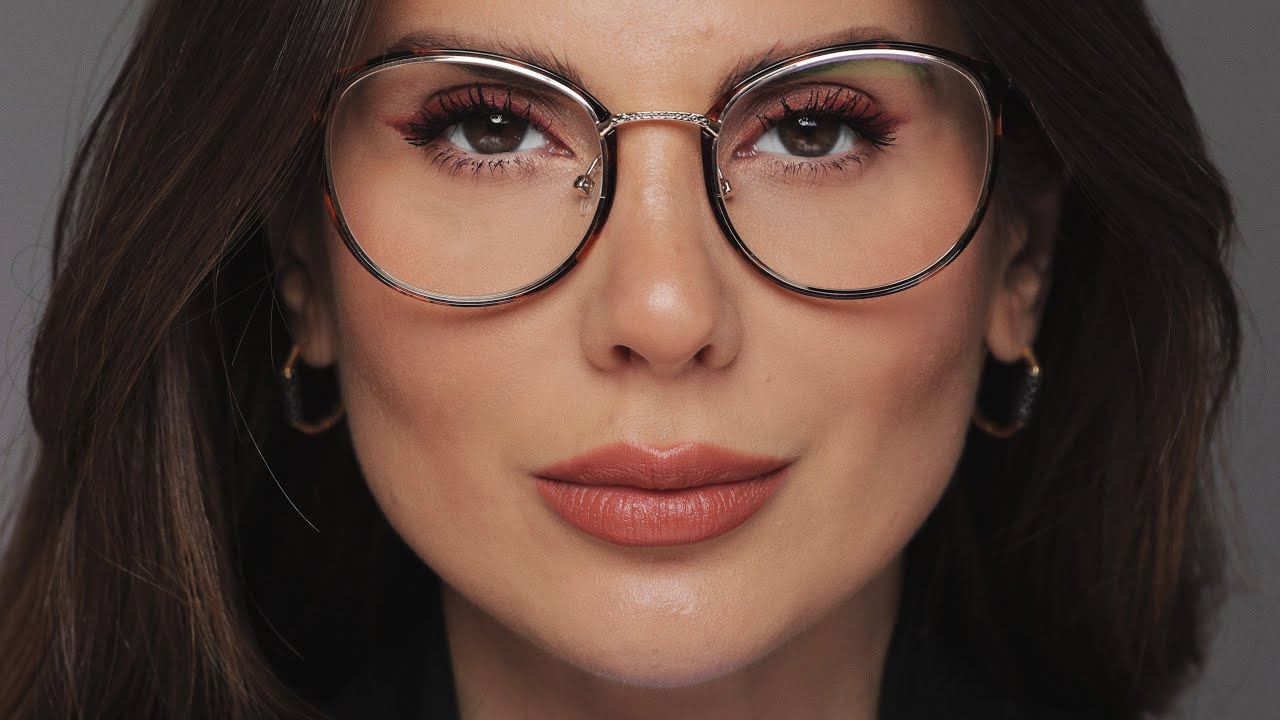
Pick by the minutes available and the one feature worth emphasizing.
For work, the no-makeup makeup look gives an even base, set brows and a lip with color. School mornings call for skin tint and mascara, or brows, lashes and a lip tint when a base takes too long.
For travel, the monochromatic cream look wins because one product covers cheeks, lids and lips. The TSA caps creams, gels and pastes in carry-on bags at 3.4 ounces (100 milliliters) per item, all inside one quart-size bag.
A single cream stick or small pot stays under that limit easily, and this guide to packing makeup for travel covers the rest of the kit.
For an evening out, pick one feature to emphasize, the eyes or the lips, rather than both.
Take the no-makeup look and add either the single-wash eyeshadow or a stronger lip. Longer nights can build further with this guide to makeup for a night out.
Where Simple Makeup Goes Wrong and When It Falls Short
Simple makeup mostly goes wrong through heavy hands, a bad sequence and dirty tools. It also falls short on any job that needs real coverage.
Common Application Mistakes
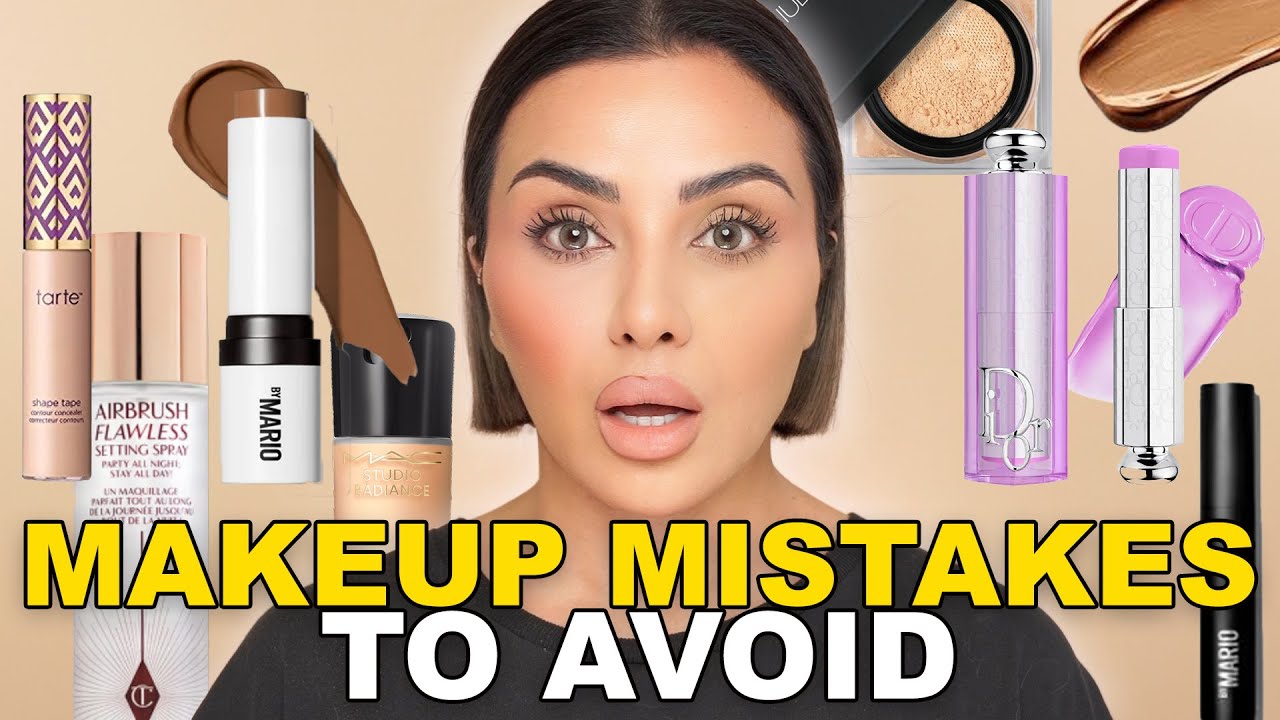
Too much cream color is the easy one. Rare Beauty’s own copy says a little goes a long way, so start with one dot per cheek and build.
Order matters too. Jones Road’s advice is to apply bronzer first, or its cheek stick for a base glow, and then blush for a pop of color.
Unwashed tools are worse, sponges especially.
Aston University’s 2019 study in the Journal of Applied Microbiology found that 93% of beauty blender sponges had never been cleaned, and those sponges carried the highest bacteria levels of any product tested.
Beautyblender’s own guide says to replace the sponge every 3 to 6 months, and this walkthrough on cleaning makeup sponges covers the washing in between.
When a Simple Look Is the Wrong Choice
A sheer base cannot do a coverage job.
Acne, dark spots and bruising need concealer or a base built for the task, and this guide to covering acne with makeup shows the approach.
The American Academy of Dermatology notes that foundations and concealers can make acne worse, and advises choosing oil-free or non-comedogenic products.
The fix is a lighter base labeled for oily or acne-prone skin, not a thicker layer of tint.
Simple Makeup Looks FAQ
How do I make a simple makeup look last all day?
Start with absorbed moisturizer and sunscreen, then re-pat only what fades. Lip tint and cream blush press back on with fingertips.
This guide to making makeup last all day goes further on setting and touch-ups.
Should I use a primer with a skin tint?
Usually not. Primer takes a slot in the six-product cap, and a sheer tint needs little grip.
It earns the slot on an oily T-zone, where a mattifying primer helps makeup stay put. Dry skin gets the same benefit from a hydrating formula.
Does a simple makeup look need setting spray?
No, it is optional. Makeup artist Jamie Greenberg tells Who What Wear it is not a required step, though it extends wear.
Add it only when the look sits at five products or fewer. Pick a matte formula for oily skin and a hydrating one for dry skin.
Do I need to curl my lashes?
No. Mascara alone finishes a simple look, and a curler only adds lift on straight lashes.
If you do curl, curl first. Coated lashes stick to the pad and clump.
What changes for sensitive eyes or contact lenses?
Put soft lenses in before makeup and take them out before removing it, according to the American Optometric Association. The same guidance says to skip lash-extending mascara and replace mascara at least every 3 months.
The tightlining step changes too, so line at the lash base and not the inner rim.
How do I remove light makeup before bed?
Use an oil-free makeup remover, then wash with a gentle cleanser and skip the scrubbing. That is the American Academy of Dermatology’s advice for removing makeup on acne-prone skin, and it is a sensible default for light makeup too.
A skin tint and mascara still come off every night, and this guide to removing eye makeup covers the eye area.
Which Look to Learn First and What to Add Next
The no-makeup makeup look is the best first pick among simple makeup looks. Skin tint, concealer, cream blush, mascara and lip balm teach base, cheek color and lashes in one pass.
Add one product or one technique per step, so any mistake traces to a single change.
- Skin tint and mascara, until the base blends without edges
- The no-makeup makeup look, until cream blush lands where intended
- Single-wash eyeshadow, then tightlining
Each step up spends a product slot. Soft glam stays at six products only by leaving out brow gel.
Move up when the current look comes out the same way on consecutive mornings. Once tightlining feels routine, this guide to doing soft glam makeup is the next step up.

She started writing on the site after fielding the same questions from clients and friends often enough to just write the answers down: which red won't turn orange on a warm undertone, how to keep lipstick from feathering into fine lines, why a "12-hour" formula rarely survives dinner.
Every review on the site follows the same rule she uses with paying clients: wear it first, then decide if it's worth recommending.
- How to Make Eyeliner Last Longer Without Smudging - August 31, 2026
- How to Make Eyeshadow Last Longer All Day - August 29, 2026
- How to Find Your Undertone in 5 Easy Steps - August 27, 2026