Your brows shape your entire face, yet most people spend five minutes every morning filling them in with a pencil they’ll swipe off by evening.
So what is brow tint, and is it actually worth it? It’s a semi-permanent eyebrow dye applied directly to the brow hairs, darkening them for weeks without any daily upkeep.
No needles. No microblading. Just a 15-minute treatment that makes your natural brow hair look fuller and more defined.
This article covers how the eyebrow tinting process works, the difference between oxidative dye and henna brow tint, how long results last, safety considerations, and what professional brow treatment actually costs.
What Is Brow Tint
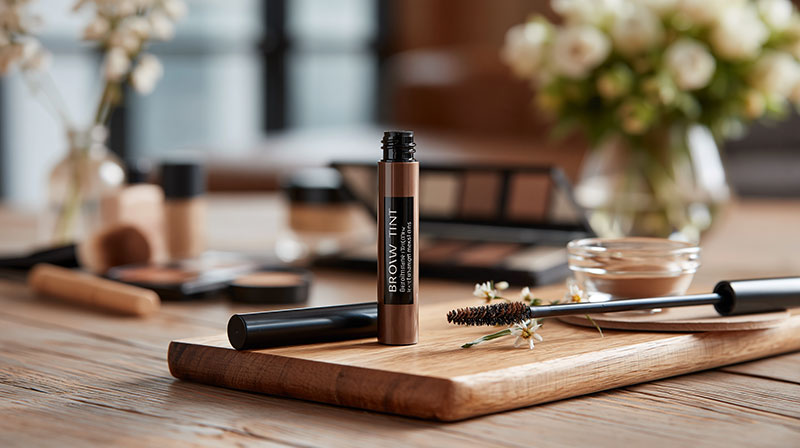
Brow tint is a semi-permanent dye applied directly to the eyebrow hairs to change or deepen their color. It works on the hair shaft itself, not the skin beneath it, which is what separates it from henna brow tint.
The result is darker, more defined brows that don’t need daily pencil or powder. That’s the whole point. The eyebrow pigment bonds to the keratin in each hair strand, deepening its shade for several weeks before fading naturally as the hair grows and sheds.
It’s a 15-minute treatment. Straightforward, low-commitment, reversible as the color fades. People with light, sparse, or barely visible brow hair see the biggest difference.
The global eyebrow color market was valued at roughly USD 6.5 billion in 2024, growing at a 6.4% CAGR through 2033 (Straits Research). Semi-permanent eyebrow tinting solutions account for a 54% surge in preference among urban consumers, according to 2024 market data.
Brow tint is not microblading. It’s not brow lamination. It doesn’t reshape or restructure anything. It just adds color to what’s already there. Worth keeping that distinction clear before anything else.
| Treatment | What it changes | Duration | Invasive? |
| Brow tint | Hair color only | 3–6 weeks | No |
| Henna brow tint | Hair color + skin stain | 6 weeks (hair), 1–2 weeks (skin) | No |
| Brow lamination | Hair direction and shape | 6–8 weeks | No |
| Microblading | Skin (tattooed strokes) | 12–18 months | Yes |
How Brow Tint Works
Two main types of eyebrow dye are used in brow tinting: oxidative dye and vegetable-based dye. Each works differently on the hair cuticle.
Oxidative Dye vs. Vegetable/Henna Tint
Oxidative tint is the most common formula used in salons. It mixes a color base with a hydrogen peroxide developer. The developer opens the hair cuticle, allowing color molecules to enter the hair shaft and bond to the keratin inside.
Vegetable-based dye (including henna) works differently. Instead of penetrating the cuticle, plant pigments coat and stain the hair externally. Henna also stains the skin beneath the brows, which oxidative tint typically does not.
| Feature | Oxidative Tint | Henna/Vegetable Tint |
| Key ingredient | PPD + hydrogen peroxide | Lawsone (henna plant extract) |
| Color depth | High, long-lasting on hair | Moderate to high |
| Skin staining | Minimal to none | Yes, up to 1–2 weeks |
| Allergy risk | Higher (PPD) | Lower (patch test still required) |
Darker tints contain higher concentrations of PPD (paraphenylenediamine), which is why deep brown and black shades carry a slightly higher risk of skin reaction than lighter shades. Studies show approximately 5% of people have a sensitivity to PPD, making it the 5th most common cosmetic irritant (Godefroy Beauty).
The Application Process Step by Step
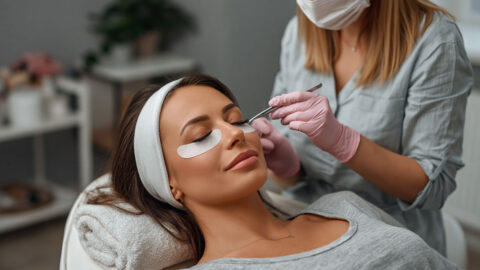
Clean, dry brows first. Any oil, product residue, or dead skin cells on the brow area will interfere with color deposit. Most technicians use a brow shampoo or cleanser as a first step.
A petroleum jelly barrier goes around the brow outline to prevent skin staining from straying outside the intended area.
The tint and developer are mixed, typically in a 2:1 ratio, then brushed onto the brow hairs with an angled brush. Processing time runs from 5 to 15 minutes depending on the desired depth. The longer it sits, the darker the result.
Removal is simple: a damp cotton pad, wiped clean. No rinsing. Done.
Maybelline introduced an eyebrow tinting pen with a precision brush tip in October 2024, part of their Brow Fast Sculpt collection, which went viral after a social media campaign with beauty influencers.
Brow Tint vs. Other Brow Treatments
Tinting sits in a specific category: color only, no physical change to the hair structure or skin. Once that’s clear, every comparison becomes easier.
Brow Tint vs. Brow Lamination
These two treatments do completely different things. Lamination restructures the brow hairs using a perm-like chemical, lifting and setting them in a brushed-up direction. Tint adds color. They’re often done together, since tinting after lamination gives the newly positioned hairs more definition.
Key difference: If your brows are already a good color but grow in multiple directions, you need lamination. If your brows are well-shaped but too light to show up, you need tint. If both are true, you want both.
Brow Tint vs. Microblading
Microblading is a form of tattooing. A blade deposits pigment into the skin in hair-like strokes. Results last 12 to 18 months. Brow tint fades in 3 to 6 weeks and requires zero recovery.
- Tint: no downtime, no needles, fully reversible as it fades
- Microblading: semi-permanent, touches the skin, requires a touch-up session and aftercare
- Best use case for tint: existing hair that needs darkening, not sparse areas needing filled-in strokes
Microblading works on the skin itself and can fill in where no hair exists. Tint can’t do that. Worth stating plainly.
Brow Tint vs. Henna Brow Tint

The main difference is skin staining. Standard oxidative brow tint colors the hair only. Henna tint stains both the hair and the skin beneath the brow, creating a denser, filled-in look even in sparse areas.
Duration on skin: Standard tint, 1-2 days max. Henna, up to 2 weeks. Duration on hair: Standard tint, 3-6 weeks. Henna, up to 6-8 weeks on the hair shaft.
Henna is often preferred by clients with naturally sparse brows for exactly this reason. The skin stain acts like a shadow that makes the brow look fuller even between hairs. That effect simply isn’t possible with standard tint.
Brow Tint vs. Brow Pencil/Pomade
Pencils and pomades are cosmetics applied to the surface each morning. Tint is a treatment that stays on for weeks without any daily application.
Tint will never replace a pencil entirely. If someone has very sparse brows with visible gaps, tint alone won’t fill those in. In practice, most people use tint to reduce how much product they need each morning, not to eliminate cosmetics altogether.
Types of Brow Tint
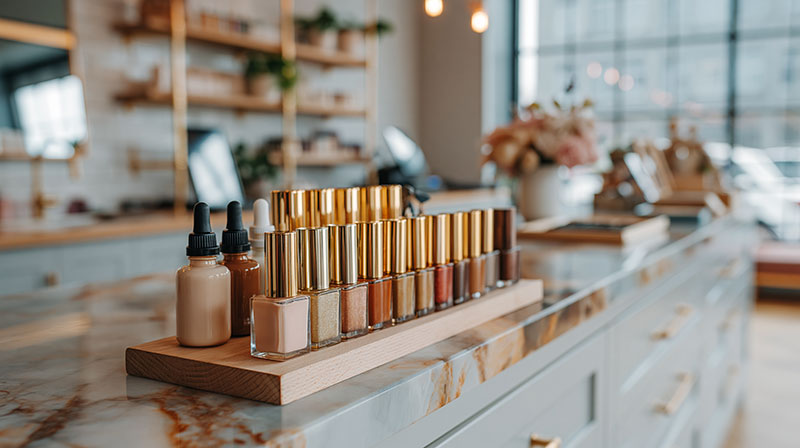
The product type matters almost as much as the shade. Different formulations behave differently on the hair and skin, and the right choice depends entirely on what the client wants from the result.
Cream Oxidative Tint
The most common type used in professional salons. Brands like RefectoCil and Elie Beaute dominate this category. Mixed with a hydrogen peroxide developer, it delivers deep, consistent color on the hair shaft.
Processing time is short, typically 5 to 10 minutes. Results last 4 to 6 weeks on the hair with no skin stain.
In 2024, waterproof eyebrow color formulas recorded a 31% growth in global sales compared to non-waterproof alternatives (Industry Research). Cream oxidative tints are the most widely used base in professional settings.
Henna Brow Tint
Plant-based. Lawsone, the pigment from the henna plant, stains both the hair and skin. Processing time is longer, usually 20 to 60 minutes, because the pigment needs time to develop the skin stain.
- No hydrogen peroxide or ammonia in pure henna formulas
- Conditions and strengthens brow hairs as it colors
- Color range limited mostly to browns, blacks, and warm red-browns
- Skin stain lasts up to 2 weeks; hair color up to 6-8 weeks
Henna pigment cannot be used during brow lamination treatments. This has pushed many salons toward hybrid dyes as an alternative for clients who want the skin stain effect alongside lamination.
Hybrid Tint
Hybrid dye sits between standard tint and henna. It combines synthetic dye’s precision and quick processing with henna’s ability to stain the skin.
Skin stain lasts up to 10 days. Hair color lasts up to 6 weeks. Compatible with brow lamination, which is a major practical advantage over pure henna.
Brands like Noemi and Bronsun are two of the most used hybrid formulas in professional settings. Many brow artists switched to hybrid after lamination became mainstream.
At-Home Brow Tint Kits
Available in most beauty retailers. Brands like Godefroy and 1000 Hour dominate the at-home category. These kits contain a smaller volume of the same oxidative dye chemistry used in salons.
42% of global eyebrow color distribution now happens through e-commerce platforms (Market Growth Reports, 2024). At-home kits make up a significant portion of that. Most kits include enough formula for multiple applications.
What Brow Tint Does for Different Hair and Skin Types
Results vary. Two people can go in for the same brow tint service and walk out looking completely different, and that’s not a failure of the treatment.
Hair Type and Texture
Coarse or medium hair absorbs oxidative dye well. Results are consistent and last the full 3 to 6 weeks without much fade variation.
Fine or blonde hair is more porous. Color deposits quickly but can also fade faster. Some technicians reduce the developer volume for fine brow hair to avoid over-processing.
Gray or white brow hairs are the trickiest. They lack melanin, so the dye doesn’t have a base color to build on. Processing times often need to run longer, and results may still appear slightly lighter than the targeted shade.
Skin Type Impact on Results
Oily skin breaks down color around the brow faster. The lipids from overactive sebaceous glands act as a solvent for the dye, shortening wear time noticeably.
- Oily skin: expect tint to fade in 2-3 weeks instead of 4-6
- Dry or normal skin: full longevity, 4-6 weeks on the hair
- Skin with active eczema or psoriasis near the brow: not suitable for tinting until skin is clear
Sparse brows with fair skin get the least dramatic result from standard tint, since the color only reaches existing hair. These clients tend to get better results from henna tint, which stains the skin between hairs and creates the illusion of density.
Skin Tone and Shade Selection
Shade matching is not just about hair color. Skin tone matters.
Deeper skin tones often need a darker tint shade to create enough visible contrast between the brow and the face. A shade that reads as “dark brown” on fair skin can look barely noticeable on deeper complexions, so technicians typically go one to two shades deeper than the client’s natural hair color for the best result.
Anastasia Beverly Hills launched a new brow collection in August 2024 specifically designed to address different hair textures and skin tones, reflecting how important personalized shade matching has become in professional brow services.
How Long Brow Tint Lasts

Most brow tints last 3 to 6 weeks on the hair. The skin stain from standard oxidative tint fades within 1 to 2 days. Henna stains the skin for up to 2 weeks.
That range is wide because longevity depends on several variables, not just the product used.
What Affects Fade Time
Hair growth cycle: Brow hairs shed and replace on a 4 to 6 week cycle. As old hairs fall and new ones grow in untinted, the overall look lightens gradually.
Skincare products: Retinol and AHAs used directly on the brow area accelerate color breakdown. Oil-based cleansers do the same. These break down the dye bond in the hair cuticle faster than water-based products.
- Steam rooms, saunas, and heavy sweating: shorten wear by up to a week
- Swimming in chlorinated pools: fades color faster, especially in frequent swimmers
- Sun exposure: UV degrades color pigment over time
- Frequent face washing: more wash cycles means faster fade, regardless of cleanser type
Oily skin is one of the biggest factors shortening tint longevity. The natural oils around the brow area act on the dye consistently throughout the day. Clients with oily skin should expect to be closer to the 2 to 3 week end of the range, not 6.
Touch-Up Timing
Most clients return every 4 to 6 weeks. Some go every 3 weeks if they have fast-growing brow hair or oily skin.
The fade is gradual, not sudden, so it’s worth waiting until the color has visibly lightened before booking a touch-up. Re-tinting too frequently over already-colored hair can build up excess pigment and create an unnatural, overly flat look. At least in my experience, waiting until the brow hair color feels faded by about 50% gives the cleanest result on the next application.
Brow Tint Safety and Skin Reactions
Most people go through brow tinting without any issue at all. The problems that do occur are almost always tied to one ingredient: PPD (paraphenylenediamine), a chemical used in oxidative dyes to create deep, long-lasting color.
Studies show that approximately 5% of people have a sensitivity to PPD, making it the 5th most common cosmetic irritant in cosmetic products (Godefroy Beauty). Darker tint shades carry higher concentrations of PPD than lighter shades. Since most brow tints are brown or black, the exposure is higher than average compared to lighter hair dye applications.
PPD Reactions and What to Watch For
Mild reaction symptoms: redness, itching, stinging, localized swelling around the brow area. These typically appear within 24 to 48 hours of exposure.
Severe reaction symptoms: blistering, contact dermatitis, difficulty breathing. Anaphylaxis is rare but possible. Seek medical attention immediately if breathing is affected.
Anyone who has previously reacted to hair dye or black henna tattoos is at higher risk of a PPD reaction in brow tint. The sensitivity can also develop over time even in clients with no prior history, which is why patch testing before every new treatment matters.
The Patch Test Protocol
The CTPA updated patch testing guidelines in June 2023. The current standard: mix a small amount of tint and developer in a 2:1 ratio, apply to the inner forearm, leave for 45 minutes, then remove and wait 48 hours before proceeding with the full treatment.
- Patch test every new client, full stop
- Re-test returning clients after a gap of 6 or more months
- Always re-test clients who have been pregnant or breastfeeding
- PPD-free tints still require a patch test since other ingredients can trigger reactions
Who Should Avoid Brow Tinting
Eyebrow tinting is banned in some US states by state cosmetology boards due to the FDA’s warning that permanent eyelash and eyebrow tints have caused serious eye injuries. Check local regulations before booking.
Beyond legal restrictions, avoid tinting on broken skin, active eczema or psoriasis near the brow, and during the first trimester of pregnancy. Hormonal changes during pregnancy can shift sensitivity thresholds even in clients who have tolerated tinting for years.
RefectoCil launched its Intense Browns Base Gel as a PPD-free alternative that lasts up to 10 days on skin and 6 weeks on hair, specifically addressing demand from sensitive-skin clients who were previously excluded from tinting services.
How to Tint Brows at Home
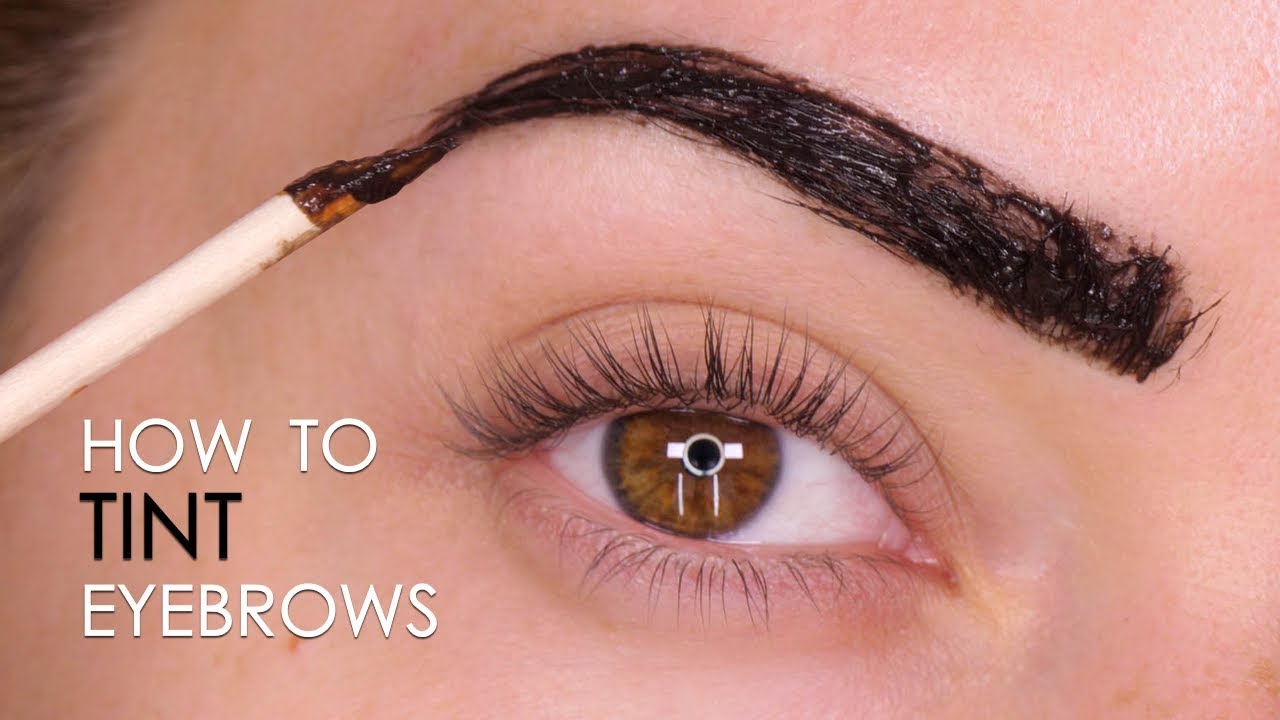
42% of global eyebrow color distribution now happens through e-commerce channels (Market Growth Reports, 2024). A significant portion of that is at-home kits. The process is workable but less forgiving than a salon service.
What You Need
Kit contents: most quality at-home brow tint kits include the tint formula, a developer or activator, a mixing tray, and an applicator.
Extra supplies: petroleum jelly (skin barrier), cotton pads, a clean spoolie or angled brow brush, and a timer.
Brands worth looking at: Godefroy Instant Eyebrow Tint uses plant-based pigments with no hydrogen peroxide, making it one of the gentler formulas available. 1000 Hour is another widely available option.
Step-by-Step Process
Patch test first. 48 hours before, not 10 minutes before. Skipping this is the most common and most avoidable mistake.
- Clean brows thoroughly with an oil-free cleanser or mild soap
- Dry completely (residual oil or moisture blocks color penetration)
- Apply petroleum jelly around the brow outline as a skin barrier
- Mix tint and activator per the kit’s ratio instructions
- Apply to one brow at a time with an angled brush
- Time it precisely (2-5 minutes for most formulas)
- Remove with a dry cotton pad first, then a damp one
Godefroy’s Color Stop Technology prevents over-darkening after the processing window closes, which helps beginners avoid the most common error: leaving tint on too long and going several shades darker than intended.
Common Mistakes to Avoid
Wrong shade selection is the number one error. The general rule: one shade darker than your natural hair color for light brows, one shade lighter for dark brows. If in doubt, go lighter. You can layer for more depth; you can’t easily undo too dark.
If the result comes out darker than wanted, gentle exfoliation or diluted hydrogen peroxide on a cotton swab can fade the color. Don’t use harsh bleaching agents near the eye area.
Know when to stop. Active skin reactions during application, blistering on the patch test site, or a history of severe dye reactions are all clear signals to see a professional or skip tinting entirely.
Brow Tint Aftercare
The first 24 hours after a brow tint are when the color bond is most vulnerable. Most premature fading happens because people go back to their regular skincare routine too quickly.
The First 24 Hours
Keep brows completely dry for at least 12 hours, ideally 24. No showers, steam, saunas, or sweating. The tint needs time to fully set into the hair cuticle before any moisture exposure.
No touching or rubbing the brow area, even to check if it’s dry. Physical friction in the first hours loosens the color deposit before it has fully bonded.
Skip all brow makeup for the first 24 hours. Pencils, powders, gels applied over fresh tint can disrupt the color surface and accelerate fade.
Ongoing Maintenance
Four things that consistently shorten tint longevity:
- Oil-based cleansers used around the brow area
- Retinol and AHAs applied directly to the brow zone (they accelerate cell turnover and color breakdown)
- Chlorinated pool water on the brow hairs
- Excessive sun exposure without UV protection
HD Brows advises avoiding fake tan products for 3 days either side of a tint appointment. Tan formulas can react with the dye and produce a greenish tint on the hair. Not a theoretical risk, a documented one.
Products That Help
A brow conditioning serum used daily extends color vibrancy. HD Brows’ Brow Miracle Daily Conditioner uses a flexible film coating that locks color into each hair while conditioning with amino acids.
Godefroy’s Color Keep sealer applies a protective barrier over tinted hairs, shielding color from chlorine, saltwater, sweat, and UV exposure. Used consistently, it measurably extends tint wear time between appointments.
Clear brow gel applied over tinted brows daily acts as an additional physical barrier against environmental factors. It also keeps hairs groomed without the exfoliating action of brow powders or pencils.
How Much Brow Tinting Costs
Price varies more than most people expect. Location, technician experience, and formula type all affect the final number.
| Service Type | Average US Cost | Notes |
| Standard salon tint | $20–$40 | Tint only, no shaping |
| Henna brow tint (salon) | $45–$70 | Longer processing, skin stain included |
| Tint + wax combo | $50–$75 | Most common bundled service |
| At-home kit | $10–$25 | Multiple applications per kit |
High-end salons and brow bars in major metro areas can charge significantly more. Yelp cost data shows tint services in cities like New York and Los Angeles running toward the $50 to $75 range for standalone tinting appointments.
Salon vs. At-Home Cost Over Time
The math is pretty straightforward. A professional tint at $30, done every 5 weeks, costs roughly $312 per year. A quality at-home kit at $20, with 3 applications per kit, costs approximately $130 to $175 per year depending on touch-up frequency.
What you give up with at-home kits: custom shade mixing, professional application precision, and the skin preparation work a technician does before the color goes on. A bad shade match at home sits on your face for 4 weeks. That’s the real cost calculation.
Add-On Pricing
Brow tinting is often bundled with other services, which changes the per-service math.
- Brow wax and tint: $50-$75 on average
- Brow lamination with tint: $80-$100, tint sometimes included, sometimes an extra $10-$50
- Lash and brow tint combo: around $50 in most states
If you’re already paying for lamination, asking whether tint is included or how much extra it runs is worth the question. Many salons include it in the lamination price. Some don’t and charge full tint pricing on top.
Knowing what a brow gel or brow pomade costs per month in comparison also helps put tinting costs in perspective, since tinting reduces or eliminates the daily need for those products entirely.
FAQ on What Is Brow Tint
What does brow tint actually do?
Brow tint deposits semi-permanent color onto the eyebrow hairs, making them appear darker and more defined.
It doesn’t change the shape or structure of the brow. It only affects color, using oxidative dye or vegetable-based pigment that bonds to the hair’s keratin.
How long does brow tint last?
On the hair, brow tint lasts 3 to 6 weeks depending on hair type, skincare habits, and sun exposure.
Oily skin, chlorine, and retinol-based products all shorten wear time. Standard tint leaves almost no skin stain, unlike henna, which stains skin for up to 2 weeks.
Is brow tinting safe?
For most people, yes. The main risk is an allergic reaction to PPD (paraphenylenediamine), found in most oxidative dyes.
Around 5% of people are sensitive to it. A patch test 48 hours before treatment is non-negotiable, whether you’re going to a salon or using an at-home kit.
What is the difference between brow tint and henna brow tint?
Standard brow tint colors the hair only. Henna brow tint stains both the hair and the skin beneath, giving a fuller, denser look even in sparse areas.
Henna lasts longer on the skin, up to 2 weeks, but takes more processing time and can’t be used during brow lamination treatments.
Can I tint my brows at home?
Yes. At-home kits from brands like Godefroy and 1000 Hour are widely available and use the same oxidative chemistry as salon formulas.
Patch test first. Choose one shade lighter than you think you need. Over-darkening is the most common at-home mistake, and it sits on your face for weeks.
How is brow tint different from microblading?
Brow tint is a surface treatment applied to existing hair. Microblading is a tattooing technique that deposits pigment into the skin itself.
Tint fades in weeks. Microblading lasts 12 to 18 months. Tint is non-invasive with zero downtime. Microblading requires healing time and costs significantly more.
Does brow tinting hurt?
No. The eyebrow tinting process is completely pain-free. You may feel a slight tingling as the dye dries on the skin, especially after removal.
If you feel burning or itching during application, that’s a sign of a possible reaction. Remove the product immediately with a damp cotton pad.
How much does brow tinting cost?
A professional salon tint runs $20 to $40 on average in the US, with henna starting closer to $45.
At-home kits cost $10 to $25 and include multiple applications. High-end brow bars in major cities can charge up to $75 for a standalone tinting appointment.
What is brow tint aftercare?
Keep brows dry for the first 24 hours. Avoid oil-based cleansers, retinol, AHAs, and chlorine around the brow area to extend color longevity.
A brow conditioning serum or clear brow gel applied daily helps lock in color and protect the hair from environmental factors that accelerate fade.
Who should avoid brow tinting?
Anyone with a known PPD allergy, active eczema near the brows, or broken skin in the brow area should skip tinting or use a PPD-free formula.
Pregnant clients, especially in the first trimester, are typically advised to wait. Brow tinting is also banned in some US states due to FDA eye safety guidelines.
Conclusion
This conclusion is for an article presenting what is brow tint as a low-commitment, high-impact treatment for anyone tired of reaching for a brow pencil every morning.
Whether you go with a cream oxidative tint for precise color on the hair shaft, or henna for a fuller skin stain, the result is the same: defined brows that hold their color for weeks.
Patch testing is not optional. Neither is choosing the right shade for your skin tone and hair texture.
At-home kits like Godefroy work well with practice. Professional eyebrow tinting gives you custom color matching and a cleaner result from the start.
Either way, it’s one of the most practical brow treatments available at any price point.

She started writing on the site after fielding the same questions from clients and friends often enough to just write the answers down: which red won't turn orange on a warm undertone, how to keep lipstick from feathering into fine lines, why a "12-hour" formula rarely survives dinner.
Every review on the site follows the same rule she uses with paying clients: wear it first, then decide if it's worth recommending.
- How to Make Eyeliner Last Longer Without Smudging - August 31, 2026
- How to Make Eyeshadow Last Longer All Day - August 29, 2026
- How to Find Your Undertone in 5 Easy Steps - August 27, 2026