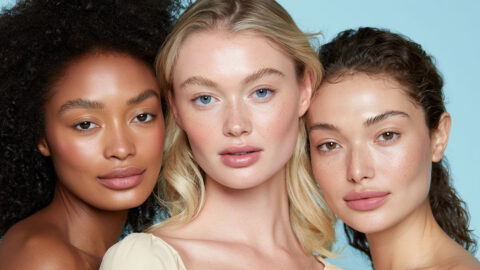
Most people who say pink lipstick doesn’t suit them have just tried the wrong pink. The shade didn’t fit their undertone or the depth of their skin, so it either clashed or vanished.
Warm skin tends to like coral-leaning pinks, and cool skin likes the blue-leaning ones. Deeper skin can take fuchsia and berry at full strength. Finish sets how loud the whole thing gets, anywhere from a sheer wash for the office to an opaque matte at night.
Contrast matters more than most people expect. Frontiers in Psychology (2017) reported that raising facial contrast, the color and lightness gap between features such as the lips and the surrounding skin, made faces from 4 ethnic groups look younger to French and Chinese raters.
A pink that sits close to your natural lip color adds very little of that. So a first shade one step deeper than your lips is the safe pick.
How do you pick a pink that matches your undertone and skin depth?

Undertone points you toward warm or cool pinks, and skin depth tells you how strong to go. Warm skin does well with coral-leaning pinks and warm rose. Cool skin pairs with blue-leaning pinks and berry. The deeper the skin, the more saturated the pink can get.
Neutral undertones sit in the middle and carry most pinks, which is why one nude pink gets sold as universal.
Charlotte Tilbury’s Pillow Talk is the best example of why that claim doesn’t hold up. The brand’s own site lists four versions. Original is nude-pink, Fair is cool-toned pink, Medium goes mid-toned berry pink, and Intense is a deep rosewood brown-pink.
Medium and Intense launched in January 2020, and Cosmetics Business reported that the brand blended them with deeper undertones to flatter a wider range of skin tones. Fair came later as a cooler option. So even the “universal” pink ended up needing depth variants.
How to test your undertone
Two quick checks get you most of the way there.
- Green-looking wrist veins read warm (Red Apple Lipstick), while blue or purple ones read cool.
- Silver jewelry flatters cool, pink undertones, and gold flatters warm, yellow ones (Makeup.com).
If your vein colors are mixed, or both metals look fine on you, you’re probably neutral.
Pink follows the same split as red. The Anna Edit describes it as warmer, yellow-leaning shades on one side and cooler, blue-leaning ones on the other.
Beyond pink, the wider group of lipstick shades that suit warm undertones follows the same yellow-leaning logic.
Matching pink to skin depth
Depth decides whether a pink shows up or washes out.
| Skin depth | Warm undertone | Cool undertone | Neutral undertone |
|---|---|---|---|
| Fair | Peach pink, light coral pink | Baby pink, cool rose | Soft rose, nude pink |
| Medium (including olive and tan) | Warm rose, coral pink, pink-brown nude | Rosy pink, mauve pink | Dusty rose, most mid-tone pinks |
| Deep | Fuchsia, magenta, bright coral-pink | Berry pink, plum-toned pink, wine-pink | Rich rose, bolder pinks |
Makeup.com points deeper skin toward purple-toned pinks such as fuchsia or magenta. Trinny London agrees that berry tones and bright color-pop pinks beat pale ones on deep skin.
On lighter skin the problem runs the other way, a pink that flattens the face. Trinny London’s point is that a pink lip should perk the complexion up, and a shade that washes it out has failed.
Cool undertones get an equally long list in this guide to lipstick colors that flatter cool undertones.
Which pink shade family and finish should you choose?
Choose the shade family by how loud you want the lip to look, then choose the finish by how much of that color should actually show. Baby pink and dusty rose stay soft. Coral pink runs warm. Hot pink and fuchsia are loud.
Pink shade families
- Baby pink is pale and sweet, and also the easiest one to lose on fair lips.
- Dusty rose is the muted, wearable option. Iba Cosmetics calls it, in satin or cream, the most versatile everyday pink (its guide covers Indian skin tones).
- Coral pink leans orange and warm, so it suits warm undertones and tan skin.
- Hot pink, saturated and bright, is the shade behind the Barbiecore wave.
- Makeup.com rates fuchsia and magenta, both blue-red, as the strongest match for deep skin.
Many trace Barbiecore to Valentino’s Pink PP, a shade developed with Pantone for the fall/winter 2022-23 collection (Business Insider, 2022).
Fuchsia and magenta sit close to red. Pantone placed its 2023 Color of the Year, Viva Magenta (18-1750), in the red family, balanced between warm and cool (Pantone Color Institute, 2022).
Finish options
Finish changes how loud the same shade looks, and the difference between matte and satin formulas shows up in comfort as much as in shine.
Matte gives full pigment, so a loud pink looks deliberate, and it holds a crisp edge when lined. The downside is that it exaggerates dry patches and flaking. The Anna Edit and Fox in Flats both recommend matte when the pink is bright, with gloss on top for anyone who wants shine.
Satin or cream formulas are comfortable and forgiving, and they’re the everyday default for most people. The color grips less, though, and can drift past the lip line late in the day.
Sheer pinks and glosses are buildable, from a wash of tint to a stronger pink. Pearlescent versions make lips look fuller, per Trinny London. They also fade fastest and show the least pigment.
If pink is new to you, a sheer lipstick is the lowest-risk start. I’d still put a satin dusty rose ahead of a matte hot pink as a first purchase.
How to apply pink lipstick, step by step
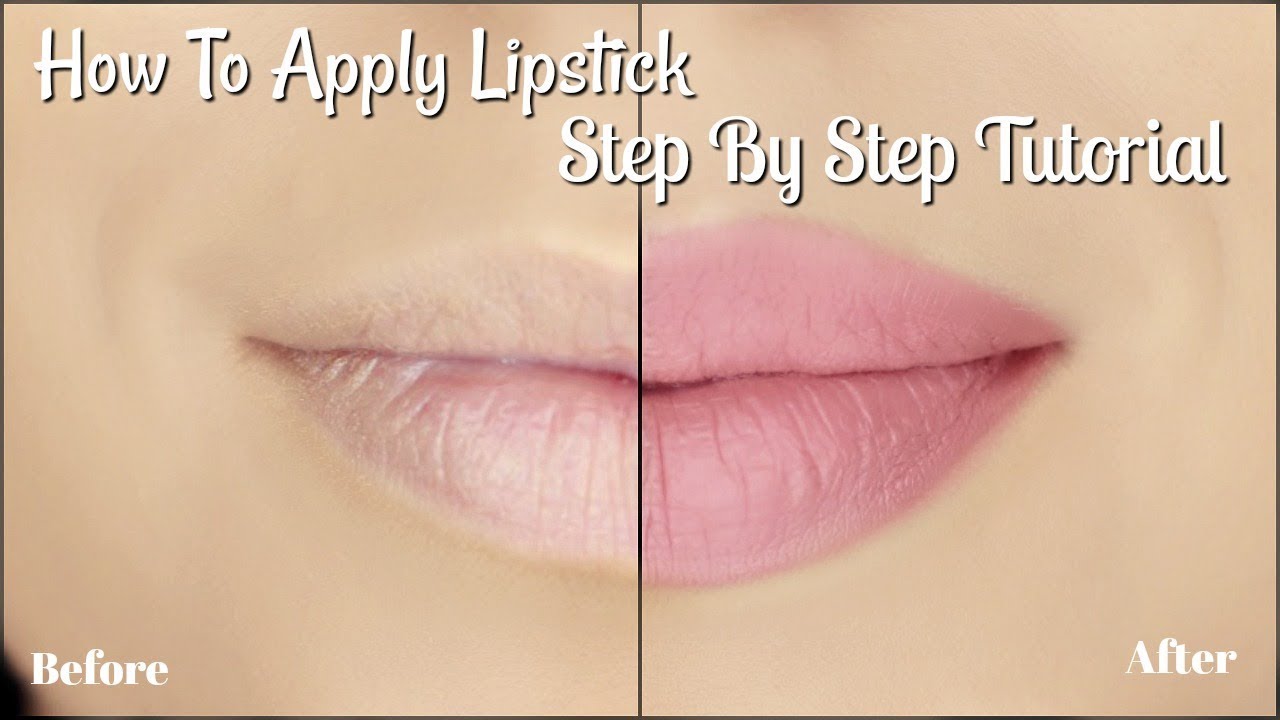
Prep the lips, line them, apply the color, blot, and apply a second coat. That order works for every pink, and only the amount of product changes.
- Exfoliate lightly, then apply a thin layer of lip balm and let it settle for a few minutes.
- Line the lips with a matching or nude liner to set the edge.
- Apply the lipstick straight from the bullet, or with a brush for bold shades.
- Blot with a tissue.
- Reapply a second coat, then add gloss on top if you want shine.
Flakes show straight through matte color, so prep isn’t optional. A sugar scrub or damp washcloth does the job, and this guide to gentle at-home lip exfoliation covers more options.
Iba Cosmetics recommends a matching or nude liner for cleaner edges and longer wear. Getting the line right takes practice, and a walkthrough on applying lip liner shortens the learning curve.
Sheer and soft pink

Soft pink gets built in layers instead of applied in one pass. Dab color onto the center of the lips, pat it outward with a fingertip, and add more only where you want extra pigment.
The dab-and-pat method comes from makeup pro Tom Pecheux in Glamour South Africa. The Anna Edit adds a second trick, layering a sheer balm over a bolder formula to calm the color down.
Bold and opaque pink
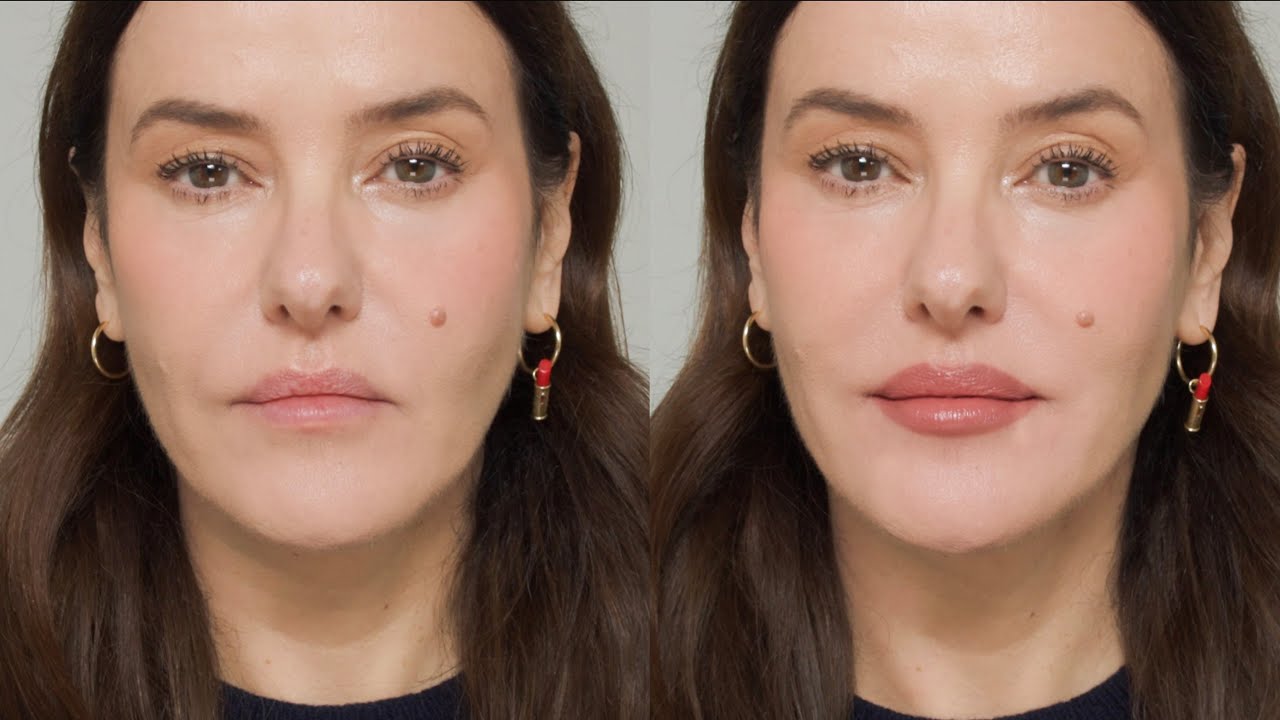
Fuchsia, hot pink and neon pink show every slip, so the edge and the finish do most of the work.
Line first and use a brush for precision. Go matte, with gloss on top only if you want it. If the pink washes you out, a red or brown liner tones it down (Lakme).
Makeup artist Mary Phillips told W Magazine she is choosing a bright hot pink over bright red for summer. Pink is easier to wear than red, but it doesn’t forgive a messy edge any more than red does.
What should you wear with pink lipstick?
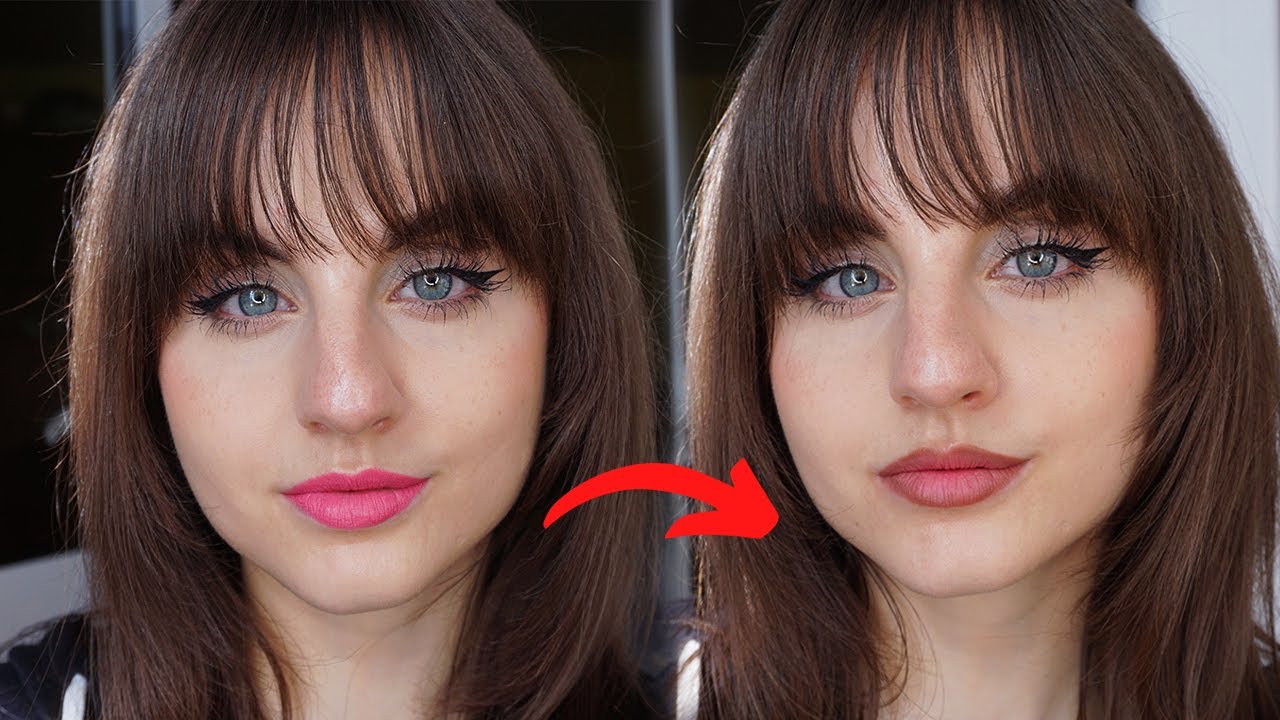
Quiet eyes go with a loud pink, and stronger eyes go with a faint one. Blush and clothing are about coordination, not matching. One focal point per face is the rule that holds up.
Eye makeup
With a bold pink, the sources lean toward neutral or nude eyes with minimal color (Shawn Fisher via SheKnows). Project Vanity goes classic with a shimmery beige lid, a thin cat eye and full lashes. Maybelline India suggests pastel pink shadow or icy silver for a more styled look.
Pale pink goes the other direction. Trinny London wants a slightly stronger eye to balance the lip, and SheKnows suggests a sheer pink under a big smoky eye.
For complete makeup looks built around pink lipstick, there are plenty of full-face ideas to work from.
Blush
Makeup artists split on this one.
The Anna Edit says blush needs cooling off even more than usual next to a pink lip. Fox in Flats says to go easy on it, and Project Vanity left it out for hot pink. On the other side, W Magazine quotes makeup artists Romy Soleimani and Ash K. Holm on choosing a cheek color that ties a hot pink look together.
My rule is simple. If the cheek color matches the lip in tone and texture, blend it softly. If it doesn’t, leave it off.
Outfit and nail colors
Outfit colors don’t need to match the lipstick. Makeup artist Rachel Toledo of Ray Brown Pro told SheKnows that a pink pout should match the person, not the dress.
For hot pink specifically, Fox in Flats suggests black for a sharper look and white for a fresher one. Bright green, yellow or orange will make the pink pop.
Anyone working from the dress outward can use this guide to choosing a lipstick color around an outfit.
Pink nails give the cleanest echo. W Magazine’s Stevi Christine singles out Chanel’s deep pink Diva.
Which pink works for the office, the daytime and the evening?
Match the pink’s intensity to how much attention the occasion invites.
- For the office, soft rose or coral pink in a sheer or satin finish, so the lip reads as healthy color.
- Daytime out calls for satin or cream, one step brighter than the natural lip.
- Evenings are for matte fuchsia, hot pink or berry.
Lakme’s guide to pink lipstick for Indian skin tones ties the shade to the event and gives formal occasions the dramatic pinks.
Bold pink isn’t locked to evening, though. The Project Vanity author wears hot pink day or night and calls it her default when time is short.
Daytime pink slots easily into simple everyday makeup looks, since the lip does most of the work.
Evening is where the louder shades earn their place, and a plan for doing your makeup for a night out keeps the rest of the face in step.
A quick test. If the lip would be the first thing people notice at that event, and that’s not the goal, drop one level of intensity.
How do you keep pink lipstick from fading, bleeding and staining your teeth?

Build a barrier at the lip line, apply in thin layers, blot between coats, and check your teeth before you leave. Fading, bleeding and teeth stains each have their own fix.
Fading is the easiest one to deal with.
- Wear a balm under the color while you do the rest of your makeup (Jemma Kidd).
- Prime the lips with a lip primer, or a dab of foundation or concealer (Jemma Kidd).
- Fill the whole lip with liner, so the lipstick grips a waxy base.
- Apply the color, blot, and reapply (Fox in Flats).
- Press a tissue over the lips and dust a little translucent powder through it.
Bleeding starts with fine lines, collagen loss and dryness around the mouth, according to Red Apple Lipstick. Thrive Causemetics adds that it gets more common with age.
Formula matters as much as technique. Jemma Kidd says oily lipsticks, liquid glosses and stains travel further, so thicker, drier formulas stay put.
Prevention goes deeper than liner alone, as this guide to keeping lipstick from bleeding shows.
Makeup artists don’t agree on which liner to use.
| Source | Liner choice | Stated reason |
|---|---|---|
| Jemma Kidd | Matches the lipstick for bold looks, the lips for nude looks | Even undercoat, waxy base |
| Rose-Marie Swift (RMS Beauty) | Natural lip color, red only for red lipstick | Stops color running into feathered lines |
| Sonia Kashuk (O Magazine) | Foundation over the whole lip, then a neutral or colorless pencil | Works under any shade |
For a bold pink, a matching liner hides any drift. For a soft pink, a colorless one is the safer pick.
If liner alone fails, Thrive Causemetics suggests an eyeshadow primer around the lip perimeter, as a barrier against facial oils migrating into the lip.
On teeth, the sources split on whether pink brightens or dulls a smile.
Project Vanity found hot pink made teeth look whiter than a usual red did. Maybelline India warns that some bright pinks make teeth look yellow and recommends a cool, bold fuchsia instead.
The disagreement resolves on undertone, not brightness. Colgate says warm yellow, orange and gold undertones make teeth look yellower, while blue undertones such as fuchsia work against yellowing.
Medicine and Pharmacy Reports (2023) ran the one controlled test found here. 100 observers rated photos of four women’s smiles from 1 (dark) to 6 (white), and nude lipsticks scored lower than red and purple ones.
That study did not test pink, and the authors note its limitations, so treat it as a direction, not a verdict.
More shade-by-shade detail sits in this breakdown of which lipstick colors make teeth look whiter.
Before you leave the house, check your teeth in a mirror and tidy the corners with a cotton swab. Carry the lipstick so you can blot and reapply after eating.
When does pink lipstick not work?
Pink goes wrong when the shade is too pale for the skin, when the undertone clashes, when a matte formula meets dry lips, or when the product irritates. None of that means giving up pink.
| Problem | Cause | Switch to |
|---|---|---|
| Washed-out lip | Pink too pale or too close to the skin | Deeper rose or berry |
| Ashy or sallow cast | Undertone mismatch | A pink on your side of the warm-cool split |
| Flaking, cracking | Matte formula over dry lips | Balm underneath, or a satin or cream pink |
| Burning, tingling | Irritating ingredients | Stop the product, use a non-irritating balm |
Christina Butcher, editor of Hair Romance, gives a rule of thumb for the first row, which is never to wear a pink paler than your gums. Darker berry shades flatter more people than pale pinks, per the same Fox in Flats piece.
Matte is the usual culprit for the third row. BlackDoctor.org notes matte lipsticks can be extremely drying and suggests alternating them with hydrating formulas or layering balm underneath.
If matte is non-negotiable, there are ways to keep lips moisturized while wearing matte lipstick.
On dry days, a tinted lip balm gives you pink without the pull of matte.
The American Academy of Dermatology (2021) says to skip lip products that burn, sting or tingle, and to apply balm instead of licking the lips. Lips that don’t heal within two to three weeks of that routine need a board-certified dermatologist, not a different lipstick.
The cheapest fix across all four rows is the same. Drop to a sheer or satin pink in your undertone, and come back to the bold shade once the lips are in good shape.
Pink Lipstick FAQ
Can pink lipstick double as blush or eyeshadow?
Yes, as long as the formula is creamy. Makeup pro Tom Pecheux told Glamour South Africa to dab it on the apples of the cheeks and blend, or sweep it over the moving lid without passing the crease.
One shade across lip, cheek and lid also keeps the look cohesive.
Which pink suits thin lips?
A medium pink with some sheen beats a flat, dark one. Draw the liner just outside the natural lip line, as makeup artist Jemma Kidd advises, then fill in.
More options sit in these lipstick ideas for thin lips.
Does pink lipstick suit mature lips?
Yes, and a defined pink often works better than a pale one. Most measures of facial contrast decline with age in women across ethnic groups (Frontiers in Psychology, 2017), so a pink one step deeper than the lips restores some of it.
Line the edge so color doesn’t drift into fine lines.
How do you tone down a pink that turned out too bright?
Blot hard with a tissue, then pat the color with a fingertip until only a stain remains.
If it still reads loud, apply the next coat thinly or switch to a sheer finish.
Which Pink Lipstick to Buy First
Start with a satin shade in your undertone. Get a liner second, and save the matte for evenings, third.
Two findings already cited point the same way. Deeper lips raise facial contrast (Frontiers in Psychology, 2017), and nude lipstick scored lower than red and purple for tooth whiteness (Medicine and Pharmacy Reports, 2023). A shade deeper than the lips with a cool lean covers both concerns.
The liner is the cheap second purchase, and a guide to choosing a lip liner is the natural next read.
The catch is that satin builds to a strong pink but not an opaque matte one, so full evening intensity waits for the third purchase.

She started writing on the site after fielding the same questions from clients and friends often enough to just write the answers down: which red won't turn orange on a warm undertone, how to keep lipstick from feathering into fine lines, why a "12-hour" formula rarely survives dinner.
Every review on the site follows the same rule she uses with paying clients: wear it first, then decide if it's worth recommending.
- How to Make Eyeliner Last Longer Without Smudging - August 31, 2026
- How to Make Eyeshadow Last Longer All Day - August 29, 2026
- How to Find Your Undertone in 5 Easy Steps - August 27, 2026