Not every makeup product earns a permanent spot in the routine. Highlighter has.
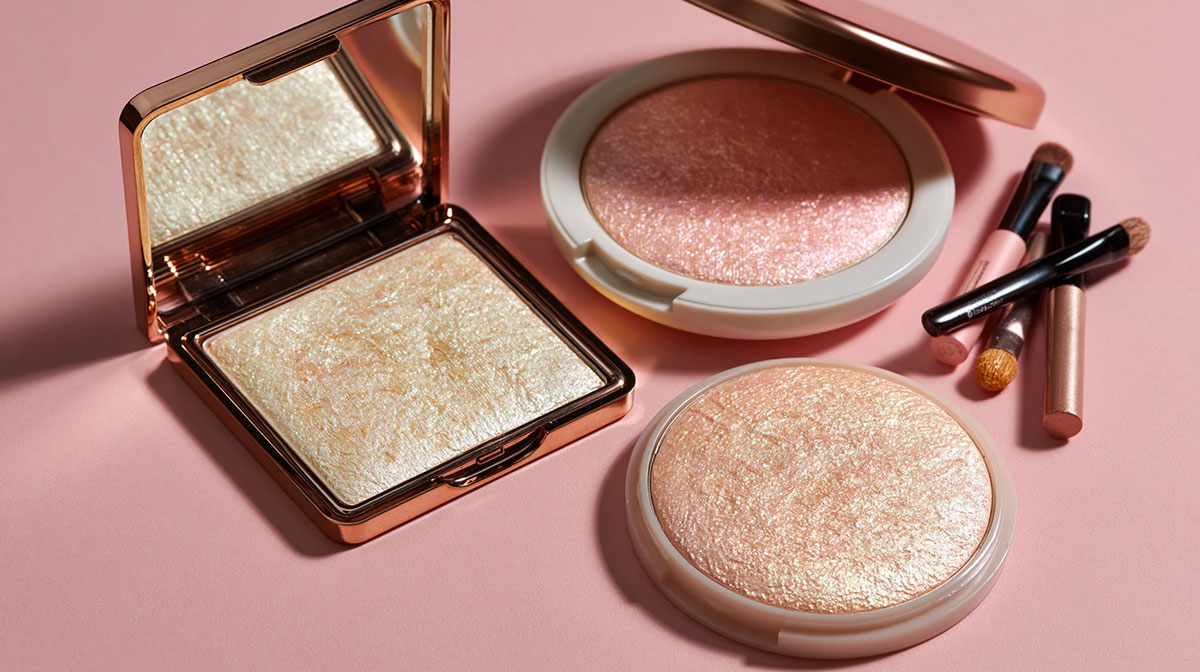
So, what is highlighter, exactly? It’s a cosmetic product that reflects light off the skin to create brightness, dimension, and a radiant glow at the high points of the face.
It comes in powder, liquid, cream, and stick formats. It works across every skin tone. And it does something no other product quite replicates: it makes skin look lit from within rather than covered up.
This article covers everything worth knowing, from how light reflection actually works on skin, to choosing the right shade for your complexion, to understanding how highlighter differs from bronzer and contour.
What Is Highlighter
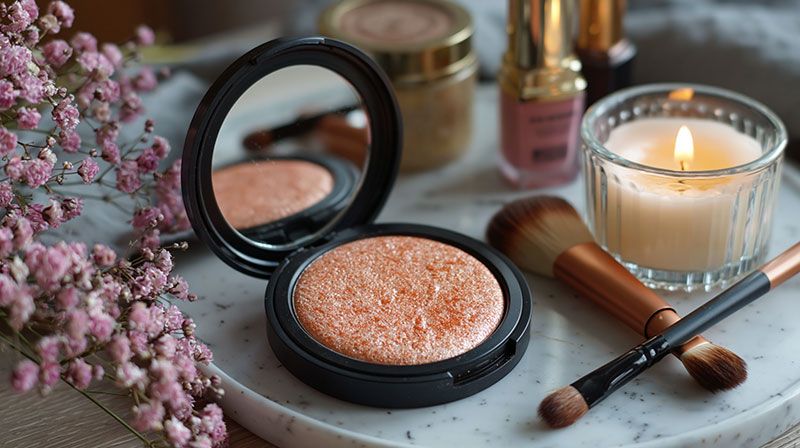
Highlighter is a cosmetic product designed to reflect light off the skin’s surface, creating the appearance of brightness, lift, and dimension on the face.
It works by catching natural or artificial light at specific points on the face, making those areas appear more prominent and luminous. The result is a skin glow effect that looks like light is naturally hitting your features.
It’s not a foundation, not a concealer, not a bronzer. Highlighter sits in its own category with one core job: add light where you want the eye to travel.
The global highlighter market reached USD 2.41 billion in 2024, growing at a CAGR of 6.2% through 2033 (Growth Market Reports). That’s not a niche product. That’s a category people keep going back to.
Most highlighters get their light-reflecting ability from mica, a naturally occurring silicate mineral that comes in thin, flat layers. When ground into fine particles, it creates that shimmer and radiance in pressed and loose formulas.
Finish types vary quite a bit. You get blinding metallic, satin, pearl, and dewy. Each produces a different look on skin, which is worth knowing before you buy.
What Highlighter Does to the Skin
The science behind it is simple. Mica and similar pigments scatter light in multiple directions when it hits the skin. That scattered light reads as brightness and dimension to the human eye.
Light reflection vs. light diffusion: these two are not the same thing.
- Light reflection (shimmer, metallic finishes): bounces light directly, creating visible shine and a more dramatic result
- Light diffusion (satin, pearl finishes): scatters light softly, producing a glow without obvious sparkle
Most everyday highlighters sit somewhere between the two.
Highlighter also creates the illusion of lifted, more prominent facial features. When you place it on the tops of the cheekbones, the brow bone, or the bridge of the nose, those areas appear to sit higher and further forward. It’s all optical.
Key difference from strobing: strobing is a technique that uses highlighter as the primary sculpting tool, skipping contour entirely. Regular highlighting is just one step in a broader routine. Both rely on the same product. The approach is just different.
On oily or textured skin, heavy shimmer highlighters can emphasize pores and fine lines. That’s not a flaw in the product, just physics. A finer-particle satin formula or a pressed powder tends to work better in those cases.
Types of Highlighter
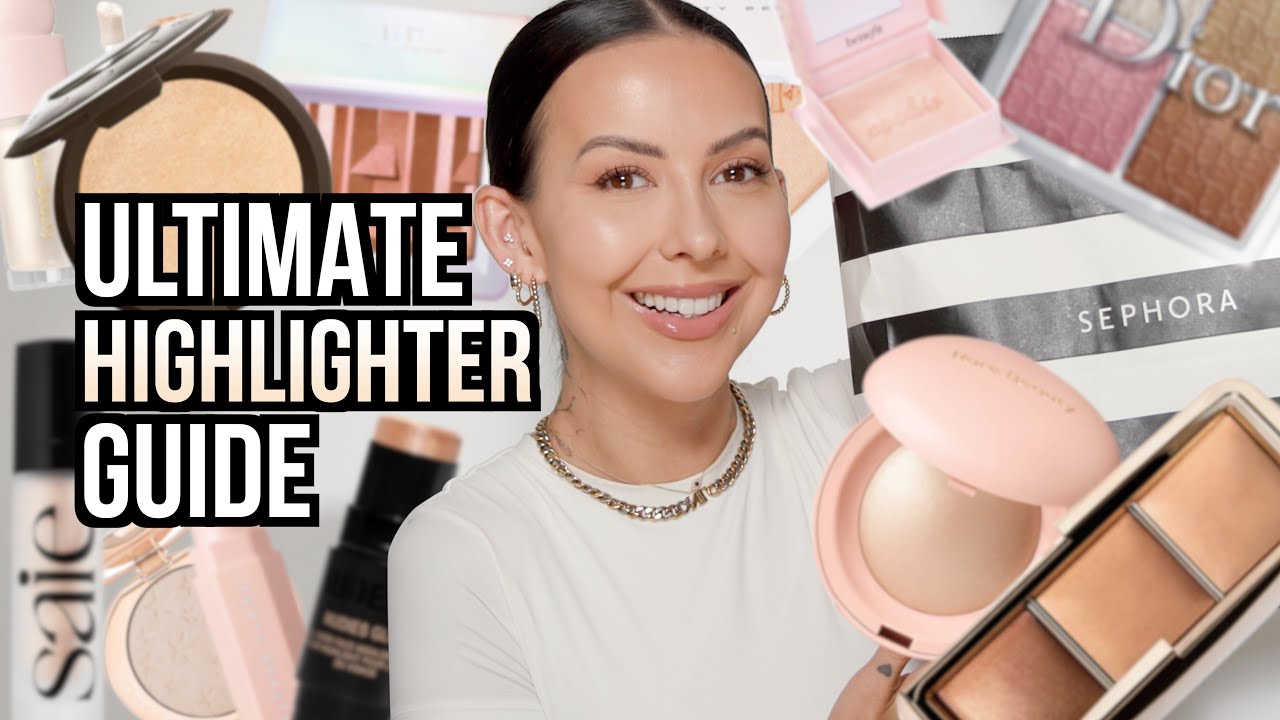
Powder highlighters hold the largest market share in 2024, driven by versatility and ease of use across skin types (Growth Market Reports).
But powder isn’t the only format worth knowing.
Powder Highlighter
Best for: oily skin, beginners, buildable coverage
Powder is the most widely used format. It’s applied with a brush, blends easily, and gives you control over intensity. You can dust on a light wash or pack it on for a more intense glow makeup look.
Works well layered over cream products to lock in the finish and extend wear. Fan brushes give the most diffused result. Flat brushes, packed on, give intensity.
Liquid and Cream Highlighter
According to Accio market data, liquid highlighter search volume surged to 93 in December 2024, the highest point recorded, driven by holiday-season demand and the “dewy skin” aesthetic trend.
Liquid highlighter is mixed into foundation or moisturizer for a radiance boost throughout the base, or worn directly on the skin. Cream formulas are applied with fingers or a damp sponge.
Both formats suit dry skin well. Fingers work better than brushes here because the warmth helps the product melt into skin.
Stick and Loose Pigment Highlighter
Stick highlighter: portable, precise, great for targeted application on the cheekbone or brow bone without needing a brush
Loose pigment: high impact, editorial use, and honestly a bit messy for everyday wear. The kind of thing you reach for when you want a truly blinding result. Not subtle.
| Format | Best Skin Type | Finish | Best Use |
| Powder | Oily, combination | Shimmer to metallic | Everyday, layering |
| Liquid | Dry, normal | Dewy, radiant | Mixed into base or worn alone |
| Cream | Dry, mature | Satin, glow | Natural finish looks |
| Stick | All types | Varies | Precise, on-the-go |
| Loose pigment | Normal, oily | Blinding, metallic | Editorial, events |
Where to Apply Highlighter on the Face

Placement matters more than the product itself. You can have the best highlighter on the market and place it wrong and the whole thing falls flat.
The standard placement areas are wherever natural light would hit a face. Think about standing in sunlight. The tops of your cheekbones catch light. The center of your brow bone does. So does the bridge of the nose and the cupid’s bow.
Classic face placements:
- Tops of cheekbones (not the apples of the cheeks, the actual bone)
- Brow bone, just beneath the arch
- Inner corners of the eyes for brightness
- Bridge of the nose, lightly
- Cupid’s bow to make lips appear fuller
- Center of the chin for dimension
The inner corner eye highlight is a quick trick that opens up small or hooded eyes significantly. Takes two seconds with a small brush or your fingertip.
Body highlighting has grown fast. Face makeup is still the primary application, but the body makeup segment is expanding rapidly due to full-body glow trends for events and photoshoots (Growth Market Reports). Collarbones, shoulders, and shins are the common spots.
Where to avoid: anything with visible texture. Highlighter on areas with enlarged pores, forehead lines, or under-eye creasing will catch in those areas and make them more obvious. Less is genuinely more on textured skin.
How to Apply Highlighter
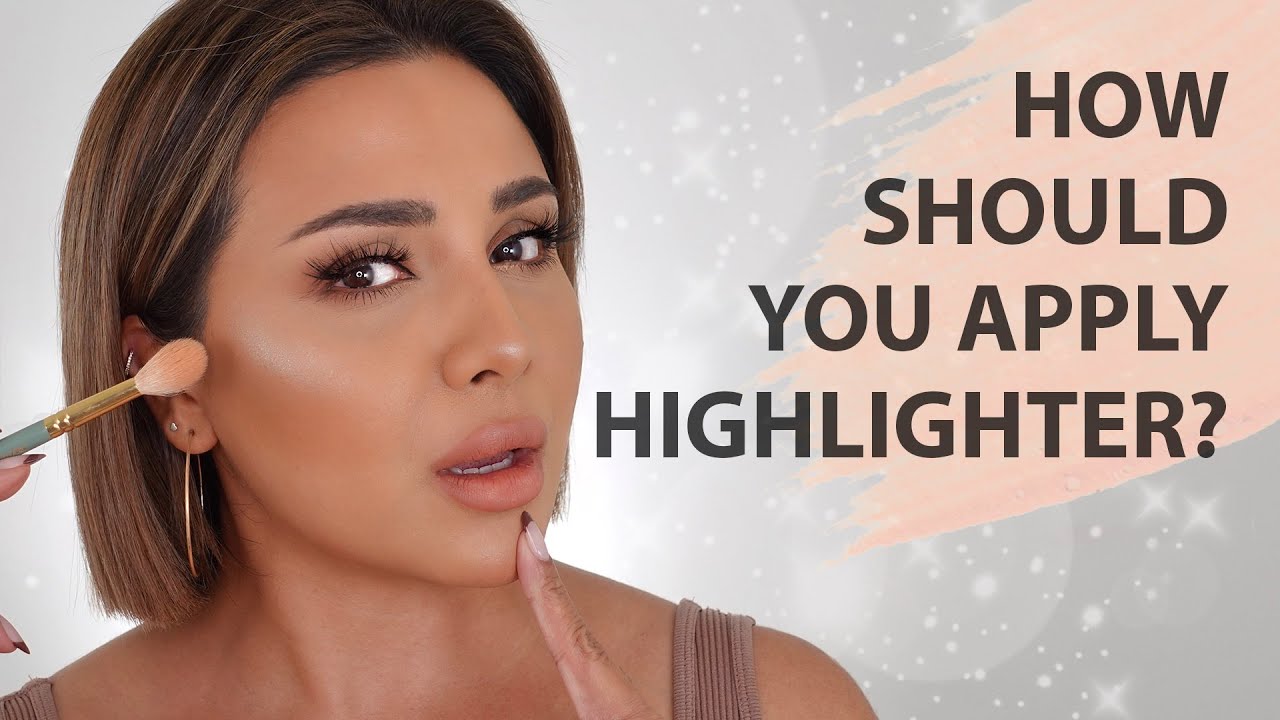
The tool changes the finish. Same product, different tools, different results. That’s worth knowing before you start.
Application by Product Type
Fan brush (powder): gives the most diffused, natural-looking result. Sweep lightly over the cheekbone in one upward motion. Hard to over-apply with this.
Flat brush, packed on (powder): intensifies the pigment significantly. Press and pat rather than sweep. This is how you get that “blinding” highlight finish.
Fingers (cream, liquid): the warmth of your skin helps the formula melt in. Tap gently, don’t rub. Rubbing pulls the product around instead of setting it in place.
Damp sponge (powder or liquid): packing highlighter on with a damp sponge gives an intense, almost wet-look finish. Fenty Beauty uses this technique in a lot of their tutorials for a glassy skin result.
Layering Technique
Cream or liquid first, powder on top. The cream gives the glow, the powder locks it in and adds longevity.
This layering approach works especially well for dry skin types who want luminosity that actually lasts through a full day.
When applying cream highlighter, always blend the edges. Hard edges where the highlighter ends look patchy and obvious. Blend out until you can’t see where it stops.
Most common mistakes:
- Applying too low on the cheek (this widens the face rather than lifting it)
- Using too much product in one layer instead of building gradually
- Skipping primer, which causes highlighter to sit on top of skin rather than adhering
Highlighter for Different Skin Tones
Shade matching matters here more than most people realize. A cool-toned icy highlighter on a deep warm complexion can look gray and ashy. It doesn’t mean the product is bad. It just means the undertone is wrong.
| Skin Tone | Best Shades | Avoid |
| Fair to light | Champagne, pearl, icy pink | Heavy gold, deep bronze |
| Medium | Peach, rose gold, warm gold | Icy white, silver |
| Tan to deep | Bronze, copper, deep gold | Cool pink, pearl white |
Fenty Beauty changed the conversation on this when they launched with 40 foundation shades in 2017. Their highlighter range followed the same logic: deep copper and bronze shades designed specifically to read on darker complexions rather than disappearing.
Charlotte Tilbury’s Hollywood Flawless Filter works across a wider range of skin tones because it uses a diffused, luminous formula rather than direct shimmer. The glow reads without the color clash.
NARS’s laguna and orgasm shades have long been go-to picks for medium and olive skin because the warm peachy undertone works with golden-undertone complexions rather than against them.
For applying highlighter on mature skin, stick to finer-particle formulas and satin finishes. Heavy glitter or large shimmer particles catch in fine lines and emphasize texture. A diffused glow reads better and ages more gracefully in photos too.
Highlighter Ingredients and Formulation
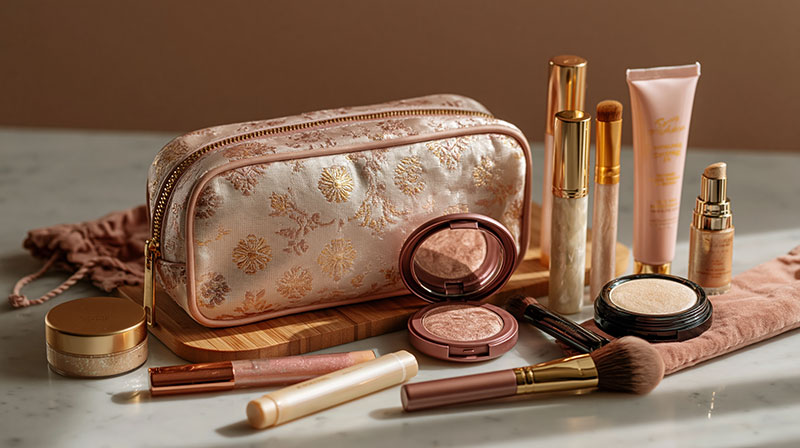
Most highlighters share a similar ingredient foundation. What separates a $10 drugstore pick from a $60 luxury formula usually comes down to particle size, purity, and the type of reflective base used.
Mica (CI 77019) is the primary light-reflecting ingredient in the vast majority of highlighters. It’s a naturally occurring silicate mineral that, when ground into fine particles, scatters light in all directions and creates that shimmer effect on skin.
The FDA lists mica as a color additive exempt from certification, meaning it’s approved for use on the lips and around the eye area (Cosmetics Info). EWG’s Skin Deep rates it a 1-2 hazard score, with minimal concerns for skin contact.
Natural Mica vs. Synthetic Fluorphlogopite
Natural mica: mined mineral, softer shimmer, may contain trace heavy metals at regulated levels
Synthetic fluorphlogopite: lab-created mica alternative with higher purity, more consistent particle structure, and improved light reflection (INCIDecoder)
Lush switched exclusively to synthetic mica in 2018, citing ethical concerns around child labor in natural mica mines. Several other brands followed. The Cosmetic Ingredient Review Expert Panel has confirmed synthetic fluorphlogopite is safe as used in cosmetics.
Other Key Ingredients by Format
Powder highlighters typically include magnesium stearate (a binder), dimethicone (smooth application), and silica (oil absorption, soft-focus effect).
Liquid and cream formulas add emollients like caprylic/capric triglyceride and ethylhexyl palmitate to create that blendable, skin-like texture.
Titanium dioxide (CI 77891) is often added to cool-toned highlighters to create pearl and white-shimmer effects. Iron oxides shift warmer shades toward gold, bronze, and copper.
Particle size controls everything. Finer particles (below 150 microns) give a satin, skin-close glow. Larger particles produce the chunky glitter effect. The formula breakdown determines whether your highlighter looks like real skin or a disco ball.
Highlighter vs. Bronzer vs. Contour

These three products get confused constantly. They can look similar in the pan and even get applied to overlapping areas of the face. But they do completely different things.
| Product | Purpose | Tone | Finish |
| Highlighter | Adds light, creates radiance | Light, iridescent | Shimmer, satin, dewy |
| Bronzer | Adds warmth, mimics sun exposure | Warm, tan-adjacent | Matte or satin |
| Contour | Creates shadow, sculpts structure | Cool or neutral | Matte |
Highlighter adds light. Contour adds shadow. Bronzer adds warmth. Three different jobs, even when the products are applied near the same cheekbone.
Contour shades are typically two to three shades darker than your foundation, placed in the hollows to create depth. Highlighter is one to two shades lighter, applied at the highest points to bring them forward optically.
When to Use Each
Bronzer first, to warm up the whole face after foundation flattens the complexion. Contour second, to add shadow where you want definition. Highlighter last, over everything, to catch the light at the tops of features.
You do not need all three every time.
A bronzer with a satin finish can double as a subtle highlighter for deeper skin tones, where warm-toned glow reads better than cool shimmer. NYX Professional Makeup notes that warm-toned bronzers can blur rather than define, so they work as a softening tool more than a sculpting one.
Products That Combine Both
Bronzer-highlighter hybrids sit between the two categories. Charlotte Tilbury’s Hollywood Flawless Filter is technically a complexion product, but it functions as both a luminous base and a highlighter depending on how much is applied.
The highlighter vs bronzer debate is less about which is better and more about understanding what finish and function you actually need for a given look.
Highlighter in Makeup History
Highlighter as a dedicated product didn’t exist the way it does now until relatively recently. Light-reflecting makeup existed, but using it specifically to add dimension to the face’s high points came later.
The 1990s were the opposite of glow. Matte skin dominated. Kate Moss and the supermodel era favored flat, barely-there skin, with matte finishes and neutral lips. Highlighter, if used at all, was applied with extreme restraint (Charlotte Tilbury).
Early 2000s to 2010s
The shift came with Jennifer Lopez’s signature luminous skin at the turn of the millennium. Her makeup artists used shimmering bronzers and targeted highlighter to create that lit-from-within radiance that became her trademark look.
Highlighter as a mainstream product began rising in the late 1990s and early 2000s, with pearlescent illuminators mixed into foundations or tapped onto cheekbones (Green Brushes, 2024).
Then the 2010s happened.
Kim Kardashian and Mario Dedivanovic brought contouring and highlighting to YouTube and Instagram audiences at a scale nobody had seen before. Their tutorials introduced millions to the idea of using light and shadow strategically, and products like Becca Cosmetics’ Shimmering Skin Perfector became household names practically overnight.
The Strobing Era and Beyond
2015: strobing went viral as a contouring alternative. The idea was simple, skip the shadow work and lead entirely with light. Benefit’s Highbeam, Becca’s pressed Shimmering Skin Perfector, and NARS Multiples in Copacabana were the go-to products for the look.
Social media influencers like NikkieTutorials helped drive the “blinding highlight” trend, where the goal was maximum, almost uncomfortable-looking shine. The more visible the shimmer, the more it read on camera.
By the late 2010s, taste had already shifted. Heavy shimmer fell out of favor as the “no-makeup makeup” and glass skin trends took over. Luminosity stayed, but the approach became more diffused, more skin-like, less glitter-adjacent.
The hybrid makeup market, which includes skincare-infused highlighters and multi-use glow products, is now growing at a 6.1% CAGR through 2030 (Accio market data). The current preference is for glow that reads like healthy skin, not shimmer that reads like craft glitter.
Fenty Beauty’s launch in 2017 also changed things. Rihanna’s brand showed that highlighter needed to work across every skin tone, not just the pale-to-medium range most brands had historically catered to. Products like Trophy Wife (a deep gold) and Hu$tla Baby (a bronze) proved that the deepest complexions could wear face highlighter that actually showed up.
Today, the focus on using highlighter makeup has shifted toward skin-like glow over heavy shimmer. The goal is radiance that looks like it came from good skincare, not from a pressed-powder compact packed with glitter.
FAQ on What Is Highlighter
What is highlighter in makeup?
Highlighter is a cosmetic product that reflects light off the skin’s surface to create brightness and dimension. It’s applied to the high points of the face, like cheekbones and brow bones, to produce a radiant, luminous glow.
What does highlighter do to your skin?
It creates the optical illusion of lifted, more prominent features by catching light. The light reflection makes those areas appear to sit higher and further forward on the face, adding visible dimension without any contouring.
Where do you apply highlighter on the face?
Classic placements include the tops of the cheekbones, brow bone, bridge of the nose, cupid’s bow, and inner corners of the eyes. These are spots where natural light hits the face, so highlighter there reads as realistic and dimensional.
What is the difference between highlighter and bronzer?
Highlighter adds light. Bronzer adds warmth, mimicking a sun-kissed glow. They’re often applied near the same areas but serve opposite purposes. Using both together gives the most balanced, multidimensional result.
What are the different types of highlighter?
The main formats are powder, liquid, cream, and stick. Powder suits oily skin best. Liquid and cream work well on dry skin and can be mixed into foundation. Stick highlighter is portable and precise for targeted application.
What ingredients are in highlighter?
Mica is the primary light-reflecting ingredient in most formulas. Synthetic fluorphlogopite is a purer lab-made alternative. Titanium dioxide shifts shades cooler, while iron oxides create warm gold and bronze tones.
Is highlighter suitable for all skin tones?
Yes, but shade matching matters. Fair skin suits champagne and pearl. Medium tones work well with rose gold and peach. Deeper complexions look best with bronze, copper, and deep gold, where cool-toned shimmers can read ashy.
Can you wear highlighter without other makeup?
Absolutely. A cream or liquid highlighter worn alone over moisturized skin gives a clean, dewy look. It’s one of the quickest ways to add a skin glow effect with minimal effort and no base makeup required.
What is strobing and how does it relate to highlighter?
Strobing is a technique that uses highlighter as the main sculpting tool, skipping contour entirely. Instead of adding shadow to define features, you rely purely on light placement to create dimension. Becca Cosmetics and Mario Dedivanovic helped popularize it mid-2010s.
How do you choose the right highlighter shade?
Match the undertone to your skin. Warm complexions suit gold and peach. Cool complexions suit pink and silver. If unsure, a champagne or rose gold shade tends to work across a wide range of skin tones without clashing.
“json { "@context": "https://schema.org", "@type": "FAQPage", "mainEntity": [ { "@type": "Question", "name": "What is highlighter in makeup?", "acceptedAnswer": { "@type": "Answer", "text": "Highlighter is a cosmetic product that reflects light off the skin's surface to create brightness and dimension. It is applied to the high points of the face, like cheekbones and brow bones, to produce a radiant, luminous glow." } }, { "@type": "Question", "name": "What does highlighter do to your skin?", "acceptedAnswer": { "@type": "Answer", "text": "It creates the optical illusion of lifted, more prominent features by catching light. The light reflection makes those areas appear to sit higher and further forward on the face, adding visible dimension without any contouring." } }, { "@type": "Question", "name": "Where do you apply highlighter on the face?", "acceptedAnswer": { "@type": "Answer", "text": "Classic placements include the tops of the cheekbones, brow bone, bridge of the nose, cupid's bow, and inner corners of the eyes. These are spots where natural light hits the face, so highlighter there reads as realistic and dimensional." } }, { "@type": "Question", "name": "What is the difference between highlighter and bronzer?", "acceptedAnswer": { "@type": "Answer", "text": "Highlighter adds light. Bronzer adds warmth, mimicking a sun-kissed glow. They are often applied near the same areas but serve opposite purposes. Using both together gives the most balanced, multidimensional result." } }, { "@type": "Question", "name": "What are the different types of highlighter?", "acceptedAnswer": { "@type": "Answer", "text": "The main formats are powder, liquid, cream, and stick. Powder suits oily skin best. Liquid and cream work well on dry skin and can be mixed into foundation. Stick highlighter is portable and precise for targeted application." } }, { "@type": "Question", "name": "What ingredients are in highlighter?", "acceptedAnswer": { "@type": "Answer", "text": "Mica is the primary light-reflecting ingredient in most formulas. Synthetic fluorphlogopite is a purer lab-made alternative. Titanium dioxide shifts shades cooler, while iron oxides create warm gold and bronze tones." } }, { "@type": "Question", "name": "Is highlighter suitable for all skin tones?", "acceptedAnswer": { "@type": "Answer", "text": "Yes, but shade matching matters. Fair skin suits champagne and pearl. Medium tones work well with rose gold and peach. Deeper complexions look best with bronze, copper, and deep gold, where cool-toned shimmers can read ashy." } }, { "@type": "Question", "name": "Can you wear highlighter without other makeup?", "acceptedAnswer": { "@type": "Answer", "text": "Absolutely. A cream or liquid highlighter worn alone over moisturized skin gives a clean, dewy look. It is one of the quickest ways to add a skin glow effect with minimal effort and no base makeup required." } }, { "@type": "Question", "name": "What is strobing and how does it relate to highlighter?", "acceptedAnswer": { "@type": "Answer", "text": "Strobing is a technique that uses highlighter as the main sculpting tool, skipping contour entirely. Instead of adding shadow to define features, you rely purely on light placement to create dimension. Becca Cosmetics and Mario Dedivanovic helped popularize it mid-2010s." } }, { "@type": "Question", "name": "How do you choose the right highlighter shade?", "acceptedAnswer": { "@type": "Answer", "text": "Match the undertone to your skin. Warm complexions suit gold and peach. Cool complexions suit pink and silver. If unsure, a champagne or rose gold shade tends to work across a wide range of skin tones without clashing." } } ] } “
Conclusion
This conclusion is for an article presenting what is highlighter, a product that comes down to one simple function: putting light exactly where you want it.
The format matters. Powder, cream, liquid, stick. Each delivers a different finish, and choosing the wrong one for your skin type is usually where the result falls apart.
Shade matching is just as important. The wrong undertone reads flat or ashy, no matter how good the makeup pigment quality is.
Placement, application technique, and skin prep all affect the final result more than the price tag does.
Whether you’re after a subtle dewy complexion or a full strobing effect, the principles stay the same. Start with the right formula, apply with the right tool, and build gradually.

She started writing on the site after fielding the same questions from clients and friends often enough to just write the answers down: which red won't turn orange on a warm undertone, how to keep lipstick from feathering into fine lines, why a "12-hour" formula rarely survives dinner.
Every review on the site follows the same rule she uses with paying clients: wear it first, then decide if it's worth recommending.
- How to Make Eyeliner Last Longer Without Smudging - August 31, 2026
- How to Make Eyeshadow Last Longer All Day - August 29, 2026
- How to Find Your Undertone in 5 Easy Steps - August 27, 2026