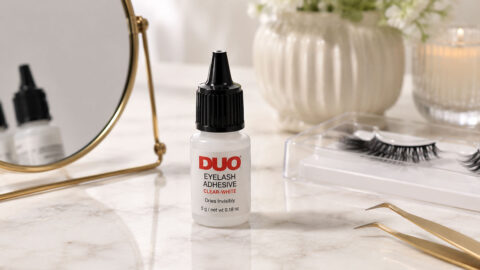
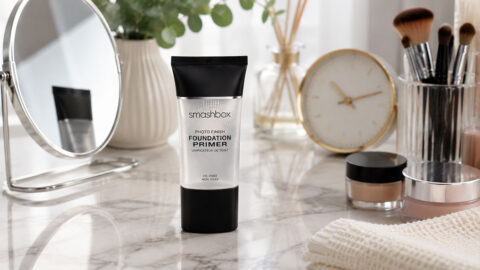
You applied mascara perfectly this morning. By noon, there are dark smudges under your eyes.
Knowing how to stop mascara from smudging under eyes comes down to three things: formula, prep, and skin type. Most fixes are simpler than people think.
This guide covers the real reasons mascara transfers, which tubing and waterproof formulas actually hold up on oily lids, and how setting powder, eye primers, and application technique work together to keep your lash line clean all day.
No raccoon eyes. No midday touch-up panic.
Why Mascara Smudges Under Eyes

Mascara smudging is not always a formula problem. Most of the time, it is a skin and environment problem that the formula just can’t survive.
The skin on your eyelids is thin and has fewer sebaceous glands than the rest of your face. But those glands still produce oil, and that oil travels. By midmorning, it has reached your lash line and started breaking down the mascara film sitting on your lashes.
Waterproof mascaras resist water, but as Blinc Cosmetics notes from decades of product testing, most waterproof formulas are not designed to resist oils. They smudge and flake on oily skin even when they hold up fine in the rain.
Heat and humidity speed everything up. Sweat adds moisture that softens the mascara film from the outside while the skin’s oils attack from underneath.
According to research cited by White Rabbit Social, people touch their face an average of 23 times per hour, with the eye area accounting for roughly 3 of those. Every time fingers graze the under-eye area, oils transfer and mascara breaks down faster.
A few other factors worth knowing:
- Eye creams and heavy moisturizers that haven’t fully absorbed before makeup application migrate to the lash line
- Hooded eyes press the upper lid directly onto the lower lash tips, causing constant contact transfer
- Contact lens wearers blink and rub more, which increases transfer rate
- Seasonal allergies cause watering that no standard formula survives well
Mascara also smudges when the formula itself doesn’t bond well to the lash. Wax-heavy formulas sit on top of the lash rather than coating it, so they lift and migrate more easily.
Choosing the Right Mascara Formula

Formula choice does more to prevent under-eye smudging than any other step. Getting this right means everything else is easier.
According to market data from Business Research Insights, 55% of mascara users prefer waterproof variants. But waterproof and smudge-proof are not the same thing, and that distinction matters a lot on oily skin.
Waterproof vs. Tubing Mascara
These two formula types work completely differently. Most people default to waterproof without realizing tubing often performs better for everyday smudge resistance.
| Feature | Waterproof Mascara | Tubing Mascara |
|---|---|---|
| How it works | Oil-based film coats lashes | Polymer tubes wrap each lash |
| Oil resistance | Low to moderate | High |
| Best for | Water, tears, swimming | Oily skin, humidity, long days |
| Removal | Needs oil-based remover | Warm water only |
| Lash damage risk | Higher (rubbing to remove) | Lower (slides off cleanly) |
Blinc Cosmetics, which invented tubing mascara technology over 30 years ago, explains that tubing formulas form individual polymer tubes around each lash rather than coating them with pigment. Those tubes cannot be dissolved by skin oils during the day.
Good options in the tubing category include Blinc Tubing Mascara, Maybelline Snapscara, and Thrive Causemetics Liquid Lash Extensions (an InStyle 2024 Best Makeup Products winner for best lengthening mascara).
What to Look for on the Ingredient List
Acrylates copolymer and trimethylsiloxy silicate are the two film-forming ingredients that indicate a long-wearing, smudge-resistant formula.
Acrylates copolymer is the backbone of most tubing mascaras. It forms flexible polymer films that grip the lash and resist oil migration.
Wax-dominant formulas (look for carnauba wax or beeswax listed first) tend to sit on top of the lash rather than bond to it. They work fine for dry skin but break down fast on oily lids.
Fiber mascaras are tricky. The fibers add length and volume, but loose fibers detach throughout the day and transfer under the eye. Worth skipping if smudging is your main complaint.
Priming the Eye Area Before Mascara

Skipping eye primer on oily lids is the single biggest reason smudge-proof mascaras still fail. The primer creates a barrier between your skin’s oils and the mascara above it.
Urban Decay Eyeshadow Primer Potion is a go-to for this. NYX HD Eyeshadow Primer works just as well at a lower price point. Apply a thin layer from lid to just below the brow bone, let it set for 60 seconds, then proceed with the rest of your eye look.
Pro MUA Lisa Eldridge swears by NARS Smudge Proof Eyeshadow Base for oily lids, according to White Rabbit Social. MAC Pro Longwear Paint Pots double as both primer and eyeshadow, which saves a step.
Key prep steps in order:
- Apply eye primer over the lid and lower lash bone
- Let skincare (eye cream, moisturizer) fully absorb before any makeup, ideally 10-15 minutes
- Dust translucent or banana powder under the eye after concealer, before mascara
- Apply mascara only after the base layer is fully set
The powder step under the eye is often skipped and really shouldn’t be. A thin dusting of Laura Mercier Translucent Setting Powder or any finely milled banana powder creates what makeup artists call a “powder shield.” It absorbs the oils on the skin surface that mascara would otherwise sink into.
One thing that doesn’t help: applying skincare right before makeup and not waiting. Eye cream that hasn’t absorbed mixes with mascara and causes it to slide. Give products at least 10 minutes to sink in.
Setting Techniques That Lock Mascara in Place
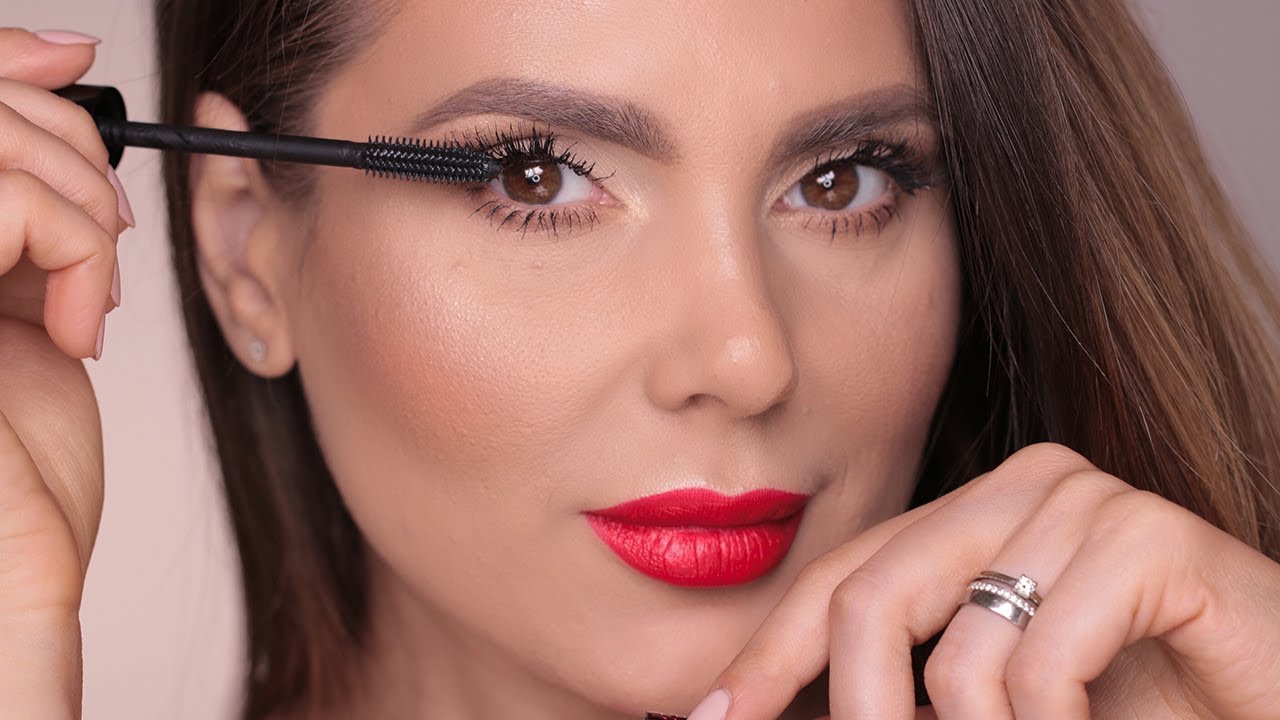
Application technique matters almost as much as formula choice. A few habits make a real difference.
The tissue blot trick: After applying mascara to upper lashes, hold a folded tissue just below the lashes while looking down. Any excess product transfers to the tissue instead of your under-eye skin. Simple, but most people skip it.
Let each coat dry before adding another. Wet mascara layers press against each other and take longer to set, which means more transfer risk in the first hour of wear. Two thin, dry coats outperform one thick wet one every time.
The Powder Shield Method
Celebrity makeup artist Adam Breuchaud, who works with Nicola Coughlan and Sarah Paulson, recommends dusting translucent powder on both the lid and the under-eye area to absorb the skin’s natural oils, even over finished eye makeup.
The method: after full mascara application, take a fluffy brush with a small amount of finely milled translucent powder and lightly dust the area directly beneath your lower lashes. Do not press or swipe. A light cloud of powder is all that’s needed.
Products that work well for this:
- Laura Mercier Translucent Setting Powder (fine milling, no flashback)
- Banana powder for deeper skin tones (also brightens the under-eye area)
- NYX HD Setting Powder for a budget option
Spoolie and Wand Technique
Run a clean spoolie through lashes immediately after application. This removes any excess product sitting at the tips before it can drop onto the under-eye skin.
Apply mascara in upward strokes, not round pumping motions. Pumping the wand pushes air into the tube, which dries out the formula and increases clumping. Both clumps and dry formula flake off faster and land under the eye by midday.
Skincare and Oil Control Around the Eyes

The under-eye oil problem doesn’t start at makeup time. It starts with skincare choices the night before and morning of.
Heavy eye creams applied directly on or near the lower lash line create an oily base that mascara can’t grip. On days when you’re wearing eye makeup, apply eye cream sparingly and keep it a few millimeters away from the lash line. Let it absorb for at least 10 minutes before touching your eye area again.
Oily skin type breakdown for eye area prep:
- Oily skin overall: Use oil-free or gel-format moisturizer on the face, keep eye cream minimal on makeup days
- Dry skin with oily eyelids: The T-zone and eyelid sebaceous activity are connected; a light oil-control primer on the lid handles this without drying out the rest of the face
- Combination skin: Gel moisturizer on the eye area works well; avoid facial oils anywhere near the lash line on mascara days
Blotting papers throughout the day address oil buildup without disturbing makeup. Press, don’t wipe. Wiping shifts product around and creates smears. A quick press on the under-eye area and lid midday removes excess sebum before it migrates further into the mascara layer.
MAC Fix+ setting spray at the end of application can also help seal the entire eye look. A light mist from about 12 inches away, eyes closed, sets product without adding more powder.
Application Tips for Specific Eye Types
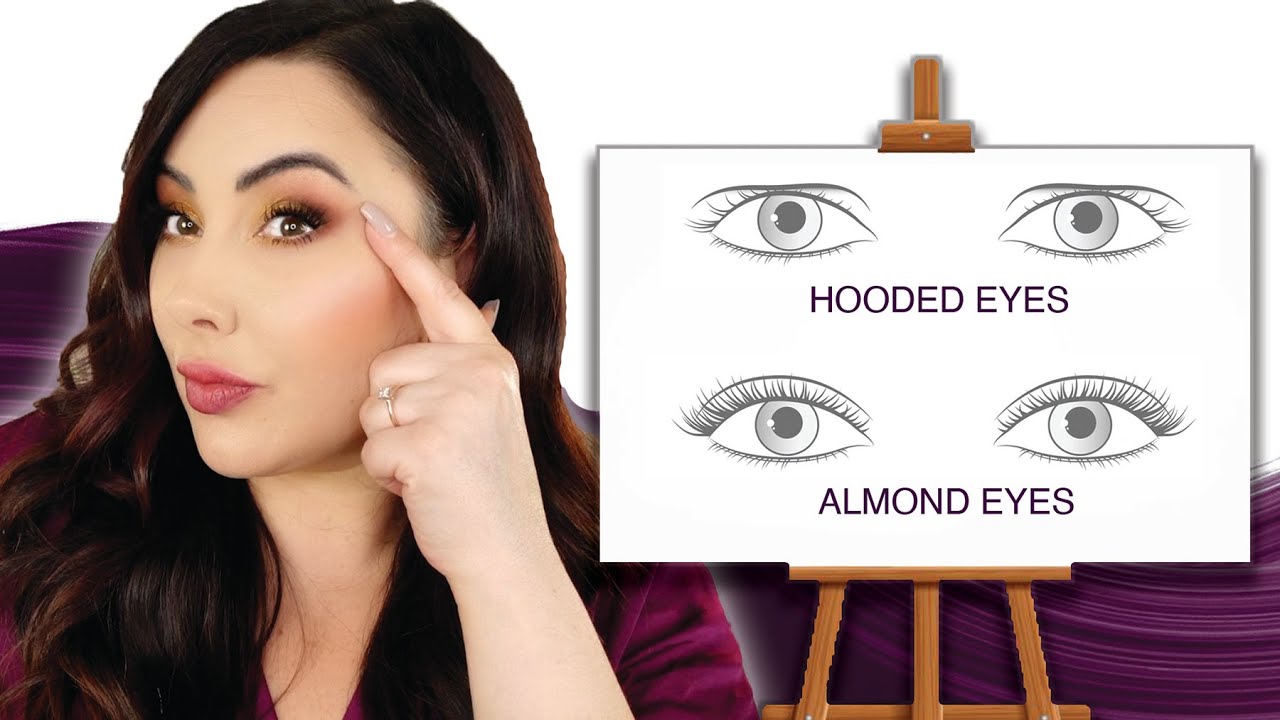
Generic mascara advice assumes average eye anatomy. Specific eye shapes make smudging worse, and the fix for each is slightly different.
According to Grand View Research, mascara holds 34.9% of the eye makeup market by revenue, which means a huge range of eye shapes and skin types are using the same products. Most formulas are not designed with any one eye shape in mind.
| Eye Type | Main Smudging Cause | Best Fix |
|---|---|---|
| Hooded eyes | Upper lid presses onto lower lash tips | Tubing formula + card shield during application |
| Monolids | Less separation between lid and lash line | Waterproof formula + minimal lower lash mascara |
| Deep-set eyes | Moisture trapped under the brow bone | Primer on entire lid + powder shield method |
| Contact lens wearers | Increased blinking and eye watering | Tubing formula, ophthalmologist-tested options |
Hooded Eyes and Mascara Transfer
Hooded eyes are the trickiest. The overhanging skin sits directly on top of the lash tips, so every blink transfers mascara from lash to lid.
What actually helps:
- Hold a business card or folded paper just above the upper lashes while the mascara dries (this is the card shield method)
- Look down while applying, not straight ahead, so the wand reaches the base of the lash without pressing onto the lid
- Use a tubing formula so that even when contact happens, the tubes don’t smear
- Skip bottom lash mascara entirely or use a micro wand formula applied only to the outer lashes
Jones Road Beauty notes that curling lashes before mascara helps on hooded eyes specifically, because lifting lashes at the base reduces contact between the lash tips and the overhanging lid skin. An eyelash curler used before mascara (never after) is worth adding to the routine if hooded lids are the problem.
For doing makeup for hooded eyes more broadly, the mascara approach fits into a larger set of techniques that adapt the entire eye look to this specific eye shape.
Touch-Up and Midday Fixes

Smudges happen. Even with the right formula and prep, oily skin and a long day will eventually win. Having a fix-it routine in your bag matters as much as getting the morning application right.
Wait before wiping. This is the one rule most people get wrong. A fresh smudge is wet, and wiping it immediately spreads pigment further into the skin and into fine lines. Wait until it dries completely, usually 5 to 10 minutes, then it lifts off cleanly with a dry cotton swab.
Dry vs. Wet Removal Mid-Day
Dry smudge (flaked or dried pigment): use a dry cotton swab and gently roll it under the eye. The dry texture picks up the flake without spreading.
Wet smudge (still transferring): blot with a dry tissue first, let it set, then go in with a cotton swab dampened with a small amount of Bioderma Sensibio H2O or any gentle micellar water.
Never use a wet swab on a fresh, still-transferring smudge. It turns a small mark into a large grey stain.
Products Worth Carrying
L’Oreal Paris recommends keeping mascara on hand for a late-day refresh coat. Apply one thin coat over the afternoon, let it fully dry before any social engagement.
- Laura Mercier Translucent Setting Powder mini (press, don’t swipe, under the eye after fixing)
- MAC Fix+ setting spray (one mist resets the under-eye area and concealer together)
- Blotting papers (press on the under-eye and lid to absorb oil buildup before it transfers further)
Concealer touch-up over a cleaned smudge area brings the skin back to baseline. Choose a shade one tone lighter than your foundation for the under-eye specifically, which also counteracts any pigment shadow left behind from the smudge.
If you have hooded or deep-set eyes, midday powder is not optional. A light press of translucent powder under the eye at the 4 to 6 hour mark cuts smudge risk significantly for the rest of the day.
For a fuller picture of making makeup last all day, the under-eye touch-up routine fits within a broader approach that covers the full face from morning through evening wear.
Removing Mascara Without Causing More Smudging

Bad removal habits leave a stain baseline. Even faint residual pigment under the eye makes the next day’s mascara application look smudged before you start. How you remove matters.
The skin around the eye is about three times thinner than the rest of the face, according to skincare specialists. Rubbing creates micro-tears, speeds up skin aging around the eye, and pushes mascara deeper into the skin rather than lifting it.
The Press-and-Wait Method
Hold a saturated cotton pad against closed eyes for 10 to 15 seconds before wiping. This is the dermatologist-recommended approach cited across multiple skincare and ophthalmology sources.
The dwell time allows the remover to penetrate the mascara film before any mechanical action begins. Most smudging during removal happens because people skip this step and go straight to wiping.
After the dwell time, wipe downward in one stroke from lash base to tip. Flip the pad to a clean side for the second eye. Two to three passes is normal for full removal.
Matching Remover to Formula
| Mascara Type | Best Remover | What to Avoid |
|---|---|---|
| Standard / film-forming | Micellar water (e.g., Bioderma Sensibio H2O) | Rubbing, alcohol-based removers |
| Waterproof | Oil-based cleanser or dual-phase remover | Micellar water alone (often insufficient) |
| Tubing mascara | Warm water + gentle pressure | Oil-based cleansers (unnecessary, may leave residue) |
Clinique Take the Day Off Cleansing Balm is a go-to for waterproof and long-wear formulas. Apply it dry to dry lashes, massage gently, then rinse. No rubbing needed because the balm emulsifies and lifts the mascara film on its own.
Tubing mascaras remove most cleanly. Press a warm, damp cloth against lashes for a few seconds, then the polymer tubes slide off in small intact pieces rather than spreading pigment across the under-eye skin.
Residual Staining and Next-Day Application
Incomplete removal causes a smudge baseline. Leftover pigment sitting in the fine lines under the eye shows through the next morning’s concealer and makes fresh mascara look smudged within an hour.
Double cleansing fixes this. Use an oil-based or balm first step to dissolve makeup, then follow with a water-based cleanser to remove the residue. Dermatologists advise this sequence specifically for regular eye makeup wearers.
For anyone who wears contacts, remove lenses before any makeup remover touches the eye area. Water-based, fragrance-free removers are the safest option, as oil-based products can fog or damage lenses if not fully rinsed away.
Replacing mascara every three months also reduces smudging from both ends of the wear cycle. Old mascara dries out, flakes more during wear, and transfers more at the end of the day. ContactsDirect notes that bacteria build up in mascara tubes over time, adding irritation risk on top of the smudging problem.
For more on removing eye makeup across all product types, including liner and shadow that contribute to the under-eye smudge picture, the removal approach follows the same press-and-wait principle.
The full smudge prevention system comes together when formula choice, prep, application technique, oil control, and removal are all working in the same direction. Fix one and the others become easier. Fix all five and raccoon eyes stop being part of the routine.
FAQ on How To Stop Mascara From Smudging Under Eyes
Why does my mascara smudge under my eyes?
Oily skin, humidity, and eye creams that haven’t fully absorbed are the main causes. The sebaceous glands near your eyelids produce oil that breaks down the mascara film, causing under-eye transfer throughout the day.
What is the best mascara for oily skin that won’t smudge?
Tubing mascaras like Blinc or Maybelline Snapscara perform best on oily lids. They wrap each lash in polymer tubes rather than coating with pigment, so skin oils can’t dissolve them the way they do with standard formulas.
Does eye primer actually stop mascara from smudging?
Yes. Applying an eye primer like Urban Decay Eyeshadow Primer Potion before mascara creates a barrier between your skin’s oils and the product above. It’s one of the most reliable fixes for oily lids.
Does setting powder under the eyes prevent mascara transfer?
It does. A light dust of translucent or banana powder beneath the lower lashes absorbs surface oils before mascara can sink into them. This is the powder shield method makeup artists use regularly.
Is waterproof mascara smudge-proof?
Not always. Waterproof formulas resist water but often fail against skin oils. For oily skin, tubing mascara tends to outperform waterproof options because it doesn’t rely on an oil-based paint that sebum can break down.
How do I fix mascara smudges midday without ruining my makeup?
Wait for the smudge to dry fully before touching it. Then use a dry cotton swab to lift the flaked pigment cleanly. Follow with a light press of translucent powder and a small concealer touch-up if needed.
What causes mascara to smudge on hooded eyes?
The overhanging lid skin sits directly on the upper lash tips, causing constant contact transfer with every blink. Tubing formula and the card shield technique during application reduce this significantly on hooded eye shapes.
Can skincare cause mascara to smudge?
Yes. Heavy eye creams or facial oils applied too close to application time migrate to the lash line and break down mascara. Give skincare at least 10 minutes to absorb before any eye makeup.
What mascara is best for contact lens wearers that won’t smudge?
Ophthalmologist-tested tubing mascaras are the safest choice. They avoid fiber fallout that can get under lenses, and they remove easily with warm water rather than oil-based removers that can fog or damage contact lenses.
How do I remove mascara without smearing it under my eyes?
Hold a saturated cotton pad against closed eyes for 10 to 15 seconds before wiping. This dwell time lets the remover penetrate the mascara film so one downward stroke lifts it cleanly without spreading pigment.
Conclusion
This conclusion is for an article presenting the full picture of mascara longevity, from formula chemistry to end-of-day removal.
Stopping under-eye transfer isn’t one fix. It’s a layered system of the right tubing or waterproof formula, a primed base, controlled application, and oil management throughout the day.
Hooded eyes, contact lens wearers, and oily skin each have specific adjustments that make a real difference.
Good removal habits protect tomorrow’s application too. Residual pigment left under the eye creates a smudge baseline before the day even starts.
Pick one change, whether that’s switching to a polymer tube formula or adding the powder shield step, and build from there. The raccoon eyes problem is solvable.

She started writing on the site after fielding the same questions from clients and friends often enough to just write the answers down: which red won't turn orange on a warm undertone, how to keep lipstick from feathering into fine lines, why a "12-hour" formula rarely survives dinner.
Every review on the site follows the same rule she uses with paying clients: wear it first, then decide if it's worth recommending.
- How to Make Eyeliner Last Longer Without Smudging - August 31, 2026
- How to Make Eyeshadow Last Longer All Day - August 29, 2026
- How to Find Your Undertone in 5 Easy Steps - August 27, 2026