Most people reach for mascara before anything else. Before foundation, before liner, sometimes before coffee.
So what is mascara, exactly? It is a cosmetic product applied to eyelashes to darken, thicken, lengthen, or curl them, and it holds the largest share of the global eye makeup market at 34.9% of revenue.
But the formula inside that tube is more specific than most people realize. The wand shape, the pigment type, the polymer base, all of it affects what actually happens to your lashes.
This article covers how mascara works, what it is made of, the main types available, and what the safety and regulation standards actually mean for what ends up near your eyes.
What Is Mascara

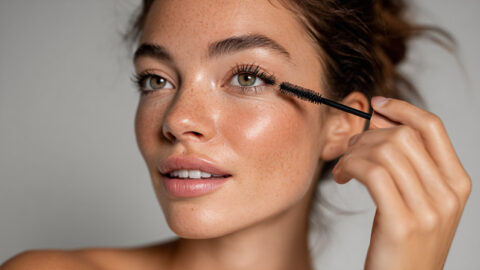
Mascara is a cosmetic product applied directly to eyelashes to darken, thicken, lengthen, or curl them. It is one of the most widely used eye makeup products in the world, present in over 90% of makeup kits globally according to market research data.
The most common form comes as a liquid formula housed in a tube with an attached applicator wand. That wand does most of the work, but more on that later.
Mascara falls under the eye cosmetic category, which held a 34.9% share of total eye makeup revenue in 2023 (Grand View Research). No other single eye product comes close to that figure.
It is classified as a cosmetic under the Federal Food, Drug, and Cosmetic Act in the US, meaning it does not require FDA pre-market approval but must be safe for use as labeled.
The global mascara market was valued at around $8.15 billion in 2023 (MRFR), with projections showing growth to $16.57 billion by 2035. That kind of trajectory does not happen for a product people consider optional. For most users, mascara is the one product they reach for even on days they skip everything else.
It comes in three base forms: liquid, cream, and cake. Liquid in a tube with a wand is by far the dominant format today. Cake mascara, the older format requiring a damp brush for application, is largely a specialty or vintage item at this point.
| Form | Application Method | Common Use Today |
| Liquid (tube) | Attached wand applicator | Standard, most widely used |
| Cream | Separate brush | Specialty and clean beauty brands |
| Cake | Damp fan brush | Largely vintage or theatrical |
Among consumers aged 16 to 24, daily mascara usage sits at 62%, with the 25 to 34 bracket following at 58% (Market Research Future). Those numbers explain why mascara consistently ranks as the most repurchased item in the cosmetics category.
What Mascara Is Made Of

Every mascara formula, regardless of brand or price point, is built from the same four core groups: pigments, waxes, film-forming polymers, and preservatives. The ratios and specific compounds shift depending on the intended result, but the structure is consistent.
Pigments
Carbon black is the primary pigment responsible for deep, true black color. It is produced through incomplete combustion and is tightly regulated for eye area use in the US, where coal-tar-derived pigments are prohibited.
Iron oxides handle brown, navy, and colored shades. Black iron oxide (CI 77499) is also common in near-black formulas. Most colored mascaras rely on iron oxide blends, ultramarine blue, or approved synthetic pigments.
Waxes
Waxes are what give mascara its body and buildability. They coat the lash shaft, separate individual lashes, and hold the formula in place once dry.
The most common waxes used in mascara formulas include:
- Beeswax: adds volume and helps the formula cling to lashes
- Carnauba wax: raises the melting point, adds firmness and a slight sheen
- Paraffin: thickens the formula and contributes to buildable coverage
- Microcrystalline wax: common in waterproof variants for stronger adhesion
According to cosmetic formulation data from UL Prospector, waxes typically make up 3 to 8% of the total mascara formula by weight.
Film-Forming Polymers
Polymers are what keep mascara on lashes throughout the day. They form a flexible film around each lash shaft, locking pigment and wax in place.
Polyvinylpyrrolidone (PVP) is one of the most widely used. It is water-soluble, which is why regular (non-waterproof) formulas come off with water and a gentle cleanser. Waterproof formulas swap water-soluble polymers for oil-dispersible or silicone-based alternatives, which is exactly why they require an oil-based or dual-phase remover.
Tubing mascaras use a distinct class of flexible, water-dispersible polymers that form complete tubes around each lash rather than coating them. This is why tubing mascara slides off in warm water without leaving residue.
Preservatives and Carrier Ingredients
Preservatives prevent bacterial and microbial growth inside the tube. Common options include phenoxyethanol, sodium benzoate, and parabens (though paraben-free formulas are increasingly the norm at both mass and prestige price points).
A 2014 FDA survey of 93 eye area cosmetics marketed as “natural” or “preservative-free” found that 40% showed some level of microbial presence. That stat is a good argument for not assuming “clean” means unpreserved.
Water or oil serves as the carrier, determining the base type of the formula. Water-based formulas are easier to remove. Oil-based (anhydrous) formulas resist moisture, giving waterproof mascaras their staying power.
| Ingredient Group | Function | Example Ingredients |
| Pigments | Color and opacity | Carbon black, iron oxides |
| Waxes | Volume, adhesion, body | Beeswax, carnauba, paraffin |
| Polymers | Film formation, lash coating | PVP, acrylate copolymers |
| Preservatives | Microbial protection | Phenoxyethanol, sodium benzoate |
| Carriers | Formula base | Water (hydrophilic), oils (waterproof) |
Some modern formulas add conditioning ingredients like panthenol (provitamin B5) and biotin to support lash health over time. ILIA Beauty’s Limitless Lash mascara, for example, includes biotin, nettle extract, and a peptide complex alongside its standard wax and pigment base.
Types of Mascara

Most mascaras on the market fall into a handful of functional categories, each built around a specific lash effect. The formula, wax content, and wand design all shift depending on which result the product is aiming for.
Volumizing Mascara
Higher wax content is the defining feature here. Volumizing formulas are thicker, coating the lash shaft more heavily with each pass. The result is a fuller, denser look rather than added length.
Brands like L’Oreal launched volumizing waterproof lines that sold over 50 million units in the first six months post-launch in 2023. Volume is consistently the most searched mascara benefit.
Lengthening Mascara
Lengthening mascaras use a thinner, more flexible formula, often with synthetic fibers (nylon or rayon) that attach to lash tips to create the appearance of extension. The wand tends to be narrower with finely spaced bristles to deposit product precisely at the tips without clumping at the base.
This is the go-to for people with naturally thick but short lashes. It does not add density. If you want both length and volume, you are usually layering two different mascaras or using a formula marketed as doing both (results vary).
Waterproof vs. Water-Resistant Mascara
These two terms are not interchangeable, though they are used that way constantly.
- Waterproof: oil-based or silicone polymer formula that resists full submersion; requires an oil-based or dual-phase remover
- Water-resistant: holds up against humidity, sweat, and light moisture; comes off more easily with a standard cleanser
Waterproof mascara leads global market volume at approximately 38% of total sales (Research and Markets, 2023). About 55% of mascara users say they prefer waterproof variants outright (Business Research Insights).
Tubing Mascara
Tubing mascara wraps flexible polymer tubes around each individual lash rather than painting them with pigment. The result is less dramatic than traditional formulas but also significantly cleaner: no flaking, no transfer, no panda eyes by midday.
Removal is genuinely simple. Warm water and gentle pressure slide the tubes off intact. No oil remover needed. This makes tubing mascara one of the better options for contact lens wearers and anyone with sensitive eyes.
Conditioning and Lash-Care Mascaras
A growing segment. These formulas include active ingredients like peptides, biotin, panthenol, or plant-based oils to strengthen lashes during wear.
Estee Lauder’s lash-conditioning mascara launch (peptides plus vitamin E) saw a 12% increase in repeat purchases among users aged 25 to 44, signaling that lash health claims drive real retention, not just initial purchase.
Clear Mascara
Clear mascara contains no pigment. It coats and defines lashes without color, which makes it useful as a topcoat over colored mascara to add shine or as a standalone product for a groomed but natural look. Some people use it on brows for hold.
Max Factor introduced clear mascara (their “No Color Mascara”) back in the 1980s. It has never dominated the category but holds consistent niche usage.
What the Mascara Wand Does

The wand is not just a delivery tool. Its shape, bristle density, and curvature directly determine what happens to lashes during application. Two mascaras with identical formulas can produce completely different results depending on the wand.
Wand Shape and Curve
Straight wands give even, consistent product distribution from root to tip. Curved wands follow the natural arc of the lash line, which makes them easier to use for adding lift and curl without a separate lash curler.
Hourglass-shaped wands (wider in the center, tapered at ends) catch both inner and outer corner lashes that straighter wands can miss. Ball-tip wands are designed specifically for lower lashes and small, hard-to-reach areas.
Bristle Type and Density
Dense bristles pack more product onto the lash, adding volume. The tradeoff is clumping risk, especially if the formula is thick or you are layering multiple coats.
Spaced bristles separate lashes and deposit less product with each pass. Better for a clean, defined look. Less good for dramatic volume.
Comb-style wands (rigid teeth rather than bristles) are the most precise option for separating and defining without adding bulk. They work particularly well on fine or sparse lashes.
Spoolie vs. Bristle Brush
Some mascaras use a spoolie-only wand with no traditional bristles, just a wound fiber wand. These produce a very natural, separated result. Others combine bristles and a spoolie shape for both volume and separation.
The wand accounts for a significant portion of mascara R&D spend. Amore Pacific developed a micro-sculpting brush specifically for better lash separation, which led to a 20% increase in product ratings across online platforms in 2023. The brush was the differentiator, not the formula.
| Wand Type | Best For | Trade-Off |
| Straight, dense bristles | Volume, full coverage | Higher clumping risk |
| Curved | Lift and curl, easy application | Less precise at corners |
| Hourglass | Catching all lashes, even corners | Can overload shorter lashes |
| Comb/rigid teeth | Separation and definition | Limited volume |
| Ball-tip | Lower lashes, precision | Slow application |
How Mascara Works on Lashes

The mechanics behind mascara are straightforward once you understand what the formula is actually doing on contact with the lash.
Initial Contact and Coating
When the wand touches a lash, wax and pigment are deposited along the length of the shaft. The formula is designed at a specific viscosity to coat evenly rather than clump or slide off immediately.
Thicker formulas (higher wax content) deposit more material per pass, building volume quickly. Thinner formulas coat more evenly but require additional layers to build comparable density. This is why the mascara application technique matters as much as the formula itself.
Drying and Film Formation
After application, film-forming polymers dry and contract slightly around each lash. This contraction is what creates lift and curl in the finished result. It also locks the wax and pigment in place.
Water-based formulas dry through evaporation, which is relatively fast. Waterproof formulas rely on solvent evaporation (isododecane is a common example) and polymerization to form a more durable, flexible film that resists moisture. That film is also why you need an oil-based product to break it down at the end of the day.
Why Clumping Happens
Clumping is a formula viscosity problem combined with application error. It happens when:
- Too much product is on the wand for the number of lashes being coated
- The formula has thickened from air exposure (older or dried-out mascara)
- Layers are added before the previous coat has dried
- Bristles are too dense for finer or fewer lashes
If you are dealing with consistent clumping, the fix is usually a combination of wiping excess product off the wand before application and letting each coat dry for 30 to 60 seconds before adding another. If you want a more detailed fix, there is a whole breakdown on how to fix clumpy mascara that covers both formula and technique causes.
Buildability and Layering
Most mascaras allow 2 to 3 coats before diminishing returns kick in. Beyond that, you are adding weight rather than definition, which can cause lashes to droop or flake.
The first coat establishes the base coat and separates lashes. The second adds density and length. A third, if needed, should be applied only to tips for added drama without overloading the roots.
Lash primer works on the same principle. It adds a base layer of fiber or conditioning formula before mascara, giving the pigmented coat more to grip. The Lancome Cils Booster XL is one of the better-known examples of a lash-priming product used specifically for this purpose.
Mascara and Eye Safety
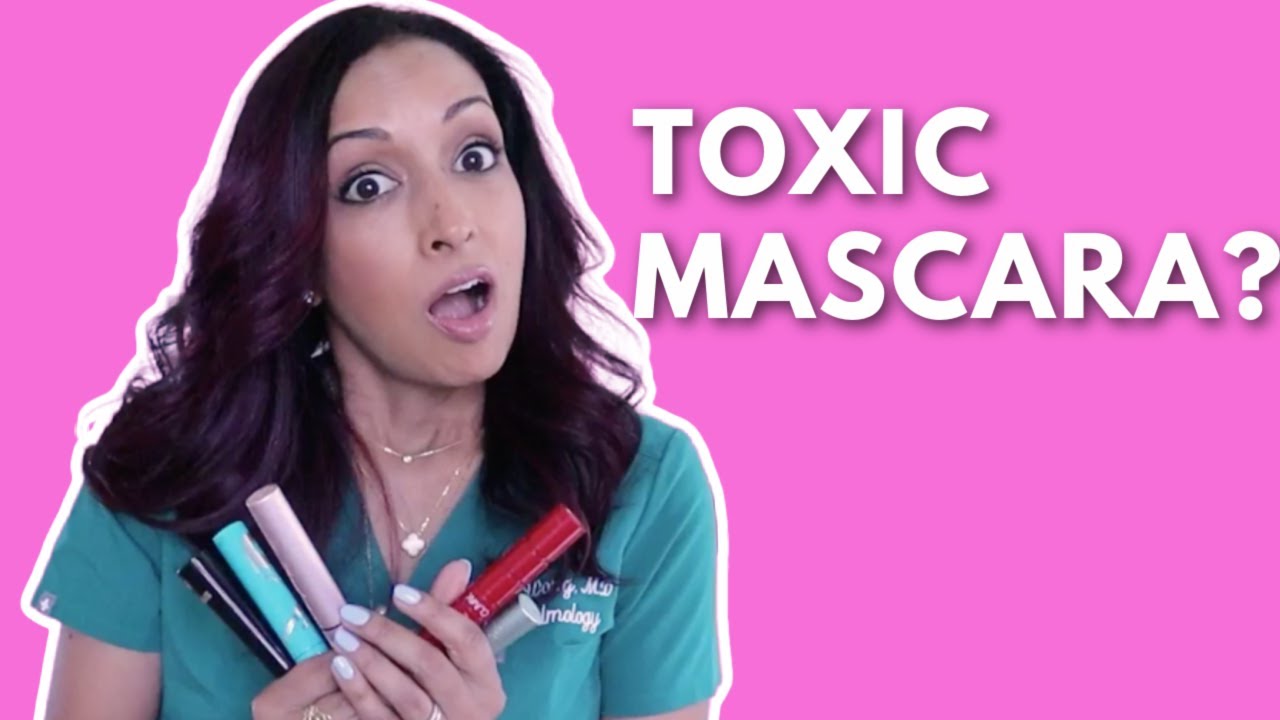
Mascara is applied millimeters from the mucous membrane of the eye. The FDA confirmed in 2023, under MoCRA enforcement guidance, that mascara and eyeliner are classified as products that “regularly come into contact with the mucus membrane of the eye.” That classification carries real weight for how brands must register and report products.
Shelf Life and Contamination Risk
The FDA recommends discarding mascara two to four months after opening. Most manufacturers suggest three months. That window exists because every time you open the tube and insert the wand, you introduce air and potential bacteria.
A 2014 FDA survey of eye area cosmetics found that 40% of tested products showed some microbial presence, with Bacillus and Staphylococcus as the dominant genera. Products marketed as “preservative-free” or “natural” showed the highest contamination rates.
Practical rules from the FDA:
- Never add water or saliva to thin dried mascara. Saliva introduces oral bacteria; water dilutes preservatives.
- Do not share mascara. Ever.
- Store below 85 degrees Fahrenheit. Heat degrades preservative effectiveness.
- Discard immediately if the formula smells different or the texture changes.
Common Irritants and Allergens
The most common mascara-related irritants are preservatives, fragrance (rare in eye products but not absent), and certain waxes. Thimerosal, a mercury-based preservative used in older formulas, is specifically flagged by WebMD as a cause of conjunctivitis and eyelid dermatitis. Most modern formulas have removed it, but it is worth checking ingredient lists on older or international products.
Carbon black is not a primary allergen but can cause irritation in sensitive users, particularly if the formula allows particles to migrate into the eye. Iron oxide is generally well-tolerated.
What “Ophthalmologist-Tested” Actually Means
Very little, legally. Neither “ophthalmologist-tested” nor “hypoallergenic” is a regulated term in the US. An ophthalmologist-tested claim means the product was assessed by at least one eye doctor, but there is no standardized protocol for what that testing involves.
That said, these products tend to exclude the most common irritants and use gentler preservative systems. For contact lens wearers or anyone with a history of eye sensitivity, the label is a reasonable starting filter, not a guarantee. If you are dealing with mascara smudging under your eyes, that is often a sensitivity or formula mismatch issue, not necessarily a safety concern.
Removing Mascara Safely
Rubbing at the eye is the biggest removal mistake. It causes lash loss, micro-tears in delicate skin, and potential corneal scratching if mascara particles are involved.
Regular mascara comes off with micellar water or a water-based remover. Waterproof formulas need oil. A dual-phase remover (oil and water that you shake before use) handles both in one product. For tubing mascara specifically, warm water plus gentle downward pressure is all you need. No oil, no scrubbing. The full process for removing eye makeup safely differs depending on the mascara type, so it is worth knowing which formula you are actually using before reaching for a remover.
Mascara in the Context of Eye Makeup

Mascara is the last step in eye makeup application. Always. Eyeshadow goes first, then eyeliner, then mascara, because any earlier and lash product gets in the way of everything else.
L’Oreal Paris confirms the standard sequence: eyeshadow primer, eyeshadow, eyeliner, then mascara as the near-final eye makeup step before moving to lips.
Where Mascara Sits in the Application Order
Standard eye makeup sequence:
- Eyeshadow primer
- Eyeshadow (base, crease, accent)
- Eyeliner along the lash line or waterline
- Mascara, applied last
Applying eyeliner after mascara means your freshly coated lashes lose their shape. Applying mascara before eyeshadow means fallout lands directly on coated lashes, which is a cleanup problem that does not need to exist.
Lash Curlers: Before, Not After
Curl before mascara. Not after. This is one of those things that seems like it should not matter but actually does.
Curling lashes that are already coated with mascara stiffens them and creates two problems: clumping and breakage. The curler grips dried formula and either bends lashes at an unnatural angle or pulls them out. Makeup artist and lash expert Jillian Jordan recommends a double-curl approach: once before eyeshadow, once more just before applying mascara, since the first curl softens slightly during the rest of the eye routine.
Mascara with False Lashes and Extensions
Strip lashes: apply mascara to natural lashes first, before the strip goes on. This blends natural and false lashes together without loading the strip itself with product, which shortens its reusable life.
Lash extensions: skip mascara entirely where possible. Extensions do the job already. If you use it, apply only to tips (not roots), use a water-based formula, and avoid waterproof variants, as oil-based removers break down lash adhesive.
Women’s Health research found that 86% of women use their mascara beyond the three-month mark (KIYOSA Beauty), which raises contamination risk. This stat gets worse when people also use mascara directly on lash extensions, where removal involves more tugging on the lash line.
Mascara and Oily Eyelids
Oily skin creates a specific mascara problem. Oils from the eyelid migrate down to lower lashes throughout the day, causing smudging and transfer underneath the eye.
The fix is not switching to waterproof mascara for everyone. Waterproof formulas require oil-based removers, which can loosen extension adhesive and are harder on lashes with daily use. A better approach for most people: eye primer on lids before eyeshadow, setting powder on the under-eye area, and a water-resistant (not waterproof) mascara formula. This combination handles everyday oil transfer without the removal drawbacks of a fully waterproof formula.
If smudging under the eye is a recurring issue regardless of formula, there is a detailed breakdown on stopping mascara from transferring under the eye that covers both product and technique fixes.
| Situation | Mascara Approach | Key Consideration |
| Standard eye look | Applied last, after liner | Prevents smearing on other products |
| With strip lashes | Natural lashes first, then strip | Blends lash lines; avoid loading the strip |
| With extensions | Tips only, water-based | Oil-based removers break adhesive |
| Oily eyelids | Water-resistant + primer | Avoids daily oil-removal damage |
Mascara Regulations and Labeling Standards
Mascara is a regulated product in every major market, but the type and depth of regulation differs significantly between the US, EU, and other regions. Knowing the basics matters whether you are a consumer reading labels or a brand operating across borders.
How the FDA Classifies Mascara
The FDA classifies mascara as a cosmetic under the Federal Food, Drug, and Cosmetic Act. That means it does not require pre-market approval before going on sale. But it must be safe for use as labeled, and any color additives must be specifically FDA-approved for eye area use.
Coal-tar-derived pigments are prohibited for eye cosmetics in the US. Carbon black, the primary black pigment in most mascaras, must meet specific purity standards. Kohl, which contains lead salts and is still used in some international markets, is banned for sale in the US and flagged under FDA import alerts.
The Modernization of Cosmetics Regulation Act (MoCRA), enacted in December 2022, significantly expanded FDA authority. Under MoCRA, all brands selling eye makeup in the US, regardless of size, must now register their manufacturing facilities with the FDA. This was the first major overhaul of US cosmetics regulation in over 80 years.
EU Cosmetics Regulation
EU Regulation EC 1223/2009 governs cosmetics across member states, with a significantly longer and more actively updated prohibited ingredients list than the US equivalent.
Key EU requirements specific to eye products:
- Over 1,600 substances are prohibited or restricted (versus around 11 in the US)
- Nanomaterials must be separately notified and assessed; several nano-forms were added to the banned list in 2024 (Regulation 2024/858)
- PFAS (per- and polyfluoroalkyl substances) used in waterproof mascara formulas face a proposed EU restriction with a 5 to 12-year transition period pending adoption
Brands selling in both markets often formulate to EU standards globally, since EU restrictions are broader. Several ingredients permitted in US mascara formulas are restricted or banned in the EU.
What “Ophthalmologist-Tested” and “Hypoallergenic” Actually Mean
Neither term is regulated in the US.
“Ophthalmologist-tested” means the product was evaluated by at least one eye doctor under some conditions. There is no standard protocol, no minimum testing duration, and no required outcome for the label to be used legally.
“Hypoallergenic” is a marketing term. The FDA has no formal definition for it. It generally signals that common irritants have been excluded, but the threshold for what counts as “common” is brand-defined.
A 2022 class action settlement saw Huda Beauty pay out $1.9 million for using eye shadow pigments prohibited by the FDA for eye area use (Law360). This case, alongside similar filings against Morphe and Colourpop, accelerated industry attention to eye cosmetic ingredient compliance and contributed to the push for MoCRA enforcement.
Cruelty-Free and Vegan Labeling
Unregulated in most markets. There is no government body in the US or EU that certifies cruelty-free or vegan cosmetics. Third-party certifiers like Leaping Bunny and PETA’s Beauty Without Bunnies program provide independent verification, but their standards vary.
Vegan mascara means no animal-derived ingredients, which rules out beeswax and certain other waxes commonly used in traditional formulas. Brands typically substitute carnauba wax, synthetic waxes, or plant-based alternatives. Procter and Gamble expanded its clean beauty mascara range by 30% in 2024, adding five new vegan formulations, reflecting the volume of demand for these options (market data, 2024).
The full breakdown of mascara market statistics covers how the clean beauty and vegan segments are growing relative to conventional formulas, with specific figures on consumer preference shifts from 2022 through 2025.
FAQ on What Is Mascara
What does mascara do to your eyelashes?
Mascara coats each lash with pigment, wax, and film-forming polymers. The result is darker, thicker, or longer-looking lashes depending on the formula. The wand shape determines separation and volume. One coat changes the look significantly.
What is mascara made of?
The core ingredients are carbon black or iron oxide for pigment, waxes like beeswax and carnauba wax for body, film-forming polymers that coat each lash, preservatives, and either water or oils as the carrier base.
What is the difference between waterproof and regular mascara?
Regular mascara uses a water-based formula that washes off easily. Waterproof mascara uses oil-based or silicone polymer systems that resist moisture. It requires an oil-based or dual-phase remover. Water alone will not break it down.
How long does mascara last after opening?
The FDA recommends discarding mascara two to four months after opening. Most brands suggest three months. Beyond that, preservatives degrade and bacterial contamination risk rises, especially with daily wand insertion and removal.
What is tubing mascara?
Tubing mascara wraps flexible polymer tubes around individual lashes rather than painting them with pigment. It does not flake or smudge. Removal requires only warm water and gentle pressure. No oil-based remover needed.
Can you wear mascara with lash extensions?
Generally, no. Extensions already do the job. If needed, apply only to lash tips using a water-based formula. Avoid waterproof mascara entirely, as oil-based removers break down lash adhesive and shorten extension wear time.
What is the mascara wand for?
The wand controls how product is deposited. Dense bristles add volume. Spaced bristles separate lashes. Curved wands add lift. Comb-style wands define without bulk. The wand shape often determines results as much as the formula itself.
Is mascara regulated by the FDA?
Yes. Mascara is classified as a cosmetic under the Federal Food, Drug, and Cosmetic Act. It does not need pre-market approval but must be safe for use. All color additives require specific FDA approval for eye area use.
What does “ophthalmologist-tested” mean on mascara?
It means at least one eye doctor evaluated the product under some conditions. The term is not regulated. There is no standardized protocol or required outcome. It signals reduced irritants but offers no legal guarantee of safety.
What is the correct order to apply mascara in a makeup routine?
Mascara goes on last in the eye makeup sequence, after eyeshadow and eyeliner. Always curl lashes before applying, not after. Applying mascara too early causes smearing, fallout transfer, and disrupts the definition created by other eye products.
Conclusion
This conclusion is for an article presenting what is mascara in full, from the carbon black and beeswax inside the tube to the film-forming polymers that keep the lash coating in place all day.
The wand matters. The formula base matters. And so does knowing when to throw the tube out.
Whether you are choosing between a tubing mascara and a standard volumizing formula, or figuring out what waterproof actually means on a label, the decisions are easier when you understand what you are working with.
Mascara is one of the most repurchased products in the eye cosmetic category. It earns that position by being genuinely useful, not complicated, once you know how it works.

She started writing on the site after fielding the same questions from clients and friends often enough to just write the answers down: which red won't turn orange on a warm undertone, how to keep lipstick from feathering into fine lines, why a "12-hour" formula rarely survives dinner.
Every review on the site follows the same rule she uses with paying clients: wear it first, then decide if it's worth recommending.
- How to Make Eyeliner Last Longer Without Smudging - August 31, 2026
- How to Make Eyeshadow Last Longer All Day - August 29, 2026
- How to Find Your Undertone in 5 Easy Steps - August 27, 2026