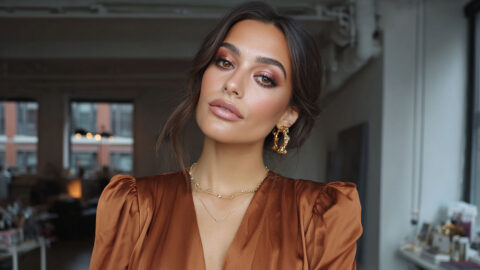
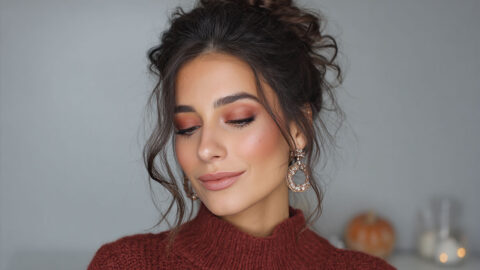
Pull up a picture of a pink dress and most people jump straight to matching lipstick to the fabric. That’s the instinct, and it’s usually wrong, or at least incomplete. What actually matters is the undertone underneath that pink, not the shade name printed on the tag.
A warm pink dress with a peachy cast pulls the whole face toward bronze and terracotta. Cool pink, the kind that leans toward blue or lilac, wants mauve and plum instead, and the difference holds whether you’re dressing for a Tuesday lunch or a black tie thing in November.
There’s a reason people spend so long standing at the counter comparing two nearly identical pinks. Color is what actually drives the purchase, more than the formula or the price tag. Fifty-six percent of women rank color as a top two priority when buying makeup, ahead of both quality and price (Field Agent, 2015).
What Is a Makeup Look for a Pink Dress
Skip the outfit entirely and most makeup routines default to whatever looks good on the wearer that day. Add a pink dress into the mix and the calculus changes. Eye, lip, and cheek color all start answering to what the dress is doing instead of just to skin and eye color alone.
What actually decides the outcome is the shade of the dress itself (blush pink reads nothing like magenta), your own undertone, where you’re wearing it, and whether the jewelry in play runs gold or silver.
- Dress shade, whether it lands as blush pink, dusty rose, hot pink, pastel, or magenta
- Skin undertone, warm, cool, or neutral
- Occasion, daytime, evening, wedding guest, or prom
- Metal tone, gold or silver jewelry and hardware
Matching does not mean identical color.
Most pairings either sit near the dress on the color wheel or step back from it on purpose, and that’s the same reasoning behind picking a lip shade for any outfit color, not just pink.
Rihanna’s 2017 Met Gala look is still the reference point most makeup artists bring up when this topic comes up. Her petal pink Comme des Garçons gown got matched eyeshadow and blush that draped up over her cheeks, eyes, and temples, an extreme version of the same principle used at a much smaller scale for everyday pink dressing.
How Color Theory Matches Makeup Shades to a Pink Dress

Grab a color wheel and pink sits in the red family, which means its true opposite lands somewhere in the green-to-teal range, not anywhere near what most people reach for instinctively. That’s the basis for two workable approaches to a pink dress, and they pull in opposite directions.
Johannes Itten mapped this out in 1961 in The Art of Color, where colors positioned directly opposite each other on his 12-color wheel register as the strongest possible contrast (Itten, 1961). That’s still the logic most makeup artists lean on, whether or not they know where it came from.
- A muted green or sage accent against a pink dress creates contrast on purpose. It’s the bolder of the two routes.
- Rose, mauve, and terracotta sit closer to pink on the wheel and blend instead of compete, which is the safer, more common choice.
Color decisions carry real weight at the counter. Fifty-six percent of women rank color as a top-two priority when buying makeup, ahead of every other factor measured (Field Agent, 2015).
A warm pink dress, the kind with a peach or coral undercurrent running through it, pulls the whole palette toward bronze and terracotta, the same family covered under shades built for warmer undertones.
Go cooler (blue-based pink, the kind that edges toward lilac) and the direction flips. Mauve and plum take over, and that’s really cooler lip shade range territory, the stuff that suits paler pink and berry combinations best.
Eyeshadow Shades That Work With a Pink Dress

Bronze and terracotta carry a warm pink dress. Mauve, plum, and taupe do the same job for cool pink. Taupe shows up in both camps for a reason, it’s neutral enough to not fight with either undertone, and champagne works as a similar safe middle ground.
Warm-Toned Eyeshadow Options
Bronze, copper, and terracotta shadows read as an extension of a warm pink dress instead of fighting it. Too Faced’s Chocolate Bar palette gets recommended constantly for this exact pairing, mostly for the copper and bronze lid shades and the deep espresso crease color.
It blends easily and photographs warm under flash, which makes it work for daytime and evening both. The downside shows up on cooler pink dresses with a blue undertone, where the same bronze can read muddy unless you balance it with a cool-toned blush.
Cool-Toned Eyeshadow Options
- Mauve and dusty plum on the lid
- Deep aubergine in the outer corner for evening
- Taupe as a transition shade that works with either undertone
Cool pink dresses, the ones with a lilac or berry undercurrent, hold their color better against mauve and plum than against anything orange-based.
Urban Decay’s Naked2 palette leans into this exact mauve-taupe range.
Fair skin needs careful blending here, since plum and aubergine can look heavy without it. The upside is that mauve tones flatter nearly every eye color and don’t clash with silver jewelry, which is part of why this combo turns up so often for weddings and other formal cool-toned looks.
Eyeliner and Mascara Finish
Liner and mascara are finishing touches here, not the main event. A soft wing at the outer corner reads more polished for evening pink dresses, and getting a clean wing works the same regardless of what color the dress is.
Two coats of black or brown-black mascara is usually enough. Getting the formula onto every lash without clumping matters more than which color you pick.
Lip and Cheek Color Coordination for a Pink Dress

Lip and cheek color end up being one decision, not two, for a pink dress. Both need to land in the same warm or cool family as each other, not only match the dress itself.
Lip Shades by Dress Tone

- Nude works with blush pink and dusty rose, and keeps the face soft for daytime
- Berry works with magenta and hot pink, adding contrast without competing
- Coral works with warm-undertone pink dresses, especially peach and salmon shades
- Rose works with cool-undertone pink dresses, and comes closest to a true tonal match
Coral leans warmer than most people expect. Wearing coral without it clashing against a warm pink dress comes down to keeping the rest of the face neutral.
Nude works the opposite way. Finding a nude that matches your own undertone, not just the one printed on the tube, is most of how to pick a nude lipstick that actually works.
Finish is a secondary call. Matte reads more grown-up and photographs cleaner. Glossy softens everything and works especially well for daytime pink dresses.
Blush Shades and Placement
One of 2025’s bridal beauty trend pieces pointed to Rare Beauty’s Soft Pinch Liquid Blush in a dusty rose tone for exactly this kind of pastel flush.
Shade matters, but so does where you put it. Warm-undertone dresses do well with peach, cool-undertone dresses do better in rose, and tan or deep skin has a third option in coral, close to the peachy-pink territory NARS built its whole reputation on with the Orgasm blush shade.
Placement changes the effect more than people give it credit for. Blush swept too low along the cheek drags the whole face down. Pushed higher, onto the top of the cheekbone, it lifts things instead, and that matters more with a pink dress than with darker colors, since the eye is already going straight to the face anyway.
Makeup Looks by Pink Dress Shade

Blush pink and dusty rose want soft, tonal makeup, nude or rose on the lips, nothing that fights the quiet color of the dress itself. Pastel pink sits in a similar lane but leans a shade cooler, needing restraint on at least one part of the face. Hot pink, fuchsia, and magenta are a different animal entirely: they tolerate real boldness, and read best with either a defined eye or a berry lip carrying the look.
| Dress Shade | Undertone Pairing | Eyeshadow Family | Lip or Blush Pick |
|---|---|---|---|
| Blush pink | Warm to neutral | Bronze, champagne | Nude or soft coral lip |
| Dusty rose | Cool to neutral | Mauve, taupe | Rose or berry lip |
| Hot pink or fuchsia | Warm | Bronze, gold | Bold berry or nude lip for balance |
| Pastel pink | Cool | Taupe, soft lilac | Sheer rose or peach blush |
| Magenta | Cool to neutral | Plum, aubergine | Deep berry lip |
Selena Gomez took the boldest approach during 2017’s pink-eye moment, sculpting a deep fuchsia shadow into a thick winged stripe, proof that a fully saturated pink eye can carry a look on its own.
Pastel and blush pink dresses ask the opposite question. Figuring out the right lip shade for a pale pink dress usually lands somewhere between nude and soft rose, since anything darker overwhelms such a light garment.
Magenta and hot pink flip that entirely, and that’s where going bold with lip color actually earns its place instead of looking like too much.
Blush pink and pastel pink often get lumped together, but there’s a real difference. Blush pink usually reads warmer. Pastel pink reads cooler.
Makeup Looks by Skin Tone for a Pink Dress

Skin tone changes how intense a pink dress look needs to be, more than it changes which colors are even on the table. Fair skin generally wants a lighter pigment load across the board. Go deeper, medium to deep skin tones handle richer terracotta and berry without either one looking flat, and deep skin specifically can carry a lot of pigment plus a warm gold highlight without any of it washing out.
A few numbers explain why this section exists at all.
- Fenty Beauty’s foundation line launched with 40 shades in 2017 and expanded to 50 by 2019, a shift that pushed most major brands toward wider foundation ranges
- Forty-one percent of women say it’s somewhat or very difficult to match facial complexion products to their skin tone, rising to 56% among women with deeper skin tones (The Benchmarking Company, 2026)
- Wrong undertone is the single biggest reason shade-matching falls short, cited by 66% of complexion-product buyers, per the same research
Fair Skin Tone Adjustments
Fair skin does better with a lighter bronzer and a sheer, low-pigment blush instead of anything saturated. The same logic carries over to lip color: lighter, less saturated shades tend to work better than anything heavy on blue-based pigment, which is most of the guidance built specifically around fair complexions.
- Rose gold highlighter layered over champagne
- A soft coral or peach blush, applied sparingly
- Nude-pink lip color with a hint of gloss
Medium Skin Tone Adjustments
Medium skin tone handles deeper terracotta and richer berry tones without either one going flat. It’s also the range where both a warm pink dress and a cool pink dress stay wearable, since medium depth buffers pigment intensity better than very fair or very deep skin tends to. The shift from fair skin is really just more pigment, not a different shade family altogether.
Deep Skin Tone Adjustments
Deep skin carries bold pigment and a warm gold highlight without either one washing out. Shade ranges built specifically around deeper complexions confirm the same pattern, which lines up with most of what gets covered under resources for deeper skin tones.
- Copper, bronze, and deep plum all read clearly on the eyes
- Berry, deep rose, and blue-based red hold up well against a hot pink or magenta dress
- Warm gold over champagne for highlight, since champagne alone can read ashy on deeper skin
Makeup Looks by Occasion for a Pink Dress
Occasion changes how much intensity the look can handle, not really which colors are in play. Daytime stays sheer and minimal almost by default. Evening pushes deeper on both eyes and lips. Wedding guest looks are really an endurance question more than a color one, and prom is the one occasion on this whole list that tolerates real pigment and shimmer without looking like too much.
Daytime and Casual Settings

Daytime pink dress makeup works best kept sheer and light across the board.
- Sheer base or tinted moisturizer instead of full coverage foundation
- Soft blush, cream formulas blend faster than powder in daylight
- Minimal liner, a thin line or none at all
Evening and Formal Settings

- Eyeshadow goes deeper with a more defined crease, bronze or plum depending on undertone
- Lips move to a bolder berry or nude with more saturation than the daytime version
- Liner gets more defined too, either a proper wing or a tightlined lash line
Evening formality is really just daytime makeup with the volume turned up, not a different set of colors.
Wedding Guest Looks
Wedding guest makeup needs to survive six or more hours without a touch-up break.
That durability requirement is a big part of why the makeup built specifically for wedding settings skews toward long-wear formulas over trend-driven ones.
Occasion is a real driver here, not an afterthought. Forty-five percent of women say they wear makeup specifically for special occasions like this one (YouGov, 2023).
- Setting spray applied before and after makeup, not just at the end
- Waterproof mascara regardless of how confident anyone feels about not crying
- A blotting step built into the day, not just the morning application
Prom Looks
Prom tolerates more pigment, more shimmer, and more wear time than almost anything else on this list, and most of what gets covered under prom makeup looks reflects exactly that shift.
- Glitter or foil eyeshadow, reserved for this occasion more than any other on the list
- Extended wear expectations, often eight or more hours under gym lighting or a dark venue
Hair and Jewelry Tones That Match Pink Dress Makeup
Gold jewelry pairs naturally with warm-toned pink dresses and the bronze, terracotta makeup that tends to go with them. Silver does the same job for cool-toned dresses paired with mauve and plum makeup. Rose gold just sits in the middle of both and works across nearly anything, which is honestly why it’s the safe default whenever you’re not sure.
Gold reflects warm light back onto the skin, reinforcing whatever bronze or terracotta is already happening on the eyes and cheeks.
Silver does the opposite. It cools everything down, which flatters a lilac-leaning pink dress and mauve eyeshadow rather than fighting them.
Margot Robbie’s team went silver for one of the boldest looks of the 2023 Barbie press tour, pairing a hot pink Balmain minidress with a silver chain belt and matching earrings.
Hair color shifts the metal tone decision more than most people expect.
- Warm blonde hair leans the whole look toward gold, even against a cool pink dress
- Cool brunette hair opens up silver as a real option no matter what the dress undertone is doing
- Red hair is warm by default, so it reads better in gold almost every time
| Metal Tone | Best Undertone Match | Works Well With |
|---|---|---|
| Gold | Warm | Blush pink, hot pink, magenta |
| Silver | Cool | Dusty rose, pastel pink |
| Rose gold | Warm to neutral | Nearly all pink dress shades |
Rose gold works because it is, technically, already pink.
It borrows enough warmth to flatter warm undertones without clashing against a cool pink dress the way straight gold sometimes does.
How to Apply a Pink Dress Makeup Look Step by Step

Applying makeup for a pink dress follows the same basic order as any full face, with one difference: eye color gets decided early, since it locks in whether the rest of the face goes warm or cool.
Kevyn Aucoin’s structure-first approach, contour and highlight before a single stroke of color, still holds up here.
Most women aren’t looking to turn this into a production. Seventy-three percent spend 20 minutes or less on a full face, including 45% who finish in under 10 (YouGov, 2023).
Getting comfortable with how to use makeup primer first matters more for a pink dress than people think, since primer determines how true the eyeshadow color reads once it’s on.
- Prep skin and apply a hydrating or mattifying primer, depending on skin type
- Do eyeshadow before base makeup. It catches fallout early and locks in whether the whole face is going warm or cool
- Apply foundation and concealer, then clean up any shadow fallout sitting underneath the eyes
- Contour first, then blush on top of it, so the blush sits on the shape instead of fighting it
- Save lip color for last, once the rest of the face has already confirmed which family, warm or cool, it landed in
- Set with spray afterward, since skipping this is the single most common corner people cut
Setting spray is worth the extra ninety seconds it takes. Getting comfortable with how to apply setting spray properly matters even more here, given how saturated some of these eye colors get.
When a Pink Dress Makeup Look Does Not Work
A pink dress look tends to fail in the same handful of ways every time. Wrong-undertone color choices are the big one, followed by over-matching the face to the dress, wearing evening-intensity makeup in broad daylight, or just not blending well enough for it to read clean in photos.
Forty-one percent of women say they find it somewhat or very difficult to match foundation and other complexion products to their own skin tone, and that figure climbs to 56% among women with deeper skin tones (The Benchmarking Company, 2026).
Wrong undertone is the single biggest reason shade-matching falls short, named by 66% of complexion-product buyers, per the same research.
That struggle shows up hardest with a pink dress specifically, since a warm-undertone foundation under cool-toned eyeshadow reads gray and tired instead of intentional.
- Warm foundation under cool eyeshadow, or the reverse, reads muddy no matter how good either product is on its own
- Making the whole face the same color as the dress removes definition and flattens features on camera
- Full evening intensity (heavy contour, saturated lip) in broad daylight looks like trying too hard
- Harsh eyeshadow edges and visible blush lines show up more against pink than against neutral tones
Bobbi Brown built an entire brand around the opposite instinct: makeup that looks like better skin, not a different face.
Getting the undertone right in the first place, the whole premise behind how to match makeup to skin tone, prevents most of these problems before they even start.
Nathan Johnson, a celebrity makeup artist who teaches at QC Makeup Academy, frames the goal as makeup completing a look rather than taking it over.
Uneven blending is the fastest way to break that balance, and knowing how to fix patchy makeup solves more pink-dress problems than a whole new palette would.
FAQ on Makeup Looks For Pink Dress
Is Bold or Bright Makeup Appropriate With a Pastel Pink Dress?
Bold makeup works against a pastel pink dress, but only when it stays to one feature. A saturated lip or a metallic eye reads intentional. Push both at once and it stops complementing the dress and starts competing with it.
Do Drugstore Products Work as Well as High-End Ones for This Look?
Drugstore eyeshadow and blush formulas match high-end pigment payoff more often now than they did a decade ago. Maybelline and NYX both carry bronze and mauve shades built for exactly this pairing. The real gap left is blending texture and wear time, not color.
How Long Does a Pink Dress Makeup Look Last, and What Are the Touch-Up Tips?
A pink dress look generally holds for six to eight hours with setting spray and cream products layered underneath powder. Blot before reapplying anything, and refresh cream blush and lip color first, since those tend to fade fastest on warm or oily skin.
Can the Same Eyeshadow and Lip Combo Work Across Different Pink Shades?
A bronze eye and a nude lip carry across blush pink, dusty rose, and pastel pink without much adjustment needed. Hot pink and magenta ask for more, either a stronger lip or a cooler eyeshadow, since a soft combo just reads washed out against that much saturated color.
What Should You Get Right First in Makeup Looks for Pink Dress?
It comes down to one sequencing decision made before any product touches skin. Undertone gets decided first, dress saturation second, and occasion last, since every choice after that first one depends on getting the order right to begin with.
Field Agent’s 56% color-priority figure (2015) and The Benchmarking Company’s finding that wrong undertone drives 66% of shade-matching frustration (2026) describe the same shoppers: the people most driven by color are also the ones most likely to get undertone wrong.
Following undertone first over trend color means setting aside the boldest pink-on-pink monochrome looks, because those read best under flash and worst in daylight.
Red sits one step further along the same warm-cool spectrum, and the identical undertone-first filter carries over directly into makeup looks for red dress.

She started writing on the site after fielding the same questions from clients and friends often enough to just write the answers down: which red won't turn orange on a warm undertone, how to keep lipstick from feathering into fine lines, why a "12-hour" formula rarely survives dinner.
Every review on the site follows the same rule she uses with paying clients: wear it first, then decide if it's worth recommending.
- How to Make Eyeliner Last Longer Without Smudging - August 31, 2026
- How to Make Eyeshadow Last Longer All Day - August 29, 2026
- How to Find Your Undertone in 5 Easy Steps - August 27, 2026