Satin lipstick held 43.41% of the global market in 2024, and matte was already the fastest-growing finish on the shelf (Mordor Intelligence, 2025).
That gap comes down to chemistry, not marketing.
Matte vs satin lipstick really just comes down to how much oil sits in the formula, and what that oil does to your lips by hour six or seven.
Matte skips most of the oil, so it dries flat and holds its ground, though it can turn dry lips into a cracked, chalky mess by afternoon. Satin keeps enough emollient in the mix that it never fully sets, which feels nicer going on but means it’s rubbing off on your coffee cup before lunch.
Get it wrong either way and you’re either patching color together in a bathroom mirror or reapplying every hour. The fix starts with knowing what’s actually in the tube.
What Is Matte Lipstick

Zero shine, top to bottom. That’s the entire design goal of a matte lipstick, and it’s achieved by leaving something out rather than adding something in.
Oil content stays low. Pigment concentration stays high. The formula dries down to a flat, non-reflective finish simply because there’s nothing left in the mix to catch light.
Most matte bullets and liquids lean on volatile silicones like isododecane, which evaporate off the lips within a minute or two of application. Kaolin clay or silica soaks up whatever surface oil is left and locks that flat finish into place. The high pigment load is why one swipe usually does the job, and the low emollient content is the reason a matte lipstick barely moves once it sets.
A full breakdown of waxes, pigments, and film formers sits in what actually goes into a lipstick formula.
Satin still held 43.41% of the global lipstick market in 2024, while matte is the fastest-growing segment, projected at a 7.81% CAGR through 2030 (Mordor Intelligence, 2025).
L’Oreal S.A. leads the matte category with an estimated 18.2% share, built on Maybelline SuperStay Matte Ink, MAC Retro Matte, and NYX Professional Makeup (MarketIntelo, 2025). Fenty Beauty’s Stunna Lip Paint sits in the same category, and it earned that spot honestly, with a bold, one-swipe finish that photographs flat under pretty much any light.
The full technical definition, gloss values included, lives at a dedicated look at this specific finish.
What Is Satin Lipstick

Somewhere between a full gloss and a full matte sits satin, and getting there has less to do with what chemists leave out and more to do with what they add back in.
Dimethicone, castor oil, lanolin, and vitamin E keep the surface flexible instead of powder-dry, so the color never fully locks the way a matte does. That’s the whole trade. A lower pigment-to-oil ratio than matte formulas, more slip during application (which buys you extra time to fix a wobbly line before it sets), and a softer color payoff that usually needs a second pass to look fully opaque.
NARS Satin Lip Pencil and MAC Cremesheen both built entire product lines around this finish, favoring comfort over the higher pigment packed into a matte bullet.
MAC widened its satin range in 2024 with the MACximal Sleek Satin Lipstick line, aimed at closing the comfort gap between a drying matte and an ultra-shiny true lip gloss (Cosmopolitan, 2024). Charlotte Tilbury’s Pillow Talk, a satin-leaning cream finish, remains one of the best-selling lip products in the brand’s history, for what it’s worth.
For gloss measurements and drying behavior, see the dedicated breakdown of this finish.
What Are the Main Differences Between Matte and Satin Lipstick
Matte and satin sit at two different points across the wider range of lipstick finishes on the market, and the gap comes down to oil, pigment, and how each formula dries.
| Attribute | Matte | Satin |
|---|---|---|
| Shine level | None, fully flat | Soft, low sheen |
| Oil content | Low | Higher (dimethicone, castor oil) |
| Pigment density | High, one-swipe payoff | Moderate, often layered |
| Typical wear | 6 to 8 hours | 3 to 5 hours |
Light hits each surface differently too, which is easy to miss until you compare photos side by side. Matte absorbs it, so the color usually reads a shade or two darker in a photo than it looked in the mirror five minutes earlier. Satin bounces a little of that light back, which is part of why it tends to look truer to life on camera.
More oil in a formula means more shine and more slip. Less oil means flatter pigment, but you get grip that actually holds through the day.
Which Formula Lasts Longer and Resists Transfer Better

Matte wins the transfer test. Less surface oil in the dried-down film means less color to smear onto a coffee cup, a collar, or the inside of a mask.
Satin doesn’t hold up as well here. The emollient layer stays semi-fluid even after it sets, so friction against the lips just moves the color around.
The “kiss test” traces back decades. Revlon demonstrated transfer resistance with this exact method on its Ultima II formulation, and the concept earned an unusual credibility boost in 2001, when Nobel laureate Pierre-Gilles de Gennes discussed the chemistry of non-transferring lipstick in the journal Nature, as chronicled by Cosmetics & Toiletries.
Reapplication frequency backs this up in plainer terms.
| Formula | Typical Touch-Up | Transfer Risk |
|---|---|---|
| Matte | Every 6 to 8 hours | Low |
| Satin | Every 3 to 4 hours | Moderate to high |
You don’t need a lab to check this yourself. Blot a swatch on tissue after five minutes, or press a lip print onto a glass rim, and see how much color actually lifts off.
Anyone chasing all-day wear can start with specific steps that cut down on transfer, or look at broader methods for stretching wear time regardless of finish.
Which Finish Is Better for Dry Lips or Sensitive Skin
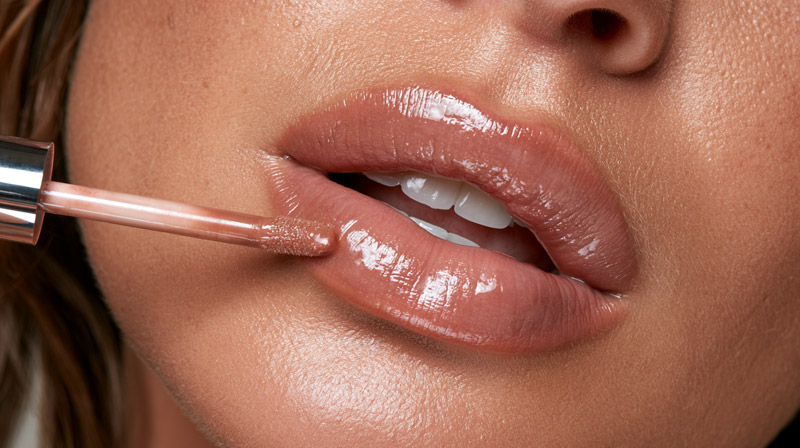
Satin wins for dry or sensitive lips, in most cases. The reason sits in the ingredient list, not anyone’s opinion.
Silica and kaolin clay, the same powders responsible for that flat matte finish, pull moisture out of the surface as they set. Dermatologists rank this pretty high on the list of things that matter: in a 2024 survey published in the Journal of Cosmetic Dermatology, respondents were asked to name the top three features most important to healthy-looking lips, and lack of lip dryness was the most frequently cited, chosen by 65.8% of dermatology and healthcare respondents (Wiley, 2024).
A few things follow from that. Matte formulas tend to worsen flaking on lips that are already dry or textured, while satin formulas add back a moisture layer through castor oil, lanolin, or dimethicone. Glycerin, oddly enough, behaves differently once it’s mixed into a high-pigment matte base, losing some of its usual pull.
Manufacturers noticed the same gap. Hybrid formulas blending mattifying powders with hydrating oils are showing up across the category now, a shift tracked in 2025 industry analysis (Mordor Intelligence).
Prepping the lips changes the outcome more than the finish choice does, honestly. Exfoliating first, then using specific tricks to stop a matte formula from drying out lips, closes most of the comfort gap.
A full lip care routine built around dry lips matters more here than the lipstick finish itself.
How Does Each Finish Affect the Appearance of Lip Texture and Fine Lines

Texture shows up more under a matte finish. Under satin, it tends to fade into the background. That comes down to light, not moisture.
A matte surface absorbs light evenly, so every ridge, crack, or fine line on the lip shows up with nothing around it to bounce light away and hide it. A satin surface reflects a small amount of light back, which blurs that same fine texture a little, similar to how a soft-focus filter smooths out skin in a photo.
This is separate from hydration. A fully moisturized lip can still look textured under a matte formula, purely because of how a flat finish handles light.
The same 2024 Wiley survey found lip smoothness ranked as the second most cited feature of healthy-looking lips, at 38.4%, just behind dryness.
Mature lips, or lips with noticeable vertical lines, show this effect the most. Matte formulas tend to pool slightly in those grooves and darken them.
How Does Application Differ Between Matte and Satin Lipstick

Matte formulas demand precision. Once the product sets, it doesn’t shift, blend, or forgive a crooked line, so whatever you put down is what you’re wearing for the next several hours.
Satin gives you more room. It stays workable longer, so there’s time to blend and fix mistakes before the color locks in for good.
Both start from the same basic technique covered in general lipstick application. The finish is what changes everything after that first swipe.
| Step | Matte | Satin |
|---|---|---|
| Liner first | Recommended | Optional |
| Layering | Thin coats, blot between | Buildable, one coat often enough |
| Blend window | Seconds, then it’s set | A minute or more |
Applying Matte Lipstick Without Cracking
A matte formula shows every uneven edge once it’s fully dry, so prep matters more here than it does with any other finish.
- Outline first with a defined liner to anchor the shape and stop feathering before it starts
- Apply in thin layers rather than one heavy coat
- Blot lightly between layers to set the pigment without building up texture
Applying Satin Lipstick for Smooth Coverage
Satin formulas move around more, which is exactly why most people skip liner entirely for everyday wear.
- Apply straight from the bullet for a quick, even base
- Build a second layer only if you need more color payoff
- Blending with a fingertip softens the edge for a more diffused look
Which Occasions Call for Matte Lipstick and Which Call for Satin
The right finish depends on the day, not just the skin.
Best Occasions for Matte
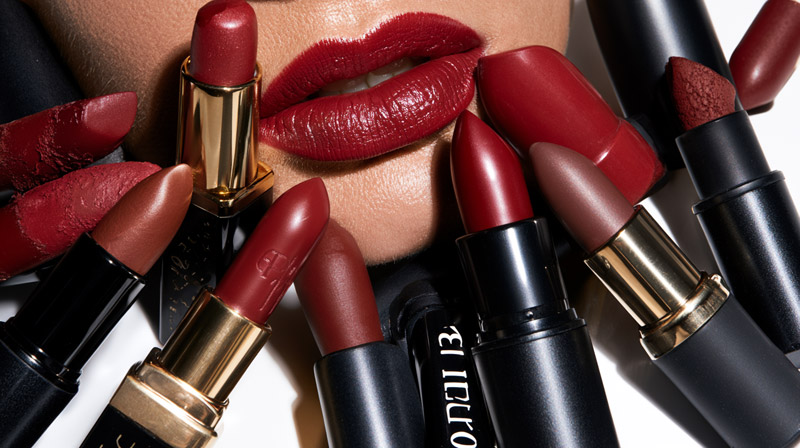
Weddings, double shifts, any event where you won’t get near a mirror for hours: these are matte’s home turf, since the low-maintenance wear does the work for you.
- Photography and video, where shine can catch studio lights unpredictably
- Getting the finish right for high-visibility events also matters, since matte reads more consistently on camera
Warm weather pushes people toward matte too, since oil-based formulas are more likely to slip once things heat up. Pat McGrath Labs built its whole reputation on exactly this kind of high-pigment, photo-ready matte, and keeping the edge from feathering matters just as much as the color itself once a camera lens gets involved.
Best Occasions for Satin
Everyday wear leans satin, mostly because comfort matters more day to day than eight hours of staying power. Cooler months help the case too, when dryness is already working against the lips before you even pick up a lipstick. It also just reads softer and more natural, which is nice for daytime meetings or brunch.
Revlon Super Lustrous remains a drugstore staple for exactly this kind of everyday comfort, and Clinique built its lip line around a similar low-irritation, all-day profile.
What Are the Pros and Cons of Matte and Satin Lipstick
| Category | Matte | Satin |
|---|---|---|
| Best for | Long days, photos, oily skin | Dry lips, everyday comfort |
| Main drawback | Dryness, visible texture | Shorter wear, castor oil sensitivity |
Matte Lipstick Pros and Cons
The pros are hard to argue with. Matte holds up against meals, drinks, and masks better than almost anything else on the shelf, delivers strong color in a single swipe, and stretches out to 6 to 8 hours of wear, which is the whole reason “long-wear lipstick” usually means matte lipstick.
The cons show up just as fast. It dries out lips that are already flaking or chapped, it shows every ridge and fine line instead of hiding any of it, and reapplying means patching over existing color rather than starting clean.
Huda Beauty’s Liquid Matte line built its whole reputation on that first pro, a velvet finish that barely moves once it sets. Setting the color with a light dust of translucent powder stretches wear even further for anyone chasing the extreme end of longevity.
Satin Lipstick Pros and Cons
The upside is comfort. The downside is staying power.
A softer, more forgiving formula blends easily and looks natural under most lighting, which is why so many people default to it for everyday wear. Wear time drops to 3 to 5 hours though, and pigment fades noticeably faster than a matte swipe would.
A 2024 systematic review in Cutaneous and Ocular Toxicology flagged castor oil, a staple satin emollient, among the ingredients most often tied to allergic contact dermatitis from lip products, alongside wax and colophony. That doesn’t make satin risky for most people, to be clear, but anyone with a history of lip irritation should still patch-test a new satin formula before wearing it for a full day.
Beyond ingredients, general tricks for keeping any lipstick on longer help close the wear gap between the two finishes.
When Does Matte or Satin Lipstick Not Work Well
Neither finish is a universal fix. Both fail under specific, predictable conditions.
Matte locks texture in place instead of masking it, so cracked or peeling lips need actual repair before either formula goes anywhere near them, not just coverage. Satin rubs off across a full workday of meals, coffee, and video calls, sometimes faster than expected. And skipping exfoliation before either formula means both end up grabbing color unevenly on flaky patches.
Oily skin adds a separate wrinkle. Even a satin finish can feel too slick by midday on lips prone to excess oil, which pushes some people back toward matte despite the dryness trade-off.
The allergy angle from earlier cuts the other way for a small group. Anyone reacting to castor oil, wax, or colophony tends to get more comfort from a matte formula built on silicones instead of emollient oils. Kosas built its lip line around a clean-beauty standard that bans over 2,700 flagged ingredients, which fits that exact situation.
For the rare case where matte feels too flat but transfer resistance still matters, adding shine back on top of a matte base and managing a meal without wrecking either finish both come down to the same layering tricks.
How Can You Test Which Finish Suits Your Lips Best

Skip the debate and run a direct side-by-side instead.
- Pick one matte and one satin shade from the same color family, so tone isn’t a variable
- Wear the matte formula one day and the satin the next, applying at the same time each morning
- Check in at midday and again before removing makeup at night, noting dryness, transfer onto cups or masks, and comfort
- Log how many times each formula needed a touch-up over the full wear cycle
A trip to Sephora or Ulta Beauty makes it easy to find both finishes in the same shade family without committing to a full-size tube of either.
Formal versions of this exact test already exist in the industry, by the way. One patented lip-formula trial tracked 75 female subjects with dry, vertical-lined lips over a full 24-hour cycle, reapplying at 4 and 8 hours and measuring lip moisture by electrical impedance at each checkpoint. A simpler two-day test at home covers the same ground without any of the equipment.
This ties back to skin type, covered earlier in this comparison. Naturally dry lips usually land on satin. Oily or combination skin usually lands on matte, especially for long days.
Skip the marketing copy on the tube, too. A label that reads “long-wear” or “hydrating” still needs the same two-day check before it earns a permanent spot in the routine.
FAQ on Matte Vs Satin Lipstick
Is Liquid Lipstick Always Matte?
No. Liquid lipstick is a format, not a finish, and it comes in matte, satin, and gloss versions depending on the brand.
The matte look comes from the ingredient mix (mainly volatile silicones and mattifying powders), not the liquid delivery itself.
Is Satin Lipstick the Same as Sheer Lipstick?
No, though people mix these up constantly. Satin describes finish, meaning how much shine sits on the surface. Sheer is about opacity, or how much of your natural lip color shows through underneath.
A sheer lipstick can be glossy or satin, and a satin lipstick can land anywhere from sheer to fully opaque depending on how much pigment is packed in.
How Do You Remove Matte Lipstick Without Staining Lips?
Plain water rarely breaks down a matte film, since powders and silicones resist it pretty stubbornly.
A cleansing balm or micellar water dissolves the pigment layer instead, and a full removal routine stops the light staining that matte shades tend to leave along the lip line.
Does Matte Lipstick Make Lips Look Smaller?
Flat color can visually shrink the lips a little, since there’s no light bouncing off the surface to suggest volume.
Satin works in the other direction. Its soft sheen catches light across the center of the lip, which creates a subtle plumping effect without changing anything about the product itself.
Is Matte or Satin Lipstick More Affordable?
Neither finish sets the price on its own. Mass-market brands held 61.25% of 2024 lipstick revenue across both matte and satin lines, while premium and luxury options grew faster (Mordor Intelligence, 2025).
Budget picks exist in both finishes, at nearly every price point.
What’s the Difference Between a Matte Lipstick Stick and a Matte Liquid Lipstick?
A matte stick relies on waxes to hold its solid shape, and it glides on straight from the bullet.
A matte liquid works differently. It uses volatile silicones that evaporate after application, which usually means higher pigment payoff and longer wear than you’d get from a traditional stick.
Can Matte Lipstick Damage Lips Permanently?
No documented evidence links matte lipstick to lasting damage. The dryness it causes is temporary and reverses once you stop using it.
A consistent lip care routine, or just alternating with a satin shade now and then, keeps the effect from building up over time.
Can You Layer Satin Lipstick Over Matte, or the Reverse?
Satin over matte works well. It adds back shine and comfort without stripping away the wear time underneath.
Going the other direction doesn’t really work. Matte over satin sets poorly, since the emollient layer underneath keeps mattifying powders from locking into a flat, even film.
Can Matte or Satin Lipstick Have Shimmer in It?
Both can carry light-reflecting particles, technically, though it changes what you’d call the finish.
A formula with visible sparkle usually shifts into <strong>pearl finish</strong> territory rather than staying purely matte or satin, since those particles reintroduce exactly the kind of shine both finishes are built to control.
Do Certain Lipstick Shades Work Better in Matte Versus Satin?
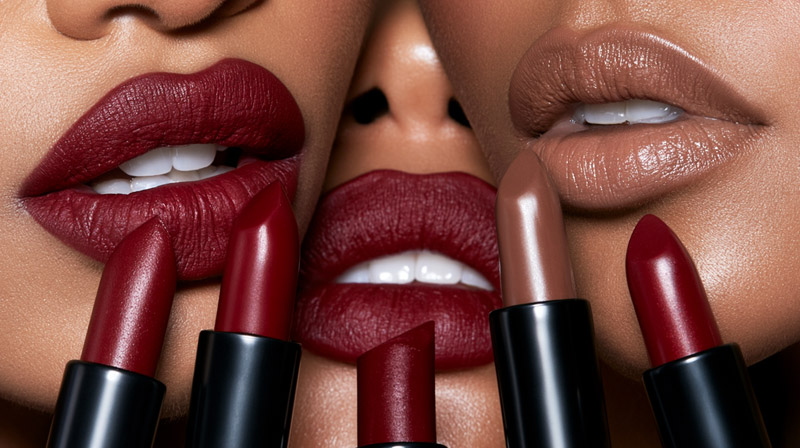
Deep reds and browns tend to intensify under a matte finish, since flat light absorption deepens the tone.
Nudes usually look better in satin. The reflected light keeps the color from reading flat or ashy, which is a real risk with pale shades under matte. Brown and nude shade families show the difference fastest.
Conclusion
Matte vs satin lipstick isn’t a permanent decision, and treating it that way is really the whole mistake. Lip condition overrides finish preference almost every time. Cracked, flaking lips need actual repair before either formula goes anywhere near them, since no amount of pigment fixes a damaged skin barrier.
Once lips are in decent shape, the practical move is rotation rather than picking a side for good. Keep one long-wear matte around for demanding days and one comfortable satin for everyday use, and switch based on what the day actually calls for instead of habit.
Check the ingredient list before the shade name. A formula built on silicones behaves nothing like one built on oils, no matter what the label promises. Buy the smallest size available first, and let the full-size commitment come after the lips decide, not the eye.

She started writing on the site after fielding the same questions from clients and friends often enough to just write the answers down: which red won't turn orange on a warm undertone, how to keep lipstick from feathering into fine lines, why a "12-hour" formula rarely survives dinner.
Every review on the site follows the same rule she uses with paying clients: wear it first, then decide if it's worth recommending.
- How to Make Eyeliner Last Longer Without Smudging - August 31, 2026
- How to Make Eyeshadow Last Longer All Day - August 29, 2026
- How to Find Your Undertone in 5 Easy Steps - August 27, 2026