

Summarize this article with:
Your lipstick choice can pull an entire face together or quietly ruin it. That is how much weight lip makeup looks carry in a finished makeup application.
The right lip color, texture, and finish depend on your skin tone, the occasion, and the products you pair together. A glossy nude lip and a bold matte red are not just different shades. They are completely different looks that require different techniques, tools, and prep.
This guide breaks down the most popular lip looks, the products behind each one, and how to match lip color to your undertone, skin depth, and lip shape. Whether you are building a simple makeup look or going full dramatic, it starts at the lips.
What Are Lip Makeup Looks
Lip makeup looks are specific combinations of lip products, colors, and application methods that create a defined aesthetic on the lips. A single lip look involves decisions about texture, pigment intensity, lip shape definition, and finish.
The difference between a thrown-together lip color and an actual lip makeup look comes down to intention. Choosing a shade is one step. Building the full picture with liner, color, and a deliberate finish is the whole thing.
Common lip looks include the classic red lip, nude lip, ombre gradient, bold matte, glossy glass lip, and dark vampy styles. Each one uses a different combination of lipstick types, glosses, stains, and liners to hit a specific result.
Lip looks also change depending on the occasion. A wedding makeup look calls for something long-wearing and soft. A night out makeup look leans heavier, bolder, more saturated.
What makes a lip look work is how well the lip color, skin tone, and overall face makeup connect. The lip is not separate from the rest of the face. It either pulls the whole look together or breaks it apart.
How to Choose a Lip Makeup Look for Your Skin Tone
Skin undertone determines which lip colors sit naturally on your face and which ones wash you out. There are three categories: warm, cool, and neutral.
Warm undertones lean toward golden, peachy, or yellow-toned skin. Coral lipstick, warm reds with orange bases, terracotta, and caramel nudes work here. Peach-pink shades blend without looking chalky. If you are curious about how to wear coral lipstick, warm skin is where it looks most at home.
Cool undertones have pink, red, or bluish hints in the skin. Berry tones, blue-based reds, mauve, plum, and rose nudes are the strongest picks. These shades match the natural flush underneath the skin instead of fighting it. Check out lipstick colors for cool undertones for a deeper breakdown.
Neutral undertones sit between warm and cool. Most shades work, but dusty roses, mid-tone pinks, and true reds with balanced bases tend to look the cleanest.
How Does Skin Depth Affect Lip Color Choice
Undertone is half the equation. Skin depth (fair, medium, tan, deep) changes how a shade actually reads on you.
Fair skin gets overpowered by very dark shades quickly, so building color gradually matters. Lipstick shades for fair skin tend to sit in the rose, soft pink, and light berry range, though a true red still works when balanced with minimal eye makeup.
Medium and olive skin tones carry the widest range. Mauves, warm nudes, mid-tone berries, and brick reds all land well. For olive-toned skin specifically, these lipstick colors for olive skin cover the best pairings.
Dark and deep skin tones look striking in rich pigments. Deep plums, oxblood reds, chocolate browns, and bold berries stand out without looking too heavy. Sheer or ashy nudes can disappear on darker skin, so choosing nudes with enough pigment depth is a real consideration. Lipstick colors for dark skin break this down shade by shade.
Does Hair Color Change Which Lip Look Works Best
It does, more than most people expect. Hair frames the face, so it directly affects how a lip shade registers.
Lipstick colors for blondes lean softer: peach, rose, soft coral, and nude pink. Blonde hair already lightens the overall contrast, so very dark lips can look disconnected unless the rest of the makeup bridges the gap.
Brunettes handle a wider range. Medium to deep shades, mauves, berries, warm browns, and classic reds all sit naturally against darker hair.
Redheads do best with shades that don’t compete with their hair. Burnt orange, warm nude, brick red, and terracotta tones complement without clashing. Cool pinks can sometimes look off against red hair, so testing matters.
What Lip Products Are Used for Different Lip Looks
Every lip look starts with product selection. The formula you pick controls the finish, the wear time, the color payoff, and how the look holds up over hours. Picking the wrong product for the look you want is the fastest way to end up frustrated.
What Does Lip Liner Do in a Lip Look
Lip liner defines the lip border and prevents color from bleeding past the edges. It also builds a base layer that helps lipstick or gloss grip and last longer.
For a precise look, applying lip liner along the natural lip line first creates a boundary. Some people fill in the entire lip with liner before adding lipstick on top, which adds staying power significantly.
Choosing the right lip liner depends on the lipstick shade. Match it exactly or go one shade darker for added depth. Clear or universal liners work across multiple shades, which is practical if you rotate colors often.
Keeping liner sharp matters for precision. Sharpening your lip liner before each use gives you a cleaner edge. A dull tip drags across the skin and creates uneven lines.
How Does Lipstick Differ from Lip Stain
Lipstick deposits pigment on the surface of the lips. Lip stain absorbs into the skin and dyes the lip tissue directly.
The result: lipstick gives more color control and coverage, but transfers and fades faster. Stain wears longer, resists transfer, but offers less buildable opacity. Using a lip stain works best for low-maintenance lip looks where you want color that stays put without reapplication.
Lipstick comes in multiple finishes (matte, satin, cream, sheer, metallic). Stains generally dry down to a flat, natural-looking tint. For people who hate the feel of product on their lips, stain is usually the better call.
When to Use Lip Gloss Over Matte Lipstick
Lip gloss adds shine, dimension, and the appearance of fuller lips. Matte lipstick absorbs light and gives a flat, velvety finish.
Use gloss when the look calls for moisture, movement, or a youthful bounce. Applying lip gloss on its own gives a barely-there sheen; layering it over lipstick adds depth without changing the base color too much.
Matte works better for structured, editorial, or long-wear looks. It photographs sharply and doesn’t move once set. But it dries lips out faster, especially if you skip prep. Keeping lips moisturized with matte lipstick requires a hydrating balm underneath and exfoliating lips naturally before application.
You can also split the difference. Making matte lipstick glossy by dabbing a clear gloss on top gives you the color of matte with a wet-look finish.
What Is the Role of Lip Primer in Makeup
Lip primer smooths the lip surface, fills in fine lines, and creates a tacky base for lipstick or gloss to grip onto. It sits between your lip care routine and your color application.
Without primer, lipstick can slide, feather into fine lines around the mouth, or fade unevenly within an hour. Primer extends wear time and keeps color from settling into cracks.
Not every look needs it. For a quick swipe of tinted balm or sheer gloss, primer is unnecessary. For bold colors, dark shades, or anything that needs to last through a full event, it makes a noticeable difference.
What Are the Most Popular Lip Makeup Looks
Some lip looks keep coming back because they work across different face shapes, skin tones, and occasions. Below are the ones that show up most consistently in everyday wear, editorial work, and event makeup.
What Is the Classic Red Lip Look
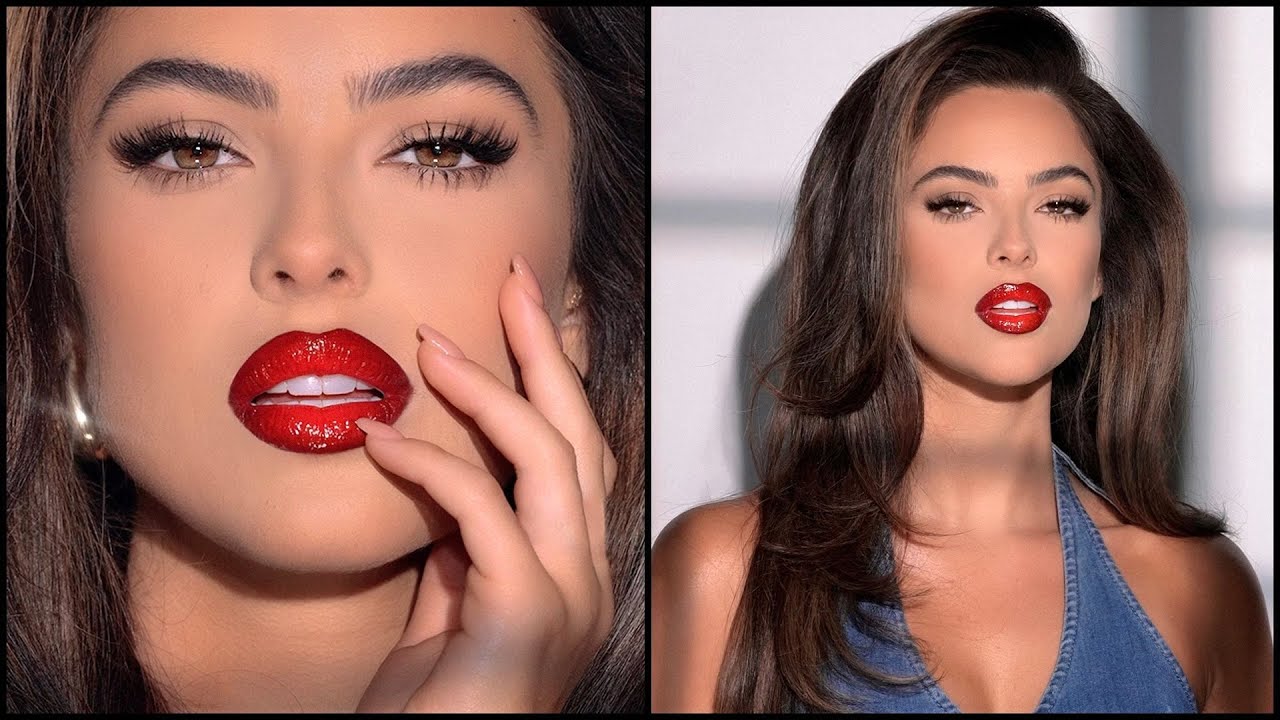
The classic red lip is a full-coverage red lipstick with a defined lip line, clean edges, and a satin or matte finish. It has been a constant in beauty since the 1920s and remains one of the most recognizable red lip makeup looks today.
Choosing the right red depends on skin undertone. Blue-based reds suit cool undertones. Orange-based reds favor warm skin. True reds with a balanced base work on neutral undertones. Getting this match right is the difference between a red lip that looks intentional and one that looks off.
Applying red lipstick precisely takes a steady hand. Line the lips first with a matching red liner, fill in the lips with the liner as a base, then layer the lipstick on top with a lip brush for control. Clean up edges with a small concealer brush and a dab of foundation.
Pair it with minimal eye makeup for balance, or go full glam with a smokey eye if the occasion calls for drama. A guide on the best eye makeup for red lipstick helps with pairing decisions.
How to Create an Ombre Lip Look

An ombre lip blends two or more lip shades from dark on the outer edges to light in the center. This creates a gradient effect that adds dimension and makes lips look fuller without filler or overlining.
Start with a darker shade of lip liner on the outer edges. Apply a lighter lipstick or gloss to the center of the lips. Use your finger or a lip brush to blend the transition zone where the two colors meet. The key is soft blending, not a hard line between the shades.
This technique is huge in Korean beauty-inspired looks, where the gradient lip (also called “bitten lip”) focuses color on the inner lip and fades outward. Blending lipstick smoothly takes practice, but the result is worth the effort.
What Is the No Makeup Nude Lip Look
The nude lip matches your natural lip tone closely, adding polish without obvious color. It supports natural makeup looks and clean girl makeup looks that focus on skin over color.
Picking a nude lipstick that works requires matching it to your skin depth, not just grabbing “nude” off the shelf. A nude that works on fair skin will look ashy on dark skin, and a deep nude will overpower very light complexions.
For the cleanest nude lip, line with a long-lasting lip liner one shade darker than your lipstick, fill in lightly, then apply a satin lipstick or tinted lip balm on top. Matte nude shades give a more sculpted result, while creamy formulas keep things soft and effortless.
How to Do a Bold Matte Lip
A bold matte lip is high-pigment, flat-finish lipstick in a statement shade: deep berry, hot pink, rich plum, or saturated red. It is one of the most impactful bold makeup looks you can build around.
Applying matte lipstick evenly requires prepped lips. Dry, flaky skin shows through matte formulas instantly. Exfoliate, apply a thin layer of balm, blot, then go in with color.
Layer for density. One coat rarely gives the punchy look matte lipstick is known for. Two thin coats with a blot in between build opacity without caking. Wearing matte lipstick well means committing to the prep and the layering.
Finding the best matte lipstick depends on your priorities: comfort, wear time, shade range, or price point. Matte lipstick shades vary across brands, and what one brand calls “berry” can look completely different from another.
What Is a Glossy Glass Lip Look
The glass lip look is a high-shine, wet-look finish that makes lips appear plump and reflective. Think of it as the opposite of matte. Everything is about light, moisture, and dimension.
Start with a hydrating lip balm or lip oil. Layer a sheer lipstick or nude gloss on top. Then add a clear, high-shine glossy lipstick or a thick lip gloss as the final layer. The buildup of translucent layers is what creates the glass-like reflection.
This look pairs well with dewy makeup looks and soft glam where the whole face has a lit-from-within quality. It does not hold up well in hot weather or during meals, so plan accordingly.
How to Achieve a Dark Lip or Vampy Lip Look
A vampy lip uses deep, rich shades like oxblood, dark plum, burgundy, or near-black tones. Dark lipstick makeup looks carry heavy visual weight, so precision matters more here than with any other lip style.
Wearing dark lipstick cleanly requires lining the lips carefully with a matching dark liner first. Fill in completely with the liner before adding lipstick. This prevents the color from sliding or bleeding, which dark formulas are prone to.
Purple lipstick and brown lipstick both fall into the vampy category depending on the depth. These looks pair well with goth makeup, fall makeup looks, and dark feminine makeup looks.
What Is a Lip Look with Overlining
Overlining means drawing the lip liner slightly above the natural lip border to create the illusion of bigger, fuller lips. It is one of the most common techniques for thin lips and for anyone looking to add volume without cosmetic procedures.
The trick is subtlety. Go no more than 1-2 millimeters outside the natural lip line. Applying lipstick on thin lips with an overlined base looks natural when you blend the liner inward and match your lipstick shade closely.
Overline too far and it is obvious. Stick to the cupid’s bow and center of the lower lip for the most convincing result. A cream lipstick or satin finish hides the overline better than matte, which can highlight the edge.
What Tools and Brushes Are Used for Lip Makeup

Tools change the precision and finish of a lip look more than most people realize. Fingers, direct bullet application, and brushes all give different results with the same product.
What Does a Lip Brush Do
A lip brush is a small, firm, tapered brush used to apply lipstick with control. It picks up product from the bullet or palette and lets you place color exactly where you want it.
Brushes give cleaner edges than direct application, especially with bold or dark shades. They also help layer thin coats for even coverage. For applying lipstick in statement colors, a brush is the most reliable tool.
What Other Tools Help with Lip Makeup
- Concealer brush: cleans up edges after lipstick application; use with a small amount of foundation or concealer around the lip border
- Cotton swab: fixes small mistakes, removes excess gloss, and softens harsh lines
- Tissue: used for the blotting technique between lipstick coats, and for setting lipstick with powder by pressing translucent powder through a single tissue ply
- Lip scrub tool or washcloth: preps lips before application by removing dead skin
- Micellar water on a cotton pad: erases mistakes without disturbing the rest of the face makeup
The right tool depends on the look. Quick everyday color needs nothing more than the lipstick bullet and your finger. A full glam makeup look or editorial look calls for a brush, liner, concealer cleanup, and blotting layers.
FAQ on Lip Makeup Looks
What is the best lip look for beginners?
A nude lip with a moisturizing lipstick or tinted balm is the easiest starting point. It forgives uneven application, works with any eye makeup, and requires no liner or special tools. Perfect for beginner makeup looks.
How do I make my lip color last all day?
Line and fill lips with liner first, apply lipstick in thin layers, and blot between coats. Making lipstick last longer also depends on using a lip primer and choosing long-wear formulas like liquid lipstick.
What lip makeup look suits round faces?
Defined lip looks with strong liner and matte finishes add structure. A bold lip color draws attention to the center of the face and creates a focal point. Check out makeup looks for round faces for full pairings.
Can I wear dark lipstick during the day?
Yes. Pair a deep shade like plum or burgundy with minimal eye makeup and clean skin. Daytime dark lips work when the rest of the face stays balanced. Dark lipstick looks are not limited to evening wear.
What is the difference between lip gloss and lip oil?
Lip gloss sits on the surface and adds shine with a slightly sticky texture. Lip oil absorbs into the lips and hydrates while giving a subtle sheen. Gloss is for looks; oil is for care with a hint of color.
How do I stop lipstick from getting on my teeth?
After applying lipstick, place a clean finger in your mouth and pull it out slowly. This removes excess product from the inner lip edge. Keeping lipstick off teeth also improves with matte or long-wear formulas.
What lip look works best for photos?
Matte and satin finishes photograph the cleanest because they do not reflect flash. Bold shades like red, berry, or deep rose show up well on camera. Glossy finishes can create hot spots in photos, so use them carefully for photoshoot makeup.
How do I pick a lipstick color that matches my outfit?
Match the color temperature, not the exact shade. Warm outfits pair with warm lip tones like coral or terracotta. Cool-toned clothes work with berry, mauve, or blue-based red. For a black dress, almost anything works, though these makeup looks for a black dress narrow it down.
Is lip liner necessary for every lip look?
Not always. Sheer tints, balms, and gloss-only looks skip liner entirely. But for bold colors, dark shades, or precise edges, liner prevents feathering and bleeding. Making lip liner last becomes important when it is your base layer.
What lip makeup look is trending right now?
The glazed, glass-like lip and soft matte nudes are the two biggest lip makeup trends in 2025. Both focus on texture over heavy color. Clean skin with a standout lip finish is the direction most trending makeup looks are heading.
Conclusion
Every lip makeup look comes down to three things: the right product, the right shade for your undertone, and clean application. Skip one and the whole thing falls flat.
Matte, glossy, ombre, vampy, nude. Each finish creates a different mood and works for different settings. A day-to-day look has different demands than a formal event or a date night.
Lip liner, lip primer, and proper prep are not optional steps for bold or dark colors. They are what separate a polished result from a messy one.
Start with what fits your skin tone and lip shape. Build from there. Took me years to realize that the shade everyone else loves is not always the shade that works on you. Test, adjust, and trust what you see in the mirror over what you see on a screen.
Your lips carry more of the look than you think. Treat them like it.

- What Is Skin Tint and Why Everyone Is Obsessed - July 11, 2026
- What Is Foundation and How Do You Choose One? - July 6, 2026
- How to Make Blush Last Longer - July 3, 2026


