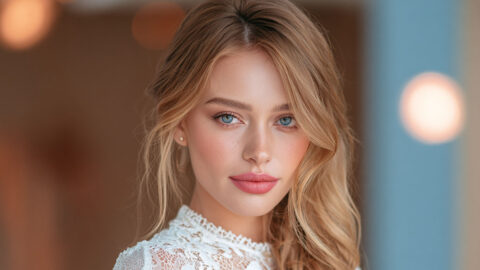
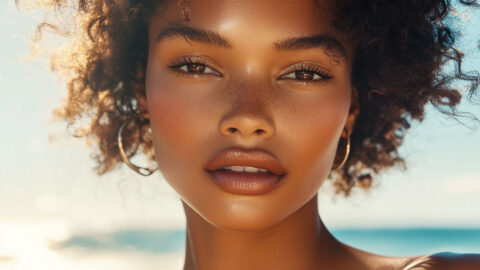
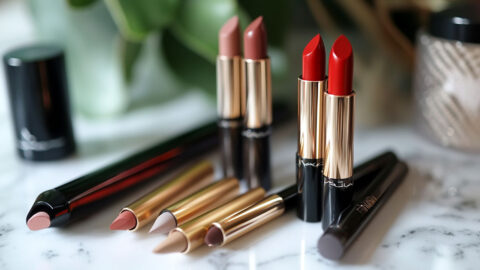
Blonde hair changes the math on eyeshadow, blush, brows, and lipstick. Not because of some marketing angle, but because taking away the natural dark framing most color advice quietly assumes everyone has actually changes how a face reads.
Colorists work through it by crossing hair tone (ash, golden, platinum, strawberry, honey) with skin undertone (warm, cool, neutral). The same lipstick can look great on one pairing and slightly off on another just one shade over.
Platinum alone accounts for 18 percent of all blonde hair-dye choices in the UK, inside a wider 39 percent who choose blonde shades overall, according to Mintel’s 2018 research on hair colourants.
What Are Makeup Looks for Blondes?

Generic color advice assumes a certain amount of natural darkness around the face, in the brows, the lashes, the hairline. Take blonde hair out of that equation and a lot of standard rules stop working the way they’re supposed to.
Pale brows and lighter lashes mean the wrong eyeshadow or blush doesn’t just look a little off. It can flatten the whole face, something colorists usually just call the washed-out effect.
A few numbers explain why this gets treated as its own category of advice instead of a subset of general makeup tips. Blonde hair shows up in 12.7 percent of women and 9.9 percent of men in Britain’s UK Biobank population, according to a 2018 genetic study published in Nature Communications (Morgan et al.). Fenty Beauty’s 2017 launch shipped 40 foundation shades on day one, a direct response to how badly undertone-specific skin, fair blonde skin included, had been served by the 8 to 12 shade ranges before it. And the warm, cool, neutral system used at most makeup counters today traces back further than you’d think, to the seasonal color analysis Carole Jackson popularized in her 1980 book Color Me Beautiful, which is what turned personalized color matching into a mainstream shopping habit in the first place.
What Blonde Hair Tones Determine Makeup Choices?
Not every blonde starts from the same place. Ash leans cool, a little gray even. Golden and honey both lean warm. Platinum barely has any color left in it at all, and strawberry blurs into red territory enough that some colorists won’t call it blonde in the first place.
Get the hair tone wrong in your head, and every shade choice downstream drifts slightly off, even when the product itself is technically the correct warm or cool pick.
Ash Blonde
Ash blonde carries almost no gold in it, reading more gray-beige than yellow, which is what gives it that smoky, cooled-down finish.
Warm bronzer or golden eyeshadow tends to fight ash roots rather than work with them. Taupe, mauve, and cool brown shades hold their color better against it.
Golden Blonde
Golden blonde runs warm, with a yellow undertone that puts it closer to honey than to platinum on the spectrum.
Peach, coral, and warm bronze read as natural extensions of the hair here rather than an obvious add-on. Charlotte Tilbury actually built much of its bronzer and blush range around this exact warm-golden logic, which is part of why its formulas skew golden rather than pink.
Champagne or bronze eyeshadow is the easiest starting point, paired with a warm coral blush. Brows do better in amber or honey than in anything ash-based here.
Platinum Blonde
Platinum has almost no pigment left in it. That makes it the highest-contrast hair tone on this list against skin and features, and it’s also why soft, “safe” color choices tend to just disappear on it.
Go saturated rather than pale. Taupe or charcoal eyeshadow instead of soft neutrals, ash or taupe brow color (warm brown reads strange against this little warmth), and blush or lip color a shade bolder than feels natural at first.
Strawberry Blonde
Strawberry blonde sits on the blurry edge between blonde and red, and it carries enough pheomelanin to warm up everything near it.
Coral, peach, and warm terracotta pair best, since a pink-cool base tends to clash with the red underneath. Cool-toned lipstick is really the one product worth testing carefully here before committing to a full tube.
Honey Blonde
Honey blonde sits between golden and strawberry. Warm, but deeper, with a richness that can read almost brunette under low light.
Golden blonde rules mostly apply, just pushed one shade deeper across bronzer, blush, and brow color. Think deeper bronze or copper eyeshadow than a true golden blonde would wear, and warm caramel brows over anything straight honey or amber.
How Does Skin Undertone Change Shade Selection for Blondes?
Skin undertone decides more than hair tone does. Two blondes with identical hair color can need opposite blush and lipstick bases if one runs warm underneath and the other runs cool.
Vein color is the fastest tell. After that it’s which metal, gold or silver, looks better against your skin, and how quickly you burn in the sun. The logic behind matching makeup to your skin tone holds regardless of hair color.
This warm, cool, neutral setup didn’t start in a makeup aisle at all. Carole Jackson’s 1980 book Color Me Beautiful built the framework around draping fabric near someone’s face to see which colors made skin look alive and which made it look flat. That same idea now drives how foundation and blush shades get matched at the counter.
| Undertone | Quick Test | Product Base to Look For |
|---|---|---|
| Warm | Gold jewelry flatters, veins look greenish | Peach, gold, coral |
| Cool | Silver jewelry flatters, veins look blue or purple | Rose, berry, blue-based red |
| Neutral | Both metals flatter about equally | Balanced pink-beige, low-saturation shades |
Warm Undertone
Warm undertone skin carries a yellow or golden cast underneath, no matter how light or deep the surface tone reads.
Gold-based bronzer works better than anything silver-toned here, and peach or coral blush wins over cool pink most of the time. Warm brown or amber eyeshadow rounds it out.
Cool Undertone
Cool undertone skin carries a pink or blue cast. It tends to burn faster in the sun and looks better under silver jewelry than gold.
Golden bronzer just sits on top of cool skin instead of blending in, which is probably why ash and platinum blondes with cool undertones get told they picked the “wrong” bronzer, when really the shade was fine and the undertone wasn’t accounted for. Rose, berry, or cool pink work for blush. For lips, a blue-based red or a cool mauve.
Neutral Undertone
Neutral undertone is the easiest skin to shop for and, oddly, one of the easiest to get wrong by overthinking it.
Both warm and cool shades work reasonably well, which is exactly why a lot of neutral-toned blondes end up owning ten near-identical lipsticks. A smaller, better curated set of lipstick shades built for neutral undertones solves that faster than trial and error. Balanced pink-beige lipstick beats anything heavily warm or cool, and a soft taupe or rose-brown eyeshadow that doesn’t commit hard in either direction is the safer everyday pick.
Best Eyebrow Colors for Blonde Hair

Brow color for blonde hair should sit one to two shades darker than the hair itself, not match it exactly.
Matching brow to hair color flattens the face. A slightly darker brow gives the eyes a frame, something blonde hair, especially platinum and ash, cannot provide on its own.
Pencil, gel, and tint cover most of what blonde brows need, though most people only reach for one or two of these regularly.
Pencil works best for filling sparse patches and drawing in small hair-like strokes. If you’re unsure which formula to start with, what a brow pencil actually does is worth a quick read first.
Gel sets shape and adds soft color without harsh lines. It comes in tinted and clear versions that do noticeably different jobs, and how brow gel works breaks down that difference in more detail.
Tint holds the longest of the three, often through a full day without touch-ups.
Ash and platinum blondes usually need taupe-based brow products, not brown-based ones, since brown reads too warm against hair with almost no warmth left in it. Anastasia Beverly Hills is one brand that stocks taupe-leaning brow shades alongside its warm browns, an option some drugstore lines skip. Golden, honey, and strawberry blondes can use soft brown or blonde-brown brow shades without the same risk.
The same 2015 facial-contrast research cited later in this guide found something counterintuitive about eyebrows specifically: on average, cosmetics application lowered eyebrow luminance contrast rather than raised it (Jones, Russell and Ward, Evolutionary Psychology). That lines up with why heavily darkened brows so often look overdone on blonde hair instead of simply defined.
Best Eyeshadow Shades for Blonde Hair
Eyeshadow carries more weight on blonde hair than almost any other single product, and there’s a real reason for that beyond preference.
Cosmetics increase contrast around the eyes roughly four and a half times more than they increase contrast around the mouth, based on effect sizes of 1.46 versus 0.32 in Jones, Russell and Ward’s 2015 facial-contrast study in Evolutionary Psychology. Blonde hair already removes a layer of natural dark framing, so the eye area ends up doing more of the work hair color would otherwise handle.
Champagne, taupe, bronze, and mauve cover most blonde-hair, fair-to-medium-skin combinations as a safe starting palette. Urban Decay’s original Naked palette became a phenomenon largely because its taupe-driven neutrals worked across almost every hair and skin combination, blonde included.
Blue Eyes
Warm tones sit opposite blue on the color wheel. That’s the actual mechanism behind why bronze and copper eyeshadow make blue eyes look more saturated instead of washed out, not just a styling preference.
Warm bronze or copper on the lid, deep brown (not black) worked through the crease, covers most of it. A full eye makeup routine built around blue eyes goes further into placement than a shade list really can.
Green Eyes

Green eyes respond to reddish-purple tones the same way blue eyes respond to bronze, through direct color-wheel contrast. Plum and rust do the job better than brown does here.
Mauve and rose-brown shadow reads as more neutral but still gets there, just more subtly. Plum or aubergine in the crease, rust or copper washed across the lid, is the more obvious version of the same idea.
For a step-by-step walkthrough, this eye makeup guide for green eyes covers blending order in more detail.
Hazel Eyes
Hazel eyes shift color depending on the light and whatever sits near them, which makes this the most forgiving eye color of the four.
Gold, olive, or warm brown shadow tends to pull the green out. Purple or soft plum pulls the gold out instead.
Brown Eyes
Brown eyes carry the widest safe range of the four, including shades that would look heavy or overdone on lighter eyes. Deep plum, forest green, rich bronze, all of it reads as intentional rather than too much.
Bronze or copper for daytime, deep plum or espresso when you want more contrast, covers most of what people actually reach for.
Best Blush and Bronzer Placement for Blonde Hair
Blush and bronzer are where blonde hair causes the most visible mistakes, mainly through overcorrection.
Full-face bronzer muddies light hair fast, so applying bronzer correctly on fair to medium skin usually means restricting it to the temples, jaw, and a light sweep across the nose, not the whole face.
NARS built a cult following around a single shade, Orgasm, mainly because its peachy-pink-gold base flatters fair to medium skin without reading too warm or too cool either way. Peachy and soft coral blush suits fair, cool-leaning skin best. Terracotta and warm rose suit medium, warm-leaning skin better.
Cream Blush Versus Powder Blush
Cream blush melts into skin for a natural flush and photographs well. Powder layers more predictably and lasts longer through a full day. Cream blush application works best with fingertips or a damp sponge rather than a brush, which is where most people go wrong with it.
Cream has a lot going for it. It melts in for a dewy, natural finish that suits fair skin especially well, and blends fast with just your fingers, no brush required. The tradeoff is that it’s harder to build up gradually without going too far, and it doesn’t hold up as long on oily skin.
Powder is the more forgiving format day to day. It’s easier to control, builds in layers without much risk of overdoing it, and lasts longer through the day than cream does. It can look a little flat or chalky on very dry skin though, and it just doesn’t get the same natural finish cream does on mature skin.
Best Lip Colors for Blonde Hair

Lip color is the one product blonde-specific guides tend to overcorrect on, usually by pushing everyone toward pale, “safe” nudes.
Rosy nude and soft coral work fine for everyday wear, but a look through lipstick colors suited to blonde hair shows berry and warm red hold up just as well, often better, against light hair.
MAC’s Ruby Woo, a blue-based true red, is the classic proof that blonde hair and bold lip color are not opposites. Charlotte Tilbury’s Pillow Talk built its reputation on the opposite end, a warm rosy nude that reads as effortless rather than bold.
Warm Undertone Lip Shades
Warm undertone skin needs lip color with a yellow or orange base underneath, even when the actual shade is red. An orange-based red reads warm and alive here. A blue-based red on the same skin can look slightly bruised instead.
Terracotta or brick red covers the bold end, warm coral or peachy nude the soft end, with cinnamon or warm berry sitting in between.
Cool Undertone Lip Shades
Cool undertone skin flips that logic entirely. The difference between cool-based and warm-based red lipstick is the single biggest factor in whether a red reads flattering or slightly off on cool-toned blonde skin. Blue-based red is the safest bold choice here.
Blue-based red or berry covers the bold end, cool mauve or rosy pink the everyday end, and plum works if you want something deeper without going full red.
Makeup Looks by Occasion for Blondes
Occasion decides how far you push every choice already covered, from eyeshadow family to lip color. The same golden blonde or ash blonde base rules still apply across all four looks below. Only the intensity changes.
Everyday Look

Most women who wear makeup regularly reach for the same short list of products: mascara (46 percent), lipstick or lip gloss (43 percent), foundation (35 percent), eyeliner (32 percent), eyeshadow (31 percent), and blush (30 percent), according to a 2023 YouGov poll.
An everyday blonde-friendly look sticks to that same short list, built on neutral eyeshadow, soft blush, and a rosy or nude lip. A broader set of everyday makeup looks shows how little product this actually takes once the shade choices are locked in.
Taupe or champagne eyeshadow in one shade, cream or powder blush in soft peach or rose, and a rosy nude or soft coral lip. That’s really the whole list.
Sun-Kissed Look

Blush and bronzer sales jumped 45 percent and 38 percent in the first quarter of 2022 as prestige beauty demand rebounded, according to NPD Group data reported by WWD.
Tarte built its entire bronzer line around warm, buildable color specifically because blonde and fair-to-medium skin tones need a formula that won’t turn muddy or gray.
Cream bronzer over powder gets a more natural glow. Warm blush goes on top rather than underneath. Gold-flecked highlighter stays limited to the cheekbones.
Smoky and Glam Look

Smoky and glam is the one look where platinum and ash blondes can go heavier than instinct suggests. Huda Beauty built its reputation largely on saturated, blendable eyeshadow formulas designed to hold up under exactly this kind of buildup.
Deep taupe or charcoal eyeshadow blended well past the crease, blush placed a little higher on the cheekbone than usual, and a berry or deep red lip to balance the eye out. That’s the formula.
Bridal Look
The average cost of professional wedding makeup is 150 dollars, and 72 percent of brides hire a beauty professional for the day, according to The Knot’s Real Weddings Study.
Bridal makeup for blondes leans soft-focus on purpose, since contrast that looks great in person can read harsh in photographs. A look through wedding makeup looks shows how consistently blondes lean toward champagne and rose tones for exactly this reason.
Soft taupe eyeshadow, cream blush in a low-saturation rose, and a lip color one shade bolder than feels necessary in the mirror cover most photograph-friendly bridal looks.
Ash Blonde Versus Golden Blonde Versus Platinum Blonde Makeup
Ash, golden, and platinum sit at three different points on the same spectrum. The table below lines up how far each one pulls the rest of the look. Strawberry and honey blonde aren’t repeated here since they blend qualities from more than one column.
| Blonde Tone | Undertone Pairing | Eyeshadow Family | Blush and Bronzer Tone | Lip Range |
|---|---|---|---|---|
| Ash Blonde | Cool | Taupe, mauve, cool brown | Rose, cool pink | Blue-based red, mauve, berry |
| Golden Blonde | Warm | Champagne, bronze, amber | Peach, warm coral | Terracotta, coral, warm nude |
| Platinum Blonde | Cool to neutral | Saturated taupe, charcoal | Bold rose or berry | Bold red or deep berry |
The blush and bronzer tone column shifts the most between these three. A look at the different types of blush available makes it clear why a cool-toned rose works for ash and platinum while golden blonde pulls toward peach. L’Oreal Paris, like many drugstore brands, splits its shade ranges to address this same warm-versus-cool divide rather than relying on one universal shade per product.
Platinum is the outlier of the three. Its lack of pigment allows bolder color everywhere else on the face without the result looking heavy.
How to Build a Blonde-Friendly Makeup Look Step by Step
Order matters more than most people think. Doing blush before eyeshadow, for instance, means redoing the blush after eyeshadow fallout lands on it.
Most women who wear makeup, 73 percent, spend 20 minutes or less applying it, according to the same 2023 YouGov poll cited earlier in this guide, so a clear order saves real time, not just hassle.
- Match base and concealer to undertone before anything else goes on.
- Fill and set brows before the eye area gets any color.
- Build eyeshadow fully before starting blush or bronzer, since fallout is easier to clean up before cheek color goes on.
- Apply bronzer first, blush second, always in that order.
- Line and fill lips last, after everything else is set.
- Mist with setting spray as the final step, never mid-routine.
Getting foundation application right at step one prevents most of the patchiness that shows up later in the eyeshadow and blush steps.
The finishing step matters as much as the first one. Setting spray application technique decides whether that contrast holds through a full day or fades by early afternoon.
When Blonde-Specific Makeup Rules Do Not Apply
Every rule in this guide has an edge case. Two matter enough to call out directly. Getting these wrong is what turns a technically correct shade choice into a look that still reads flat or mismatched.
Common Mistakes That Wash Out Blonde Hair
Matching blush or lipstick to hair color instead of skin undertone is the single most common mistake blondes make. This usually shows up as makeup that looks cakey rather than simply pale, since the product sits on top of skin instead of blending into it.
Over-bronzing platinum and ash blonde skin until it reads orange or gray is one frequent miss. Skipping brow color entirely, which erases the frame the eyes need, is another. Choosing eyeshadow by trend instead of by eye-color pairing rounds it out.
Exceptions for Deep Skin Tones and Transitional Hair
Deep skin tones with naturally blonde or bleached hair need a different starting point, since most of the undertone logic in this guide assumes fair to medium skin.
Make Up For Ever’s Ultra HD foundation launched in 2015 with 40 shades built specifically around red versus yellow undertone differences, not depth alone, which is the same logic deep-skin blondes need applied to blush and bronzer. A separate look at lipstick colors suited to dark skin covers a shade range this guide’s warm and cool undertone rules don’t fully account for.
Undertone rules also get unreliable with transitional or box-dyed hair, since the visible color may not match the pigment sitting underneath a recent change.
- Trust current skin undertone over hair color when the two conflict
- Retest lip and blush shades a few weeks after any major color change
FAQ on Makeup Looks For Blondes
Which eyeshadow finish, matte or shimmer, suits blondes better?
Matte holds up better against blonde hair overall, since shimmer can wash out further under already-light brows and lashes. That doesn’t rule shimmer out entirely. A little at the inner corner, paired with a matte crease, gives blonde hair the contrast it needs without going flat.
What tools or products does a blonde-friendly makeup routine require?
Not much, honestly. Undertone-matched base, a brow pencil or gel, an eyeshadow trio, cream or powder blush, bronzer, lip color picked by undertone, and a light setting spray covers every look in this guide. Nothing beyond that is really needed.
How often should brow tint be refreshed for blondes?
Brow tint usually lasts three to six weeks before it starts fading, sooner on oily skin or with frequent cleansing. Ash and platinum blondes tend to notice it fade earlier than everyone else, since taupe-based tint just doesn’t carry the same pigment saturation warm brown formulas do.
What Should You Fix First in Makeup Looks For Blondes?
Makeup looks for blondes hold together fastest when undertone gets fixed before any color choice, since blush, bronzer, and lip shades all key off that one variable rather than off hair tone alone.
Undertone confirmed first, before any purchase, matters most. Brow color gets matched to hair tone rather than skin. Lip color comes last, since it’s the easiest shade to swap out later if it turns out wrong.
There’s a real cost to shopping undertone-first though. A rose-based blush bought for a cool undertone can read muddy the moment hair shifts from ash toward a warmer box-dye tone.
Once undertone and hair tone are settled, picking a lipstick color becomes the fastest remaining decision to lock in.

She started writing on the site after fielding the same questions from clients and friends often enough to just write the answers down: which red won't turn orange on a warm undertone, how to keep lipstick from feathering into fine lines, why a "12-hour" formula rarely survives dinner.
Every review on the site follows the same rule she uses with paying clients: wear it first, then decide if it's worth recommending.
- How to Make Eyeliner Last Longer Without Smudging - August 31, 2026
- How to Make Eyeshadow Last Longer All Day - August 29, 2026
- How to Find Your Undertone in 5 Easy Steps - August 27, 2026