You blended for five minutes. Used the right shade. And somehow your makeup looks cakey anyway.
That thick, patchy, mask-like finish happens to everyone. The problem is rarely about using too much product.
It is about how foundation interacts with your skin, your prep routine, and your tools.
This guide breaks down exactly why makeup cakes and separates. You will learn how to fix it mid-day without starting over, plus prevention methods that actually work.
From dry skin solutions to humidity-proof techniques, these tips come from real application experience, not theory.
Flawless, natural-looking foundation is possible. Here is how to get there.
What is Cakey Makeup

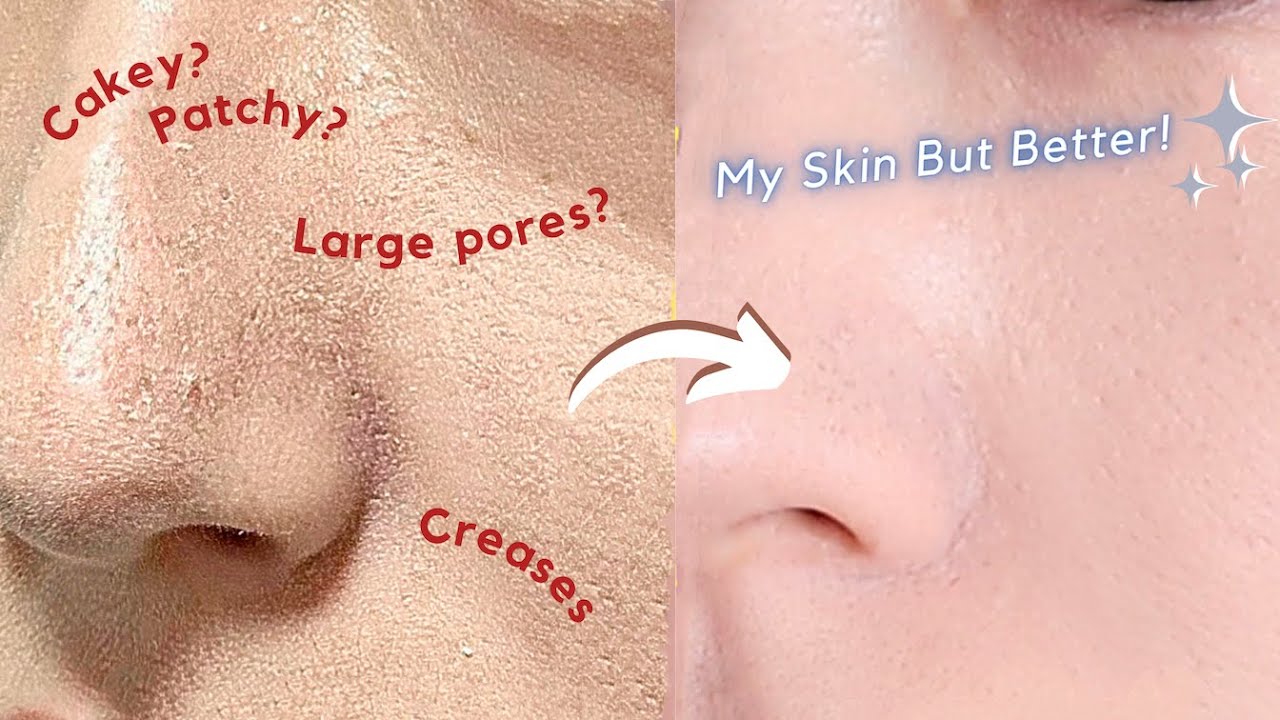
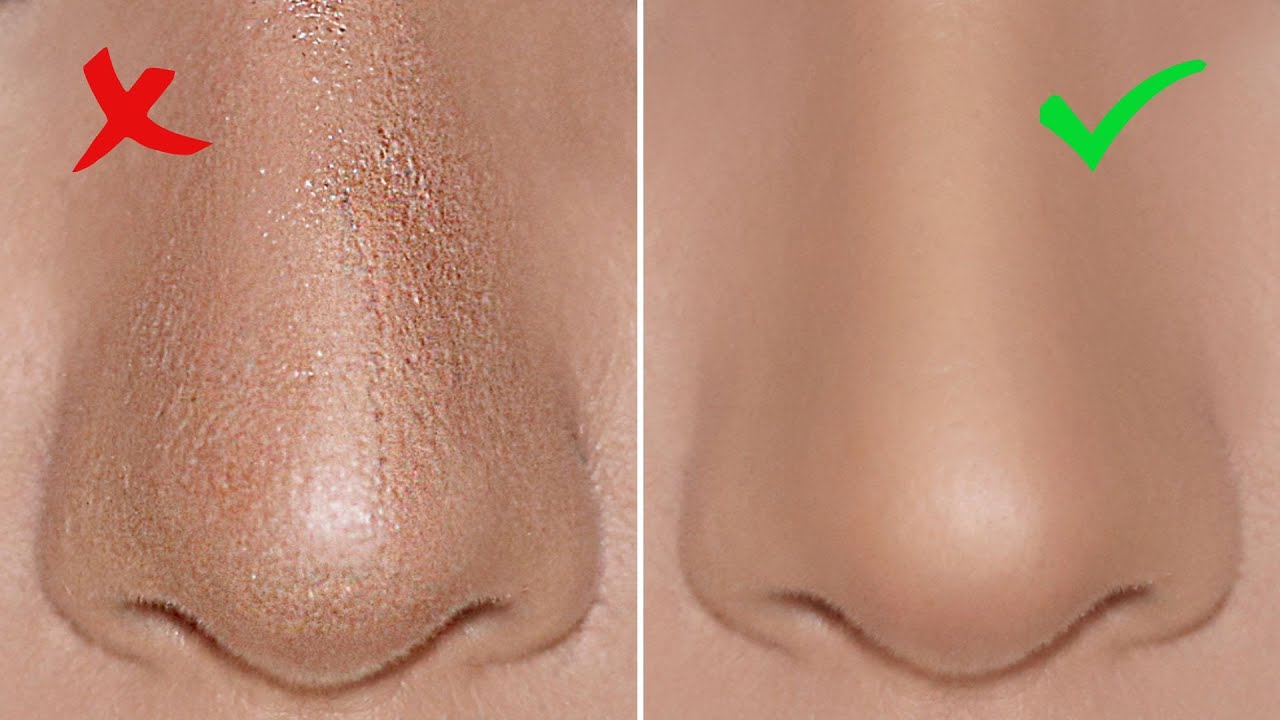
Cakey makeup is foundation or concealer that sits on top of the skin rather than blending into it, creating a thick, heavy, mask-like appearance with visible texture, flaking, and creasing into fine lines.
Your base looks patchy and uneven. The finish appears dry and clumpy instead of smooth.
This happens when products build up on the skin surface, settling into pores and wrinkles. The result draws attention to texture issues rather than covering them.
Why Does Makeup Look Cakey

Does Dry Skin Cause Cakey Foundation
Yes. Dehydrated skin creates an uneven surface that prevents foundation from adhering properly.
Flaky patches grab onto product and make it clump. Without adequate moisture, your base will crack and separate throughout the day.
Does Applying Too Much Product Make Makeup Cakey
Layering too much foundation is the fastest way to get a cakey finish. Heavy coverage formulas pile up quickly.
Even buildable products become problematic when you keep adding more. Start with less and build only where needed.
Can Wrong Foundation Formula Cause Cakiness
A matte foundation on dry skin will look chalky and textured. A dewy formula on oily skin slides around and separates.
Match your formula to your skin type. Liquid foundations work better for dry complexions; powder foundations suit oily skin.
Do Incompatible Product Bases Create Cakey Makeup
Water-based and silicone-based products fight each other. Check your ingredient lists for dimethicone (silicone) or water as the first ingredient.
Mixing bases causes separation, pilling, and patchy coverage. Keep your primer, foundation, and moisturizer on the same base.
Does Skipping Skin Prep Lead to Cakey Foundation
Always prep your skin before makeup. Moisturizer creates a smooth canvas; primer fills in pores and fine lines.
Without prep, foundation clings to rough texture and emphasizes every flaw.
Can Dead Skin Cells Make Foundation Look Patchy
Dead skin buildup creates a rough layer that foundation cannot penetrate. Products sit on top and flake off.
Exfoliate regularly to remove this barrier. Fresh skin accepts makeup better and holds it longer.
Does Weather Affect Foundation Appearance
High humidity makes you sweat more, breaking down foundation into clumps. Cold, dry air causes flakiness that makeup clings to.
Adjust your routine seasonally. Use lighter formulas in summer, more hydrating ones in winter.
Can Wrong Foundation Shade Look Cakey
A shade too light or too dark becomes more obvious on skin. The mismatch highlights that you are wearing makeup.
Test shades on your jawline in natural light. The right color disappears into your skin.
How to Fix Cakey Makeup Without Removing It

Does Face Mist Fix Cakey Foundation
A hydrating facial mist can melt foundation back into skin. Spritz lightly from 6 inches away.
The moisture rehydrates dry patches and softens product buildup. Choose a mist compatible with your foundation base.
Can a Damp Sponge Remove Cakiness
A damp beauty blender pressed gently over cakey areas blends out harsh lines. The sponge absorbs excess product while smoothing what remains.
Use dabbing motions, not wiping. This technique works well for fixing patchy makeup on the go.
Do Blotting Papers Help With Cakey Makeup
Blotting papers remove excess oil and product without disturbing your base. Press gently, do not rub.
Focus on the T-zone where buildup happens most. This step prepares skin for touch-ups.
Does Setting Spray Fix Patchy Foundation
A setting spray adds moisture and locks everything in place. It creates a more natural, skin-like finish.
For oily skin, use a mattifying formula. Dewy sprays work better for dry complexions.
How to Prevent Cakey Makeup

What Skin Prep Prevents Cakey Foundation
Cleanse, moisturize, then apply primer. Let each layer absorb for 2-3 minutes before adding the next.
A good primer fills pores and creates grip for foundation. Hydrating primers suit dry skin; mattifying ones control oil.
Which Foundation Type Works Best for Each Skin Type
What Foundation Works for Dry Skin
Choose liquid foundation with hydrating ingredients like hyaluronic acid, glycerin, or ceramides. Avoid matte formulas that emphasize dryness. Learn the right technique for applying makeup on dry skin.
What Foundation Works for Oily Skin
Oil-free, mattifying formulas control shine. Powder foundation absorbs excess sebum. Set with translucent powder on the T-zone only.
What Foundation Works for Combination Skin
Use lightweight liquid on dry areas, powder on oily zones. A balanced approach prevents cakiness while controlling shine where needed.
How Much Foundation is Enough
Start with a pea-sized amount. Build coverage gradually in thin layers only where you need it.
Less product means less chance of caking. Your skin should show through in areas that do not need coverage.
What Tools Prevent Cakey Application
A damp beauty sponge creates the most natural finish. It absorbs excess product while pressing foundation into skin.
Brushes work well for fuller coverage but require proper technique. Applying makeup with a sponge reduces the risk of over-application.
Does Exfoliation Prevent Cakey Makeup
Regular exfoliation removes dead skin cells that cause patchiness. Chemical exfoliants work gentler than physical scrubs.
Exfoliate 2-3 times weekly, not daily. Over-exfoliation irritates skin and creates more texture problems.
How Long Should Products Sit Before Applying Foundation
Give moisturizer 2-3 minutes to absorb. Primer needs another 1-2 minutes before foundation.
Rushing this process traps products between layers. They will separate and pill throughout the day.
What Products Cause Cakey Makeup
Which Foundations Are Prone to Cakiness
Full coverage matte foundations cake easiest. Thick, heavy formulas require perfect application technique.
Sheer and medium coverage options are more forgiving. They blend easier and look more natural on textured skin.
What Concealers Create Texture Issues
Thick, dry concealers settle into fine lines immediately. The under-eye area shows this problem most.
Choose hydrating formulas for under eyes. Focus on preventing creasing under eyes with proper product selection and application.
Can Setting Powder Make Makeup Cakey
Setting powder builds up fast when over-applied. Excess powder creates a dry, textured finish that emphasizes every line.
Use a fluffy brush and tap off excess before applying. Press powder onto skin rather than sweeping; focus only on areas that get shiny.
How to Apply Foundation Without Caking
What Application Technique Prevents Cakiness
Start from the center of your face and blend outward. This deposits more product where you need coverage and less at the edges.
Use dabbing motions rather than dragging. Pressing foundation into skin creates better adhesion than spreading it across the surface.
Should You Apply Foundation in Layers
Yes, but thin ones. One sheer layer looks better than one thick application.
Wait 30 seconds between layers. Proper layering makeup prevents product buildup that causes caking.
Does Application Tool Affect Cakiness
Absolutely. Brushes deposit more product; sponges absorb excess while blending.
Dirty tools transfer old product and bacteria onto fresh makeup. Clean your sponges weekly and wash brushes regularly.
How to Keep Makeup From Caking Throughout the Day
Why Does Makeup Cake After a Few Hours
Oil production breaks down foundation. Sweat mixes with product and creates clumps.
Touching your face transfers oils from hands. Environmental factors like humidity accelerate breakdown.
What Touch-Up Methods Prevent More Caking
Blot before adding product. Layering fresh makeup over broken-down foundation creates texture.
Use blotting papers on oily areas first, then lightly mist with setting spray. Skip powder touch-ups if possible.
Does Setting Makeup Properly Prevent Caking Later
Proper setting extends wear time significantly. Making makeup last all day requires the right technique.
Set with powder only where needed. Finish with setting spray to lock everything together.
Common Makeup Mistakes That Cause Caking
Does Rushing Application Cause Cakiness
Rushing skips absorption time between layers. Products pile up instead of melting into skin.
Budget 10-15 minutes for base makeup. Speed creates problems that take longer to fix.
Can Using Old Products Make Makeup Cakey
Expired foundation changes texture and separates in the bottle. Old products do not perform as intended.
Check expiration dates. Foundations last 6-12 months after opening; concealers about the same.
Does Ignoring Skin Type Cause Problems
Using products designed for different skin types guarantees issues. Oily skin needs different products than dry.
Matching makeup to your skin type and tone prevents most caking problems before they start.
Cakey Makeup Solutions for Specific Concerns
How to Prevent Caking on Mature Skin
Fine lines grab product easily. Use hydrating, luminous formulas instead of matte.
Apply highlighter strategically to draw attention away from texture. Skip heavy powder entirely.
How to Prevent Caking With Acne
Covering acne without caking requires thin layers and the right products. Build coverage slowly.
Use color corrector under concealer rather than piling on foundation. Green corrects redness; peach covers dark spots.
How to Prevent Caking Around the Nose
The nose produces more oil and has visible pores. Foundation slides off and collects in creases.
Use primer specifically on the nose. Apply less foundation here and set lightly with powder.
How to Prevent Caking on Dry Patches
Dry patches need extra prep. Apply a heavier moisturizer on those areas before primer.
Skip powder on dry spots. Use cream products instead of powders for blush and highlighter on dry skin.
Products That Help Prevent Cakey Makeup
What Primers Prevent Caking
Hydrating primers with hyaluronic acid plump skin and create a smooth base. Silicone-based primers fill pores but can cause pilling if mismatched.
Choose primer based on your skin concern: hydrating for dry, mattifying for oily, blurring for textured.
What Foundation Formulas Resist Caking
Skin tints and BB creams cake less than full coverage foundations. Sheer formulas blend easier.
Lightweight liquid foundation with buildable coverage gives you control. Avoid thick, heavy formulas unless you have flawless technique.
What Setting Products Work Best
Finely milled translucent powder sets without adding coverage or texture. Pressed powders work for touch-ups.
Setting sprays create a protective barrier. Dewy sprays add moisture; matte sprays control oil.
How to Fix Specific Caking Problems
How to Fix Foundation Oxidizing and Caking
Oxidation turns foundation orange and makes it separate. Stopping oxidation starts with proper primer.
Choose foundations labeled “non-oxidizing” or test new products for several hours before committing.
How to Fix Makeup Pilling and Balling Up
Pilling happens when products do not absorb or mix well. Stopping pilling requires matching product bases.
Let each skincare layer fully absorb. Use less product overall.
How to Fix Cakey Concealer Under Eyes
Under-eye skin is thin and dry. Heavy concealer settles into every crease within hours.
Use hydrating eye cream first. Apply concealer in thin layers, set with minimal powder, and blend properly.
FAQ on Makeup Looks Cakey
Why does my foundation look cakey?
Cakey foundation results from dry skin, too much product, incompatible formulas, or skipping skin prep. Dead skin cells, wrong shade selection, and mismatched water-based and silicone-based products also cause that thick, patchy appearance.
How do I fix cakey makeup without removing it?
Spritz a hydrating face mist to melt foundation back into skin. Press a damp beauty sponge over cakey areas to blend out texture. Use blotting papers first if oily, then finish with setting spray.
Does dry skin cause cakey foundation?
Yes. Dehydrated skin creates rough, uneven texture that foundation clings to instead of blending into. Flaky patches grab product and cause clumping. Always moisturize and use hydrating primer before applying any base makeup.
Why does my makeup look cakey after a few hours?
Oil production breaks down foundation throughout the day. Sweat mixes with product and creates clumps. Touching your face transfers oils. Humidity and environmental factors accelerate this breakdown, causing separation and texture issues.
What foundation type prevents cakiness best?
Lightweight liquid foundation with buildable coverage cakes least. Skin tints and BB creams blend easier than full coverage formulas. Match formula to skin type: hydrating for dry skin, mattifying for oily complexions.
Does setting powder make makeup cakey?
Over-applying setting powder causes dryness and texture. Use finely milled translucent powder with a fluffy brush. Tap off excess before applying. Press onto skin rather than sweeping, and focus only on oily areas.
Can too much primer cause cakey makeup?
Yes. Excess primer creates a slippery layer that prevents foundation from adhering properly. Use a pea-sized amount. Let it absorb fully before applying foundation. Match primer base to your foundation base.
Why does concealer look cakey under my eyes?
Under-eye skin is thin and dry. Heavy concealer settles into fine lines within hours. Use hydrating eye cream first, apply concealer in thin layers, and set with minimal powder to prevent creasing.
Does humidity make makeup cake?
High humidity increases sweating, which breaks foundation down into clumps. Use oil-free, long-wearing formulas in humid weather. Set makeup properly and carry blotting papers for touch-ups throughout the day.
How do I prevent cakey makeup in winter?
Cold air causes skin dryness and flaking. Switch to more hydrating foundations and skip matte formulas. Layer moisturizer generously before makeup. Use cream products for blush and highlighter instead of powders.
Conclusion
When makeup looks cakey, the fix is usually simpler than you think. Proper skin prep, the right foundation formula, and correct application tools solve most problems.
Match your products to your skin type. Use a damp beauty sponge for seamless blending. Apply thin layers and let each one set.
Skip heavy powder on dry areas. Keep a face mist handy for midday touch-ups.
Your base should look like skin, not a mask sitting on top of it.
The difference between patchy foundation and a flawless finish comes down to technique and product choice. Now you have both.
Smooth, natural coverage is completely achievable with these methods.

She started writing on the site after fielding the same questions from clients and friends often enough to just write the answers down: which red won't turn orange on a warm undertone, how to keep lipstick from feathering into fine lines, why a "12-hour" formula rarely survives dinner.
Every review on the site follows the same rule she uses with paying clients: wear it first, then decide if it's worth recommending.
- How to Make Eyeliner Last Longer Without Smudging - August 31, 2026
- How to Make Eyeshadow Last Longer All Day - August 29, 2026
- How to Find Your Undertone in 5 Easy Steps - August 27, 2026