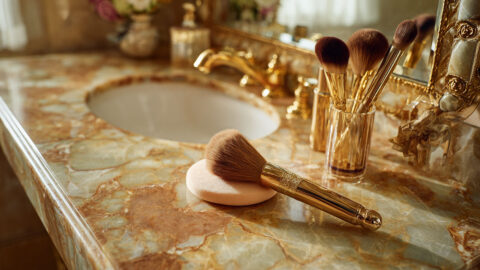
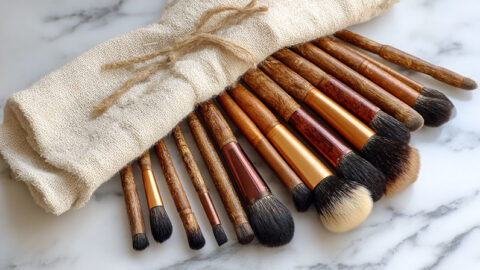
Your brushes touch your face every day. If you are not washing them regularly, you are applying bacteria, dead skin cells, and weeks of product buildup directly onto your skin with every use.
Knowing how to wash makeup brushes correctly is not complicated, but most people either skip it entirely or do it in ways that quietly destroy their bristles over time.
This guide covers everything: the difference between spot cleaning and deep cleaning, the right cleansers for natural and synthetic bristles, step-by-step technique, drying without ferrule damage, and how to tell when a brush is past saving.
What Washing Makeup Brushes Actually Means

Washing makeup brushes is not one single action. It is two separate routines, spot cleaning and deep cleaning, that do different things and work at different times.
Spot cleaning is a quick refresh done between uses. You swipe the bristles across a cloth or paper towel with a fast-drying spray cleanser. Takes 30 seconds. Gets surface pigment off so you can switch colors without muddying your look.
Deep cleaning is the full wash with water and cleanser. This is what actually removes oil buildup, dead skin cells, and bacteria from the bristles. Spot cleaning does not do this.
A 2025 study published in the International Journal of Microbiology found that 44.3% of brush users rarely clean their brushes, and 27.8% reported skin problems linked to contaminated tools.
That gap between awareness and action is real. A Huffington Post survey found that 22% of women admitted to never cleaning their brushes at all.
Spot Cleaning vs. Deep Cleaning
| Method | What It Removes | How Often | Best For |
|---|---|---|---|
| Spot clean | Surface pigment, light residue | After each use or between colors | Color switching, quick refresh, on-the-go |
| Deep clean | Oil, bacteria, dead skin, product buildup | Weekly (liquid/cream brushes), every 1–2 weeks (powder brushes) | Full hygiene reset and performance restore |
Foundation and concealer brushes pick up oil and skin cells with every use. That buildup creates a breeding ground for bacteria fast. Powder brushes used for blush, bronzer, or setting powder are less urgent but still need a deep clean every one to two weeks.
Eye brushes need extra attention. Anything that touches near the waterline or lash line should be cleaned more frequently, since the eye area is more vulnerable to infection than the rest of the face.
What “Clean” Actually Means
A brush that looks clean is not necessarily clean. Product residue compacts inside the bristle base where you cannot see it.
Gram-positive bacteria (including Staphylococcus and Micrococcus species) made up 81% of bacteria found on tested cosmetic brushes in the 2025 International Journal of Microbiology study. These are the strains linked to acne, folliculitis, and skin infections.
The rinse-water test is the most honest check: if water still runs tinted after two rounds of lathering, the brush is not clean yet.
What You Need Before You Start

Getting the right supplies together before you start matters more than people think. Using the wrong cleanser on the wrong bristle type causes damage that builds up over time.
Cleansers: What Actually Works
Dedicated brush cleansers (Cinema Secrets, Beautyblender Blendercleanser, Bobbi Brown Conditioning Brush Cleanser) are the most efficient for deep cleans. Cinema Secrets is the go-to for professional makeup artists who need fast sanitizing between clients.
Baby shampoo (Johnson’s is the one most pros mention) is gentle enough for natural hair bristles and cleans well without stripping the fibers. It is the most recommended budget option by dermatologists.
Dawn dish soap cuts through oil-based products better than shampoo. It works especially well on foundation and lip brushes. Some artists mix it one-to-one with olive oil. The olive oil breaks down waterproof product; the soap lifts it out.
One note: dish soap used too often can dry out natural bristles. Save it for heavy buildup, not every weekly wash.
Tools That Help
- Silicone brush cleaning mat or glove (Sigma, Japonesque) – the textured surface works cleanser deep into bristles without splaying them the way palm-swirling does
- Brush guards – slip over wet bristles to hold shape while drying
- Drying rack – keeps brushes angled downward so water drains away from the ferrule
You do not need all of these. A silicone mat and a clean towel are enough for most people.
Water Temperature
Lukewarm water only. Hot water softens the adhesive inside the ferrule, which is the metal band that connects bristles to handle. Over time, repeated hot-water washing causes shedding and bristle loss.
This is one of the most common mistakes. The water feels more effective when it is hot, but it is quietly destroying the glue hold every time.
Never soak the full brush. Water travels up into the ferrule through capillary action. Even with lukewarm water, submerging the full brush head repeatedly is enough to loosen the adhesive over weeks.
How to Deep Clean Makeup Brushes Step by Step

The order here matters. Doing steps out of sequence either wastes cleanser or leaves product behind in the bristle base.
- Wet the bristles pointing downward under lukewarm running water. The brush handle should stay dry.
- Apply a small amount of cleanser to your palm or silicone brush cleaning mat.
- Swirl the bristles in the cleanser using gentle circular motions. Work from tip to base without pulling.
- Rinse under lukewarm water, still pointing down, until water runs completely clear.
- Repeat the cleanser step if the brush held heavy product (foundation, concealer, cream contour).
- Gently squeeze excess water out with a clean towel. No twisting.
- Reshape the bristles with your fingers before setting down to dry.
Celebrity makeup artist Mario Dedivanovic adds a drop of tea tree oil to his second-pass shampoo rinse for its antiseptic properties. That detail is optional but worth knowing if you have acne-prone skin or share brushes professionally.
How to Dry Brushes Without Damaging Them
Never dry brushes upright. Water pools inside the ferrule and sits against the adhesive. Do this consistently and your brushes will start shedding within a few months.
The two options that work:
- Lay flat on a clean towel with the bristle end hanging slightly off the edge of a counter
- Use a brush drying rack that holds brushes at a downward angle
Synthetic brushes dry in 2 to 4 hours. Natural hair brushes take longer, sometimes overnight, because the natural fibers absorb more water. Plan washes for evenings so brushes are ready by morning.
Do not use a blow dryer. Heat damages natural bristles and can warp synthetic fibers. Air drying is the only method that does not degrade the brush over time.
How to Spot Clean Brushes Between Uses

Spot cleaning is not a shortcut to skip deep cleaning. It is a different job entirely.
The purpose is pigment removal so you can switch shades mid-application without contaminating your next color. A fluffy blush brush loaded with a coral shade will muddy a mauve if you skip this step.
What Spot Cleaning Removes and What It Does Not
What it removes: surface pigment, loose product, enough residue to change shades cleanly.
What it does not remove: oil buildup, bacteria, compacted product at the bristle base, skin oils transferred from your face.
Cinema Secrets brush cleaner is the most widely used quick-clean product among working makeup artists. It sanitizes fast and dries in under a minute. Isopropyl alcohol sprays work too, but repeated use dries out natural bristles. Stick to alcohol-based spot cleaners on synthetic brushes only.
When Spot Cleaning Is Not Enough
Some situations require a full deep clean regardless of how recently you spot cleaned:
- After using any cream or liquid product (foundation, concealer, cream blush)
- After use on someone else’s skin
- After a skin breakout or infection
- Any time the bristles feel stiff or look discolored despite spot cleaning
The LOOKFANTASTIC study found that 8% of makeup wearers have never washed their makeup brushes and 53% continue these habits even when applying makeup in shared locations. Spot cleaning alone in a shared-use situation is not sufficient hygiene practice.
Natural Hair Brushes vs. Synthetic Brushes
The material of your brush changes how you wash it. Most brush damage from cleaning comes from treating natural bristles the same way as synthetic ones.
Natural Hair Bristles
Natural hair brushes (squirrel, goat, sable) have a cuticle structure similar to human hair. Harsh cleansers strip the natural oils from the fibers, causing brittleness and frizz in the bristles.
Use: baby shampoo or dedicated brush cleanser. Avoid dish soap as a regular cleanser on these. After washing, a tiny amount of hair conditioner worked through the bristles and rinsed out immediately helps restore softness. Brands like MAC and Sigma recommend conditioning natural bristles once a month.
Drying time is longer. The fiber structure absorbs water deeply. Expect 6 to 12 hours for dense natural brushes like a powder or blush brush.
Synthetic Bristles
Synthetic fibers (taklon, nylon) used in brands like Real Techniques and EcoTools do not absorb product the same way. They release buildup more easily and tolerate a wider range of cleansers including gentle dish soap.
They dry significantly faster, sometimes in 2 to 3 hours. This makes them more practical for daily or frequent washing.
One tradeoff: synthetic brushes still need reshaping after every wash. Even though the fibers are tougher, they will dry in whatever position you leave them.
Side-by-Side Reference
| Feature | Natural Hair | Synthetic |
|---|---|---|
| Best cleanser | Gentle cleansers (baby shampoo, brush soap) | Gentle cleansers, mild dish soap, brush cleanser |
| Conditioning | Recommended monthly | Not needed |
| Drying time | 6–12 hours | 2–4 hours |
| Alcohol-based spot cleaner | Avoid or use sparingly | Safe for occasional use |
| Deep cleaning tolerance | Lower; limit to weekly | Higher; can handle frequent cleaning |
How to Wash Specific Brush Types

Not all brushes wash the same way. Shape, density, and intended product all change what the cleaning process looks like in practice.
Dense Brushes (Foundation, Kabuki, Concealer)
These hold the most product buildup because the fibers are packed tightly together. Surface swirling does not reach the base where most of the residue compacts.
Work the cleanser in from multiple angles. Press the brush flat against your palm or mat, then swirl, then press from the side. Rinse and repeat until the runoff is completely clear. Dense brushes often need two or three full lather cycles.
This is also the brush type most responsible for acne breakouts when unwashed, since liquid foundation traps bacteria between the tightly packed bristles.
Fluffy Brushes (Powder, Blush, Bronzer)
Main risk: losing shape during washing. Loose, fluffy bristles spread easily if you apply too much pressure or swirl aggressively.
Use light, directional strokes rather than circular motions. Work cleanser through with a gentle back-and-forth motion. Reshape immediately after squeezing out water and do not let the brush rest against anything while wet.
Eye Brushes
Small surface area means less product buildup, but the stakes are higher. Brushes used along the lash line or waterline can transfer bacteria directly to the eye.
- Clean blending brushes weekly
- Clean liner and shadow brushes used along the waterline after every use
- Flat shader brushes: every 3 to 5 uses
Eye area infections (conjunctivitis, styes) are one of the documented outcomes of using contaminated brushes near the eyes. The Journal of Applied Microbiology study found that 70% to 90% of cosmetic tools tested were contaminated with bacteria or fungi, including near eye-application tools.
Fan Brushes and Unusual Shapes
Fan brushes are tricky because the bristles spread wide when wet and rarely return to their original shape without help. Lay a strip of tape lightly across the bristle tips while drying to hold the fan shape. Remove it once the brush is fully dry.
Angled brushes (liner, contour) should be reshaped along their angle, not flattened straight, before drying.
Common Mistakes That Damage Brushes

Most brush damage is not from wear. It is from cleaning done wrong, repeated over months.
The ferrule is the weakest point. Water that gets inside it sits against the adhesive, and that glue does not recover once it softens. Vogue Scandinavia’s makeup expert puts it directly: “letting water run into the metal part weakens the glue holding the bristles together.”
Wetting the Full Brush
Point the bristles downward when rinsing. Water should never travel upward toward the ferrule.
Submerging or soaking a brush is the fastest way to destroy it. Even lukewarm water pooling inside the ferrule during a single soak session can start loosening the adhesive. BK Beauty’s brush care guide confirms that hot water damages glue inside the ferrule and breaks down the lacquer on wooden handles.
Circular Scrubbing That Splays Bristles
Aggressive circular scrubbing on a silicone mat bends bristles in directions they were not designed to flex.
What works instead: gentle directional strokes, working cleanser from tip toward base. The goal is lather, not friction. Dense brushes need multiple passes, not harder pressure.
Skipping the Reshaping Step
Brushes dry permanently in whatever shape they are left.
A foundation brush set down flat without reshaping will dry with a slight fan spread. A fluffy blush brush left with bristles pressed against a towel will dry flattened. Takes five seconds to fix wet. Takes a replacement purchase to fix dry.
Wrong Cleanser for the Bristle Type
Dish soap on natural hair bristles. Alcohol spray used daily on natural fibers. These are two of the most common mistakes that accelerate bristle breakdown.
Dish soap: Fine for synthetic brushes, occasional use on natural. Not a weekly cleanser for goat or squirrel hair.
Alcohol-based spot cleaners: Fine for synthetic, problematic with repeated use on natural bristles. The alcohol strips the natural oils that keep the fibers flexible.
Drying Upright
This one keeps coming up because people keep doing it.
Upright drying sends water gravity-first into the ferrule with every session. Morphe’s brush guide, IT Cosmetics, and most professional artists all flag this as the single most avoidable source of brush shedding. Lay them flat or angled downward. Every time.
How to Know When a Brush Is Beyond Cleaning

Good brushes last. Natural hair brushes, well maintained, can hold up for 5 to 10 years according to Cosmetic Executive Women (CEW). Synthetic fiber brushes generally run 1 to 3 years before performance noticeably drops.
But cleaning extends brush life only up to a point. Some brushes reach a stage where washing them further is more damage than it is worth.
Signs the Brush Has Reached Its End
Persistent shedding: A few stray bristles per wash is normal. Clumps falling out during application means the ferrule adhesive has failed. No amount of careful cleaning fixes that.
Permanent shape loss: A brush that stays splayed or misshapen after washing has bristle fibers that no longer hold structure. Application becomes patchy and uneven.
Stiffness that does not wash out: Stiff bristles after cleaning mean product has compacted so deeply into the bristle base that cleanser cannot reach it. This type of buildup transfers bacteria onto skin during every use.
Smell that stays after washing: A musty or sour smell after a thorough deep clean and full drying cycle indicates bacterial or mold growth inside the ferrule, where water cannot be removed. This is a hygiene issue, not a cleaning one.
When to Replace by Brush Type
| Brush Type | Typical Lifespan | Replace Sooner If |
|---|---|---|
| Foundation (liquid) | 1–2 years (daily use) | Shedding, misshapen bristles, persistent odor |
| Powder / blush | 3–5 years | Bristles feel stiff or don’t fluff back after washing |
| Eye (blending) | 2–3 years | Fraying, loss of softness, irritation near the eye |
| Concealer | 1–2 years (daily use) | Buildup at base won’t come out, bristles clump |
Foundation and concealer brushes wear out faster because liquid products compact inside the bristles with every use. Applying makeup with a brush correctly also depends on the bristle condition, since a degraded brush affects blending, pigment payoff, and the finish of any formula you use.
Cost vs. Replacement
This one is worth being direct about.
Spending time on repeated deep cleaning cycles for a brush that is shedding or permanently misshapen is not saving the brush. It is delaying a $10 to $20 purchase while continuing to use a contaminated tool on your face.
Professional makeup artists, including those at Real Techniques and EcoTools, assess brushes every 6 to 12 months under heavy professional use. For personal use that standard is more relaxed, but the principle holds: when performance drops and cleaning no longer restores it, the brush has done its job.
If you want to dry makeup brushes fast between uses, keeping a second set on rotation solves the problem without forcing wet brushes back into service before they are fully dry, which is one of the fastest routes to mold growth inside the ferrule.
FAQ on How To Wash Makeup Brushes
How often should you wash makeup brushes?
Foundation and concealer brushes need a deep clean weekly. Powder, blush, and bronzer brushes can go every one to two weeks. Eye brushes used near the waterline should be cleaned after every use.
What is the best cleanser to wash makeup brushes?
Baby shampoo and dedicated brush cleansers like Cinema Secrets work well for most bristle types. Dawn dish soap cuts through heavy oil-based buildup but should be used sparingly on natural hair brushes to avoid drying out the fibers.
Can you use dish soap to clean makeup brushes?
Yes, but with limits. Dish soap is effective on synthetic bristles and for breaking down stubborn product buildup. Avoid using it regularly on natural hair brushes. It strips the oils that keep those fibers soft and flexible.
How do you dry makeup brushes without damaging them?
Never dry brushes upright. Water travels into the ferrule and weakens the adhesive holding the bristles. Lay them flat with bristles hanging off a counter edge, or use a downward-angled drying rack.
How do you deep clean makeup brushes step by step?
Wet bristles pointing downward, work cleanser in with circular motions on your palm or a silicone mat, rinse until water runs clear, squeeze out excess water gently, reshape bristles, then lay flat to dry overnight.
What is the difference between spot cleaning and deep cleaning?
Spot cleaning removes surface pigment quickly between uses using a fast-drying spray. Deep cleaning uses water and soap to remove bacteria, oil, and product buildup from inside the bristles. Both are necessary. Neither replaces the other.
Can you wash natural hair brushes the same way as synthetic brushes?
Not quite. Natural bristles need gentler cleansers like baby shampoo and benefit from occasional conditioning. Synthetic brushes tolerate a wider range of cleansers and dry faster. Using dish soap regularly on natural hair shortens their lifespan noticeably.
Why do my brushes shed after washing?
Usually caused by water getting into the ferrule repeatedly, weakening the glue. Hot water, soaking the full brush, or drying upright all accelerate this. Once the adhesive fails, shedding cannot be reversed. The brush needs replacing.
How do you wash makeup brushes without ruining the shape?
Reshape bristles with your fingers immediately after squeezing out excess water, before they start drying. Use brush guards if you have them. Never let a wet brush rest against a surface or dry touching another brush.
When should you replace makeup brushes instead of washing them?
Replace when bristles shed in clumps, stay misshapen after washing, feel permanently stiff, or smell musty after a full deep cleaning cycle. No amount of brush cleaning fixes failed ferrule adhesive or broken-down fibers.
Conclusion
This conclusion is for an article presenting a full brush cleaning routine, from quick spot cleaning between uses to proper deep cleaning with the right brush cleanser for your bristle type.
The core principle is simple. Brush hygiene directly affects your skin health and your makeup results.
Use lukewarm water, keep the ferrule dry, reshape bristles before drying, and never store brushes upright while wet.
Match your cleanser to your bristles. Baby shampoo for natural hair, mild dish soap or a dedicated cleanser for synthetic fibers.
And when a brush sheds, stays misshapen, or smells after washing, replace it. No cleaning routine saves a brush past its lifespan.

She started writing on the site after fielding the same questions from clients and friends often enough to just write the answers down: which red won't turn orange on a warm undertone, how to keep lipstick from feathering into fine lines, why a "12-hour" formula rarely survives dinner.
Every review on the site follows the same rule she uses with paying clients: wear it first, then decide if it's worth recommending.
- How to Make Eyeliner Last Longer Without Smudging - August 31, 2026
- How to Make Eyeshadow Last Longer All Day - August 29, 2026
- How to Find Your Undertone in 5 Easy Steps - August 27, 2026